Late 20th-Century Pink Slag Glass Lamp Appraisal: appraisal and value basics
Late 20th-Century Pink Slag Glass Lamp Appraisal research should start with identification, condition, provenance, and recent comparable sales. Use this guide to compare the signals that matter before paying for a formal appraisal or deciding whether to sell.
A Circa Late 20th Century Pink Slag Glass Table Lamp
Listings for a “circa late 20th century pink pink slag glass table lamp” are usually describing a decorative table lamp made in the 1970s–1990s with an opaque, swirled pink-and-milky shade. The “pink pink” phrasing is often just duplicated color copy in listings; what matters is the construction.
Collectors use the phrase slag glass for mottled, opaque opalescent glass (not industrial waste). Earlier slag lamps from the late 1800s through the Arts & Crafts era can be high-value antiques; late-20th-century revival lamps are typically valued more like decorative lighting—unless you have an unusually well-made example with a documented maker, premium materials, or standout design.

Quick value takeaway: many late-20th-century pink slag glass table lamps trade around $120–$250, with a working band of $75–$350 depending on condition and build quality. Cracks in the shade often push value toward the low end fast. For insurance replacement, the number can be higher than typical auction results.
Free instant estimate
Not sure if your lamp is worth appraising? Let us take a look.
Upload a photo, tell us what you know, and get a free first read. If a full appraisal makes sense, we will say so.
Free. No card needed. Takes about two minutes.
What collectors mean by “slag glass”
For lamp shades, “slag glass” typically means a thick, opaque glass with a marbled appearance—like cream or milky white running through a base color (in this case, pink). It’s commonly seen as panels in a dome shade, held by a metal frame with soldered joints and small retaining tabs.
- Slag vs stained glass: stained glass is usually more transparent and assembled from many small pieces. Slag glass often uses fewer, larger panels and reads as more opaque.
- Slag vs plastic/acrylic: real glass feels colder/heavier, shows sharper chips if damaged, and won’t flex like plastic.
- Slag vs “opal” glass: opal glass can look milky, but it’s often smoother and more uniform instead of strongly marbled.
Dating a late-20th-century example (1970s–1990s)
Late-20th-century revival lamps can be attractive and very functional, but they usually show modern production details. Use this checklist:
- UL/ETL label: a safety sticker on the socket shell, cord, or under the base strongly suggests post-1960s manufacture.
- Plug and cord: molded plugs, translucent vinyl cords, or inline cord switches lean modern (even if the lamp is styled “antique”).
- Fasteners: Phillips screws and hex nuts are common later; widespread slotted screws can suggest older, but parts can be swapped—use multiple clues.
- Shade construction: uniform factory solder joints and very consistent panel thickness can point to later production; earlier handmade work often looks slightly less uniform.
Maker and retailer clues (and how to verify)
Some legacy appraisal-style text attributes certain lamps to specific retailers or glass makers. Treat any maker claim as unconfirmed unless the object supports it with marks or tags.
- Look under the base: carefully lift felt pads (if present) and photograph any stamps, paper labels, or foil stickers.
- Inspect the socket: many sockets have manufacturer stamps; these can help with era dating even when the lamp maker is unknown.
- Check the shade frame: sometimes there are tiny stamped numbers on the inner ring or fitter area.
- Glass supplier vs lamp maker: a glass-company name may refer to sheet glass used for panels rather than the lamp’s assembler.
Condition checklist (what hurts value fastest)
For slag glass lamps, condition is often more important than the exact year. Focus on:
- Cracks through panels: even hairline cracks can reduce value and drastically increase shipping risk.
- Chips on visible edges: tiny chips hidden under tabs matter less than front-facing chips.
- Loose joints: a rattling shade may signal failed solder joints or missing tabs.
- Mismatched replacement panels: differences show up quickly when backlit.
- Base finish: harsh metal polish can strip lacquer/antiquing; collectors generally prefer honest finish wear over a mirror-bright re-polish.
Note: We couldn’t find enough auction records that directly match Late 20th-Century Pink Slag Glass Lamp Appraisal to publish a defensible price table. If you are valuing a specific item, include its maker, model, material, photos, and condition so the search can be narrowed.
What similar items actually sold for
To help ground this guide in real market activity, here are recent example auction comps from Appraisily’s internal database. These matched sales are market context only, not an object estimate or identification, and they do not guarantee a price for your specific a circa late 20th century pink pink slag.
Shown USD range: USD 290-USD 2,000. Median of these 3 USD examples: USD 375.
| Comparable | What sold | Auction house | Date | Lot | Source-reported amount |
|---|---|---|---|---|---|
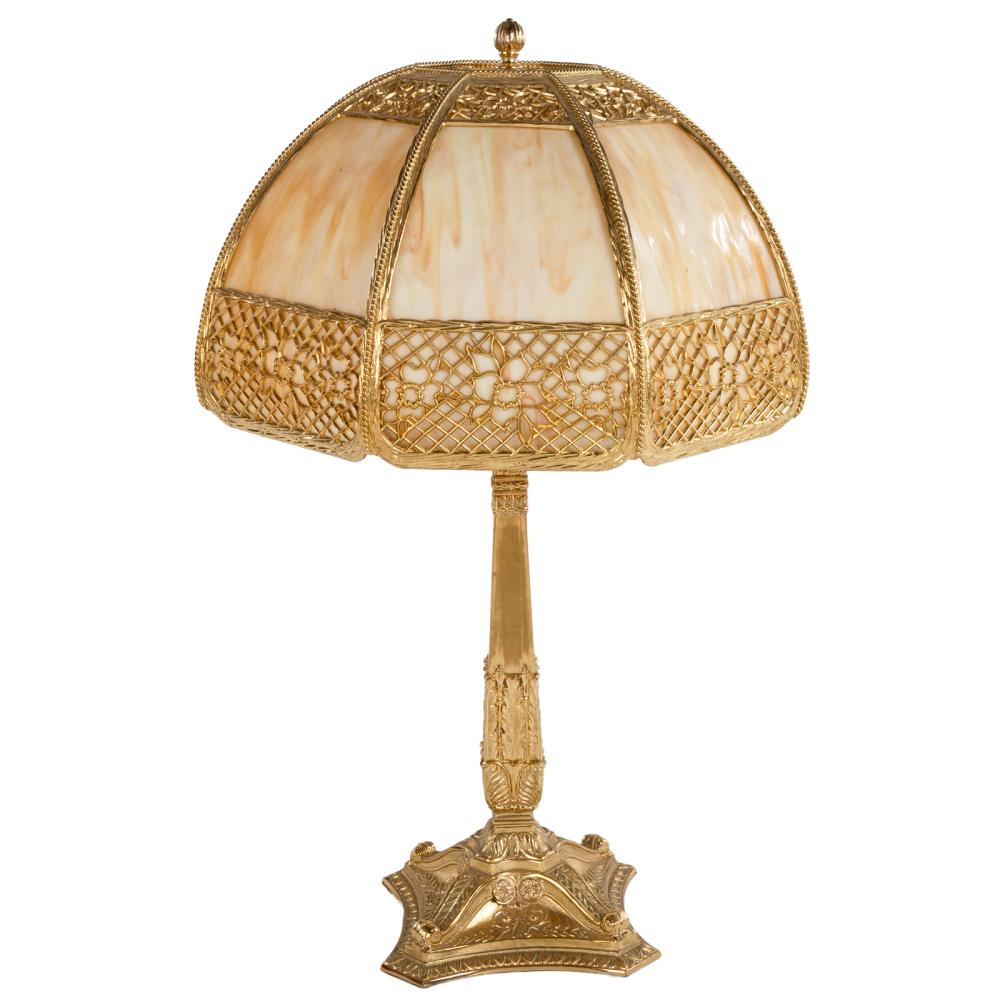 |
A Bradley & Hubbard Slag Glass Table Lamp | Alex Cooper | 2025-06-13 | 1500 | USD 375 (buyer’s-premium treatment unknown) |
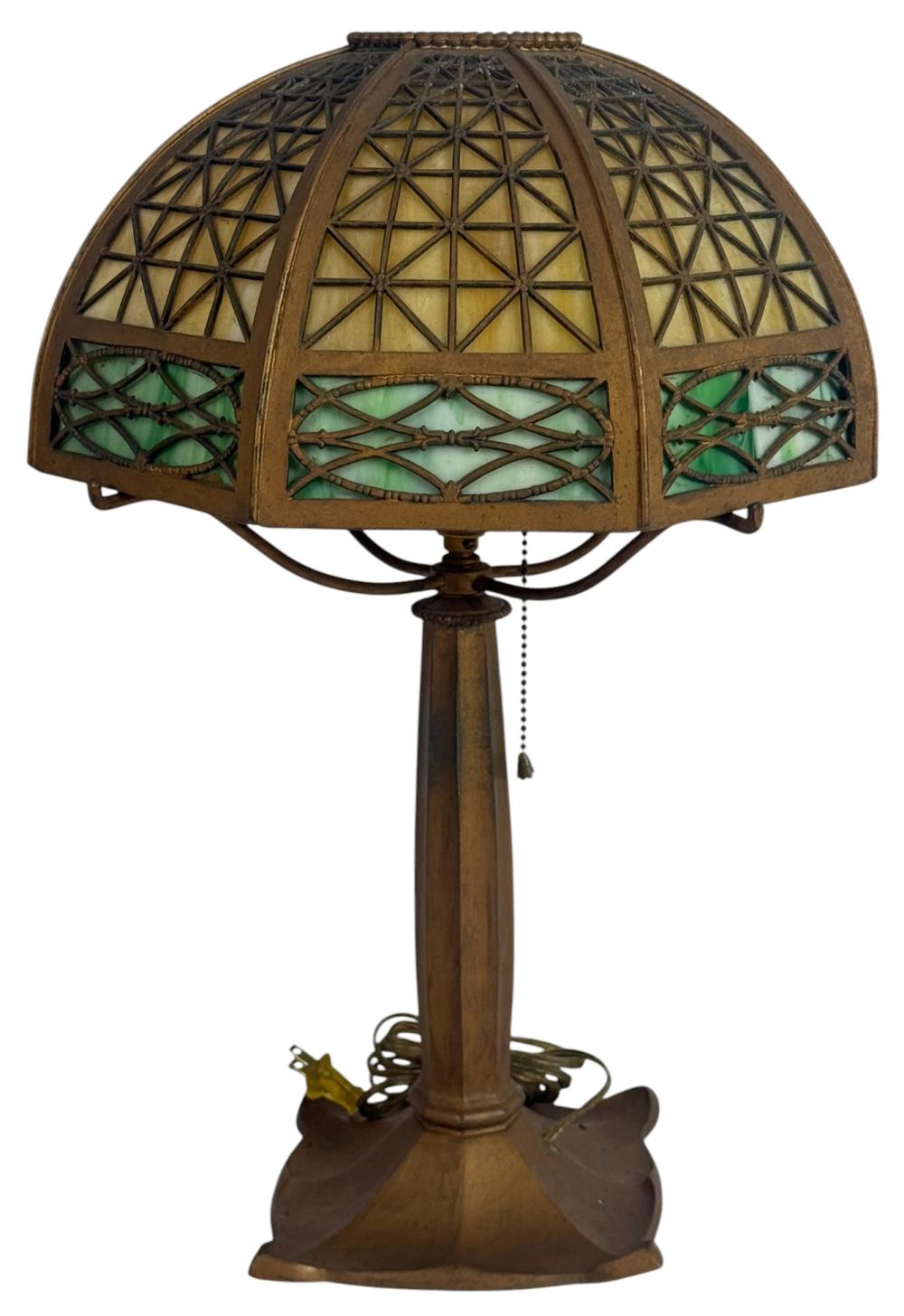 |
Antique Bradley & Hubbard Slag Glass Table Lamp | MiddleManBrokers | 2026-03-12 | 132 | USD 290 (buyer’s-premium treatment unknown) |
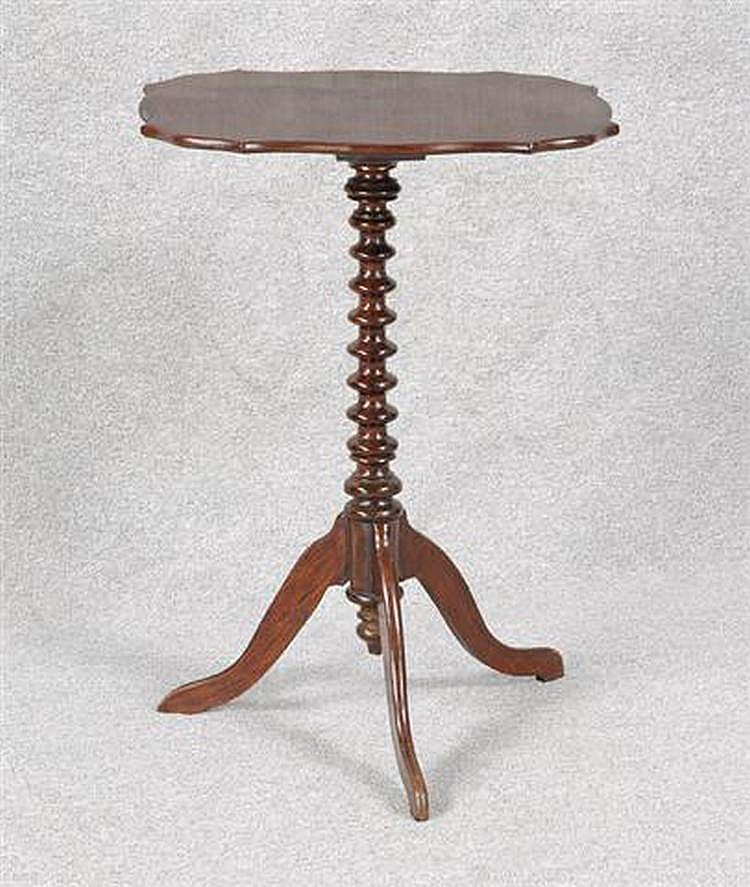 |
Late Biedermeier side table circa 1830, solid | Historia Auctionata | 2011-05-07 | 5081 | EUR 270 (buyer’s-premium treatment unknown) |
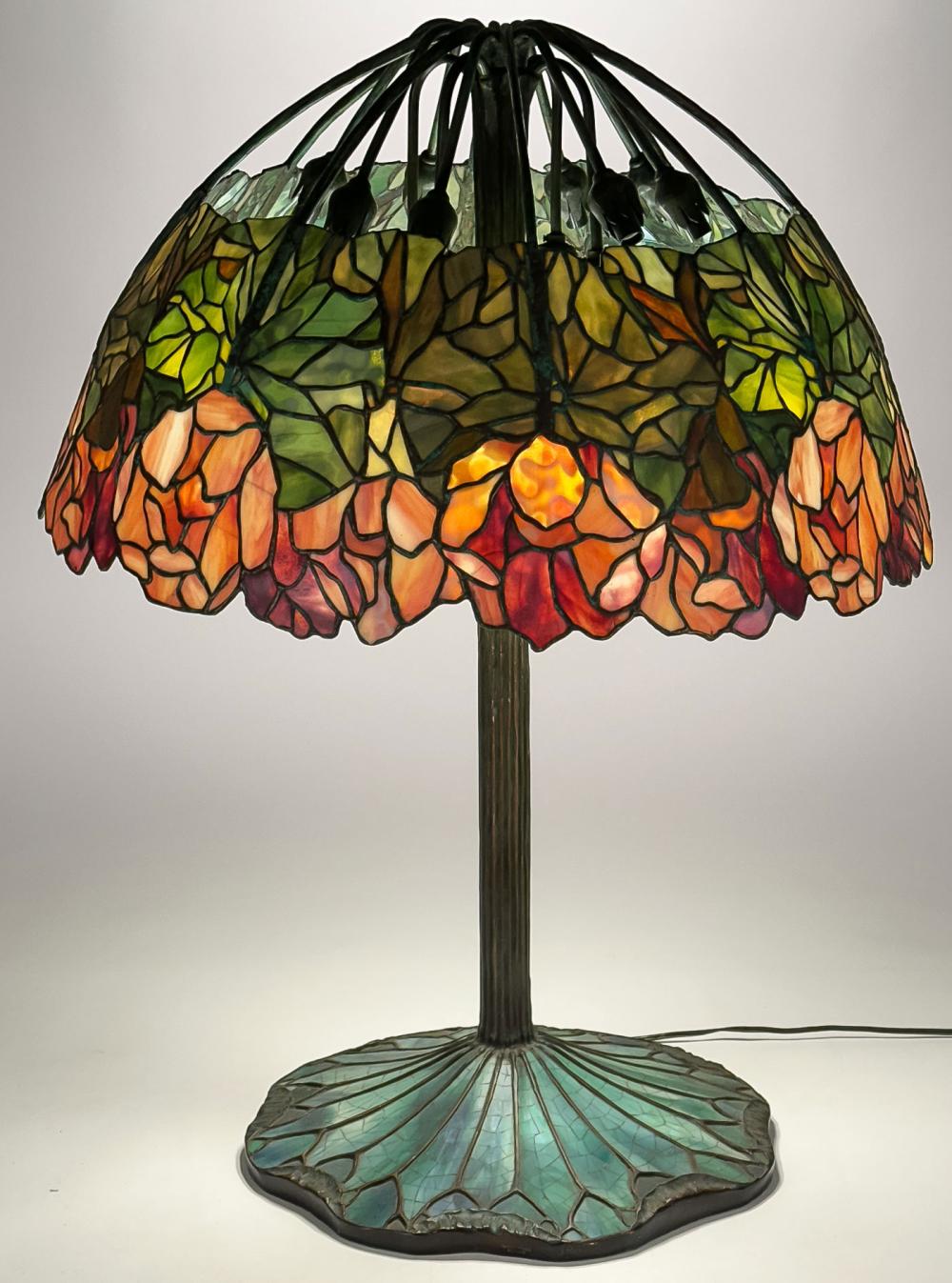 |
SPECTACULAR LEADED GLASS TABLE LAMP. | Jackson's International | 2025-04-30 | 504 | USD 2,000 (buyer’s-premium treatment unknown) |
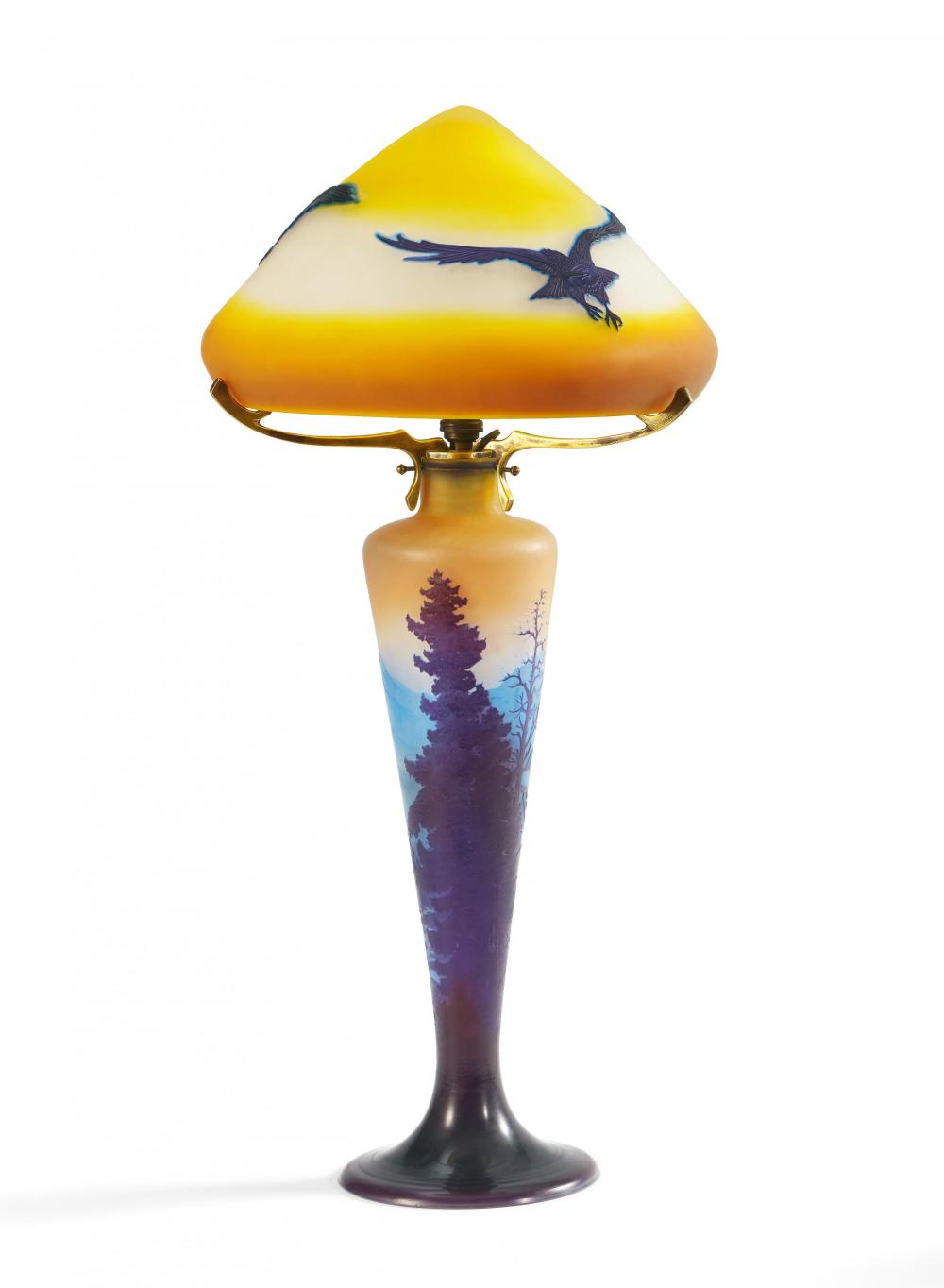 |
LARGE GLASS TABLE LAMP WITH ALPINE LANDSCAPE AND EAGLES | Van Ham Kunstauktionen | 2025-05-15 | 210 | EUR 6,500 (buyer’s-premium treatment unknown) |
How these auction records were verified
Each row retains its exact source URL, lot identity, retrieval time, access result, and immutable record hash. Inspect the public comparable provenance record.
Disclosure: prices are shown as reported by auction houses and are provided for appraisal context. Learn more in our editorial policy.
For most late-20th-century pink slag glass table lamps, appraisers often work within these bands:
- $75–$125: cracked panels, obvious repairs, mismatched glass, or lightweight pot-metal bases.
- $120–$250: attractive swirl, solid frame, stable wiring, and no major shade damage.
- $250–$350+: unusually strong design presence, heavy cast base, premium hardware, or documented maker/retailer.
Note: insurance replacement value can run higher than resale value because it reflects the cost to source a similar lamp quickly at retail (plus shipping/fees), not what a patient auction buyer might pay.
How to sell it (and pack it safely)
Slag glass lamps sell best when you present them as both decorative lighting and as a collectible object with documented details.
- Measure and weigh it: height, shade diameter, base diameter, and total weight help buyers compare.
- Backlight the shade: a lit photo reveals cracks and color differences between panels.
- Disassemble for shipping: remove the shade and finial; pack shade separately; double-box with rigid foam corners.
- Choose the venue: eBay for broad reach, Etsy for décor buyers, or local pickup if the shade is fragile.
Care and electrical safety
- Use LED bulbs to keep the shade and frame cool.
- Dust with a soft brush; avoid harsh polishes that strip antiqued finishes.
- If the cord is stiff/cracked, rewire before regular use.
Quick identification visual guide

Search variations collectors ask
Readers often Google variations like these while researching a “pink pink” slag glass table lamp listing:
- late 20th century pink slag glass table lamp value
- how to tell if a slag glass lamp shade is real glass
- pink slag glass lamp shade replacement cost
- Wissmach opalescent glass lamp shade identification
- Gramercy Park Lighting table lamp mark or label
- slag glass lamp shade cracked panel value impact
- how to pack and ship a slag glass table lamp
- brass vs spelter base on vintage slag glass lamps
Each question is answered in the valuation and identification steps above.
FAQ
Is “slag glass” literally made from industrial slag? No. In lamp shades, “slag glass” is a collectors’ term for intentionally made, opaque, streaky opalescent glass.
Does a cracked panel make the lamp worthless? Not usually, but it often pushes the value toward the low end of the range because shipping risk increases and collectors prefer intact panels.
Why do some listings say “pink pink”? Many sellers repeat duplicated color descriptors from listing templates. Focus on physical cues (glass, construction, labels) rather than the exact wording.
If you want a valuation you can use for resale, insurance, or estate paperwork, a short professional appraisal with photos and comps is usually the fastest way to remove uncertainty.