Yousuf Karsh Auction Prices and Value Guide
Yousuf Karsh auction prices are tracked in Appraisily's artist market index, with source-directory coverage of 1,625 records. Use this page to review sold-lot activity, market context, and valuation factors before requesting a formal appraisal.
Yousuf Karsh auction prices: quick answer
Yousuf Karsh auction prices depend on medium, size, date, condition, provenance, edition details, attribution confidence, and recent comparable auction sales.
- Artist
- Yousuf Karsh
- Source records
- 1,625
- Market update
- 2026-02-06
Yousuf Karsh market snapshot
Yousuf Karsh shows deep auction liquidity with 482 tracked lots. Median realized sale is around $2,440. Category concentration is still broad or sparse. Last 12 months recorded 33 sales. Latest recorded sale: 2025-12-14.
Realized price distribution
- Under $1,000 (32.4% · 99 sales)
- $1,000 to $10,000 (58.2% · 178 sales)
- $10,000+ (9.5% · 29 sales)
- Median sale (last 12 months)
- $480
- Sales recorded (last 12 months)
- 33
- Median shift vs prior year
- 0.0%
- Latest recorded sale
- 2025-12-14
Artist context
About Yousuf Karsh
Born
1908
Died
2002
Nationality
Armenian, Canadian
Also known as
Karsh of Ottawa
Yousuf Karsh (1908–2002) was an Armenian-Canadian portrait photographer widely regarded as one of the foremost practitioners of the genre in the twentieth century. Born in Mardin, in what is now Turkey, he emigrated to Canada in 1925 and established his studio in Ottawa, where he worked for over six decades. Over the course of his career Karsh held more than 15,000 sittings and produced upward of 370,000 negatives, creating an extensive photographic record of the statesmen, artists, scientists, and cultural figures who shaped the modern era. His best-known portraits include Winston Churchill, Pablo Picasso, and Albert Einstein. His Churchill photograph achieved iconic status and was reproduced on the British five-pound note. Karsh retired to Boston in 1992. His work is held by the Museum of Modern Art, the National Gallery of Canada, and numerous other public institutions worldwide.
20th-century portrait photographyGelatin silver printsPhotographic negativesStatesmen and political leadersArtists and cultural figuresScientists and intellectualsMusicians and performers
Common works and media
Karsh's output consists primarily of black-and-white gelatin silver portrait photographs, often mounted and signed. Sitters range from heads of state and military leaders to artists, writers, musicians, and scientists. Collectors may also encounter exhibition catalogues, monographs, and limited-edition portfolios published during his lifetime. Some portraits were issued as posters or postcards. Original vintage prints with Karsh's signature and studio stamp on the verso are the most common form encountered at auction, alongside later exhibition prints authorized by the estate.
Market and appraisal context
Yousuf Karsh has a deep and well-documented secondary market spanning more than three decades, with 545 recorded auction lots (348 with prices) dating from October 1994 through April 2026. The price distribution is wide but informative: the median realized price is $2,500, the 25th percentile is $593, and the 75th percentile is $5,625. The top end reaches $210,000, reflecting premium results for signed vintage prints of the most iconic subjects. Liquidity is strong—37 lots appeared in the most recent 12-month period—and top-tier houses Sotheby's, Christie's, Phillips, and Bonhams all handle Karsh material regularly, alongside specialist photography sellers such as Swann Auction Galleries and regional houses. Gelatin silver portrait prints are the dominant category. Value is heavily subject-driven: portraits of Churchill, Einstein, Georgia O'Keeffe, and other globally recognized figures achieve multiples of the median, while later photogravure editions and lesser-known sitters trade at lower price points.
Auction categories and appraisal factors
Common auction categories
- Gelatin silver prints
- Photogravures
- Photographic negatives
- Signed vintage photographic portraits
Value drivers
- Subject identity: portraits of widely recognized figures (Churchill, Picasso, Einstein, Hemingway) command stronger demand
- Print type and edition: vintage prints, signed gelatin silver prints, and limited editions carry premium over later restrikes
- Provenance: prints with gallery or estate authentication, or direct provenance to the Karsh estate, affect collector confidence
- Condition: photographic prints are sensitive to handling, light exposure, and mounting; condition reports are essential
- Cultural significance: portraits reproduced on currency or in iconic publications have documented historical importance
- Subject prominence: portraits of Churchill, Einstein, Picasso, Hemingway, and O'Keeffe command the highest demand; lesser-known sitters trade closer to the median
Appraisal caveats
- Karsh produced over 370,000 negatives across 15,312 sittings, so a wide range of prints exist at varying rarity levels
- Later exhibition prints and restrikes circulate alongside vintage prints; edition and date of printing materially affect value
- Market values for photographic works can vary substantially based on subject, print date, size, and signature presence
- Karsh produced over 370,000 negatives across 15,312 sittings, so the pool of possible prints is very large; rarity varies dramatically by subject and print generation
Evidence
Sources for artist context
This source-grounded artist context passed Appraisily's promotion threshold: high confidence, strong sources.
- Library of Congress library authority
- RKD Netherlands Institute for Art History library authority
- Estate of Yousuf Karsh artist estate or foundation
- The Museum of Modern Art museum or university
- VIAF / OCLC library authority
- Wikidata library authority
Recent sale records
Selected public auction records currently in the Appraisily lot index. Use them as market context, then request a formal appraisal before you sell, insure, or donate.
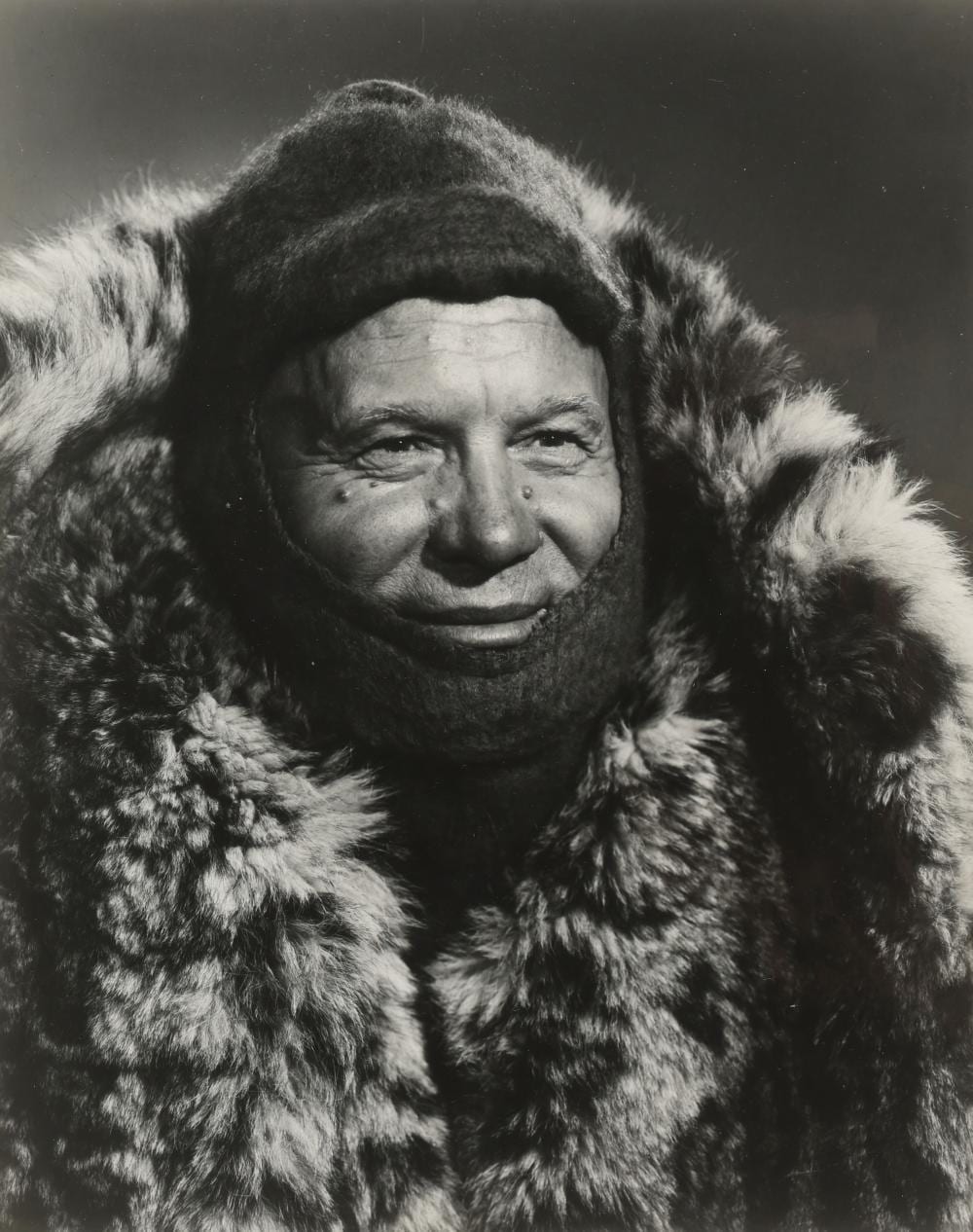
yousuf karsh 1908 2002 nikita khrushchev 1963 · Hessink's · 2026-04-14 yousuf karsh 1908 2002 nikita khrushchev 1963 Hessink's · 2026-04-14
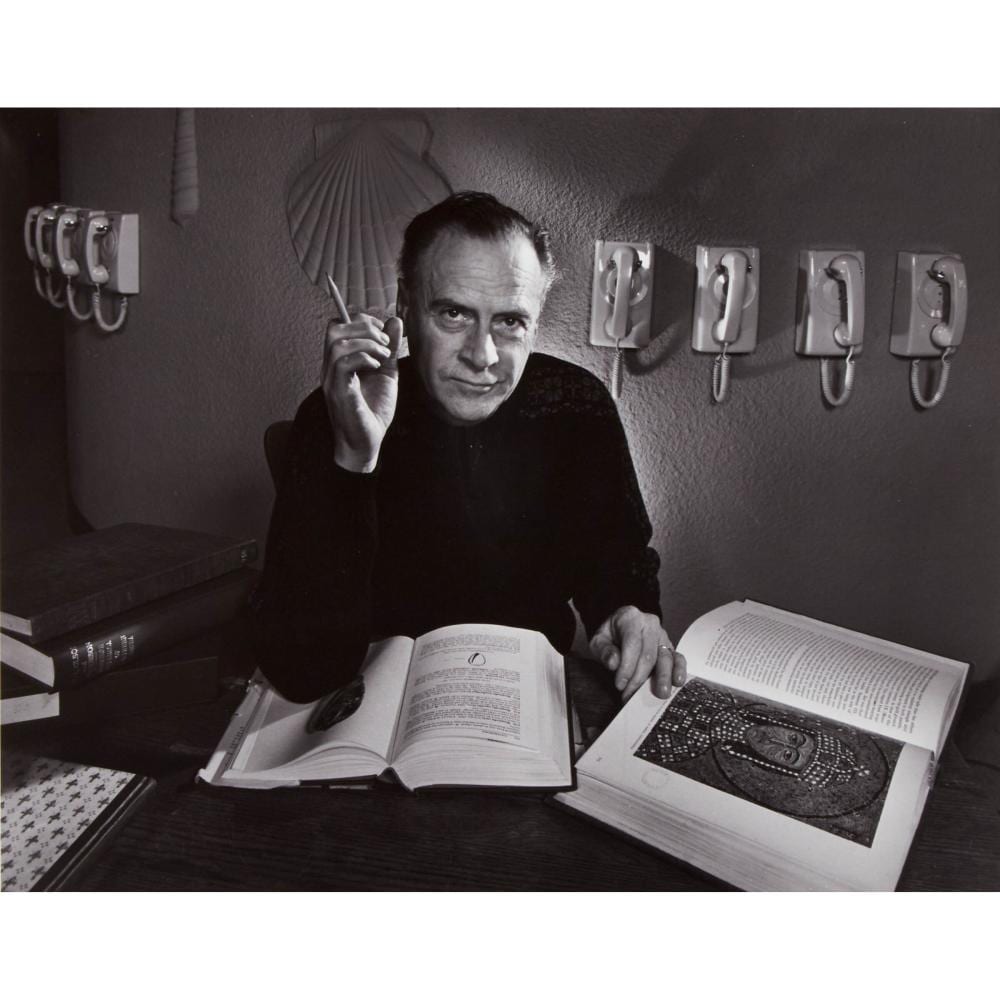
yousuf karsh 1908 2002 marshall mcluhan 1967 · Waddington's · 2026-03-26 yousuf karsh 1908 2002 marshall mcluhan 1967 Waddington's · 2026-03-26
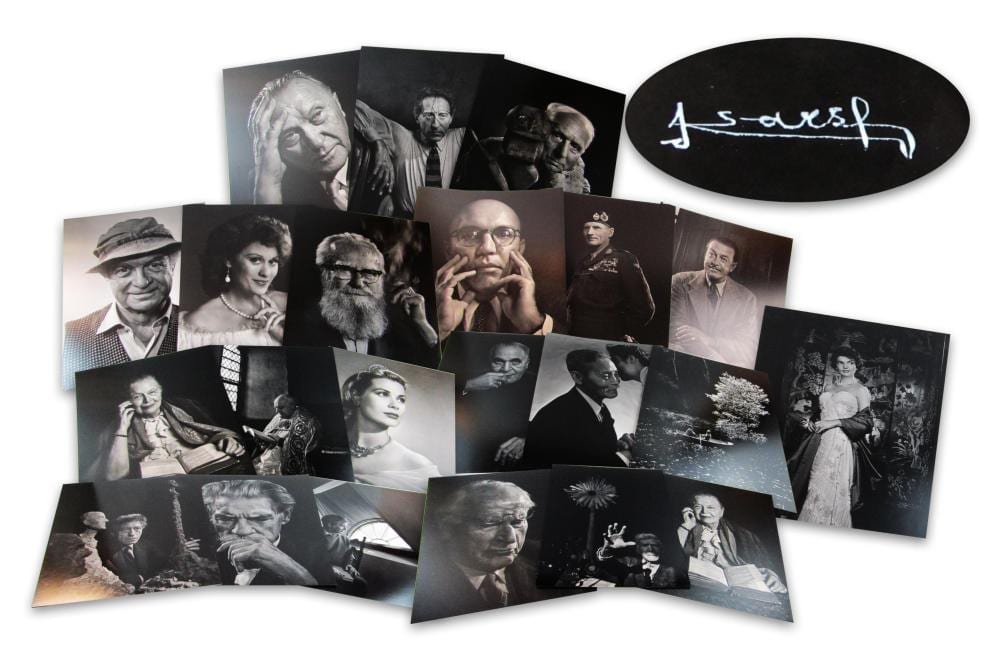
yousuf karsh 22 large scale mounted photographs for 1988 london exhibition one signed ex karsh estate · University Archives · 2026-03-25 yousuf karsh 22 large scale mounted photographs for 1988 london exhibition one signed ex karsh estate University Archives · 2026-03-25
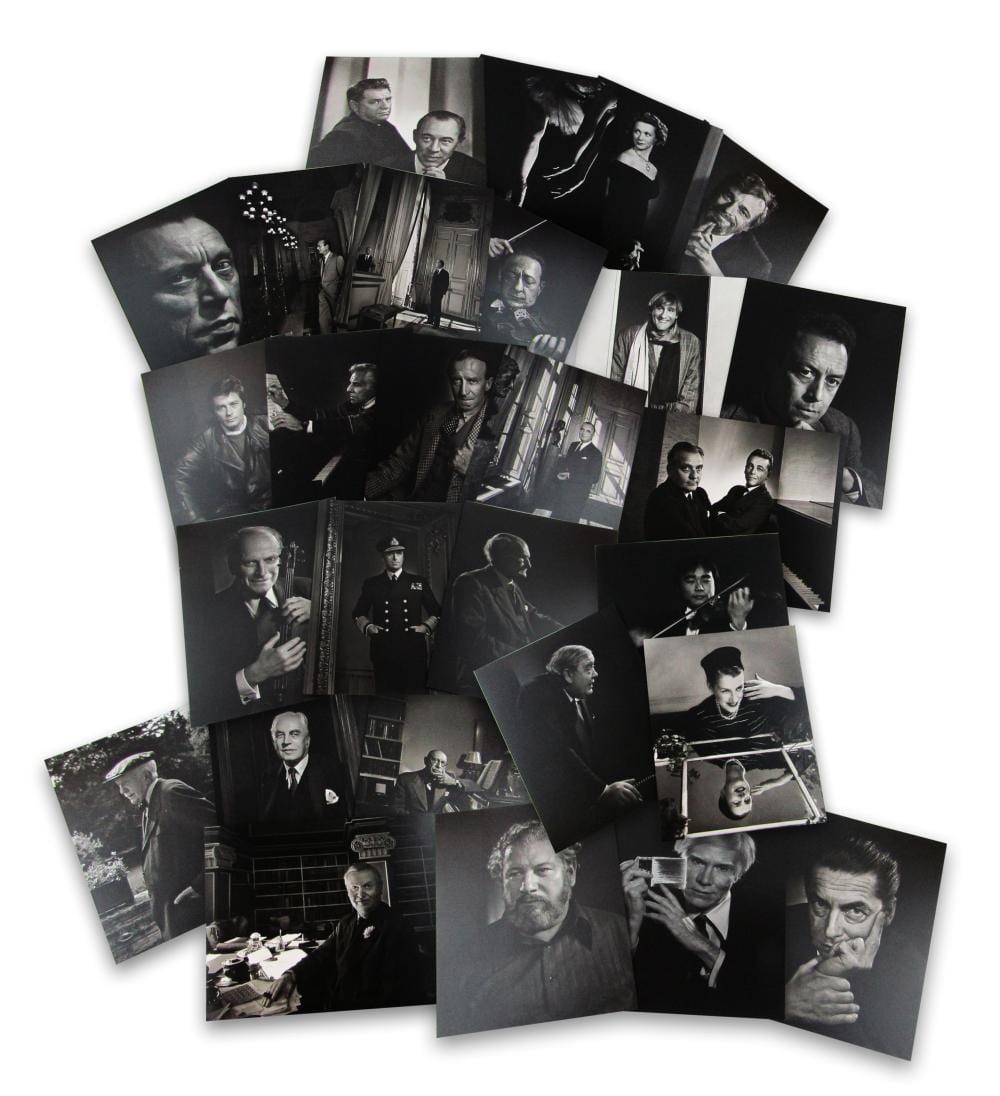
yousuf karsh 28 bleed mounted photographs from 1988 london exhibition ex karsh estate · University Archives · 2026-03-25 yousuf karsh 28 bleed mounted photographs from 1988 london exhibition ex karsh estate University Archives · 2026-03-25
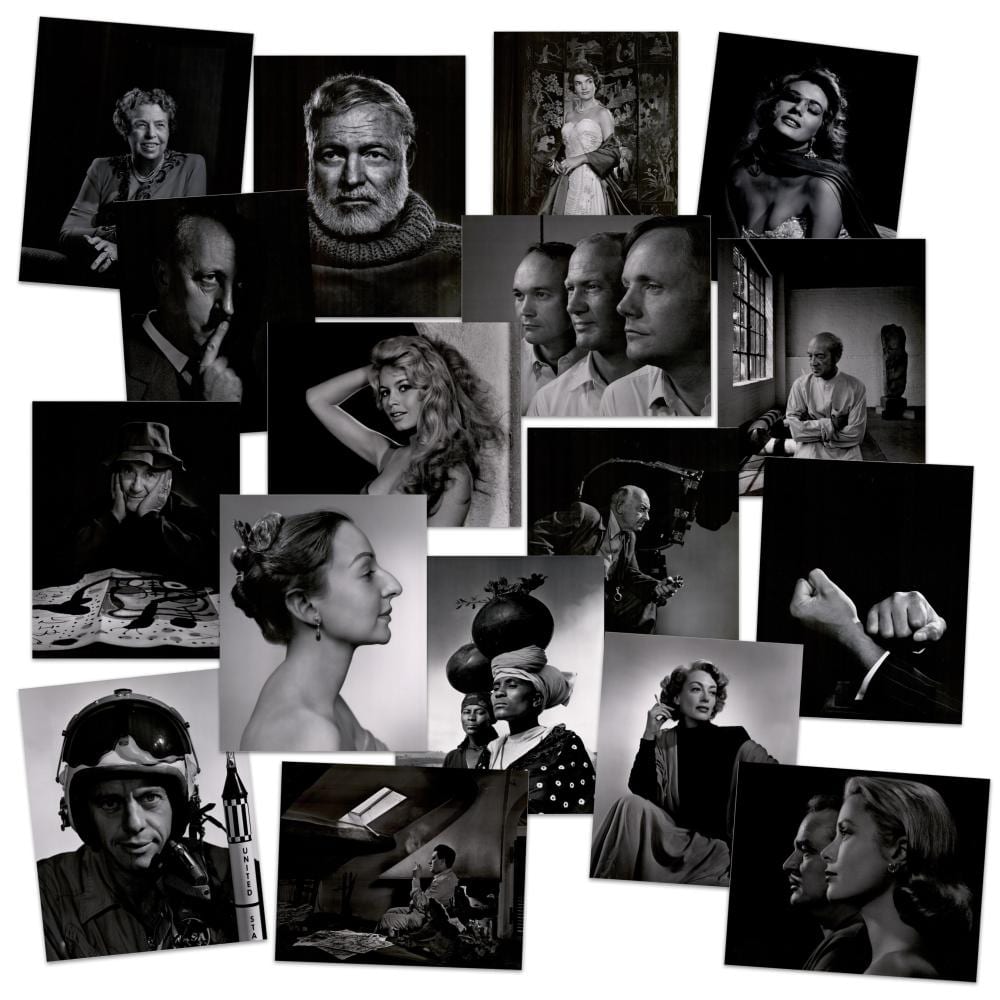
yousuf karsh 40 bleed mounted photographs from 1988 london exhibition ex karsh estate · University Archives · 2026-03-25 yousuf karsh 40 bleed mounted photographs from 1988 london exhibition ex karsh estate University Archives · 2026-03-25
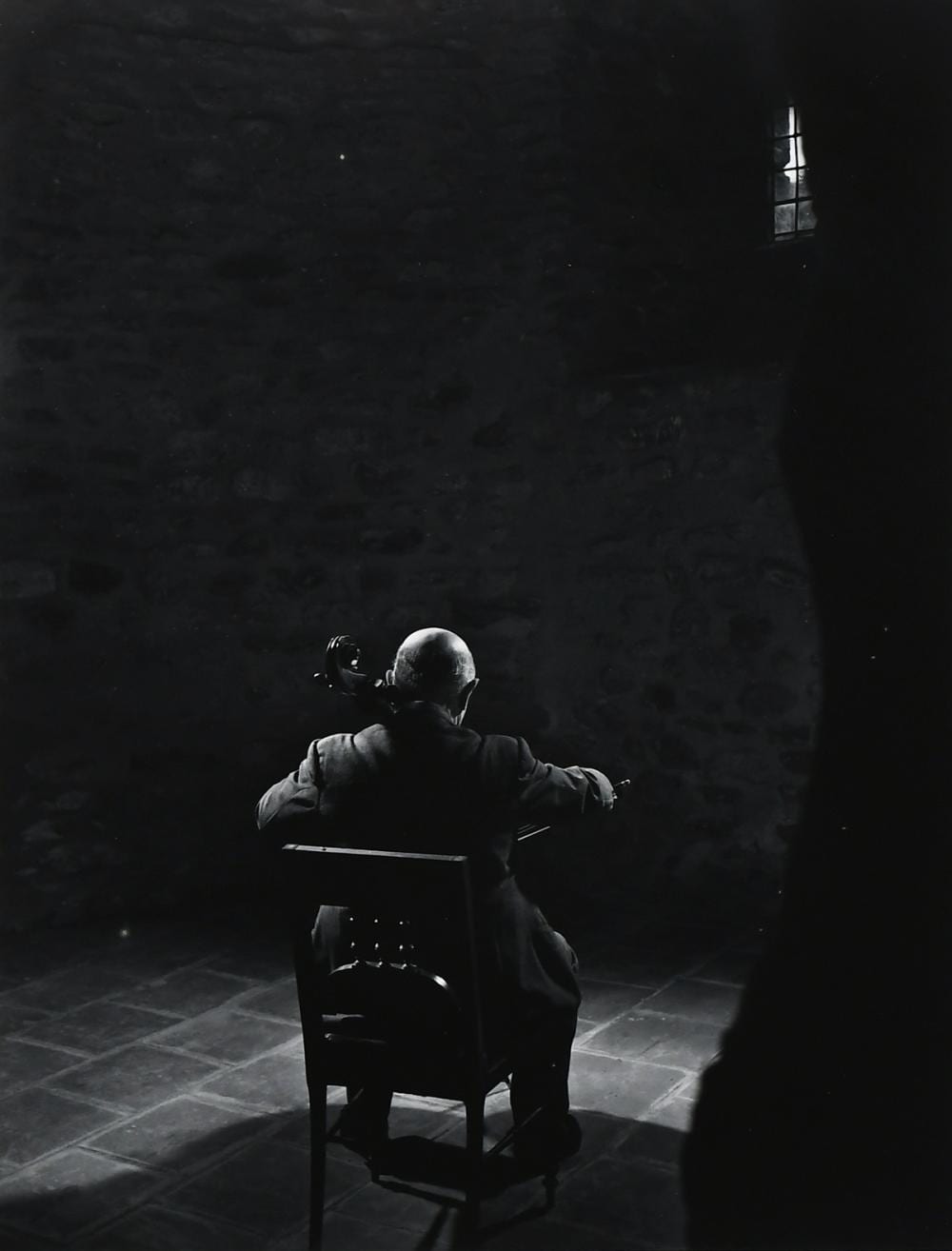
yousuf karsh photograph of pablo casales · Burchard Galleries Inc · 2025-12-14 yousuf karsh photograph of pablo casales Burchard Galleries Inc · 2025-12-14
Data basis
This page is built from Appraisily's public auction market index. Private transactions, incomplete sale feeds, and attribution changes may not be fully represented.
Artist value FAQ
How much is Yousuf Karsh worth?
Comparable public auction sales are the best starting point, but final value depends on the specific artwork, condition, size, medium, provenance, and attribution confidence.
Can Appraisily value my Yousuf Karsh artwork?
Yes. Appraisily can review photos, dimensions, signatures, condition, provenance, and comparable market data to prepare a current valuation.