William Joseph Kentridge Auction Prices and Value Guide
William Joseph Kentridge auction prices are tracked in Appraisily's artist market index, with source-directory coverage of 1,597 records. Use this page to review sold-lot activity, market context, and valuation factors before requesting a formal appraisal.
William Joseph Kentridge auction prices: quick answer
William Joseph Kentridge auction prices depend on medium, size, date, condition, provenance, edition details, attribution confidence, and recent comparable auction sales.
- Artist
- William Joseph Kentridge
- Source records
- 1,597
- Market update
- 2026-02-06
William Joseph Kentridge market snapshot
William Joseph Kentridge shows very deep auction liquidity with 842 tracked lots. Median realized sale is around $26,250. Category concentration is still broad or sparse. Last 12 months recorded 60 sales. Latest recorded sale: 2026-02-03.
Realized price distribution
- Under $1,000 (3.7% · 20 sales)
- $1,000 to $10,000 (25.5% · 138 sales)
- $10,000+ (70.8% · 383 sales)
- Median sale (last 12 months)
- $16,000
- Sales recorded (last 12 months)
- 60
- Median shift vs prior year
- 0.0%
- Latest recorded sale
- 2026-02-03
Artist context
About William Joseph Kentridge
Born
1955
Nationality
South African
William Kentridge (born 28 April 1955, Johannesburg) is a South African artist internationally recognized for his charcoal drawings, prints, animated films, sculptures, and theatrical productions. He developed a distinctive stop-motion animation technique in which he draws with charcoal on paper, films a frame, erases and reworks the drawing, then films again — creating layered, palimpsest-like images that evolve on screen. His work is held by major institutions including the Museum of Modern Art in New York and Tate in London, and he has participated in Documenta and numerous solo exhibitions worldwide. Kentridge's art engages with the political and social landscape of South Africa, exploring themes of memory, colonialism, and the passage of time through a practice that spans drawing, printmaking, video, sculpture, and stage direction.
Contemporary ArtCharcoal drawingPrintmakingAnimated filmSculptureApartheid and post-apartheid South AfricaMemory, time, and political history
Common works and media
Collectors and appraisers most frequently encounter Kentridge's work in the form of charcoal drawings, etchings and drypoint prints, lithographs, screenprints, gouaches on paper, bronze sculptures, and video or film installations. His prints are often issued in editions, and many auction lots are works on paper from his animated film projects — including the residual palimpsest drawings that remain after the filming process. Sculptural works in bronze and mixed-media constructions also appear at auction. Stage design maquettes, poster art, and artist books form additional categories in his output.
Market and appraisal context
William Kentridge has a deep and liquid international auction market spanning over 25 years, with 1,161 total lots recorded since November 2000 and 776 priced results. His work trades regularly at top-tier houses including Christie's, Sotheby's, Phillips, and Bonhams, as well as leading South African specialists Strauss & Co, Stephan Welz & Co, and Aspire Art. Price dispersion is wide — ranging from $30 for small prints to $5,000,000 for major unique works — reflecting the breadth of his output across media. The interquartile range ($8,400–$85,260) centers on mid-five-figure results typical for editioned prints, works on paper, and smaller drawings, while unique charcoal drawings, tapestries, and significant works from key series such as Drawings for Projection routinely achieve six-figure prices at Bonhams and the international houses. Recent 12-month activity (84 lots) is up significantly from the prior period (52 lots), indicating strong and growing market liquidity. Major recent results include Negotiations minuet at £330,000 (Bonhams, March 2026) and Monument from Mango Groove's 'Another Country' at £110,000 (Bonhams, March 2026). Kentridge's market is anchored by strong institutional representation — MoMA, Tate, Documenta — which supports collector confidence across all media categories.
Auction categories and appraisal factors
Common auction categories
- Contemporary Art
- Prints and Multiples
- Works on Paper
- Drawings
- Sculpture
Value drivers
- Medium: original charcoal drawings, unique works on paper, and gouaches command higher values than prints or multiples
- Edition: print multiples should be evaluated for edition size, plate size, and numbering
- Provenance: exhibition history at major institutions (MoMA, Tate, Documenta) strengthens provenance
- Film and video works: animated films and video installations have distinct valuation considerations including edition, format, and display equipment
- Subject and period: works from the 1990s Drawings for Projection series are particularly sought after
- Medium and uniqueness: original charcoal drawings and unique works on paper command significantly higher values than editioned prints, multiples, or digital prints; unique drawings from the 1990s Drawings for Projection series are among the most sought-after
Appraisal caveats
- Kentridge works across a wide range of media — drawings, prints, sculptures, films, and stage productions — each with different market profiles and appraisal considerations.
- Values for prints and multiples depend heavily on edition size, condition, and whether the work is from a significant series or period.
- Animated film and video installation works require specialized appraisal due to unique editioning, display requirements, and technological obsolescence risk.
- Auction prices in this record set are denominated in multiple currencies (USD, GBP, ZAR, AUD) and have not been normalized; direct price comparisons require currency conversion at the relevant sale date
Evidence
Sources for artist context
This source-grounded artist context passed Appraisily's promotion threshold: high confidence, strong sources.
- Library of Congress library authority
- VIAF library authority
- Wikidata library authority
- The Museum of Modern Art museum or university
- Tate museum or university
- RKD library authority
Recent sale records
Selected public auction records currently in the Appraisily lot index. Use them as market context, then request a formal appraisal before you sell, insure, or donate.
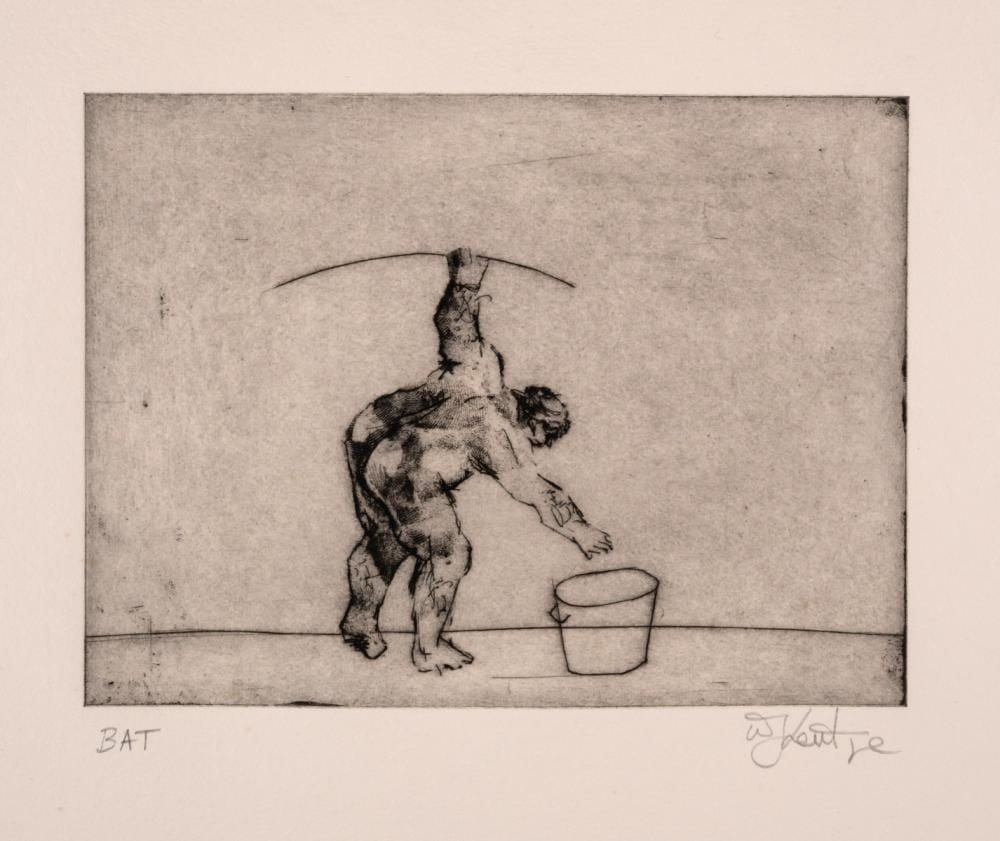
william kentridge b 1955 untitled from the hmv set the artist bending · Forum Auctions - UK · 2026-07-15 william kentridge b 1955 untitled from the hmv set the artist bending Forum Auctions - UK · 2026-07-15
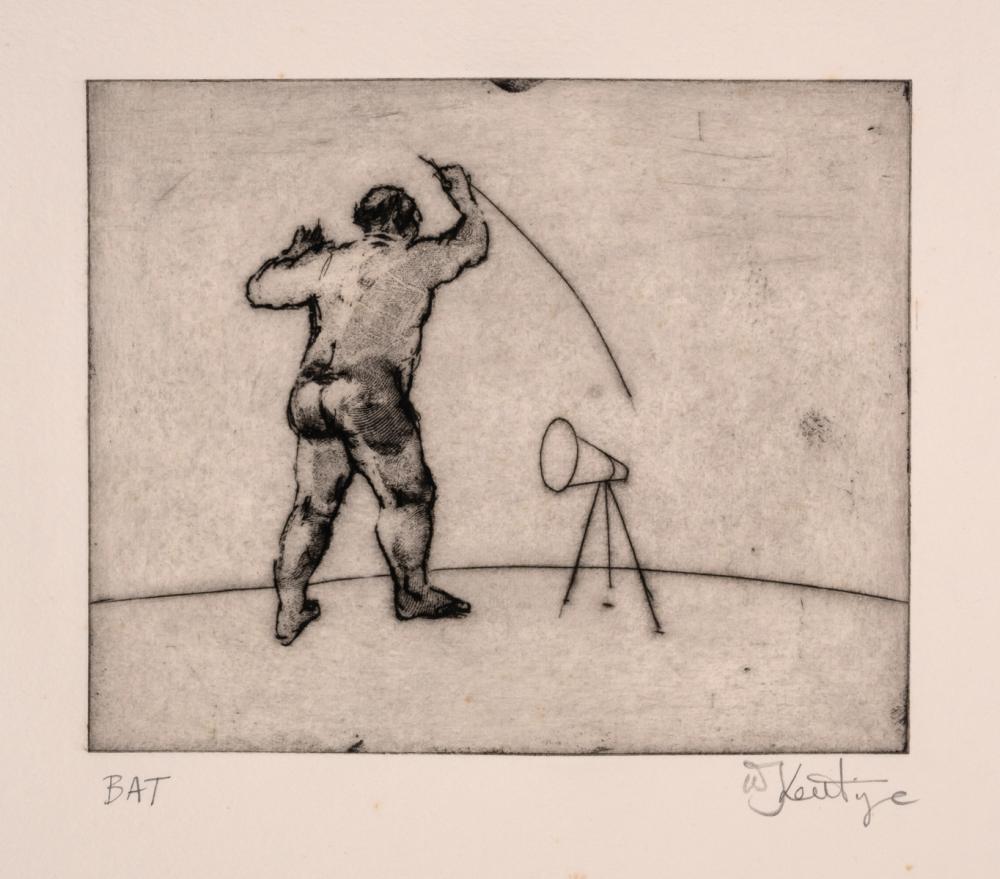
william kentridge b 1955 untitled from the hmv set the artist standing · Forum Auctions - UK · 2026-07-15 william kentridge b 1955 untitled from the hmv set the artist standing Forum Auctions - UK · 2026-07-15
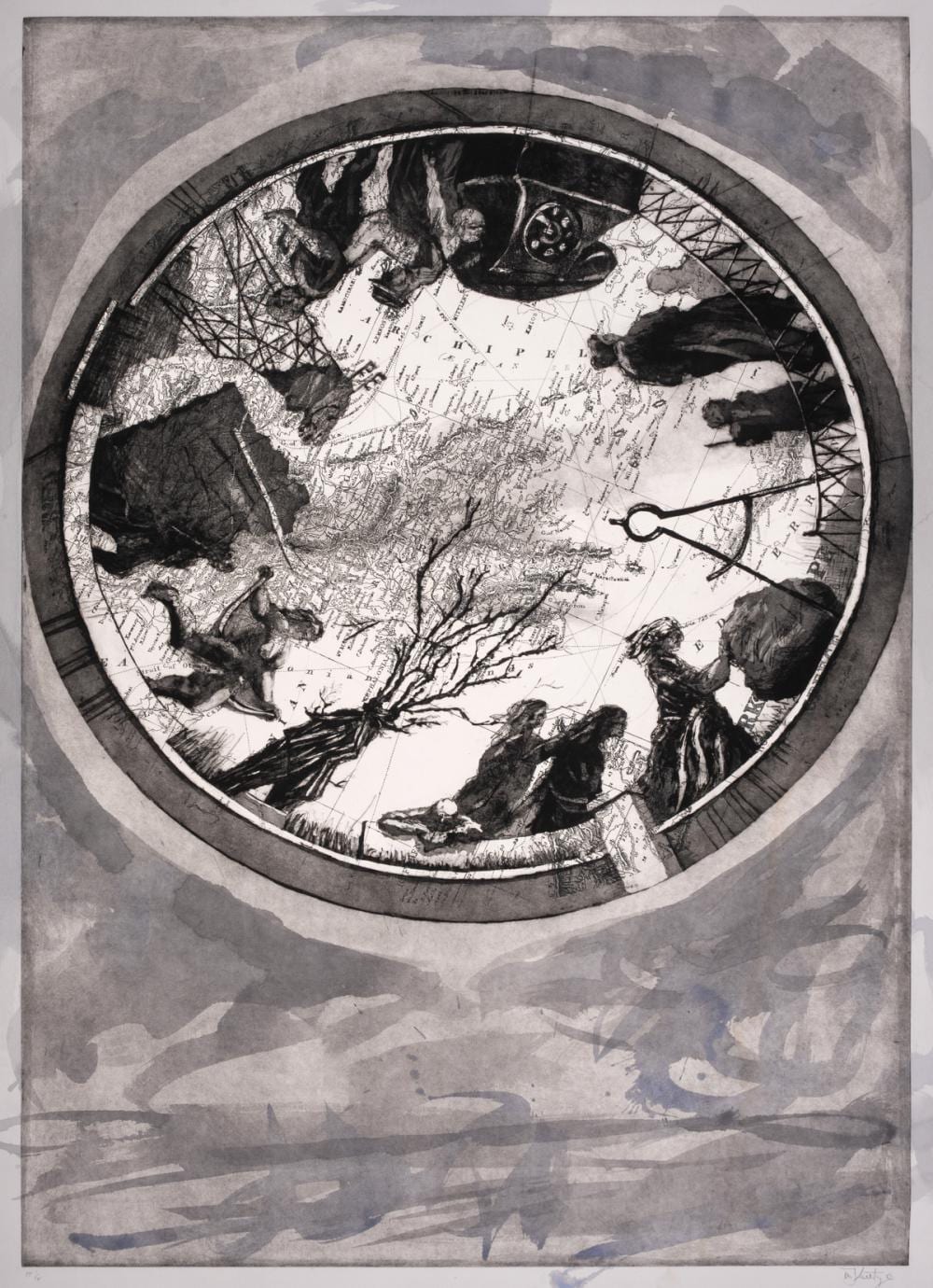
william kentridge b 1955 atlas procession i · Forum Auctions - UK · 2026-07-15 william kentridge b 1955 atlas procession i Forum Auctions - UK · 2026-07-15
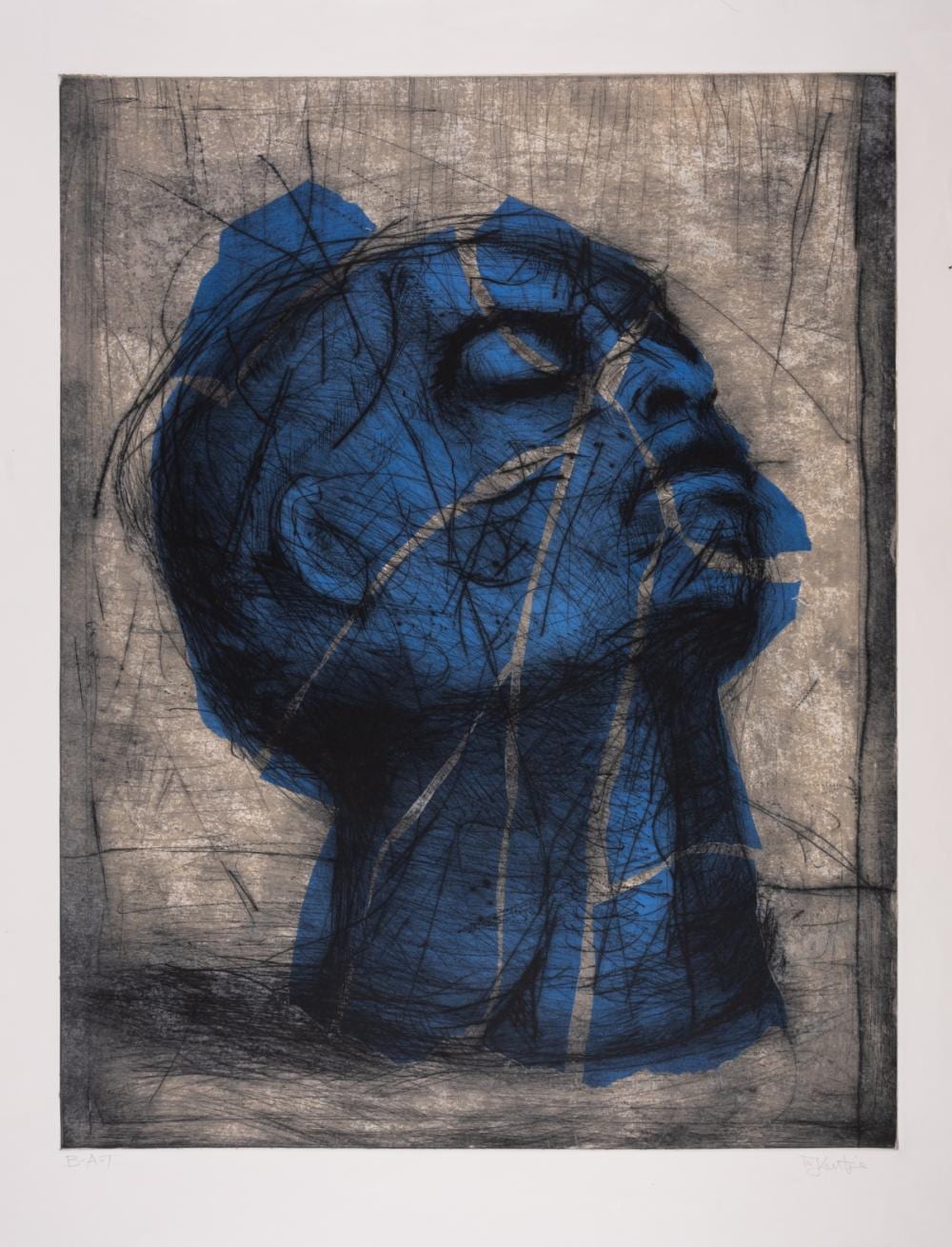
william kentridge b 1955 blue head · Forum Auctions - UK · 2026-07-15 william kentridge b 1955 blue head Forum Auctions - UK · 2026-07-15
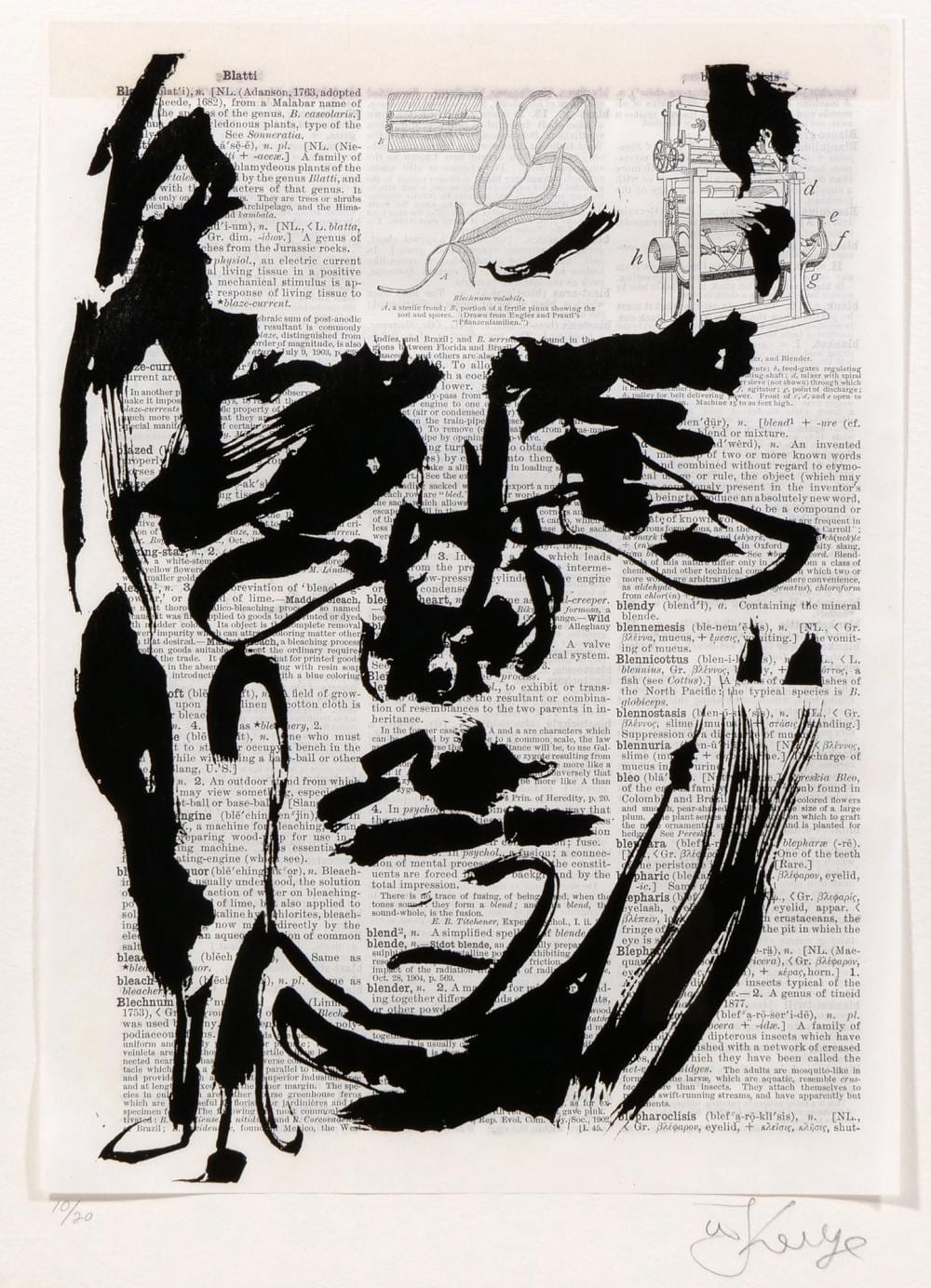
william kentridge south african b 1955 linocut · ACES Gallery · 2026-06-14 william kentridge south african b 1955 linocut ACES Gallery · 2026-06-14
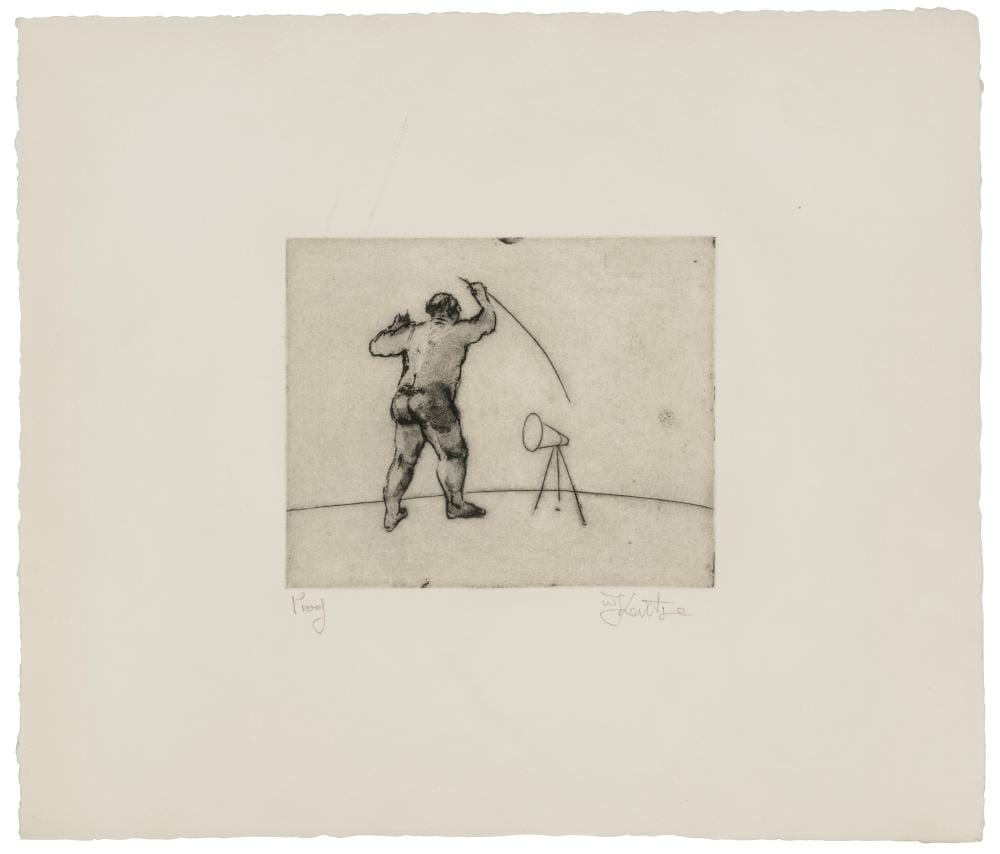
william kentridge b 1955 untitled artist standing from hmv etching · Christie's · 2026-05-22 william kentridge b 1955 untitled artist standing from hmv etching Christie's · 2026-05-22
Data basis
This page is built from Appraisily's public auction market index. Private transactions, incomplete sale feeds, and attribution changes may not be fully represented.
Artist value FAQ
How much is William Joseph Kentridge worth?
Comparable public auction sales are the best starting point, but final value depends on the specific artwork, condition, size, medium, provenance, and attribution confidence.
Can Appraisily value my William Joseph Kentridge artwork?
Yes. Appraisily can review photos, dimensions, signatures, condition, provenance, and comparable market data to prepare a current valuation.