Tsuchiya Koitsu Auction Prices and Value Guide
Tsuchiya Koitsu auction prices are tracked in Appraisily's artist market index, with source-directory coverage of 1,591 records. Use this page to review sold-lot activity, market context, and valuation factors before requesting a formal appraisal.
Tsuchiya Koitsu auction prices: quick answer
Tsuchiya Koitsu auction prices depend on medium, size, date, condition, provenance, edition details, attribution confidence, and recent comparable auction sales.
- Artist
- Tsuchiya Koitsu
- Source records
- 1,591
- Market update
- 2026-02-06
Tsuchiya Koitsu market snapshot
Tsuchiya Koitsu shows very deep auction liquidity with 504 tracked lots. Median realized sale is around $330. Category concentration is still broad or sparse. Last 12 months recorded 70 sales. Latest recorded sale: 2026-01-25.
Realized price distribution
- Under $1,000 (88.8% · 398 sales)
- $1,000 to $10,000 (10.7% · 48 sales)
- $10,000+ (0.4% · 2 sales)
- Median sale (last 12 months)
- $400
- Sales recorded (last 12 months)
- 70
- Median shift vs prior year
- +33.3%
- Latest recorded sale
- 2026-01-25
Artist context
About Tsuchiya Koitsu


Born
1870
Died
1949
Nationality
Japanese
Also known as
Tsuchiya Kōitsu, Tsuchiya, Koitsu, 土屋光逸
Tsuchiya Koitsu (1870–1949) was a Japanese artist and printmaker associated with shin-hanga, the twentieth-century print movement in which his name is most often encountered. Authority records identify him in both Romanized and Japanese forms. Biographical accounts say he trained with ukiyo-e master Kobayashi Kiyochika for nineteen years and first produced scenes connected with the First Sino-Japanese War. In 1931, he began working with publisher Shōzaburō Watanabe, whose establishment issued works by several leading shin-hanga artists. Koitsu’s later work is noted for deliberate light effects that strengthen atmosphere and emotional tone. Collectors therefore encounter him chiefly through prints and works on paper, while auction databases may also place examples under broader fine-art or painting categories. His long training, publisher context, and atmospheric handling help distinguish his documented career from similarly named artists.
Shin-hangaPrintmakingPaintingScenes connected with the First Sino-Japanese WarAtmospheric effects of light
Common works and media
Koitsu is most commonly encountered in print and works-on-paper contexts. Documented early subjects include scenes connected with the First Sino-Japanese War, while his later output is associated with publisher Shōzaburō Watanabe and atmospheric uses of light. Painting and broader fine-art labels also appear in the collected auction index. For any attributed print, record its signature, inscriptions, publisher marks, edition or impression details, dimensions, condition, and provenance before choosing comparable sales.
Market and appraisal context
A Koitsu appraisal should begin by matching the object to comparable works with the same medium, dimensions, date or career period, subject, and attribution status. For prints, signatures, inscriptions, publisher information, edition details, impression quality, margins, color, and overall condition deserve close examination. Provenance, exhibition history, catalogue references, restoration, and surface damage can also affect how a result compares with public sales. Auction records should be compared on a like-for-like basis because reporting may differ in its treatment of fees, and broad database categories may combine unlike objects. Public results provide useful market evidence, but they do not replace object-level authentication and condition review.
Auction categories and appraisal factors
Common auction categories
- Works on paper and prints
- Fine art and paintings
Value drivers
- Medium, dimensions, date, and career period
- Condition, restoration history, and surface quality
- Signature, inscriptions, edition details, and attribution confidence
- Provenance, exhibition history, and catalogue references
- Comparable public auction sales for works with similar characteristics
- Subject matter, rarity, and current market demand
Appraisal caveats
- Verify the actual object type and medium before using broad auction-category labels to select comparable lots.
- Treat public auction records as appraisal inputs rather than a final valuation.
- Compare fee treatment consistently and verify attribution, condition, edition details, and provenance at the individual-lot level.
Evidence
Sources for artist context
This source-grounded artist context is based on collected public records: medium confidence, adequate source quality.
- Wikidata library authority
- VIAF library authority
- Wikipedia wikipedia
- Wikipedia wikipedia
- Appraisily appraisily artist page
- Wikimedia Commons image repository
Recent sale records
Selected public auction records currently in the Appraisily lot index. Use them as market context, then request a formal appraisal before you sell, insure, or donate.
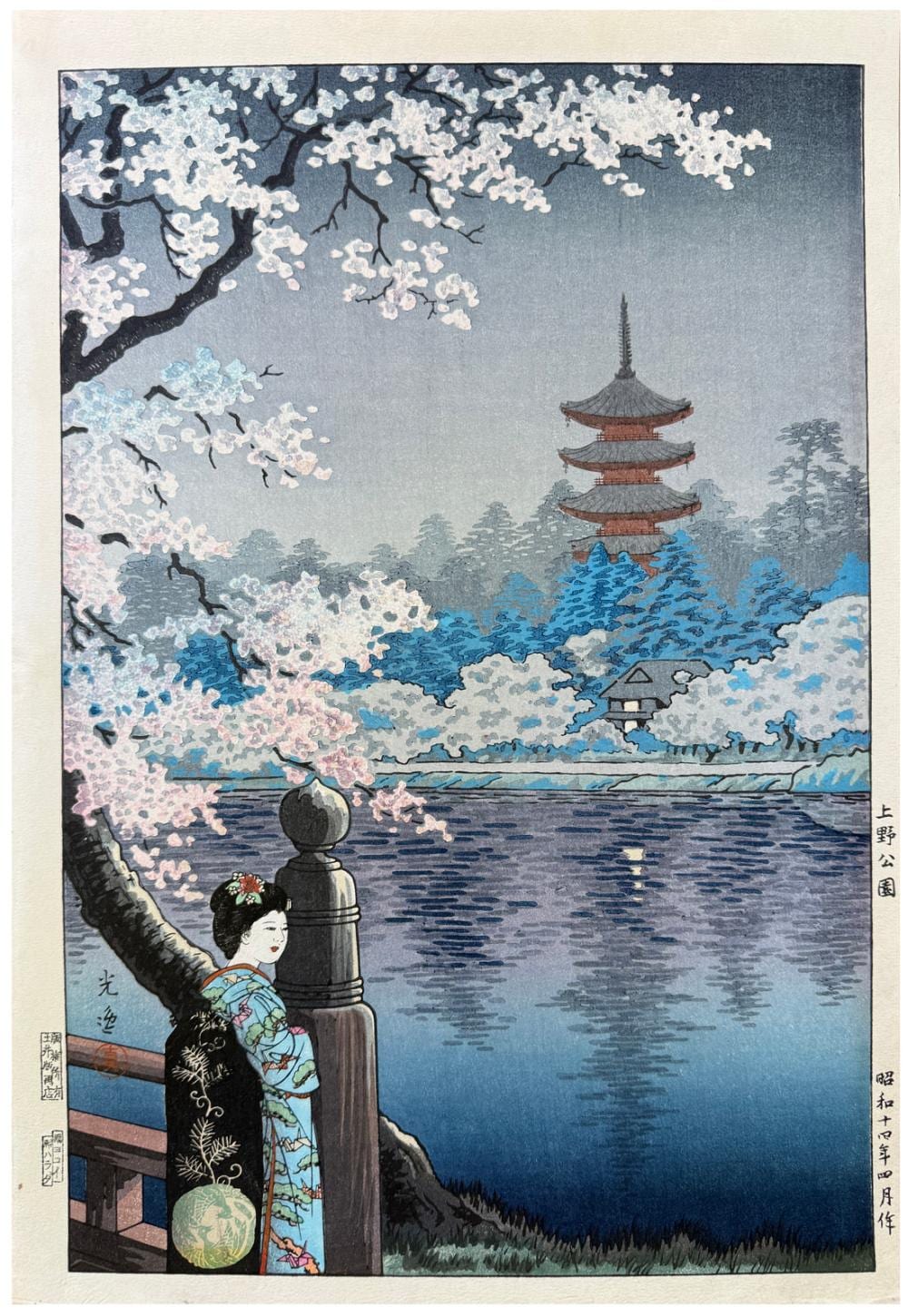
japanese woodblock print tsuchiya koitsu · Woodblock Prints World · 2026-06-27 japanese woodblock print tsuchiya koitsu Woodblock Prints World · 2026-06-27
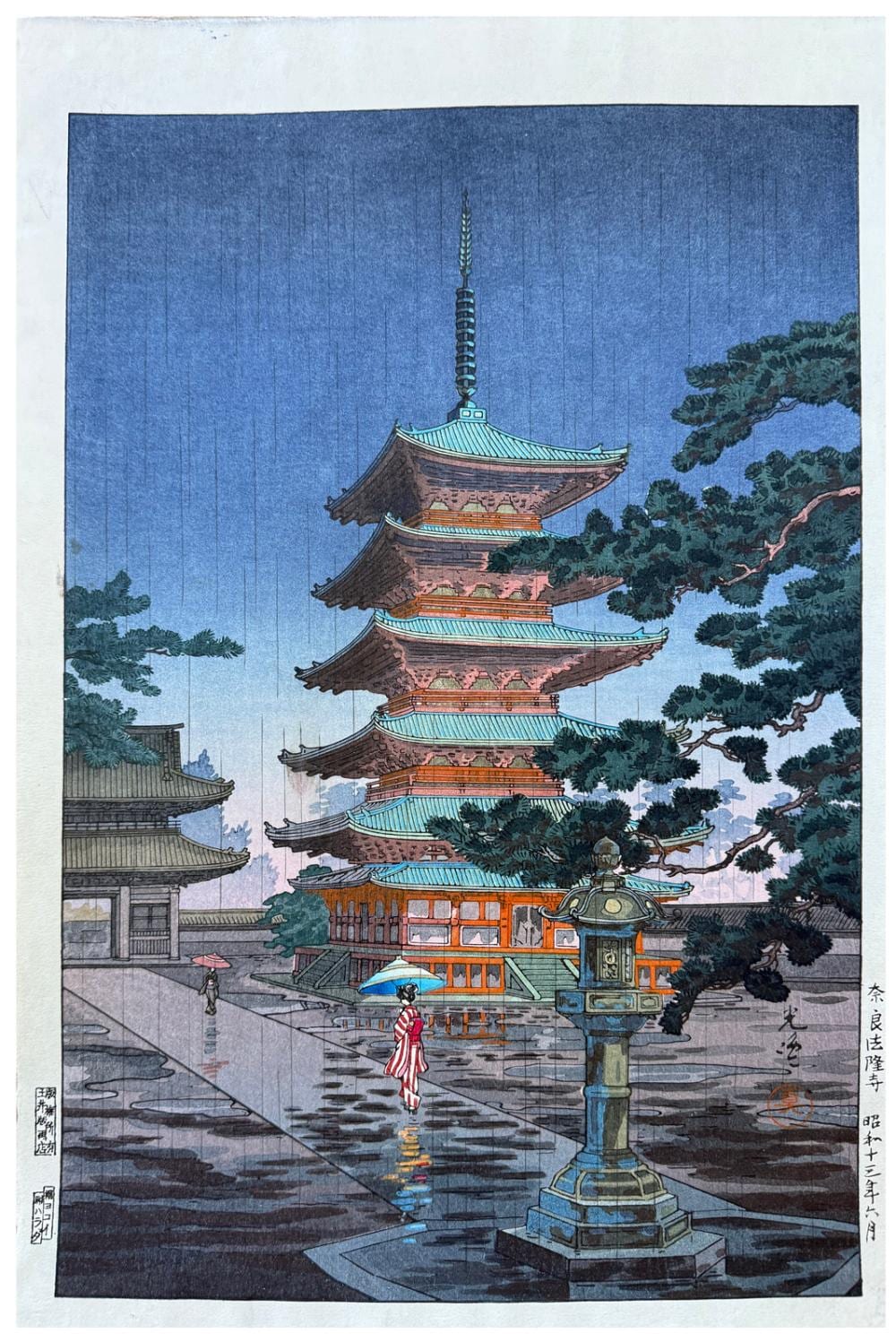
japanese woodblock print tsuchiya koitsu · Woodblock Prints World · 2026-06-27 japanese woodblock print tsuchiya koitsu Woodblock Prints World · 2026-06-27
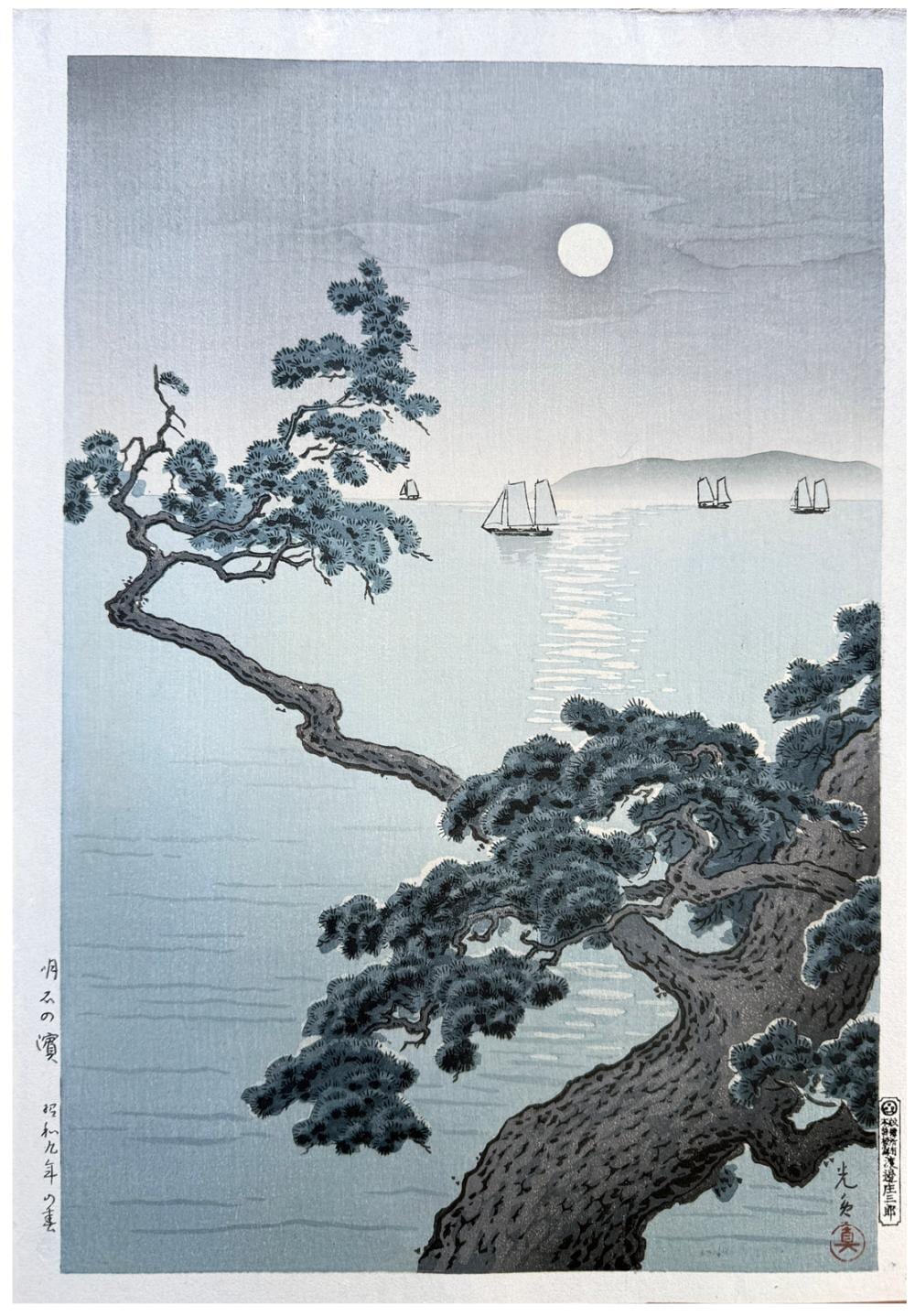
japanese woodblock print tsuchiya koitsu · Woodblock Prints World · 2026-06-27 japanese woodblock print tsuchiya koitsu Woodblock Prints World · 2026-06-27
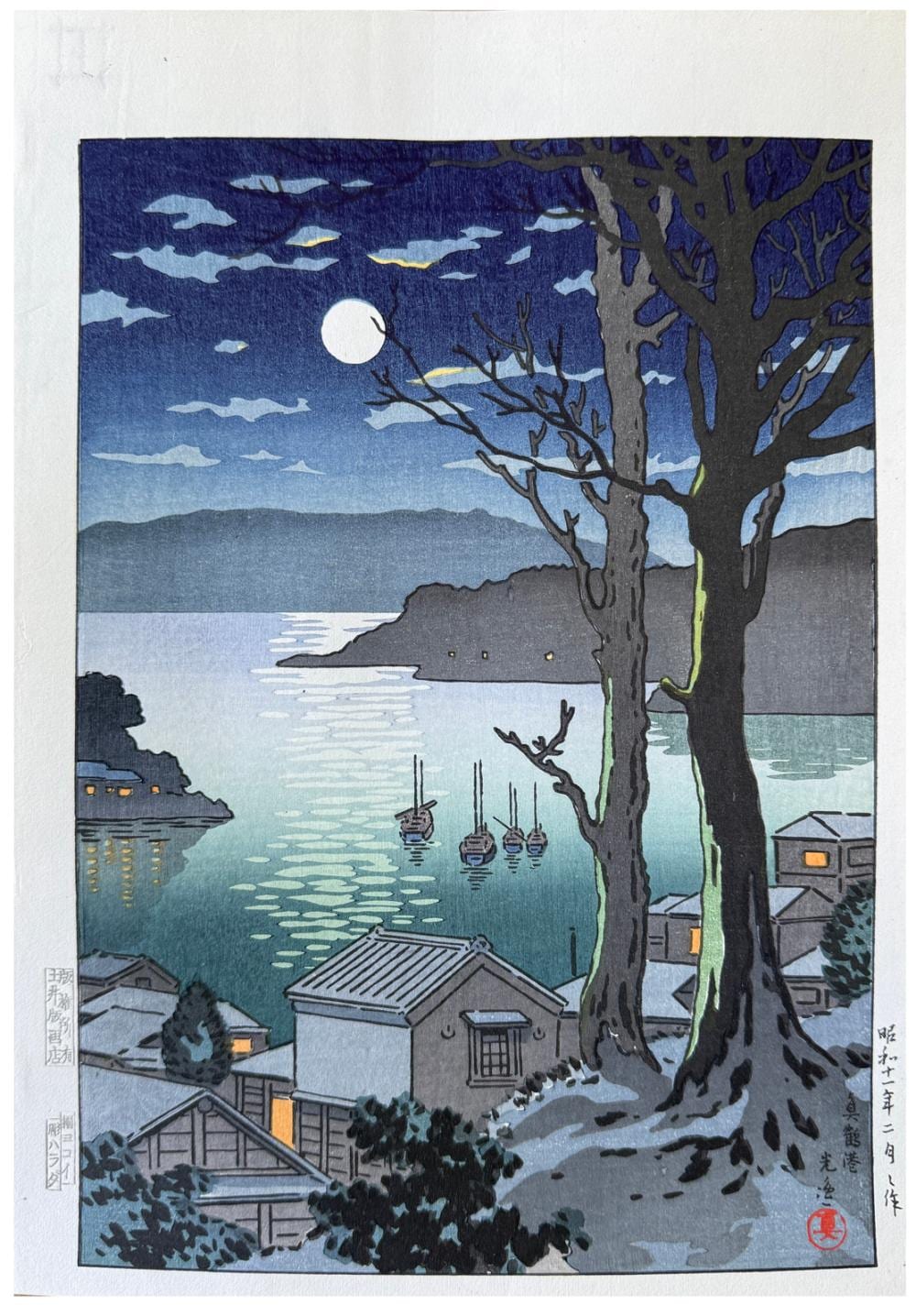
japanese woodblock print tsuchiya koitsu · Woodblock Prints World · 2026-06-27 japanese woodblock print tsuchiya koitsu Woodblock Prints World · 2026-06-27

japanese woodblock print tsuchiya koitsu · Woodblock Prints World · 2026-06-27 japanese woodblock print tsuchiya koitsu Woodblock Prints World · 2026-06-27
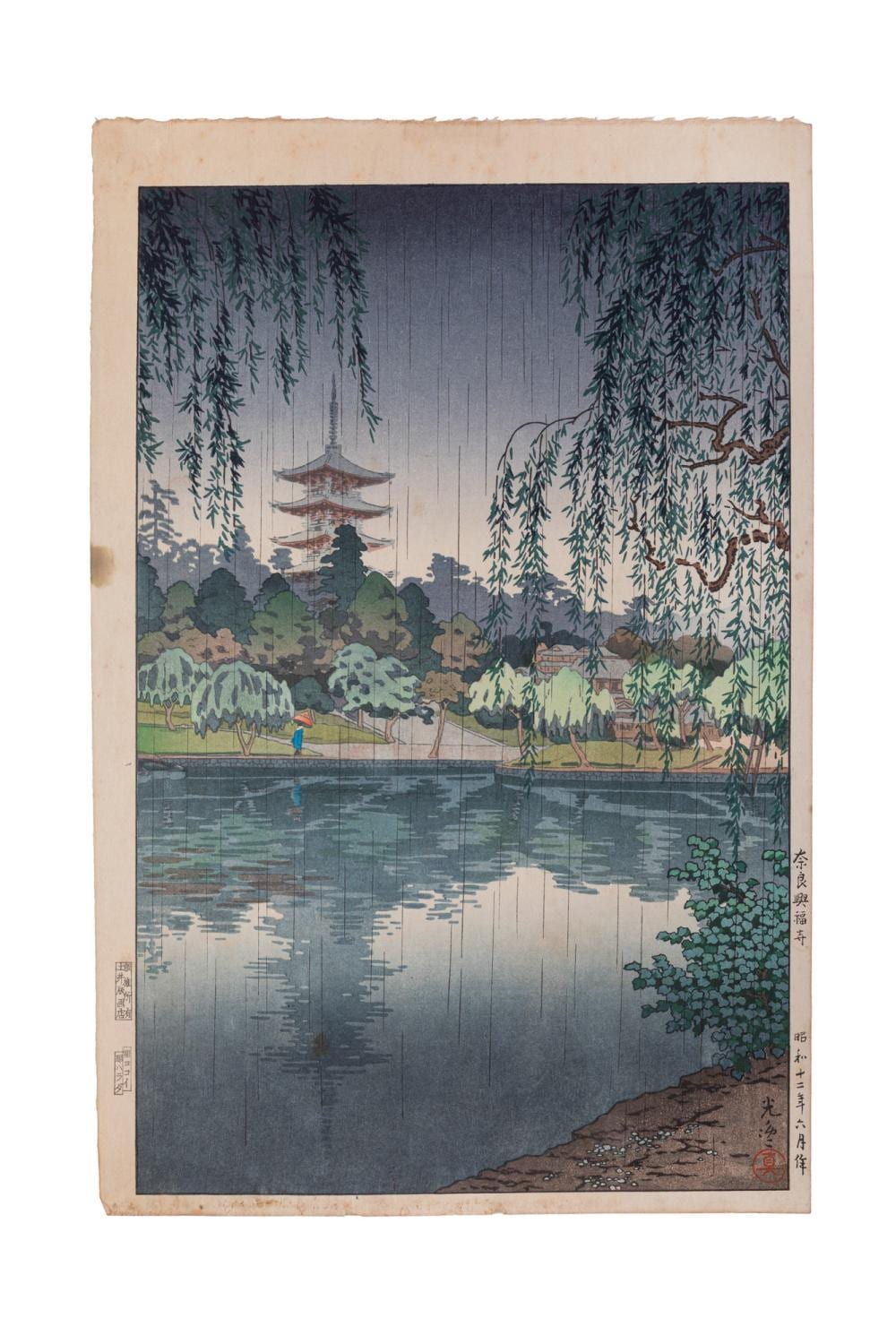
tsuchiya koitsu 1870 1949 · Gros-Delettrez · 2026-06-12 tsuchiya koitsu 1870 1949 Gros-Delettrez · 2026-06-12
Data basis
This page is built from Appraisily's public auction market index. Private transactions, incomplete sale feeds, and attribution changes may not be fully represented.
Artist value FAQ
How much is Tsuchiya Koitsu worth?
Comparable public auction sales are the best starting point, but final value depends on the specific artwork, condition, size, medium, provenance, and attribution confidence.
Can Appraisily value my Tsuchiya Koitsu artwork?
Yes. Appraisily can review photos, dimensions, signatures, condition, provenance, and comparable market data to prepare a current valuation.