Torii Kotondo Auction Prices and Value Guide
Torii Kotondo auction prices are tracked in Appraisily's artist market index, with source-directory coverage of 174 records. Use this page to review sold-lot activity, market context, and valuation factors before requesting a formal appraisal.
Torii Kotondo auction prices: quick answer
Torii Kotondo auction prices depend on medium, size, date, condition, provenance, edition details, attribution confidence, and recent comparable auction sales.
- Artist
- Torii Kotondo
- Source records
- 174
- Market update
- 2026-02-06
Torii Kotondo market snapshot
Torii Kotondo shows thin auction liquidity with 1 tracked lots. Median realized sale is around $550. Category concentration is still broad or sparse. Last 12 months recorded 0 sales. Latest recorded sale: 2024-09-27.
Realized price distribution
- Under $1,000 (100.0% · 1 sales)
- $1,000 to $10,000 (0.0% · 0 sales)
- $10,000+ (0.0% · 0 sales)
- Median sale (last 12 months)
- $0
- Sales recorded (last 12 months)
- 0
- Median shift vs prior year
- 0.0%
- Latest recorded sale
- 2024-09-27
Artist context
About Torii Kotondo
Born
1900
Died
1976
Nationality
Japanese
Also known as
Torii Kiyotada V, Torii Masahiko, Saito Shin, 鳥居言人
Torii Kotondo (1900–1976) was a Japanese painter and woodblock print artist also identified in authority records as Torii Kiyotada V. He worked within the Torii school tradition, a lineage closely connected with ukiyo-e and kabuki theater imagery, and is also associated with the twentieth-century shin-hanga context. Collectors most often encounter his name in connection with bijin-ga—images centered on women—as well as prints of kabuki actors and commercial work related to the theater. A group of twenty-one bijin-ga prints is especially prominent in the available biographical account. Kotondo’s identity can appear under several Japanese and romanized name forms, including Torii Masahiko and Saito Shin, making authority-record matching useful when researching signatures, catalogues, and auction listings. His combination of traditional Torii-school subject matter and modern-era print production places his work at an intersection frequently encountered by collectors of Japanese woodblock prints.
Shin-hangaUkiyo-e and the Torii school traditionWoodblock printsPaintingBijin-ga images of womenKabuki actors and theater imagery
Common works and media
Works encountered in appraisal and auction settings are most plausibly Japanese woodblock prints, especially bijin-ga portraits of women and kabuki actor imagery. Paintings may also appear under his name. Because the authority records preserve several alternate names, signatures and catalogue attributions may not use the Torii Kotondo form consistently. The present evidence does not establish edition sizes, printing states, or a complete catalogue of works.
Market and appraisal context
Appraisal research should begin by identifying whether an attributed Kotondo work is a woodblock print or a painting and whether its subject belongs to his documented bijin-ga or kabuki-related production. Name variants also matter: auction and library records may identify him as Torii Kotondo, Torii Kiyotada V, Torii Masahiko, or Saito Shin. Relevant public auction comparisons should be matched by medium, subject, and work identity rather than by artist name alone. The collected source pack confirms an auction-record signal but does not provide detailed lots, editions, condition reports, sale dates, or realized prices, so it does not support a price range or market-trend claim.
Auction categories and appraisal factors
Common auction categories
- Japanese woodblock prints
- Bijin-ga prints
- Kabuki actor prints
- Japanese paintings
Value drivers
- Work type and medium, including whether the object is a woodblock print or painting
- Subject classification, particularly bijin-ga versus kabuki actor imagery
- Attribution across the documented names Torii Kotondo and Torii Kiyotada V
- Comparison with relevant public auction records by work type and subject when detailed lot data are available
Appraisal caveats
- The collected Appraisily page signals an auction-record presence, but its source-pack request was rate-limited and supplied no individual lot descriptions, sale dates, conditions, editions, or realized prices.
- The source pack does not support a price trend, value range, rarity claim, or prediction for a specific work.
- The movement, subject, and series evidence comes primarily from Wikipedia-language editions rather than a museum or scholarly catalogue, so those classifications should be treated as provisional.
Evidence
Sources for artist context
This source-grounded artist context is based on collected public records: medium confidence, adequate source quality.
Recent sale records
Selected public auction records currently in the Appraisily lot index. Use them as market context, then request a formal appraisal before you sell, insure, or donate.
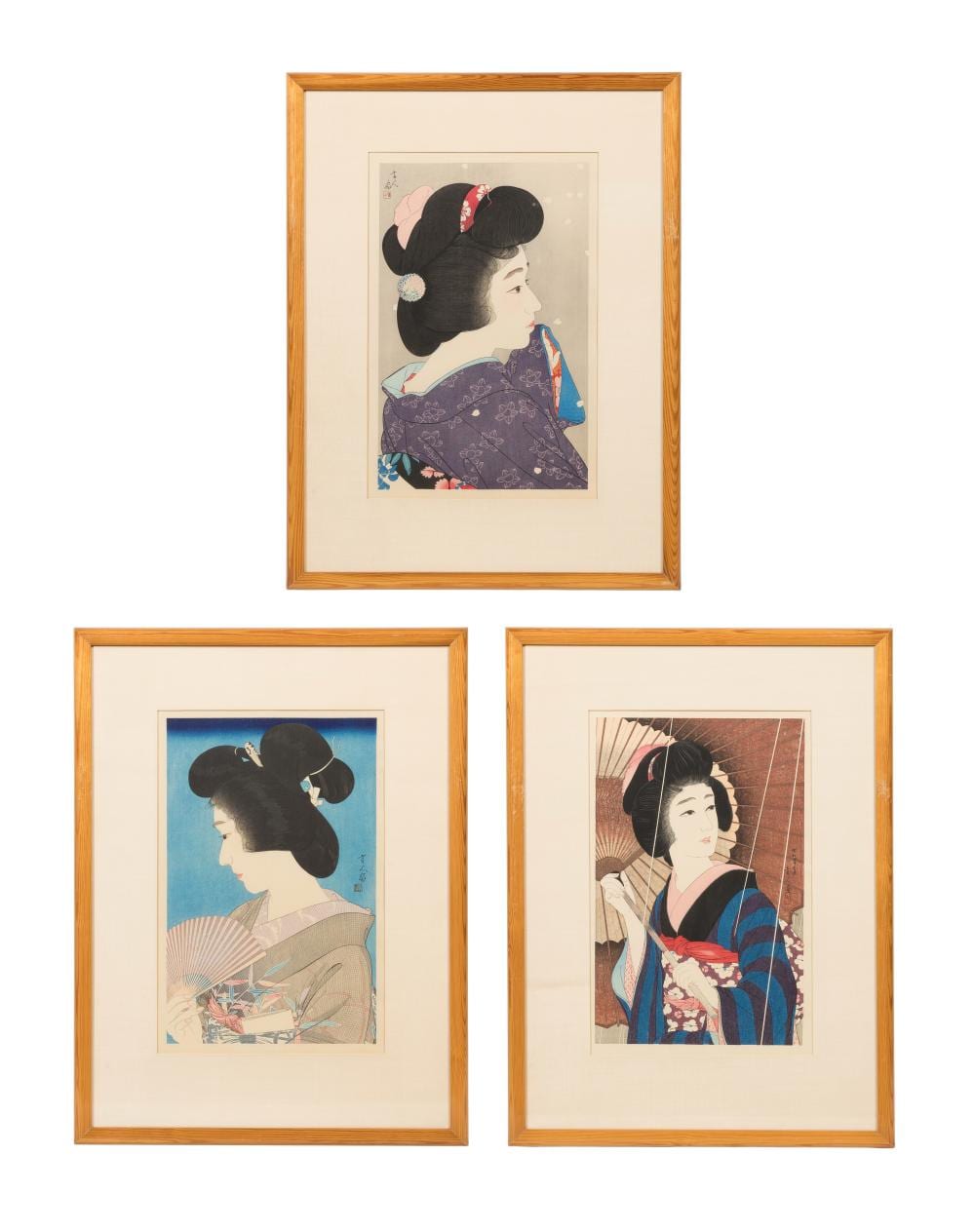
torii kotondo japanese 1900 1976 woodblock print assortment · Leonard Auction · 2026-06-23 torii kotondo japanese 1900 1976 woodblock print assortment Leonard Auction · 2026-06-23
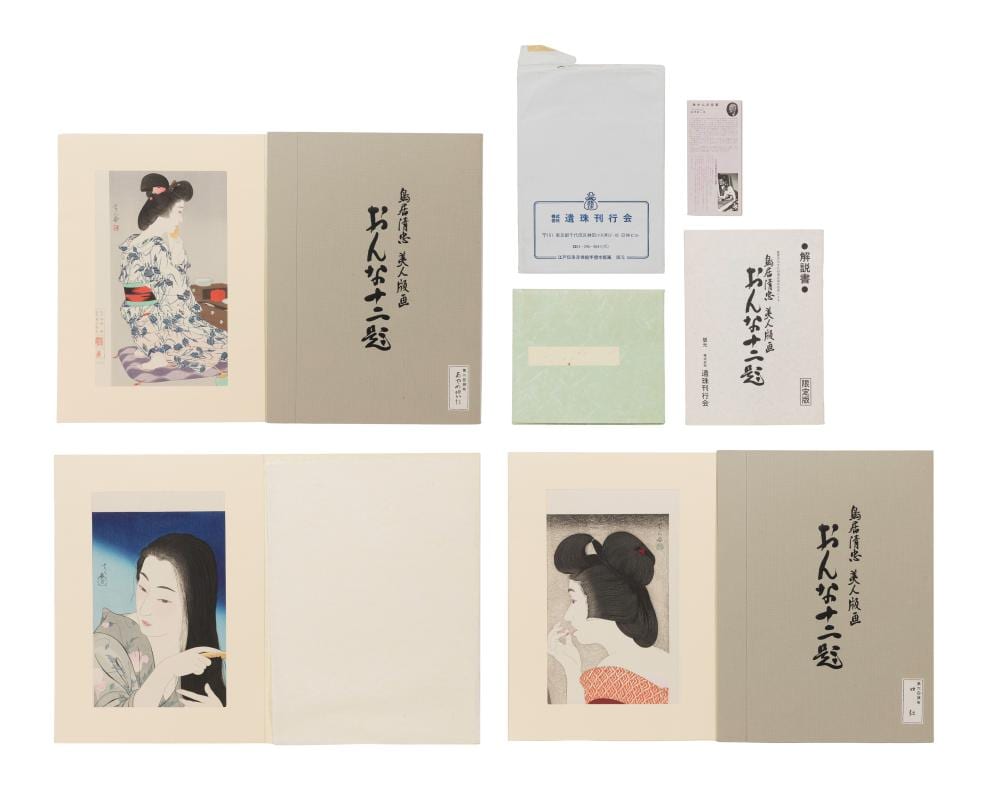
torii kotondo japanese 1900 1975 12 themes of women portfolio · Leonard Auction · 2026-06-23 torii kotondo japanese 1900 1975 12 themes of women portfolio Leonard Auction · 2026-06-23
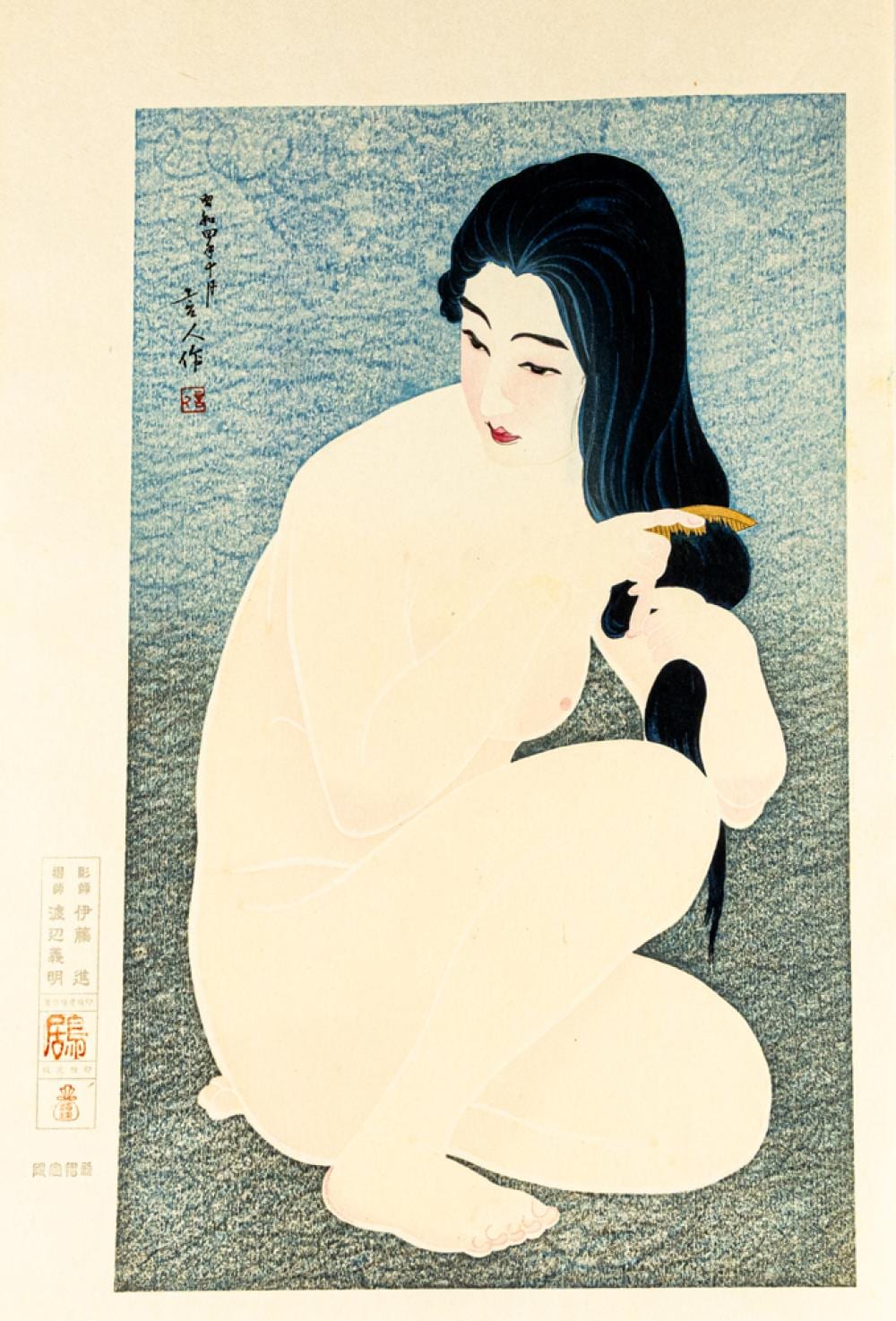
torii kotondo 1900 1976 cambing hair kamisuki · Clars Auctions · 2026-06-20 torii kotondo 1900 1976 cambing hair kamisuki Clars Auctions · 2026-06-20
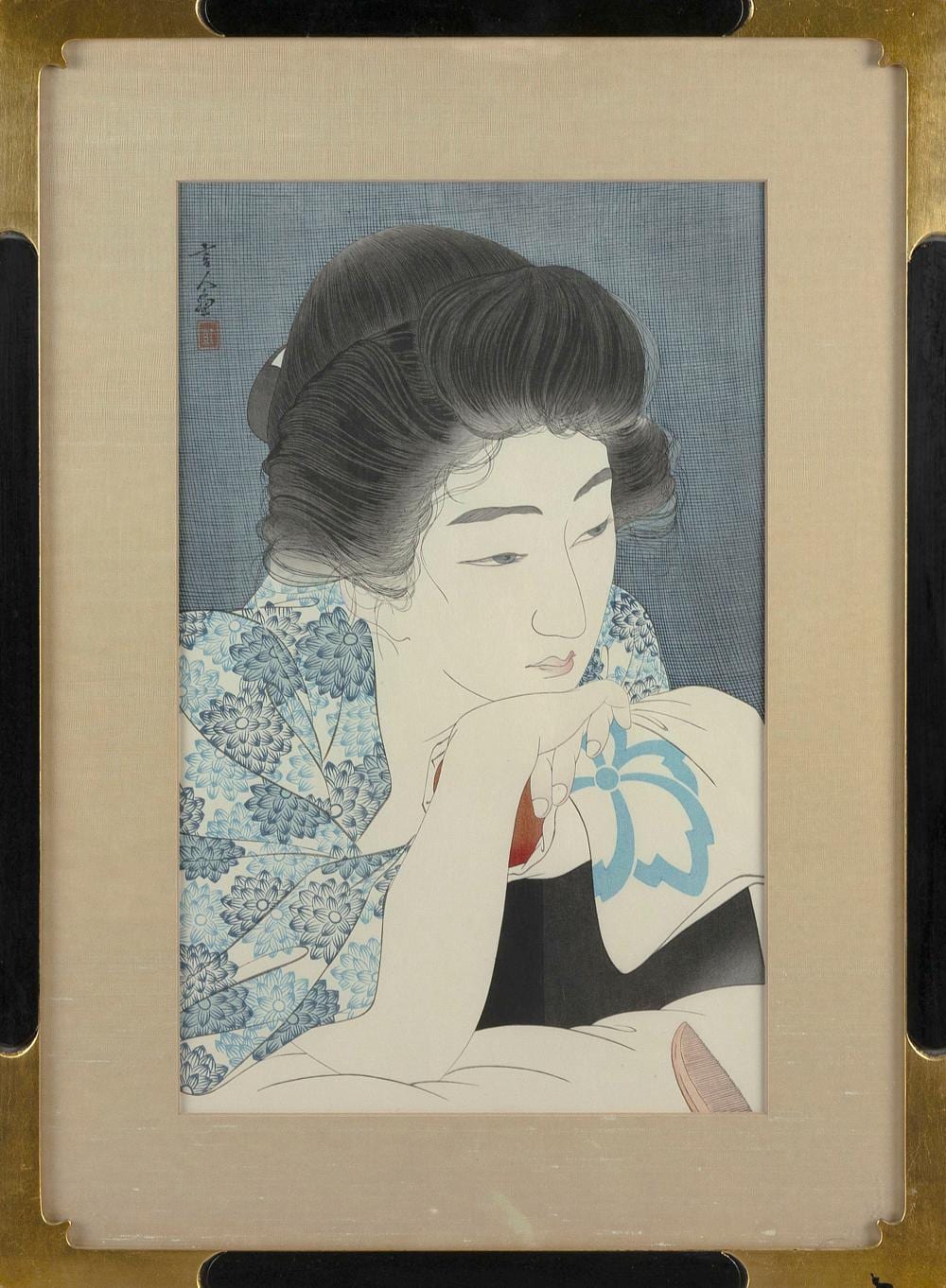
torii kotondo japan 1900 1976 morning hair woodblock print dai oban tate e 16 x 10 sight framed 22 5 x 16 5 · Eldred's · 2025-06-12 torii kotondo japan 1900 1976 morning hair woodblock print dai oban tate e 16 x 10 sight framed 22 5 x 16 5 Eldred's · 2025-06-12
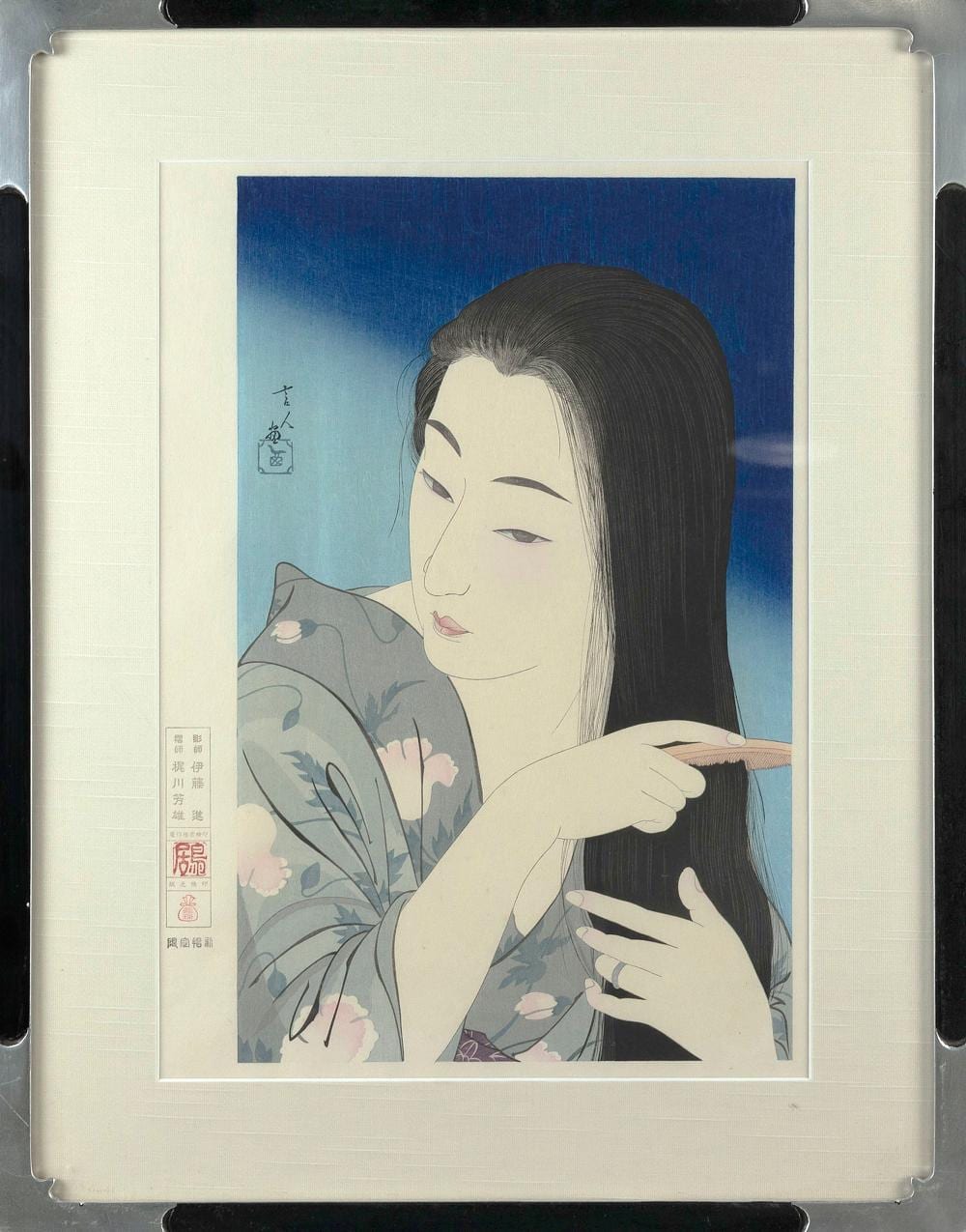
torii kotondo japan 1900 1976 combing her hair kamisuki woodblock print dai oban tate e 16 5 x 11 5 sight framed 23 x 18 · Eldred's · 2025-06-12 torii kotondo japan 1900 1976 combing her hair kamisuki woodblock print dai oban tate e 16 5 x 11 5 sight framed 23 x 18 Eldred's · 2025-06-12
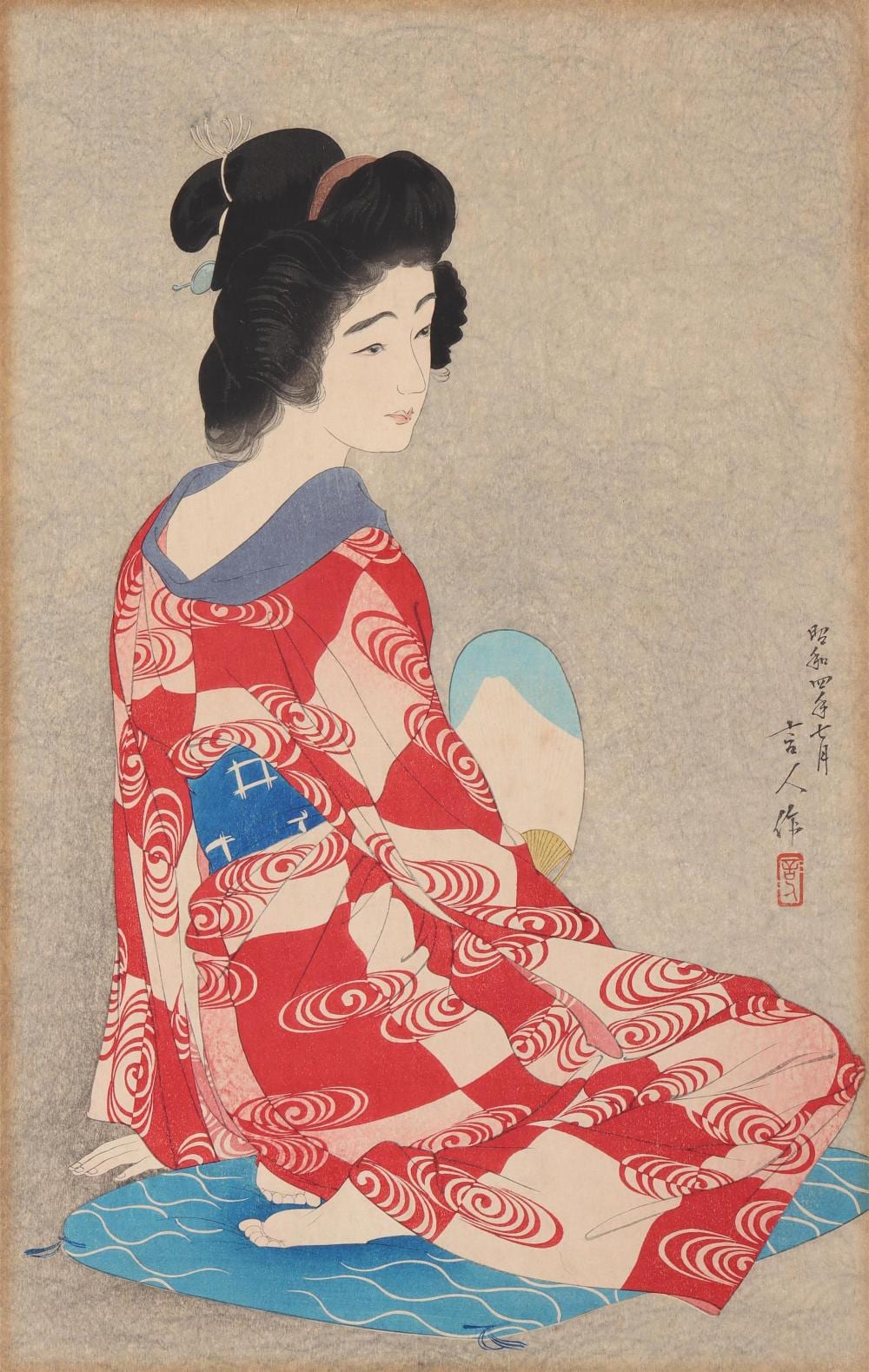
torii kotondo japanese 1900 1977 nagajuban long undergarment 1929 woodblock in colors · South Bay Auctions Inc · 2025-04-30 torii kotondo japanese 1900 1977 nagajuban long undergarment 1929 woodblock in colors South Bay Auctions Inc · 2025-04-30
Data basis
This page is built from Appraisily's public auction market index. Private transactions, incomplete sale feeds, and attribution changes may not be fully represented.
Artist value FAQ
How much is Torii Kotondo worth?
Comparable public auction sales are the best starting point, but final value depends on the specific artwork, condition, size, medium, provenance, and attribution confidence.
Can Appraisily value my Torii Kotondo artwork?
Yes. Appraisily can review photos, dimensions, signatures, condition, provenance, and comparable market data to prepare a current valuation.