Torii Kiyonaga Auction Prices and Value Guide
Torii Kiyonaga auction prices are tracked in Appraisily's artist market index, with source-directory coverage of 372 records. Use this page to review sold-lot activity, market context, and valuation factors before requesting a formal appraisal.
Torii Kiyonaga auction prices: quick answer
Torii Kiyonaga auction prices depend on medium, size, date, condition, provenance, edition details, attribution confidence, and recent comparable auction sales.
- Artist
- Torii Kiyonaga
- Source records
- 372
- Market update
- 2026-02-06
Torii Kiyonaga market snapshot
Torii Kiyonaga shows solid auction liquidity with 148 tracked lots. Median realized sale is around $1,375. Category concentration is still broad or sparse. Last 12 months recorded 7 sales. Latest recorded sale: 2026-02-03.
Realized price distribution
- Under $1,000 (43.5% · 40 sales)
- $1,000 to $10,000 (47.8% · 44 sales)
- $10,000+ (8.7% · 8 sales)
- Median sale (last 12 months)
- $100
- Sales recorded (last 12 months)
- 7
- Median shift vs prior year
- 0.0%
- Latest recorded sale
- 2026-02-03
Artist context
About Torii Kiyonaga
Born
1752
Died
1815
Nationality
Japanese
Also known as
Sekiguchi Shinsuke, 鳥居清長
Torii Kiyonaga (1752–1815) was a Japanese ukiyo-e printmaker and painter who led the Torii school during the late Edo period. Born Sekiguchi Shinsuke in Edo (now Tokyo), he was the son of a bookseller and was not biologically related to the Torii family. He was adopted by Torii Kiyomitsu, the school's preceding master, and succeeded him as its head. Kiyonaga is recognized for refining the bijin-ga tradition—pictures of beautiful women—with elongated, graceful figures that influenced later masters including Utamaro and Hokusai. His work spans single-sheet prints, multi-panel compositions, illustrated books, and paintings. Kabuki theater signboards and actor portraits also formed a core part of the Torii school's output, a tradition Kiyonaga maintained alongside his celebrated depictions of Edo's urban culture.
Ukiyo-ewoodblock printspaintingsdrawingsbijin-ga (pictures of beautiful women)kabuki actor portraitsgenre scenes of Edo urban life
Common works and media
Collectors are most likely to encounter Kiyonaga's work as oban woodblock prints, including single-sheet bijin-ga, hashira-e (pillar prints), and multi-panel diptych and triptych compositions. Kabuki actor portraits and theater signboards in the Torii school tradition also appear. Illustrated books (ehon) and hanging scroll paintings are less common but surface in specialized sales. Subjects include courtesans, geisha, festivals, and scenes of everyday Edo life.
Market and appraisal context
Torii Kiyonaga's prints appear regularly in Japanese and Asian art auctions worldwide. Collectors most often encounter his oban-format woodblock prints, especially complete diptychs and triptychs from the 1780s. Value depends heavily on impression quality (early versus later editions), color preservation, paper condition, and whether multi-panel sets remain intact. Attribution can be nuanced because Torii school workshop practices involved pupil collaboration under the master's name. Later reproductions and post-Edo re-strikes circulate in the market, so expert authentication is advisable. Comparable public auction records, sale dates, and provenance history are essential reference points for appraisal.
Auction categories and appraisal factors
Value drivers
- Impression quality and early versus later editions significantly affect value
- Condition is critical: fading, trimming, worm holes, and backing reduce collector interest
- Multi-panel diptych and triptych sets in complete condition command premiums
- Full-size oban prints from his mature period (c. 1780s) are the most sought-after format
Appraisal caveats
- Attribution can be complicated by the workshop practices of the Torii school; prints may bear the name of Kiyonaga but involve collaboration with pupils.
- Later re-strikes and reproductions are common in the market; original Edo-period impressions require expert authentication.
- Market values for ukiyo-e prints vary widely based on subject matter, series rarity, and condition; general price ranges should not be assumed without comparable auction records.
Evidence
Sources for artist context
This source-grounded artist context passed Appraisily's promotion threshold: high confidence, strong sources.
- Wikidata library authority
- Wikipedia wikipedia
- Getty Vocabulary Program library authority
- VIAF library authority
- Library of Congress library authority
- RKD - Netherlands Institute for Art History library authority
Recent sale records
Selected public auction records currently in the Appraisily lot index. Use them as market context, then request a formal appraisal before you sell, insure, or donate.
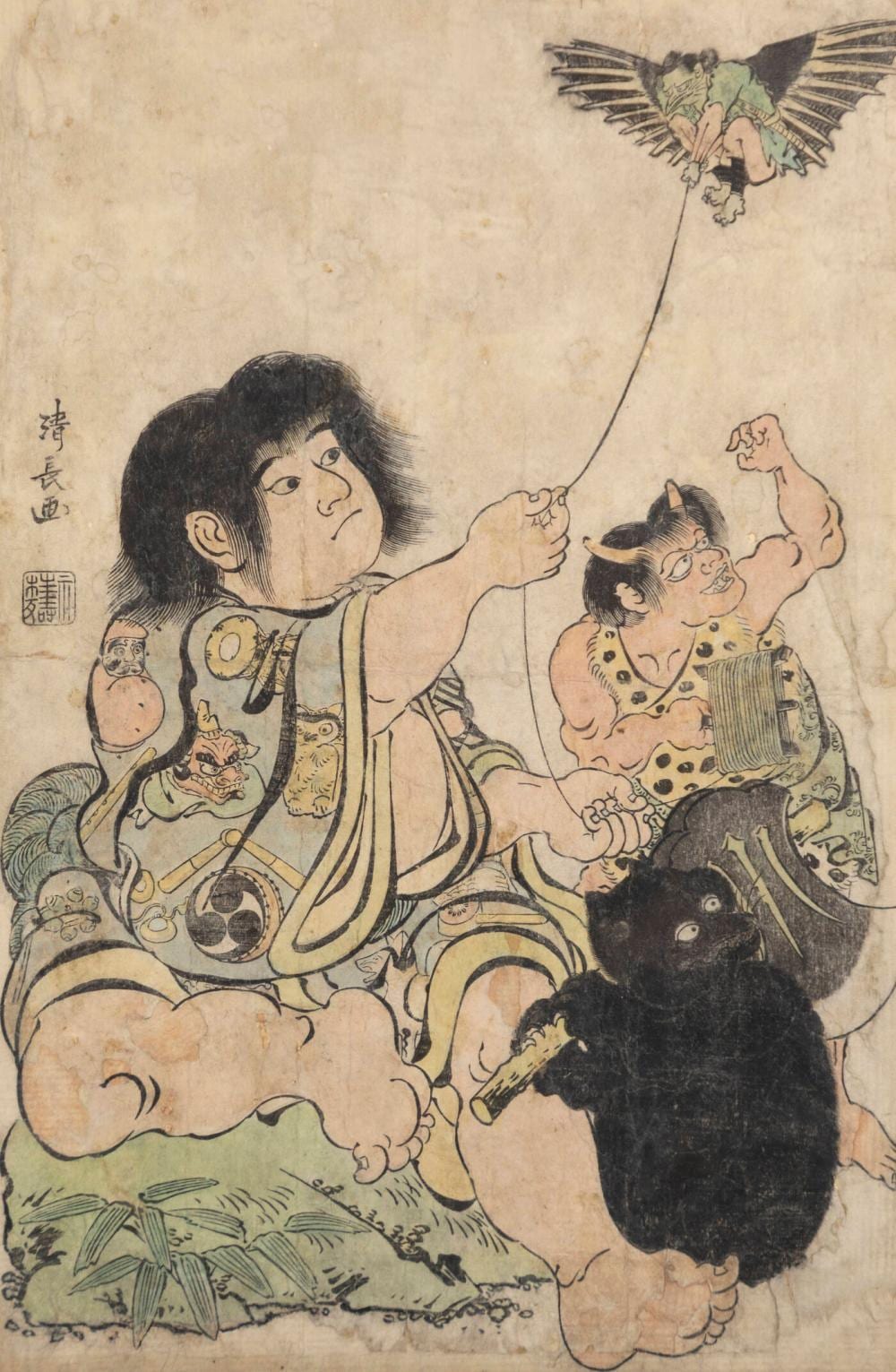
torii kiyonaga · Sant'Agostino Casa d'Aste · 2026-02-03 torii kiyonaga Sant'Agostino Casa d'Aste · 2026-02-03
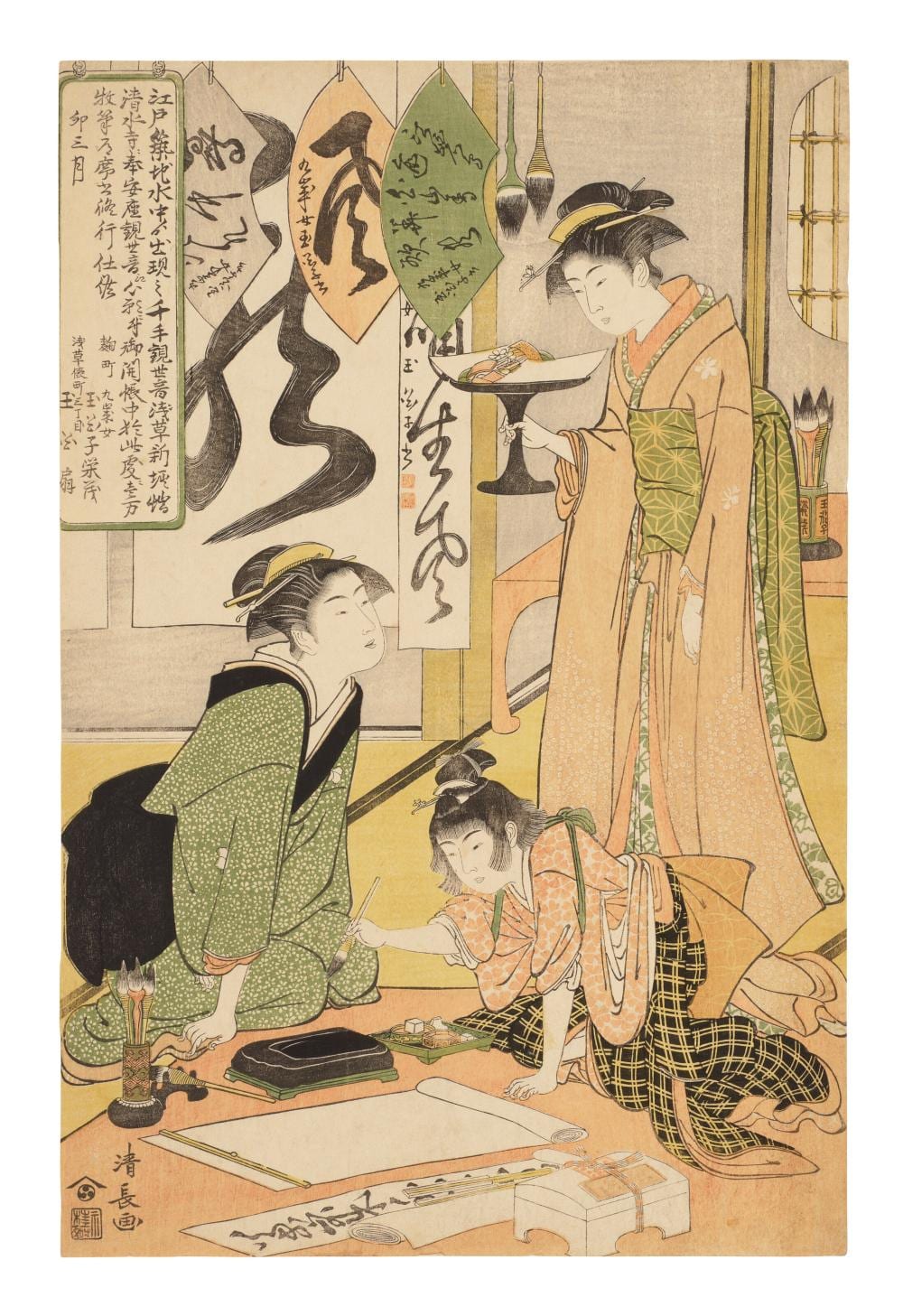
torii kiyonaga 1752 1815 gyoku kashi eimo preparing calligraphy offering · Christie's · 2025-09-16 torii kiyonaga 1752 1815 gyoku kashi eimo preparing calligraphy offering Christie's · 2025-09-16
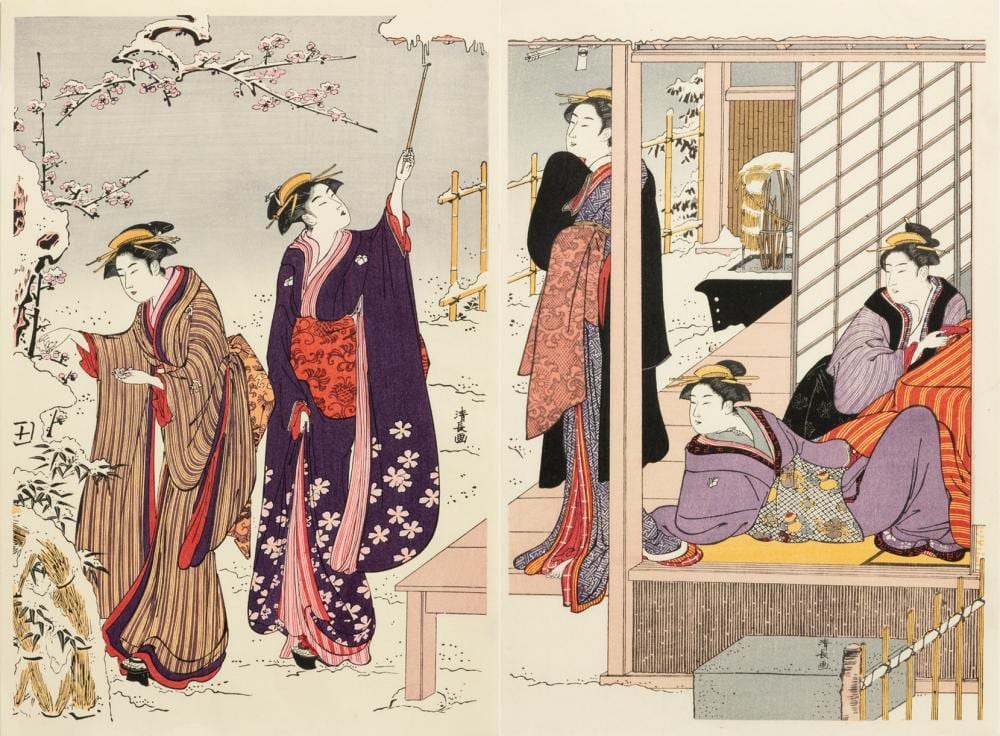
torii kiyonaga morning scene after snow · Saskatchewan Network for Art Collecting · 2025-09-14 torii kiyonaga morning scene after snow Saskatchewan Network for Art Collecting · 2025-09-14
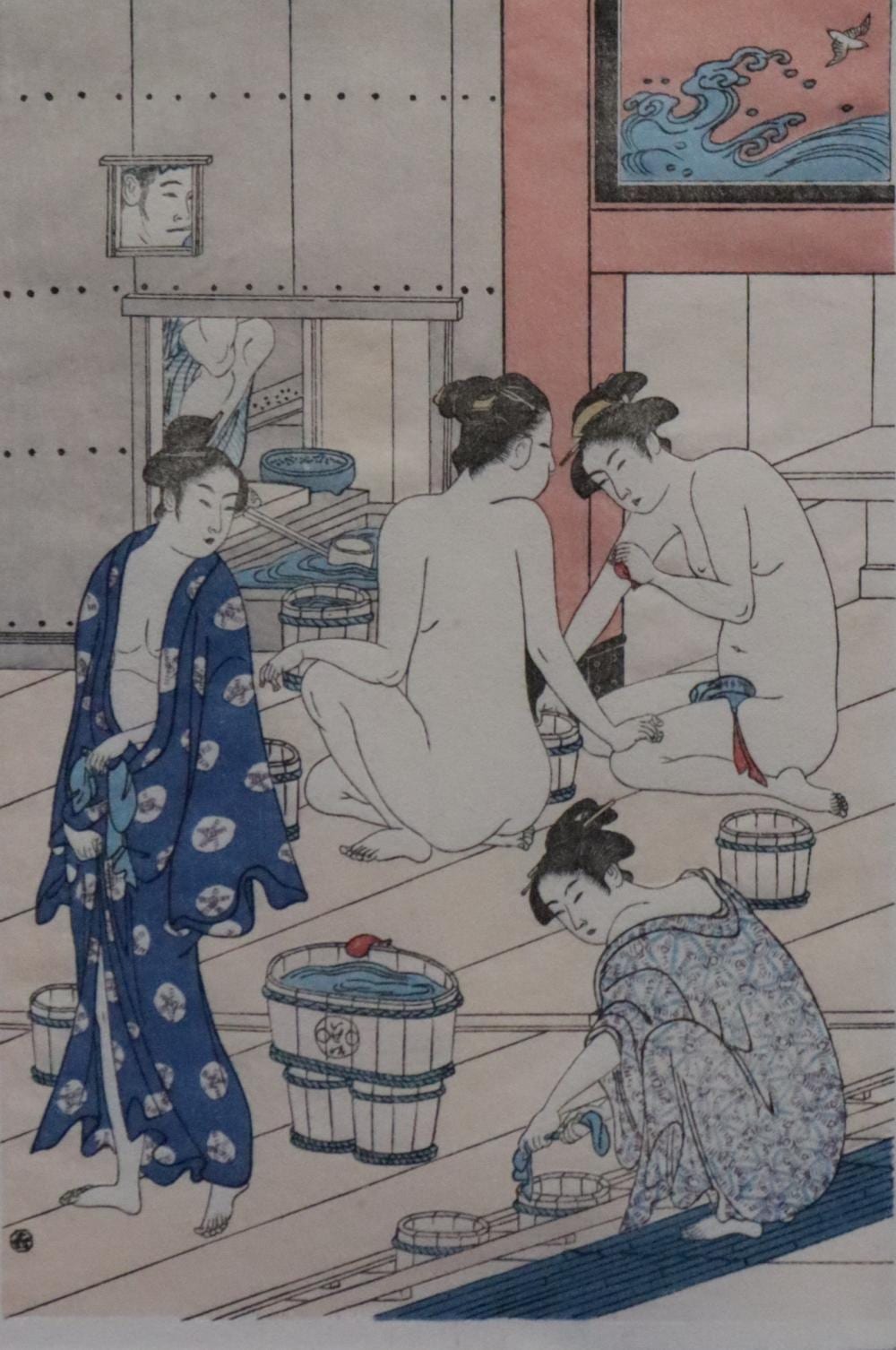
torii kiyonaga japanese wood block print bath house women approx 20 5cm x 13 5cm · Albion Antique Auction Centre · 2025-07-31 torii kiyonaga japanese wood block print bath house women approx 20 5cm x 13 5cm Albion Antique Auction Centre · 2025-07-31
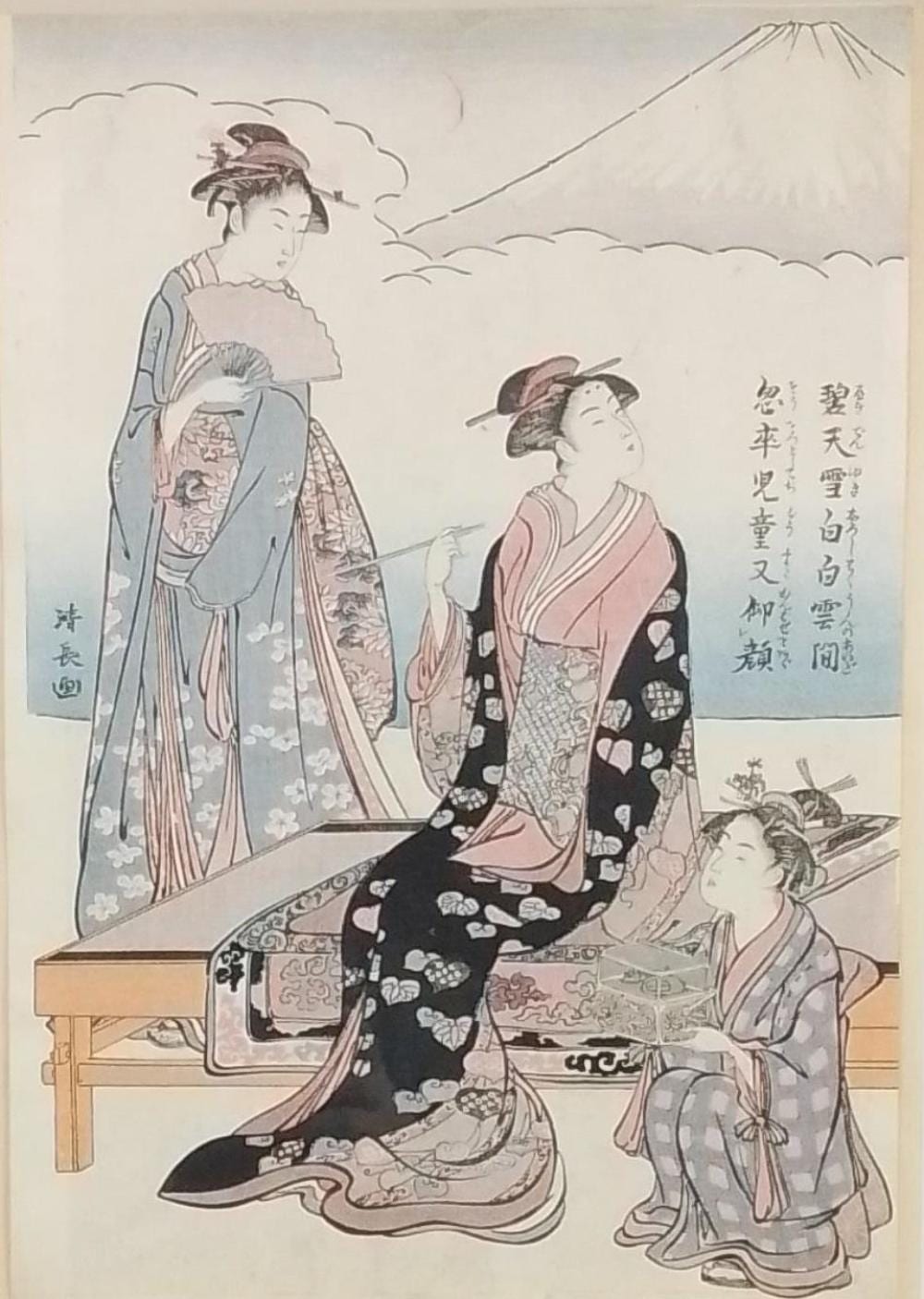
torii kiyonaga new year dreams woodblock print · EJ'S Auction & Appraisal · 2025-03-08 torii kiyonaga new year dreams woodblock print EJ'S Auction & Appraisal · 2025-03-08
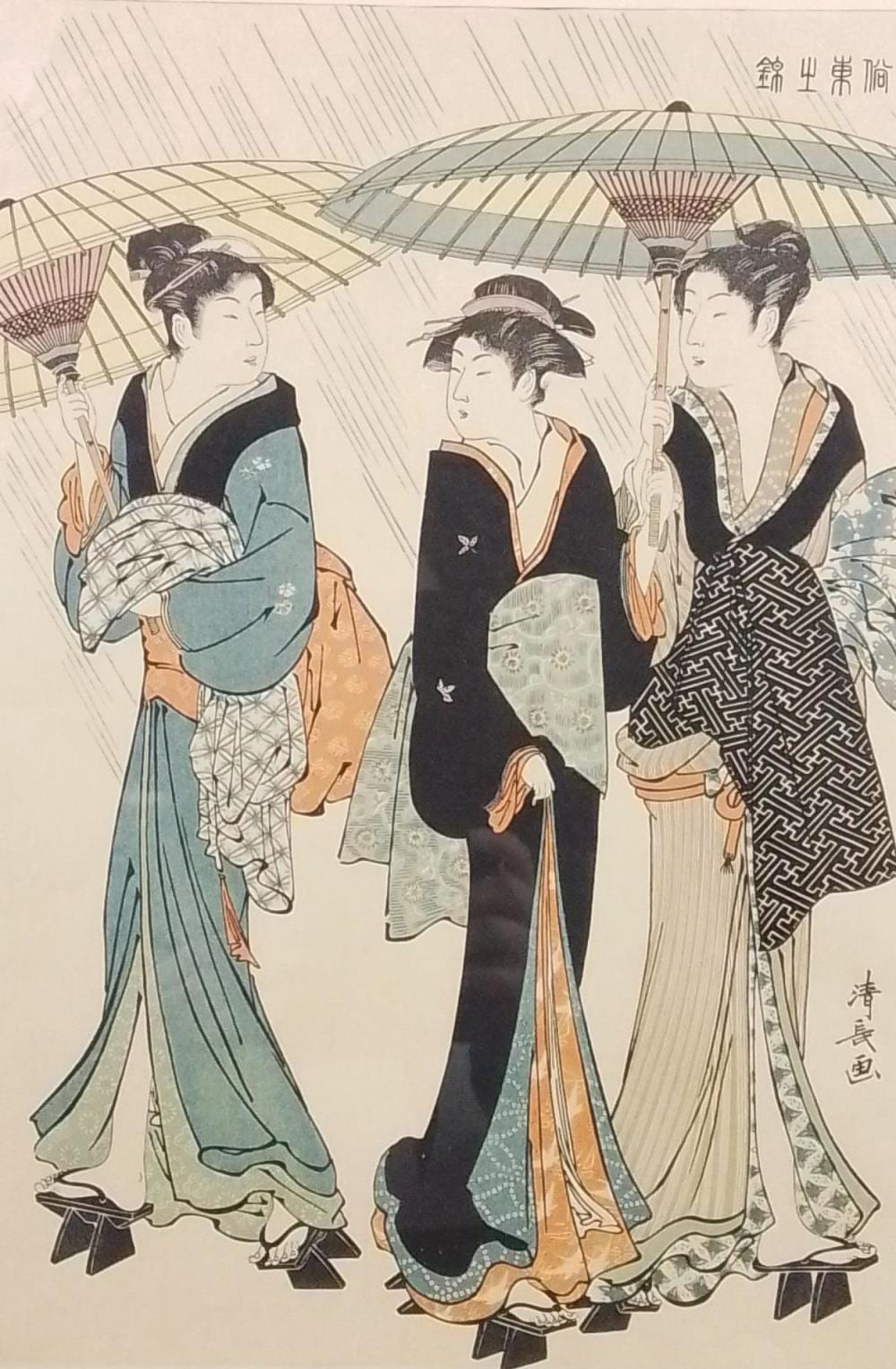
torii kiyonaga courtesans woodblock print · EJ'S Auction & Appraisal · 2025-03-08 torii kiyonaga courtesans woodblock print EJ'S Auction & Appraisal · 2025-03-08
Data basis
This page is built from Appraisily's public auction market index. Private transactions, incomplete sale feeds, and attribution changes may not be fully represented.
Artist value FAQ
How much is Torii Kiyonaga worth?
Comparable public auction sales are the best starting point, but final value depends on the specific artwork, condition, size, medium, provenance, and attribution confidence.
Can Appraisily value my Torii Kiyonaga artwork?
Yes. Appraisily can review photos, dimensions, signatures, condition, provenance, and comparable market data to prepare a current valuation.