Shiro Kuramata Auction Prices and Value Guide
Shiro Kuramata auction prices are tracked in Appraisily's artist market index, with source-directory coverage of 898 records. Use this page to review sold-lot activity, market context, and valuation factors before requesting a formal appraisal.
Shiro Kuramata auction prices: quick answer
Shiro Kuramata auction prices depend on medium, size, date, condition, provenance, edition details, attribution confidence, and recent comparable auction sales.
- Artist
- Shiro Kuramata
- Source records
- 898
- Market update
- 2026-02-06
Shiro Kuramata market snapshot
Shiro Kuramata shows thin auction liquidity with 3 tracked lots. Median realized sale is around $0. Category concentration is still broad or sparse. Last 12 months recorded 0 sales. Latest recorded sale: 2014-01-31.
Realized price distribution
- Under $1,000 (0.0% · 0 sales)
- $1,000 to $10,000 (0.0% · 0 sales)
- $10,000+ (0.0% · 0 sales)
- Median sale (last 12 months)
- $0
- Sales recorded (last 12 months)
- 0
- Median shift vs prior year
- 0.0%
- Latest recorded sale
- 2014-01-31
Artist context
About Shiro Kuramata
Born
1934
Died
1991
Nationality
Japanese
Also known as
Shirō Kuramata, Kuramata, Shirō, 倉俣 史朗
Shiro Kuramata (1934–1991) was a Japanese designer, product designer, and interior architect whose work sits at the intersection of furniture, objects, and spatial design. Authority records identify him under both westernized and Japanese name forms, while his official profile separates his practice into product design and interior design. Collectors frequently encounter Kuramata through seating and other design objects; documented examples in the source pack include How High the Moon, Miss Blanche, and Sing Sing Sing chairs. His institutional visibility is reinforced by an artist record at The Museum of Modern Art and by international authority files including VIAF, Getty ULAN, IdRef, and Wikidata. The available evidence does not support assigning him to one named movement, so his page is better framed through twentieth-century Japanese design and his cross-disciplinary practice. At auction, identity should be matched through the exact model, date, materials, production details, and provenance rather than by name alone.
Furniture and product designInterior designChairs, armchairs, and seating design
Common works and media
The source pack documents Kuramata furniture and seating, including the How High the Moon armchair, Miss Blanche armchair, and Sing Sing Sing chair. His official profile also distinguishes product design from interior-design commissions. Auction and appraisal records may therefore include furniture, seating, design objects, and broader decorative-art entries. Records categorized as paintings, prints, sculpture, or mixed media should be checked against the individual lot description and attribution rather than assumed to represent his established design practice.
Market and appraisal context
Appraising a work attributed to Shiro Kuramata begins with the object type, materials, dimensions, date, condition, and restoration history. Signatures or inscriptions, edition and production details, provenance, exhibition history, catalogue references, and attribution confidence can also affect how closely a work compares with public sales. Comparable lots should match the same model or a genuinely related design whenever possible. Public auction results can establish context, but they do not by themselves predict value: private transactions, incomplete feeds, reporting conventions, and later attribution changes may alter the available picture. Current auction-record counts should also be reconciled before numerical summaries from the collected page are published.
Auction categories and appraisal factors
Common auction categories
- Furniture and seating design
- Decorative art and design objects
Value drivers
- Medium, dimensions, date, and career period
- Condition, restoration history, and surface quality
- Signature, inscriptions, edition or production details, and attribution confidence
- Provenance, exhibition history, and catalogue references
- Comparable public auction sales for closely related works
- Subject matter, rarity, and current demand
Appraisal caveats
- Public auction records are a starting point rather than a final appraisal.
- Private sales, incomplete auction feeds, and later attribution changes may not appear in public data.
- Authentication, condition, and the accuracy of the model or edition identification should be reviewed before valuation.
- The collected Appraisily excerpt contains inconsistent auction-record summaries, so current counts should be reconciled before publication.
Evidence
Sources for artist context
This source-grounded artist context is based on collected public records: medium confidence, adequate source quality.
- IdRef library authority
- VIAF library authority
- The Museum of Modern Art museum or university
- Shiro Kuramata artist official site
- Wikidata library authority
- Getty Vocabulary Program library authority
Recent sale records
Selected public auction records currently in the Appraisily lot index. Use them as market context, then request a formal appraisal before you sell, insure, or donate.
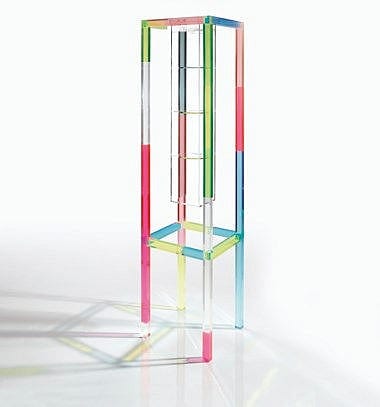
shiro kuramata 1934 1991 cabinet de curiosit circa 1989 74 in 189 8 cm high 18 1 8 in 46 cm square · Christie's · 2019-06-04 shiro kuramata 1934 1991 cabinet de curiosit circa 1989 74 in 189 8 cm high 18 1 8 in 46 cm square Christie's · 2019-06-04
Data basis
This page is built from Appraisily's public auction market index. Private transactions, incomplete sale feeds, and attribution changes may not be fully represented.
Artist value FAQ
How much is Shiro Kuramata worth?
Comparable public auction sales are the best starting point, but final value depends on the specific artwork, condition, size, medium, provenance, and attribution confidence.
Can Appraisily value my Shiro Kuramata artwork?
Yes. Appraisily can review photos, dimensions, signatures, condition, provenance, and comparable market data to prepare a current valuation.