Seydou Keita Auction Prices and Value Guide
Seydou Keita auction prices are tracked in Appraisily's artist market index, with source-directory coverage of 245 records. Use this page to review sold-lot activity, market context, and valuation factors before requesting a formal appraisal.
Seydou Keita auction prices: quick answer
Seydou Keita auction prices depend on medium, size, date, condition, provenance, edition details, attribution confidence, and recent comparable auction sales.
- Artist
- Seydou Keita
- Source records
- 245
- Market update
- 2026-02-06
Seydou Keita market snapshot
Seydou Keita shows developing auction liquidity with 47 tracked lots. Median realized sale is around $4,500. Category concentration is still broad or sparse. Last 12 months recorded 4 sales. Latest recorded sale: 2025-11-19.
Realized price distribution
- Under $1,000 (10.8% · 4 sales)
- $1,000 to $10,000 (78.4% · 29 sales)
- $10,000+ (10.8% · 4 sales)
- Median sale (last 12 months)
- $1,600
- Sales recorded (last 12 months)
- 4
- Median shift vs prior year
- 0.0%
- Latest recorded sale
- 2025-11-19
Artist context
About Seydou Keita
Born
1921
Died
2001
Nationality
Malian
Also known as
Seydou Keïta
Seydou Keïta was a Malian photographer associated above all with studio portraiture in Bamako. The collected authority records identify him as a photographer who died in 2001, while the available biographical summary emphasizes portraits of people and families made in the 1950s. Those images are discussed as both records of Malian society and works of art. The evidence pack does not support assigning Keïta to a named movement, so his context is presented through place, period, medium, and subject instead. Collectors are most likely to encounter his name on photographic portraits linked to the Bamako studio practice. Identity research is especially important because public records disagree over whether he was born in 1921 or 1923. This profile provisionally uses circa 1921, with medium confidence, and avoids unsupported claims about printing processes, editions, or a more detailed chronology until stronger institutional documentation is available.
PhotographyPortrait photographyPeople and familiesMalian society as represented through studio portraiture
Common works and media
The source pack most clearly supports photographs and portrait photographs as common work types associated with Keïta. Documented subjects include individuals and families photographed through his Bamako studio practice, particularly during the 1950s. The available evidence does not establish specific editions, printing processes, formats, or other categories of work.
Market and appraisal context
Keïta's market context is centered on photographic portrait works. Assessment should first establish whether a work plausibly relates to his documented Bamako studio practice and the 1950s period described in the collected sources. Subject type—particularly portraits of individuals or families—and the stated date can help organize comparisons with relevant public auction entries. These points are research filters, not authentication or price conclusions. The current source pack does not provide fetched major-auction-house cataloguing, edition details, printing-process information, or condition guidance. Appraisals should therefore treat attribution, production date, and any sale comparison cautiously, checking the specific object and the cataloguing attached to genuinely comparable lots before drawing a valuation conclusion.
Auction categories and appraisal factors
Common auction categories
- Photographs
- Portrait photographs
Value drivers
- Relationship to Keïta's documented Bamako studio portrait practice
- Subject type, including portraits of individuals and families
- Dating in relation to the documented 1950s studio period
- Comparison with relevant public auction records when sufficiently similar lots are available
Appraisal caveats
- The collected source pack does not provide fetched major-auction-house cataloguing, realized-price details, edition information, printing-process documentation, or condition guidance.
- Public sources disagree on whether Keïta was born in 1921 or 1923; object research should not rely on an exact birth date as an identity discriminator.
- Studio-period, subject, and date information can guide comparison but do not independently establish authenticity, attribution, or value.
Evidence
Sources for artist context
This source-grounded artist context is based on collected public records: medium confidence, adequate source quality.
- Wikidata library authority
- Getty Vocabulary Program library authority
- VIAF library authority
- Wikipedia wikipedia
- Wikipedia wikipedia
- Appraisily appraisily artist page
Recent sale records
Selected public auction records currently in the Appraisily lot index. Use them as market context, then request a formal appraisal before you sell, insure, or donate.
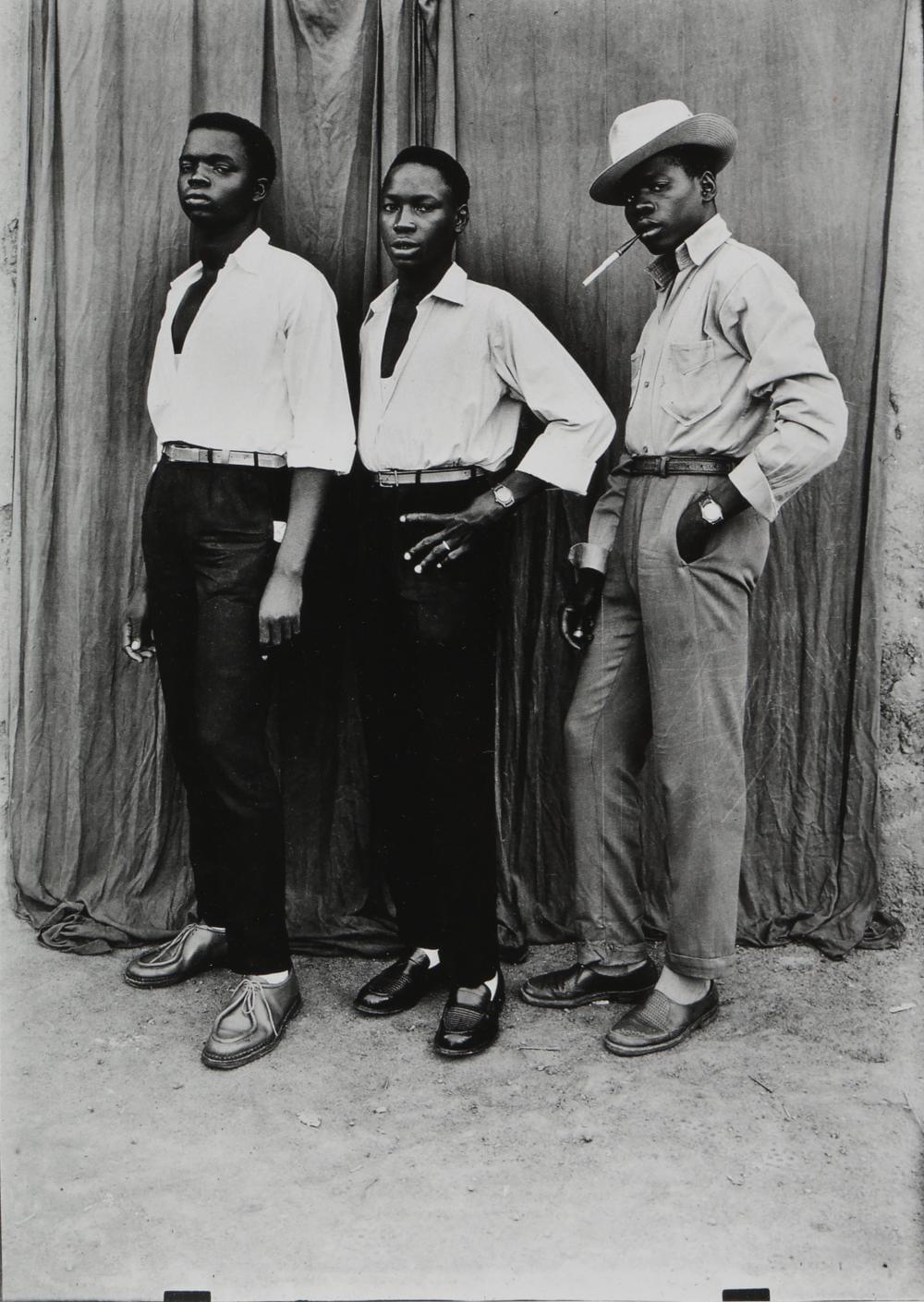
seydou keita 1921 2001 bamako 1956 · Hessink's · 2026-04-14 seydou keita 1921 2001 bamako 1956 Hessink's · 2026-04-14
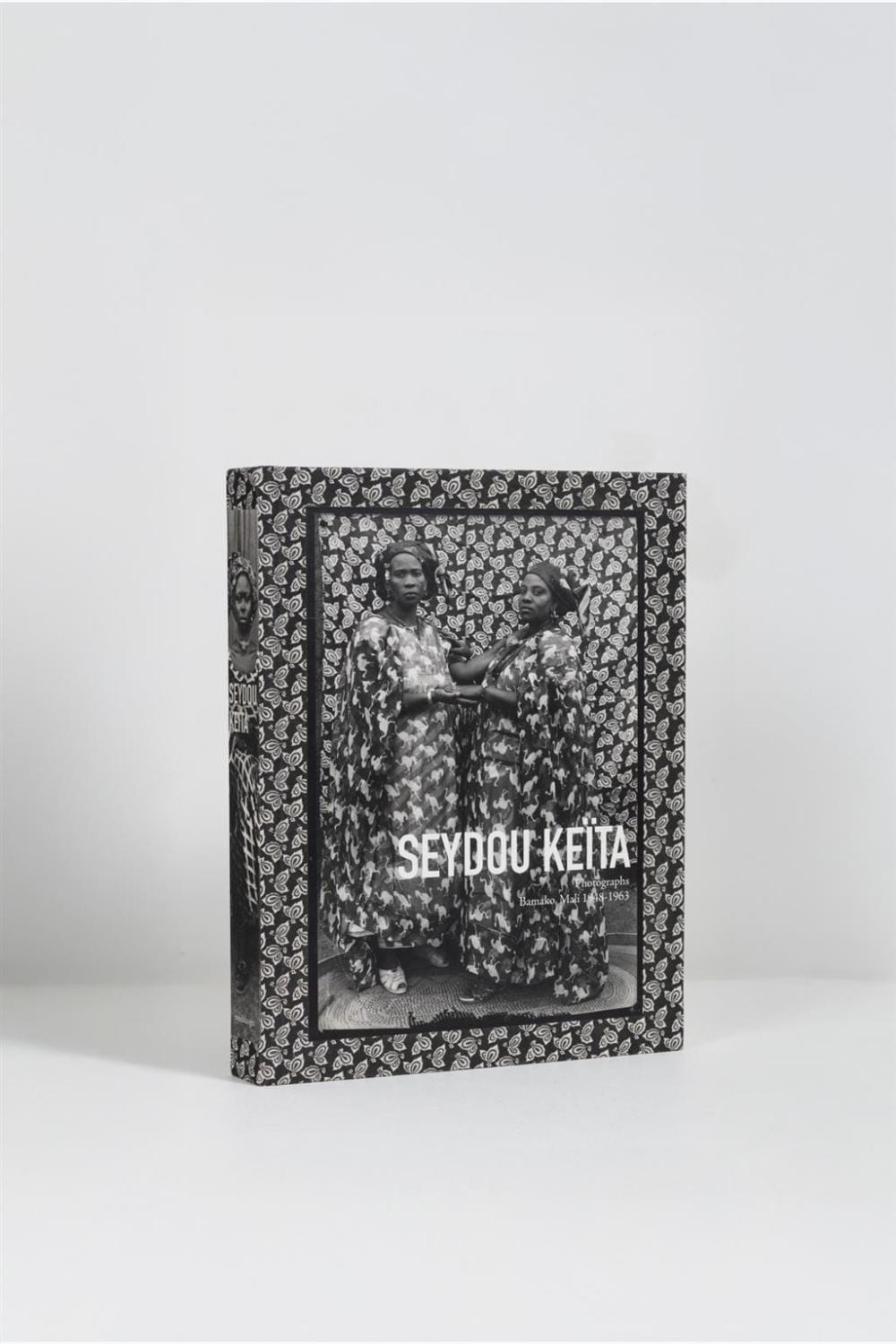
seydou keita 1923 2001 seydou ke ta photographs bamako mali 1948 · Piasa · 2025-11-19 seydou keita 1923 2001 seydou ke ta photographs bamako mali 1948 Piasa · 2025-11-19
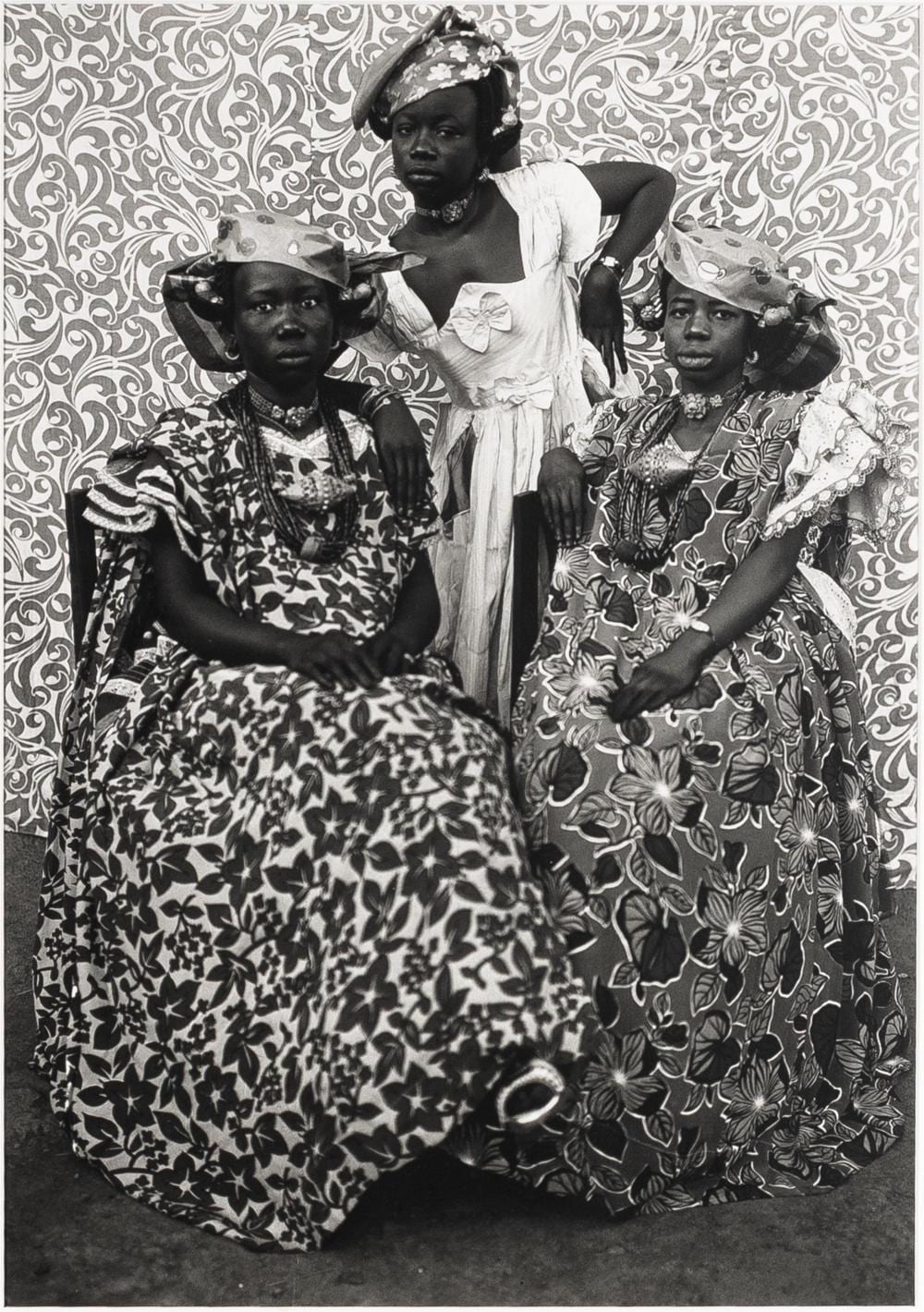
seydou keita malayan 1921 2001 the girls from mali · Black Art Auction · 2025-10-18 seydou keita malayan 1921 2001 the girls from mali Black Art Auction · 2025-10-18
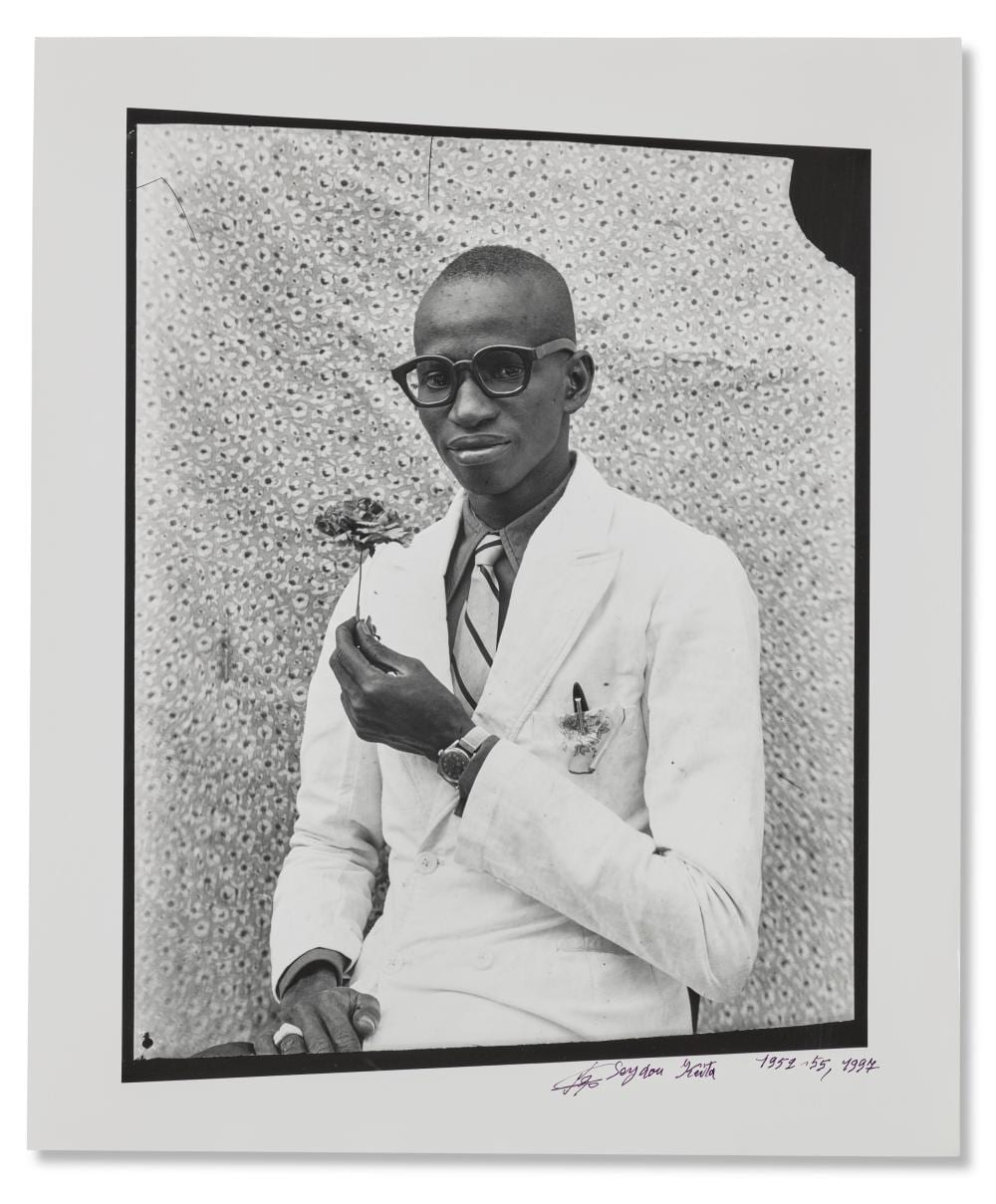
seydou keita 1921 2001 untitled gelatin silver print23 x 19 in 60 · Christie's · 2025-07-18 seydou keita 1921 2001 untitled gelatin silver print23 x 19 in 60 Christie's · 2025-07-18
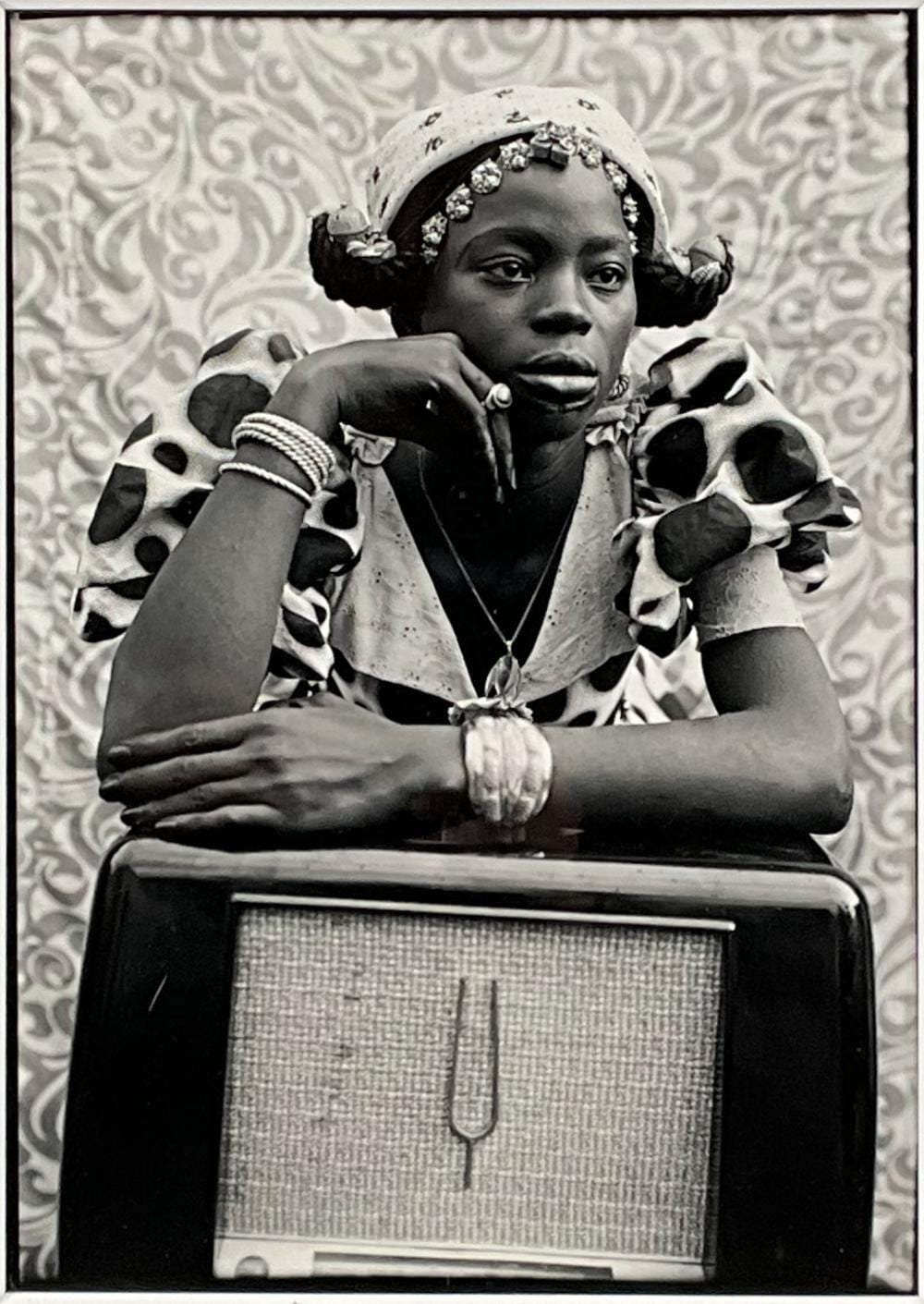
seydou keita untitled silver gelatin photo · Ashcroft and Moore · 2024-02-22 seydou keita untitled silver gelatin photo Ashcroft and Moore · 2024-02-22
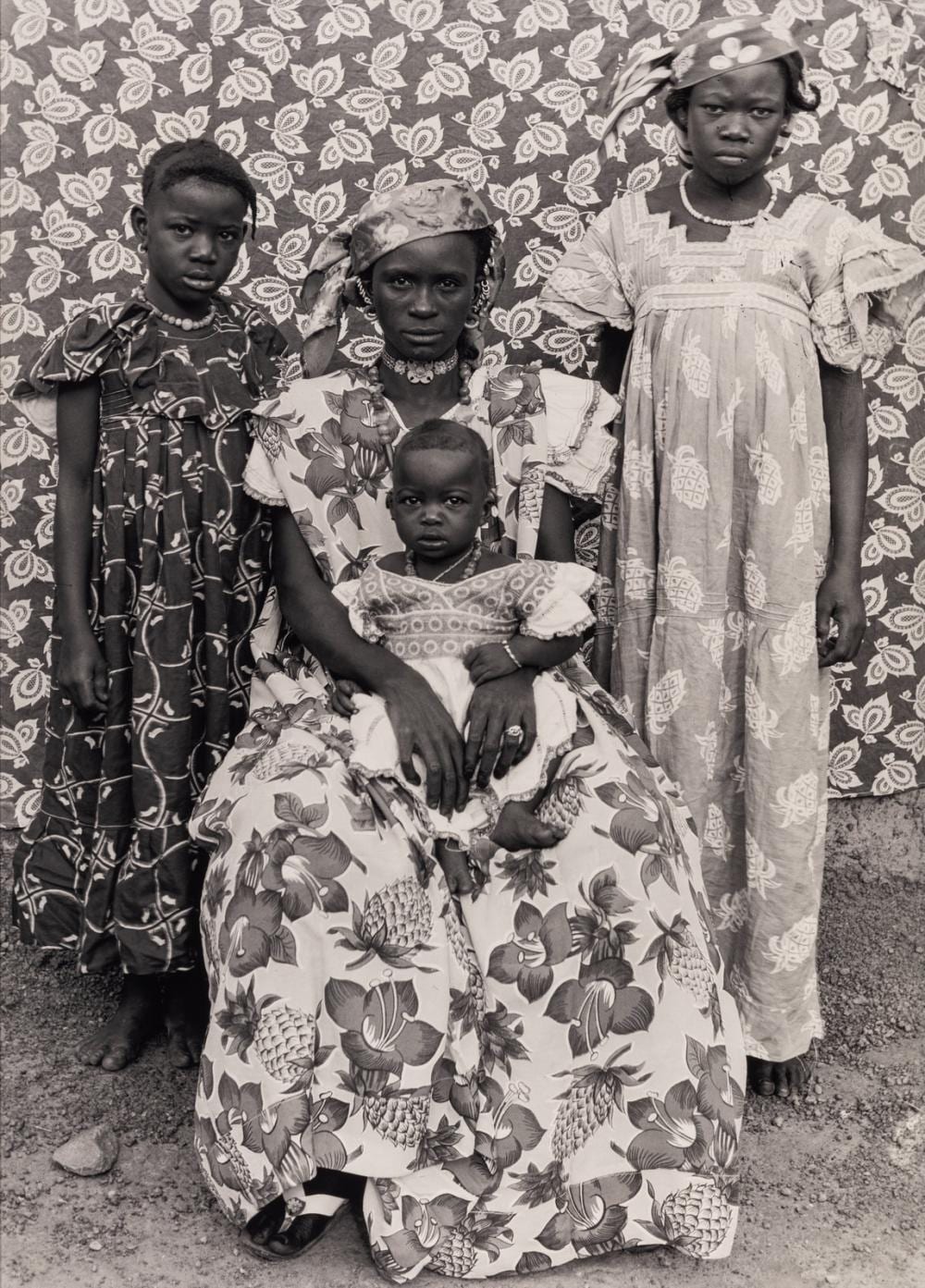
seydou keita 1923 2001 untitled 420 1950 1952 · Hindman · 2023-10-19 seydou keita 1923 2001 untitled 420 1950 1952 Hindman · 2023-10-19
Data basis
This page is built from Appraisily's public auction market index. Private transactions, incomplete sale feeds, and attribution changes may not be fully represented.
Artist value FAQ
How much is Seydou Keita worth?
Comparable public auction sales are the best starting point, but final value depends on the specific artwork, condition, size, medium, provenance, and attribution confidence.
Can Appraisily value my Seydou Keita artwork?
Yes. Appraisily can review photos, dimensions, signatures, condition, provenance, and comparable market data to prepare a current valuation.