Robert Kipniss Auction Prices and Value Guide
Robert Kipniss auction prices are tracked in Appraisily's artist market index, with source-directory coverage of 919 records. Use this page to review sold-lot activity, market context, and valuation factors before requesting a formal appraisal.
Robert Kipniss auction prices: quick answer
Robert Kipniss auction prices depend on medium, size, date, condition, provenance, edition details, attribution confidence, and recent comparable auction sales.
- Artist
- Robert Kipniss
- Source records
- 919
- Market update
- 2026-02-06
Robert Kipniss market snapshot
Robert Kipniss shows very deep auction liquidity with 621 tracked lots. Median realized sale is around $225. Category concentration is still broad or sparse. Last 12 months recorded 50 sales. Latest recorded sale: 2026-02-15.
Realized price distribution
- Under $1,000 (84.5% · 392 sales)
- $1,000 to $10,000 (15.5% · 72 sales)
- $10,000+ (0.0% · 0 sales)
- Median sale (last 12 months)
- $150
- Sales recorded (last 12 months)
- 50
- Median shift vs prior year
- 0.0%
- Latest recorded sale
- 2026-02-15
Artist context
About Robert Kipniss
Born
1931
Nationality
American
Robert Kipniss is an American painter and printmaker born in Brooklyn in 1931. Across paintings and prints, he developed a restrained visual language centered on trees, fields, houses, small-town settings, and quiet interiors. Many compositions omit people, simplify forms, and use dusk, night, or muted light to create a contemplative atmosphere. His print practice includes lithography, mezzotint, and drypoint, with related subjects sometimes revisited across different media. Library authority records identify him as a painter and engraver and connect his name with the catalogue raisonné Robert Kipniss: Intaglios, 1982–2004, helping distinguish his print oeuvre in collection and appraisal research. Collectors encounter Kipniss through both unique paintings and editioned works on paper, while Appraisily's public artist index documents auction activity across several decades. That combination of recurring imagery, closely related techniques, and a catalogued print corpus makes exact medium, date, edition, and catalogue identification especially important.
PaintingLithographyMezzotintDrypointTrees and wooded landscapesFields and rural landscapesHouses and town settingsInteriors, windows, and still-life arrangements
Common works and media
Commonly documented Robert Kipniss works include paintings, lithographs, mezzotints, and drypoints. Recurring subjects include trees viewed at different distances, fields, houses in landscapes or town settings, and quiet interiors arranged around windows or still-life elements. Prints may revisit imagery also explored in paintings, so collectors should distinguish the medium, dimensions, edition, signature, date, and catalogue reference of the specific object.
Market and appraisal context
A Robert Kipniss appraisal should begin with comparable works in the same medium, of similar dimensions, and from a relevant date or period. For lithographs, mezzotints, and drypoints, examine the signature, inscriptions, edition information, sheet size, and condition. For paintings, compare dimensions, date, surface quality, and any restoration history. Provenance, exhibition history, catalogue references, subject matter, rarity, and attribution confidence can also affect how closely one sale compares with another. Public auction results provide useful evidence but are not a price guarantee; reporting may differ, private transactions may be absent, and an individual object's condition or documentation can materially change the conclusion.
Auction categories and appraisal factors
Common auction categories
- Paintings
- Works on paper and prints
- Lithographs, mezzotints, and drypoints
Value drivers
- Medium, dimensions, date, and position within the artist's working chronology
- Condition, restoration history, and surface quality
- Signature, inscriptions, edition information, and attribution confidence
- Provenance, exhibition history, and catalogue references
- Subject matter, rarity, and recent comparable public auction sales
Appraisal caveats
- Treat public auction records as a starting point rather than a final appraisal.
- Compare works like-for-like and verify condition, authorship, edition details, and reporting conventions before drawing a value conclusion.
Evidence
Sources for artist context
This source-grounded artist context is based on collected public records: medium confidence, adequate source quality.
- Wikidata library authority
- VIAF library authority
- IdRef library authority
- Bibliothèque nationale de France library authority
- Wikipedia wikipedia
- Appraisily appraisily artist page
Recent sale records
Selected public auction records currently in the Appraisily lot index. Use them as market context, then request a formal appraisal before you sell, insure, or donate.

robert kipniss landscape · Toomey & Co. Auctioneers · 2026-06-30 robert kipniss landscape Toomey & Co. Auctioneers · 2026-06-30
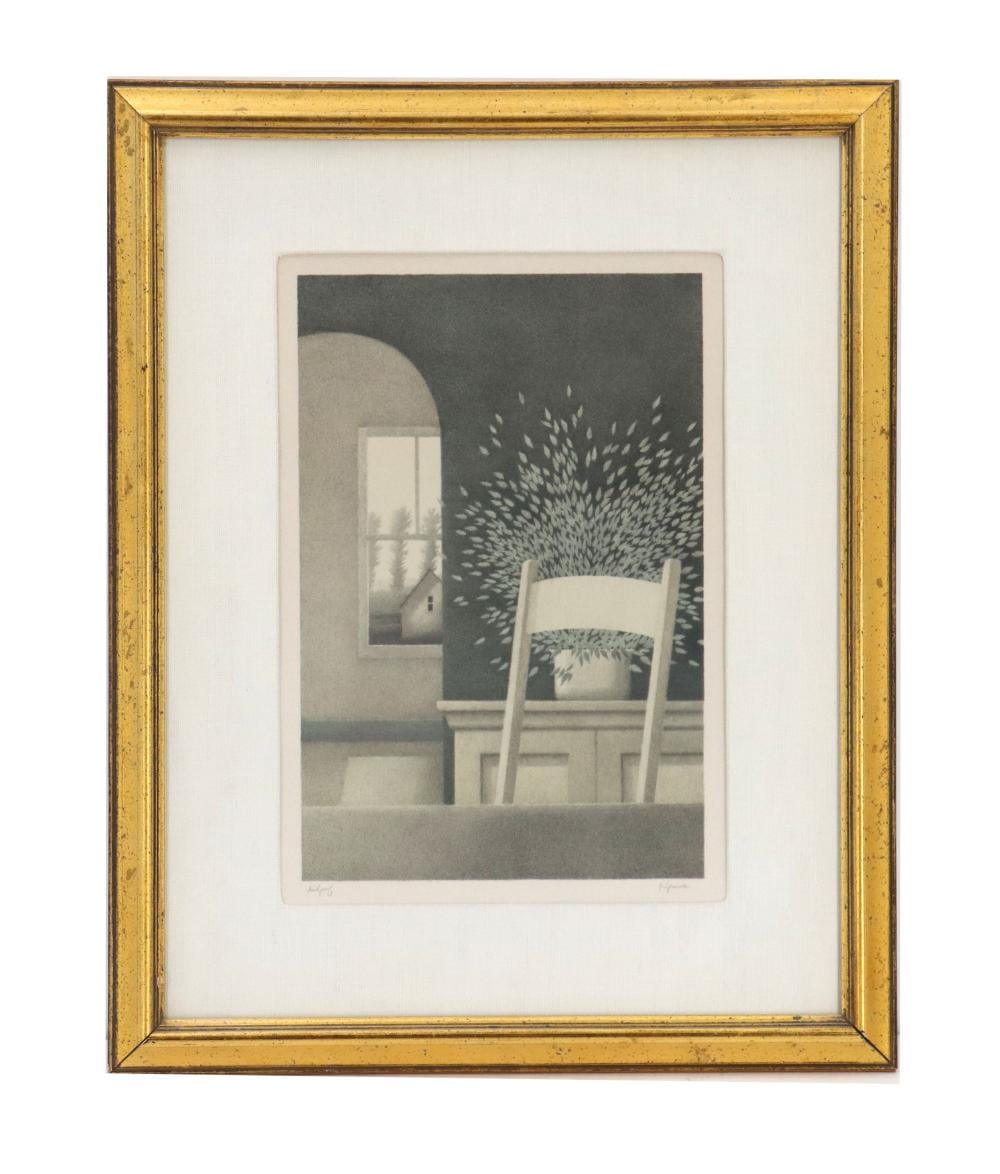
robert kipniss 1931 2025 american artist s proof lithograph print monochrome interior scene the other room · Sarasota Estate Auction · 2026-06-14 robert kipniss 1931 2025 american artist s proof lithograph print monochrome interior scene the other room Sarasota Estate Auction · 2026-06-14
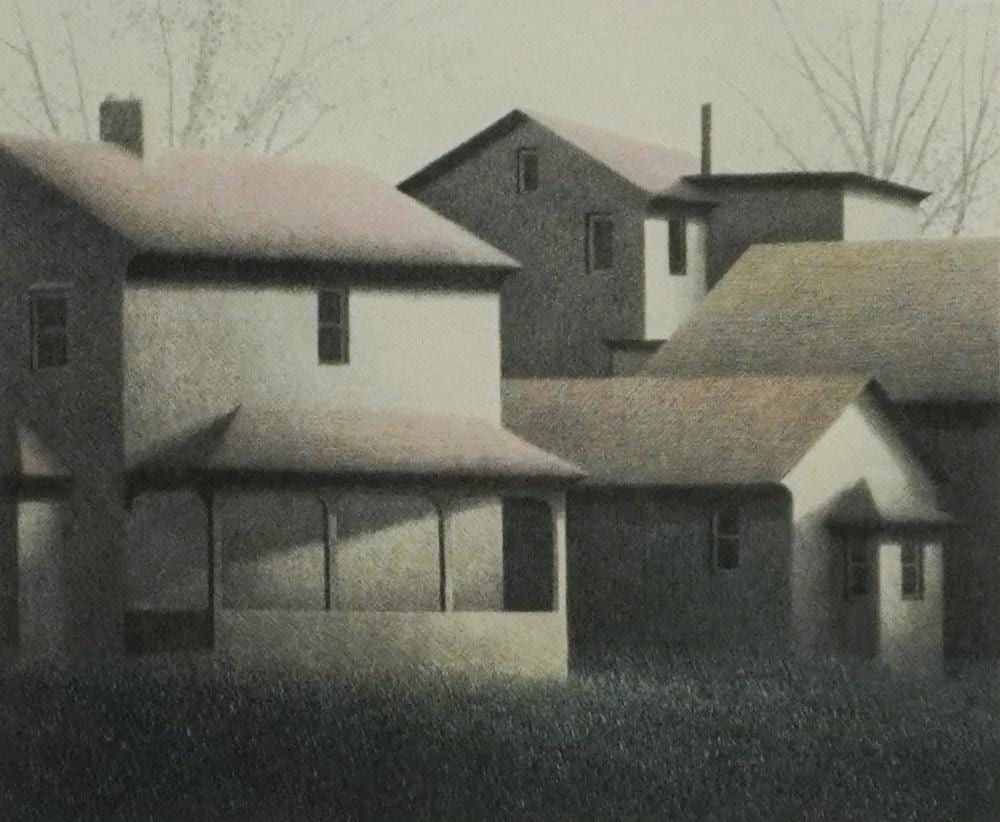
robert kipniss american 1931 shadows and porch lithograph signed l r and numbered 66 90 l l frame size 22 x 23 in 55 9 x 58 4 cm · Weschler's · 2026-06-09 robert kipniss american 1931 shadows and porch lithograph signed l r and numbered 66 90 l l frame size 22 x 23 in 55 9 x 58 4 cm Weschler's · 2026-06-09

robert kipniss american 1931 twilight mezzotint signed l r and numbered 47 75 l l frame size 19 3 4 x 18 3 4 in 50 2 x 47 6 cm · Weschler's · 2026-06-09 robert kipniss american 1931 twilight mezzotint signed l r and numbered 47 75 l l frame size 19 3 4 x 18 3 4 in 50 2 x 47 6 cm Weschler's · 2026-06-09
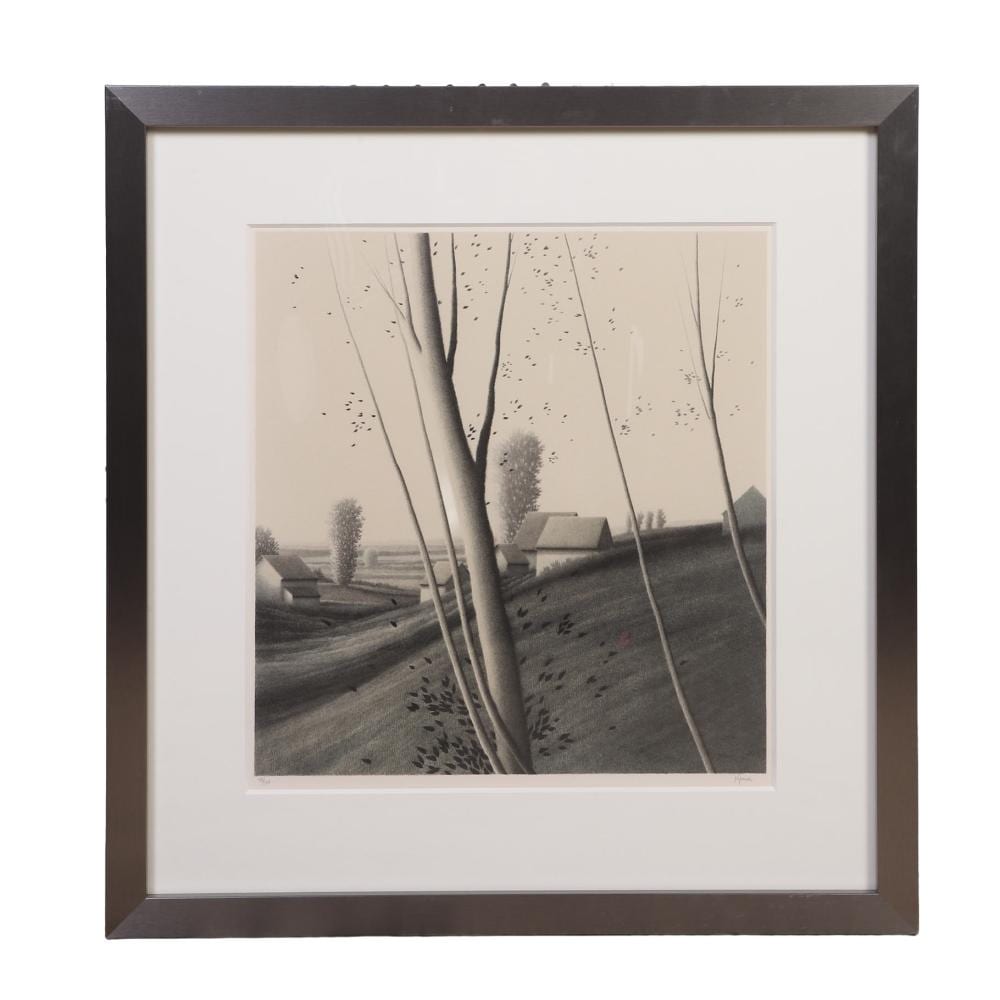
robert kipniss american 20th c upstate mezzotint image height 17 1 2 in image width 15 3 4 in framed height 25 1 2 in framed width 25 in framed depth 1 1 4 in · Bunch Auctions · 2026-06-09 robert kipniss american 20th c upstate mezzotint image height 17 1 2 in image width 15 3 4 in framed height 25 1 2 in framed width 25 in framed depth 1 1 4 in Bunch Auctions · 2026-06-09
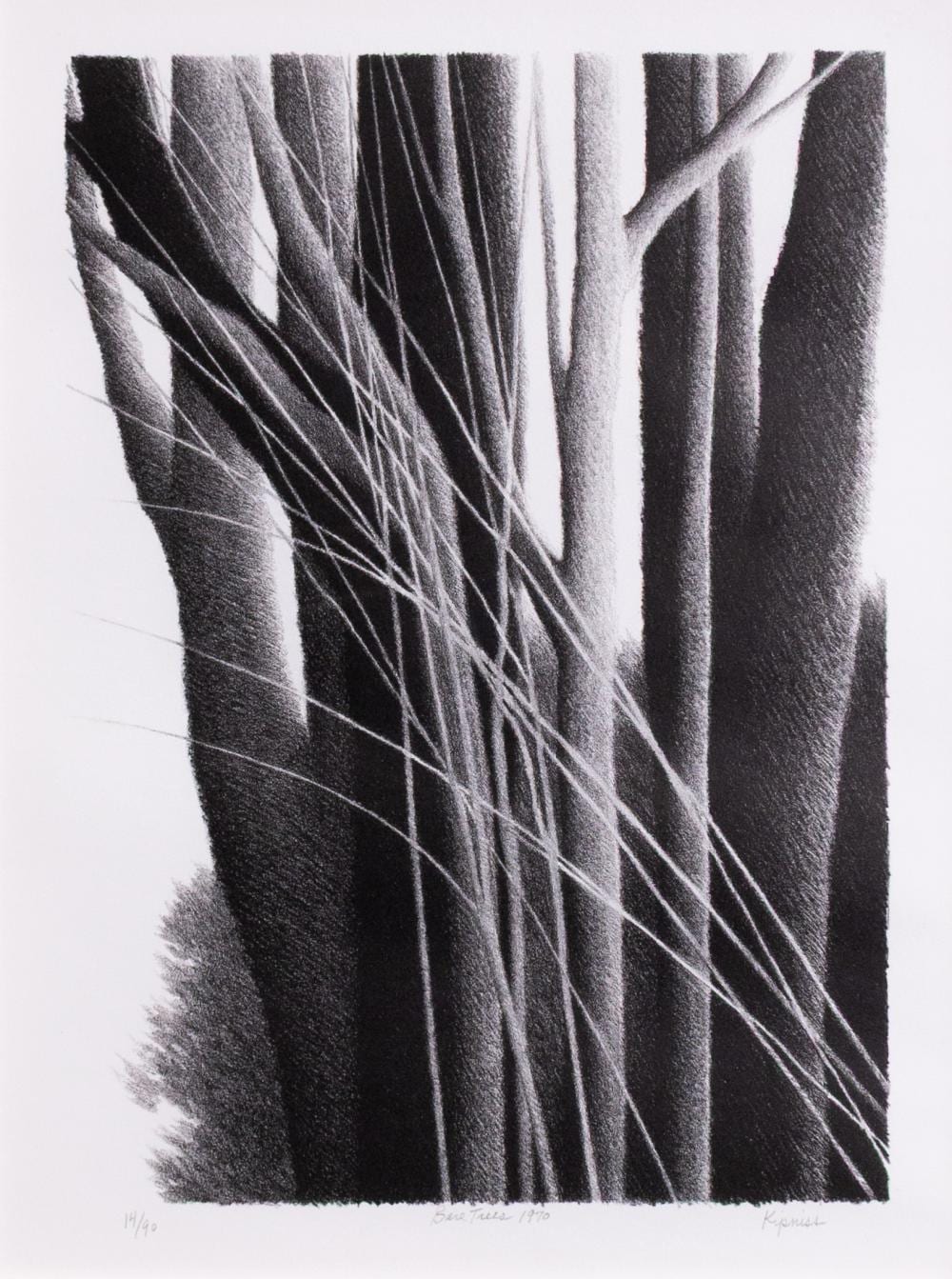
robert kipniss 1931 new york lebt in sharon · AaG Auktionshaus am Grunewald · 2026-05-09 robert kipniss 1931 new york lebt in sharon AaG Auktionshaus am Grunewald · 2026-05-09
Data basis
This page is built from Appraisily's public auction market index. Private transactions, incomplete sale feeds, and attribution changes may not be fully represented.
Artist value FAQ
How much is Robert Kipniss worth?
Comparable public auction sales are the best starting point, but final value depends on the specific artwork, condition, size, medium, provenance, and attribution confidence.
Can Appraisily value my Robert Kipniss artwork?
Yes. Appraisily can review photos, dimensions, signatures, condition, provenance, and comparable market data to prepare a current valuation.