Ohara Koson Auction Prices and Value Guide
Ohara Koson auction prices are tracked in Appraisily's artist market index, with source-directory coverage of 2,427 records. Use this page to review sold-lot activity, market context, and valuation factors before requesting a formal appraisal.
Ohara Koson auction prices: quick answer
Ohara Koson auction prices depend on medium, size, date, condition, provenance, edition details, attribution confidence, and recent comparable auction sales.
- Artist
- Ohara Koson
- Source records
- 2,427
- Market update
- 2026-02-06
Ohara Koson market snapshot
Ohara Koson shows solid auction liquidity with 79 tracked lots. Median realized sale is around $300. Category concentration is still broad or sparse. Last 12 months recorded 5 sales. Latest recorded sale: 2025-10-19.
Realized price distribution
- Under $1,000 (77.8% · 49 sales)
- $1,000 to $10,000 (22.2% · 14 sales)
- $10,000+ (0.0% · 0 sales)
- Median sale (last 12 months)
- $200
- Sales recorded (last 12 months)
- 5
- Median shift vs prior year
- +60.0%
- Latest recorded sale
- 2025-10-19
Artist context
About Ohara Koson
Born
1877
Died
1945
Nationality
Japanese
Also known as
Ohara Shōson, Ohara Matao, Obara Koson, 小原古邨
Ohara Koson (1877–1945) was a Japanese painter and woodblock print designer active during the late Meiji, Taishō, and early Shōwa periods. He is recognized as a leading figure in the shin-hanga movement, which revitalized traditional ukiyo-e printmaking techniques by combining them with Western-influenced light, perspective, and composition. Koson also produced work in the earlier shinsaku-hanga tradition. He is known by several names—including Ohara Shōson and Ohara Matao—reflecting different periods and publisher relationships in his career. His prints were widely collected in Europe and North America during his lifetime, and today his work is held in major museum collections and appears frequently at international auction.
Shin-hangaShinsaku-hangaWoodblock printsPainting
Common works and media
Koson's auction output consists primarily of woodblock prints. His subjects are predominantly birds, flowers, and other natural motifs rendered in the kachō-e tradition. Common formats include single-ōban-size prints, diptychs, and smaller-format works. Original paintings by Koson also appear, though far less frequently than prints. Editions vary: some designs were produced in multiple printings with differences in color and block quality, while others are known in very few impressions.
Market and appraisal context
Ohara Koson's woodblock prints form an active and liquid auction market spanning over two decades (2000–2026). Appraisily's auction-record index tracks 150 lots, of which 119 carry realized prices. The price distribution is moderately wide: the 25th percentile sits at $200, the median at $300, and the 75th percentile at $650, with a recorded ceiling of $7,638. This dispersion reflects the broad range of Koson designs—from commonly encountered bird-and-flower subjects in later impressions, which trade in the low hundreds, to rarer early-edition designs or sought-after compositions (e.g. "Two Crows in Moonlight" at $475, a single lot at Selkirk reaching $950, and a Thomaston Place lot at $750) that command meaningfully higher prices. Market liquidity has increased sharply: 61 lots appeared in the most recent 12-month window compared with 11 in the prior 12 months, suggesting growing supply and sustained collector demand. Works appear regularly at established houses including Christie's, Bonhams, and Eldred's, as well as specialist and regional auctioneers such as Selkirk Auctioneers & Appraisers, Sheppards, JG Auction, Locati LLC, and Auctions at Showplace.
Auction categories and appraisal factors
Common auction categories
- Japanese woodblock prints
- Woodblock prints
- Painting
Value drivers
- Edition and printing quality are key differentiators; early impressions published by Watanabe Shōzaburō or Kawamura generally command stronger interest than later re-strikes.
- Condition is critical for woodblock prints; fading, trimming, foxing, and backing significantly affect appraisal value.
- Subject matter, composition, and rarity of the specific design influence collector demand.
- Edition quality and printing state: early impressions with strong color registration and sharp keyblock lines are worth substantially more than later re-strikes or posthumous printings.
- Publisher seals: works bearing Watanabe Shōzaburō or Kawamura publisher marks generally command stronger prices than unmarked or later reproductions.
- Condition: fading (especially to the delicate pink and blue inks common in Koson prints), trimming of margins, foxing, mounting remnants, and backing all reduce value significantly.
Appraisal caveats
- With over 2,400 auction lots recorded, Koson's market is broad and prices vary widely by design rarity, condition, and edition. Individual works require direct comparison to published records.
- Later reproductions and posthumous editions exist; attribution and dating should be confirmed before appraisal.
- The Appraisily auction-record set (150 lots) captures a portion of the broader Koson market; major houses such as Christie's and Bonhams may list additional results not reflected in this dataset, and prices at those houses can exceed the median significantly.
- Currency mix: recent lots are recorded in USD, EUR, GBP, and CAD. Cross-currency comparison introduces exchange-rate variation that is not normalized here.
Evidence
Sources for artist context
This source-grounded artist context passed Appraisily's promotion threshold: high confidence, strong sources.
- Library of Congress library authority
- VIAF library authority
- Wikidata library authority
- RKD library authority
- Wikipedia wikipedia
Recent sale records
Selected public auction records currently in the Appraisily lot index. Use them as market context, then request a formal appraisal before you sell, insure, or donate.

ohara koson · Nagel Auction · 2026-07-16 ohara koson Nagel Auction · 2026-07-16
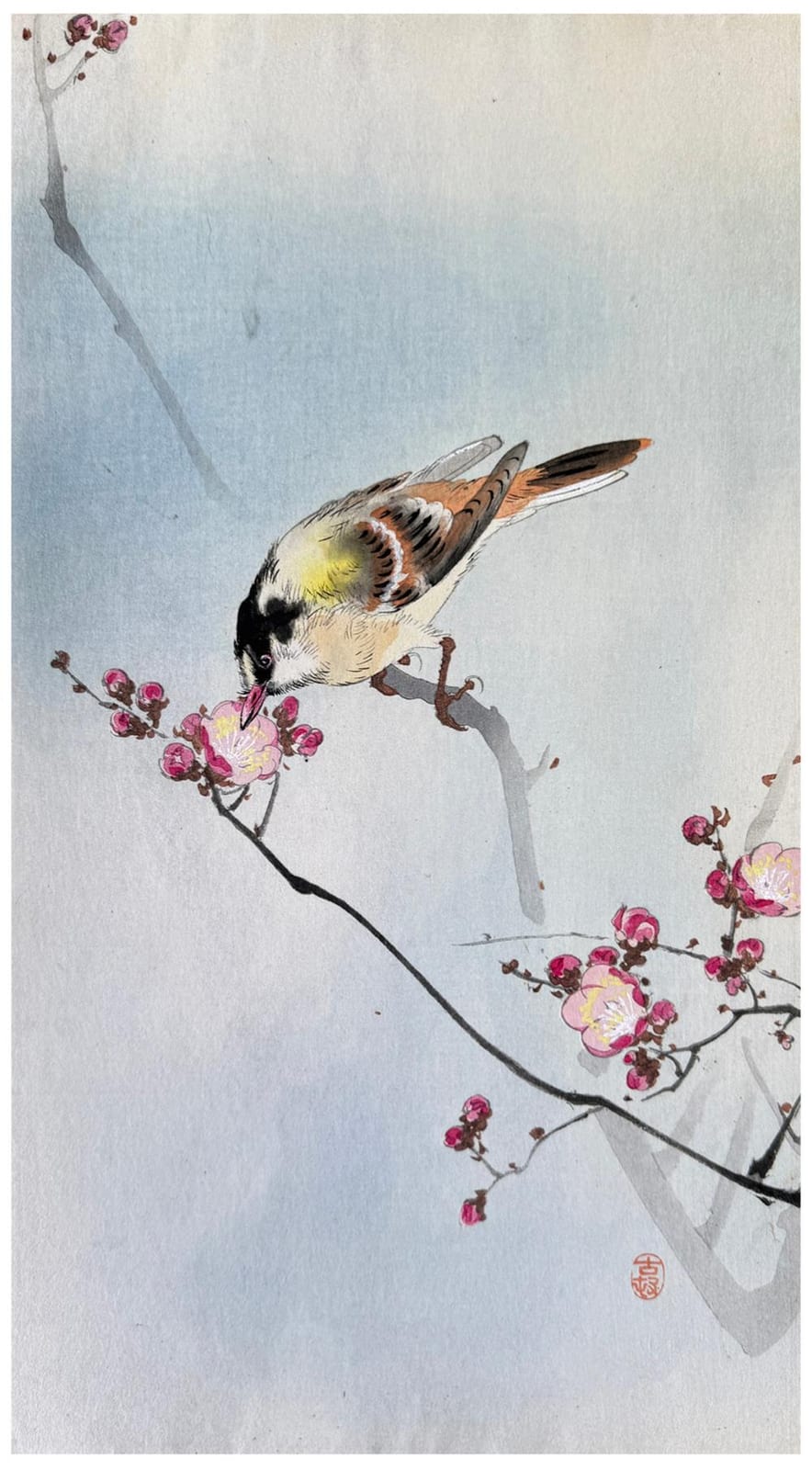
japanese woodblock print ohara koson · Woodblock Prints World · 2026-06-27 japanese woodblock print ohara koson Woodblock Prints World · 2026-06-27
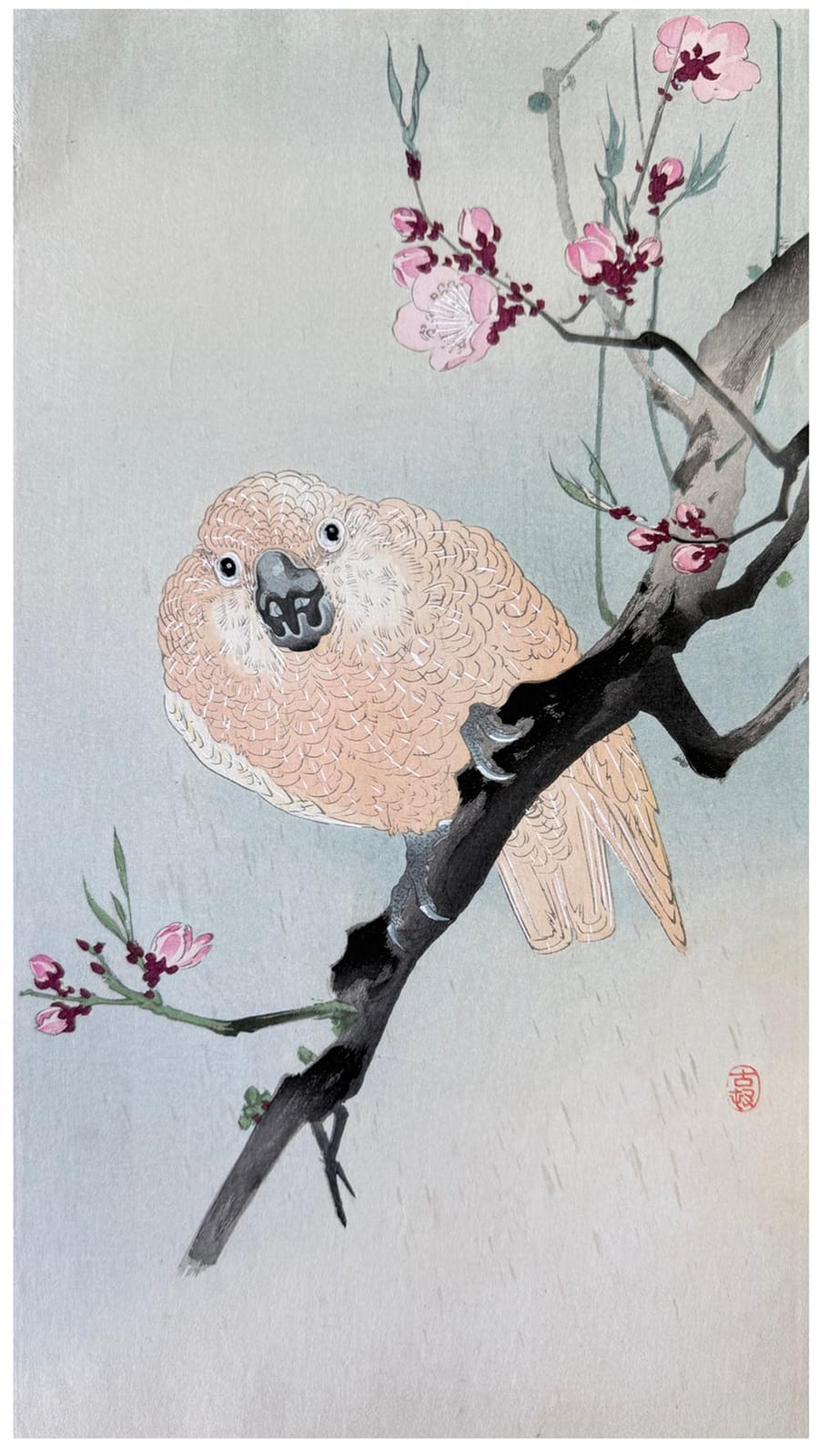
japanese woodblock print ohara koson · Woodblock Prints World · 2026-06-27 japanese woodblock print ohara koson Woodblock Prints World · 2026-06-27
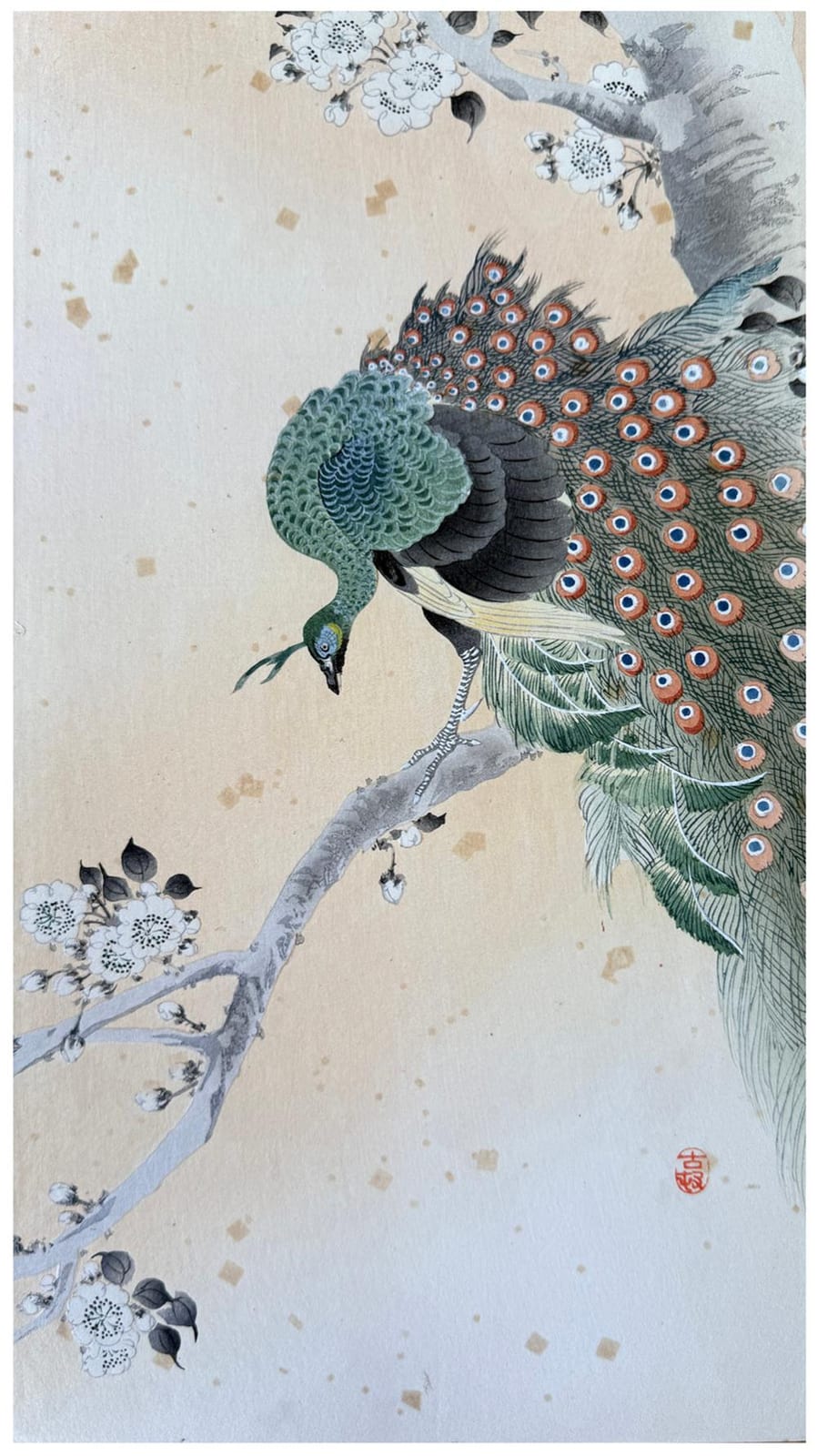
japanese woodblock print ohara koson · Woodblock Prints World · 2026-06-27 japanese woodblock print ohara koson Woodblock Prints World · 2026-06-27
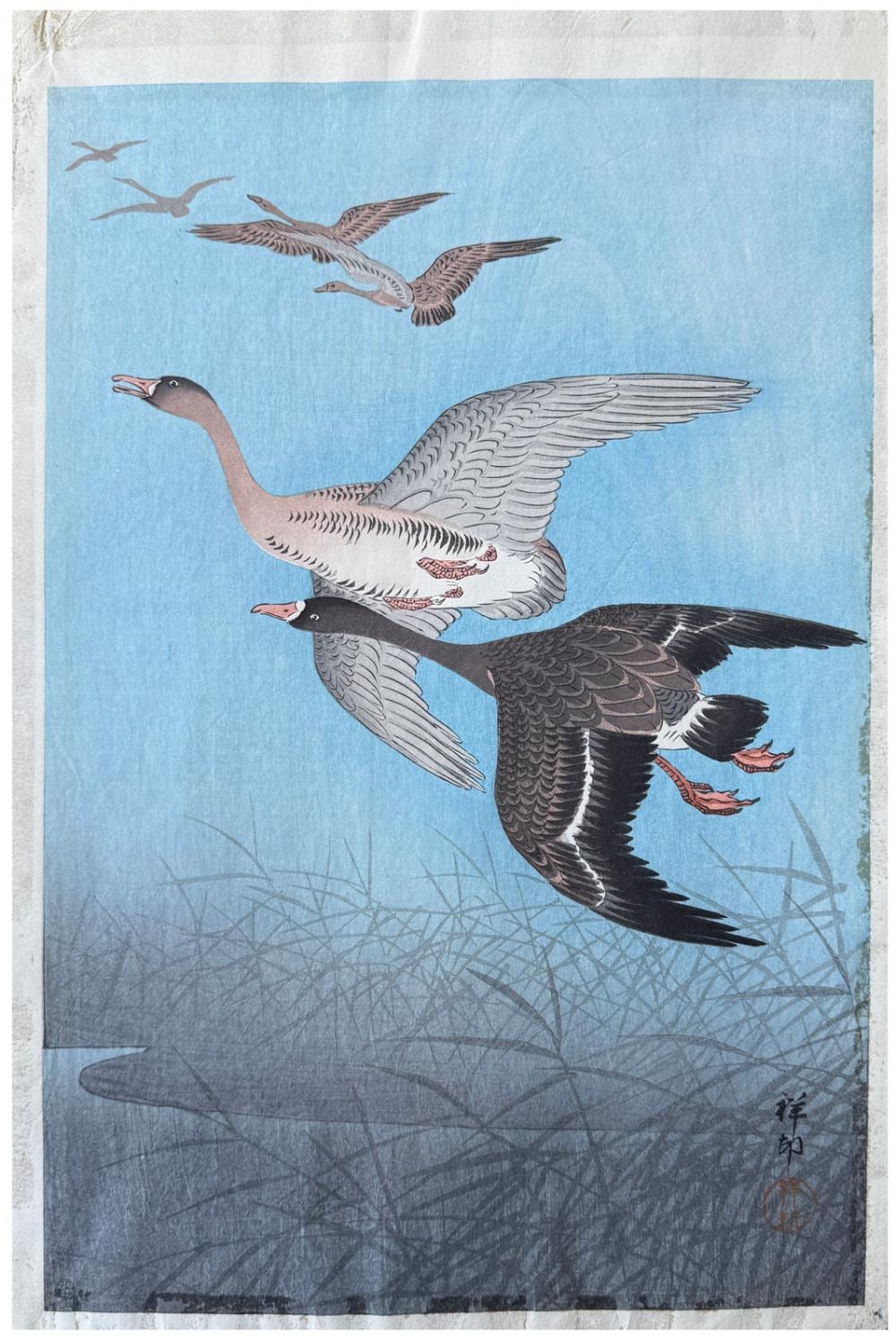
japanese woodblock print ohara koson · Woodblock Prints World · 2026-06-27 japanese woodblock print ohara koson Woodblock Prints World · 2026-06-27
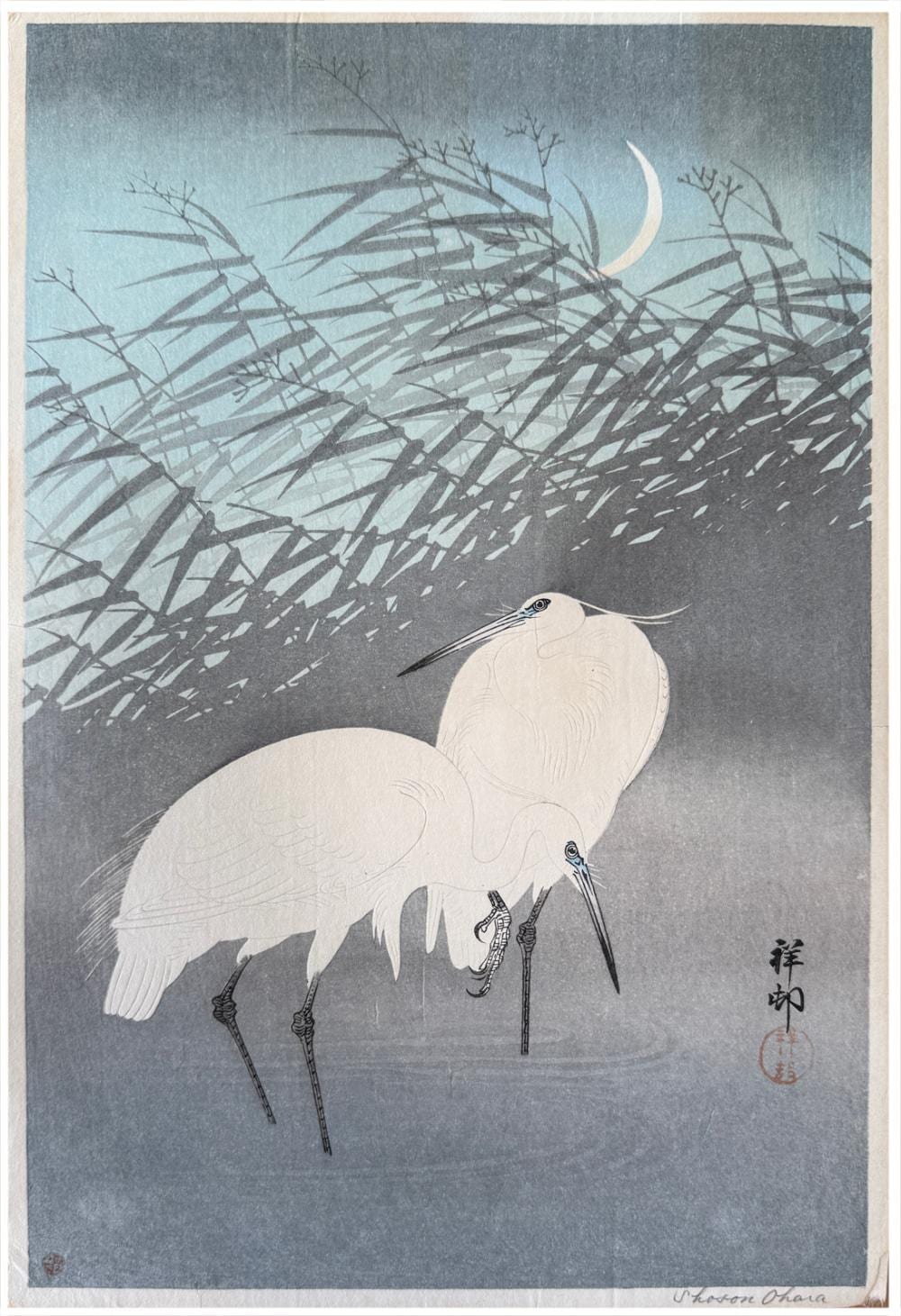
japanese woodblock print ohara koson · Woodblock Prints World · 2026-06-27 japanese woodblock print ohara koson Woodblock Prints World · 2026-06-27
Data basis
This page is built from Appraisily's public auction market index. Private transactions, incomplete sale feeds, and attribution changes may not be fully represented.
Artist value FAQ
How much is Ohara Koson worth?
Comparable public auction sales are the best starting point, but final value depends on the specific artwork, condition, size, medium, provenance, and attribution confidence.
Can Appraisily value my Ohara Koson artwork?
Yes. Appraisily can review photos, dimensions, signatures, condition, provenance, and comparable market data to prepare a current valuation.