Moshe Kupferman Auction Prices and Value Guide
Moshe Kupferman auction prices are tracked in Appraisily's artist market index, with source-directory coverage of 503 records. Use this page to review sold-lot activity, market context, and valuation factors before requesting a formal appraisal.
Moshe Kupferman auction prices: quick answer
Moshe Kupferman auction prices depend on medium, size, date, condition, provenance, edition details, attribution confidence, and recent comparable auction sales.
- Artist
- Moshe Kupferman
- Source records
- 503
- Market update
- 2026-02-06
Moshe Kupferman market snapshot
Moshe Kupferman shows limited auction liquidity with 0 tracked lots. Median realized sale is around $0. Category concentration is still broad or sparse. Last 12 months recorded 0 sales. No recent auction date is available.
Realized price distribution
- Under $1,000 (0.0% · 0 sales)
- $1,000 to $10,000 (0.0% · 0 sales)
- $10,000+ (0.0% · 0 sales)
- Median sale (last 12 months)
- $0
- Sales recorded (last 12 months)
- 0
- Median shift vs prior year
- 0.0%
Artist context
About Moshe Kupferman
Born
1926
Died
2003
Nationality
Polish, Israeli
Moshe Kupferman (1926–2003) was a Polish-born Israeli painter whose career spanned more than three decades. Born in Poland, Kupferman immigrated to Israel, where he was active in a kibbutz as early as 1948 before dedicating himself to studio painting. His work is held in the collection of the Museum of Modern Art in New York, affirming his place within the broader post-war international art landscape. He is documented in the Bénézit Dictionnaire critique et documentaire des peintres and catalogued by leading library authorities including the Getty Union List of Artist Names, VIAF, and the RKD Netherlands Institute for Art History. Kupferman's practice was concentrated in painting, and his career included sustained periods of studio work from the 1960s through the early 2000s.
painting
Common works and media
Kupferman is recorded primarily as a painter. Works that may be encountered at auction or in appraisal contexts include paintings on canvas and panel. Collectors may also find works on paper, studies, or preparatory pieces. Individual lots should be examined for date, medium, dimensions, signature, condition, and provenance documentation to support attribution and valuation.
Market and appraisal context
Moshe Kupferman's paintings appear on the international art market as works by a recognized post-war Israeli painter. Institutional representation at MoMA and bibliographic coverage in the Bénézit dictionary support his standing among collectors of Israeli and post-war art. Appraisal of individual works should consider medium, dimensions, date of execution, condition, provenance, exhibition history, and comparable public auction results. Specific auction records were not available in this research pass, so collectors should consult up-to-date auction databases for recent realized prices.
Auction categories and appraisal factors
Common auction categories
- Post-War and Contemporary Art
Value drivers
- Institutional provenance: MoMA collection representation may add recognition value
- Bibliographic authority: inclusion in Bénézit supports established market identity
Appraisal caveats
- No specific auction records, price ranges, or realized prices were available in the collected source pack; appraisal values should be confirmed with recent comparable sales data.
- Medium, size, date, condition, and provenance details for individual works strongly affect value and cannot be generalized from identity research alone.
Evidence
Sources for artist context
This source-grounded artist context passed Appraisily's promotion threshold: high confidence, strong sources.
- Wikidata library authority
- VIAF library authority
- Getty Vocabulary Program library authority
- The Museum of Modern Art museum or university
- RKD Netherlands Institute for Art History library authority
- Wikipedia wikipedia
Recent sale records
Selected public auction records currently in the Appraisily lot index. Use them as market context, then request a formal appraisal before you sell, insure, or donate.
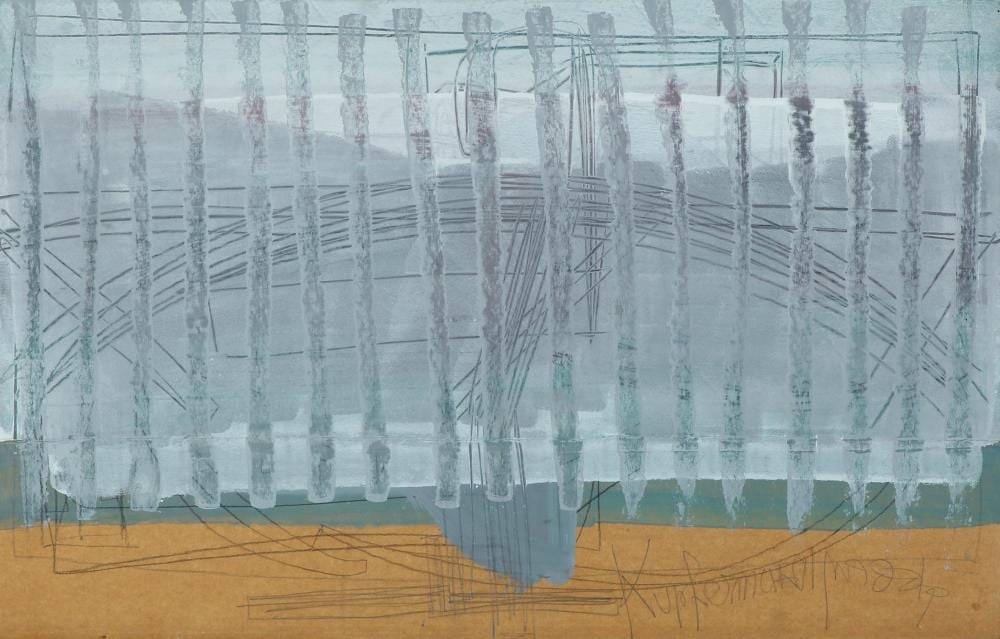
moshe kupferman 1926 2003 · Tiroche Auction House · 2025-12-21 moshe kupferman 1926 2003 Tiroche Auction House · 2025-12-21
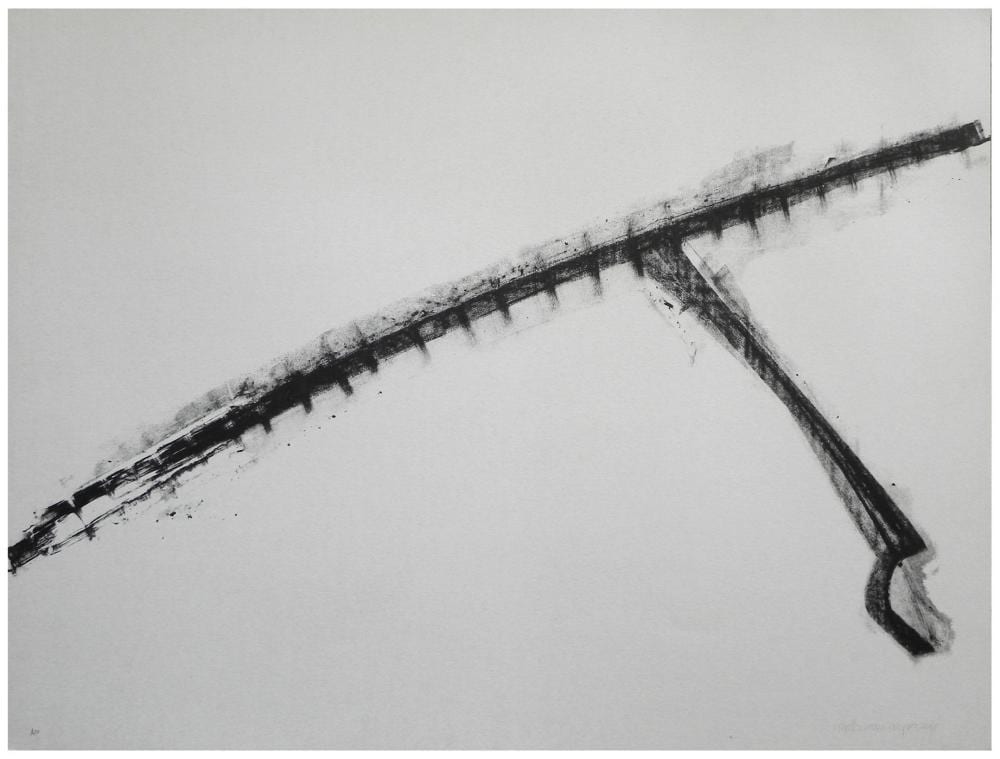
moshe kupferman israeli 1926 2003 · Yair Art Gallery · 2025-08-09 moshe kupferman israeli 1926 2003 Yair Art Gallery · 2025-08-09
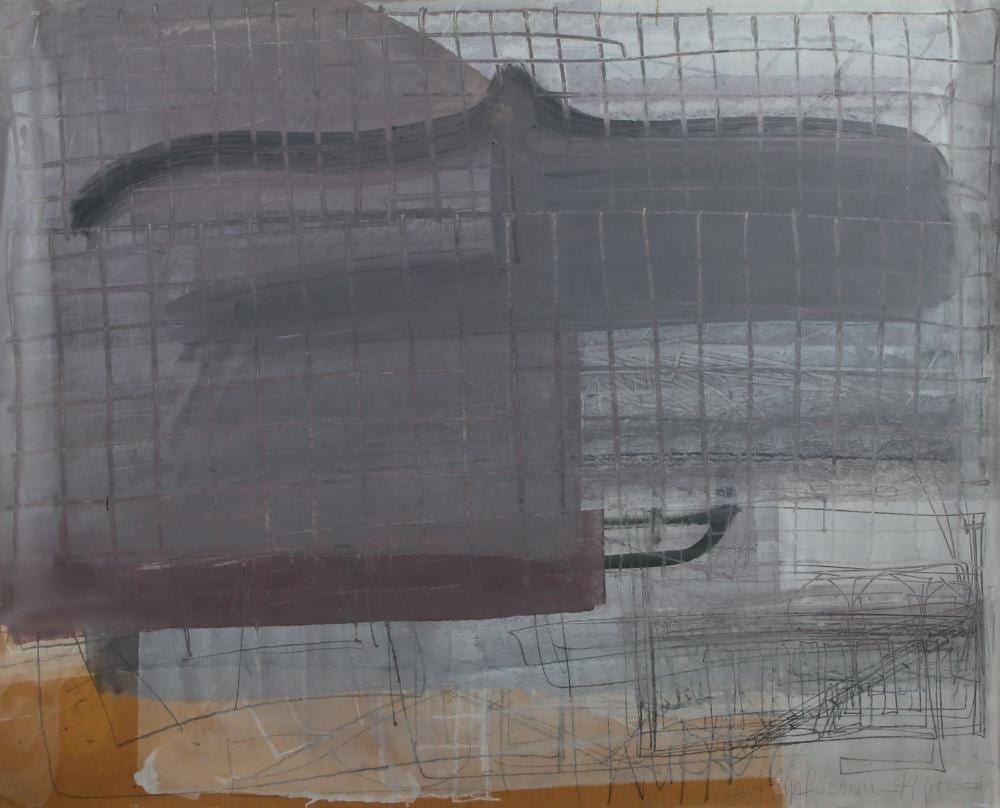
moshe kupferman · Tiroche Auction House · 2023-09-10 moshe kupferman Tiroche Auction House · 2023-09-10
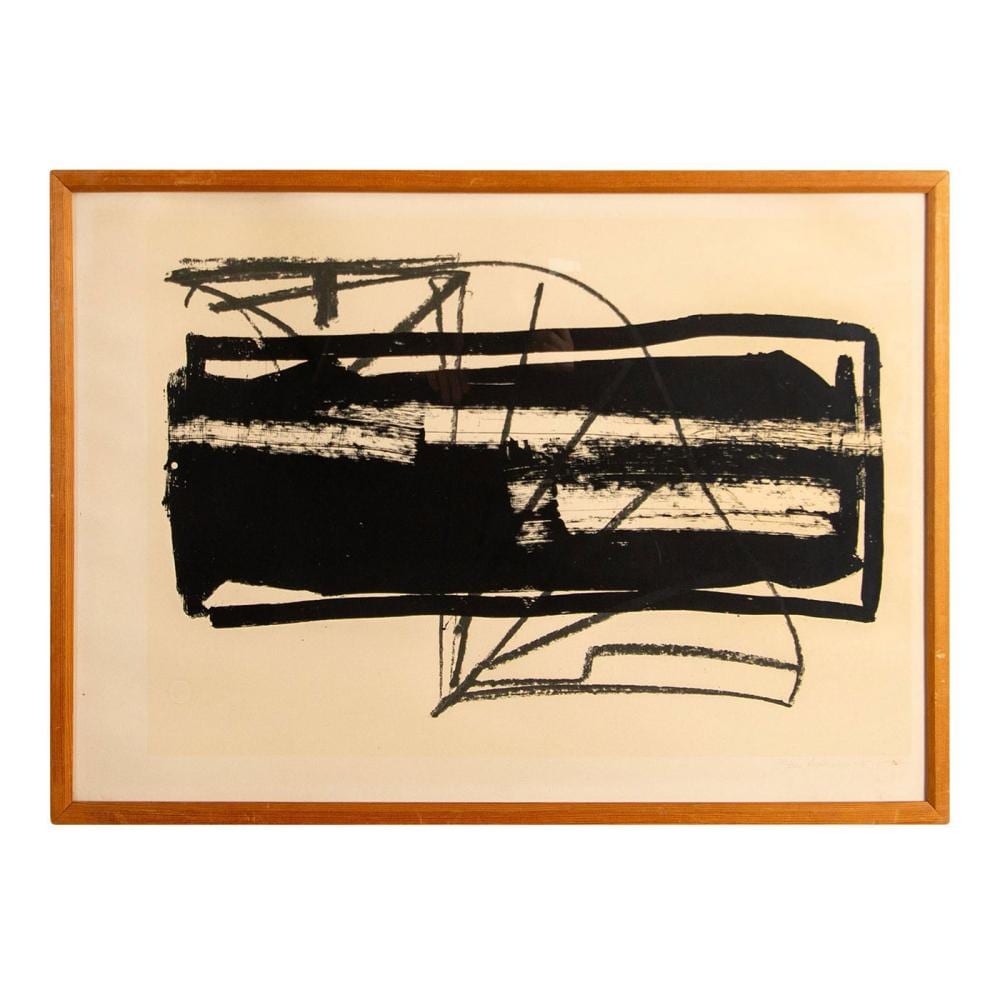
moshe kupferman polish israeli 1926 2003 lithograph signed · Lion and Unicorn · 2023-06-27 moshe kupferman polish israeli 1926 2003 lithograph signed Lion and Unicorn · 2023-06-27
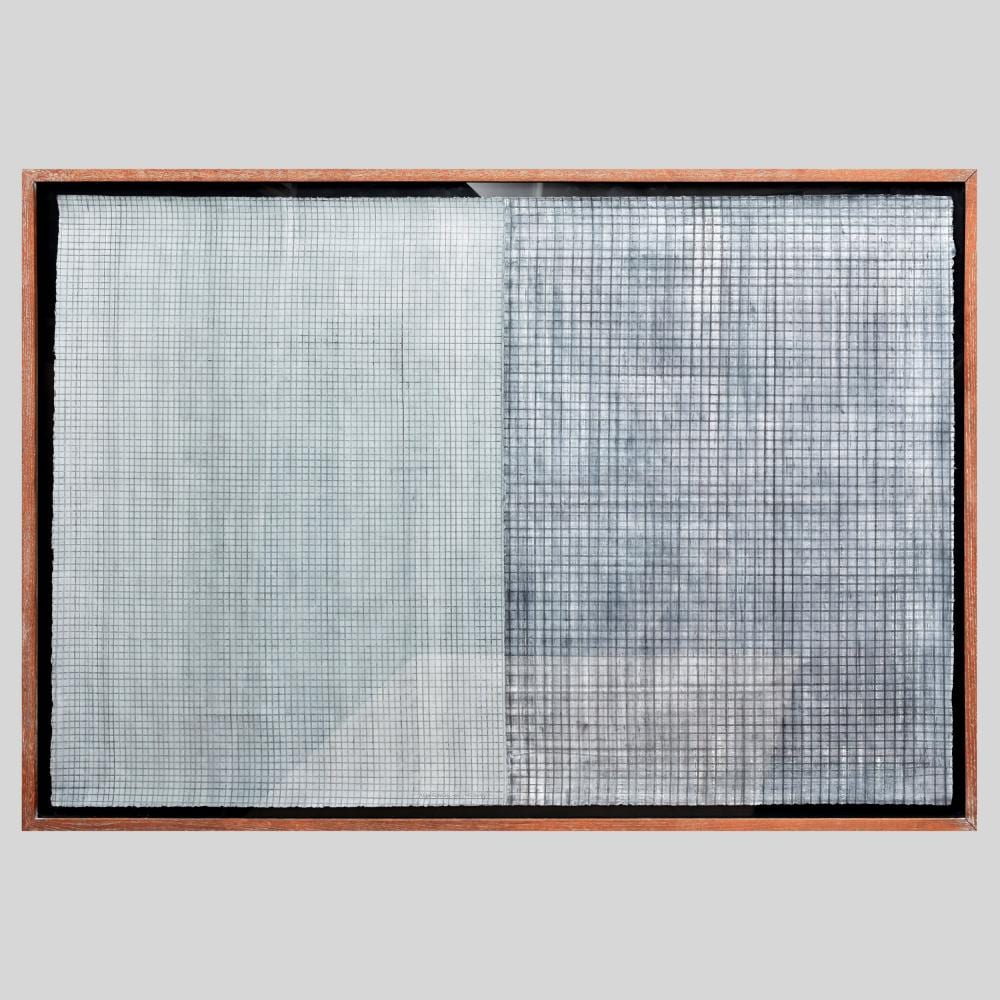
moshe kupferman 1923 2006 untitled · STAIR · 2019-11-15 moshe kupferman 1923 2006 untitled STAIR · 2019-11-15
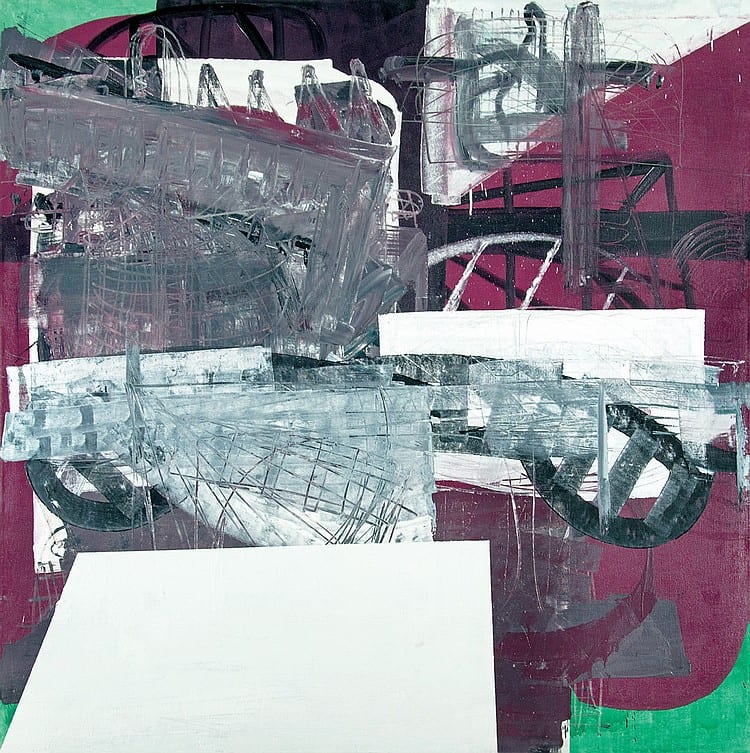
moshe kupferman 1926 2003 · Tiroche Auction House · 2016-01-30 moshe kupferman 1926 2003 Tiroche Auction House · 2016-01-30
Data basis
This page is built from Appraisily's public auction market index. Private transactions, incomplete sale feeds, and attribution changes may not be fully represented.
Artist value FAQ
How much is Moshe Kupferman worth?
Comparable public auction sales are the best starting point, but final value depends on the specific artwork, condition, size, medium, provenance, and attribution confidence.
Can Appraisily value my Moshe Kupferman artwork?
Yes. Appraisily can review photos, dimensions, signatures, condition, provenance, and comparable market data to prepare a current valuation.