Monsengwo Kejwamfi Auction Prices and Value Guide
Monsengwo Kejwamfi auction prices are tracked in Appraisily's artist market index, with source-directory coverage of 170 records. Use this page to review sold-lot activity, market context, and valuation factors before requesting a formal appraisal.
Monsengwo Kejwamfi auction prices: quick answer
Monsengwo Kejwamfi auction prices depend on medium, size, date, condition, provenance, edition details, attribution confidence, and recent comparable auction sales.
- Artist
- Monsengwo Kejwamfi
- Source records
- 170
- Market update
- 2026-02-06
Monsengwo Kejwamfi market snapshot
Monsengwo Kejwamfi shows solid auction liquidity with 144 tracked lots. Median realized sale is around $6,000. Category concentration is still broad or sparse. Last 12 months recorded 4 sales. Latest recorded sale: 2025-11-30.
Realized price distribution
- Under $1,000 (3.1% · 3 sales)
- $1,000 to $10,000 (76.0% · 73 sales)
- $10,000+ (20.8% · 20 sales)
- Median sale (last 12 months)
- $896
- Sales recorded (last 12 months)
- 4
- Median shift vs prior year
- 0.0%
- Latest recorded sale
- 2025-11-30
Artist context
About Monsengwo Kejwamfi
Born
1950
Died
2001
Nationality
Congolese
Also known as
Moké, Moke, Mossengo, Moké Mossengo
Monsengwo Kejwamfi, better known as Moké, was a Congolese painter born in 1950 in Ibe, Bandundu Province, and active professionally in Kinshasa until his death in 2001. He established a reputation during the 1970s as a leading practitioner of Congolese “popular painting,” an urban, self-taught tradition concerned with everyday experience in the postcolonial city. Moké painted Kinshasa's crowded streets, pedestrians and cars, nightlife, outdoor bars, music performances, political gatherings, and other public scenes. His attention to observed social life was informed in part by documentary photography, while his early practice also reflected the commercial-art environment surrounding billboard and advertising painters. Collectors encounter his work under several recorded names, including Moké, Moke, Mossengo, and Moké Mossengo. Institutional authority records connect these variants to Monsengwo Kejwamfi, making careful identity matching especially important when researching catalogues and auction records.
Congolese popular paintingPostcolonial Kinshasa urban artPaintingEarly landscape pictures on discarded cardboardModern urban life in KinshasaNightlife and outdoor barsMusic performancesCrowds, streets, pedestrians, and traffic
Common works and media
Works associated with Moké are primarily paintings centered on modern Kinshasa. Commonly documented subjects include lively streets, pedestrians and traffic, nightlife, outdoor bars, music performances, workers at leisure, crowds, rallies, and public ceremonies. MoMA also records that his earliest pictures included landscapes made on discarded cardboard. Titles, dates, materials, dimensions, inscriptions, signatures, and name variants should be checked against institutional records when identifying a work.
Market and appraisal context
Moké's market should be assessed work by work rather than through a general price prediction. Relevant comparisons should match the type of painting, support, dimensions, date, subject, condition, attribution, and provenance as closely as the available records permit. Scenes of Kinshasa nightlife, music, streets, crowds, bars, or public events belong to his documented artistic context, while early pictures may involve discarded-cardboard supports. His multiple recorded names also make cataloguing and attribution checks important. Public auction results can provide useful comparison points, but sale date, currency, buyer's-premium treatment, condition, and the degree of similarity between lots must be reviewed before a result is used in an appraisal.
Auction categories and appraisal factors
Common auction categories
- Paintings
- Congolese popular paintings of Kinshasa life
Value drivers
- Medium, support, and condition, especially where an early work uses a nontraditional cardboard support
- Date and relationship to the artist's documented Kinshasa career
- Subject matter, including nightlife, music, street scenes, crowds, and documented public events
- Secure attribution across the artist's documented name variants
- Comparable public auction records for similar works, matched by medium, date, subject, and condition when records are available
Appraisal caveats
- The collected source pack contains strong institutional identity and art-historical evidence but no fetched major-auction-house biography or lot record.
- No price trend, liquidity, scarcity, or future-value conclusion can be supported from this source pack alone.
- The Appraisily artist-page signal establishes an auction-record context, but individual results must be checked for attribution, dimensions, condition, provenance, sale date, currency, and buyer's-premium treatment before comparison.
Evidence
Sources for artist context
This source-grounded artist context is based on collected public records: medium confidence, adequate source quality.
- The Museum of Modern Art museum or university
- Getty Vocabulary Program library authority
- VIAF library authority
- IdRef library authority
- Wikidata library authority
- Appraisily appraisily artist page
Recent sale records
Selected public auction records currently in the Appraisily lot index. Use them as market context, then request a formal appraisal before you sell, insure, or donate.
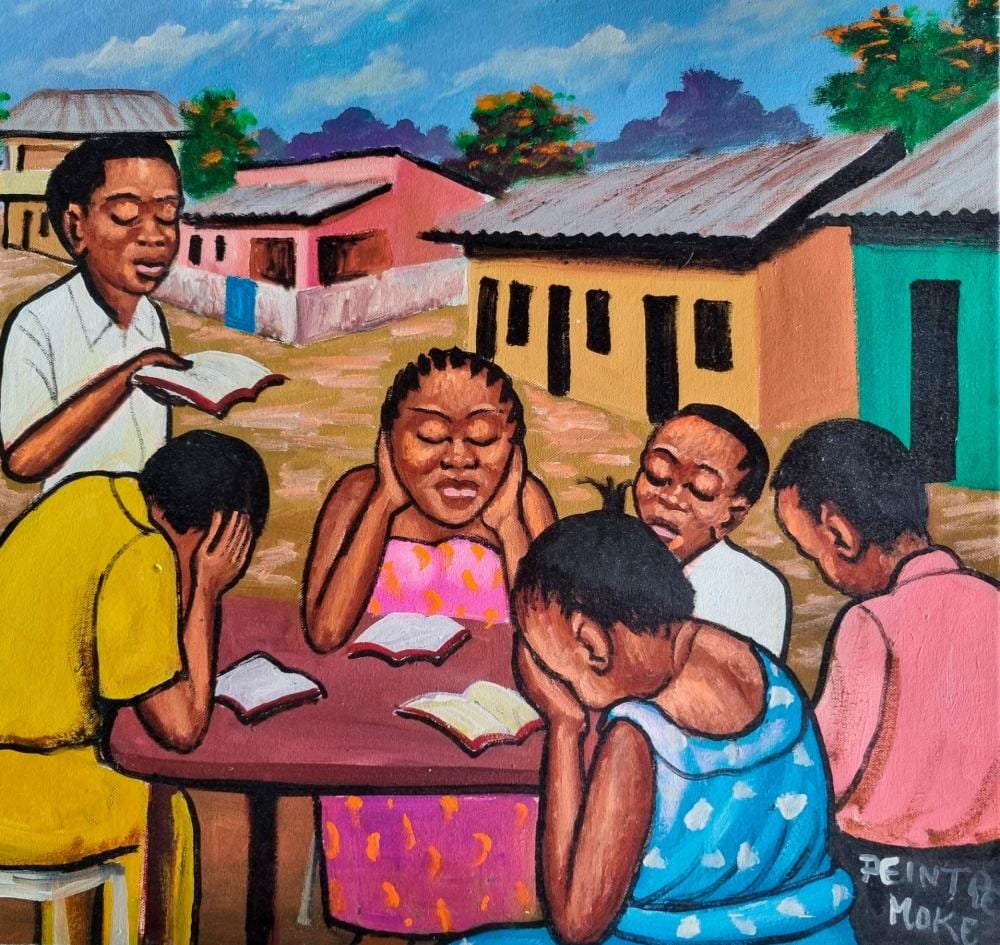
moke monsengwo kejwamfi ibe bandundu province 1950 2001 kinshasa rdc · Stanley's auction · 2025-11-30 moke monsengwo kejwamfi ibe bandundu province 1950 2001 kinshasa rdc Stanley's auction · 2025-11-30
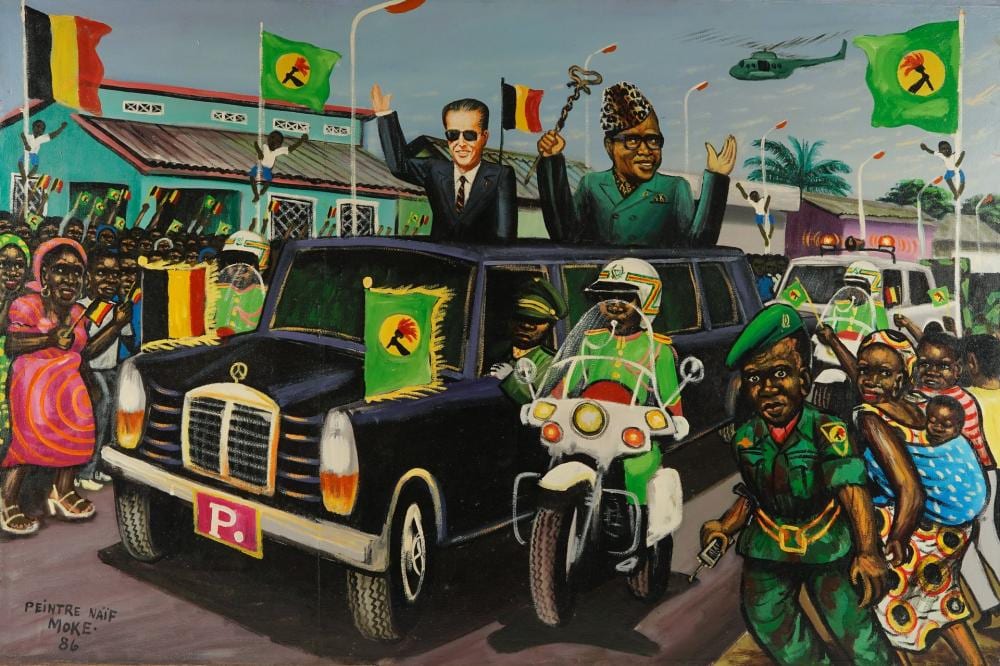
moke monsengwo kejwamfi ibe bandundu province 1950 2001 kinshasa rdc · Stanley's auction · 2025-11-30 moke monsengwo kejwamfi ibe bandundu province 1950 2001 kinshasa rdc Stanley's auction · 2025-11-30
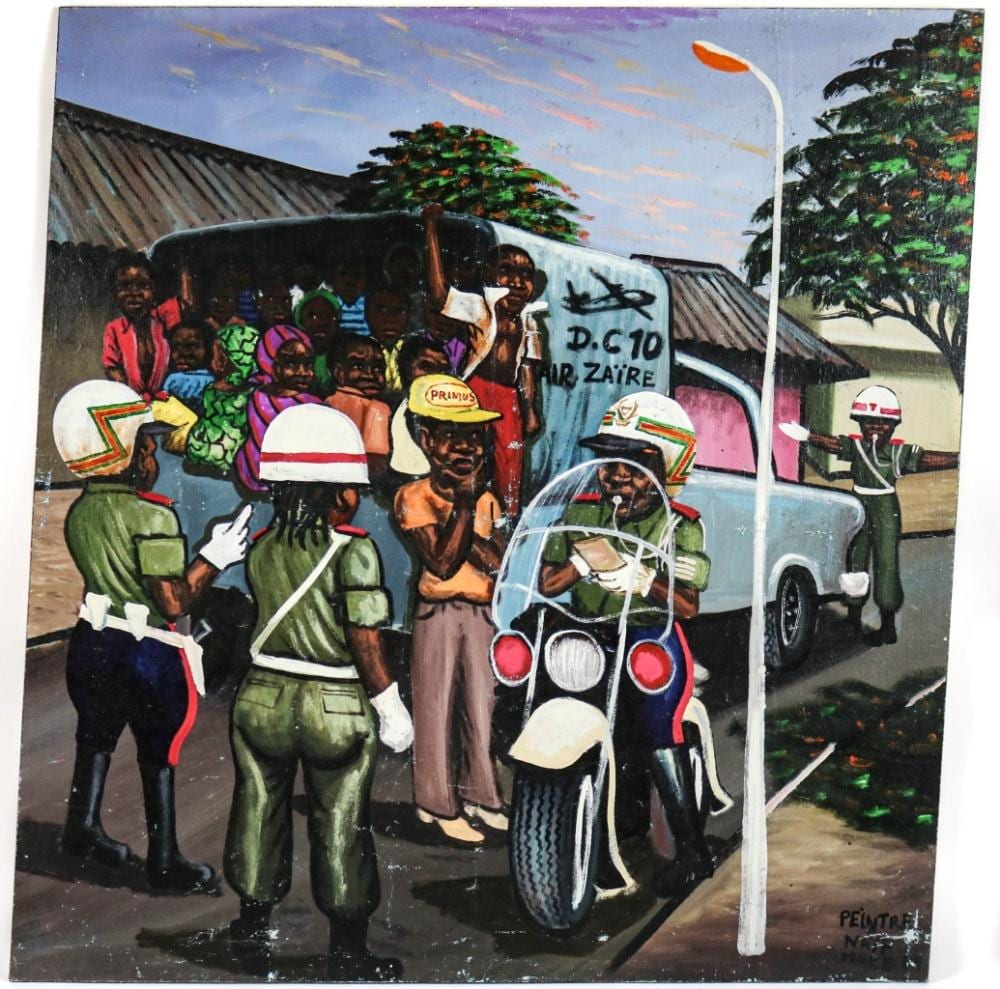
moke monsengwo kejwamfi 1950 2001 · Haynault · 2024-04-22 moke monsengwo kejwamfi 1950 2001 Haynault · 2024-04-22
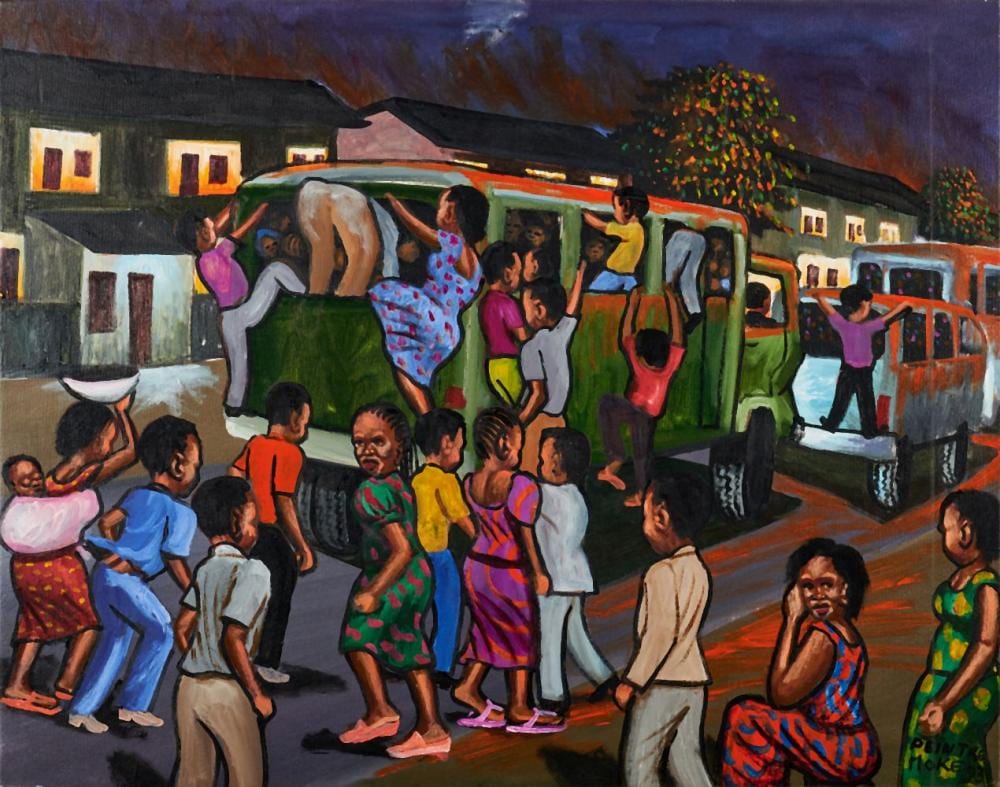
moke 1950 2001 transport la nuit 1993 huile sur toile r · Osenat · 2024-03-24 moke 1950 2001 transport la nuit 1993 huile sur toile r Osenat · 2024-03-24
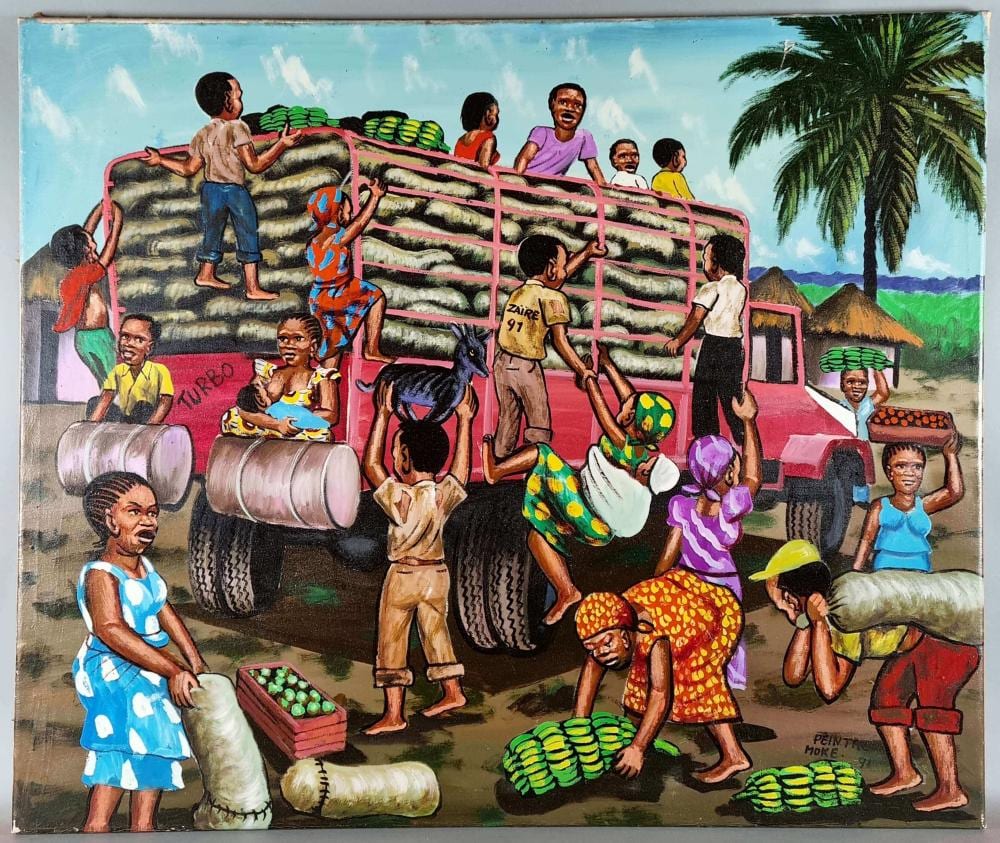
moke 1950 2001 · Hotel des vente Legros · 2023-09-28 moke 1950 2001 Hotel des vente Legros · 2023-09-28
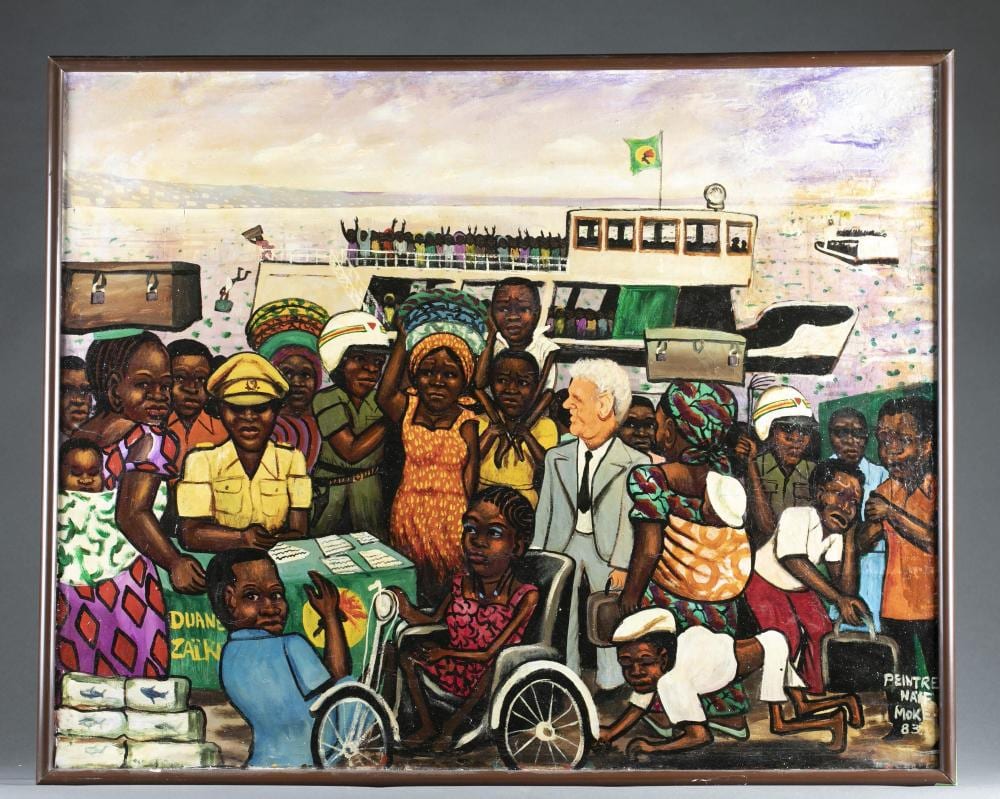
monsengwo kejwamfi untitled 1983 · Quinn's Auction Galleries · 2022-11-03 monsengwo kejwamfi untitled 1983 Quinn's Auction Galleries · 2022-11-03
Data basis
This page is built from Appraisily's public auction market index. Private transactions, incomplete sale feeds, and attribution changes may not be fully represented.
Artist value FAQ
How much is Monsengwo Kejwamfi worth?
Comparable public auction sales are the best starting point, but final value depends on the specific artwork, condition, size, medium, provenance, and attribution confidence.
Can Appraisily value my Monsengwo Kejwamfi artwork?
Yes. Appraisily can review photos, dimensions, signatures, condition, provenance, and comparable market data to prepare a current valuation.