Max Klinger Auction Prices and Value Guide
Max Klinger auction prices are tracked in Appraisily's artist market index, with source-directory coverage of 1,274 records. Use this page to review sold-lot activity, market context, and valuation factors before requesting a formal appraisal.
Max Klinger auction prices: quick answer
Max Klinger auction prices depend on medium, size, date, condition, provenance, edition details, attribution confidence, and recent comparable auction sales.
- Artist
- Max Klinger
- Source records
- 1,274
- Market update
- 2026-02-06
Max Klinger market snapshot
Max Klinger shows deep auction liquidity with 490 tracked lots. Median realized sale is around $350. Category concentration is still broad or sparse. Last 12 months recorded 88 sales. Latest recorded sale: 2026-01-31.
Realized price distribution
- Under $1,000 (63.7% · 207 sales)
- $1,000 to $10,000 (31.1% · 101 sales)
- $10,000+ (5.2% · 17 sales)
- Median sale (last 12 months)
- $1,400
- Sales recorded (last 12 months)
- 88
- Median shift vs prior year
- +100.0%
- Latest recorded sale
- 2026-01-31
Artist context
About Max Klinger
Born
1857
Died
1920
Nationality
German
Max Klinger (1857–1920) was a German painter, sculptor, printmaker, and writer whose imaginative visual language placed him among the leading figures of European Symbolism. Born in Plagwitz near Leipzig and trained in Leipzig, Karlsruhe, and Berlin, Klinger became internationally recognized for his technically ambitious etching cycles that intertwined narrative, fantasy, and psychological depth. He exhibited with the Vienna Secession and contributed to Jugendstil, the German expression of Art Nouveau, though his work consistently maintained a distinct allegorical character. His 1902 polychrome Beethoven sculpture, created for the Vienna Secession's landmark exhibition, remains one of the most celebrated monumental works of the era. Museums including the Museum of Modern Art in New York and the Rijksmuseum in Amsterdam hold significant collections of his prints and drawings.
SymbolismVienna SecessionJugendstil (German Art Nouveau)Etching and intaglio printmakingPainting (oil)Sculpture (bronze, polychrome)LithographyAllegory and mythological narrativesDreamlike and fantastical imageryMusic and composer portraiture (Beethoven)
Common works and media
Collectors and appraisers most often encounter Klinger's work in the form of etchings and intaglio prints from his numbered Opus cycles, including Paraphrase on the Finding of a Glove (Opus VI), Adventures of a Bachelor (Opus V), and Dramas (Opus IX and X). Lithographs, drawings, and watercolors also appear with some frequency. Oil paintings and polychrome or bronze sculptures are less common in the secondary market. Subject matter ranges from mythological and allegorical scenes to dreamlike narrative sequences, portraits of composers, and explorations of love, death, and the human condition.
Market and appraisal context
Max Klinger's secondary market is well-established and liquid, with 491 recorded auction lots spanning over three decades (1994–2026) and 326 lots with realized prices. The market is dominated by prints and multiples — especially etchings from his numbered Opus cycles — which account for the vast majority of offered material. Price dispersion is wide: the median realized price is approximately €350, the 25th percentile sits around €125, and the 75th percentile reaches €2,000, reflecting the range from individual late-impression etchings to complete series and higher-quality drawings. Exceptional works — such as original drawings and paintings — have achieved up to €100,000 at major houses. Activity is concentrated in German auction houses (Auktionshaus Mehlis, Karl & Faber, Schmidt Kunstauktionen Dresden, Lempertz, Kunst- und Auktionshaus Kastern), with additional throughput at Italian (Gonnelli Casa d'Aste, Bertolami Fine Art), American (Christie's, Rachel Davis Fine Arts), and other European firms. Liquidity has increased: 75 lots were recorded in the most recent 12-month window compared to 60 in the prior period, suggesting sustained or growing collector interest.
Auction categories and appraisal factors
Common auction categories
- Prints and multiples (etchings, engravings, lithographs)
- Works on paper (drawings, watercolors)
- Sculpture (bronze casts)
- Paintings (oil on canvas)
Value drivers
- Medium: Prints and etchings are most frequently encountered at auction; paintings and sculptures are rarer and can command higher prices.
- Series completeness: Multi-plate print series (e.g., the Glove cycle) may carry premiums when offered intact.
- Impression quality: Etching impressions vary by edition, paper, and plate state; early impressions on quality paper are typically more desirable.
- Attribution and catalogue references: Works documented in the Klinger catalogue raisonné or held by institutional collections (MoMA, RKD-recorded holdings) provide stronger provenance signals.
- Condition: Print condition, margins, foxing, and plate tone materially affect value.
- Medium and rarity: Prints and etchings are the most commonly encountered category and generally fall in the €40–€2,000 range; original drawings, watercolors, and oil paintings are significantly rarer and can reach €5,000–€100,000 at major houses such as Lempertz and Karl & Faber.
Appraisal caveats
- Klinger's theoretical treatise 'Malerei und Zeichnung' (Painting and Drawing, 1891) influenced how his graphic works were received; attribution should reference established catalogues.
- With over 1,200 recorded lots in auction databases, Klinger's prints are relatively accessible; individual lot values vary widely by medium, size, and quality.
- The Appraisily auction-record index reflects 491 lots with 326 priced results; unsold lots (those with null priceRealised) are included in total counts but excluded from price statistics, which may slightly inflate median and percentile figures.
- Currency mixing: realized prices span EUR and USD; direct comparison requires currency normalization at the relevant sale date.
Evidence
Sources for artist context
This source-grounded artist context passed Appraisily's promotion threshold: high confidence, strong sources.
- Wikidata library authority
- Wikipedia wikipedia
- VIAF library authority
- RKD Netherlands Institute for Art History library authority
- The Museum of Modern Art museum or university
Recent sale records
Selected public auction records currently in the Appraisily lot index. Use them as market context, then request a formal appraisal before you sell, insure, or donate.
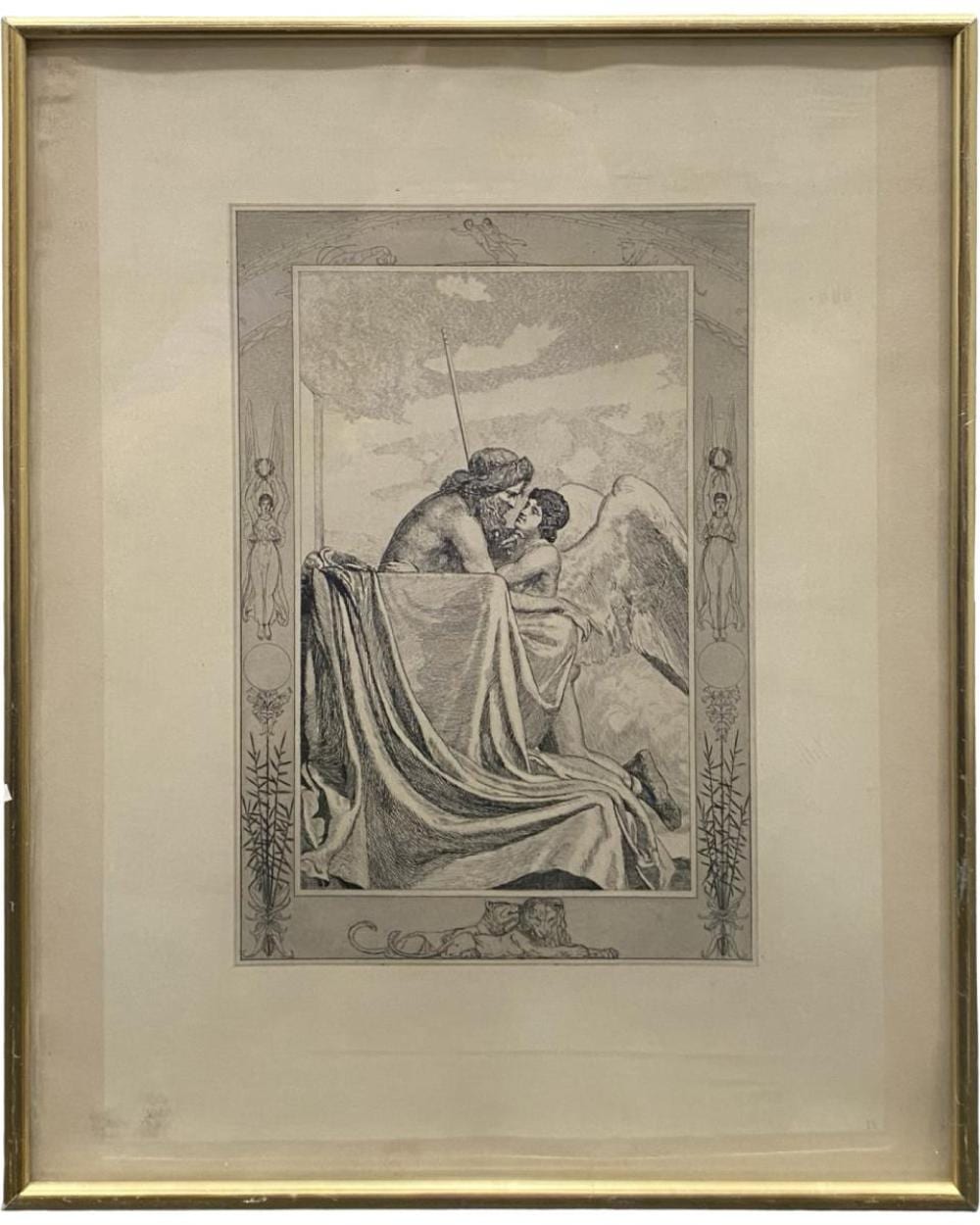
original amor bei jupiter etching by max klinger · Monarch Auction and Estate Services · 2026-07-19 original amor bei jupiter etching by max klinger Monarch Auction and Estate Services · 2026-07-19
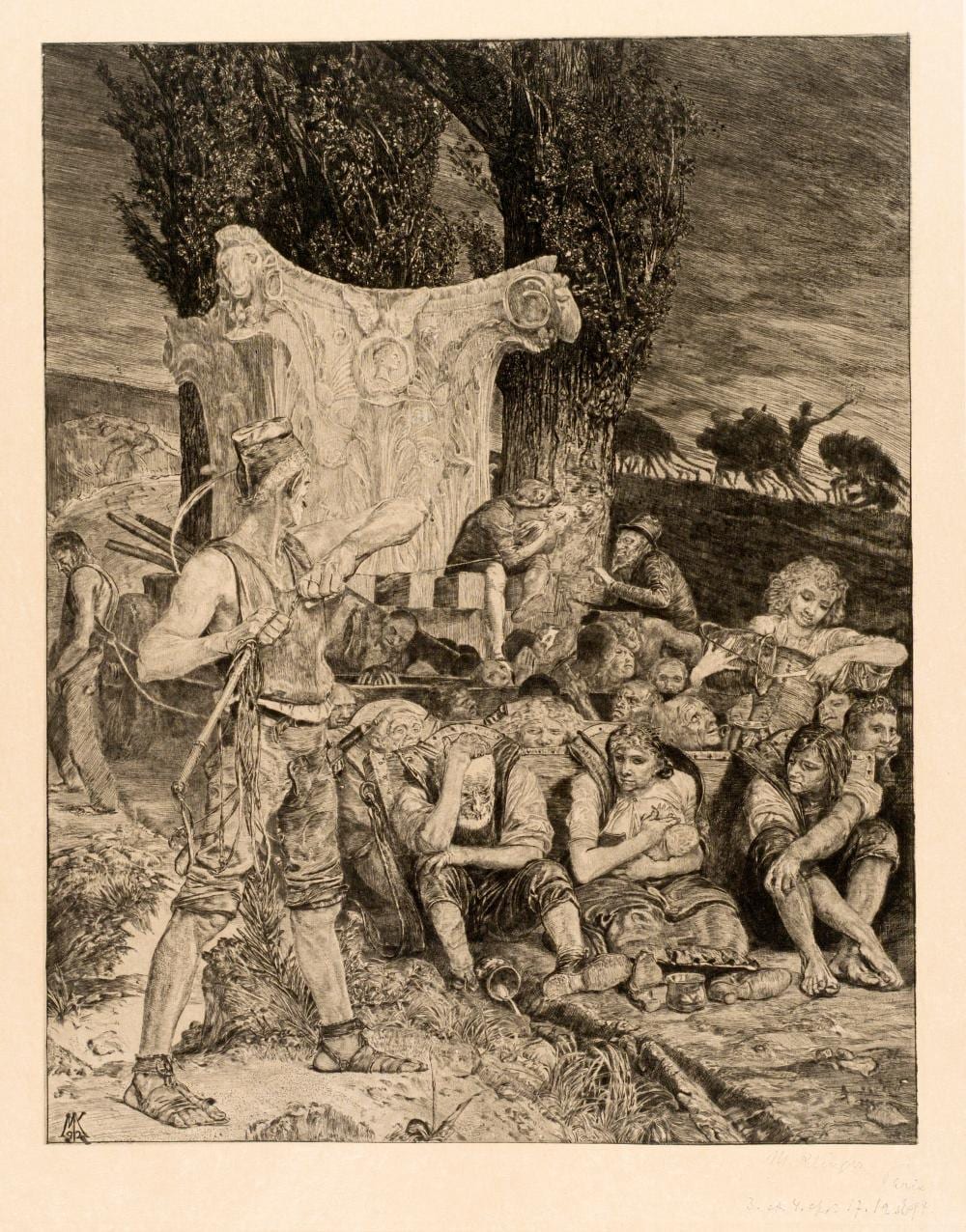
max klinger elend 1892 · Schmidt Kunstauktionen Dresden OHG · 2026-06-20 max klinger elend 1892 Schmidt Kunstauktionen Dresden OHG · 2026-06-20
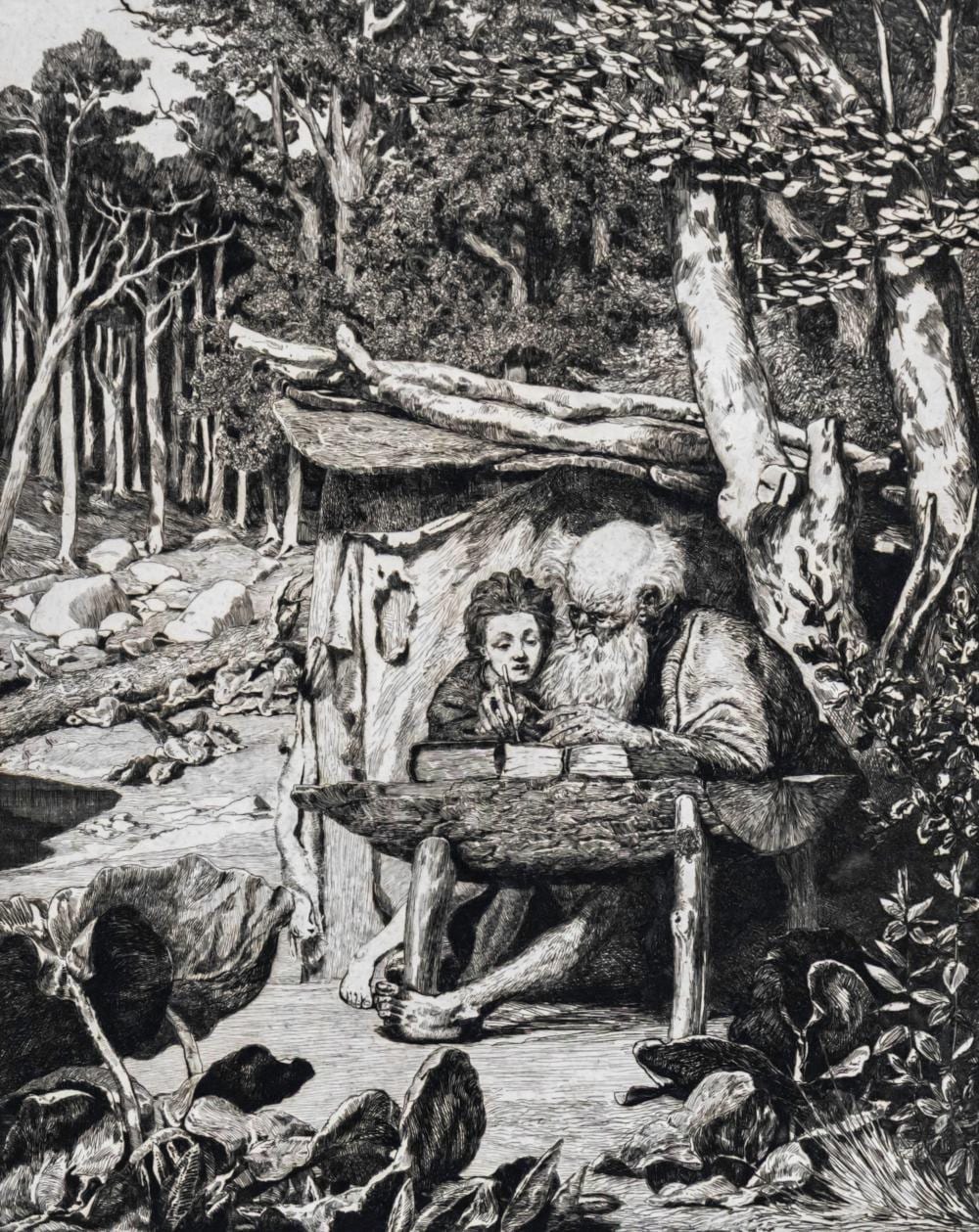
max klinger german 1857 1920 intermezzi opus iv portfolio of 8 etchings 1881 · Pasarel · 2026-05-26 max klinger german 1857 1920 intermezzi opus iv portfolio of 8 etchings 1881 Pasarel · 2026-05-26
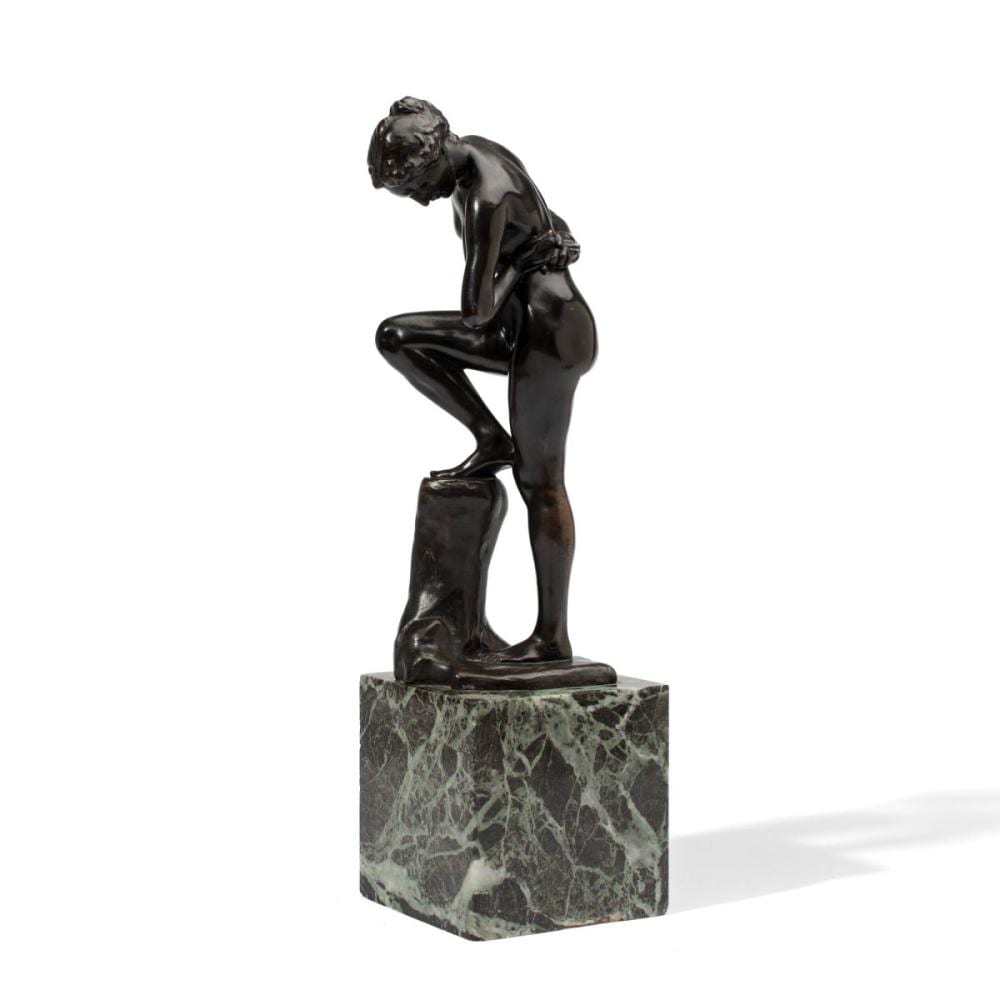
max klinger 1857 1920 badende bronze · District Auction · 2026-05-17 max klinger 1857 1920 badende bronze District Auction · 2026-05-17
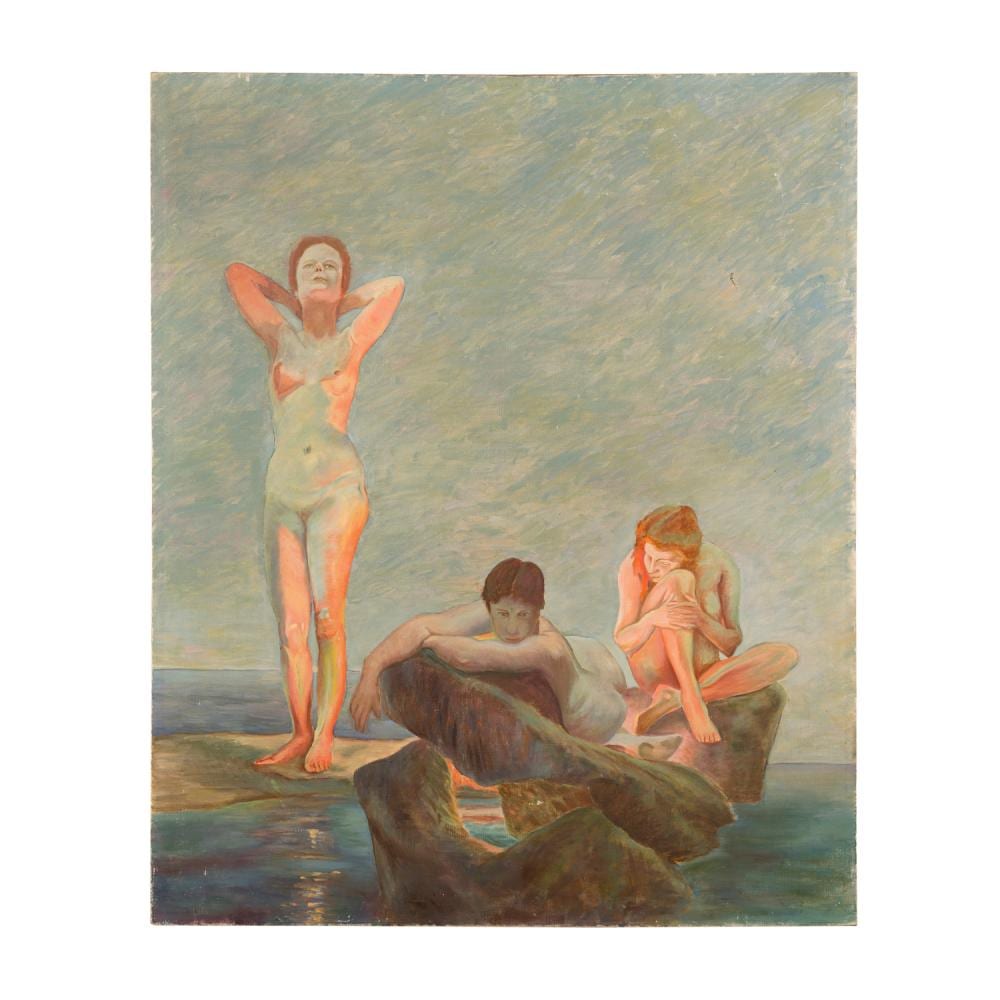
max klinger lipsia 1857 gro jena 1920 copia del xx secolo · Lucas Aste · 2026-05-07 max klinger lipsia 1857 gro jena 1920 copia del xx secolo Lucas Aste · 2026-05-07
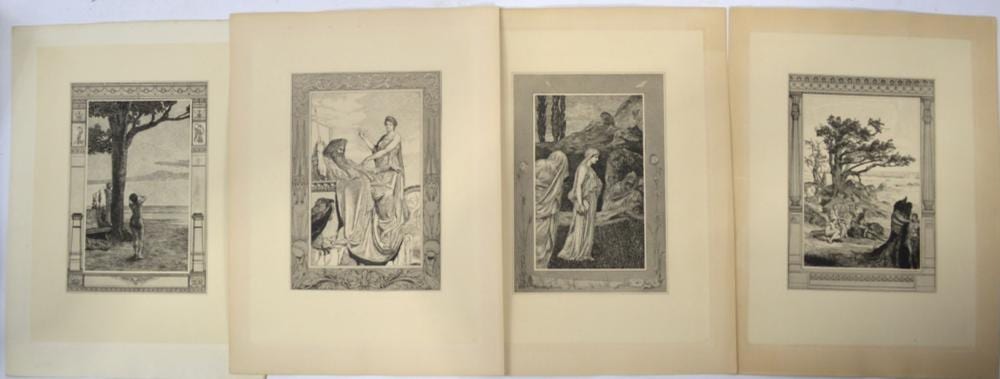
4 max klinger etchings amor und psyche · Austin York LLC · 2026-04-28 4 max klinger etchings amor und psyche Austin York LLC · 2026-04-28
Data basis
This page is built from Appraisily's public auction market index. Private transactions, incomplete sale feeds, and attribution changes may not be fully represented.
Artist value FAQ
How much is Max Klinger worth?
Comparable public auction sales are the best starting point, but final value depends on the specific artwork, condition, size, medium, provenance, and attribution confidence.
Can Appraisily value my Max Klinger artwork?
Yes. Appraisily can review photos, dimensions, signatures, condition, provenance, and comparable market data to prepare a current valuation.