Le Pho Auction Prices and Value Guide
Le Pho auction prices are tracked in Appraisily's artist market index, with source-directory coverage of 1,507 records. Use this page to review sold-lot activity, market context, and valuation factors before requesting a formal appraisal.
Le Pho auction prices: quick answer
Le Pho auction prices depend on medium, size, date, condition, provenance, edition details, attribution confidence, and recent comparable auction sales.
- Artist
- Le Pho
- Source records
- 1,507
- Market update
- 2026-02-16
Le Pho market snapshot
Le Pho shows very deep auction liquidity with 1,074 tracked lots. Median realized sale is around $50,000. Category concentration is still broad or sparse. Last 12 months recorded 79 sales. Latest recorded sale: 2025-12-07.
Realized price distribution
- Under $1,000 (4.9% · 44 sales)
- $1,000 to $10,000 (11.1% · 100 sales)
- $10,000+ (84.0% · 755 sales)
- Median sale (last 12 months)
- $55,000
- Sales recorded (last 12 months)
- 79
- Median shift vs prior year
- 0.0%
- Latest recorded sale
- 2025-12-07
Artist context
About Le Pho

Born
1907
Died
2001
Nationality
Vietnamese
Also known as
Lê Phổ
Lê Phổ (1907–2001), commonly presented without diacritics as Le Pho, was a Vietnamese painter associated with the School of Paris. He studied at the École des Beaux-Arts in Hanoi from 1925 to 1930, continued his training in Paris under Victor Tardieu, and later taught at the École Supérieure des Beaux-Arts de l'Indochine in Hanoi. Public biographical sources particularly associate his art with women, flowers, mothers and children, and figures wearing the Vietnamese áo dài. These subjects connect Vietnamese cultural imagery with the international setting in which his career developed. Collectors most often encounter his name through paintings and works on paper, although auction databases may place attributed material in several broader categories. Because the collected institutional biography is limited, individual works should be assessed through their medium, date, provenance, physical characteristics, signatures or inscriptions, and documented attribution rather than through the artist name alone.
School of ParisPaintingWorks on paper and printsSculpture and mixed mediaDecorative art and editionsWomenFlowersMothers and childrenVietnamese women wearing áo dài
Common works and media
Auction and biographical sources most clearly support paintings and works on paper, with recurring subjects including women, flowers, mothers and children, and Vietnamese women wearing áo dài. Appraisily's matched auction data also places records in broader groups for prints, sculpture or mixed media, decorative art, and editions, but those less-specific classifications require object-level verification. For a print or edition, record the technique, edition size and number, signature, inscriptions, paper, margins, and condition. For a painting, document the support, dimensions, surface, frame, restoration, provenance, date, and attribution evidence.
Market and appraisal context
Le Pho has a substantial public-auction footprint in Appraisily's matched records, but aggregate figures should be treated as orientation rather than a valuation. A useful comparison should align the work's medium, dimensions, date or career period, subject, condition, restoration history, provenance, signature or inscriptions, and attribution confidence. Edition information matters when the object is a print or another multiple. Exhibition history and catalogue references may also help distinguish otherwise similar works. Reported auction results can differ in their treatment of buyer's premiums and fees, while private sales and incomplete feeds may not appear at all. Any appraisal should therefore use verified, closely comparable lots and inspect the underlying records instead of relying on a page-wide median or observed price range.
Auction categories and appraisal factors
Common auction categories
- Fine art and paintings
- Works on paper and prints
- Sculpture and mixed media
- Decorative art and editions
Value drivers
- Medium, dimensions, date, and period within the artist's career
- Condition, restoration history, and surface quality
- Signature, inscriptions, edition details, and attribution confidence
- Provenance, exhibition history, and catalogue references
- Recent public auction results for genuinely comparable works
- Subject matter, rarity, and current demand
Appraisal caveats
- Treat public auction records as comparable evidence rather than as a standalone appraisal.
- Verify condition and attribution independently before drawing a valuation conclusion.
- Compare reported results on a consistent basis because fee treatment may differ.
- Allow for incomplete public feeds, private transactions, and later attribution changes.
Evidence
Sources for artist context
This source-grounded artist context is based on collected public records: medium confidence, adequate source quality.
Recent sale records
Selected public auction records currently in the Appraisily lot index. Use them as market context, then request a formal appraisal before you sell, insure, or donate.
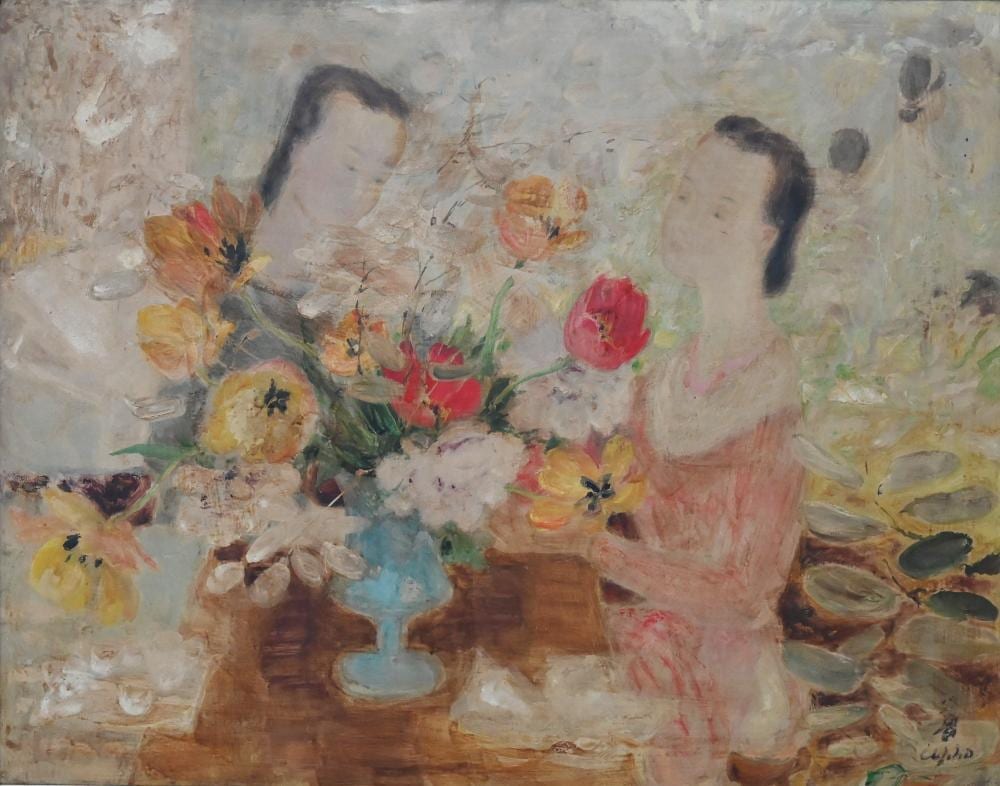
le pho conversation · 33 Auction · 2022-08-21 le pho conversation 33 Auction · 2022-08-21
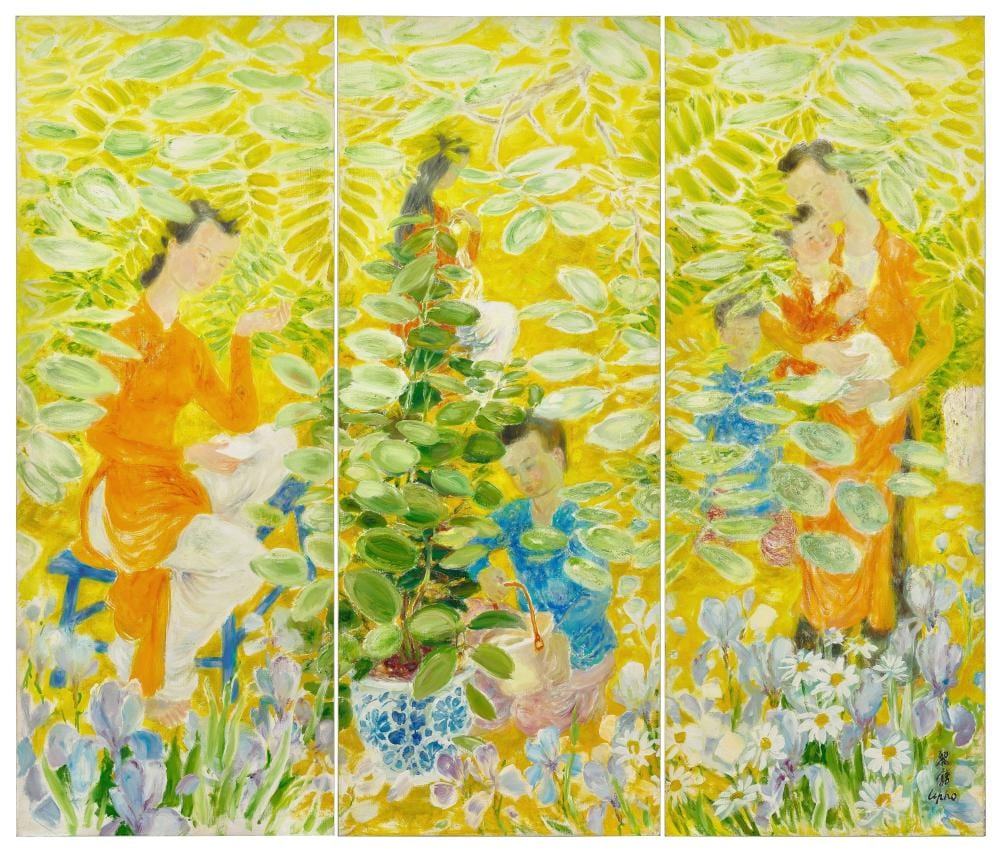
le pho figures in a garden · Sotheby's · 2022-04-27 le pho figures in a garden Sotheby's · 2022-04-27
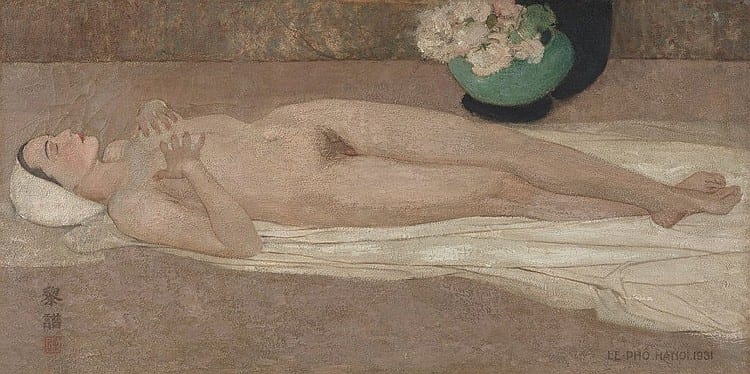
le pho france vietnam 1907 2001 nue nude oil on canvas 90 5 x 180 5 cm 35 5 8 x 71 1 8 in · Christie's · 2019-05-26 le pho france vietnam 1907 2001 nue nude oil on canvas 90 5 x 180 5 cm 35 5 8 x 71 1 8 in Christie's · 2019-05-26

le pho 1907 2001 jeune femme attachant son foulard young lady tying her · Christie's · 2021-05-24 le pho 1907 2001 jeune femme attachant son foulard young lady tying her Christie's · 2021-05-24
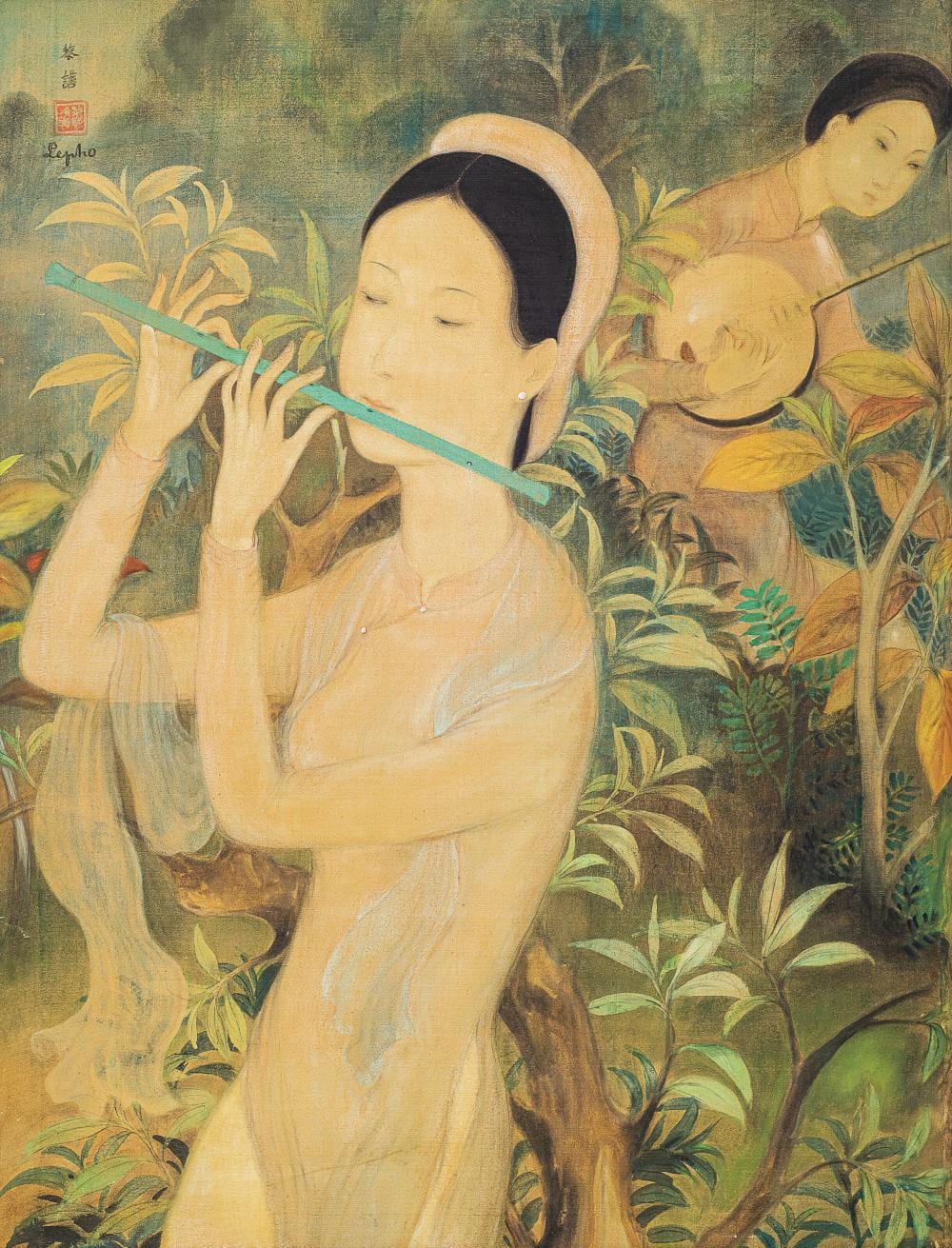
le pho 1907 2001 les musiciens dans un jardin musicians in a garden i · Christie's · 2024-09-26 le pho 1907 2001 les musiciens dans un jardin musicians in a garden i Christie's · 2024-09-26
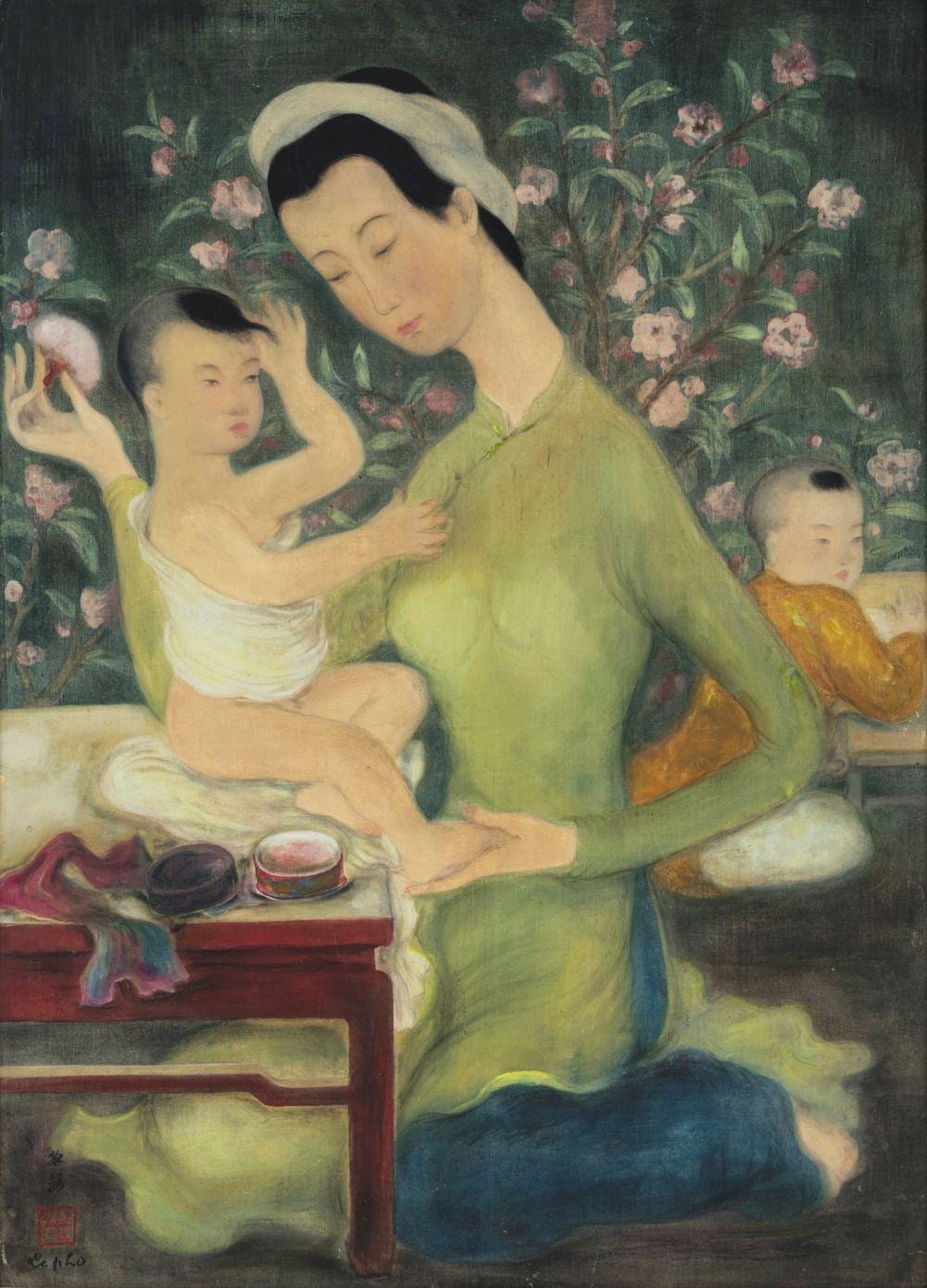
le pho 1907 2001 la toilette de l enfant child bathing ink and gouache · Christie's · 2021-12-01 le pho 1907 2001 la toilette de l enfant child bathing ink and gouache Christie's · 2021-12-01
Data basis
This page is built from Appraisily's public auction market index. Private transactions, incomplete sale feeds, and attribution changes may not be fully represented.
Artist value FAQ
How much is Le Pho worth?
Comparable public auction sales are the best starting point, but final value depends on the specific artwork, condition, size, medium, provenance, and attribution confidence.
Can Appraisily value my Le Pho artwork?
Yes. Appraisily can review photos, dimensions, signatures, condition, provenance, and comparable market data to prepare a current valuation.