Ladislas Kijno Auction Prices and Value Guide
Ladislas Kijno auction prices are tracked in Appraisily's artist market index, with source-directory coverage of 1,126 records. Use this page to review sold-lot activity, market context, and valuation factors before requesting a formal appraisal.
Ladislas Kijno auction prices: quick answer
Ladislas Kijno auction prices depend on medium, size, date, condition, provenance, edition details, attribution confidence, and recent comparable auction sales.
- Artist
- Ladislas Kijno
- Source records
- 1,126
- Market update
- 2026-02-06
Ladislas Kijno market snapshot
Ladislas Kijno shows very deep auction liquidity with 785 tracked lots. Median realized sale is around $1,400. Category concentration is still broad or sparse. Last 12 months recorded 35 sales. Latest recorded sale: 2025-12-11.
Realized price distribution
- Under $1,000 (37.3% · 192 sales)
- $1,000 to $10,000 (59.8% · 308 sales)
- $10,000+ (2.9% · 15 sales)
- Median sale (last 12 months)
- $1,100
- Sales recorded (last 12 months)
- 35
- Median shift vs prior year
- +2.0%
- Latest recorded sale
- 2025-12-11
Artist context
About Ladislas Kijno
Born
1921
Died
2012
Nationality
Polish, French
Also known as
Pierre Ladislas Kijno, Wladyslaw Kijno, Kyjno
Ladislas Kijno (1921–2012) was a Polish-born French painter, sculptor, and graphic artist whose career spanned more than six decades. Born in Warsaw, he emigrated to France with his family in 1925 and spent his formative years in the mining town of Noeux-les-Mines in northern France. Kijno worked across an unusually broad range of media — oil and acrylic painting, watercolor, printmaking, sculpture, illustration, and design — establishing a versatile practice rooted in post-war French art circles. He maintained studios in Antibes by the mid-1950s and in Paris by the late 1950s, and remained active in France until his death in Saint-Germain-en-Laye. His work appears in numerous public and private collections, and his prolific output accounts for a substantial auction presence, with over one thousand recorded lots. Collectors most often encounter his paintings on canvas and works on paper, though his graphic editions and sculptural works also circulate in the secondary market.
paintingsculpturewatercolorgraphic arts
Common works and media
Collectors are most likely to encounter Kijno's paintings — both abstract and figurative compositions on canvas or panel — alongside works on paper in watercolor, gouache, or ink. His graphic output includes etchings, lithographs, and illustrated books produced in collaboration with French literary publishers. Occasional sculptural works and design-related pieces also appear at auction. The broad chronological range (mid-1940s through the 2000s) means stylistic periods and material conditions vary; dating and medium verification are important steps in cataloguing.
Market and appraisal context
Ladislas Kijno's secondary market is well established, with 933 recorded lots and 595 priced results spanning from April 2003 through May 2026. His work appears primarily at French auction houses — Artcurial, Tajan, Piasa, Ader, Cornette de Saint-Cyr, and Leclere — alongside Monaco's HVMC and occasional appearances at Christie's, confirming broad European market recognition. Price dispersion is wide: the observed range runs from €13 to €110,000, with a median of €1,300 and an interquartile spread of €386–€2,550. This distribution reflects a large and varied oeuvre where prints, carborundum engravings, and small works on paper cluster at the lower end (€60–€300), while paintings and significant compositions from the 1960s–1980s reach into the thousands. The highest recorded price of €110,000 likely represents a major canvas. Liquidity remains steady with 55 lots sold in the most recent 12 months versus 60 in the prior period, indicating consistent but slightly softening demand. Recent notable results include a Piasa untitled work at €3,200 (April 2026), an HVMC circa-1960 composition at €1,500 (April 2026), and a Louiza Auktion untitled 1980 work at €1,800 (November 2025). The majority of sales are denominated in EUR, with occasional CHF results from Swiss houses such as TGP Auction.
Auction categories and appraisal factors
Common auction categories
- painting
- prints-and-multiples
- works-on-paper
- sculpture
- decorative-art-and-design
Value drivers
- Medium and technique — paintings, works on paper, prints, and sculptures each carry distinct market segments
- Provenance and exhibition history — works with documented French gallery or museum provenance may carry stronger attribution
- Attribution and signature variants — the artist used multiple name forms (Kijno, Kyjno, Wladyslaw Kijno), which can affect cataloguing consistency
- Condition and date — works span a long career (1925–2012); dating and condition are material to value
- Medium is the strongest price driver: oil and acrylic paintings on canvas consistently command the highest prices, followed by large works on paper, then prints and multiples, with design objects (e.g., wool rugs) at the lower end.
- Size and scale: larger works (110 × 76 cm carborundum engravings, full-scale canvases) sell for materially more than small-format works and editioned prints.
Appraisal caveats
- The source pack does not include auction-house results or price database entries; comparable sale analysis should supplement this profile before appraisal.
- No specific movement affiliation was identified in the collected sources; cataloguing should not assume association with a named school without further evidence.
- Price data is predominantly in EUR; the one CHF result (CHF 150 at TGP Auction) should not be directly compared without currency conversion.
- The maximum recorded price of €110,000 is an outlier — the 75th percentile is €2,550, indicating that most works trade well below the peak. Do not assume a work will approach the high end without specific justification.
Evidence
Sources for artist context
This source-grounded artist context passed Appraisily's promotion threshold: high confidence, strong sources.
- Library of Congress library authority
- RKD – Netherlands Institute for Art History library authority
- VIAF library authority
- Wikidata library authority
- Wikipedia wikipedia
Recent sale records
Selected public auction records currently in the Appraisily lot index. Use them as market context, then request a formal appraisal before you sell, insure, or donate.
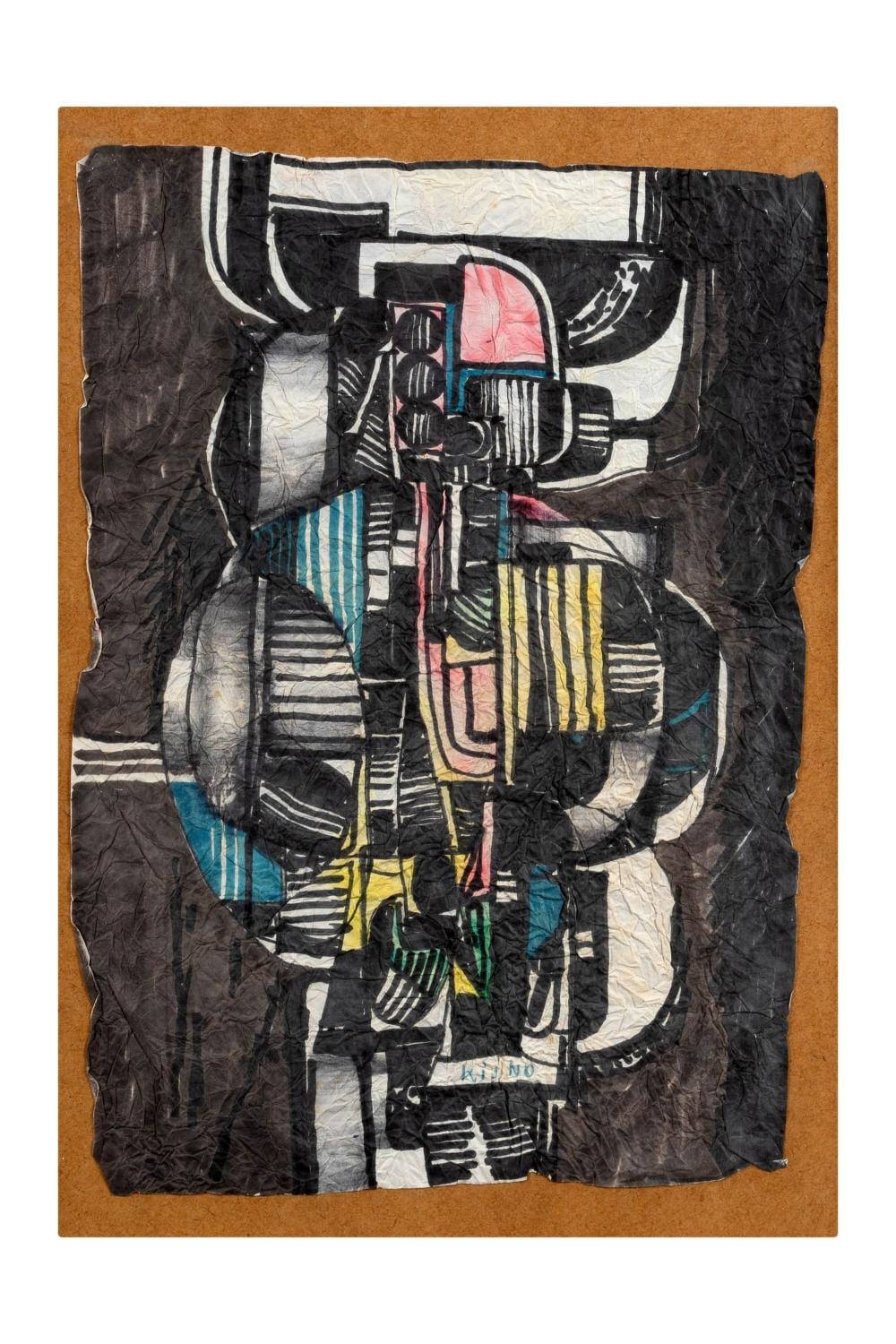
ladislas kijno 1921 2012 sans titre · Aguttes · 2026-06-24 ladislas kijno 1921 2012 sans titre Aguttes · 2026-06-24
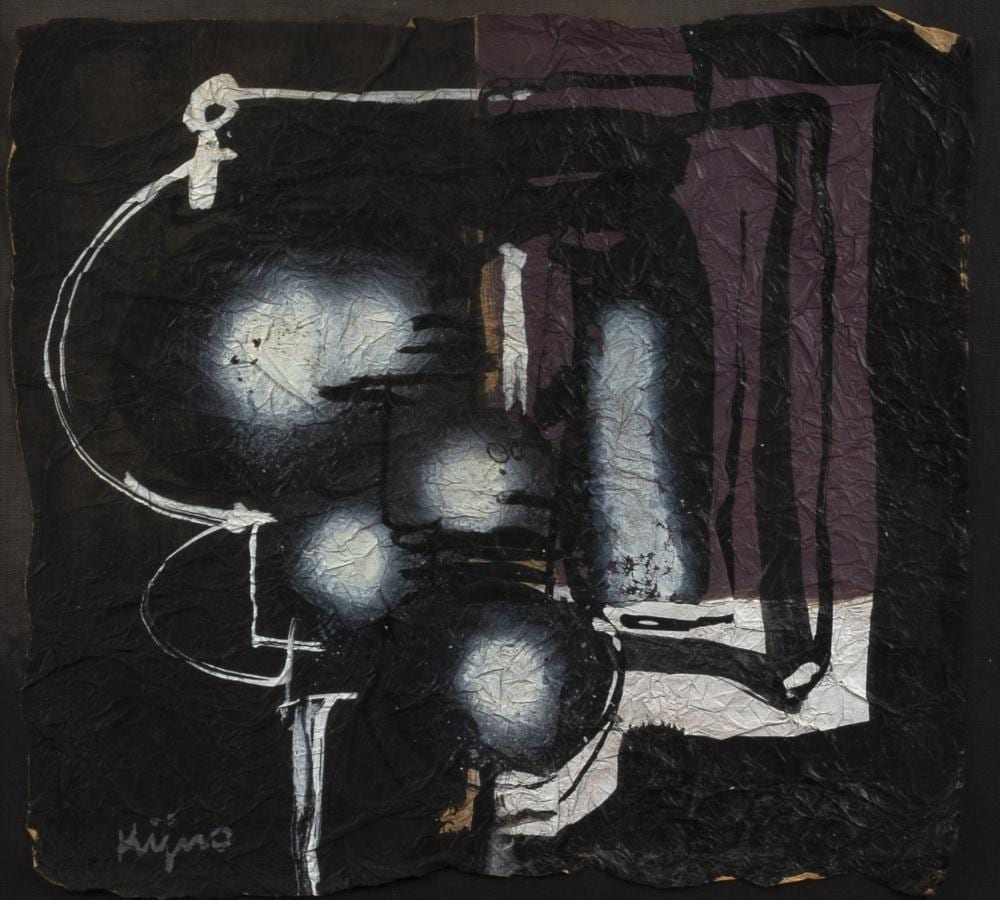
ladislas kijno 1921 2012 sans titre · Aguttes · 2026-06-24 ladislas kijno 1921 2012 sans titre Aguttes · 2026-06-24
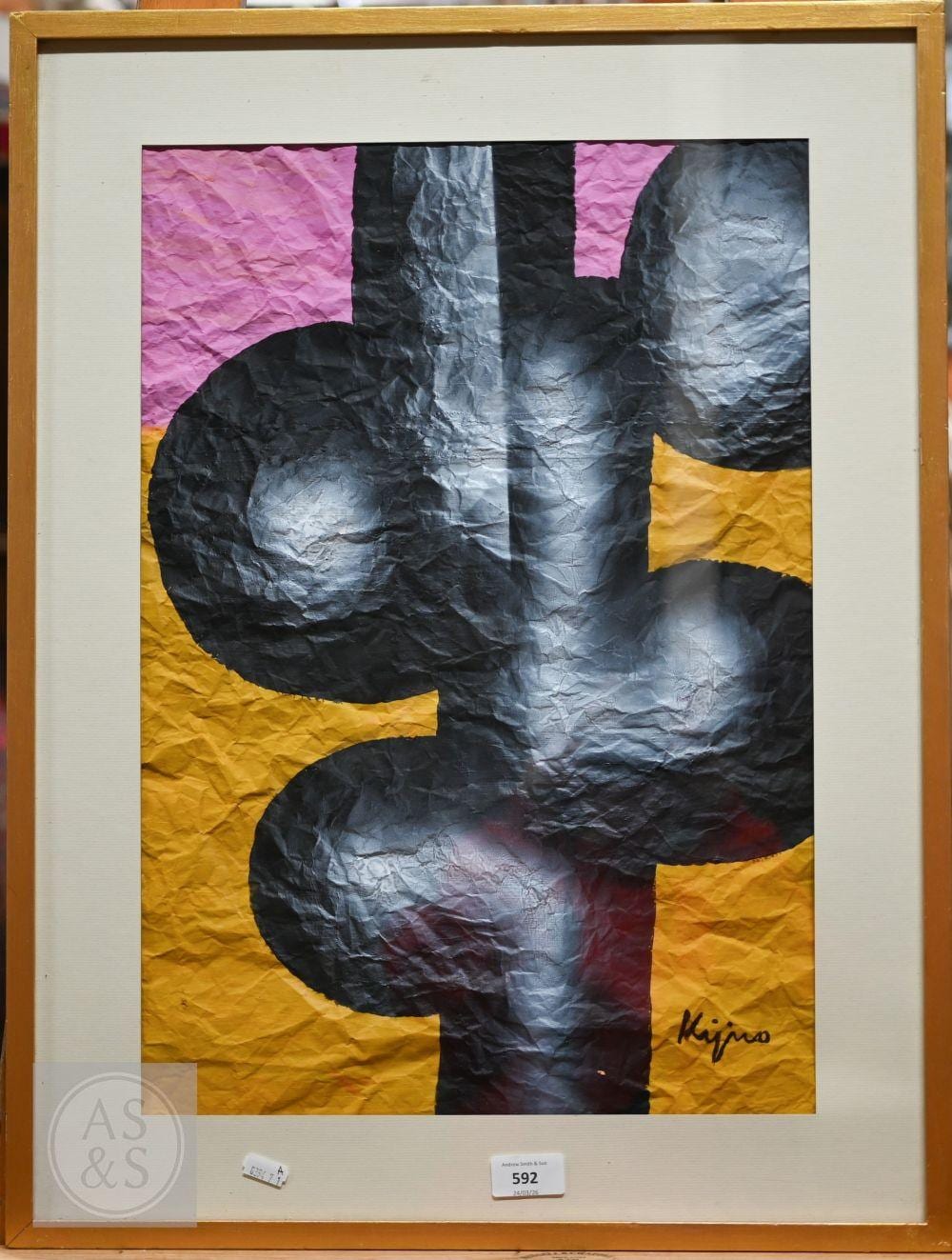
ladislas kijno 1921 2012 composition abstraite acrylic painting on crumpled paper signed 51 5 · Andrew Smith & Son · 2026-06-23 ladislas kijno 1921 2012 composition abstraite acrylic painting on crumpled paper signed 51 5 Andrew Smith & Son · 2026-06-23
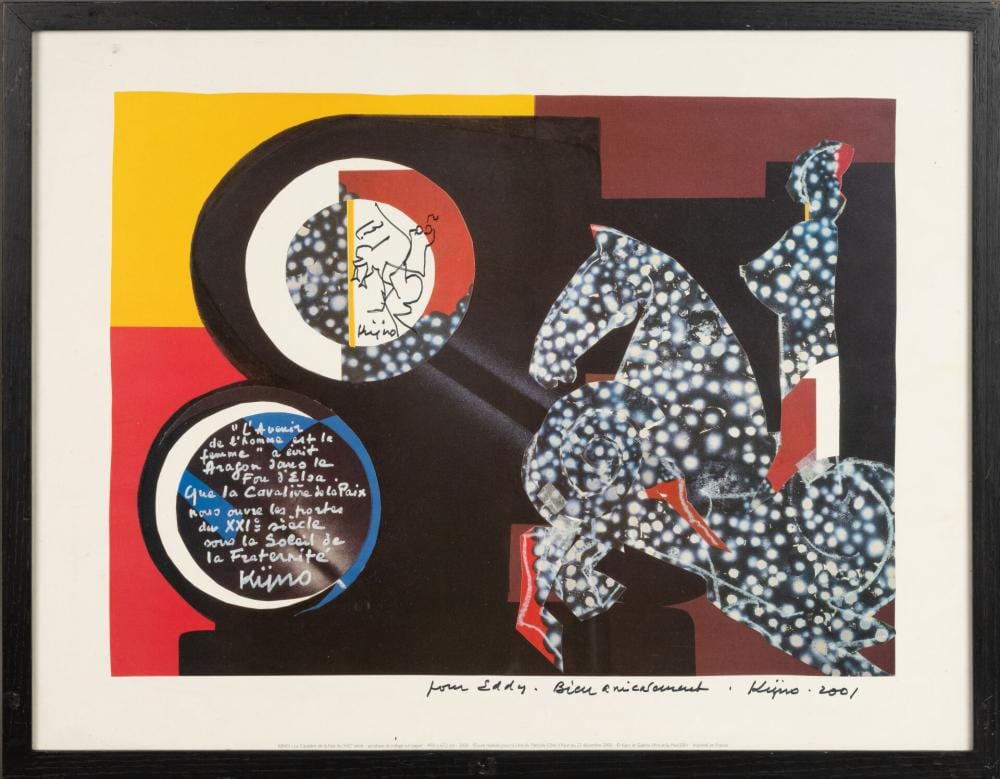
ladislas kijno 1921 2012 · OXIO · 2026-05-08 ladislas kijno 1921 2012 OXIO · 2026-05-08
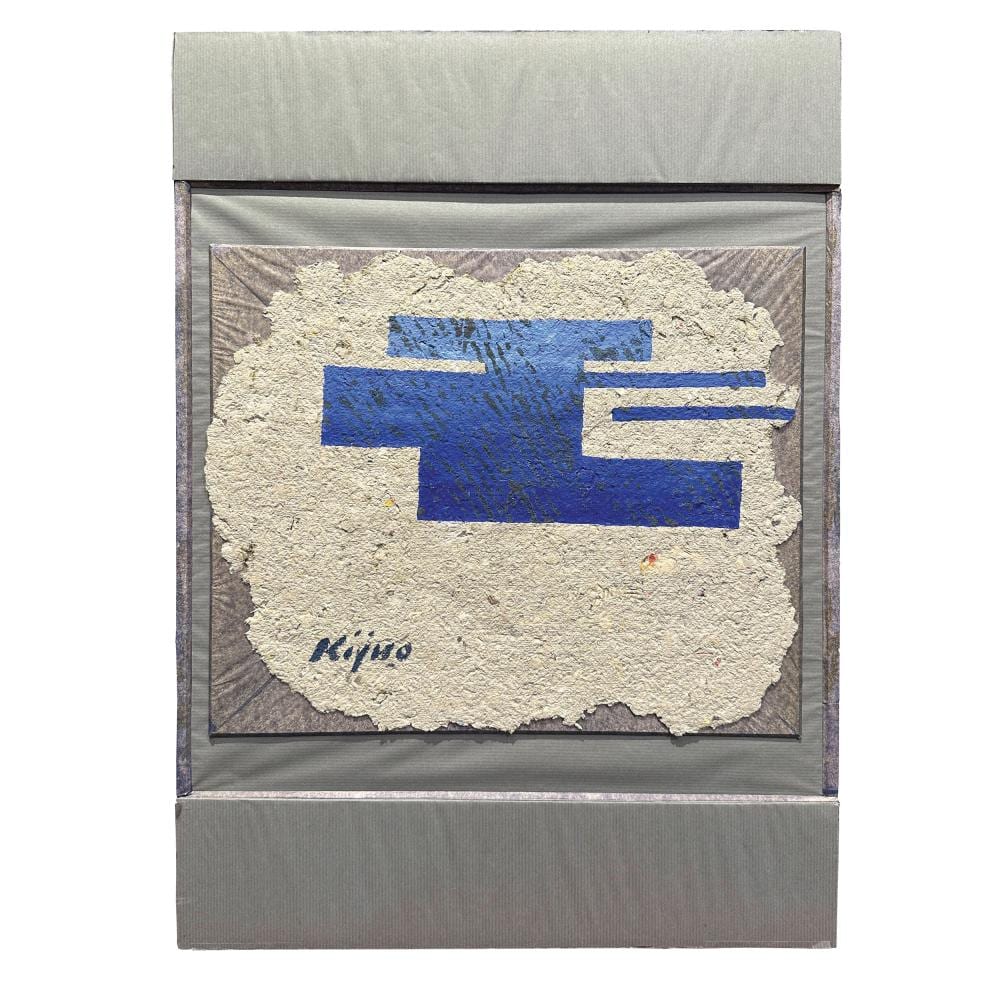
ladislas kijno 1921 2012 composition circa 1960 · HVMC - Hôtel des Ventes de Monte-Carlo · 2026-04-30 ladislas kijno 1921 2012 composition circa 1960 HVMC - Hôtel des Ventes de Monte-Carlo · 2026-04-30
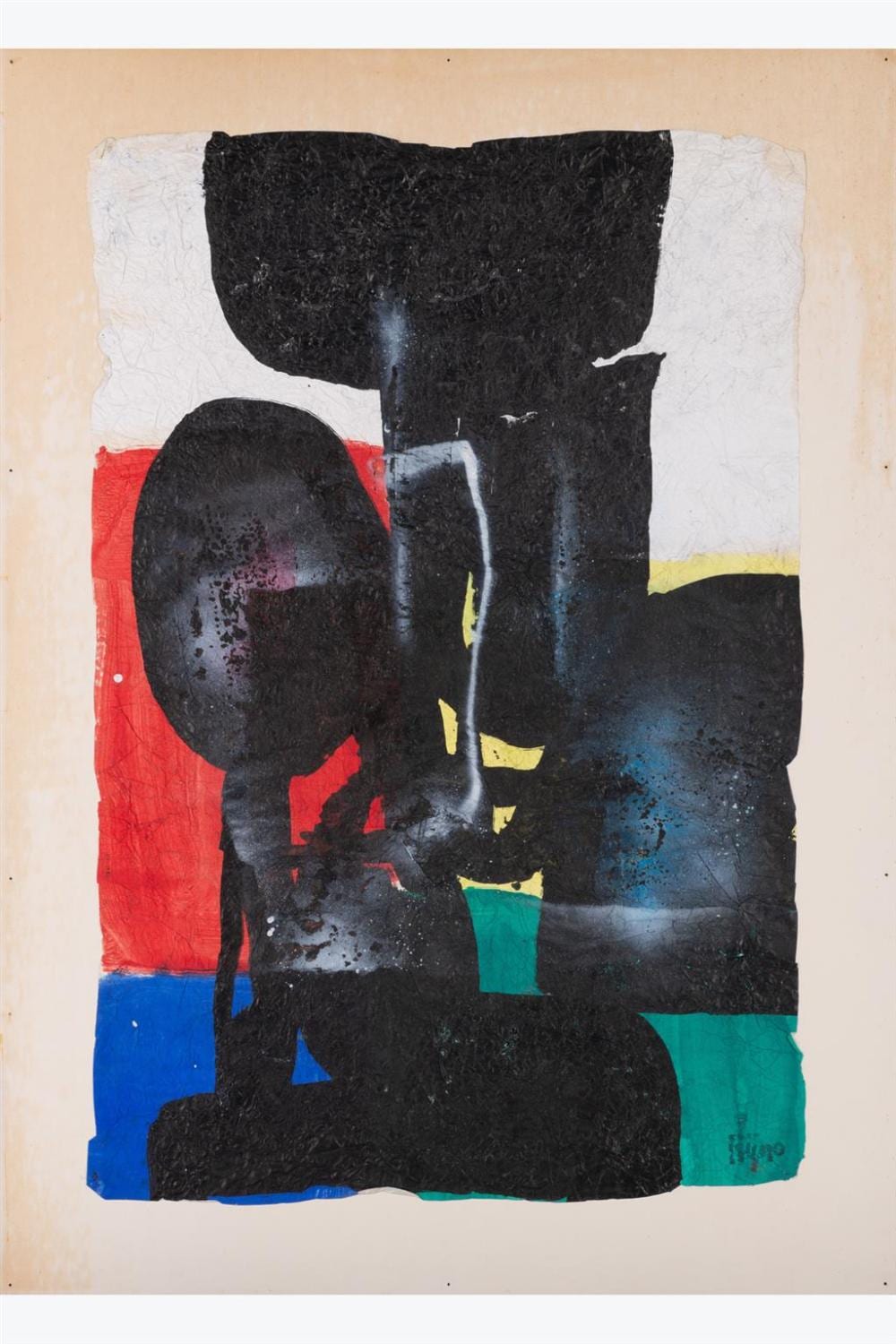
ladislas kijno 1921 2012 untitled · Piasa · 2026-04-22 ladislas kijno 1921 2012 untitled Piasa · 2026-04-22
Data basis
This page is built from Appraisily's public auction market index. Private transactions, incomplete sale feeds, and attribution changes may not be fully represented.
Artist value FAQ
How much is Ladislas Kijno worth?
Comparable public auction sales are the best starting point, but final value depends on the specific artwork, condition, size, medium, provenance, and attribution confidence.
Can Appraisily value my Ladislas Kijno artwork?
Yes. Appraisily can review photos, dimensions, signatures, condition, provenance, and comparable market data to prepare a current valuation.