Kusama Yayoi Auction Prices and Value Guide
Kusama Yayoi auction prices are tracked in Appraisily's artist market index, with source-directory coverage of 2,946 records. Use this page to review sold-lot activity, market context, and valuation factors before requesting a formal appraisal.
Kusama Yayoi auction prices: quick answer
Kusama Yayoi auction prices depend on medium, size, date, condition, provenance, edition details, attribution confidence, and recent comparable auction sales.
- Artist
- Kusama Yayoi
- Source records
- 2,946
- Market update
- 2026-02-16
Kusama Yayoi market snapshot
Kusama Yayoi shows very deep auction liquidity with 1,691 tracked lots. Median realized sale is around $25,000. Category concentration is still broad or sparse. Last 12 months recorded 196 sales. Latest recorded sale: 2026-02-01.
Realized price distribution
- Under $1,000 (33.6% · 367 sales)
- $1,000 to $10,000 (11.9% · 130 sales)
- $10,000+ (54.5% · 596 sales)
- Median sale (last 12 months)
- $1,200
- Sales recorded (last 12 months)
- 196
- Median shift vs prior year
- +100.0%
- Latest recorded sale
- 2026-02-01
Artist context
About Kusama Yayoi
Born
1929
Nationality
Japanese, American
Also known as
草間弥生, 草間彌生, Yayoi Kusama
Yayoi Kusama (born March 22, 1929, in Matsumoto, Nagano, Japan) is a Japanese contemporary artist whose career spans more than seven decades and encompasses painting, sculpture, installation, performance, collage, video, fashion, and literature. She moved to New York City in 1958 and quickly became a central figure in the city's avant-garde scene, developing a practice that intersects Abstract Expressionism, Minimalism, Pop Art, and Feminist Art while resisting alignment with any single movement. Her work draws directly from vivid visual and aural hallucinations she has experienced since childhood, translating obsessive repetition of polka dots, infinite nets, and organic forms into large-scale paintings, immersive mirror rooms, and soft sculpture accumulations. Kusama has been recognized as one of the most important living artists to emerge from Japan and among the highest-selling female artists at auction worldwide. She continues to live and work in Tokyo.
Abstract ExpressionismMinimalismPop ArtFeminist ArtConceptual ArtSurrealismArt BrutInstitutional Critiquepaintingsculpture
Common works and media
Collectors and appraisers most frequently encounter Kusama's work in acrylic and oil paintings on canvas featuring polka-dot patterns or infinite net motifs; fiberglass, bronze, and stainless steel pumpkin sculptures in various scales; silkscreen prints and lithograph editions; mixed-media collages on paper; large-scale mirrored infinity room installations; soft sculptures covered in stuffed fabric phallic protrusions; and flower-obsession sculptural works. Editioned prints, posters, and small-scale sculptures produced through official channels appear regularly at auction, alongside unique paintings and sculptures from gallery exhibitions.
Market and appraisal context
Kusama Yayoi maintains one of the deepest and most liquid auction markets of any living contemporary artist, with 2,638 recorded lots spanning from February 2004 through April 2026 and 1,491 lots with documented realized prices. The price distribution is extremely wide: the recorded minimum is $35 and the recorded maximum is ¥170,000,000 (approximately $1.1 million at recent exchange rates), reflecting the vast gulf between small edition prints and unique major paintings or sculptures. The interquartile range runs from approximately $400 (25th percentile) through $1,700 (median) to $550,000 (75th percentile), indicating that while the majority of lots are accessible prints and small sculptures, a significant upper tier of unique paintings, large sculptures, and installation works commands six- and seven-figure prices. Major houses including Christie's, Sotheby's, and Bonhams appear among the top ten auction houses by volume, alongside regional European and Asian houses such as Louiza Auktion & Associés, New Art Est-Ouest Auctions, Hotel des Ventes De Bruxelles, and Koller Auctions. Auction volume over the trailing twelve months (478 lots) is down roughly 49% from the prior twelve-month period (934 lots), which may reflect market normalization after sustained high production rather than a decline in artist stature.
Auction categories and appraisal factors
Common auction categories
- Post-War and Contemporary Art
- Prints and Multiples
- Contemporary Sculpture
- painting
- sculpture
Value drivers
- Medium and scale: large-scale paintings and installation works generally command higher prices than works on paper or small editions
- Signature motifs: works featuring polka dots, infinity nets, pumpkins, or mirrored installations are most sought after at auction
- Period and date: early New York-period works (late 1950s–1970s) are rarer and typically carry a premium over later production
- Provenance and exhibition history: works with museum exhibition records or distinguished provenance are valued higher
- Edition and authenticity: prints and multiples should be verified for edition number, signature, and authenticating marks
- Condition: given the use of mixed media, soft sculptures, and installation materials, condition reports are essential
Appraisal caveats
- Kusama is among the top-selling living female artists; public auction results span several decades and vary widely by medium, size, period, and subject.
- Later works, editions, and merchandise produced through Kusama Enterprises or licensed products should be distinguished from unique studio works.
- Attribution should be confirmed for early works; Kusama's extensive use of assistants in installation and sculpture production means studio provenance documentation matters.
- The recorded maximum price of ¥170,000,000 likely represents a unique major work sold in a Japanese or Asian auction venue and is not representative of the typical lot. Appraisal values should reference comparable sales within the same medium, scale, and period.
Evidence
Sources for artist context
This source-grounded artist context passed Appraisily's promotion threshold: high confidence, strong sources.
- The Museum of Modern Art museum or university
- Library of Congress library authority
- RKD (Netherlands Institute for Art History) library authority
- VIAF (OCLC) library authority
- Wikidata library authority
- Wikipedia wikipedia
Recent sale records
Selected public auction records currently in the Appraisily lot index. Use them as market context, then request a formal appraisal before you sell, insure, or donate.

yayoi kusama pumpkin · Sotheby's · 2022-04-27 yayoi kusama pumpkin Sotheby's · 2022-04-27

yayoi kusama message from hades · Sotheby's · 2022-04-27 yayoi kusama message from hades Sotheby's · 2022-04-27

yayoi kusama lemon tea · Sotheby's · 2022-04-27 yayoi kusama lemon tea Sotheby's · 2022-04-27
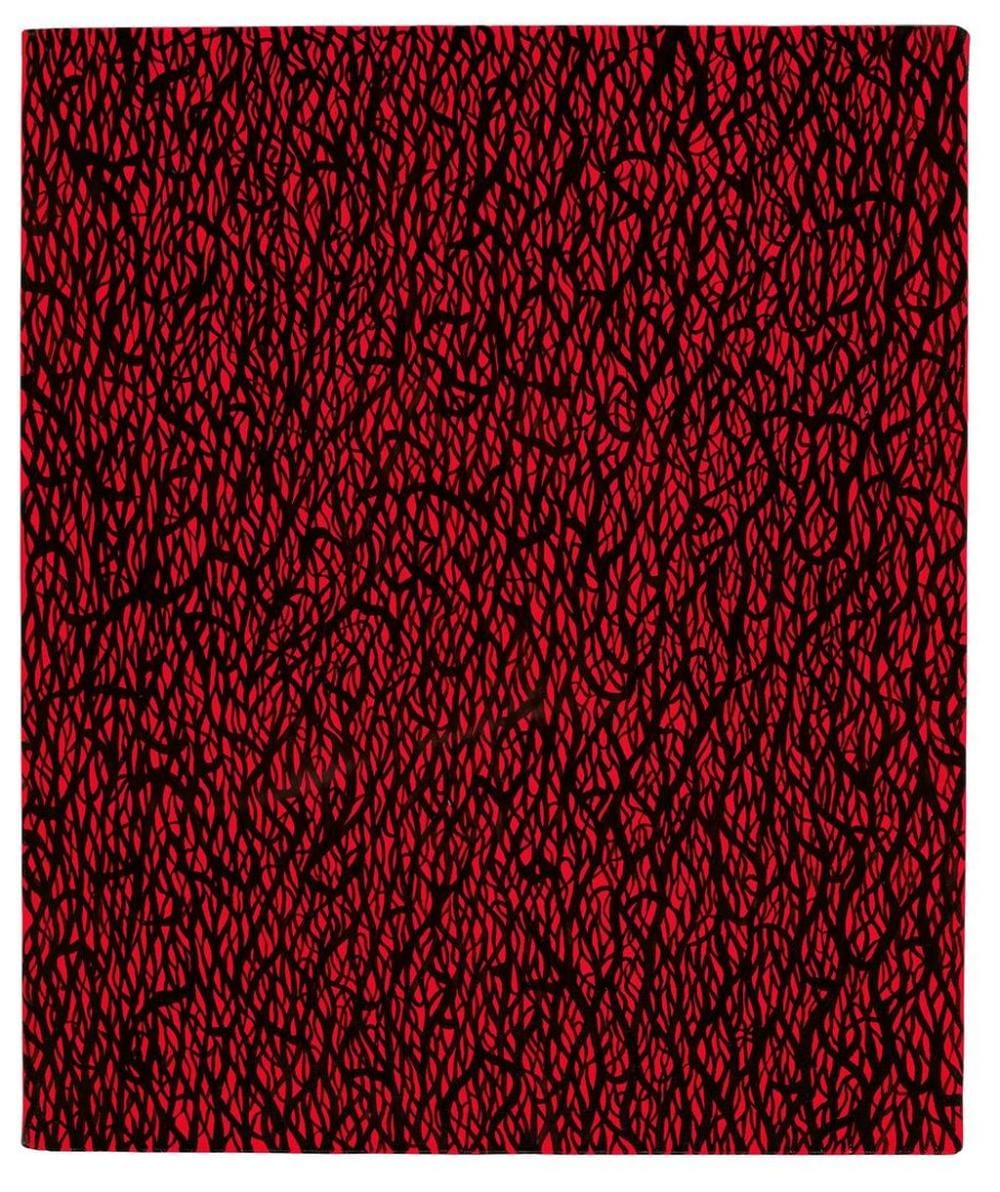
yayoi kusama japanese b 1929 · Ravenel · 2021-12-05 yayoi kusama japanese b 1929 Ravenel · 2021-12-05
Data basis
This page is built from Appraisily's public auction market index. Private transactions, incomplete sale feeds, and attribution changes may not be fully represented.
Artist value FAQ
How much is Kusama Yayoi worth?
Comparable public auction sales are the best starting point, but final value depends on the specific artwork, condition, size, medium, provenance, and attribution confidence.
Can Appraisily value my Kusama Yayoi artwork?
Yes. Appraisily can review photos, dimensions, signatures, condition, provenance, and comparable market data to prepare a current valuation.