Kunichika Auction Prices and Value Guide
Kunichika auction prices are tracked in Appraisily's artist market index, with source-directory coverage of 967 records. Use this page to review sold-lot activity, market context, and valuation factors before requesting a formal appraisal.
Kunichika auction prices: quick answer
Kunichika auction prices depend on medium, size, date, condition, provenance, edition details, attribution confidence, and recent comparable auction sales.
- Artist
- Kunichika
- Source records
- 967
- Market update
- 2026-02-06
Kunichika market snapshot
Kunichika shows thin auction liquidity with 1 tracked lots. Median realized sale is around $110. Category concentration is still broad or sparse. Last 12 months recorded 0 sales. Latest recorded sale: 2015-12-12.
Realized price distribution
- Under $1,000 (100.0% · 1 sales)
- $1,000 to $10,000 (0.0% · 0 sales)
- $10,000+ (0.0% · 0 sales)
- Median sale (last 12 months)
- $0
- Sales recorded (last 12 months)
- 0
- Median shift vs prior year
- 0.0%
- Latest recorded sale
- 2015-12-12
Artist context
About Kunichika
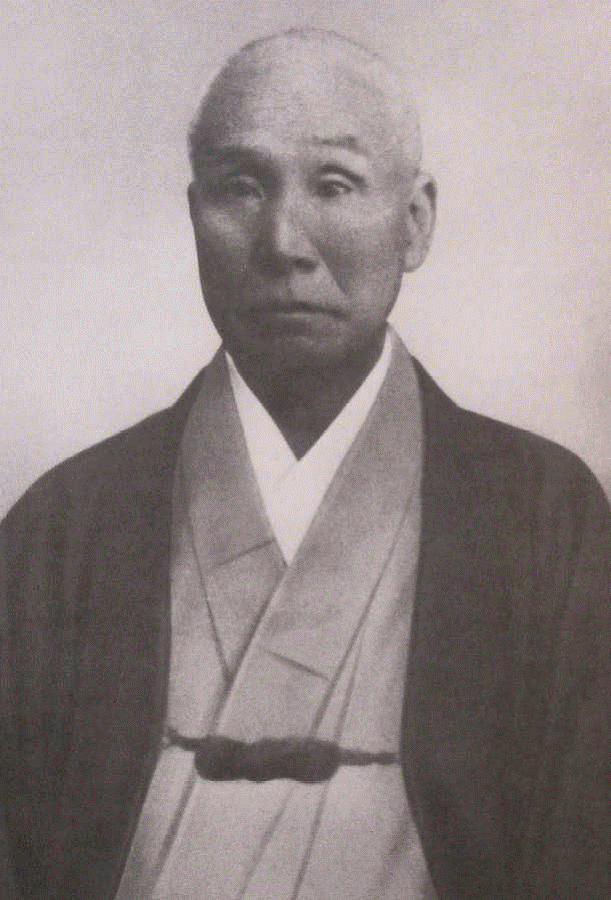

Born
1835
Died
1900
Nationality
Japanese
Also known as
Toyohara Kunichika, Kunichika, Toyohara, 豊原 国周, 豊原国周
Toyohara Kunichika (1835–1900), commonly catalogued simply as Kunichika, was a Japanese printmaker associated with ukiyo-e during the nineteenth century. Library and entity authorities record both the Toyohara Kunichika form and Japanese-name variants, helping distinguish the artist in collection and auction data. Kunichika studied under Utagawa Kunisada, according to the collected biographical sources, and developed a particularly strong connection to kabuki theater. His best-documented subjects are actors and scenes drawn from popular plays. These actor images belong to the field generally known as yakusha-e. Collectors therefore most often encounter Kunichika through Japanese woodblock prints with theatrical subjects, sometimes catalogued under abbreviated or reordered versions of his name. His long working life crossed the transition from the late Edo period into Meiji-era Japan, placing his prints within both the history of ukiyo-e and the changing visual culture of late nineteenth-century Japan.
Ukiyo-eWoodblock printsKabuki actorsScenes from popular kabuki plays
Common works and media
Kunichika is most commonly associated with Japanese woodblock prints. The collected sources emphasize yakusha-e—prints portraying kabuki actors—as well as images of scenes from popular theatrical productions. Individual works may be catalogued under Kunichika, Toyohara Kunichika, or Japanese-character forms of the name, so identity matching is an important first step when reviewing auction listings or collection records.
Market and appraisal context
Assessment of a Kunichika print should begin by resolving the artist identity, because catalogues may use Kunichika, Toyohara Kunichika, reordered Western name forms, or Japanese characters. The work should then be examined directly to establish its subject and physical format, including whether it presents an individual kabuki actor or a scene from a play. Relevant public auction records can provide comparison points through their sale dates and realized prices, but this source pack does not support a price trend or prediction. Condition, dimensions, inscriptions, seals, provenance, edition or state, and authenticity remain object-level questions that must be documented separately before a defensible appraisal comparison is made.
Auction categories and appraisal factors
Common auction categories
- Japanese woodblock prints
- Kabuki actor prints (yakusha-e)
- Woodblock prints depicting kabuki scenes
Value drivers
- Attribution across catalogued name variants, including Kunichika and Toyohara Kunichika
- Whether the work depicts a kabuki actor or a scene from a theatrical production
- Comparison with relevant public auction records, sale dates, and realized prices when available
Appraisal caveats
- Do not infer authenticity from a printed or catalogued artist name alone.
- Condition, dimensions, inscriptions, seals, provenance, edition or state, and physical format must be documented from the individual object.
- The collected material does not support a claim about price direction, rarity, or current demand.
Evidence
Sources for artist context
This source-grounded artist context is based on collected public records: medium confidence, adequate source quality.
Data basis
This page is built from Appraisily's public auction market index. Private transactions, incomplete sale feeds, and attribution changes may not be fully represented.
Artist value FAQ
How much is Kunichika worth?
Comparable public auction sales are the best starting point, but final value depends on the specific artwork, condition, size, medium, provenance, and attribution confidence.
Can Appraisily value my Kunichika artwork?
Yes. Appraisily can review photos, dimensions, signatures, condition, provenance, and comparable market data to prepare a current valuation.