Johann Joachim Kändler Auction Prices and Value Guide
Johann Joachim Kändler auction prices are tracked in Appraisily's artist market index, with source-directory coverage of 1,485 records. Use this page to review sold-lot activity, market context, and valuation factors before requesting a formal appraisal.
Johann Joachim Kändler auction prices: quick answer
Johann Joachim Kändler auction prices depend on medium, size, date, condition, provenance, edition details, attribution confidence, and recent comparable auction sales.
- Artist
- Johann Joachim Kändler
- Source records
- 1,485
- Market update
- 2026-02-06
Johann Joachim Kändler market snapshot
Johann Joachim Kändler shows deep auction liquidity with 407 tracked lots. Median realized sale is around $500. Category concentration is still broad or sparse. Last 12 months recorded 34 sales. Latest recorded sale: 2025-11-29.
Realized price distribution
- Under $1,000 (74.9% · 191 sales)
- $1,000 to $10,000 (21.6% · 55 sales)
- $10,000+ (3.5% · 9 sales)
- Median sale (last 12 months)
- $330
- Sales recorded (last 12 months)
- 34
- Median shift vs prior year
- 0.0%
- Latest recorded sale
- 2025-11-29
Artist context
About Johann Joachim Kändler
Born
1706
Died
1775
Nationality
German
Also known as
Johann Joachim Kaendler
Johann Joachim Kändler (1706–1775) was a German sculptor and porcelain modeller widely regarded as the most important designer in the history of Meissen porcelain, and a defining figure in European ceramics. Born in Saxony and trained as a sculptor, Kändler joined the Meissen manufactory in 1731 and remained there until his death. Over more than four decades he created thousands of porcelain models — from small figurines to large-scale sculptural groups — that set the artistic standard for Rococo decorative arts across Europe. His subjects ranged from courtly and mythological scenes to animals, commedia dell'arte characters, and elaborate tableware services commissioned by European royalty. His work at Meissen under Electors Augustus II and Augustus III helped establish porcelain as a major fine-art medium. Collectors today encounter Kändler's designs at auction and in museum collections worldwide.
Meissen porcelain / European Rococo decorative artsPorcelainSculptureFigural porcelain groups and single figures (courtly, mythological, commedia dell'arte, animals)Equestrian sculpture (e.g., porcelain figure of Tsarina Elisabeth on horseback)Decorative tableware and service sets
Common works and media
Kändler's output spans hard-paste porcelain figural groups, single character figures (especially commedia dell'arte, courtly, and hunting subjects), animal sculptures, equestrian figures, candlesticks, snuff boxes, and elaborate tableware services. His bird and animal models for the Japanese Palace at Dresden and the Swan Service are among his best-known commissions. Medium-sized figurines (approximately 12–25 cm) are the most frequently encountered works at auction, while large-scale groups and documented royal commissions are rarer and more valuable.
Market and appraisal context
Johann Joachim Kändler is one of the most actively traded historical porcelain modellers at auction. Appraisily's auction-record index tracks 407 lots attributed to Kändler, of which 255 carry a recorded price, spanning September 2007 through April 2026. The market is predominantly European, centered on German regional auction houses. The top three houses by volume — Auktionshaus Stahl, Hargesheimer Kunstauktionen Düsseldorf, and Auktionshaus Arnold — together account for the majority of turnover, with additional appearances at Stephan Welz & Co, Auktionshaus Wendl, Schmidt Kunstauktionen Dresden OHG, Auction House Zezula, Bernaerts Auctioneers, Pari Auktionen, and Auktionshaus Rheine. Pricing is highly dispersed: the interquartile range runs from roughly €350 to €1,000, but the ceiling reaches €150,000 for rare large-scale or documented royal-commission pieces. The median price of €500 reflects the large proportion of standard-size figurines (gardener children, commedia dell'arte characters, animal models, hunter figures), while significant premiums attach to large figural groups, clocks, chandeliers, snowball vases, and wobble-pagodas. Recent 12-month volume (34 lots) is roughly half the prior 12-month volume (68 lots), suggesting a modest contraction in supply, though the long-run dataset confirms sustained and reliable liquidity for this artist.
Auction categories and appraisal factors
Common auction categories
- Porcelain
- Sculpture
- Decorative Arts
Value drivers
- Attribution to Kändler versus other Meissen modellers (e.g., Gottlieb Kirchner); documented models carry a premium
- Medium: hard-paste Meissen porcelain; painted and gilt decoration quality affects value
- Subject rarity: large figural groups, equestrian sculptures, and documented court commissions are scarcer than standard figurines
- Condition: restorations, chips, and firing flaws significantly affect porcelain appraisal values
- Provenance: documented royal or aristocratic provenance (e.g., Saxon court, Russian imperial) increases value
- Crossed-swords Meissen mark and model numbers support authentication
Appraisal caveats
- Many Meissen pieces are attributed to Kändler's workshop or followers rather than directly to his hand; attribution should be assessed by a specialist
- Kändler-modelled pieces span a wide price range depending on size, subject, condition, and documented provenance
- Reproductions and later Meissen re-issues exist and must be distinguished from 18th-century originals
- Many lots catalogued as 'Johann Joachim Kändler' are attributed to his models but may not be from his hand; workshop pieces and later Meissen re-issues are common and trade at lower values
Evidence
Sources for artist context
This source-grounded artist context passed Appraisily's promotion threshold: high confidence, strong sources.
- Wikidata library authority
- Wikipedia wikipedia
- VIAF library authority
- Library of Congress library authority
- RKD (Netherlands Institute for Art History) library authority
- Getty Vocabulary Program library authority
Recent sale records
Selected public auction records currently in the Appraisily lot index. Use them as market context, then request a formal appraisal before you sell, insure, or donate.
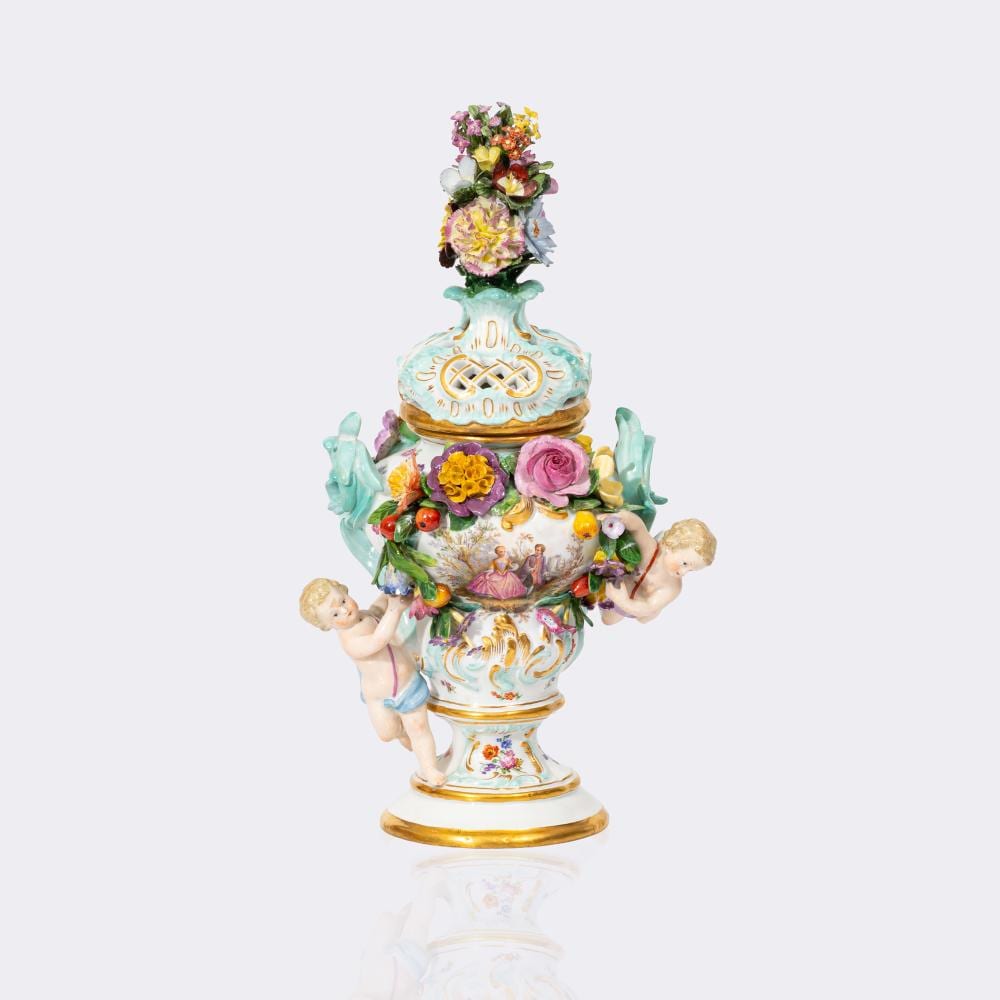
johann joachim kaendler fischbach sachsen 1706 meissen 1775 potpourri vase with cupids · Auktionshaus Stahl · 2026-06-05 johann joachim kaendler fischbach sachsen 1706 meissen 1775 potpourri vase with cupids Auktionshaus Stahl · 2026-06-05
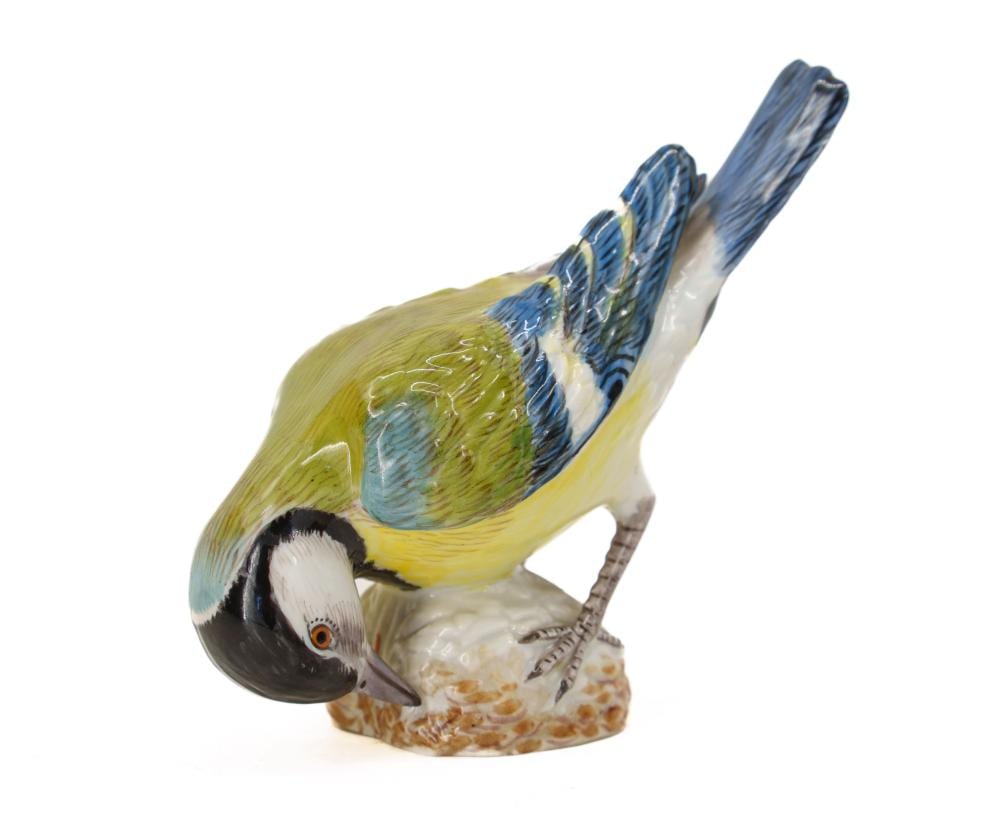
johann joachim k ndler 1706 1775 tit on nut meissen after 1934 · Pari Auktionen · 2026-04-04 johann joachim k ndler 1706 1775 tit on nut meissen after 1934 Pari Auktionen · 2026-04-04
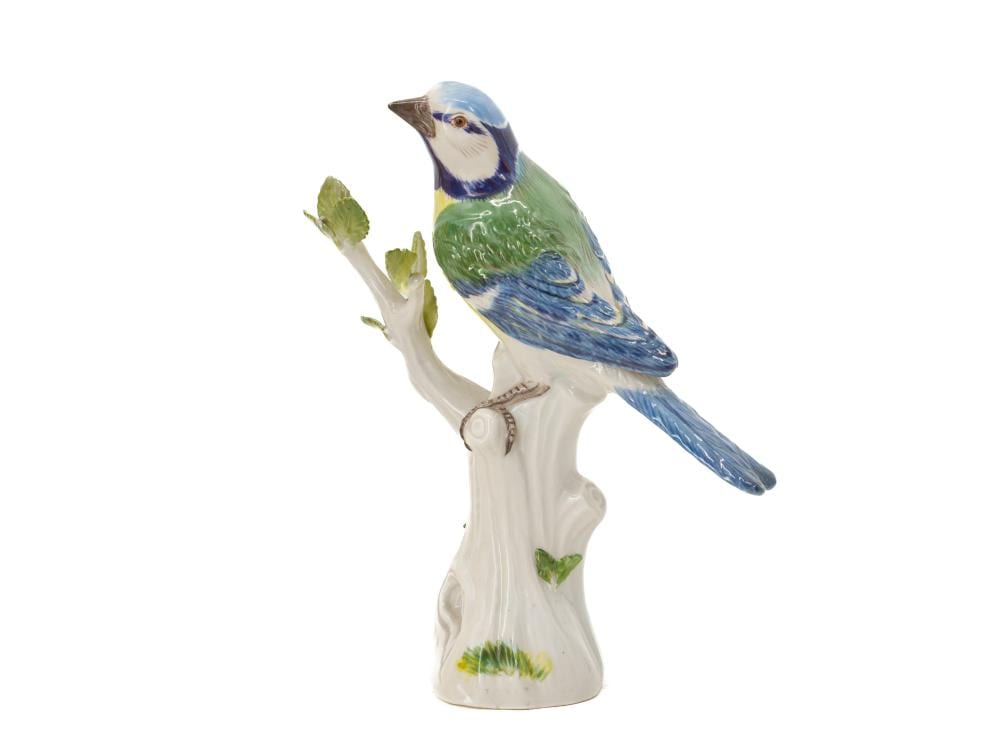
johann joachim k ndler 1706 1775 tit on a trunk meissen after 1934 · Pari Auktionen · 2026-04-04 johann joachim k ndler 1706 1775 tit on a trunk meissen after 1934 Pari Auktionen · 2026-04-04
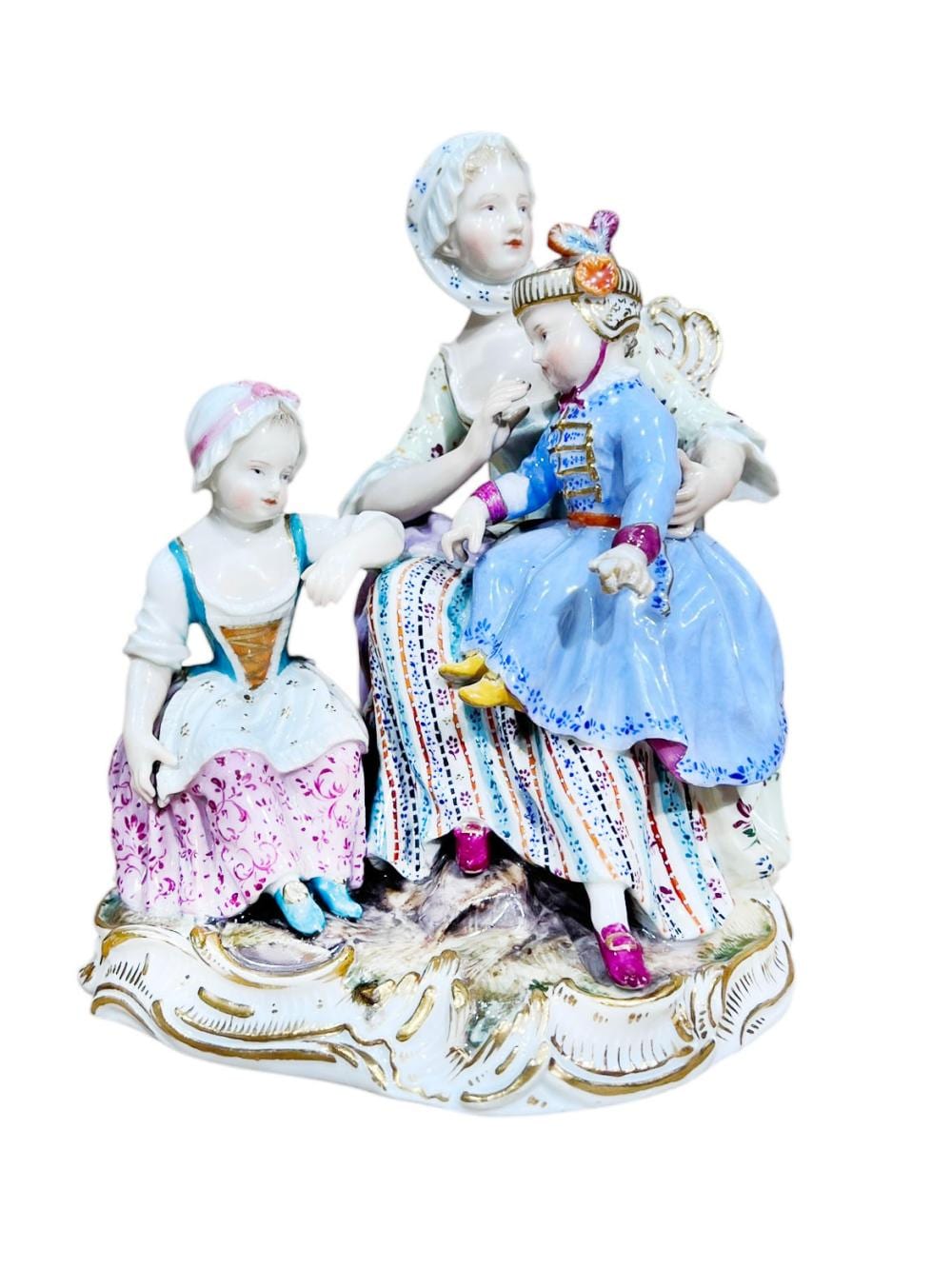
19th century meissen porcelain figural group 2379 johann joachim kaendler · Clar Auction · 2026-03-15 19th century meissen porcelain figural group 2379 johann joachim kaendler Clar Auction · 2026-03-15
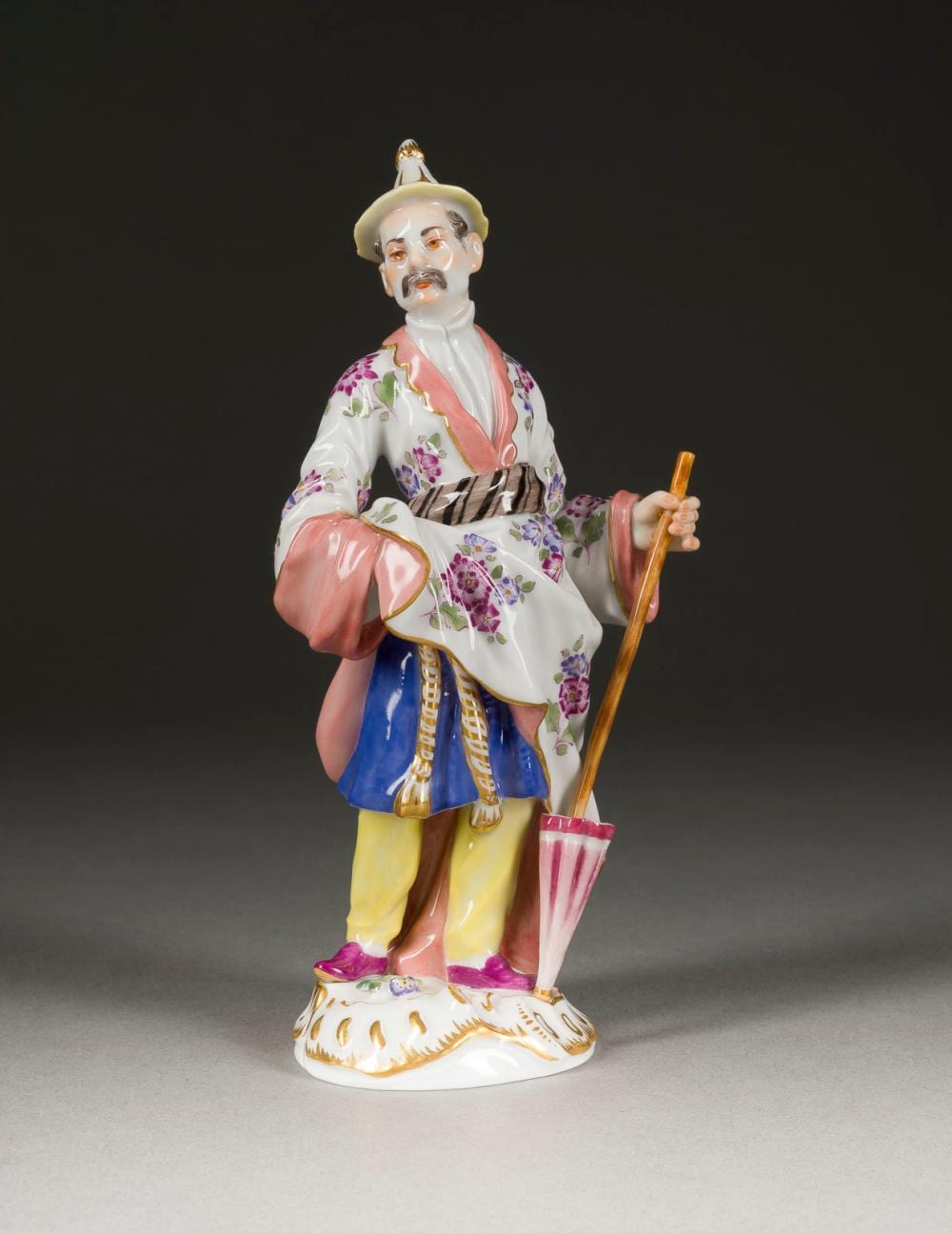
johann joachim kaendler japaner mit schirm · Hargesheimer Kunstauktionen Düsseldorf · 2026-03-12 johann joachim kaendler japaner mit schirm Hargesheimer Kunstauktionen Düsseldorf · 2026-03-12
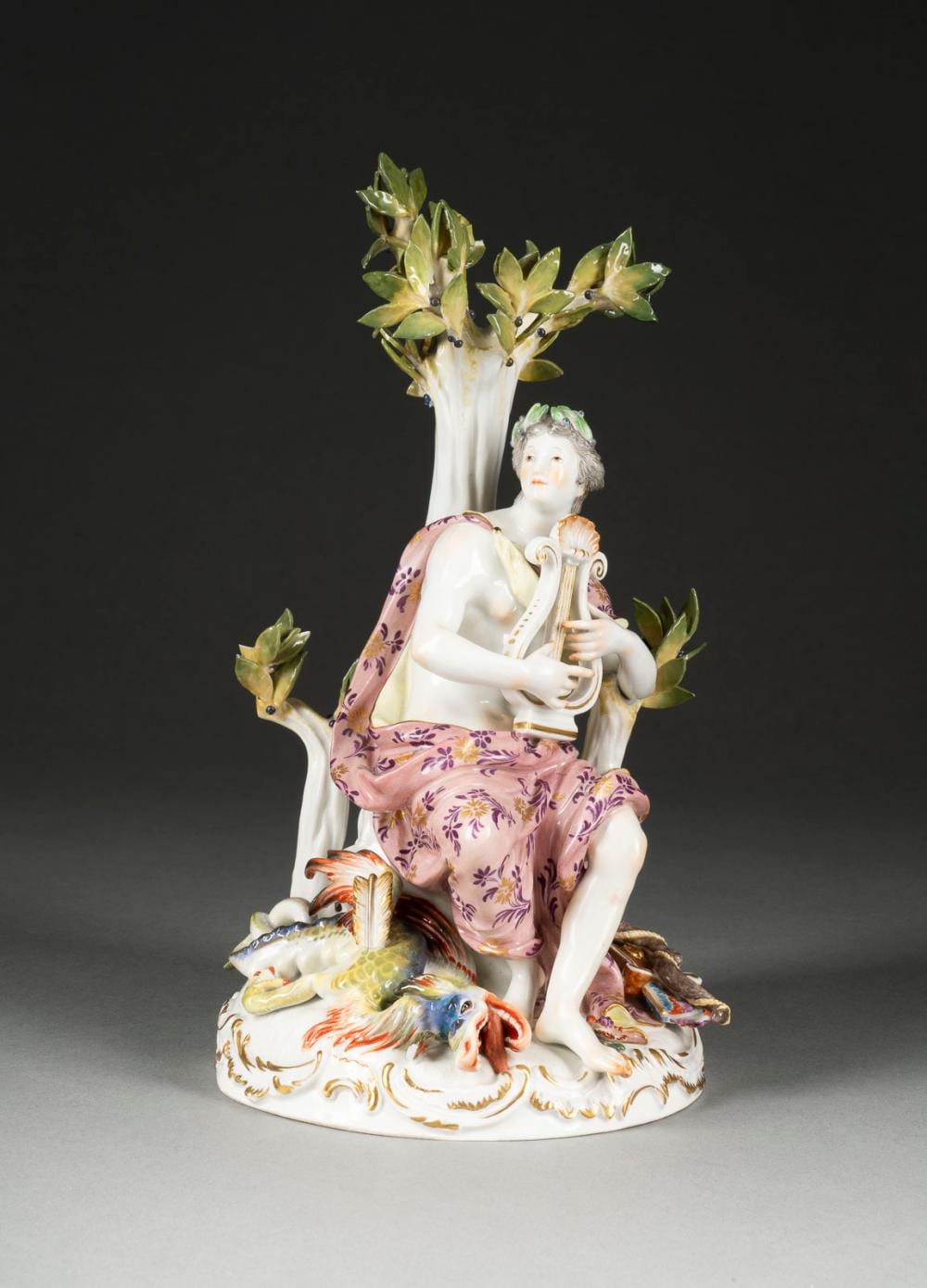
johann joachim kaendler apollo mit baum · Hargesheimer Kunstauktionen Düsseldorf · 2026-03-12 johann joachim kaendler apollo mit baum Hargesheimer Kunstauktionen Düsseldorf · 2026-03-12
Data basis
This page is built from Appraisily's public auction market index. Private transactions, incomplete sale feeds, and attribution changes may not be fully represented.
Artist value FAQ
How much is Johann Joachim Kändler worth?
Comparable public auction sales are the best starting point, but final value depends on the specific artwork, condition, size, medium, provenance, and attribution confidence.
Can Appraisily value my Johann Joachim Kändler artwork?
Yes. Appraisily can review photos, dimensions, signatures, condition, provenance, and comparable market data to prepare a current valuation.