Emilio Vedova Auction Prices and Value Guide
Emilio Vedova auction prices are tracked in Appraisily's artist market index, with source-directory coverage of 901 records. Use this page to review sold-lot activity, market context, and valuation factors before requesting a formal appraisal.
Emilio Vedova auction prices: quick answer
Emilio Vedova auction prices depend on medium, size, date, condition, provenance, edition details, attribution confidence, and recent comparable auction sales.
- Artist
- Emilio Vedova
- Source records
- 901
- Market update
- 2026-02-16
Emilio Vedova market snapshot
Emilio Vedova shows very deep auction liquidity with 540 tracked lots. Median realized sale is around $5,000. Category concentration is still broad or sparse. Last 12 months recorded 38 sales. Latest recorded sale: 2025-12-16.
Realized price distribution
- Under $1,000 (27.3% · 90 sales)
- $1,000 to $10,000 (32.4% · 107 sales)
- $10,000+ (40.3% · 133 sales)
- Median sale (last 12 months)
- $3,800
- Sales recorded (last 12 months)
- 38
- Median shift vs prior year
- +26.7%
- Latest recorded sale
- 2025-12-16
Artist context
About Emilio Vedova
Born
1919
Died
2006
Nationality
Italian
Emilio Vedova (1919–2006) was an Italian painter, sculptor, and printmaker regarded as one of the most significant figures in post-World War II Italian art. Born and based in Venice, he was largely self-taught and developed a distinctive gestural style marked by bold brushwork, dramatic contrasts of light and dark, and raw emotional intensity. His work emerged from the devastation of wartime Europe and aligned with Arte Informale, a European movement that rejected geometric abstraction in favor of spontaneous, material-driven mark-making. Vedova's politically charged canvases addressed themes of violence, resistance, and human suffering. He exhibited widely, including at the Venice Biennale, where he received the Grand Prize for Painting in 1960. He taught at the Accademia di Belle Arti in Venice (1975–1985) and the International Summer Academy in Salzburg (1965–1969, 1988). His work is held by the Museum of Modern Art, Tate, and other major international collections.
Arte InformalePost-War European ExpressionismOil on canvasMixed media on panelLithographWorks on paper (ink, charcoal)Abstract gestural compositionsPolitical and anti-war themesLight and darkness contrasts
Common works and media
Vedova worked across oil on canvas, mixed media on panel, ink and charcoal on paper, lithographs, and etchings. His most recognized works are large-scale gestural abstractions with heavy impasto. He also produced stage designs, political poster art, and experimental book illustrations. Later in his career he created immersive spatial installations combining painting and sculptural elements. Print editions — lithographs and screenprints from the 1960s and 1970s — appear regularly at auction. Works on paper, including drawings in ink, charcoal, and mixed media, represent a significant and accessible portion of his market.
Market and appraisal context
Emilio Vedova has a deep and active secondary market, with 576 auction lots recorded by Appraisily spanning from 1994 to March 2026, of which 349 carry realized prices. The price distribution is wide: works range from €30 at the low end (small prints and works on paper) to €11,500,000 at the high end for major canvases. The median realized price is €5,000, with an interquartile range of approximately €750–€32,000, reflecting a market split between accessible prints and drawings on one hand and high-value paintings from Vedova's peak post-war periods on the other. Recent auction activity shows 35 lots in the trailing twelve months and 49 in the prior twelve months, indicating a modestly contracting but still liquid market. Sale venues are concentrated in Italian salerooms — Finarte, Pananti Casa d'Aste, Cambi, Sant'Agostino, and others — with meaningful German and Swiss representation (Karl & Faber, Galerie Kornfeld, Dorotheum, AaG Auktionshaus am Grunewald) and blue-chip houses (Christie's, Sotheby's) appearing among the top-ten houses by volume. The strongest recent results include €33,000 for Paura n.4 (1961) at Finarte and €28,000 for an untitled 1985 work at Karl & Faber, both in December 2025. Late-career works and prints typically realize between €500 and €3,500. The market structure — a broad base of mid-tier Italian auction activity with occasional high-value works at international houses — is characteristic of established post-war Italian artists with strong domestic collector bases.
Auction categories and appraisal factors
Common auction categories
- Oil on canvas
- Mixed media on panel
- Lithograph
- Works on paper (ink, charcoal)
- Etching
Value drivers
- Medium and scale: large-format canvases from the 1950s–1970s generally command the strongest prices at auction
- Period: works from his major post-war periods (1950s–1970s) are more sought after than late works
- Provenance: documented exhibition history, particularly Venice Biennale or major museum loans, adds value
- Condition: heavily impastoed surfaces and mixed-media construction can present conservation concerns that affect value
- Prints and works on paper offer a more accessible segment of the market and appear regularly at auction
- Period and series: works from the 1950s–1970s (e.g., Paura, Impossibilità, Scontro di situazioni cycles) command significantly higher prices than late-career or posthumously offered works. Recent auction data confirms 1940s–1960s dated lots achieve the top of the observed range.
Appraisal caveats
- Vedova's auction market is concentrated in European salerooms, particularly in Italy; results from other regions may be limited
- Authentication should reference catalogue raisonné records or expert committee opinion
- The artist's style evolved considerably across five decades; dating and period attribution significantly affect value
- The €11,500,000 maximum price is an outlier; the median (€5,000) and p75 (€32,000) are far more representative of the typical market. Do not use the maximum as a benchmark for any individual work without confirming the specific lot details.
Evidence
Sources for artist context
This source-grounded artist context passed Appraisily's promotion threshold: high confidence, strong sources.
- Wikidata library authority
- Wikipedia wikipedia
- VIAF library authority
- Library of Congress library authority
- The Museum of Modern Art museum or university
- Tate museum or university
Recent sale records
Selected public auction records currently in the Appraisily lot index. Use them as market context, then request a formal appraisal before you sell, insure, or donate.
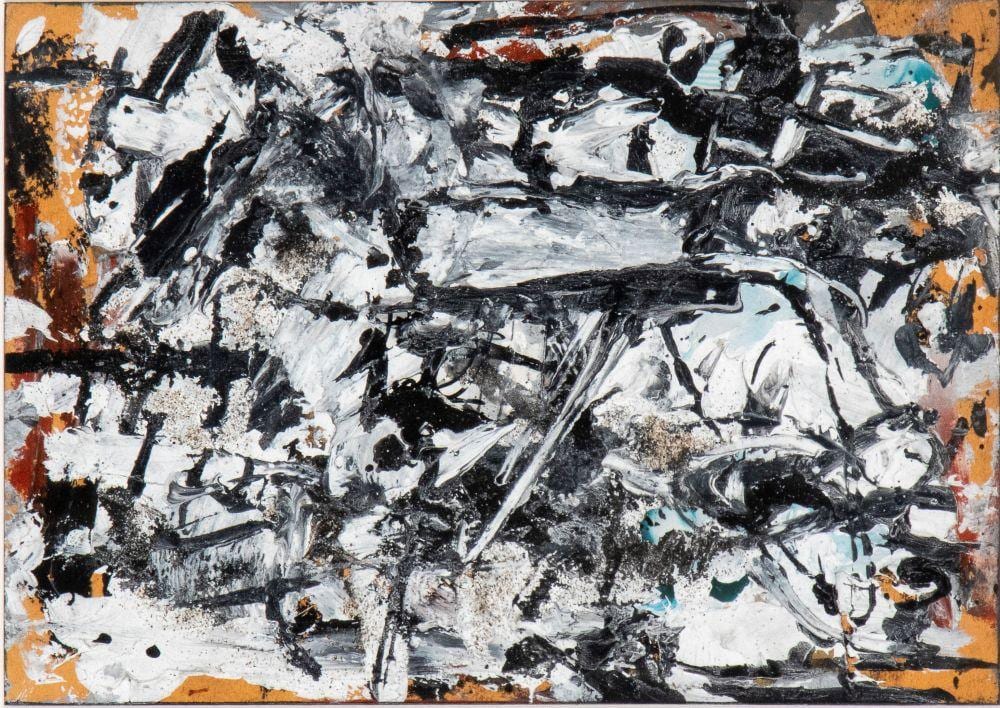
emilio vedova venezia 1916 2006 untitled 1986 · Bertolami Fine Art s.r.l. · 2026-05-28 emilio vedova venezia 1916 2006 untitled 1986 Bertolami Fine Art s.r.l. · 2026-05-28
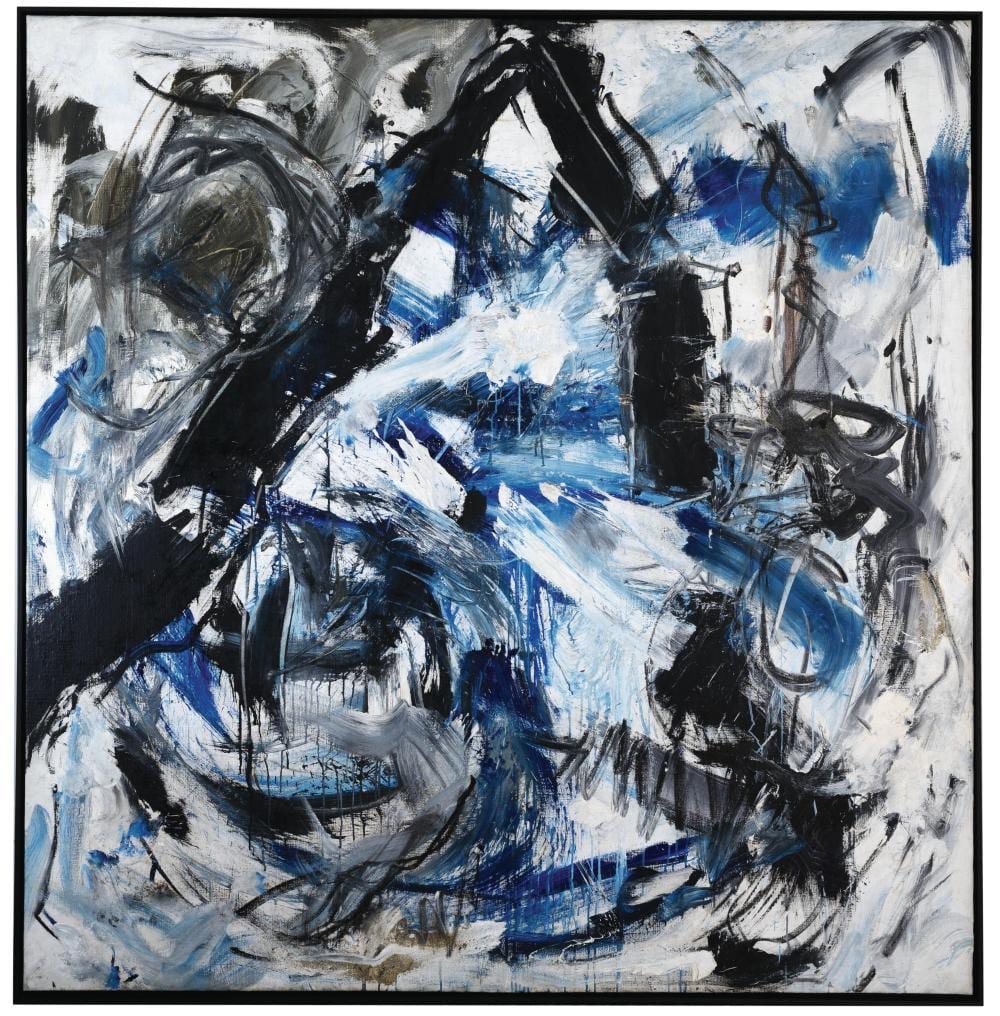
emilio vedova · Dorotheum · 2026-05-20 emilio vedova Dorotheum · 2026-05-20
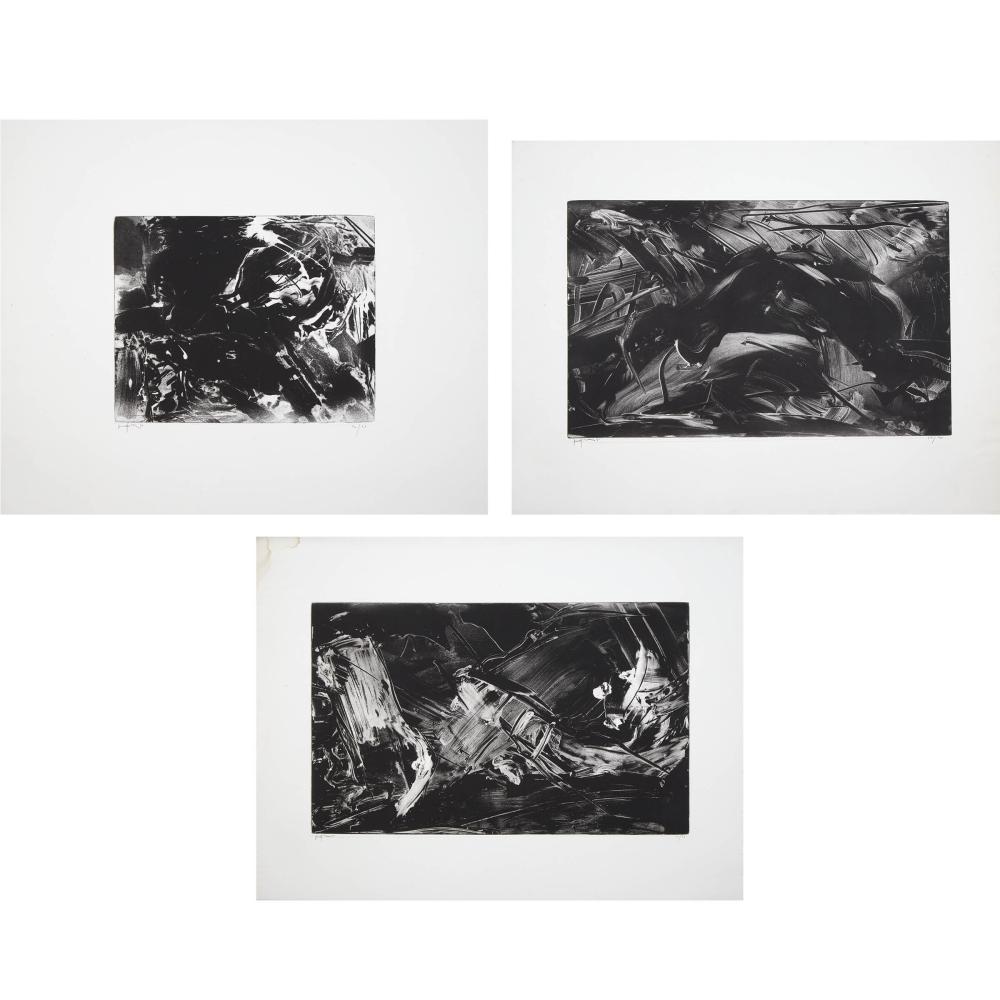
emilio vedova 1919 2006 22 24 27 1990 · Waddington's · 2026-04-30 emilio vedova 1919 2006 22 24 27 1990 Waddington's · 2026-04-30
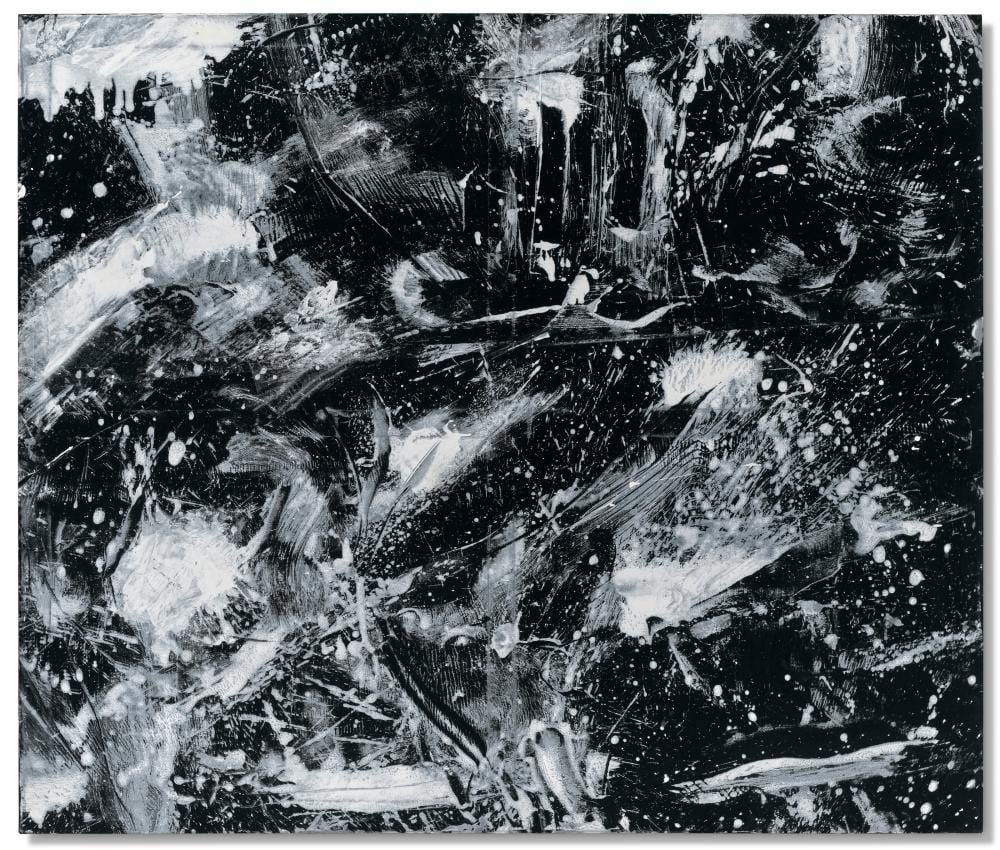
emilio vedova 1919 2006 in continuum compenetrazioni traslati 87 · Christie's · 2026-04-15 emilio vedova 1919 2006 in continuum compenetrazioni traslati 87 Christie's · 2026-04-15
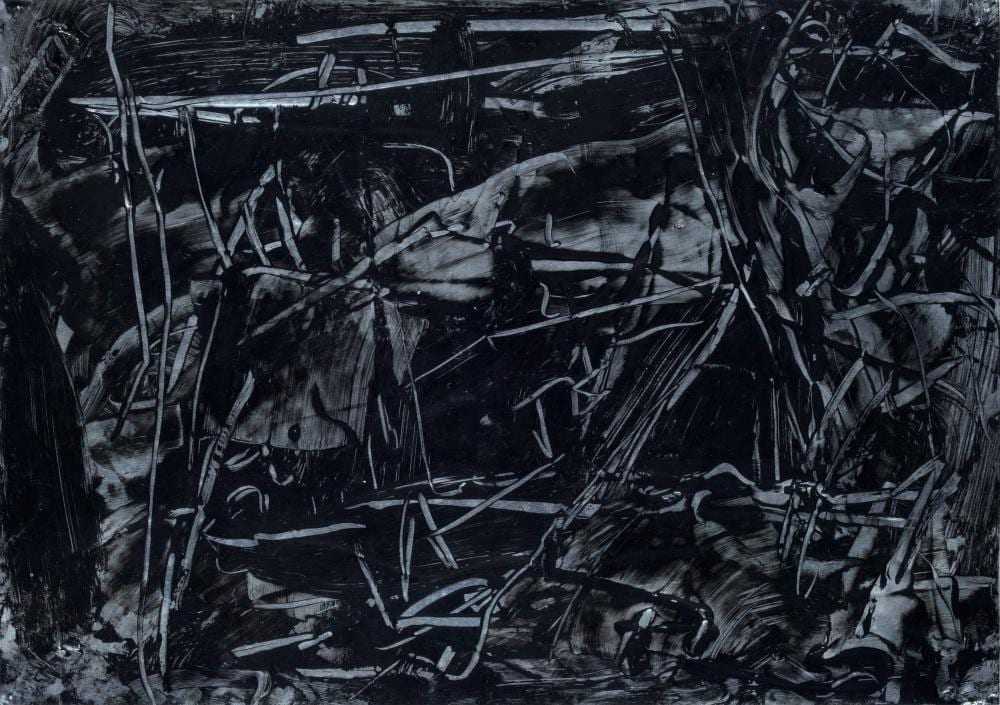
emilio vedova venezia 1919 2006 partitura b 1 4 1991 · Pananti Casa D'Aste SRL · 2026-03-27 emilio vedova venezia 1919 2006 partitura b 1 4 1991 Pananti Casa D'Aste SRL · 2026-03-27
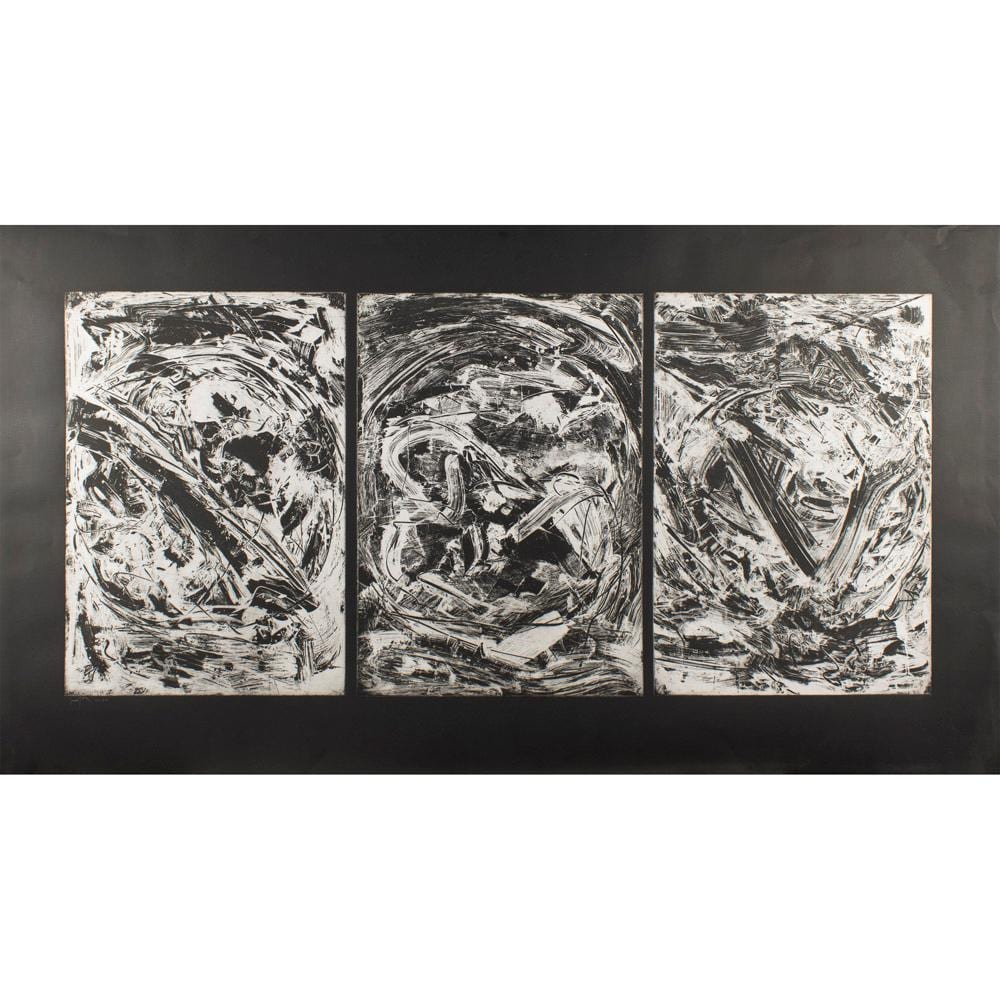
emilio vedova venezia 1919 2006 · Colasanti Casa d'Aste · 2026-03-19 emilio vedova venezia 1919 2006 Colasanti Casa d'Aste · 2026-03-19
Data basis
This page is built from Appraisily's public auction market index. Private transactions, incomplete sale feeds, and attribution changes may not be fully represented.
Artist value FAQ
How much is Emilio Vedova worth?
Comparable public auction sales are the best starting point, but final value depends on the specific artwork, condition, size, medium, provenance, and attribution confidence.
Can Appraisily value my Emilio Vedova artwork?
Yes. Appraisily can review photos, dimensions, signatures, condition, provenance, and comparable market data to prepare a current valuation.