Christopher Richard Wynne Nevinson Auction Prices and Value Guide
Christopher Richard Wynne Nevinson auction prices are tracked in Appraisily's artist market index, with source-directory coverage of 802 records. Use this page to review sold-lot activity, market context, and valuation factors before requesting a formal appraisal.
Christopher Richard Wynne Nevinson auction prices: quick answer
Christopher Richard Wynne Nevinson auction prices depend on medium, size, date, condition, provenance, edition details, attribution confidence, and recent comparable auction sales.
- Artist
- Christopher Richard Wynne Nevinson
- Source records
- 802
- Market update
- 2026-02-16
Christopher Richard Wynne Nevinson market snapshot
Christopher Richard Wynne Nevinson shows deep auction liquidity with 266 tracked lots. Median realized sale is around $4,375. Category concentration is still broad or sparse. Last 12 months recorded 6 sales. Latest recorded sale: 2026-01-11.
Realized price distribution
- Under $1,000 (22.1% · 46 sales)
- $1,000 to $10,000 (45.7% · 95 sales)
- $10,000+ (32.2% · 67 sales)
- Median sale (last 12 months)
- $1,905
- Sales recorded (last 12 months)
- 6
- Median shift vs prior year
- 0.0%
- Latest recorded sale
- 2026-01-11
Artist context
About Christopher Richard Wynne Nevinson
Born
1889
Died
1946
Nationality
British, English
Also known as
C. R. W. Nevinson, Richard Nevinson
Christopher Richard Wynne Nevinson (1889–1946) was an English painter, printmaker, and etcher who became one of the most recognized British war artists of the First World War. Known professionally by his initials C. R. W. Nevinson, he studied at the Slade School of Fine Art in London before engaging with the Futurist movement and briefly associating with the Vorticist circle in the years leading up to 1914. His wartime experiences — first as a volunteer ambulance driver in France and later as an official war artist — produced some of the most powerful and technically innovative depictions of modern warfare. Works such as his machine-age battlefields and stark urban scenes established his reputation. After the war, Nevinson turned to cityscapes, landscapes, and figure subjects, though he never regained the critical prominence of his pre-1918 output. His work is held by major institutions including Tate, the Museum of Modern Art in New York, and the Imperial War Museum.
FuturismVorticismOil paintingEtchingLithographyDrypointWar and battle scenesUrban and industrial landscapesCityscapes and streets
Common works and media
Collectors most frequently encounter Nevinson's work in the form of etchings and drypoint prints depicting war scenes, industrial landscapes, and Parisian or London cityscapes. Oil paintings on canvas span both his wartime period and later figurative work. Lithographs — including posters and book illustrations — also appear on the market. Subjects range from battlefield tableaux and ruined towns to harbors, roads, and urban panoramas. Many prints were produced in signed editions, and untitled or later-state impressions also circulate.
Market and appraisal context
C. R. W. Nevinson has a well-established secondary market with 270 auction lots recorded over more than two decades (2003–2026), of which 211 carry realized prices. The market is anchored by top-tier houses — Sotheby's and Christie's dominate the upper end — with consistent mid-tier activity at Forum Auctions, Dreweatts, Bonhams, Mallams, and Olympia Auctions. Price dispersion is very wide: the recorded range spans $50 at the low end (small prints) to $1,869,000 at the top (major oil paintings), with a median of $4,375 and a 75th percentile of $16,800. This spread reflects the sharp stratification between Nevinson's editioned graphic work, which trades frequently at four-figure sums, and his rare large-scale oils, which command six- and seven-figure prices at Sotheby's and Christie's. Recent 12-month activity (6 priced lots) is slightly below the prior 12-month window (9 priced lots), suggesting modest but stable liquidity. Confirmed high-value recent sales include Boulogne at Sotheby's (£54,000, November 2024), an untitled work at Olympia Auctions (£28,000, February 2026), and Among the Bathers at Sotheby's (£20,400, June 2024). Prints such as Third Avenue (£2,286) and Venice Night (£1,200) illustrate the more accessible tier. The mix of London and international houses confirms sustained cross-market demand.
Auction categories and appraisal factors
Common auction categories
- Oil painting
- Etching
- Lithography
- Drypoint
Value drivers
- Medium: oil paintings generally command higher prices than prints or works on paper
- Subject: iconic WWI war scenes are most sought after by collectors
- Provenance and exhibition history significantly affect value
- Condition, edition number (for prints), and attribution clarity are key factors
- Medium: oil paintings on canvas command the highest prices; etchings and drypoints trade at a fraction but offer higher turnover
- Period: works from 1914–1918 (war artist period) are the most commercially significant; postwar works are more variable in demand
Appraisal caveats
- Market values vary widely between major oil paintings and editioned prints; condition and provenance should be verified by a specialist
- Attribution of unsigned or undocumented prints requires expert connoisseurship
- Nevinson produced a large body of graphic work; not all prints carry the same rarity or value
- Several lots in the recent sample are attributed to other artists named Christopher (MacDonald, Meadows, Clark, Huntington, Fox Payne) and do not relate to C. R. W. Nevinson; these inflate the lot count but are filtered from price statistics
Evidence
Sources for artist context
This source-grounded artist context passed Appraisily's promotion threshold: high confidence, strong sources.
- Library of Congress library authority
- RKD — Netherlands Institute for Art History library authority
- VIAF library authority
- Wikidata library authority
- Tate museum or university
- The Museum of Modern Art museum or university
Recent sale records
Selected public auction records currently in the Appraisily lot index. Use them as market context, then request a formal appraisal before you sell, insure, or donate.
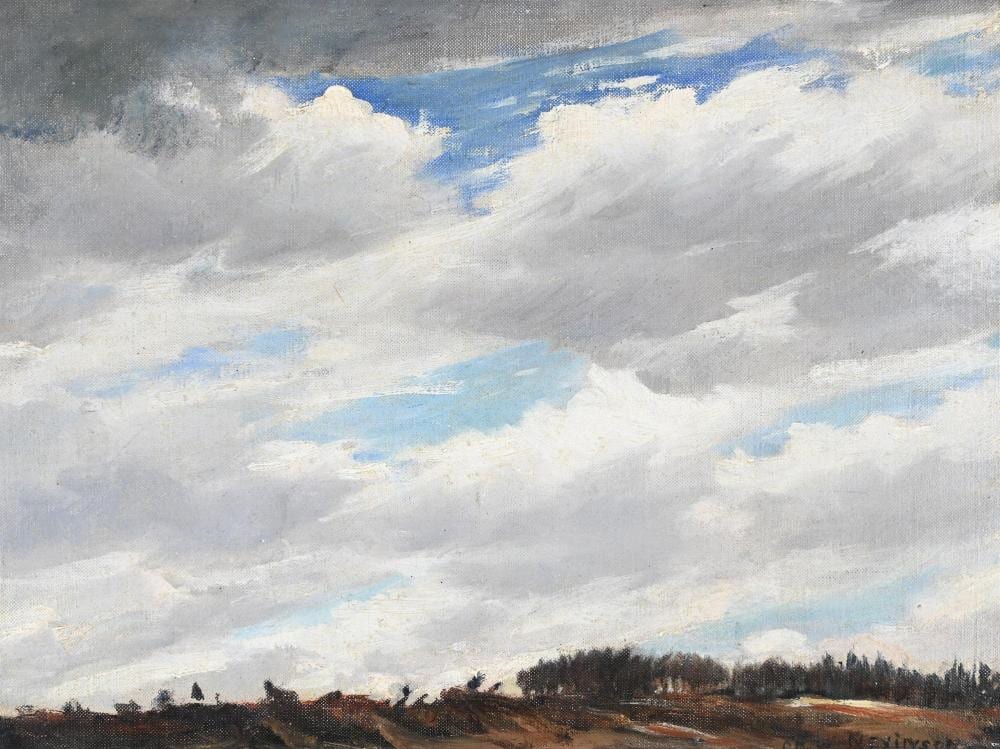
christopher richard wynne nevinson british 1889 1946 cloud study · Dreweatts 1759 Fine Sales · 2026-07-08 christopher richard wynne nevinson british 1889 1946 cloud study Dreweatts 1759 Fine Sales · 2026-07-08
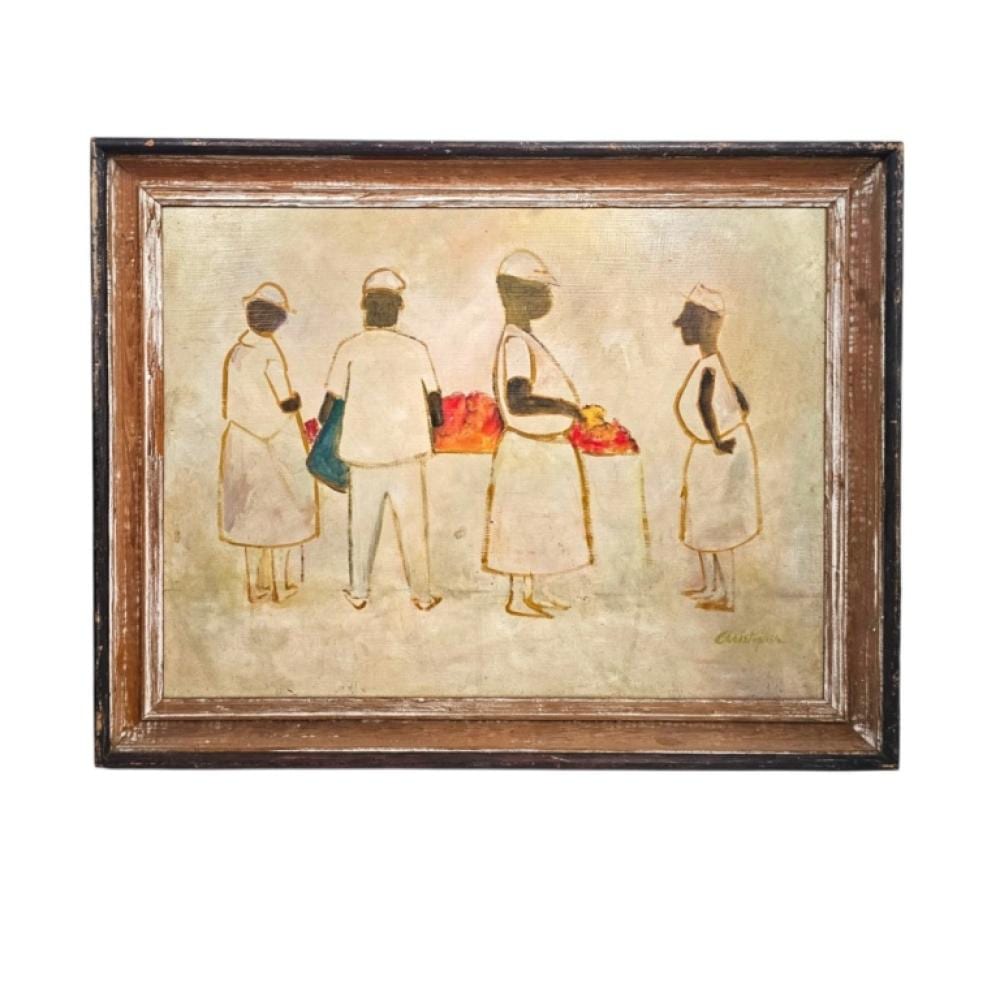
christopher black americana oil board market · Orion Antiques · 2026-05-19 christopher black americana oil board market Orion Antiques · 2026-05-19
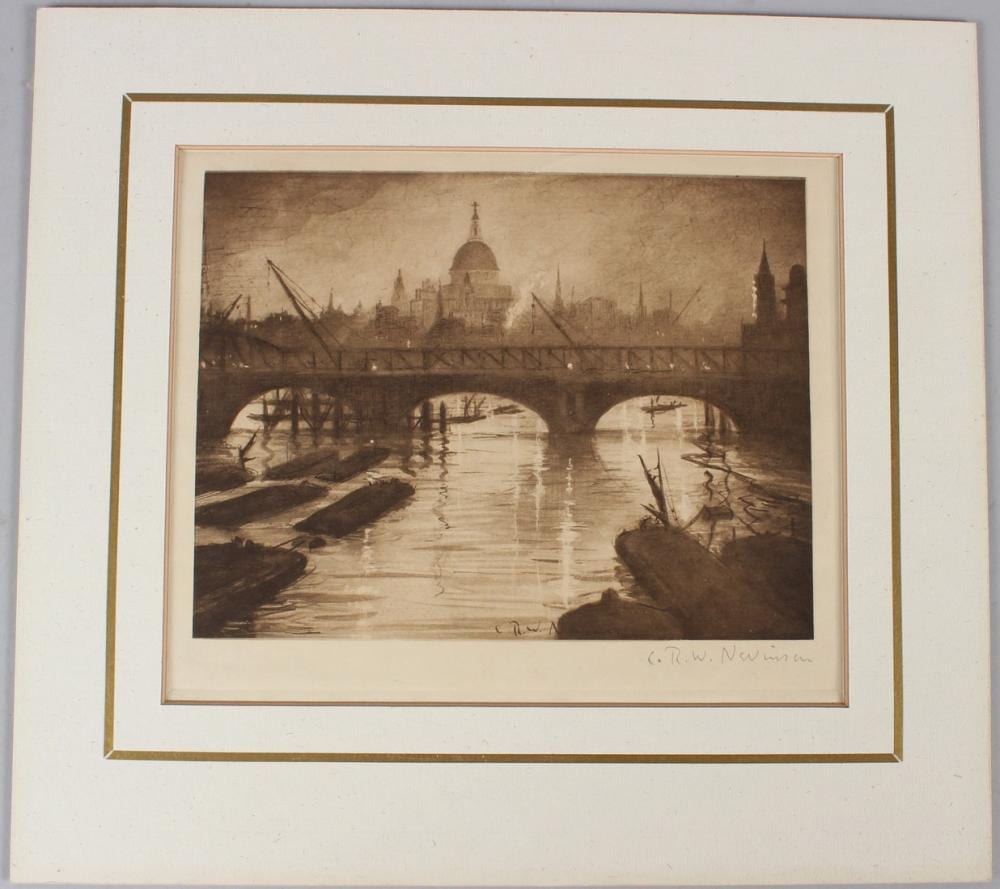
christopher richard wynne nevinson the thames looking towards st pauls heliogravure signed in pencil unf · John Nicholson's Fine Art Auctioneers & Valuers · 2026-05-13 christopher richard wynne nevinson the thames looking towards st pauls heliogravure signed in pencil unf John Nicholson's Fine Art Auctioneers & Valuers · 2026-05-13
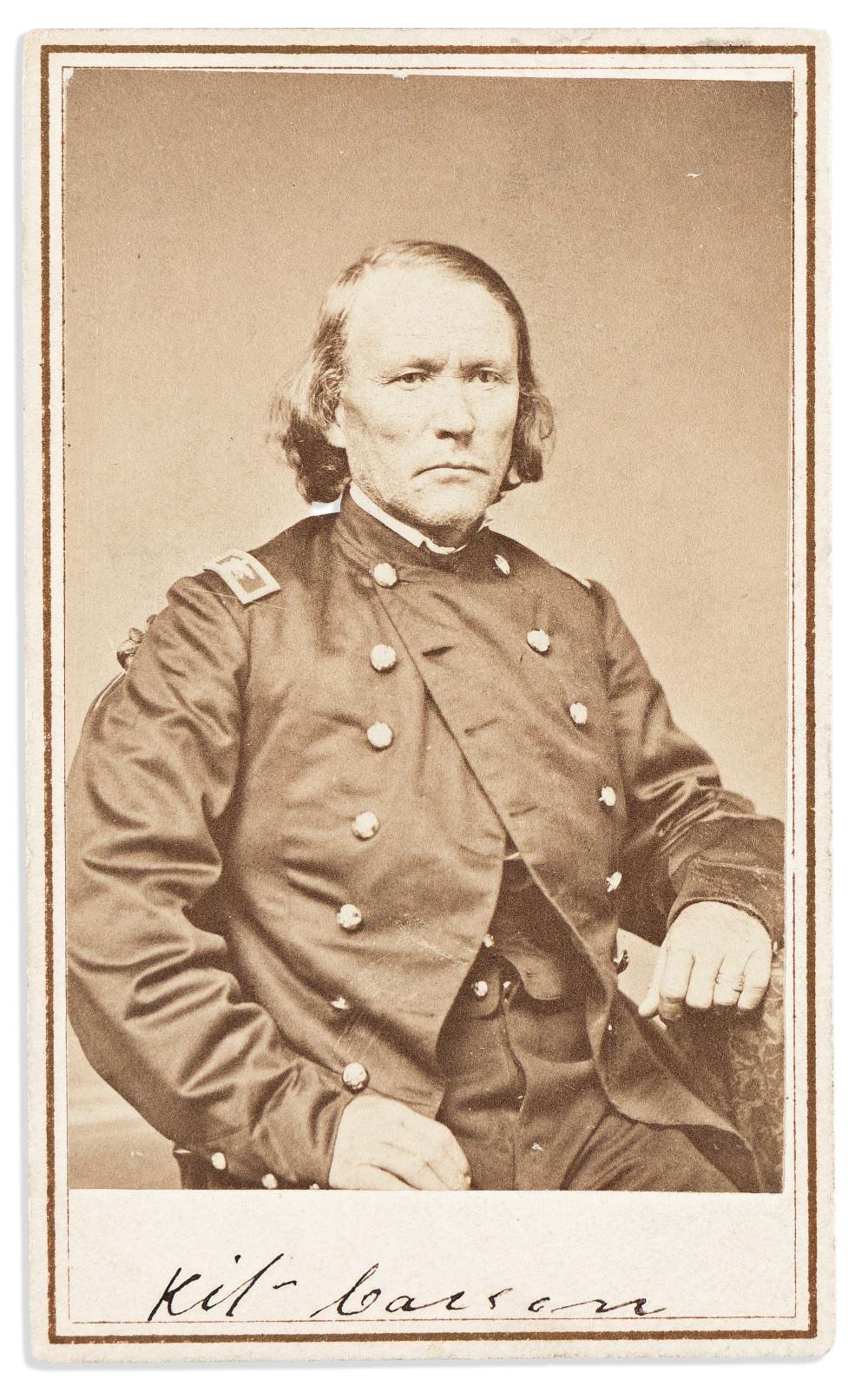
christopher kit carson photograph signed kit carson · Swann Auction Galleries · 2026-05-07 christopher kit carson photograph signed kit carson Swann Auction Galleries · 2026-05-07
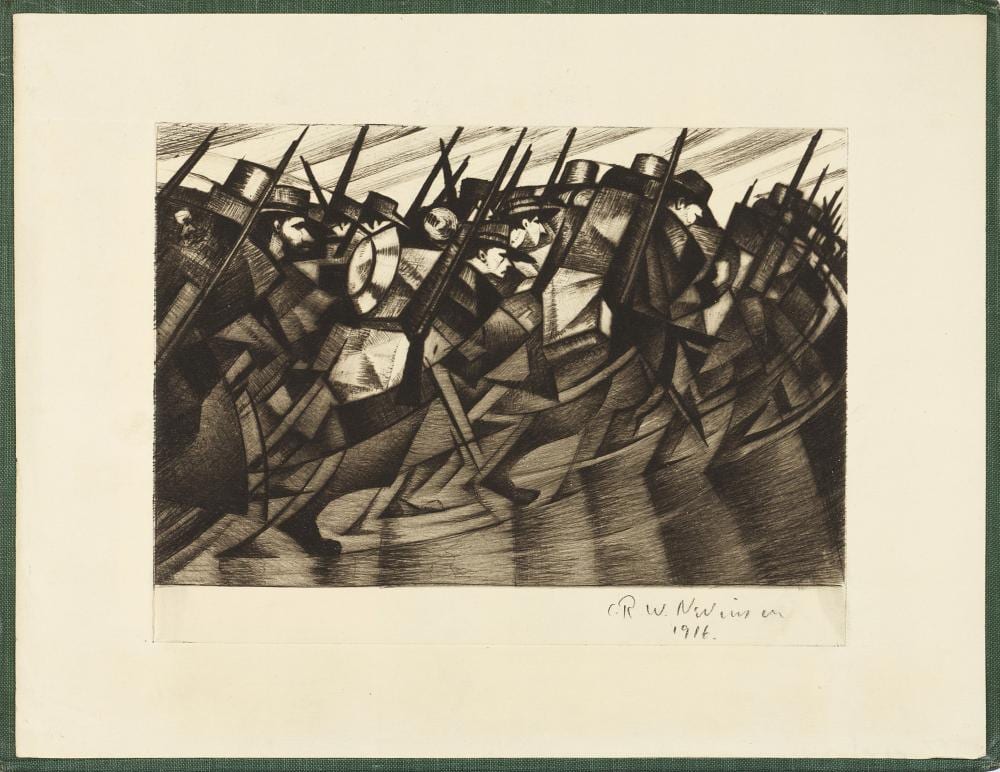
christopher richard wynne nevinson british 1889 1946 · Olympia Auctions · 2026-02-11 christopher richard wynne nevinson british 1889 1946 Olympia Auctions · 2026-02-11
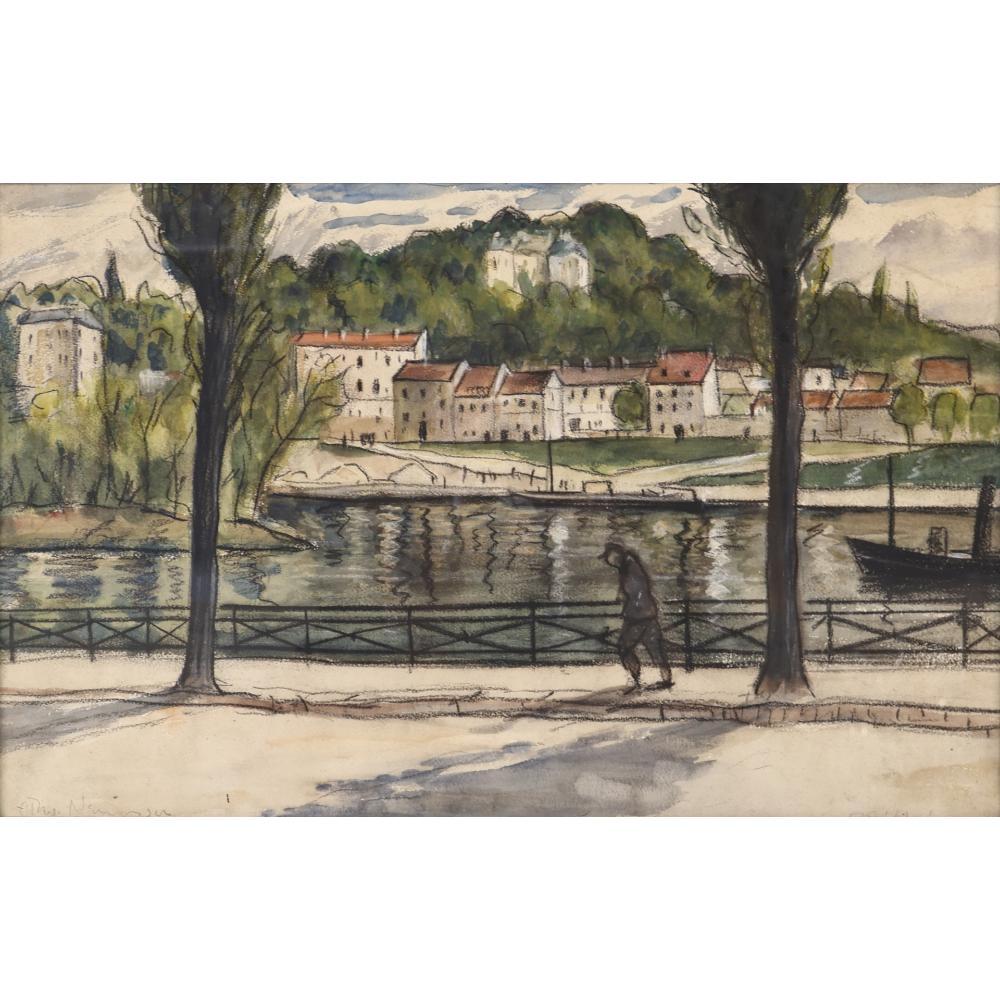
c r w nevinson british 1889 1946 · Clarke Auction Gallery · 2026-01-11 c r w nevinson british 1889 1946 Clarke Auction Gallery · 2026-01-11
Don't price your Christopher Richard Wynne Nevinson from these lots
Data basis
This page is built from Appraisily's public auction market index. Private transactions, incomplete sale feeds, and attribution changes may not be fully represented.
LLM-readable Markdown summary for Christopher Richard Wynne Nevinson
Artist value FAQ
How much is Christopher Richard Wynne Nevinson worth?
Comparable public auction sales are the best starting point, but final value depends on the specific artwork, condition, size, medium, provenance, and attribution confidence.
Can Appraisily value my Christopher Richard Wynne Nevinson artwork?
Yes. Appraisily can review photos, dimensions, signatures, condition, provenance, and comparable market data to prepare a current valuation.