Anton van Dyck Auction Prices and Value Guide
Anton van Dyck auction prices are tracked in Appraisily's artist market index, with source-directory coverage of 2,144 records. Use this page to review sold-lot activity, market context, and valuation factors before requesting a formal appraisal.
Anton van Dyck auction prices: quick answer
Anton van Dyck auction prices depend on medium, size, date, condition, provenance, edition details, attribution confidence, and recent comparable auction sales.
- Artist
- Anton van Dyck
- Source records
- 2,144
- Market update
- 2026-02-16
Anton van Dyck market snapshot
Anton van Dyck shows solid auction liquidity with 66 tracked lots. Median realized sale is around $1,700. Category concentration is still broad or sparse. Last 12 months recorded 2 sales. Latest recorded sale: 2025-09-29.
Realized price distribution
- Under $1,000 (29.7% · 11 sales)
- $1,000 to $10,000 (54.1% · 20 sales)
- $10,000+ (16.2% · 6 sales)
- Median sale (last 12 months)
- $0
- Sales recorded (last 12 months)
- 2
- Median shift vs prior year
- 0.0%
- Latest recorded sale
- 2025-09-29
Artist context
About Anton van Dyck


Born
1599
Died
1641
Nationality
Flemish
Also known as
Anthony van Dyck, Antoon van Dyck, Anthonie van Dyck, Antoine van Dyck
Anton van Dyck (1599–1641), widely known as Anthony van Dyck, was a Flemish Baroque painter and printmaker born in Antwerp. His career connected the Spanish Netherlands, Italy, and England, where he became a leading court portraitist. In 1632 Charles I called him to London, knighted him, and retained his services at court; Van Dyck remained active in England until his death in Blackfriars in 1641. Portraiture is central to his public identity, particularly images associated with elite and court patrons, while institutional authority records also identify him as an engraver. Collectors may encounter his name under numerous historical spellings, including Antoon, Anthonie, Antoine, and Anthony Vandyke. Those variants matter when matching museum records, prints, publications, and auction listings. His established place within Flemish Baroque art, international career, royal patronage, and substantial presence in public collections make careful identity and attribution research especially important.
BaroqueFlemish BaroqueAntwerp SchoolPaintingPrintmaking and engravingWorks on paper and printsPortraitureCourt portraiture
Common works and media
Auction and appraisal searches most commonly encounter paintings, portraits, works on paper, prints, and engravings connected with Van Dyck's name. Matched auction data also contains broader categories such as editions, decorative art, sculpture, and mixed media. Those broader matches require particular scrutiny because a category label alone does not establish that an object belongs to Van Dyck's documented body of work. For prints and editions, examine inscriptions, impressions, states, edition information, paper, and condition; for paintings, attribution wording, provenance, restoration, surface quality, dimensions, subject, and date are especially relevant.
Market and appraisal context
Works listed under Van Dyck's name should be compared by medium, dimensions, date, subject, condition, restoration history, provenance, inscriptions, and attribution wording. Catalogue references and exhibition history can provide additional context, while edition details matter for prints and other multiples. Recent public sales may help establish comparable evidence, but broad name matching can place paintings, works on paper, prints, editions, and less typical objects in the same dataset. These categories should not be treated as equivalent or as proof of authorship. Reported auction totals may also differ in their treatment of buyer premiums and fees. A defensible appraisal therefore depends on closely comparable lots and current examination rather than a general artist-level median or unsupported price forecast.
Auction categories and appraisal factors
Common auction categories
- Fine art and paintings
- Works on paper and prints
- Sculpture and mixed media
- Decorative art and editions
Value drivers
- Medium, dimensions, date, and position within the artist's career
- Condition, restoration history, and surface quality
- Signature, inscriptions, edition details, and attribution confidence
- Provenance, exhibition history, and catalogue references
- Subject matter, rarity, current demand, and recent comparable auction sales
Appraisal caveats
- Treat public auction records as starting points rather than final appraisals; source: https://appraisily.com/artist/anton-van-dyck/.
- Compare records on a like-for-like basis because reported totals may handle buyer premiums and fees differently; source: https://appraisily.com/artist/anton-van-dyck/.
- Confirm authorship, attribution wording, condition, and restoration before relying on matched comparables; source: https://appraisily.com/artist/anton-van-dyck/.
- Private sales, incomplete auction feeds, and later attribution changes may not appear in the available record set; source: https://appraisily.com/artist/anton-van-dyck/.
Evidence
Sources for artist context
This source-grounded artist context passed Appraisily's promotion threshold: high confidence, strong sources.
Recent sale records
Selected public auction records currently in the Appraisily lot index. Use them as market context, then request a formal appraisal before you sell, insure, or donate.
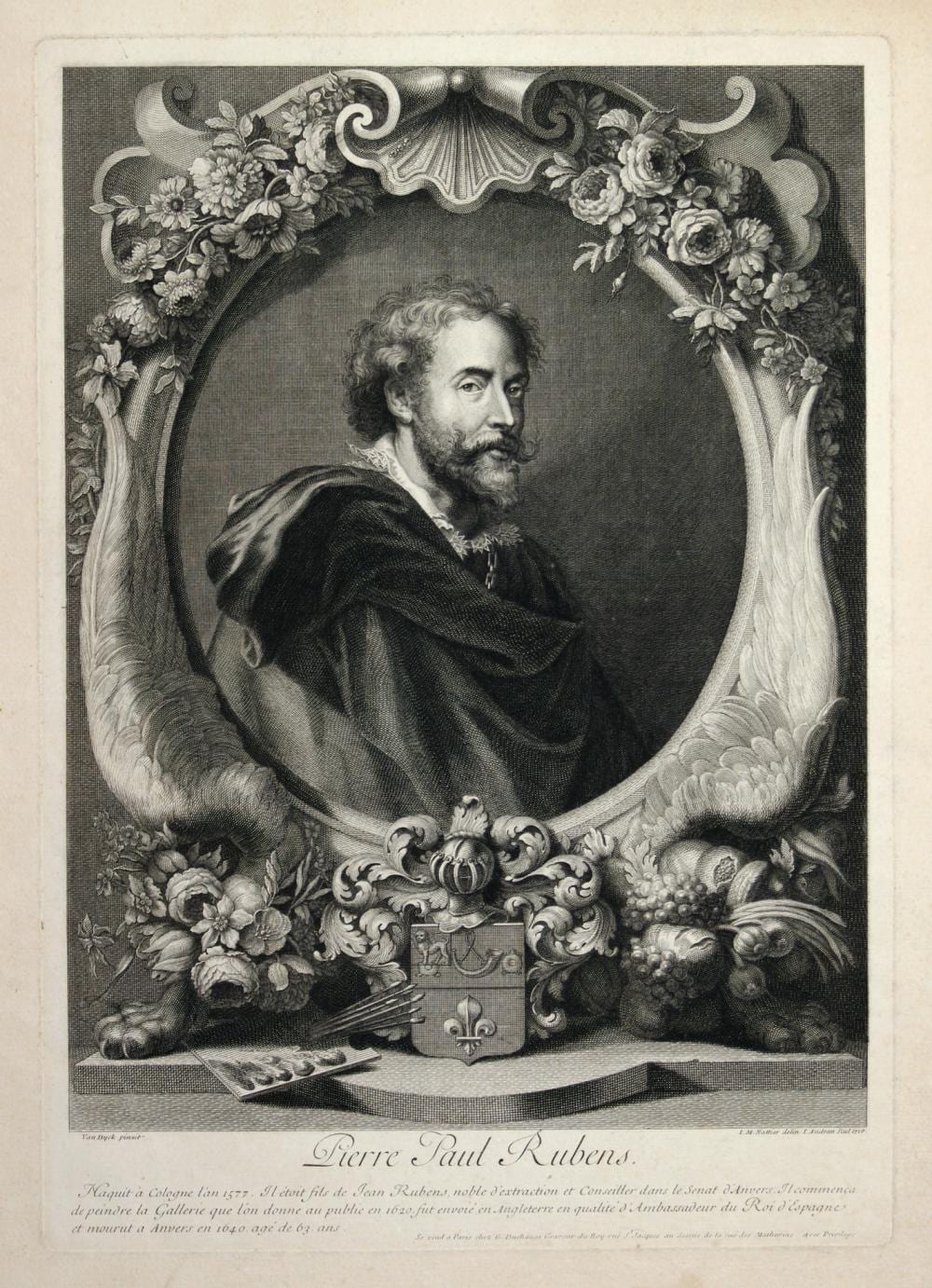
jean audran portrait of pierre paul rubens after anton van dyck · Bertolami Fine Art s.r.l. · 2026-04-29 jean audran portrait of pierre paul rubens after anton van dyck Bertolami Fine Art s.r.l. · 2026-04-29
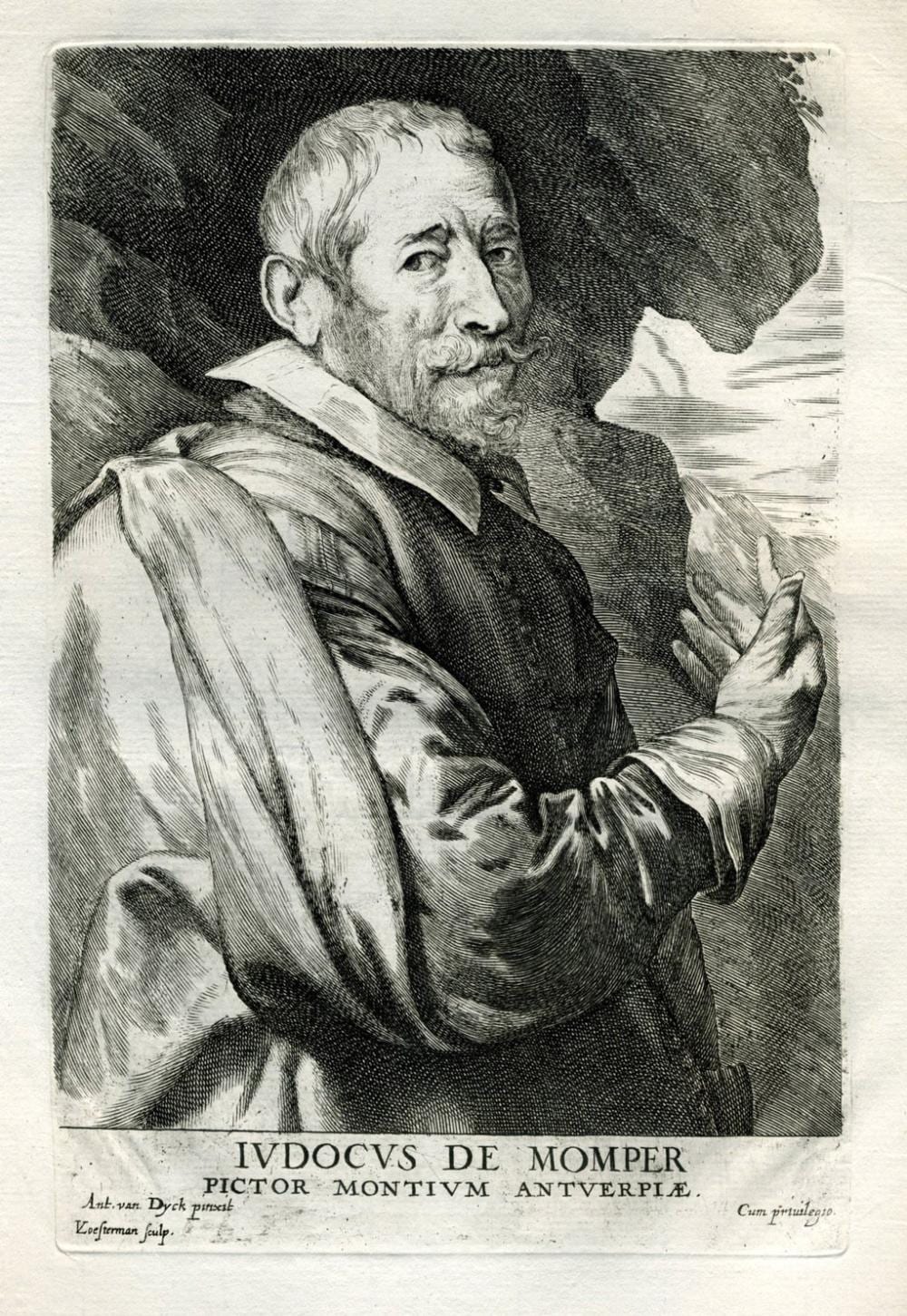
lucas vorsterman iudocus de momper after anton van dyck · Bertolami Fine Art s.r.l. · 2026-04-29 lucas vorsterman iudocus de momper after anton van dyck Bertolami Fine Art s.r.l. · 2026-04-29
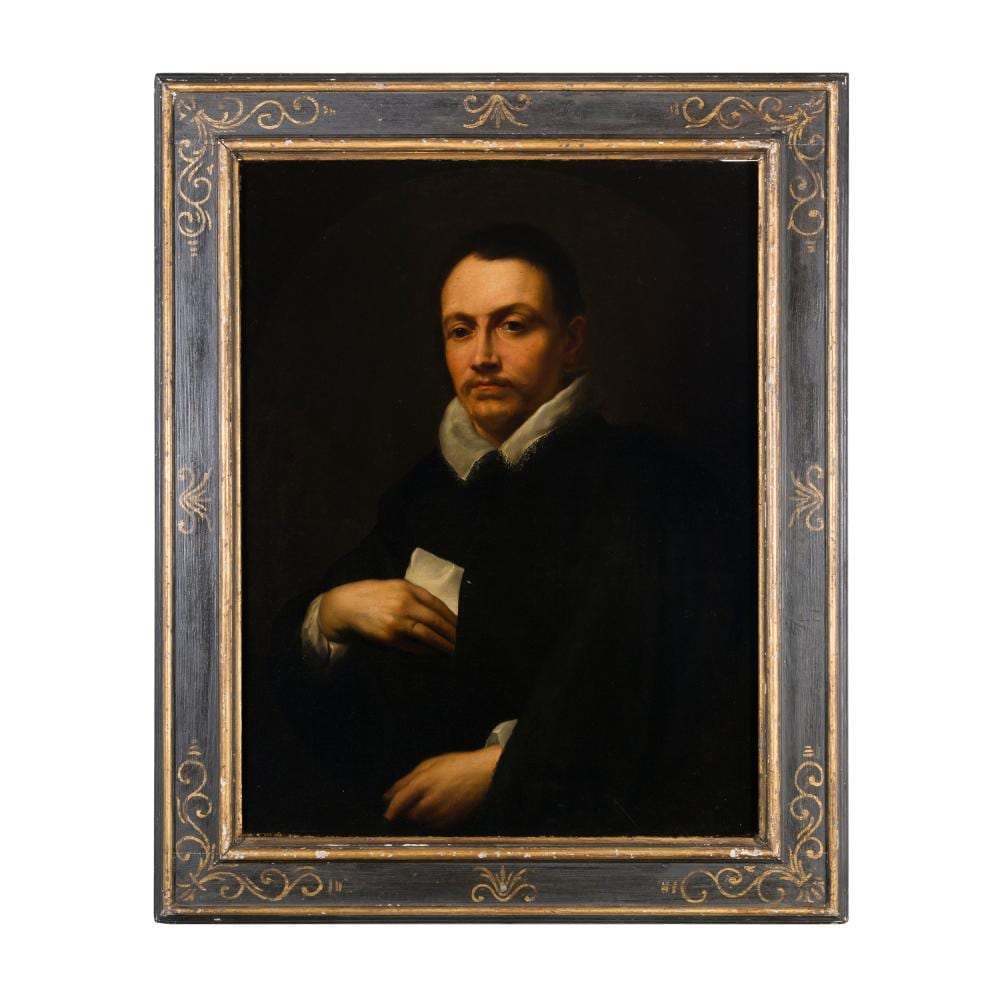
anton van dyck anversa 1599 londra 1641 bottega di · Lucas Aste · 2025-09-24 anton van dyck anversa 1599 londra 1641 bottega di Lucas Aste · 2025-09-24
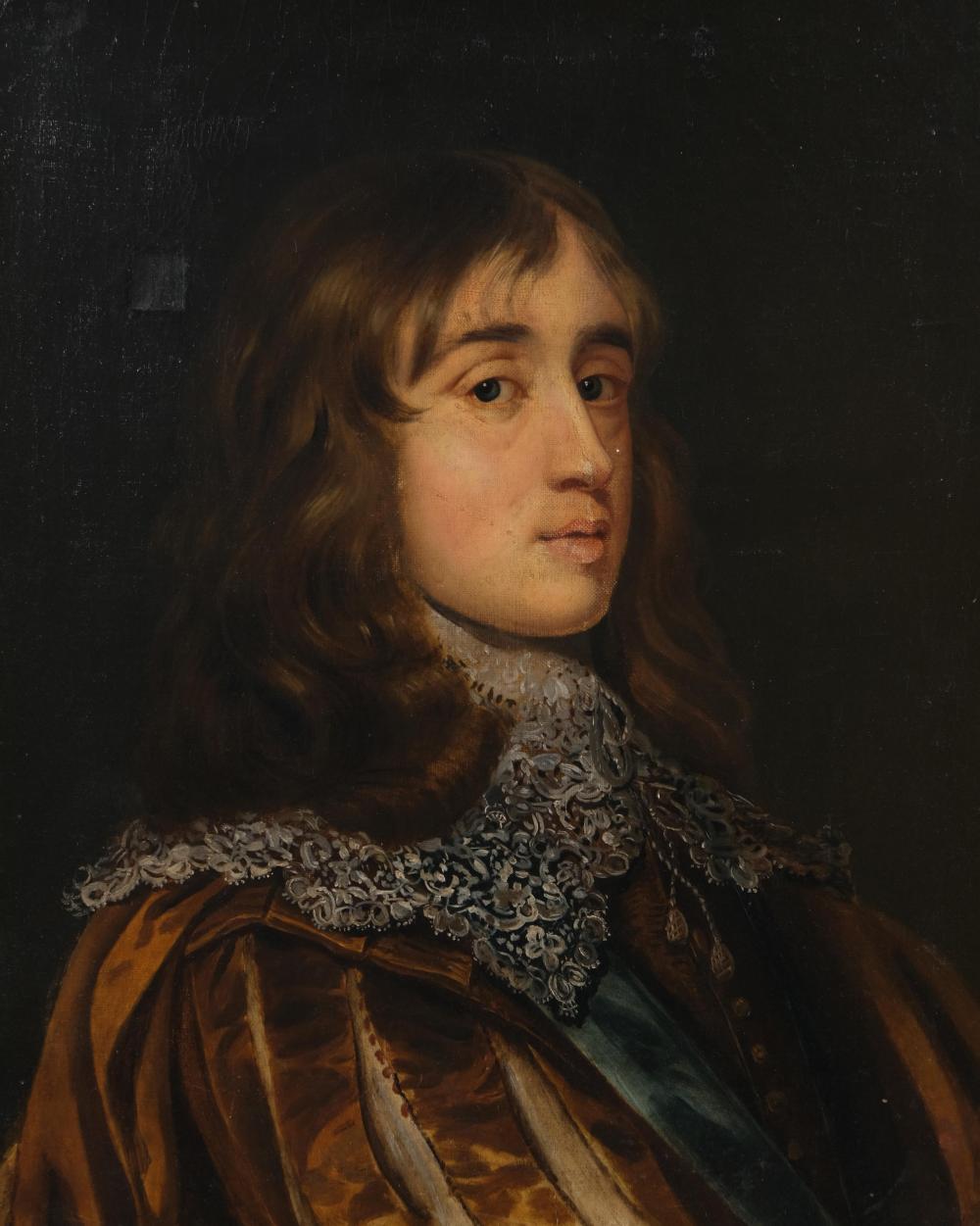
anton van dyck french school oil on canvas painting · Collective Hudson, LLC · 2025-07-27 anton van dyck french school oil on canvas painting Collective Hudson, LLC · 2025-07-27
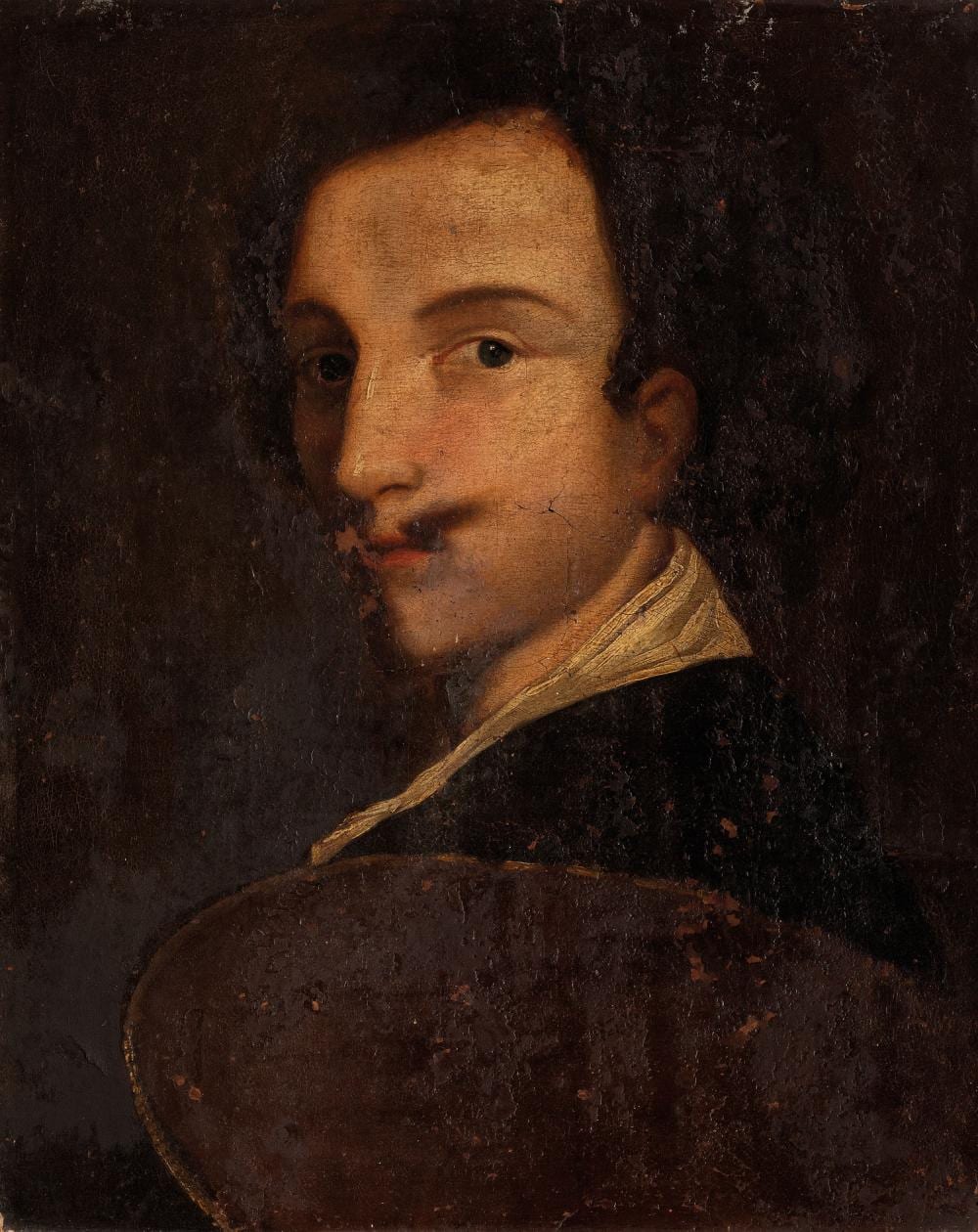
anton van dyck ambito di · Wannenes Art Auctions · 2022-11-29 anton van dyck ambito di Wannenes Art Auctions · 2022-11-29
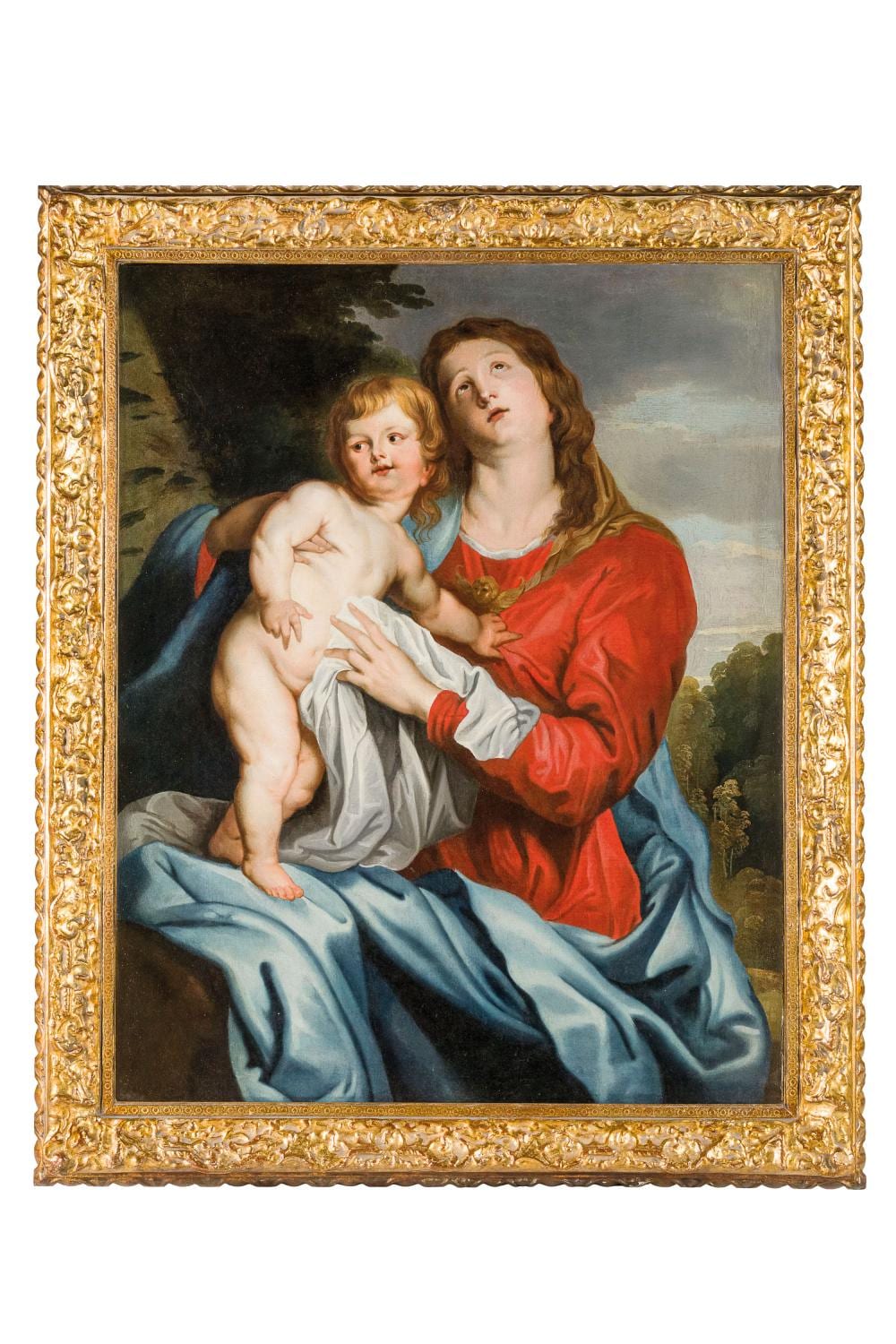
anton van dyck seguace di · Wannenes Art Auctions · 2022-11-29 anton van dyck seguace di Wannenes Art Auctions · 2022-11-29
Data basis
This page is built from Appraisily's public auction market index. Private transactions, incomplete sale feeds, and attribution changes may not be fully represented.
Artist value FAQ
How much is Anton van Dyck worth?
Comparable public auction sales are the best starting point, but final value depends on the specific artwork, condition, size, medium, provenance, and attribution confidence.
Can Appraisily value my Anton van Dyck artwork?
Yes. Appraisily can review photos, dimensions, signatures, condition, provenance, and comparable market data to prepare a current valuation.