Anthony Caro Auction Prices and Value Guide
Anthony Caro auction prices are tracked in Appraisily's artist market index, with source-directory coverage of 474 records. Use this page to review sold-lot activity, market context, and valuation factors before requesting a formal appraisal.
Anthony Caro auction prices: quick answer
Anthony Caro auction prices depend on medium, size, date, condition, provenance, edition details, attribution confidence, and recent comparable auction sales.
- Artist
- Anthony Caro
- Source records
- 474
- Market update
- 2026-02-06
Anthony Caro market snapshot
Anthony Caro shows deep auction liquidity with 196 tracked lots. Median realized sale is around $22,800. Category concentration is still broad or sparse. Last 12 months recorded 15 sales. Latest recorded sale: 2025-12-16.
Realized price distribution
- Under $1,000 (15.9% · 24 sales)
- $1,000 to $10,000 (17.9% · 27 sales)
- $10,000+ (66.2% · 100 sales)
- Median sale (last 12 months)
- $700
- Sales recorded (last 12 months)
- 15
- Median shift vs prior year
- 0.0%
- Latest recorded sale
- 2025-12-16
Artist context
About Anthony Caro
Born
1924
Died
2013
Nationality
British, English
Also known as
Sir Anthony Alfred Caro, Anthony Alfred Caro
Sir Anthony Caro OM CBE (1924-2013) was a British sculptor widely regarded as one of the most important sculptors of the twentieth century. Born in New Malden, Surrey, he studied at Regent Street Polytechnic and the Royal Academy Schools in London before serving as an assistant to Henry Moore from 1952 to 1953. A transformative encounter with the American sculptor David Smith and painter Kenneth Noland around 1959-1960 shifted Caro away from figurative work toward the abstract, welded-steel constructions that defined his mature practice. His painted-steel assemblages, often placed directly on the ground without pedestals, broke with European sculptural tradition and helped establish a new language for post-war abstract sculpture. Caro taught at St Martin's School of Art in London from 1953 to 1981, influencing a generation of British sculptors. His work is held in major museum collections worldwide, including the Museum of Modern Art in New York, the Tate in London, and the Centre Pompidou in Paris.
ModernismAbstract sculptureSteel (welded, painted, and unpainted)BronzeFound and industrial objects (iron, metal assemblage)DrawingAbstract forms and non-representational compositionTable sculptures (small-scale works placed directly on ground surfaces)Barcelona series (late 1980s)
Common works and media
Collectors and appraisers most frequently encounter Caro's welded and painted-steel sculptures, which range from tabletop-scale pieces to large gallery and outdoor installations. Other common work types include bronze sculptures (particularly from his earlier figurative period), works incorporating found and industrial metal objects, aluminium constructions, drawings, and prints. His table sculptures — smaller-scale works designed to sit directly on a flat surface — are a distinctive and well-documented category. Later works include multi-part installations, terracotta and ceramic pieces, and the Barcelona series from the late 1980s. Caro also produced editions and related versions of certain forms; catalogue raisonné verification is recommended to distinguish unique works from editions.
Market and appraisal context
Anthony Caro's work appears regularly at major auction houses in Post-War and Contemporary Art and Modern British Art sales. His most commercially significant pieces are the large-scale painted-steel sculptures from the 1960s and 1970s, the period of his critical breakthrough. Smaller table sculptures, maquettes, drawings, and late-career multi-part installations also circulate on the secondary market. Key valuation factors include the work's date and period, scale, medium, original surface condition (especially for painted steel), exhibition and publication history, and whether the piece is documented in the estate's catalogue raisonné. Collectors encountering a Caro should confirm provenance and catalogue raisonné status, as the artist's long and prolific career means quality and rarity can vary considerably across periods.
Auction categories and appraisal factors
Value drivers
- Scale: large-scale outdoor and gallery sculptures command higher values than table sculptures or maquettes
- Medium: painted steel works from the 1960s breakthrough period are most sought after
- Provenance: works with gallery or estate provenance, exhibition history, or catalogue raisonné entry carry stronger attribution
- Period: abstract works from the 1960s-1970s are generally valued above earlier figurative bronzes
- Condition: painted steel surfaces are vulnerable to outdoor weathering; original paint condition is a significant factor
- Documentation: works listed in the catalogue raisonné published by the artist's estate have stronger market confidence
Appraisal caveats
- Anthony Caro produced a large body of work across six decades; attribution and dating should be verified against the estate's catalogue raisonné.
- Painted steel sculptures may have undergone restoration or repainting, which can affect value. Original surface condition should be assessed by a specialist.
- Table sculptures and maquettes exist in editions or related versions; collectors should confirm unique versus edition status before appraisal.
Evidence
Sources for artist context
This source-grounded artist context passed Appraisily's promotion threshold: high confidence, strong sources.
- Wikidata library authority
- Wikipedia wikipedia
- Getty Vocabulary Program library authority
- VIAF library authority
- Library of Congress library authority
- The Museum of Modern Art museum or university
Recent sale records
Selected public auction records currently in the Appraisily lot index. Use them as market context, then request a formal appraisal before you sell, insure, or donate.
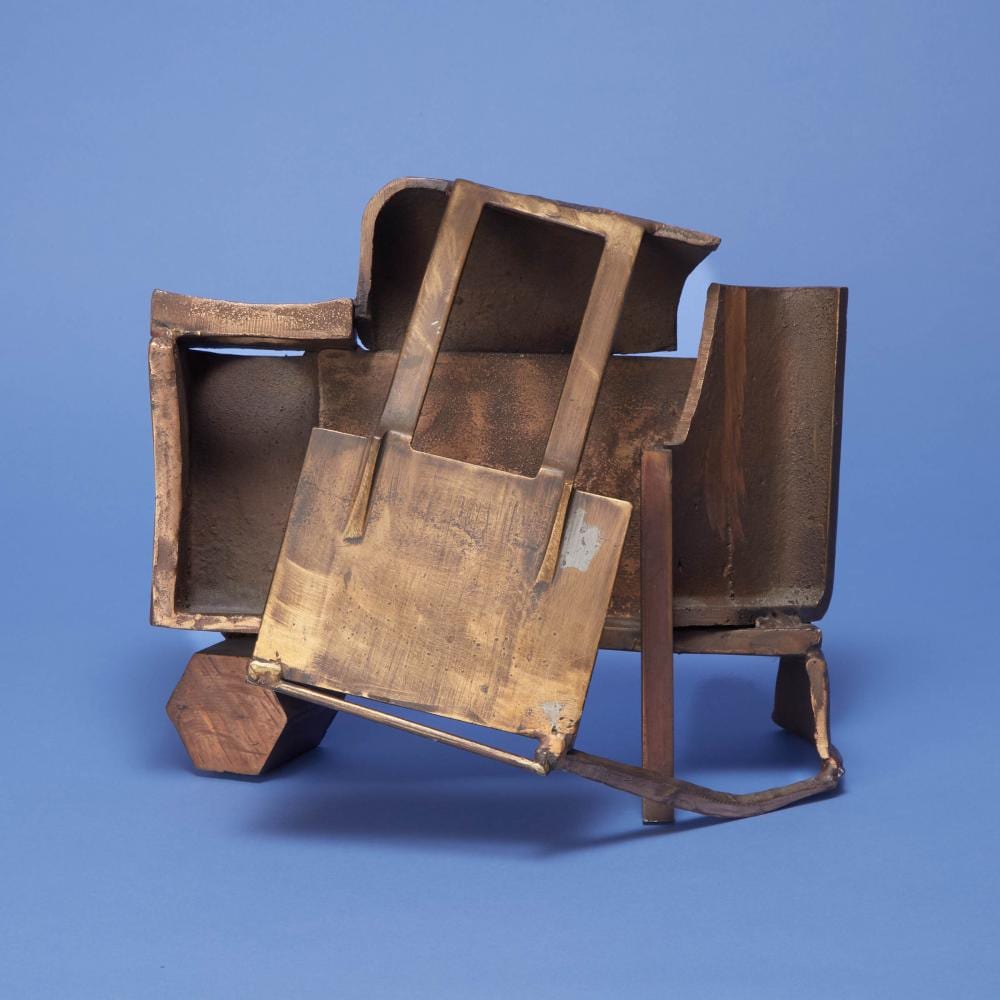
anthony caro 1924 2013 table bronze chant 1980 · Waddington's · 2026-05-28 anthony caro 1924 2013 table bronze chant 1980 Waddington's · 2026-05-28
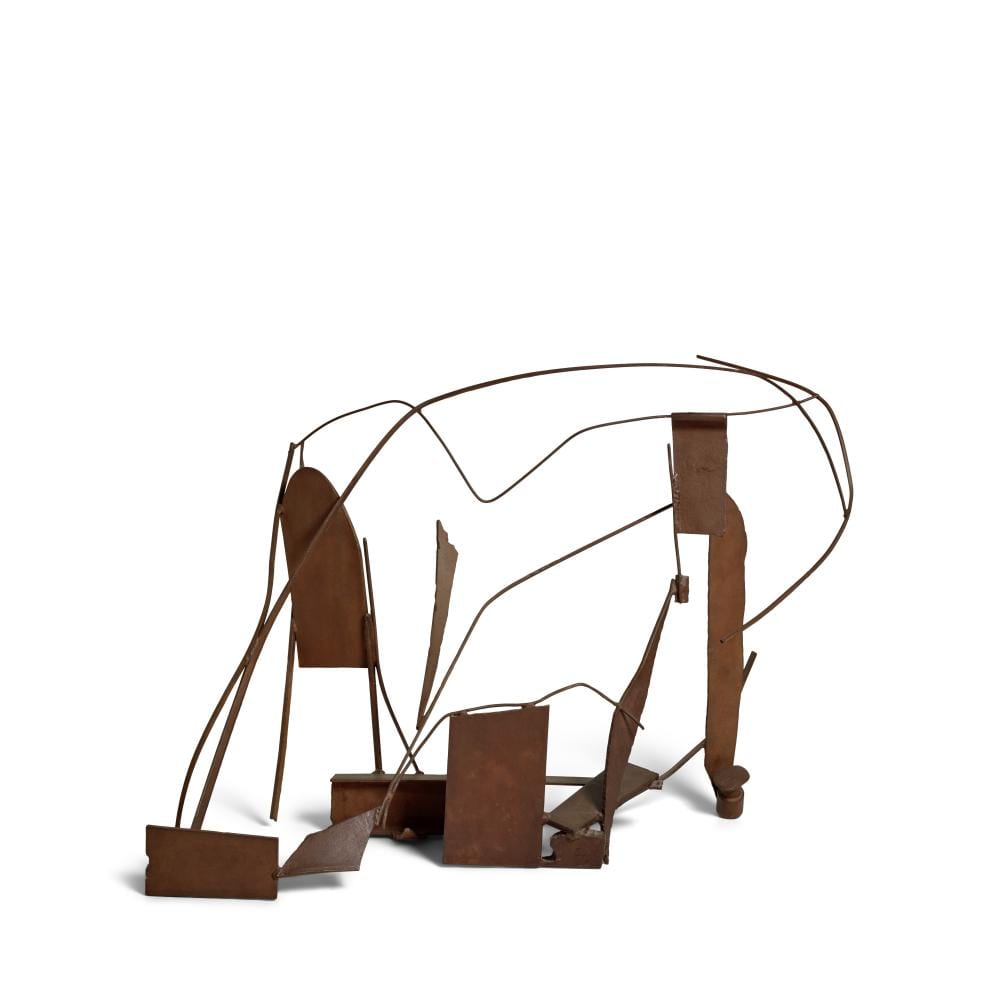
anthony caro 1924 2013 table piece ccclxv 34 x 41 1 2 x 24 in 86 4 x 10⁵ 4 x 61 cm executed in 1976 77 this work is unique · Bonhams · 2026-05-21 anthony caro 1924 2013 table piece ccclxv 34 x 41 1 2 x 24 in 86 4 x 10⁵ 4 x 61 cm executed in 1976 77 this work is unique Bonhams · 2026-05-21
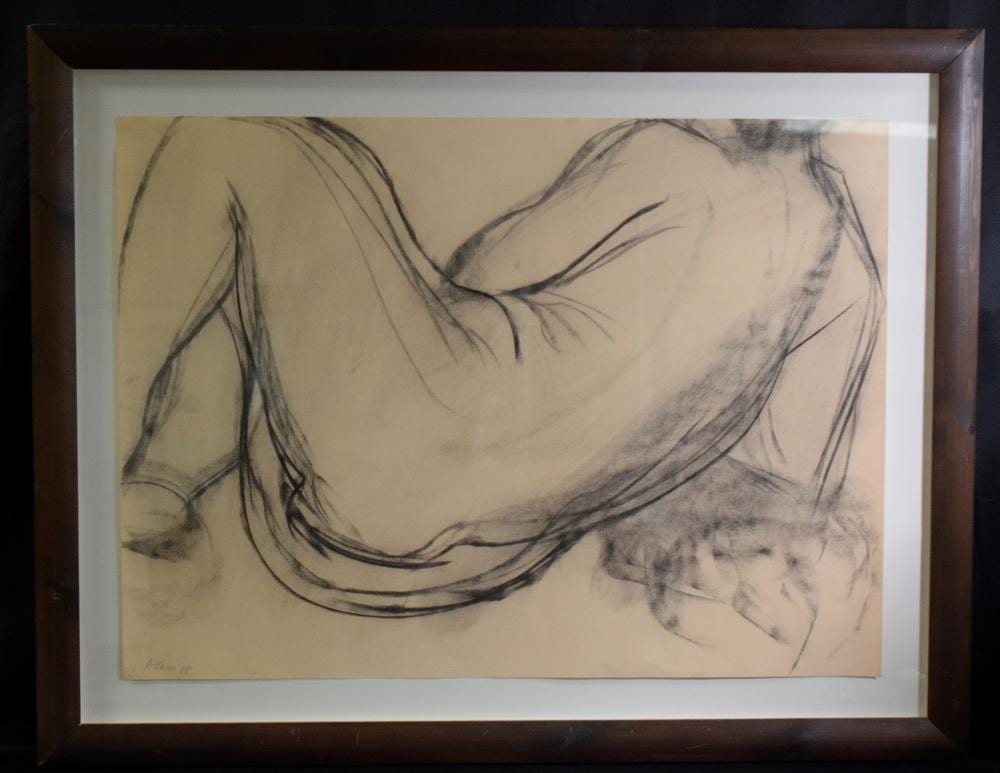
anthony caro 1924 2013 nude drawing · White's Auctions · 2026-05-17 anthony caro 1924 2013 nude drawing White's Auctions · 2026-05-17
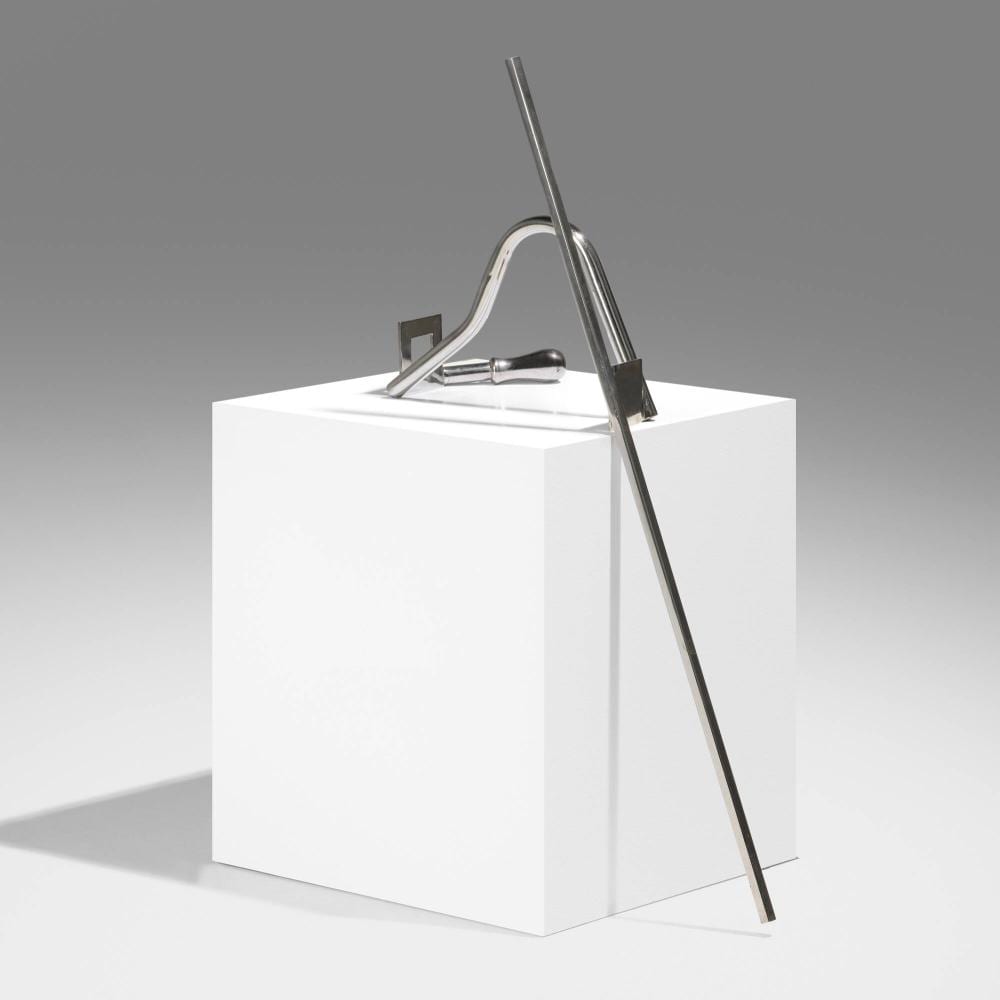
anthony caro table piece xv · Rago Arts and Auction Center · 2026-05-14 anthony caro table piece xv Rago Arts and Auction Center · 2026-05-14
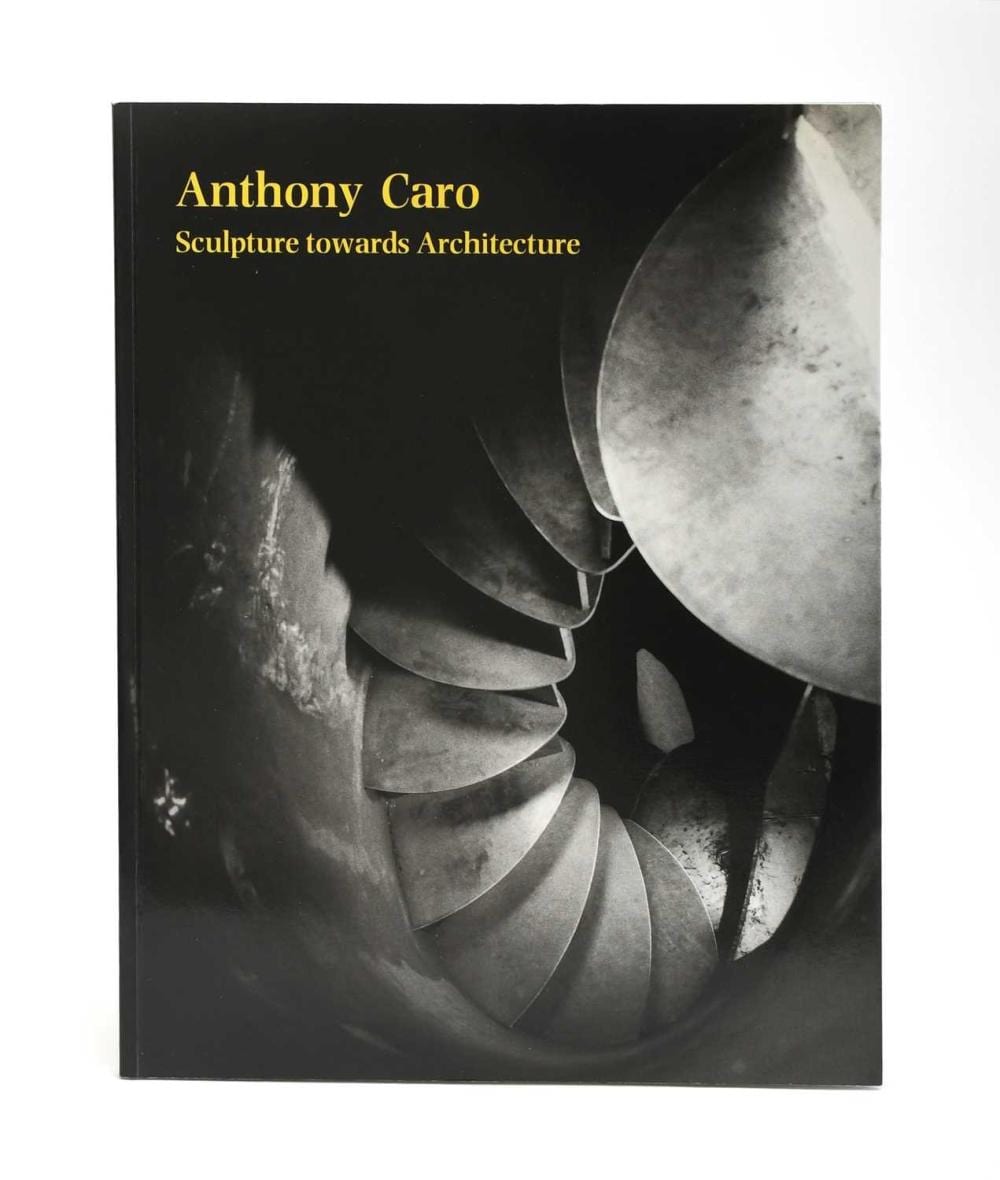
anthony caro sculpture towards architect · Kinghams Auctioneers · 2026-04-16 anthony caro sculpture towards architect Kinghams Auctioneers · 2026-04-16
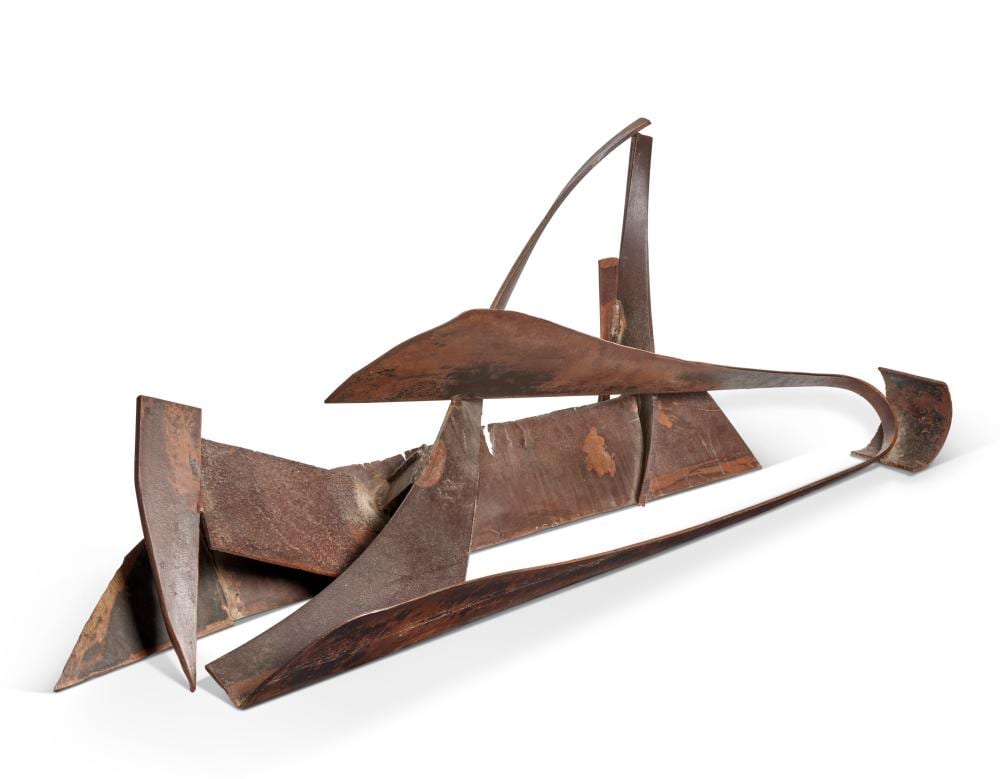
anthony caro 1924 2013 table piece cccxvi steel rusted and varnished · Christie's · 2026-03-07 anthony caro 1924 2013 table piece cccxvi steel rusted and varnished Christie's · 2026-03-07
Data basis
This page is built from Appraisily's public auction market index. Private transactions, incomplete sale feeds, and attribution changes may not be fully represented.
Artist value FAQ
How much is Anthony Caro worth?
Comparable public auction sales are the best starting point, but final value depends on the specific artwork, condition, size, medium, provenance, and attribution confidence.
Can Appraisily value my Anthony Caro artwork?
Yes. Appraisily can review photos, dimensions, signatures, condition, provenance, and comparable market data to prepare a current valuation.