Andreas Gursky Auction Prices and Value Guide
Andreas Gursky auction prices are tracked in Appraisily's artist market index, with source-directory coverage of 610 records. Use this page to review sold-lot activity, market context, and valuation factors before requesting a formal appraisal.
Andreas Gursky auction prices: quick answer
Andreas Gursky auction prices depend on medium, size, date, condition, provenance, edition details, attribution confidence, and recent comparable auction sales.
- Artist
- Andreas Gursky
- Source records
- 610
- Market update
- 2026-02-06
Artist context
About Andreas Gursky
Born
1955
Nationality
German
Andreas Gursky is a German photographer born on January 15, 1955, in Leipzig. Raised in Düsseldorf, where he continues to live and work, he studied photography at the Staatliche Kunstakademie Düsseldorf from 1981 to 1987 under Bernd and Hilla Becher, later becoming a professor at the same academy. Gursky is internationally recognized for his large-format color photographs that depict sweeping views of architecture, landscapes, industrial complexes, commercial interiors, and mass gatherings. His images frequently employ aerial perspectives and digital compositing to render familiar environments with extraordinary detail at monumental scale. Associated with the Düsseldorf School of Photography, Gursky's work examines themes of globalization, consumer culture, and the relationship between people and the built environment. His photographs are held in major institutional collections worldwide, including the Museum of Modern Art in New York and Tate in London.
Düsseldorf School of PhotographyLarge-format chromogenic color printsDigital photography and composite imagingArchitecture and industrial landscapesGlobal commerce and consumer spacesAerial views of crowds and public gatheringsNatural and urban landscapes
Common works and media
Gursky's output centers on large-format chromogenic color prints, typically produced in numbered editions. Common subjects include expansive landscapes such as rivers and coastlines, aerial views of urban and industrial complexes, interiors of supermarkets and stock exchanges, factories, leisure facilities, and panoramas of crowds at public events. Many works incorporate composite digital imaging to achieve hyper-detailed compositions at monumental scale. Prints are generally presented framed in dimensions exceeding one meter, with some works reaching several meters in width.
Market and appraisal context
Andreas Gursky maintains one of the deepest and most actively traded auction records among living photographers, with 497 catalogued lots spanning from February 2001 through April 2026, of which 338 carry recorded prices. The price distribution is exceptionally wide—from $40 USD for exhibition posters and ephemera to $4,338,500 USD for major large-format works—reflecting the vast spectrum of material that appears under his name at auction. The median price sits at $37,500 USD, with the 75th percentile at $201,600 USD, indicating that works of consequence trade well into six figures. The top tier of recent sales includes Prada III at $466,200 (Christie's, May 2025), Jumeirah Palm at $209,550 (Christie's, November 2025), and Lehmbruck I at $127,000 (Christie's, February 2026). Christie's dominates the high-value segment, while German and Swiss regional houses such as Van Ham, Germann, Lempertz, and Grisebach handle mid-range and smaller-format works, often in EUR or CHF. Liquidity remains healthy but has moderated: 19 priced lots in the most recent 12 months compared with 36 in the prior period, suggesting a slower but still active market. The breadth of auction houses—spanning Christie's, Sotheby's, Phillips, Bonhams, and numerous European specialists—confirms sustained international demand across price tiers.
Auction categories and appraisal factors
Common auction categories
- Contemporary Art Photography
- Post-War and Contemporary Art
- Large-format chromogenic color prints
- Digital photography and composite imaging
Value drivers
- Specific image or series identity significantly affects value
- Print size and edition number are critical differentiators
- Provenance from established galleries or museum collections enhances value
- Condition and print quality are paramount for large-format photographs
- Image identity and series: iconic images such as Rhein, 99 Cent, Bahrain, and Prada command substantial premiums over lesser-known works.
- Print size and format: large-scale works (typically over 1 meter in any dimension) carry far higher values than smaller prints from the same edition.
Appraisal caveats
- Prices can vary substantially across different bodies of work and print sizes within the same edition.
- Authentication should be verified through provenance documentation and the artist's gallery records.
- The auction record includes over 600 lots, reflecting a broad range of images, sizes, and price points.
- The price range from $40 USD to $4,338,500 USD reflects fundamentally different types of material—exhibition ephemera and posters at the low end versus large-format editioned prints at the high end—so aggregate statistics should not be applied to any individual work without filtering by type.
Evidence
Sources for artist context
This source-grounded artist context passed Appraisily's promotion threshold: high confidence, strong sources.
- Library of Congress library authority
- RKD library authority
- Wikidata library authority
- VIAF library authority
- Getty Vocabulary Program library authority
- The Museum of Modern Art museum or university
Recent sale records
Selected public auction records currently in the Appraisily lot index. Use them as market context, then request a formal appraisal before you sell, insure, or donate.
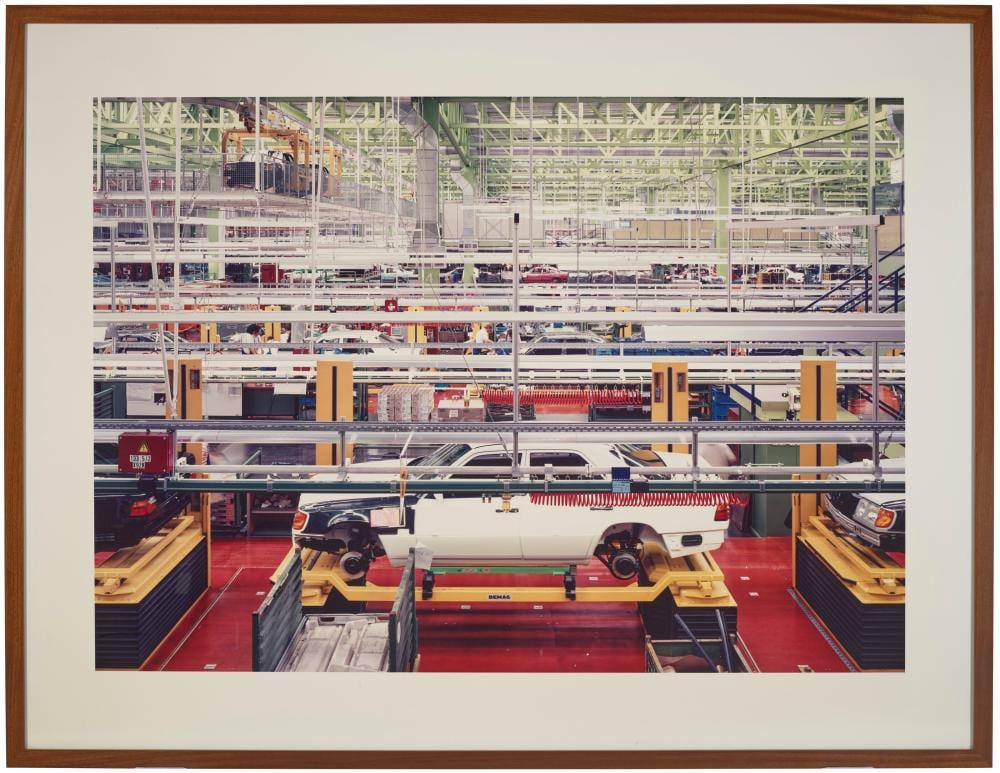
andreas gursky b 1955 mercedes rastatt 1993 signed titled dated a · Christie's · 2026-04-17 andreas gursky b 1955 mercedes rastatt 1993 signed titled dated a Christie's · 2026-04-17
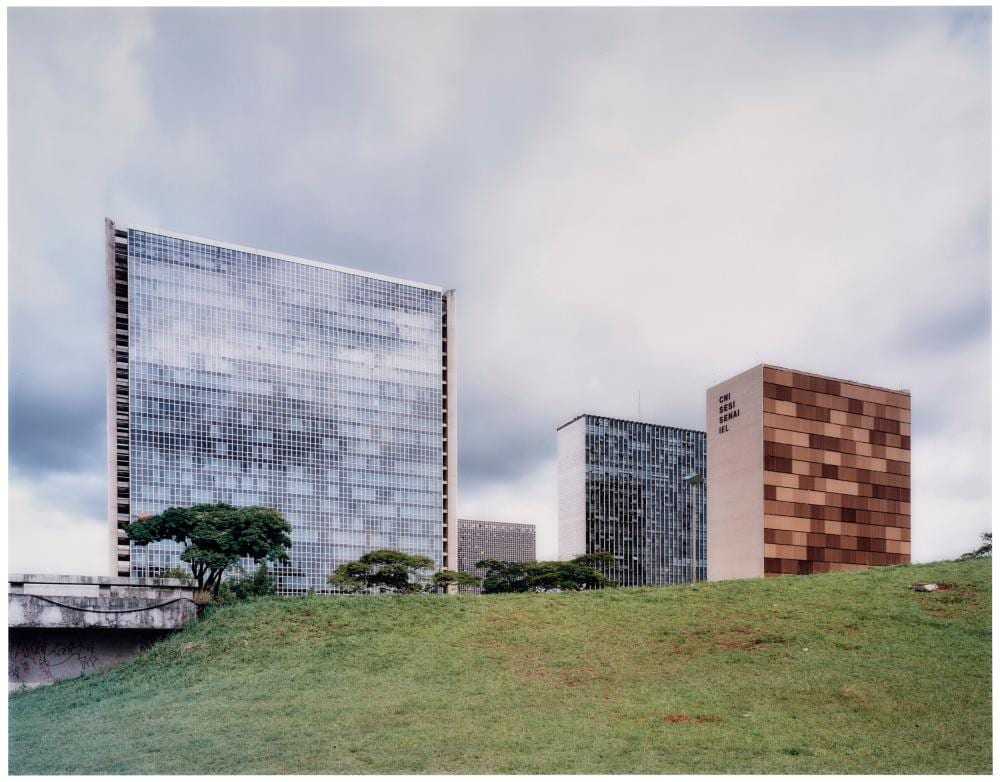
andreas gursky b 1955 brasilia bank sector north chromogenic print i · Christie's · 2026-03-11 andreas gursky b 1955 brasilia bank sector north chromogenic print i Christie's · 2026-03-11
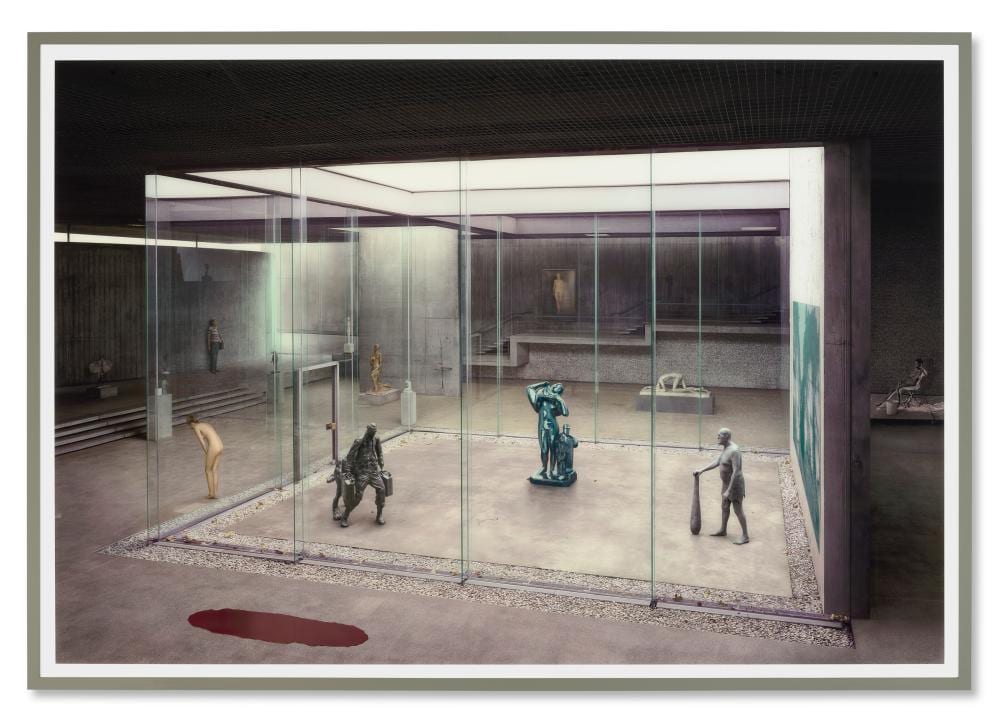
andreas gursky b 1955 lehmbruck i inkjet print in artist s frame98 x · Christie's · 2026-02-26 andreas gursky b 1955 lehmbruck i inkjet print in artist s frame98 x Christie's · 2026-02-26
andreas gursky 1955 montparnasse · Germann Auction House Ltd · 2025-11-26 andreas gursky 1955 montparnasse Germann Auction House Ltd · 2025-11-26
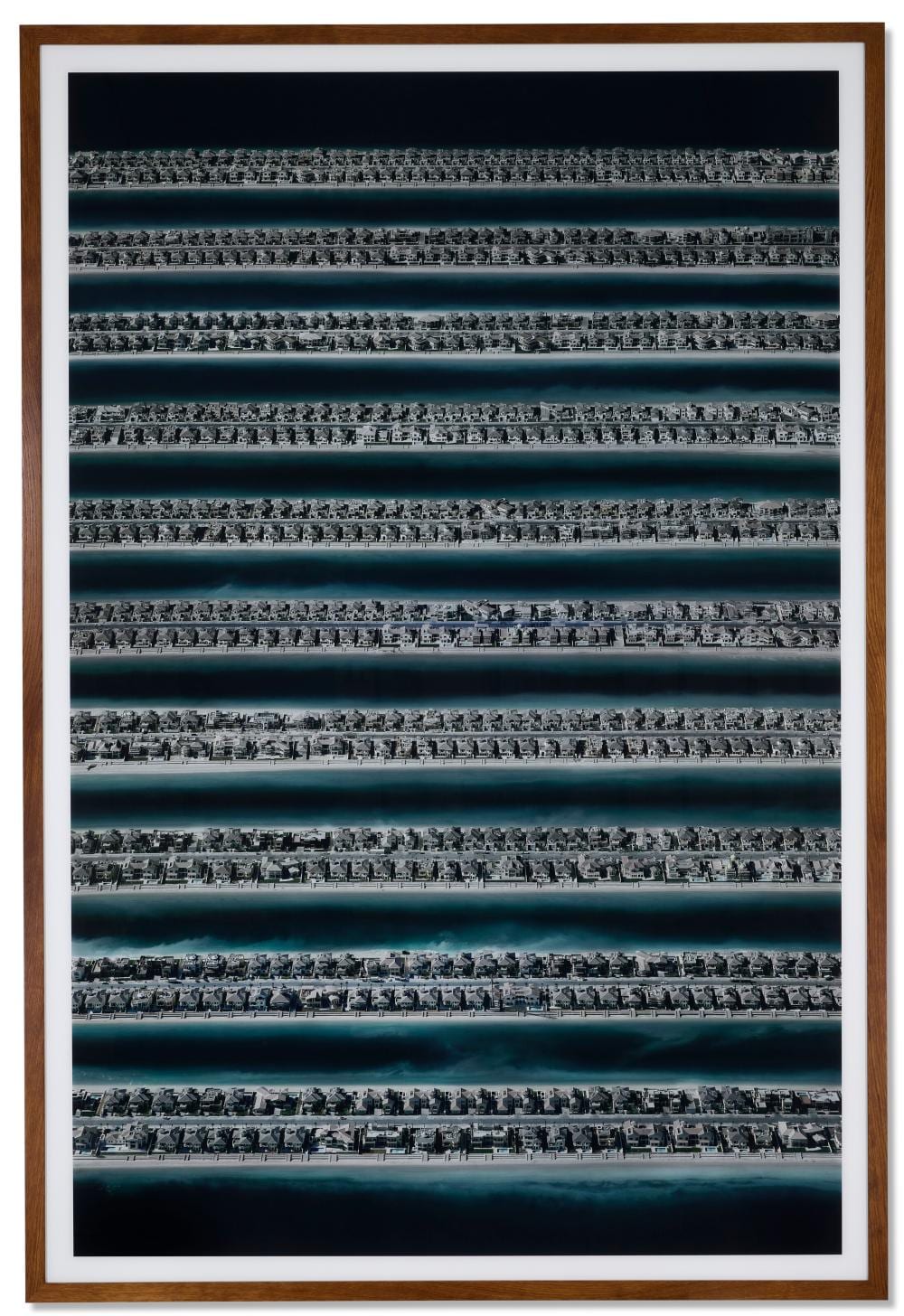
andreas gursky b 1955 jumeirah palm chromogenic print face mounted on · Christie's · 2025-11-20 andreas gursky b 1955 jumeirah palm chromogenic print face mounted on Christie's · 2025-11-20
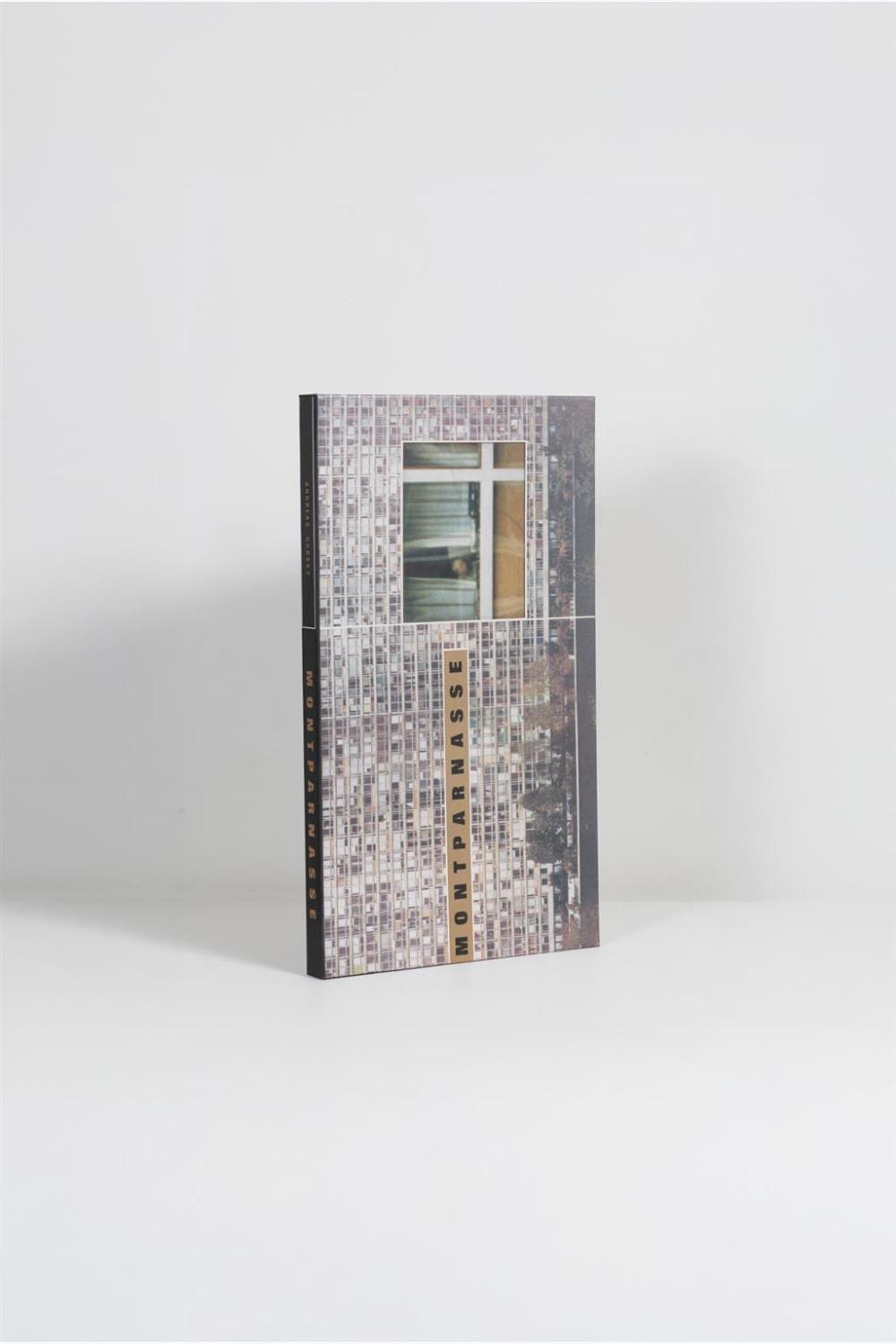
andreas gursky 1955 montparnasse · Piasa · 2025-11-19 andreas gursky 1955 montparnasse Piasa · 2025-11-19
Data basis
This page is built from Appraisily's public auction market index. Private transactions, incomplete sale feeds, and attribution changes may not be fully represented.
Artist value FAQ
How much is Andreas Gursky worth?
Comparable public auction sales are the best starting point, but final value depends on the specific artwork, condition, size, medium, provenance, and attribution confidence.
Can Appraisily value my Andreas Gursky artwork?
Yes. Appraisily can review photos, dimensions, signatures, condition, provenance, and comparable market data to prepare a current valuation.