Amédée Cortier Auction Prices and Value Guide
Amédée Cortier auction prices are tracked in Appraisily's artist market index, with source-directory coverage of 253 records. Use this page to review sold-lot activity, market context, and valuation factors before requesting a formal appraisal.
Amédée Cortier auction prices: quick answer
Amédée Cortier auction prices depend on medium, size, date, condition, provenance, edition details, attribution confidence, and recent comparable auction sales.
- Artist
- Amédée Cortier
- Source records
- 253
- Market update
- 2026-02-06
Amédée Cortier market snapshot
Amédée Cortier shows solid auction liquidity with 92 tracked lots. Median realized sale is around $2,750. Category concentration is still broad or sparse. Last 12 months recorded 15 sales. Latest recorded sale: 2025-12-01.
Realized price distribution
- Under $1,000 (40.0% · 30 sales)
- $1,000 to $10,000 (56.0% · 42 sales)
- $10,000+ (4.0% · 3 sales)
- Median sale (last 12 months)
- $400
- Sales recorded (last 12 months)
- 15
- Median shift vs prior year
- +66.7%
- Latest recorded sale
- 2025-12-01
Artist context
About Amédée Cortier
Born
1921
Died
1976
Nationality
Belgian
Also known as
Cortier, Amedee, Cortier, Amedeus
Amédée Cortier (1921–1976) was a Belgian painter and muralist who lived and worked in Ghent. He trained at the Koninklijke Academie voor Schone Kunsten in Ghent from 1936 to 1942, building a practice that moved between figurative work and geometric abstraction. Cortier worked within the context of post-war Belgian abstract painting, a period in which artists across the country explored new formal languages in response to earlier modernist traditions. A documented exhibition association with fellow Ghent painter Raoul de Keyser in 1974 places Cortier within an important circle of Belgian abstractionists. His work is represented in institutional records held by the Netherlands Institute for Art History (RKD), which lists dozens of images and multiple literature references. Cortier's paintings, including acrylic compositions, continue to appear at auction and attract collector interest in the Belgian and European market.
Geometric abstractionPost-war Belgian paintingOil paintingAcrylic paintingMuralFigure
Common works and media
Cortier's recorded output includes oil and acrylic paintings on canvas, with subjects ranging from figurative compositions to geometric abstractions. His practice also encompassed mural projects. Works in auction contexts are typically paintings, with acrylic pieces such as those titled in the 'Acryl' series documented in authority records. Collectors may encounter both earlier figurative works and the geometric abstract paintings for which he is better represented in institutional collections.
Market and appraisal context
Amédée Cortier's work appears at auction with moderate frequency, with over 250 lots recorded in auction databases. Collectors evaluating Cortier pieces should consider whether the work is an oil or acrylic painting, its dimensions and condition, provenance history, and whether it dates from his figurative or geometric-abstraction period. Exhibition history and inclusion in published catalogues cited by the RKD can further affect value. As with many mid-twentieth-century Belgian painters who remain regionally known, realized prices can vary meaningfully by medium, quality, and the auction venue. Belgian and European regional houses provide the most relevant comparable sale records.
Auction categories and appraisal factors
Appraisal caveats
- Cortier is a well-documented mid-century Belgian painter but is not yet widely canonical outside Belgium, so auction results may vary significantly by venue and market.
- Over 250 lots recorded in auction databases suggest moderate auction frequency, but price ranges are not established from the available source pack.
Evidence
Sources for artist context
This source-grounded artist context passed Appraisily's promotion threshold: high confidence, strong sources.
- RKD — Netherlands Institute for Art History library authority
- VIAF library authority
- Getty Vocabulary Program library authority
- Wikidata library authority
- Library of Congress library authority
Recent sale records
Selected public auction records currently in the Appraisily lot index. Use them as market context, then request a formal appraisal before you sell, insure, or donate.
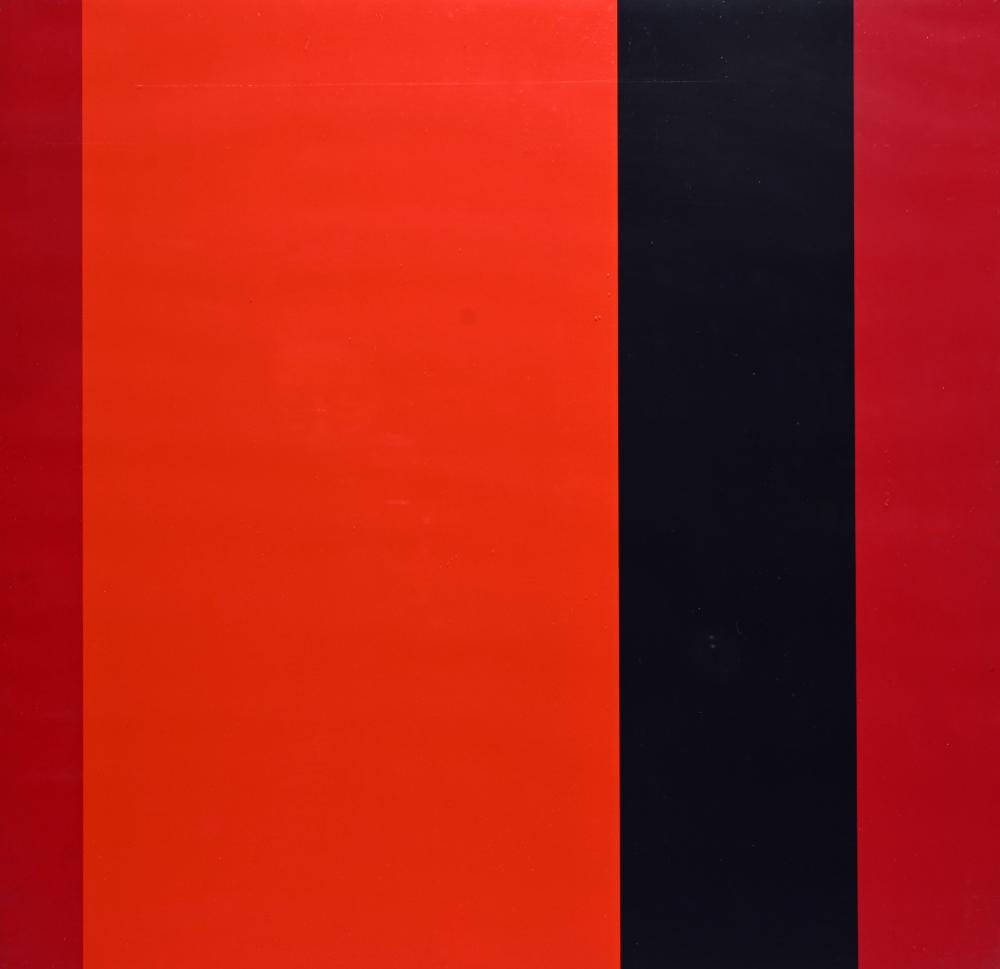
am d e cortier 1921 1976 color screen print untitled signed and numbered 57 125 · Maison Jules Veilinghuis · 2026-06-22 am d e cortier 1921 1976 color screen print untitled signed and numbered 57 125 Maison Jules Veilinghuis · 2026-06-22
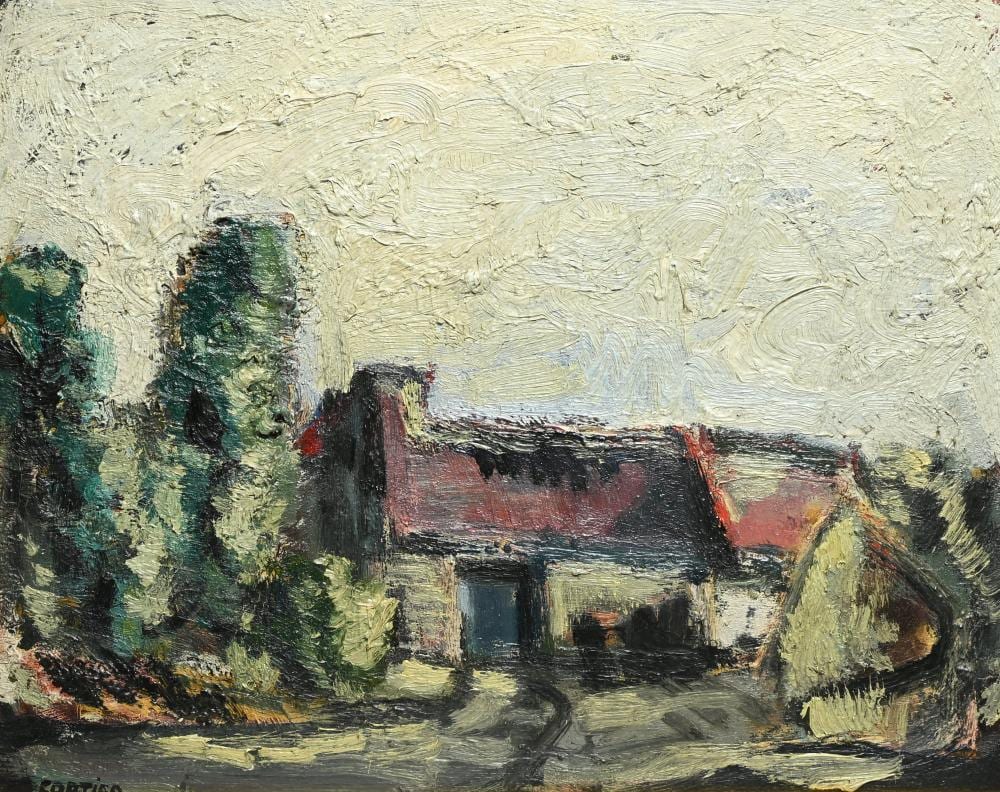
am d e cortier 1921 1976 oil on paper board landscape with barn signed · Maison Jules Veilinghuis · 2026-06-20 am d e cortier 1921 1976 oil on paper board landscape with barn signed Maison Jules Veilinghuis · 2026-06-20
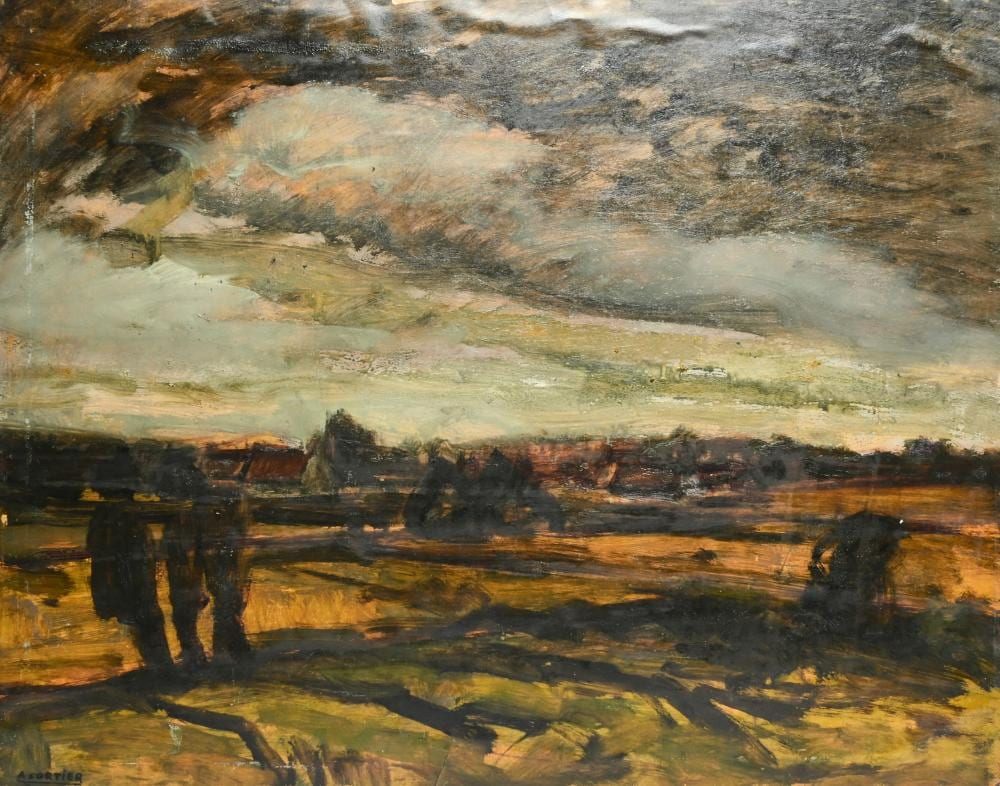
am d e cortier 1921 1976 oil on paper board landscape under a threatening sky signed · Maison Jules Veilinghuis · 2026-06-20 am d e cortier 1921 1976 oil on paper board landscape under a threatening sky signed Maison Jules Veilinghuis · 2026-06-20
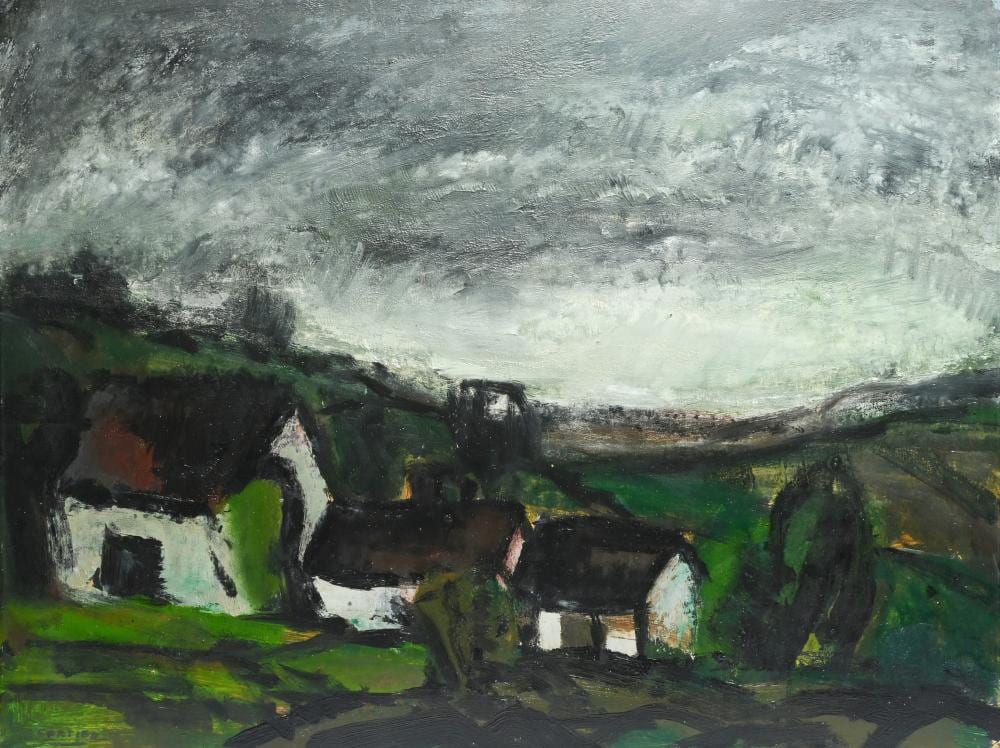
am d e cortier 1921 1976 oil on paper board landscape with farmhouse signed · Maison Jules Veilinghuis · 2026-06-20 am d e cortier 1921 1976 oil on paper board landscape with farmhouse signed Maison Jules Veilinghuis · 2026-06-20
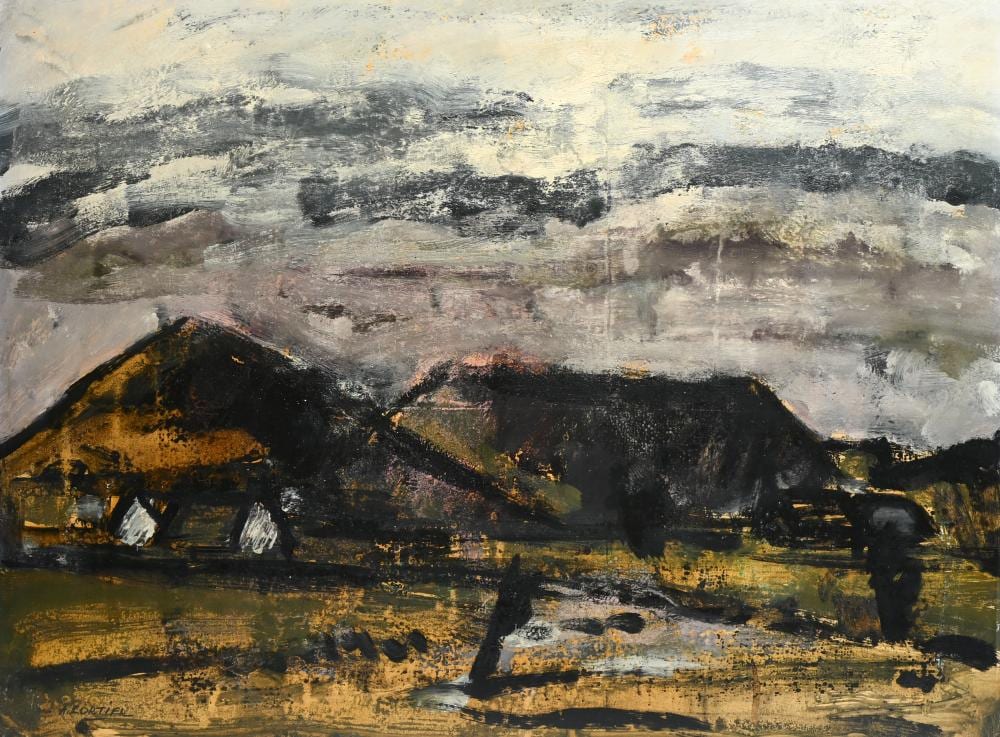
am d e cortier 1921 1976 oil on paper board landscape with farmhouse signed · Maison Jules Veilinghuis · 2026-06-20 am d e cortier 1921 1976 oil on paper board landscape with farmhouse signed Maison Jules Veilinghuis · 2026-06-20
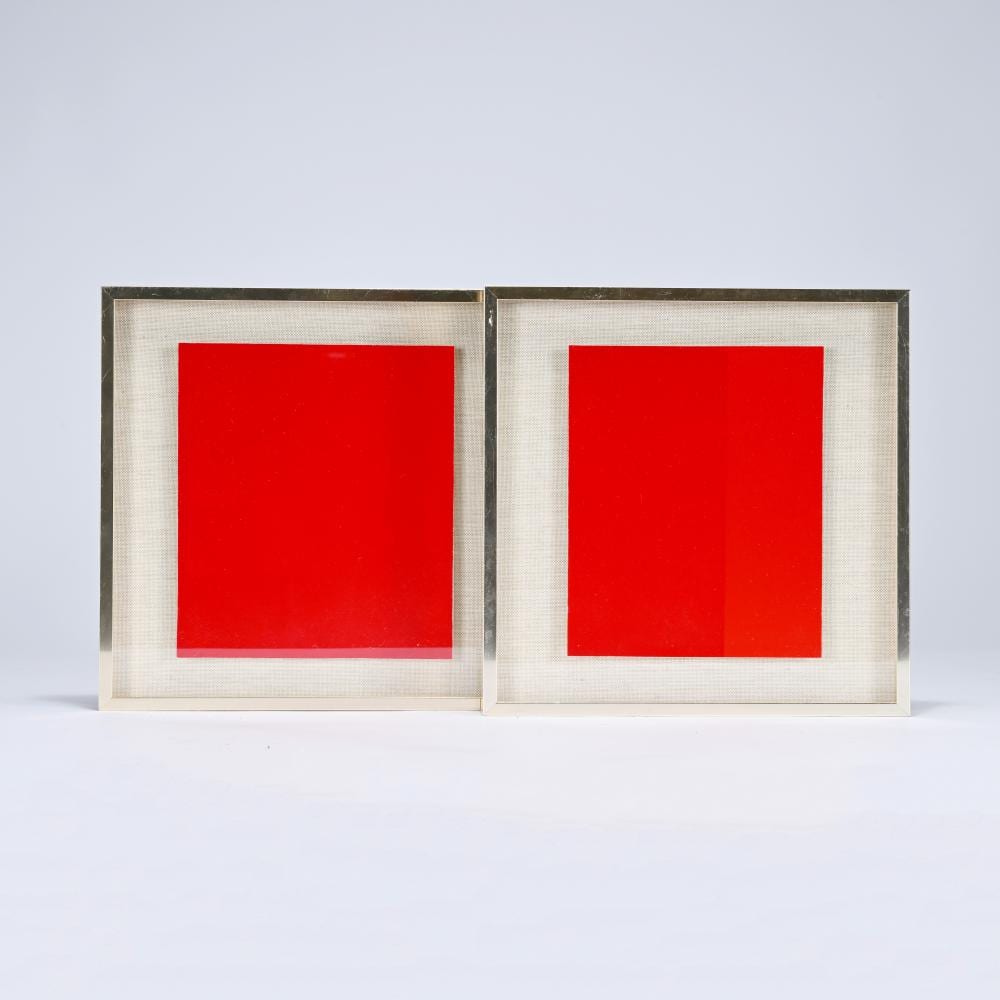
am d e cortier 1921 1976 two reds 2 screen prints from the sikkens prize 1973 graphic portfolio · Maison Jules Veilinghuis · 2026-04-27 am d e cortier 1921 1976 two reds 2 screen prints from the sikkens prize 1973 graphic portfolio Maison Jules Veilinghuis · 2026-04-27
Data basis
This page is built from Appraisily's public auction market index. Private transactions, incomplete sale feeds, and attribution changes may not be fully represented.
Artist value FAQ
How much is Amédée Cortier worth?
Comparable public auction sales are the best starting point, but final value depends on the specific artwork, condition, size, medium, provenance, and attribution confidence.
Can Appraisily value my Amédée Cortier artwork?
Yes. Appraisily can review photos, dimensions, signatures, condition, provenance, and comparable market data to prepare a current valuation.