Alfred Aberdam Auction Prices and Value Guide
Alfred Aberdam auction prices are tracked in Appraisily's artist market index, with source-directory coverage of 272 records. Use this page to review sold-lot activity, market context, and valuation factors before requesting a formal appraisal.
Alfred Aberdam auction prices: quick answer
Alfred Aberdam auction prices depend on medium, size, date, condition, provenance, edition details, attribution confidence, and recent comparable auction sales.
- Artist
- Alfred Aberdam
- Source records
- 272
- Market update
- 2026-02-06
Alfred Aberdam market snapshot
Alfred Aberdam shows deep auction liquidity with 186 tracked lots. Median realized sale is around $800. Category concentration is still broad or sparse. Last 12 months recorded 5 sales. Latest recorded sale: 2025-10-17.
Realized price distribution
- Under $1,000 (57.4% · 58 sales)
- $1,000 to $10,000 (34.7% · 35 sales)
- $10,000+ (7.9% · 8 sales)
- Median sale (last 12 months)
- $300
- Sales recorded (last 12 months)
- 5
- Median shift vs prior year
- 0.0%
- Latest recorded sale
- 2025-10-17
Artist context
About Alfred Aberdam
Born
1894
Died
1963
Nationality
Polish, French
Alfred Aberdam (1894–1963) was a Polish-French painter associated with the School of Paris, the broad circle of émigré artists who shaped modernist figurative painting in the French capital during the interwar years. Born in Lviv—then part of the Austro-Hungarian Empire and now in Ukraine—he began his studies in Munich (1913–1914) and continued in Kraków (1921–1923) before settling in Paris around 1923, where he lived and worked until his death. Aberdam studied under the sculptor Alexander Archipenko. His paintings range across still lifes, portraits, Christian religious scenes, and mythological subjects, reflecting the cosmopolitan currents of Central-European artists working in Paris. His career is documented in the Bénézit dictionary of artists and in the records of several European art-history institutions, including the RKD – Netherlands Institute for Art History.
School of Parisoil paintingstill lifeportraitChristian religious scenemythology
Common works and media
Aberdam worked chiefly in oil on canvas and panel. The most frequently seen subjects at auction are still lifes—often flowers, fruit, or everyday tabletop arrangements—alongside portraits, Christian religious compositions, and scenes drawn from classical mythology. Works are generally medium-sized easel paintings. No evidence of prints, graphic editions, or sculptural work appears in the available institutional sources.
Market and appraisal context
Alfred Aberdam's works appear at auction primarily as oil paintings on canvas or panel, with still lifes and figurative compositions the most commonly encountered subjects. Provenance tracing to his long Paris period (1923–1963), documented exhibition history, and confirmed attribution are key factors in appraisal. His inclusion in the Bénézit dictionary provides established scholarly standing. No catalogue raisonné has been identified, so attribution relies on expert connoisseurship and documented provenance. As a School of Paris painter, his work is typically offered in Modern European painting sales.
Auction categories and appraisal factors
Value drivers
- Provenance linking to the artist's Paris period (1923–1963) can strengthen attribution
- Inclusion in the Bénézit dictionary of artists supports scholarly standing
- Subject matter, medium, condition, and documented exhibition history affect value
Appraisal caveats
- No catalogue raisonné was identified in the available sources; attribution should be confirmed through expert review
- With 272 auction lots recorded, works appear with moderate frequency; prices should be assessed against comparable School of Paris painters
Evidence
Sources for artist context
This source-grounded artist context passed Appraisily's promotion threshold: high confidence, strong sources.
- RKD – Netherlands Institute for Art History library authority
- Wikidata library authority
- VIAF (OCLC) library authority
- Getty Vocabulary Program library authority
- Wikipedia wikipedia
- Library of Congress library authority
Recent sale records
Selected public auction records currently in the Appraisily lot index. Use them as market context, then request a formal appraisal before you sell, insure, or donate.
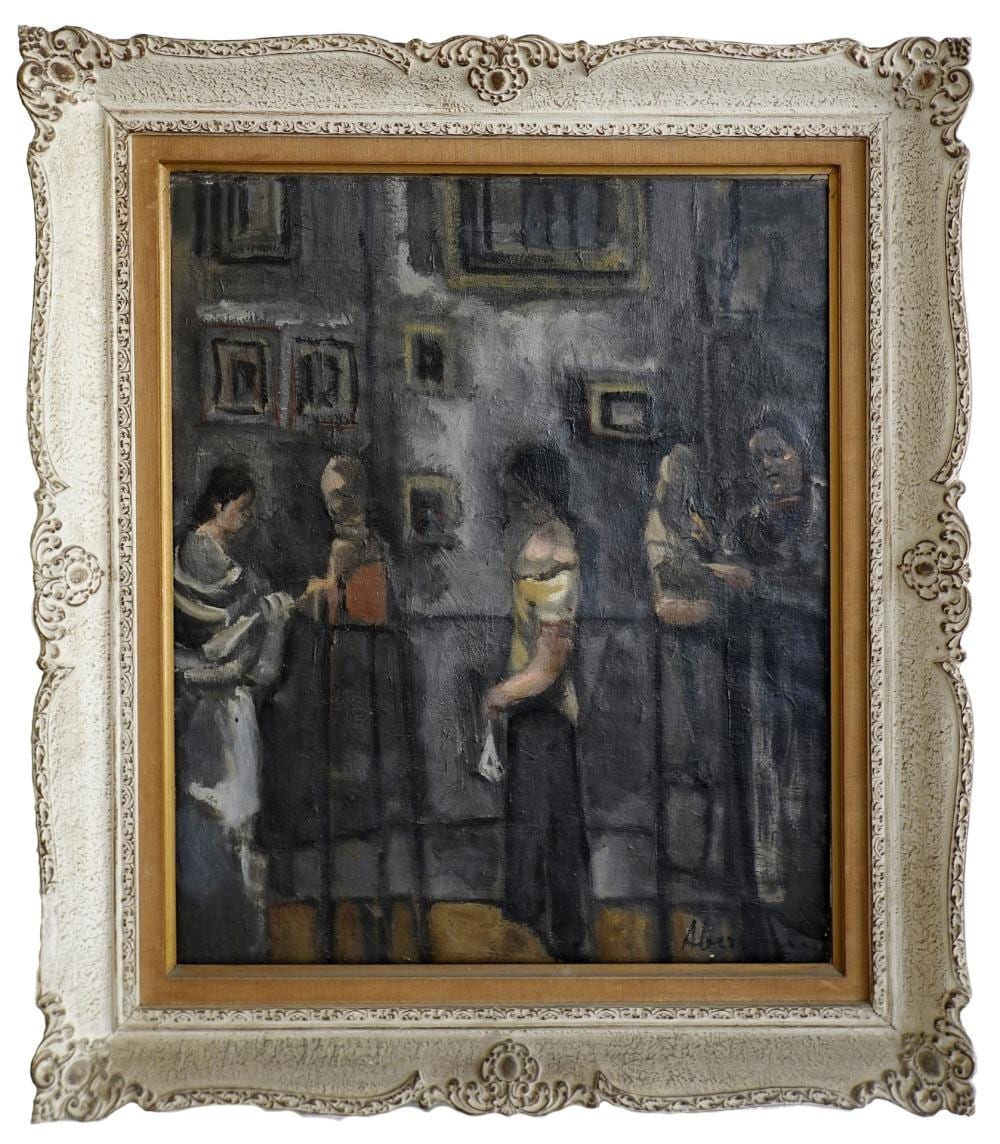
alfred aberdam french polish ukrainian 1894 1963 · Yair Art Gallery · 2025-11-01 alfred aberdam french polish ukrainian 1894 1963 Yair Art Gallery · 2025-11-01
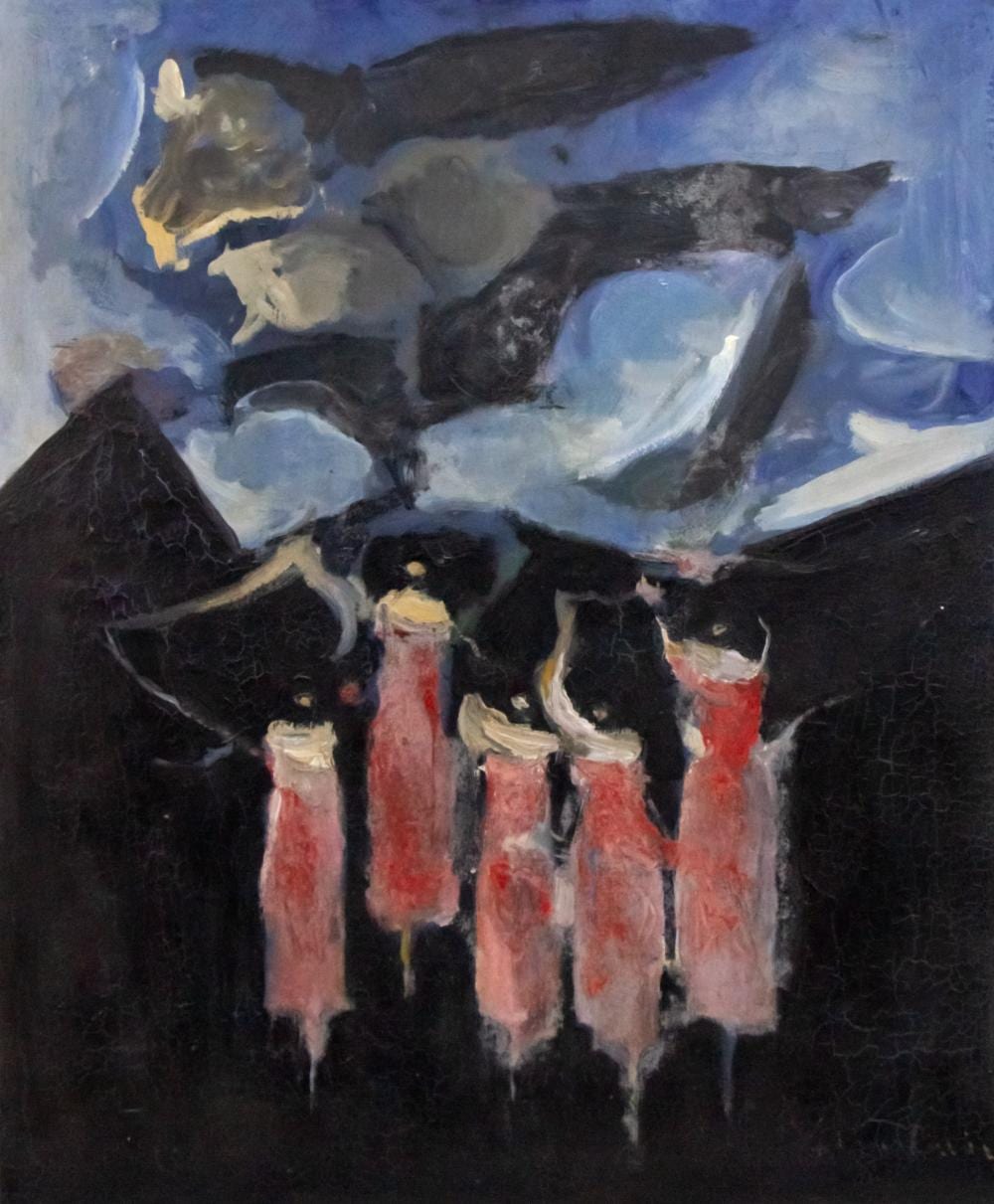
alfred aberdam polish 1894 1963 angels oil on canvas · Pasarel · 2025-03-24 alfred aberdam polish 1894 1963 angels oil on canvas Pasarel · 2025-03-24
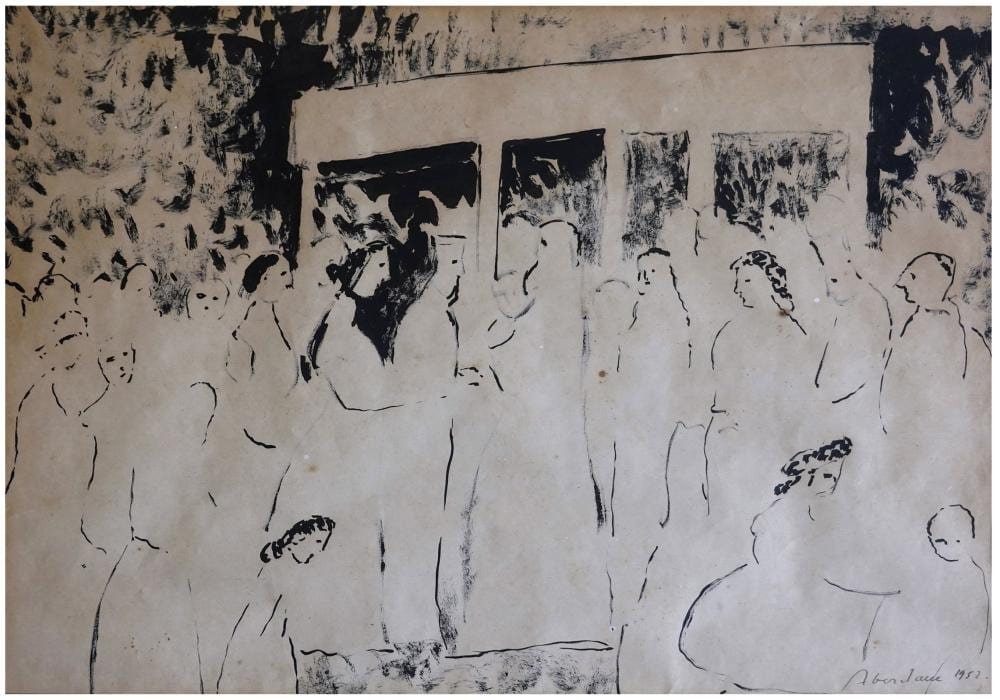
alfred aberdam french polish ukrainian 1894 1963 · Yair Art Gallery · 2025-02-08 alfred aberdam french polish ukrainian 1894 1963 Yair Art Gallery · 2025-02-08
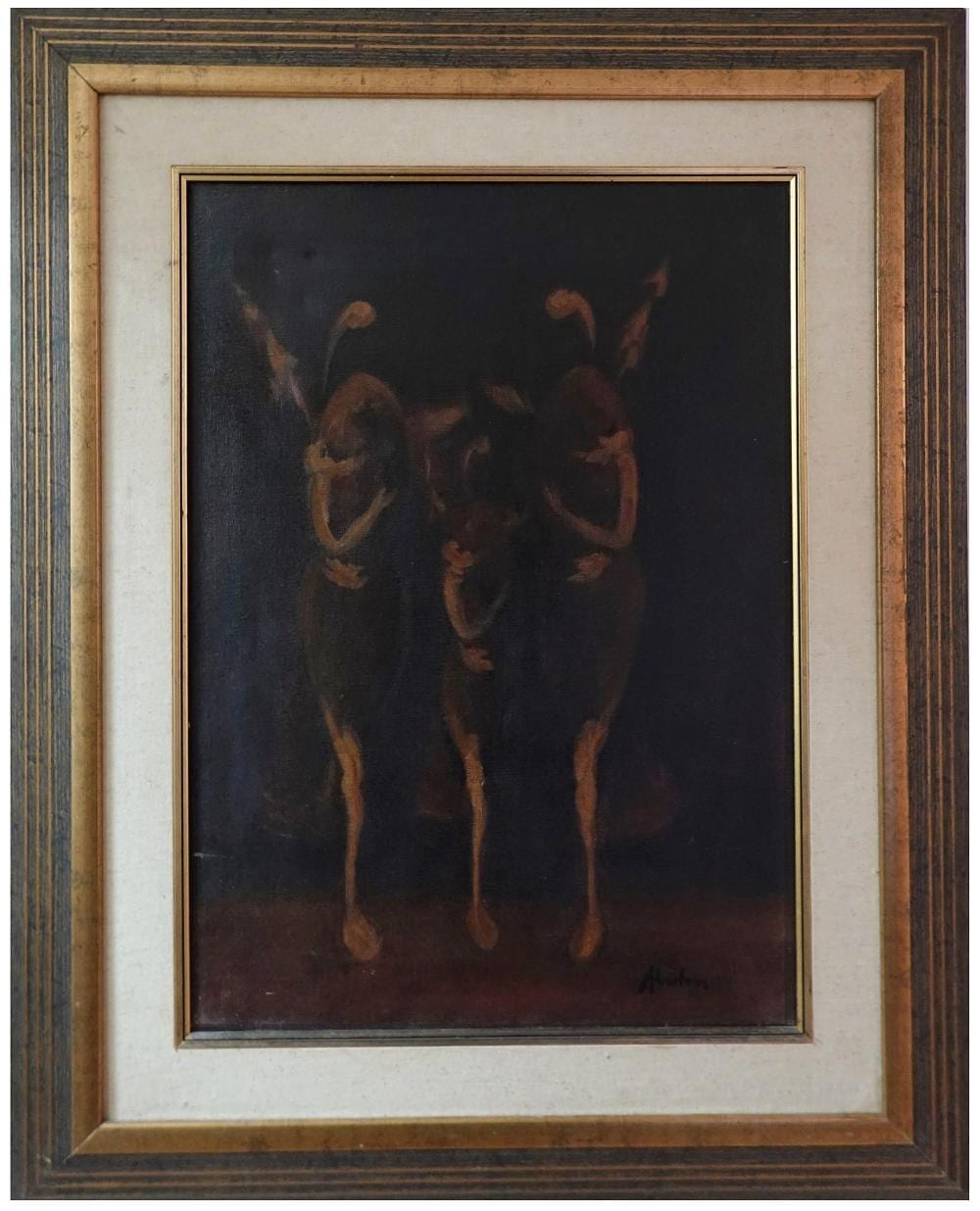
alfred aberdam french polish ukrainian 1894 1963 · Yair Art Gallery · 2025-01-22 alfred aberdam french polish ukrainian 1894 1963 Yair Art Gallery · 2025-01-22
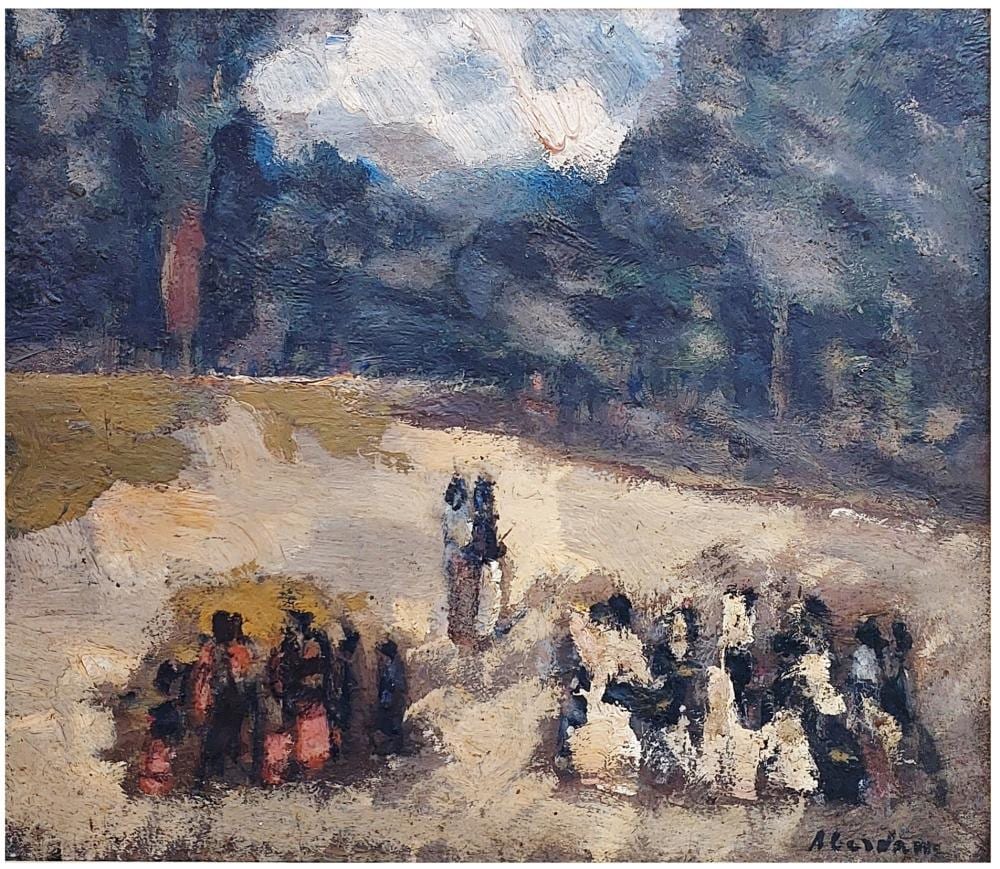
alfred aberdam french polish ukrainian 1894 1963 · Yair Art Gallery · 2024-11-02 alfred aberdam french polish ukrainian 1894 1963 Yair Art Gallery · 2024-11-02
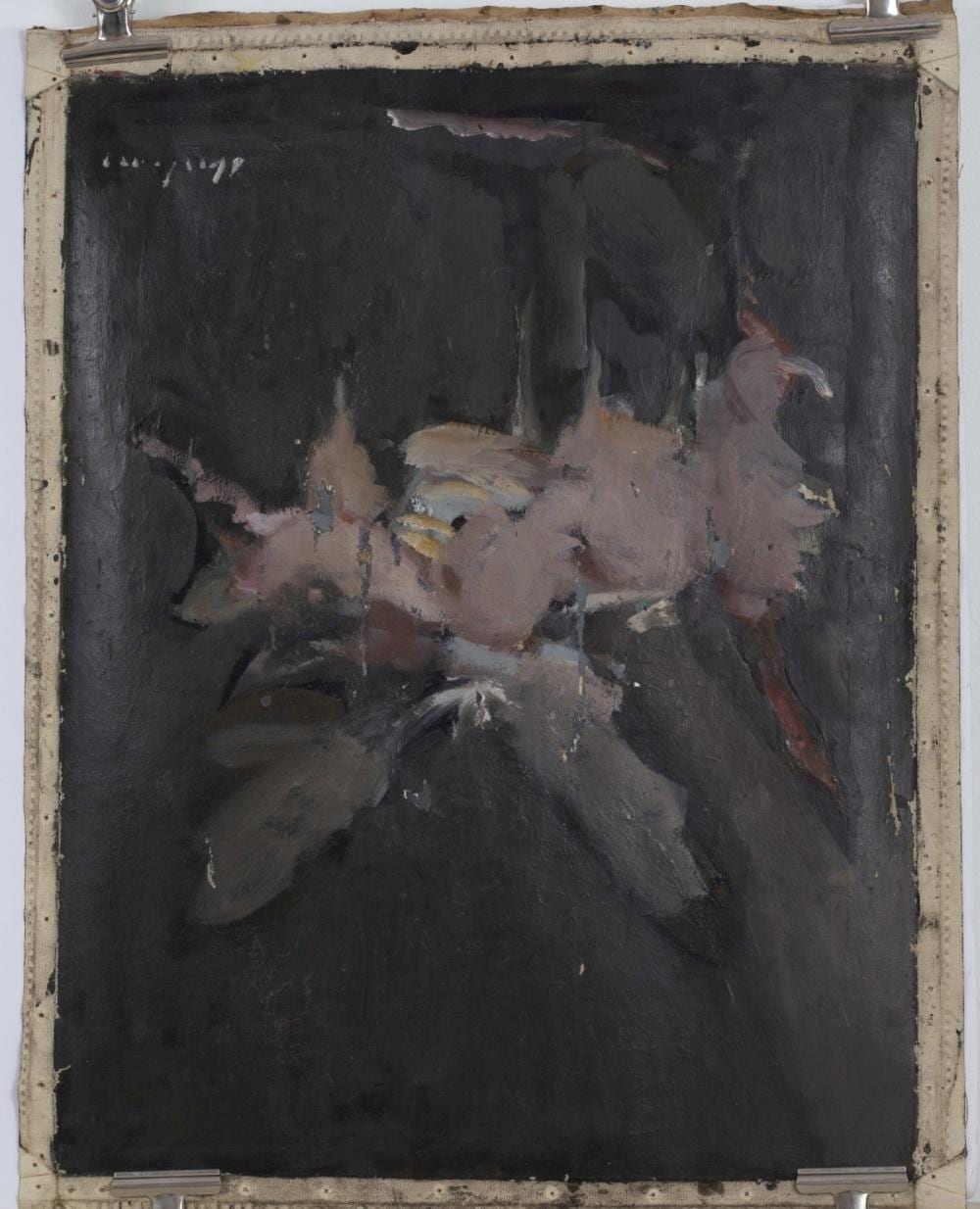
alfred aberdam 1894 1963 composition · Alma · 2024-09-29 alfred aberdam 1894 1963 composition Alma · 2024-09-29
Data basis
This page is built from Appraisily's public auction market index. Private transactions, incomplete sale feeds, and attribution changes may not be fully represented.
Artist value FAQ
How much is Alfred Aberdam worth?
Comparable public auction sales are the best starting point, but final value depends on the specific artwork, condition, size, medium, provenance, and attribution confidence.
Can Appraisily value my Alfred Aberdam artwork?
Yes. Appraisily can review photos, dimensions, signatures, condition, provenance, and comparable market data to prepare a current valuation.