Alberto Pasini Auction Prices and Value Guide
Alberto Pasini auction prices are tracked in Appraisily's artist market index, with source-directory coverage of 307 records. Use this page to review sold-lot activity, market context, and valuation factors before requesting a formal appraisal.
Alberto Pasini auction prices: quick answer
Alberto Pasini auction prices depend on medium, size, date, condition, provenance, edition details, attribution confidence, and recent comparable auction sales.
- Artist
- Alberto Pasini
- Source records
- 307
- Market update
- 2026-02-16
Alberto Pasini market snapshot
Alberto Pasini shows deep auction liquidity with 219 tracked lots. Median realized sale is around $11,000. Category concentration is still broad or sparse. Last 12 months recorded 13 sales. Latest recorded sale: 2025-12-15.
Realized price distribution
- Under $1,000 (10.4% · 13 sales)
- $1,000 to $10,000 (36.0% · 45 sales)
- $10,000+ (53.6% · 67 sales)
- Median sale (last 12 months)
- $7,000
- Sales recorded (last 12 months)
- 13
- Median shift vs prior year
- +79.5%
- Latest recorded sale
- 2025-12-15
Artist context
About Alberto Pasini
Born
1826
Died
1899
Nationality
Italian
Alberto Pasini (1826–1899) was an Italian painter, lithographer, pastelist, and watercolorist born in Busseto, Italy. He is best known for Orientalist subjects rendered in a late-Romantic style, depicting scenes from the Middle East and Ottoman-influenced regions with atmospheric light and architectural detail. Pasini's work fits within the broader nineteenth-century European Orientalist movement, in which artists traveled to or imagined Near Eastern settings and brought those visions to Western audiences. His paintings are held in museum and private collections across Europe, and the RKD Netherlands Institute for Art History records over 360 works attributed to him. He died in Kobarid in 1899.
OrientalismLate Romanticismoil paintinglithographywatercolorpastelOrientalist scenesMiddle Eastern landscapes and city views
Common works and media
Collectors and appraisers most frequently encounter Pasini's oil paintings of Orientalist street scenes, market views, and architectural subjects set in the Near East. He also produced watercolors, pastels, and lithographs in similar subjects. Print multiples and reproductive lithographs after his compositions exist and should be distinguished from original works.
Market and appraisal context
Pasini's works appear regularly in auctions of nineteenth-century European and Orientalist paintings. Oil-on-canvas compositions with recognizably Middle Eastern or Ottoman subject matter tend to attract the strongest collector interest. Watercolors, pastels, and lithographs are less rare and generally realize lower prices. Provenance, condition, and whether a work can be linked to Pasini's documented travels or exhibition history can meaningfully affect appraisal value. Attribution should be verified against scholarly sources, as Orientalist works from this era are occasionally misattributed between contemporaries.
Auction categories and appraisal factors
Common auction categories
- 19th Century European Paintings
- Orientalist Art
Value drivers
- Medium: oil paintings command stronger results than works on paper (watercolors, pastels, lithographs)
- Subject: Orientalist scenes with identifiable Near Eastern settings are characteristic and frequently sought
- Provenance and exhibition history can materially affect value
Appraisal caveats
- The source pack does not include specific auction records or realized prices; valuation factors are inferred from medium and subject-matter context only.
- Attribution should be confirmed against catalogue raisonné or expert opinion, as Orientalist works from this period are sometimes misattributed.
Evidence
Sources for artist context
This source-grounded artist context passed Appraisily's promotion threshold: high confidence, strong sources.
- RKD Netherlands Institute for Art History museum or university
- VIAF library authority
- Getty Vocabulary Program library authority
- Wikidata library authority
- Wikipedia wikipedia
- Library of Congress library authority
Recent sale records
Selected public auction records currently in the Appraisily lot index. Use them as market context, then request a formal appraisal before you sell, insure, or donate.
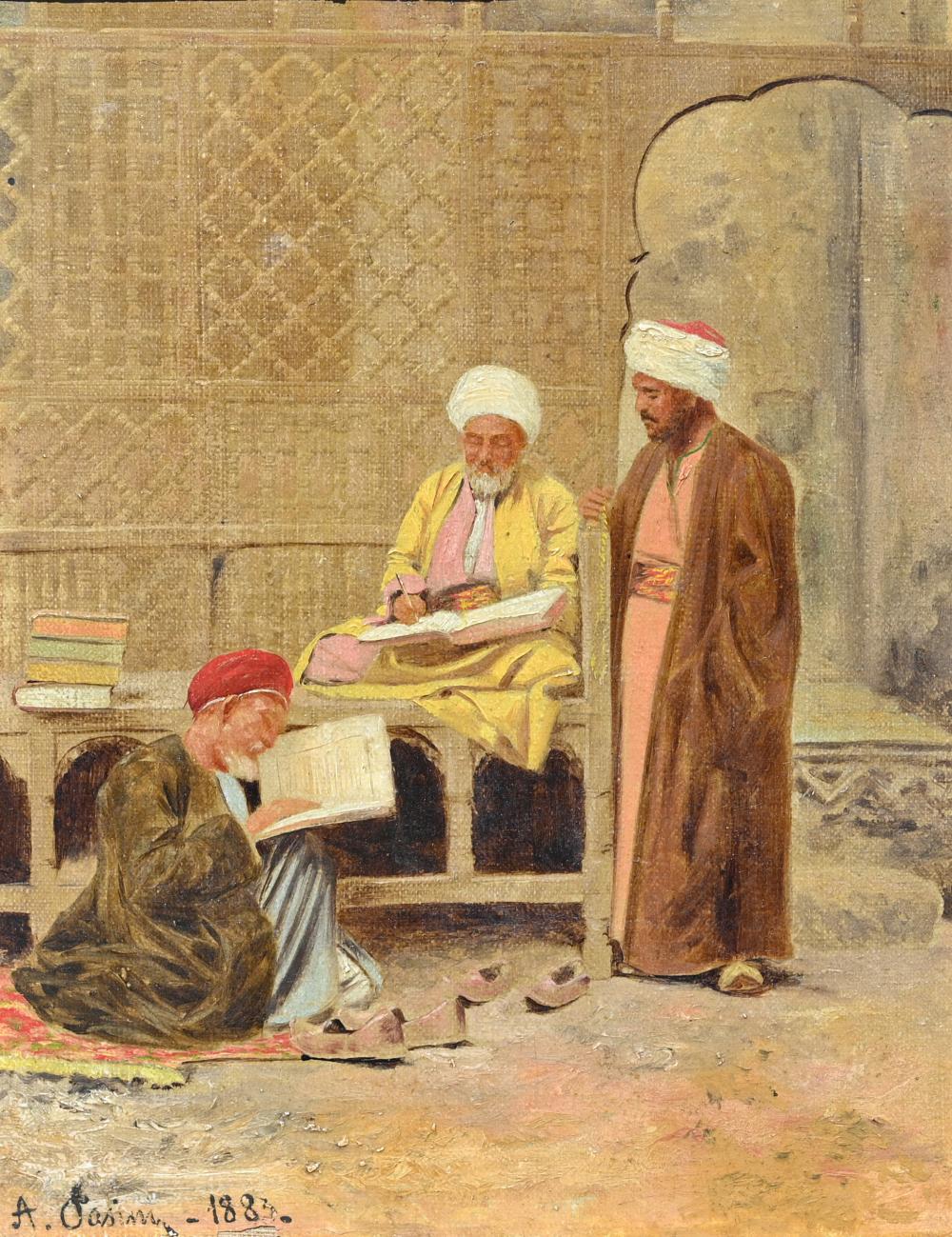
alberto pasini 1826 1899 orientalist figures · Helmuth Stone · 2026-07-12 alberto pasini 1826 1899 orientalist figures Helmuth Stone · 2026-07-12
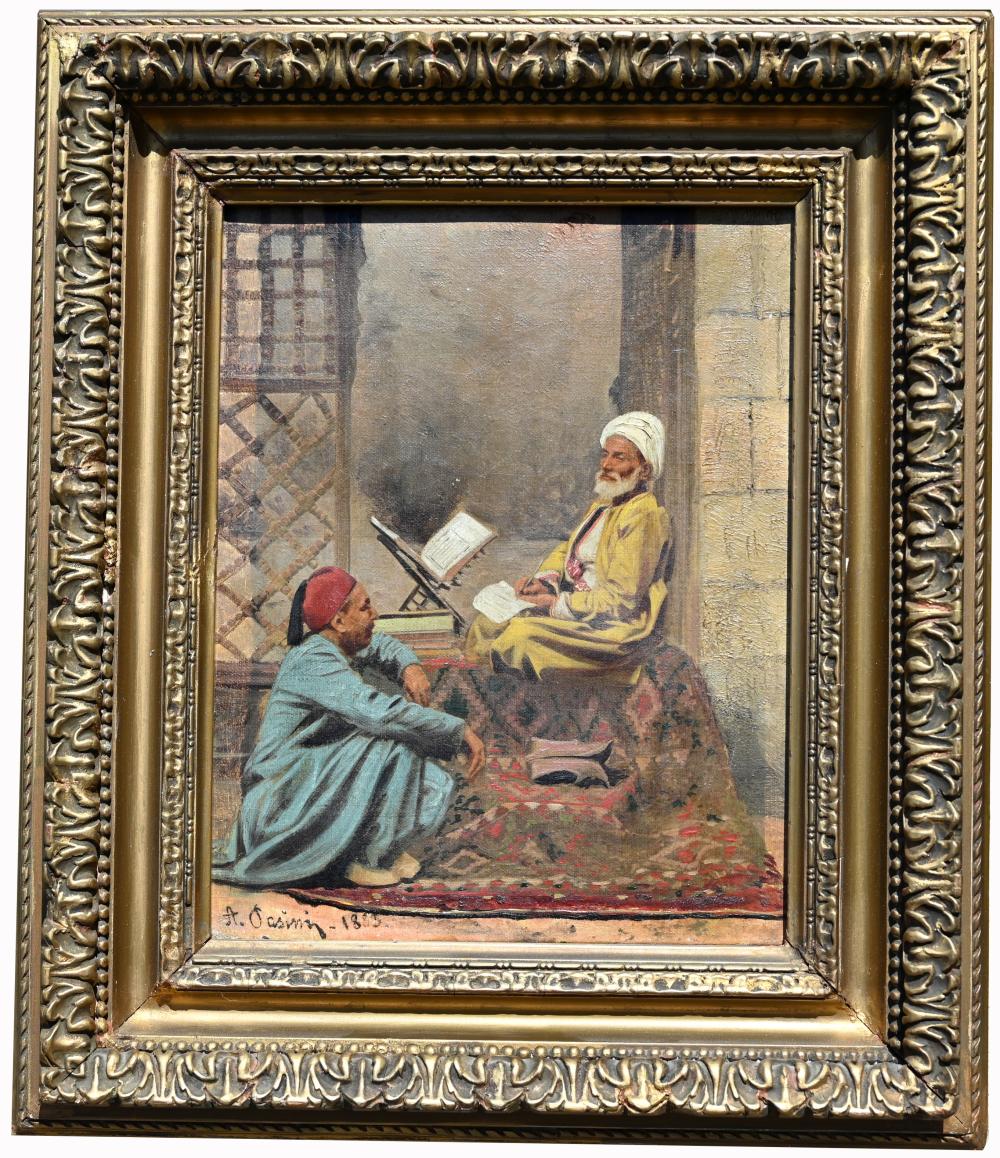
alberto pasini 1826 1899 orientalist figures · Helmuth Stone · 2026-07-12 alberto pasini 1826 1899 orientalist figures Helmuth Stone · 2026-07-12
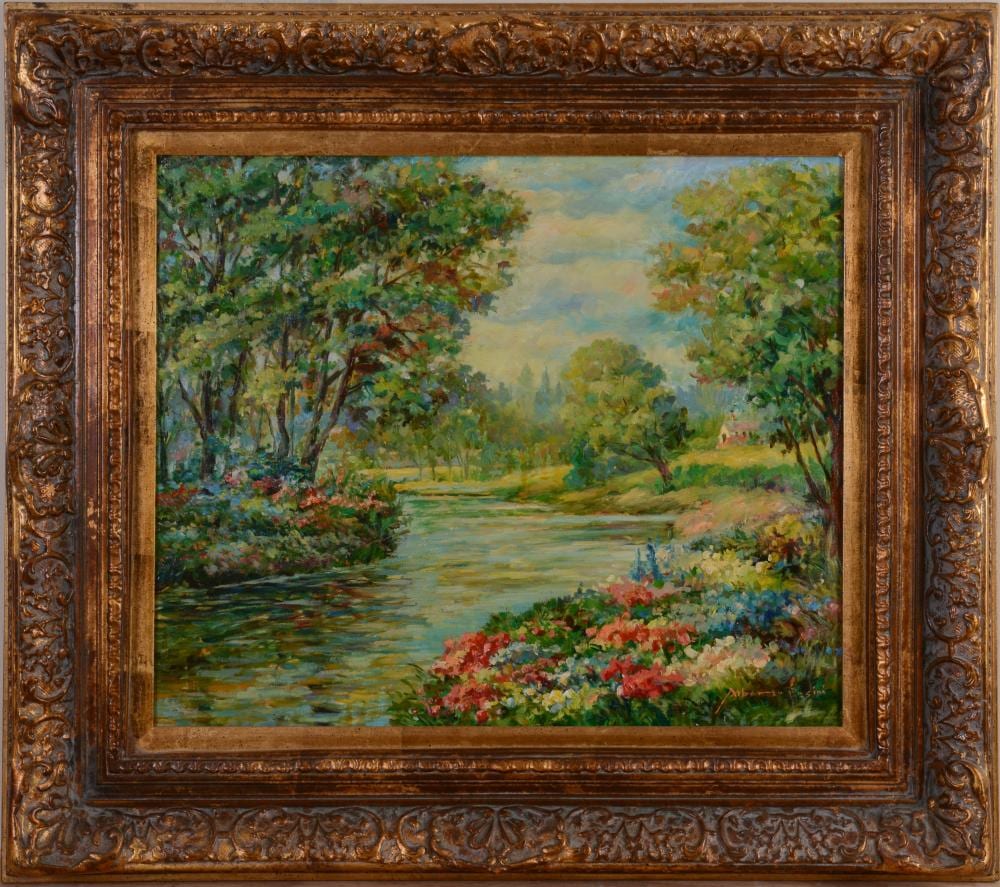
alberto pasini 20th century river landscape · Casco Bay Auctions · 2026-05-02 alberto pasini 20th century river landscape Casco Bay Auctions · 2026-05-02
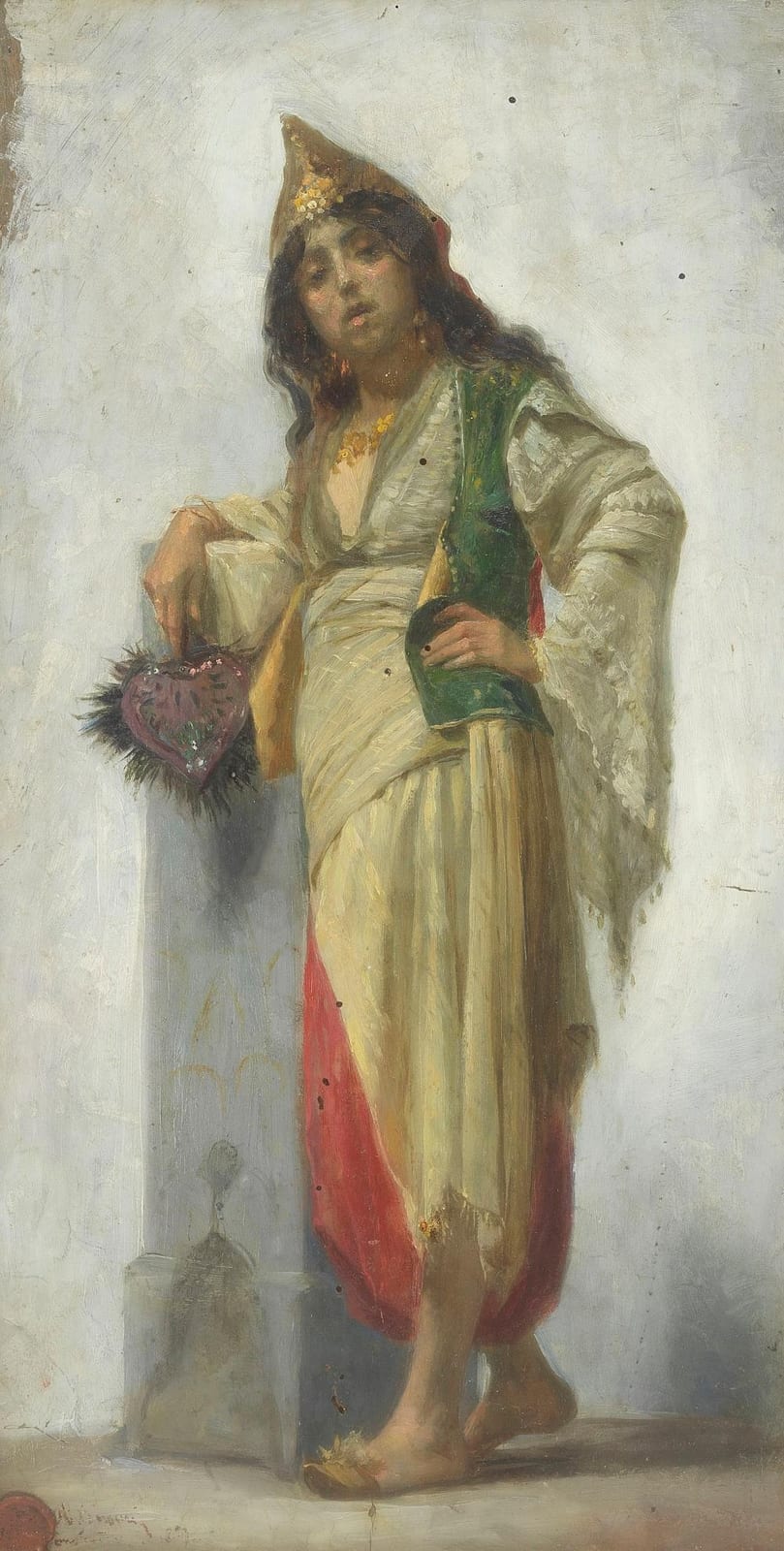
alberto pasini 1820 1899 femme au costume oriental huile sur panneau si · Geneve Encheres · 2026-04-29 alberto pasini 1820 1899 femme au costume oriental huile sur panneau si Geneve Encheres · 2026-04-29
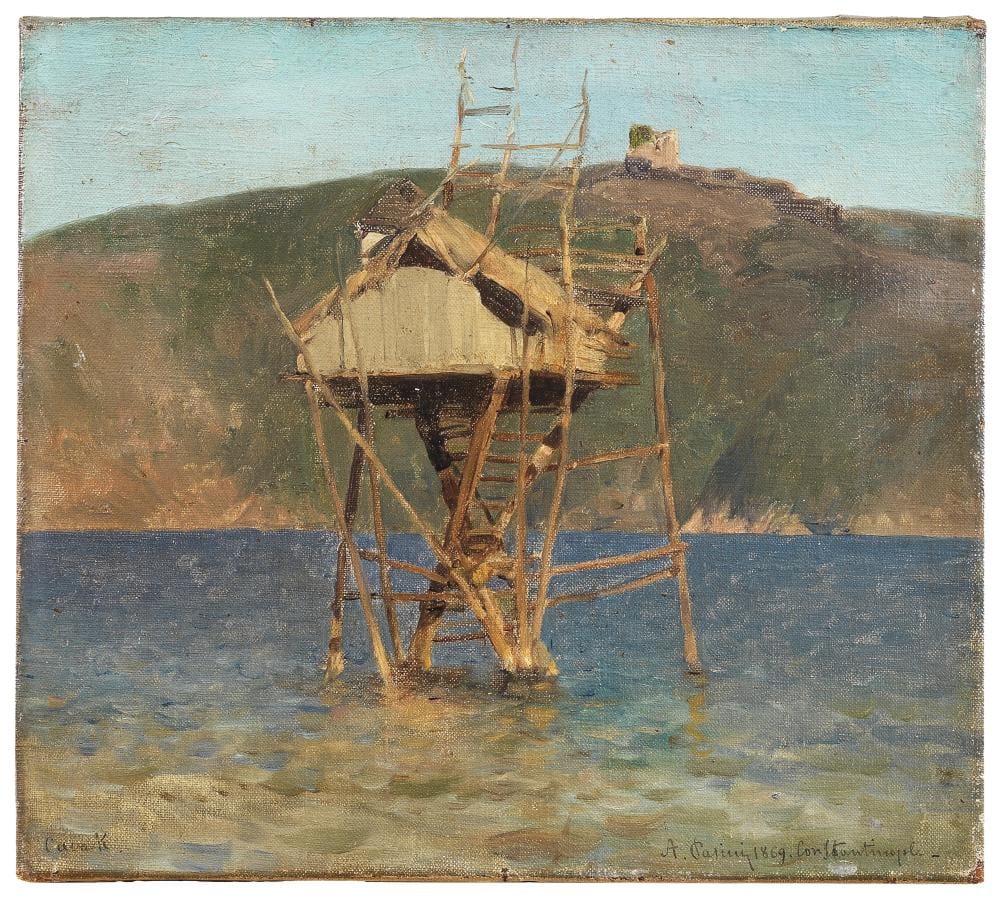
alberto pasini · Dorotheum · 2026-04-29 alberto pasini Dorotheum · 2026-04-29
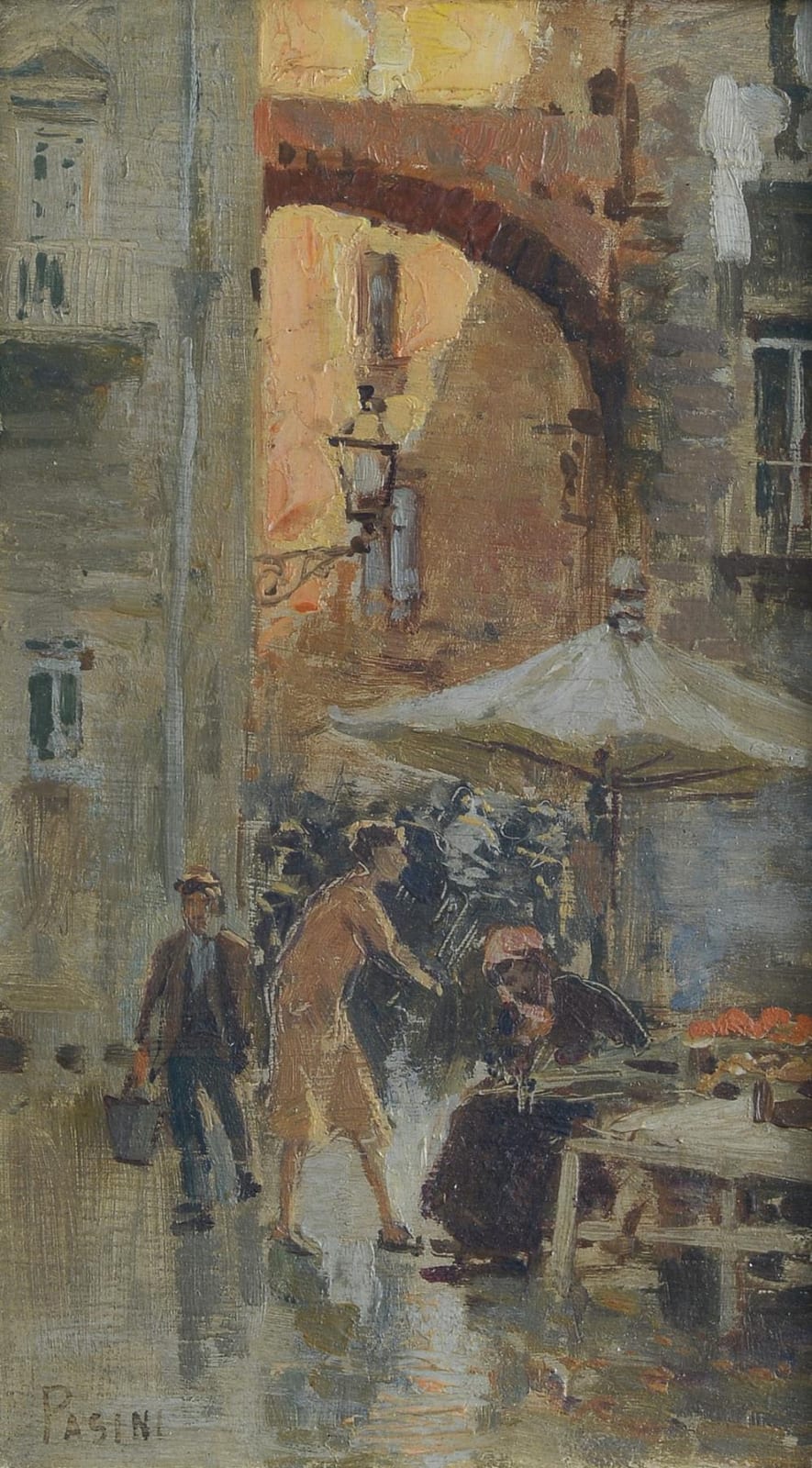
alberto pasini busseto 1826 cavoretto 1899 vicolo popolare · Pananti Casa D'Aste SRL · 2026-03-27 alberto pasini busseto 1826 cavoretto 1899 vicolo popolare Pananti Casa D'Aste SRL · 2026-03-27
Data basis
This page is built from Appraisily's public auction market index. Private transactions, incomplete sale feeds, and attribution changes may not be fully represented.
Artist value FAQ
How much is Alberto Pasini worth?
Comparable public auction sales are the best starting point, but final value depends on the specific artwork, condition, size, medium, provenance, and attribution confidence.
Can Appraisily value my Alberto Pasini artwork?
Yes. Appraisily can review photos, dimensions, signatures, condition, provenance, and comparable market data to prepare a current valuation.