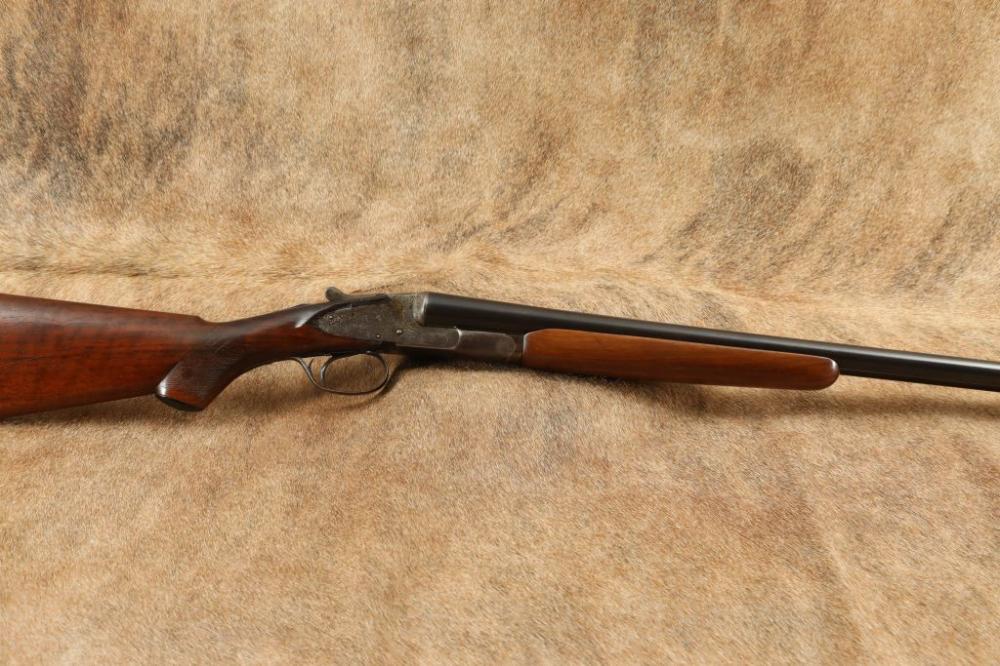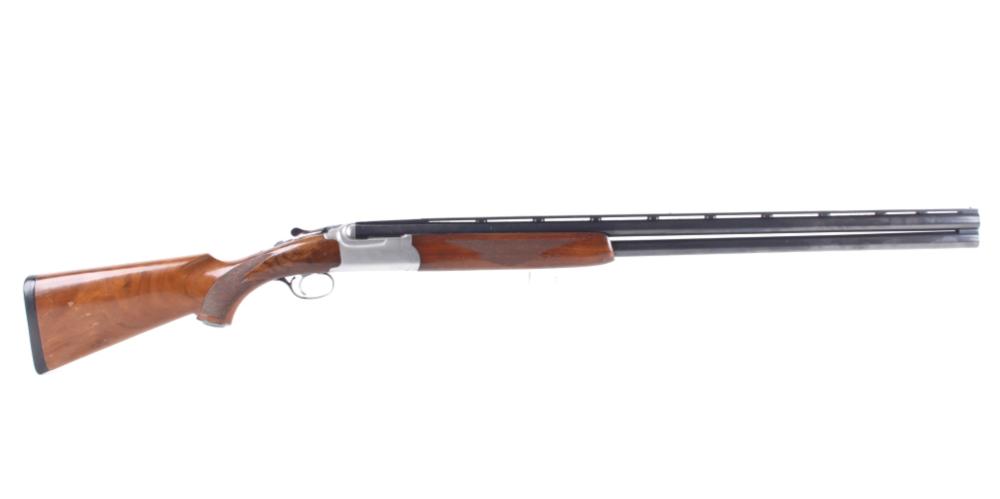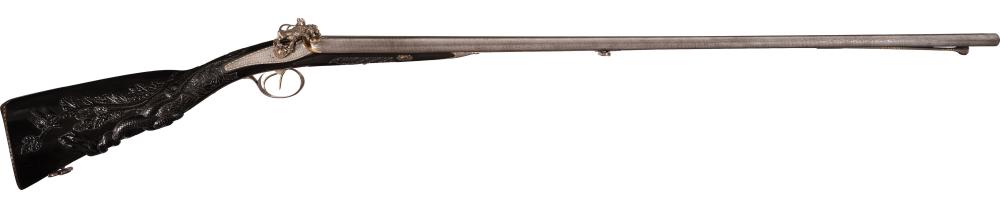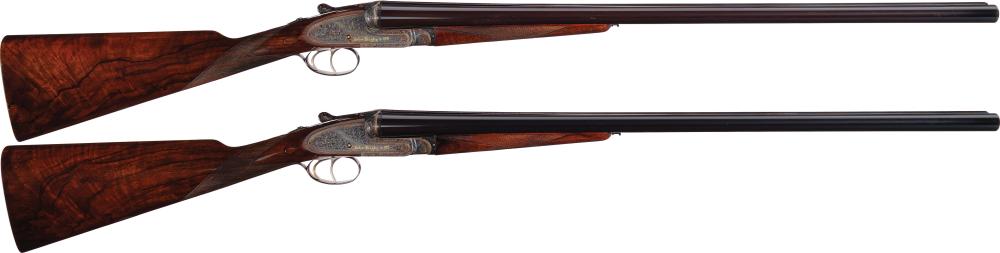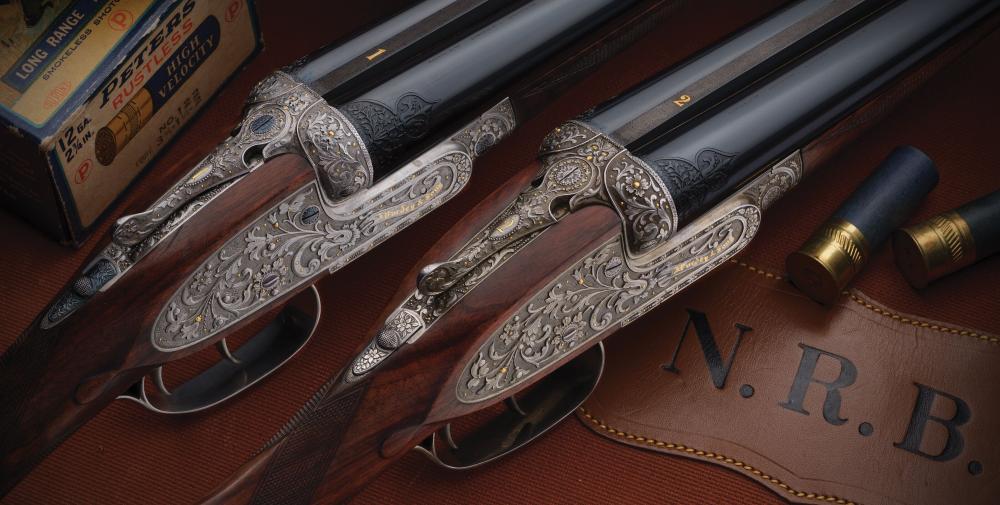
Unlocking the Value Discover How Much Your Antique Double Barrel Shotgun Is Worth in Todays Market: appraisal and value basics
Unlocking the Value Discover How Much Your Antique Double Barrel Shotgun Is Worth in Todays Market research should start with identification, condition, provenance, and item-specific market evidence. Use this guide to compare the signals that matter before paying for a formal appraisal or deciding whether to sell.
Antique double barrel shotgun value checklist
Antique double-barrel shotguns are a fascinating intersection of craftsmanship, sporting history, and collectible value. Determining what yours is truly worth requires more than a quick glance—it’s a structured process of identification, condition assessment, and market comparison. This guide walks you through the essentials collectors and appraisers use to establish value with confidence.
How to Identify What You Have
Begin by documenting the fundamentals. Precision here makes or breaks an accurate valuation.
- Action and lock type:
- Hammer vs. hammerless: External hammers often indicate older guns (pre-1900s), though high-grade hammer guns exist.
- Sidelock vs. boxlock: Sidelocks (locks mounted on plates in the stock) typically command a premium on “best” English guns. Boxlocks (Anson & Deeley type) are robust and common, especially on German and American guns.
- Barrel configuration and material:
- Side-by-side vs. over/under: Most antiques are side-by-side (SxS).
- Damascus/twist steel vs. fluid steel: Damascus (pattern-welded) barrels show a visible pattern. Fluid steel arrived late 19th century; it generally carries higher shooter interest and value, except on elite grades where artistry dominates.
- Gauge and chamber:
- Gauges commonly include 12, 16, 20, 28, and .410. Smaller gauges often bring premiums in desirable makers.
- Chamber length matters (2 1/2", 2 3/4", etc.). Shorter chambers can limit shooter demand and value unless the piece is highly collectible.
- Ejectors vs. extractors:
- Ejectors (automatic shell ejection) are a premium feature on many makers; extractors (lift only) are standard on field grades.
- Maker marks, serials, and proofs:
- Maker’s name/location is often on the rib, locks, or action. Serial numbers are typically on the action flats, watertable, and forearm iron. Matching numbers support originality.
- Proof marks quickly narrow origin and date range:
- United Kingdom: Birmingham or London proof symbols with gauge and chamber indicators.
- Belgium (Liège): ELG in an oval, often with a star; myriad inspector marks.
- Germany (Suhl/Thuringia): Crown over U/N/G or later nitro marks; script letters on flats.
- Austria (Ferlach): Austrian eagles and Ferlach proof; later nitro stamps.
- Spain (Eibar): Spanish nitro proofs, date codes.
- Italy (Gardone/PSF): crowned proofs, PSF, star-over-letter.
- United States: No formal proof house; factory roll marks, serials, and address lines are key instead.
- Dimensions and configuration:
- Measure barrel length from closed breech face to muzzle. Note rib type (solid, swamped), choke constriction, and length of pull (stock fit). Uncut, original barrels are critical to value.
- Accessories and casing:
- Original maker’s case, tools, snap caps, and documentation can add meaningfully to value, particularly for British “best” guns.
If you are uncertain about proof marks or configuration, document them with clear, well-lit photos and consult a specialist or maker-specific collectors’ association. Never fire an antique until it’s been inspected by a qualified gunsmith for barrel integrity, wall thickness, and action tightness.
What Drives Value: The Big Five
Five intertwined factors typically determine the price ceiling for an antique double-barrel:
- Maker and grade
- Prestige brands (Purdey, Holland & Holland, Boss & Co., Westley Richards; Parker, A.H. Fox, L.C. Smith, Winchester 21) command the strongest prices—especially in higher grades with original finish.
- Originality
- Unaltered dimensions, original finish, factory checkering and engraving, matching numbers, and original butt plates or pads preserve value. Cut barrels, reblued tubes, or replaced stocks reduce collector interest unless expertly documented by the maker.
- Condition and mechanics
- “Tight on face,” clean bores with minimal pitting, sound ribs, crisp triggers, and properly timed ejectors are baseline expectations for strong prices. Repaired head cracks or loose actions are costly deductions.
- Configuration and desirability
- Ejectors, small gauges (20, 28, .410), higher grades, fine engraving, and longer barrels for some disciplines all push prices upward. For continental guns, bespoke features and gold inlay or side-clips can be important.
- Provenance and rarity
- Factory letters, case labels, period invoices, and notable ownership elevate value. Limited runs, rare grades, and special-order dimensions can create outsized demand.
Maker Benchmarks and Price Bands Today
Every gun is its own case. That said, the following broad ranges (for honest, collectible examples) help set expectations. Market conditions, originality, and specifics will move a gun above or below these bands.
- British “best” sidelocks (Purdey, Holland & Holland, Boss, James Woodward, Westley Richards)
- Typical: a value that must be established from current, topic-matched sales for solid, original guns with honest wear.
- Exceptional: a value that must be established from current, topic-matched sales+ for near-original finish, small gauge, heavy embellishment, original case, or documented provenance.
- Boxlock bests and quality trade guns (W.C. Scott, Webley & Scott, Greener): a value that must be established from current, topic-matched sales depending on grade and originality.
- American classics
- Parker Bros.: Field grades (VH, Trojan) a value that must be established from current, topic-matched sales; mid grades (GH/DH) a value that must be established from current, topic-matched sales; high grades (A/B, small gauge, special orders) a value that must be established from current, topic-matched sales+.
- A.H. Fox: Sterlingworth a value that must be established from current, topic-matched sales; graded A–F a value that must be established from current, topic-matched sales; small-gauge high grades a value that must be established from current, topic-matched sales+.
- L.C. Smith: Field to Specialty a value that must be established from current, topic-matched sales; higher grades (Crown, Monogram) a value that must be established from current, topic-matched sales+.
- Winchester Model 21: Standard a value that must be established from current, topic-matched sales; Deluxe/Custom a value that must be established from current, topic-matched sales+.
- Ithaca (NID, Flues), Lefever: a value that must be established from current, topic-matched sales typical; rare grades higher.
- Continental Europe
- German/Suhl boxlocks and sidelocks (Merkel, Simson, Sauer): a value that must be established from current, topic-matched sales depending on grade, ejectors, and engraving.
- Austrian Ferlach bespoke: a value that must be established from current, topic-matched sales+, with high-art examples well above.
- Belgian “guild” guns (Liège): a value that must be established from current, topic-matched sales; high-quality sidelocks with engraving can exceed this.
- Spanish Eibar makers (AyA, Ugartechea, Arrieta; older examples): a value that must be established from current, topic-matched sales; top-grade sidelocks higher.
- Trade and utility hammer guns
- Generic or hardware-store brands with Damascus: a value that must be established from current, topic-matched sales depending on condition and decoration. Condition-sensitive; cracked stocks and off-face actions are common.
Special notes:
- Damascus barrels: Collectible and beautiful, but shooter interest is narrower. High-grade English or American Damascus guns remain valuable as art and history pieces; basic trade Damascus depresses price.
- Small gauge premium: In Parker/Fox/Smith/English bests, 20/28/.410 often bring multiples over 12-gauge equivalents.
- Original case and tools: Can materially improve value depending on fit, label, and condition. For top-tier British guns, more.
These figures reflect general transactional experiences in the current market; local supply, auction dynamics, and currency shifts create variance.
Condition and Originality: What Collectors Pay For
Condition is not a single metric. Break it down using criteria serious buyers understand.
- Finish and surfaces
- Case colors: Original, subdued mottling is prized; heavy modern cyan hues can signal refinish. Blueing on barrels should show honest wear at carry points; polished-out markings or waviness hint at reblue.
- Engraving: Sharp edges and consistent depth suggest originality. Softened or “washed” scroll often indicates over-polishing.
- Wood, checkering, and fit
- Original checkering has crisp diamonds and correct patterns for the maker/grade. Over-cut or “muddied” checkering reduces value.
- Stock: Look for wrist cracks radiating from the lock plates; expertly repaired cracks are still deductions. Replacement stocks, recoil pads, or added Monte Carlo combs can drop value unless factory-fitted.
- Dimensions: Shortened stocks (tell-tale plugged screw holes in the butt) and cut barrels both cut value.
- Mechanics
- On-face fit: With the forearm off, close the gun—there should be no play between barrels and action. A right-leaning top lever (on many guns) can indicate wear.
- Ejectors: Should trip simultaneously and cleanly. Mis-timed ejectors or lazy springs require specialist work.
- Bores and barrels: Check for pitting, dents, bulges, and rib separation. Barrel wall thickness should be measured with a proper gauge; thin spots can be dangerous and devalue the gun.
- Proof and reproof
- British and European guns may show reproof marks after refurbishment; that can reassure shooters but raises questions about what was modified (chamber lengthening, rebarreling). Document changes.
- Non-original alterations to watch
- Cut barrels (muzzles without factory choke, missing matting termination) are a major deduction.
- Reblue or recolor without documentation.
- Sleeved barrels on British guns (telltale rings around the breech area) can halve value versus original barrels, though still serviceable.
- Aggressive “restoration” that rounds edges or erases matting/legends.
If safety is in question—particularly with Damascus barrels or old nitro conversions—seek a competent gunsmith’s assessment. Never attempt to test-fire an antique without inspection.
Market Trends and Smart Selling
Understanding current demand helps you decide when and how to sell.
- Demand patterns
- Top-tier makers and small gauges remain strong, buoyed by international collectors and limited supply.
- Plain 12-gauge field guns with heavy wear are plentiful; prices are steady to soft unless unusually original.
- Quality German and Austrian guns offer value relative to English “best,” attracting savvy buyers.
- Condition premiums are widening: truly original, unmessed-with guns sell fast; compromised examples linger.
- Seasonality and timing
- Pre-fall consignments often benefit from hunting season interest.
- Major firearms auctions cluster seasonally; aligning consignments with these events can increase visibility.
- Where to sell
- Specialist auction houses: Broader reach, professional cataloging, and competitive bidding; expect seller’s commission and photography fees.
- Reputable dealers/consignment: Potentially quicker payment and targeted buyers; margin deducted.
- Private treaty to vetted collectors: Lower fees and discretion, but requires strong knowledge, documentation, and adherence to all applicable laws.
- Legal considerations
- Definitions of “antique” vary by jurisdiction (often pre-1899 in the U.S.) and affect how transfers must be handled. Verify status before advertising or shipping.
- Some locales require proof of deactivation or specific transfer processes regardless of age.
- Use appropriate carriers and packaging; insure shipments for full value and avoid disassembly that can cause damage.
Present your gun accurately: detailed photos of proof marks, watertables, serials, flats, ribs, muzzle, and any flaws inspire trust and better bids. Provide measurements, weight, balance point, and any factory letters or provenance documents.
Quick Valuation Checklist
Use this to assemble the key facts before you call an appraiser or list the gun.
- Maker, model/grade, and serial numbers; confirm matching across action/forearm/barrels.
- Action type (sidelock/boxlock), hammer or hammerless; ejectors or extractors.
- Gauge, chamber length, barrel length, choke constrictions; confirm barrels are not cut.
- Barrel material (Damascus/twist vs. fluid steel); visible patterns or roll marks.
- Proof marks and country of origin; note any reproof stamps or date codes.
- Mechanical condition: on-face tightness, trigger pulls, safety function, ejector timing.
- Bores: brightness, pitting, dents, bulges; rib integrity; wall-thickness readings if available.
- Finish originality: case colors, blueing, engraving crispness; evidence of refinish.
- Wood: originality, checkering, dimensions, cracks/repairs, butt plate/pad correctness.
- Accessories and provenance: original case, tools, labels, invoices, factory letters.
Bring these details to a specialist for a more precise valuation. They enable apples-to-apples comparison with auction results and dealer offerings.
FAQ
Q: How can I tell if the barrels are Damascus or fluid steel?
A: Clean the barrels and look for a visible pattern—Damascus shows organic swirls or “watered” lines end-to-end. Fluid steel appears uniformly smooth. Maker markings (e.g., “Fluid Steel,” “Special Steel”) and period catalogs help, but the pattern is the quickest clue.
Q: Does refinishing always hurt value?
A: Expert, maker-level restoration can preserve or enhance value on high-grade guns when fully documented. Unattributed reblue/recolor, over-polishing, or altered dimensions usually reduce collector value, sometimes dramatically.
Q: Are short chambers (2 1/2") a problem?
A: Not for collectibility, but they limit shooter interest. Some guns were lengthened to 2 3/4" and reproofed—this broadens the buyer pool but must be documented. Unsanctioned chamber work without proof can be a red flag.
Q: What makes a British “best” gun different from others?
A: “Best” denotes the maker’s top-quality build: hand-detachable sidelocks, superb regulation, fine stocking, flawless jointing, and deep hand engraving. They’re bespoke pieces with extensive bench time—hence their enduring value premium.
Q: Is a cracked stock a deal-breaker?
A: It’s a deduction, not necessarily a death sentence. Professional, invisible head repairs can stabilize a gun for display or occasional use (where legal and safe), but collectors still discount for any structural repair—especially on high-recoil gauges.
Valuing an antique double-barrel shotgun is a methodical exercise. Identify the exact configuration, read the proof and maker’s language correctly, judge originality with a critical eye, and then compare against current sales of comparable examples. When in doubt, lean on maker-specific experts and specialist auctioneers—your diligence can unlock thousands of dollars in value, or prevent costly missteps.