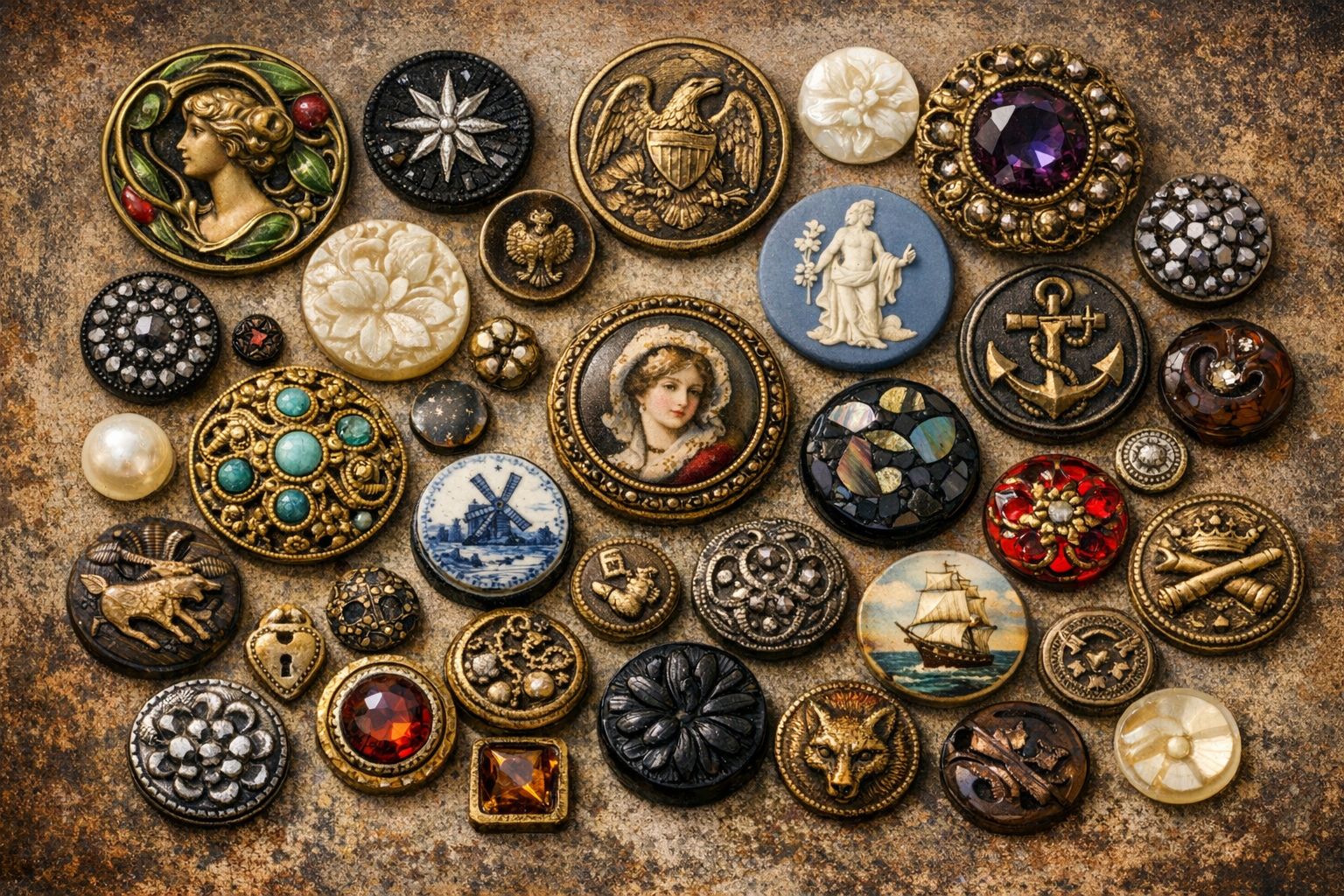
Buttons are more than just functional fasteners – they’re miniature works of art that tell stories of bygone eras. From ornate Victorian brass buttons to colorful mid-century plastics, these small collectibles can hold surprising value and historical significance. Whether you’ve inherited a jar of mixed buttons, discovered some interesting specimens at an estate sale, or are looking to start a collection, identifying old buttons is both rewarding and potentially profitable.
In this comprehensive guide, we’ll explore the fascinating world of antique and vintage button identification, covering materials, manufacturing techniques, age indicators, and valuation. With the right knowledge, you might discover that some of those unassuming fasteners in your sewing box are actually treasured collectors’ items worth significant money.
Table of Contents
- Understanding Button Ages and Categories
- Materials Used in Antique Buttons
- Identifying Button Construction and Attachment Methods
- Recognizing Important Makers and Marks
- Dating Buttons by Style and Design Elements
- Evaluating Condition and Value
- Resources for Button Collectors
- FAQs About Antique Button Identification
Understanding Button Ages and Categories
Collectors typically divide buttons into the following categories:
- Antique Buttons: Generally, buttons made before 1918 (over 100 years old)
- Vintage Buttons: Typically dated between 1918 and the 1980s
- Modern Buttons: Those made in recent decades
Within these broad categories, buttons are further classified by materials, manufacturing periods, and design styles. The National Button Society, founded in 1938, established a comprehensive classification system used by serious collectors, which divides buttons into divisions and classes based on materials, construction methods, and decorative elements.
Historical Timeline of Button Evolution
- 1500-1700
Early Buttons
Primarily handcrafted from natural materials like wood, bone, horn, and precious metals. Often used more for decoration than function.
- 1700-1850
Industrial Revolution
Mass production begins. Metal buttons become standardized. Military and uniform buttons gain prominence. Development of picture buttons.
- 1850-1918
Victorian & Edwardian Era
The golden age of buttons. Elaborate designs using glass, ceramics, metals, and early plastics. Highly decorative with complex patterns.
- 1918-1960
Modern Materials
Introduction of bakelite, celluloid, lucite and other synthetic materials. Simpler designs with Art Deco and Mid-Century influences.
- 1960-Present
Contemporary Era
Mass production with plastic dominates. Return to artisanal buttons in recent decades. Vintage button collecting becomes popular.
Materials Used in Antique Buttons
Natural Materials
Shell: Mother-of-pearl (or nacre) buttons were common from the 1800s through the early 1900s. They have a distinctive iridescent sheen and were often used on dress shirts, blouses, and undergarments. Pearl buttons from the Mississippi River “pearl rush” (1890s-1920s) are particularly collectible.
Horn, Bone, and Ivory: These animal-derived materials were widely used before plastics. Horn buttons often have a layered, translucent appearance, while bone buttons are more opaque with visible porous areas. Genuine ivory buttons (now illegal unless antique with proper documentation) have distinctive “Schreger lines” or grain patterns.
Wood: Wooden buttons range from simple utilitarian designs to intricately carved specimens. They were common from the 18th century onward and experienced a resurgence during wartime material shortages.
Metals
Brass: A popular material for buttons, especially military and uniform buttons from the 18th-early 20th centuries. Look for tarnishing consistent with age and examine backmarks for manufacturer information.
Steel: Steel buttons became common in the 19th century and were often used for work clothes and uniforms. They may show rust or corrosion consistent with age.
Pewter: These soft metal buttons with a dull gray appearance were popular in the 18th and early 19th centuries. They often develop a distinctive patina over time.
Silver and Gold: Precious metal buttons were status symbols for the wealthy. Look for hallmarks indicating metal content and maker’s marks.
Glass and Ceramics
Glass: Glass buttons became widely available in the mid-19th century and remained popular through the early 20th century. They range from simple black glass “mourning buttons” to colorful hand-painted or molded designs.
Porcelain and Ceramic: Often hand-painted with delicate designs, these became popular in the late 18th century through the Victorian era. Staffordshire, Wedgwood, and Satsuma buttons are highly prized.
Early Synthetic Materials
Celluloid: The first synthetic plastic, introduced in the 1860s and popular through the 1930s. It can be identified by its lightweight feel and often has a slight camphor smell when rubbed. It’s highly flammable.
Bakelite: Developed in 1907 and popular through the 1940s. Authentic Bakelite produces a distinctive formaldehyde smell when rubbed with a hot needle (the “hot pin test”) and makes a solid sound when tapped against teeth or hard surfaces.
Lucite: Popular from the 1940s onward, lucite buttons are often transparent or translucent with embedded designs, glitter, or bubbles.
Identifying Button Construction and Attachment Methods
Attachment Methods
Shanks:
- Loop Shanks: Simple wire loops - common in early buttons
- Pad Shanks: Metal base with attached loop - popular in the 19th century
- Self Shanks: Made from the same material as the button - found in various periods
The shank is often the most reliable indicator of a button’s age:
- Twisted Wire Shanks embedded in metal indicate manufacture before 1918
- Cast Shanks that are integrated with the button body typically date from the 19th century
- Alpha Shanks (shaped like an inverted omega symbol) were patented in 1918
Sew-Through Holes:
- Two-Hole Buttons: Common throughout button history
- Four-Hole Buttons: Became widespread in the 19th century
- Unusual Hole Patterns: Can help identify specific periods or manufacturers
Construction Techniques
Molded Buttons: Mass-produced buttons made by pouring material into molds. Examine the seam lines and level of detail to determine age and quality.
Riveted Buttons: Multiple pieces joined together with small metal rivets, popular in the 19th and early 20th centuries.
Fabric-Covered Buttons: Often found on high-end garments, with designs reflecting the fashion of their period.
Hand-Carved Buttons: Look for slight irregularities and asymmetry indicating hand craftsmanship rather than machine production.
Button Authentication Checklist
Use this checklist to help assess the age and authenticity of antique buttons
- Material appears consistent with claimed age
- Attachment method/shank style matches the time period
- Shows appropriate wear consistent with age
- Patina, tarnish, or aging appears natural rather than artificial
- Any backmarks or maker's marks are appropriate for the period
- Design elements and motifs match the claimed era
- Manufacturing techniques are consistent with the period
- Size is appropriate for the claimed use and era
Recognizing Important Makers and Marks
Types of Backmarks
Manufacturer’s Marks: Company names, logos, or initials stamped on the back of buttons. Examples include:
- “R. Scovill & Co.” (1802-1840)
- “Scovill Mfg. Co.” (1840-1866)
- “Waterbury Button Co.” (1849-present)
- “Goodyear” (for hard rubber buttons, 1851-1870s)
Patent Dates: Many buttons include patent dates, which provide a definitive earliest possible date for the button. Remember that buttons may have been produced for many years after the patent date.
Content Marks: Especially on metal buttons, you might find marks indicating material composition:
- “Gilt” for gold-plated brass
- “Silver” or sterling marks on silver buttons
- “Paris” or “Paris Back” for a specific type of brass button
Country of Origin: After 1891, imported buttons were required to include the country of origin, such as “Made in France” or “Made in Czechoslovakia.”
Notable Button Manufacturers
- Scovill Manufacturing Company: One of America’s oldest button makers, known for high-quality brass buttons
- Waterbury Button Company: Famous for uniform and military buttons
- Schwanda & Sons: Well-known Czech button maker (1830s-1940s)
- Lacy, Pollard & Co.: Important 19th-century British manufacturer
- W. Boulton: Prominent Birmingham button maker from the late 18th-early 19th centuries
Dating Buttons by Style and Design Elements
Common Historical Button Styles
Georgian Period (1714-1837):
- Simple metal buttons, often pewter or brass
- Hand-cut steel faceted buttons
- Picture buttons depicting pastoral scenes or sporting motifs
Victorian Era (1837-1901):
- Highly decorative with intricate designs
- Popular motifs included flowers, animals, insects, and mythology
- Materials included brass, steel, glass, pearl, and ivory
- Black glass “mourning buttons” following Prince Albert’s death
Art Nouveau (1890-1910):
- Flowing, organic designs with natural motifs
- Female figures with flowing hair
- Asymmetrical designs and whiplash curves
Art Deco (1920s-1930s):
- Geometric, bold designs
- Streamlined motifs
- Early plastic materials in bright colors
- Contrasting materials and color combinations
Mid-Century (1940s-1960s):
- Simple, space-age designs
- Atomic and starburst patterns
- Colorful plastic materials, especially lucite
Specialized Button Types
Picture Buttons: Popular in the Victorian era, these detailed brass buttons depict scenes from literature, mythology, or daily life.
Realistics: Buttons shaped like animals, plants, or objects, especially popular during the Victorian era.
Sporting Buttons: Depicting hunting scenes, horses, or other sporting activities, popular in the 18th and 19th centuries.
Military and Uniform Buttons: Often feature emblems, insignia, or regimental symbols that can be researched for precise dating.
Studio Buttons: Handcrafted art buttons, often signed by the artist, becoming popular from the late 20th century to the present.
Antique Button Values by Type and Age
Average market prices for collectible buttons (2023 values)
Evaluating Condition and Value
Condition Factors Affecting Button Value
Completeness: Buttons with all original parts intact are most valuable. Missing shanks, chipped edges, or other damage decreases value.
Surface Condition: Look for:
- Scratches or abrasions
- Chips or cracks
- Color fading or discoloration
- Metal corrosion or inappropriate cleaning
Originality: Original finishes are preferred over refinished or restored buttons. Collectors value the natural patina that develops with age.
Rarity: Unusual materials, designs, or limited production runs command higher prices than common buttons.
What Makes Buttons Valuable
Several factors contribute to a button’s collectibility and value:
- Historical Significance: Buttons associated with important historical events or periods
- Artistic Merit: Fine craftsmanship, intricate details, or artistic designs
- Rarity: Limited production, unusual materials, or designs that rarely survived
- Age: Generally, older buttons with documented provenance command higher prices
- Documentation: Buttons with known history or that can be attributed to specific makers
- Completeness: Full sets of matching buttons are often worth more than individual pieces
Resources for Button Collectors
External Resources for Button Collectors and Researchers
National Button Society
The National Button Society offers extensive resources including classification systems, publications, and annual conventions for button enthusiasts.
Button Country
Button Country provides visual examples for antique and vintage button categories as defined in standard collecting divisions.
HobbyLark Vintage Button Guide
Comprehensive guide with identification techniques for determining the age and type of vintage buttons in your collection.
The Button Society of Australia
International perspective on button collecting with resources specifically relevant to Australian and Asian button traditions.
Mitzi's Miscellany Button Resources
Excellent introduction to button collecting with practical identification techniques for beginners.
DAACS Button Cataloging Manual
Academic resource providing detailed methodology for cataloging and identifying archaeological button specimens.
Button Collecting Organizations
Joining button collecting clubs and attending conventions can provide invaluable hands-on learning opportunities:
- National Button Society: Founded in 1938, hosts annual conventions and publishes reference materials
- State and Regional Button Societies: Local groups often hold meetings and sales
- Online Communities: Facebook groups and forums dedicated to button collecting
Reference Books
Some essential books for button collectors include:
- “The Big Book of Buttons” by Elizabeth Hughes and Marion Lester
- “Button Power: 125 Years of Saying It with Buttons” by Christen Carter and Ted Hake
- “Antique & Collectible Buttons: Identification & Values” by Debra J. Wisniewski
- “Uniform Buttons of the United States” by Warren K. Tice
Tips for Beginning Button Collectors
- Start with what interests you: Focus on a specific material, era, or style that appeals to you personally
- Store properly: Use acid-free containers and avoid exposing buttons to extreme temperatures or humidity
- Document your collection: Keep records of where you acquired each button and any known history
- Handle with care: Use cotton gloves when handling delicate buttons to prevent oils from your skin damaging finishes
- Join a community: Connect with other collectors who can share knowledge and experience
- Build a reference library: Invest in good identification guides specific to your collecting interests
- Practice identification: Train your eye by examining known examples at museums or collector events
Common Questions About Antique Button Identification
How do I identify old buttons?
- Material: Different materials were popular in specific eras (shell, metal, glass, early plastics)
- Construction: Check the back for shank style or sew-through holes
- Markings: Look for manufacturer’s marks, patent dates, or country of origin
- Design style: Note artistic elements that correspond to historical periods
- Wear patterns: Authentic old buttons should show appropriate wear consistent with their age
How do you identify old flat buttons?
- Back seams: Look for casting seams that indicate how the button was manufactured
- Metal composition: Colonial buttons were commonly made of brass, copper, pewter, or silver
- Attachment method: Early flat buttons often had a simple wire shank embedded in the back
- Decorative elements: Many colonial buttons featured simple designs or regimental/military motifs
- Size and proportion: Colonial buttons typically have a different scale than modern ones
Is there any value in old buttons?
- Age: Pre-1918 buttons generally command higher prices
- Rarity: Unusual designs, materials, or limited productions are more valuable
- Condition: Buttons in excellent condition with original finishes are worth more
- Historical significance: Military, political, or buttons with known provenance can be worth substantial amounts
- Artistic merit: Buttons with fine craftsmanship or by notable makers fetch premium prices
How can you tell if a button is vintage?
- Materials: Vintage buttons often feature materials popular in specific decades (Bakelite from the 1930s-40s, Lucite from the 1940s-60s)
- Manufacturing techniques: Examine construction methods that match the claimed period
- Design elements: Check if the artistic style matches the era (Art Deco, Mid-Century Modern, etc.)
- Maker’s marks: Research any back stamps or maker’s marks to confirm authenticity
- Age-appropriate wear: Vintage buttons should show wear consistent with their age
- Color palette: Certain colors were popular in specific decades
What is the best way to clean antique buttons without damaging them?
- Metal buttons: Gently clean with a soft, dry toothbrush. Avoid harsh chemicals that remove patina, which collectors value.
- Pearl/shell buttons: Wipe with a slightly damp soft cloth only. Never soak or use chemicals.
- Fabric buttons: Light vacuuming with a small attachment and soft brush.
- Plastic buttons (Bakelite, celluloid): Wipe with a barely damp cloth. Never soak or use alcohol, which can damage these materials.
- Glass buttons: Clean with mild soap and water, dry thoroughly.
- Wooden buttons: Dust with a soft brush; never wet.
What were the most popular button materials used in different time periods?
- Pre-1700s: Horn, bone, wood, brass, pewter
- 1700s-early 1800s: Silver, pewter, brass, fabric-covered, paste (glass) jewels
- Mid-1800s: Shell (mother-of-pearl), porcelain, glass, brass stamped designs
- Late 1800s (Victorian): Elaborate brass picture buttons, jet, glass, pearl, ivory
- Early 1900s: Continued use of natural materials, early celluloid
- 1920s-1930s: Bakelite, celluloid, early synthetic materials, Art Deco designs
- 1940s-1950s: Lucite, plastic, modernist designs
- 1960s-1970s: Colorful plastics, novelty shapes, mod designs
- 1980s-present: Mass-produced plastics, return to natural materials in high-end garments
Are there any apps or digital tools to help identify antique buttons?
- General antique identification apps like Google Lens can sometimes provide starting points for research
- Online button forums where collectors can post images for identification by experts
- Digital archives from museums with button collections
- Subscription databases like WorthPoint that include sold button auction listings with photos and descriptions
- Pinterest boards curated by button collectors with identified examples
- Button collector websites with searchable image galleries
What are the most valuable types of antique buttons to look for?
- Historical military buttons: Particularly Revolutionary War, War of 1812, and Civil War examples
- Rare Bakelite buttons: Especially in unusual colors or carved designs
- Hand-painted porcelain buttons: Particularly those signed by artists or from famous factories
- 18th-century metalwork buttons: Including steel-cut and jeweled examples
- Pictorial brass buttons: With rare or important designs
- Political campaign buttons: From significant historical campaigns
- Ivory and tortoiseshell buttons: Though ethical considerations and legal restrictions apply to these materials today
- Jeweled buttons: Containing genuine gemstones or precious metals
- Artist-signed studio buttons: Contemporary art buttons by recognized artists
- Documented buttons from famous historical figures: With provenance from important historical clothing
Conclusion
Antique button identification is both an art and a science, requiring careful observation, research, and practice. By examining materials, construction methods, markings, and design elements, you can unlock the stories behind these miniature artifacts and potentially discover valuable treasures.
Whether you’re a serious collector, an antique dealer, or simply curious about the history of buttons found in a family sewing box, the world of antique buttons offers a fascinating glimpse into past fashions, technologies, and artistic movements. The variety of materials, designs, and manufacturing techniques makes button collecting an endlessly engaging hobby with discoveries waiting to be made.
Remember that proper identification takes time and experience – connect with other collectors, utilize reference materials, and handle your buttons with care. With patience and knowledge, you’ll develop the skills to recognize and appreciate these small but significant pieces of history.
Note: We couldn’t find enough auction records that directly match Old Buttons Identification: Material, Shank, Marks and Age to publish a defensible price table. If you are valuing a specific item, include its maker, model, material, photos, and condition so the search can be narrowed.
What similar items actually sold for
To help ground this guide in real market activity, here are recent example auction comps from Appraisily’s internal database. These matched sales are market context only, not an object estimate or identification, and they do not guarantee a price for your specific button.
Shown USD range: USD 30-USD 550. Median of these 4 USD examples: USD 47.50.
| Comparable | What sold | Auction house | Date | Lot | Source-reported amount |
|---|---|---|---|---|---|
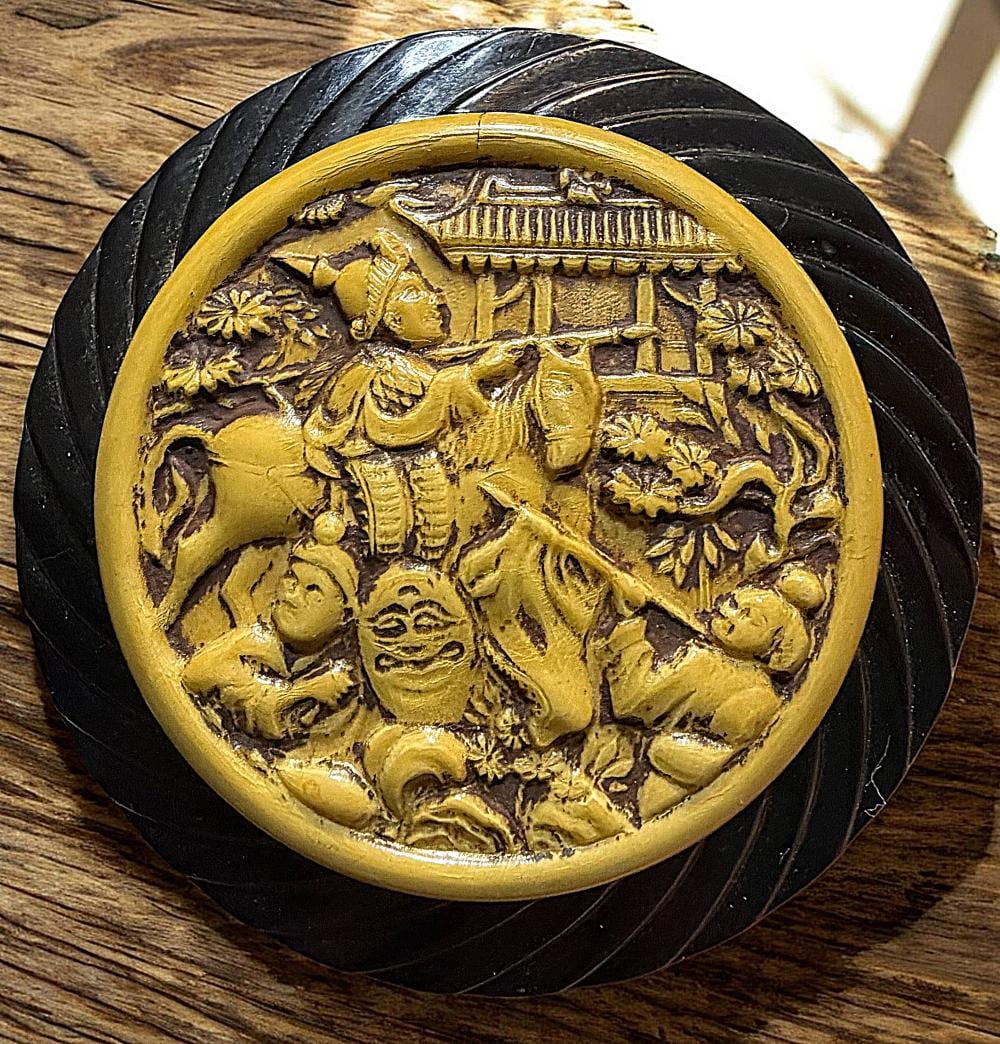 |
A DIVISION ONE TWO COLOR PICTORIAL CELLULOID BUTTONSource blocked; provenance matched | Lion and Unicorn | 2026-04-15 | 714 | USD 50 (buyer’s-premium treatment unknown) |
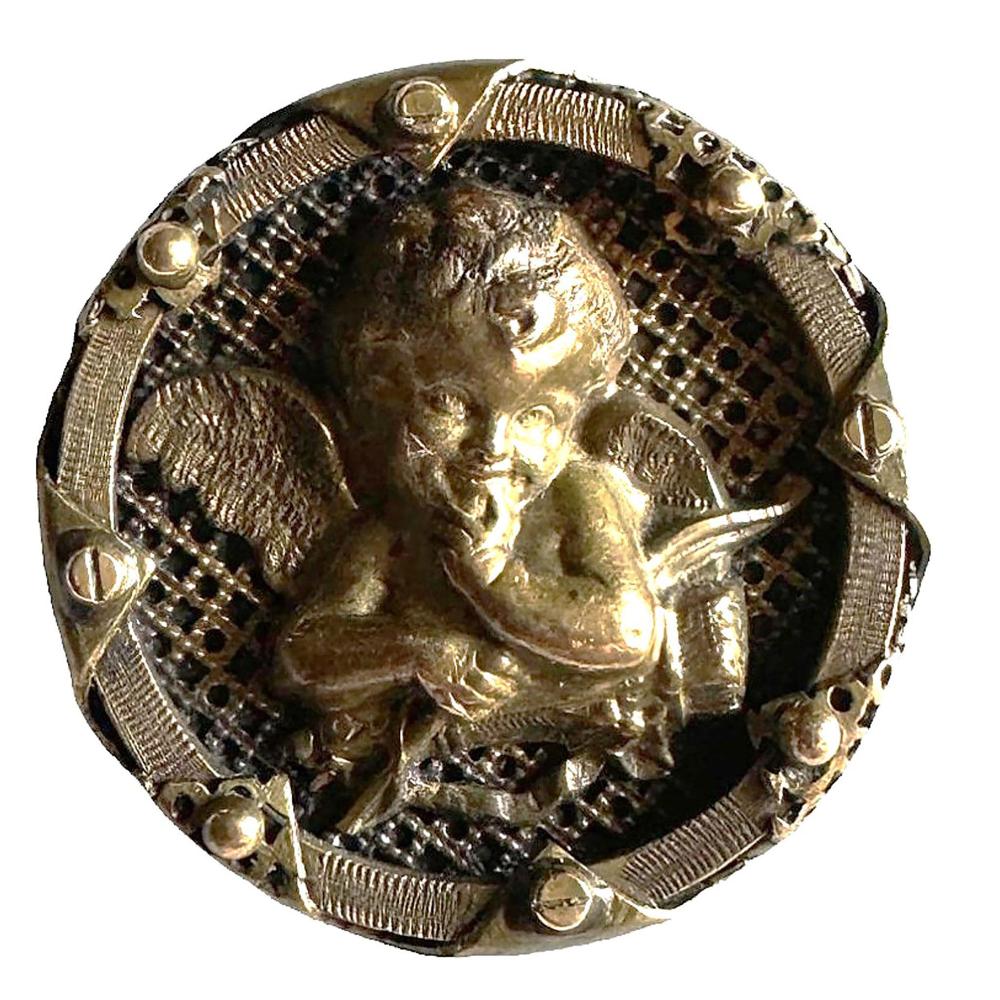 |
A division one brass pictorial cupid buttonSource blocked; provenance matched | Lion and Unicorn | 2024-11-07 | 518 | USD 550 (buyer’s-premium treatment unknown) |
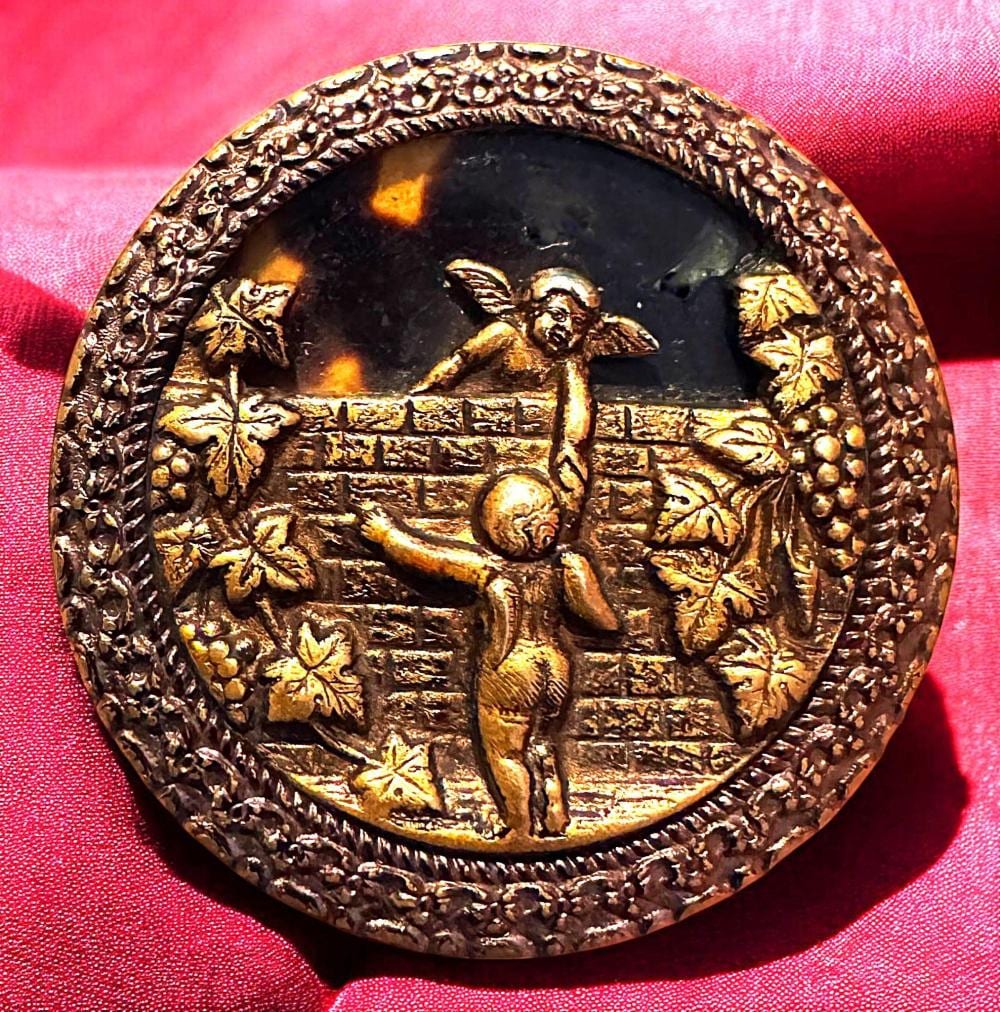 |
A division one celluloid background buttonSource blocked; provenance matched | Lion and Unicorn | 2025-10-29 | 816 | USD 30 (buyer’s-premium treatment unknown) |
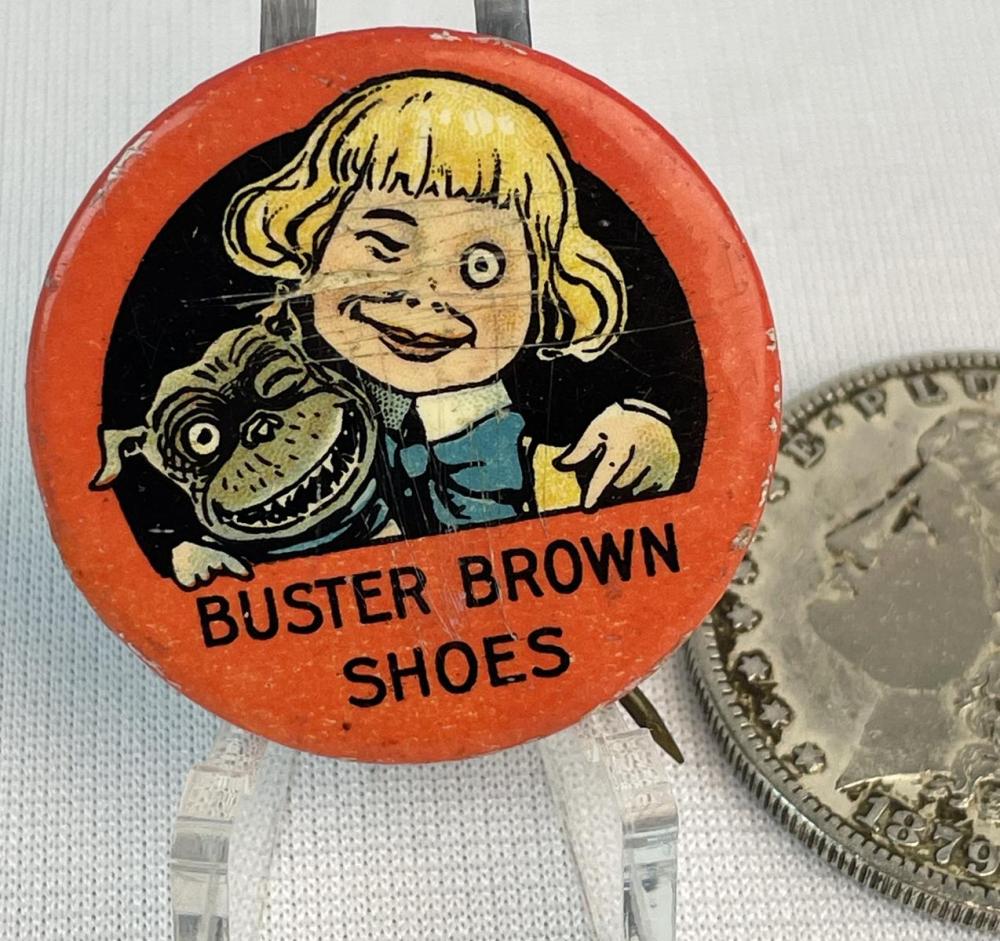 |
Antique c. 1900 Buster Brown Shoes Celluloid Advertising Pinback ButtonSource blocked; provenance matched | One Source Auctions | 2024-03-18 | 44 | USD 45 (buyer’s-premium treatment unknown) |
How these auction records were verified
Each row retains its exact source URL, lot identity, retrieval time, access result, and immutable record hash. Live source access was blocked; the exact record matched Appraisily's immutable pipeline provenance. Inspect the public comparable provenance record.
Disclosure: prices are shown as reported by auction houses and are provided for appraisal context. Learn more in our editorial policy.
Free instant estimate
Not sure if your item is worth appraising? Let us take a look.
Upload a photo, tell us what you know, and get a free first read. If a full appraisal makes sense, we will say so.
Free. No card needed. Takes about two minutes.
Choose your next step
Use the path that matches the decision you need to make about the item.
Not sure it is worth appraising?
Start with a lower-friction screen to understand the likely category, evidence, and next step.
Upload photos for a free first lookWant proof before paying?
See how a signed report documents photos, comparable evidence, condition notes, and value conclusions.
View signed report sampleNeed a signed report?
Use this for insurance, estate, donation, resale, or documented value decisions.
Need documentation now? Start signed appraisalNeed local or specialist help?
Compare directory options when the work needs in-person review or a specialist near you.
Find local specialistsSee what the report looks like
Sample reports show how photos, comparable evidence, condition notes, and a value conclusion are documented.
Get these old buttons identified
Upload front and back photos of each button, shank, backmarks, material, motifs, size, damage, sets, cards, packaging, and any collection history.
- Expert report with photos and comps
- Fast turnaround
- Fixed, upfront pricing
No obligation. Secure upload.
Continue your valuation journey
Find the right local specialist
Compare antique and art appraisers by location and specialty in one directory.
Antique & art specialists
Browse the Antique & Art Appraisers Directory
Choose a local specialist when the assignment needs in-person inspection or a specific credential.
Machine-readable summaries
Use these machine-friendly references for AI and crawler discovery of Appraisily content.
Ready for pricing guidance?
Start a secure online appraisal
Upload images and details. Certified specialists respond within 24 hours.
Upload photos for a free first look View signed report sample