
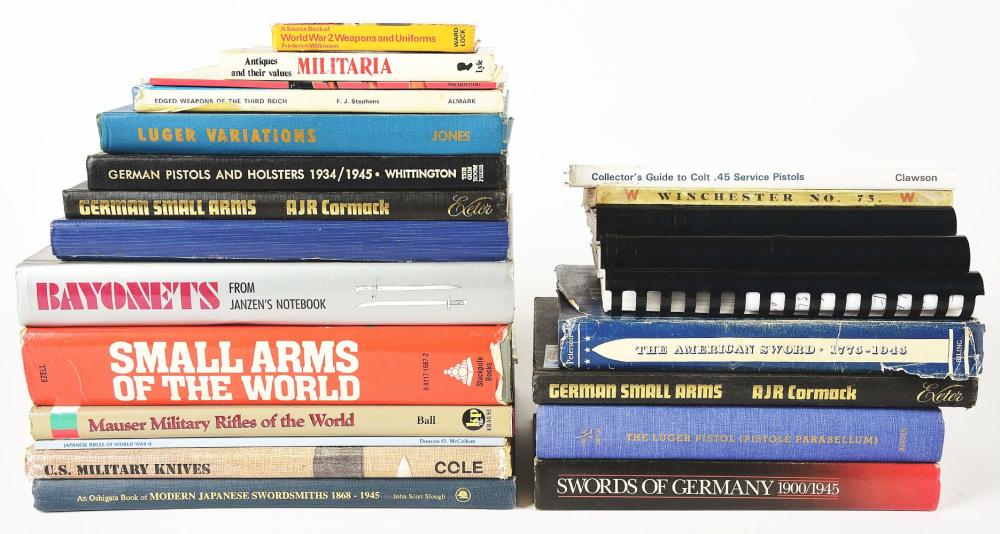
Militaria Value Guide Price Drivers Appraisal Clues and What Collectors Notice: appraisal and value basics
Militaria Value Guide Price Drivers Appraisal Clues and What Collectors Notice research should start with identification, condition, provenance, and recent comparable sales. Use this guide to compare the signals that matter before paying for a formal appraisal or deciding whether to sell.
Start with identity: object, maker, and era
Collectors treat identity as the foundation. If you cannot identify the likely era, maker origin, and intended use, any value you quote is mostly speculative. Build the identity thread first:
- Type: Is the item clearly a military utility object, commemorative reproduction, campaign souvenir, or modern cast reproduction?
- Marking logic: Are stamps, rack marks, serial locations, or manufacturer patterns period-correct and internally consistent?
- Era anchors: Do materials, hardware, and finish match the timeline you can justify from the rest of the object?
- Function: Does the structure indicate real use wear and handling, or is it staged decoration?
For this category, incomplete identity is the most common reason that “possible high value” listings overstate. If one of these checks fails, collectors usually discount hard regardless of beauty.
Look for clues collectors scan in 60 seconds
1) Maker marks and naming consistency
Militaria can be marked in multiple ways across periods and regions. A first pass should compare every mark against the rest of the object: if one marking style, font, and placement set is inconsistent with material and construction, buyers will price the item as uncertain first, expensive later.
2) Wear pattern versus wear theater
Collectors distinguish genuine age from cosmetic aging. Real wear usually follows high-contact edges, lock points, strap channels, thumb marks, and handling contact. Uniform “even wear” across the entire object often suggests restoration or refinish.
3) Completeness and provenance stack
For medals, insignia, uniforms, and arms, paired components and associated documents alter pricing materially. A service patch without matching insignia context, a rifle without accessory ecosystem, or a medal ribbon set without clear provenance may still be desirable, but it usually sells at a lower confidence tier.
4) Safety and legal condition for firearm-related pieces
Even when legal compliance is not the pricing topic itself, buyers factor transferability and practical restrictions. If transfer limitations exist, ask if your local market discounts that burden and if that discount should be included in your reserve thinking before comparisons.
How to translate clues into price drivers
Once identity and condition are clear, you can convert the inspection into the seven pricing buckets that consistently move military collectible value:
- Core rarity: true scarcity in verified production lots and provenance increases attention, not merely rarity claims.
- Condition depth: finish loss, repairs, and hidden structural damage reduce both buyer confidence and bidding competitiveness.
- Documentation strength: box, maker paperwork, lot history, and photographs from earlier owners or stores increase trust.
- Completeness: partial assemblages are often attractive as study pieces, but completion adds a liquidity premium.
- Handling marks: natural handling can support use history, but inconsistent polish or replaced parts can lower value sharply.
- Market timing: auction momentum for adjacent military categories can move quickly with event-driven demand.
- Presentation quality: clear photos and an honest description improve conversion because buyers are paying for certainty under remote inspection.
Use this sequence as a practical filter before you start with any listed ranges. That order gives you confidence that one high-sale lot is comparable and not an outlier.
Note: We couldn’t find enough auction records that directly match Militaria Value Guide: Condition, Provenance and Appraisal Clues to publish a defensible price table. If you are valuing a specific item, include its maker, model, material, photos, and condition so the search can be narrowed.
What similar items actually sold for
The current auction search does not contain at least three clean, directly matched sales for Militaria Value Guide: Condition, Provenance and Appraisal Clues yet. If you’re valuing a specific item, use the free estimate flow so the search can be narrowed by maker, material, photos, and condition.
| Image | Description | Auction house | Date | Lot | Reported price realized |
|---|---|---|---|---|---|
| No relevant auction comps found for this topic right now. | |||||
Disclosure: prices are shown as reported by auction houses and are provided for appraisal context. Learn more in our editorial policy.
Scenario check: what a collector does before bidding
Consider this common scenario from private collectors: a family lot from a WWII surplus drawer includes mixed medals, insignia pieces, and related ephemera, and one lot has a clear seller story but unknown provenance. They may feel the lot is “too interesting to be low,” but informed bidders ask three staged questions:
- Does the core object explain its own age and geography?
- Can restoration be measured clearly from untouched surfaces?
- How many similar examples sold recently with comparable documentation?
Even when buyers love the story, pricing only becomes practical when these three questions point in the same direction. If one is weak, they bid conservatively unless the lot has exceptional rarity.
Before you finalize your item list price, estimate with checks
Use your own checklist to avoid overpaying by certainty alone. First, verify identity clues; second, check condition and completeness against comparable market outcomes; third, apply a confidence discount if provenance is thin.
If several data points disagree, move the item into a “needs specialist review” lane before a fixed number gets shared. That protects both time and negotiation leverage.
Free instant estimate
Not sure if your item is worth appraising? Let us take a look.
Upload a photo, tell us what you know, and get a free first read. If a full appraisal makes sense, we will say so.
Free. No card needed. Takes about two minutes.
Put comps into practical range language
After you identify quality, use two layers of price framing:
- Conservative floor: what the item likely clears under uncertainty.
- Competitive bid cap: what a strong, well-described lot can attempt in the best sale lane.
For mixed-lot militaria, the floor is often lower than buyers expect, because a lot compounds uncertainty. If one object in a lot has a clear issue, some buyers discount the entire lot before evaluating strength in the strongest piece.
Use auction comparables not as replacement for expert review, but as confidence calibration. A lot that includes medals, a dated manual, and period-correct accessories can move from “interesting collectible” to “auction class” even when absolute provenance is incomplete.
Where people get burned and how to prevent it
- They quote a single high lot as if it matches all formats.
- They assume all “military” items are rare enough to command premium pricing.
- They conflate military style with military origin.
- They skip image quality checks and overpay on restoration or missing pieces.
- They ignore transfer constraints and regional legal context.
Each mistake is fixable with one rule: compare evidence to context, not desire to one article or one auction lot.
References and context sources
Search variations readers also ask
- How much is old military memorabilia worth?
- What makes militaria collectibles more expensive?
- How to check if medals are authentic?
- Are WWII weapons books collectible by themselves?
- Do mixed militaria lots sell better with accessories?
- What is a realistic price range for WWII swords?
- Do restoration signs hurt military collectible value?