A “key issue comics list” isn’t just a checklist — it’s a repeatable method. Values change dramatically based on the exact book (printing, variant, newsstand/direct), the condition, and what you’re pricing for (sale vs insurance/documentation). This guide helps you build a list you can defend by keeping issue ID, grade band, and sold comps aligned.
How We Research Valuation Data
Our appraisal guides are based on auction results, dealer pricing data, and professional appraiser insights. We may earn a commission when you use our free professional appraisal service. Learn about our editorial standards.
What counts as a key issue (and what doesn’t)
A key issue is an issue that collectors consistently pay a premium for because it marks a milestone that matters to demand. The same “milestone” can be worth very different amounts depending on era, character popularity, and scarcity — which is why your list should record why it’s key, not just that it’s key.
| Key type | Why it matters | What to record on your list |
|---|---|---|
| First appearance / first cameo | Demand spikes when a character becomes culturally “sticky.” | First full vs cameo, story context, and confirmation from issue notes. |
| Origin / first title / first solo | Often treated as “core lore,” especially in older runs. | Whether it’s an origin story, first ongoing title, or first solo book. |
| #1 issues and relaunches | #1s are easy to market; scarcity varies widely by era. | Volume number, printing, variant, and whether it’s truly a first issue. |
| Iconic covers / creator milestones | Cover demand can push prices even without a major story event. | Cover artist, notable cover (“homage,” “wraparound,” etc.), signature notes. |
| Deaths, debuts, costume changes | Collector demand can be cyclical, tied to media and nostalgia. | The exact event and whether it’s later reversed/retconned (affects demand). |
| Variants, newsstand, and printings | Scarcity can come from distribution rather than age. | Variant type, ratio, barcode/newsstand, and printing/edition markers. |
The repeatable research workflow (use this on every issue)
Apply the same workflow to every issue so your pricing stays consistent across a long run.
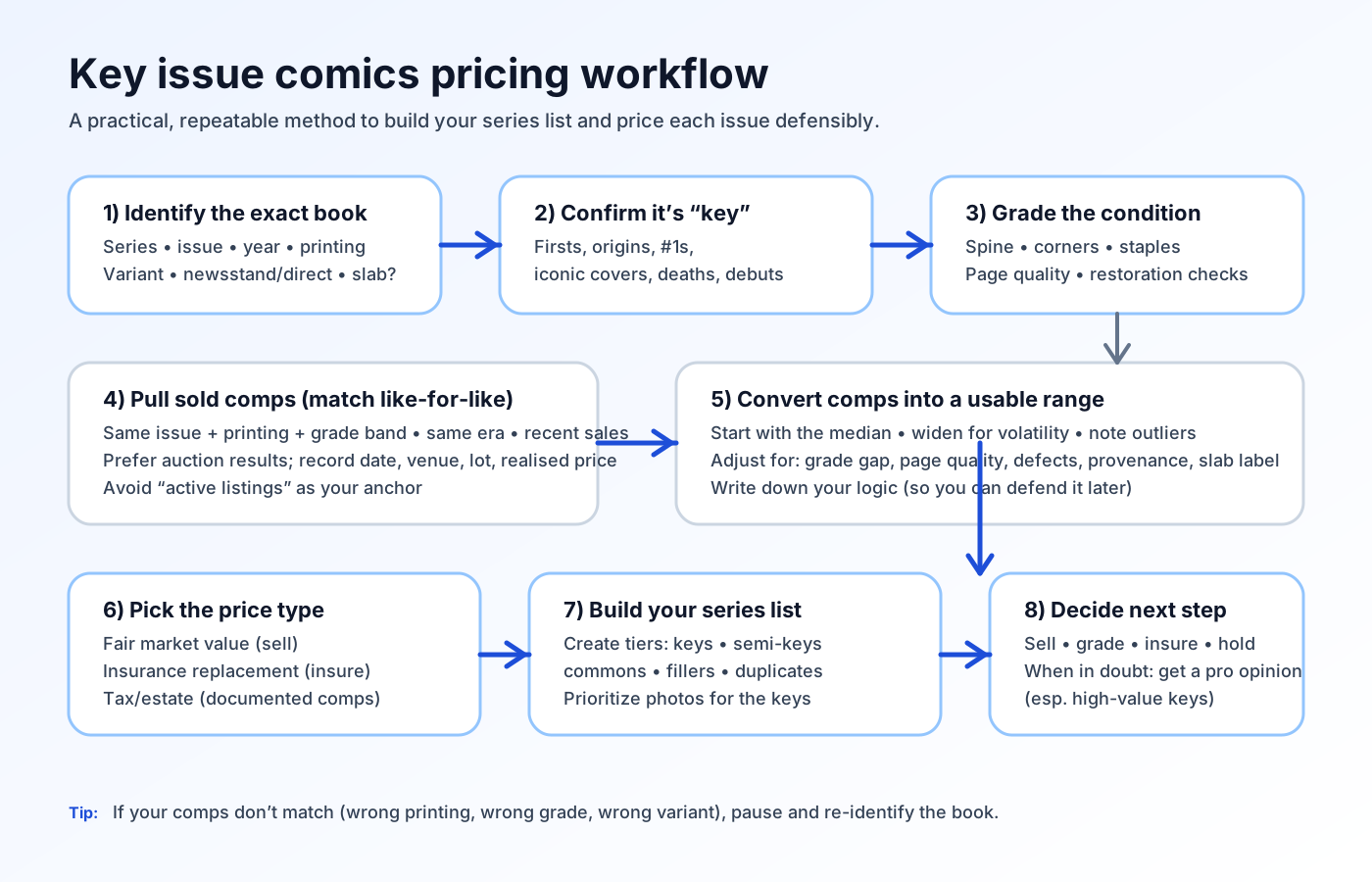
- Identify the exact book: series/volume, issue, year, printing, variant, newsstand/direct.
- Confirm the key reason: first appearance, origin, iconic cover, milestone, etc.
- Assign a grade band: even a simple “high / mid / low” band beats guessing.
- Pull sold comps: match issue + printing + grade band. Avoid anchoring to active listings.
- Convert comps into a range: median + adjustments + notes (so you can defend it later).
Step 1: identify the exact book (variants and printings change prices)
Two comics with the same cover image can still be different products in the market. If you’re building a key issue list, treat identification like a checklist: the goal is not just “Amazing Spider-Man #129,” but “which Amazing Spider-Man #129.”

- Volume / relaunch: many series restart numbering; record the volume and year range.
- Printing: later printings can be cheaper or (rarely) more expensive, depending on scarcity.
- Variant covers: record variant type and any ratio info when known (e.g., 1:25).
- Newsstand vs direct: for certain eras, newsstand can command a premium.

Step 2: grade honestly (condition is a multiplier)
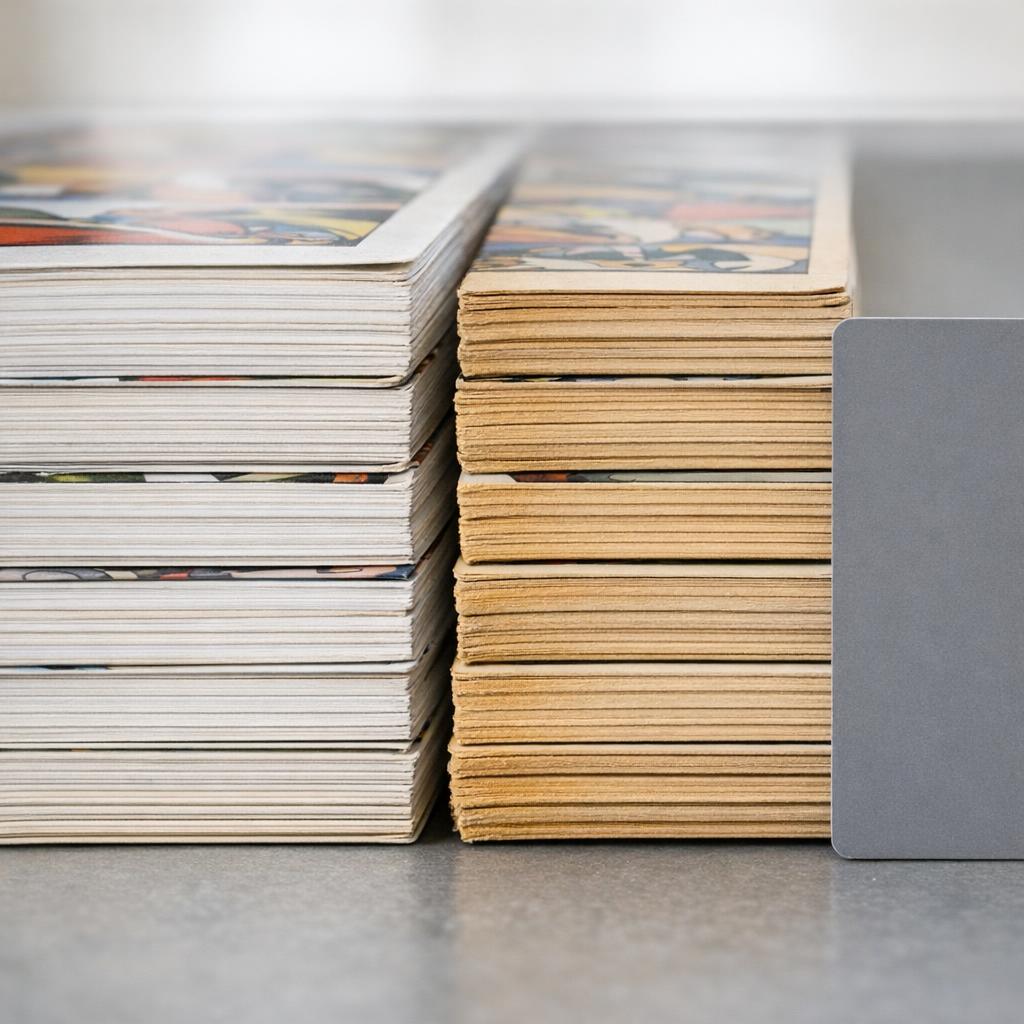
Key issues trade in “grade bands.” If you’re not comfortable with a numeric grade, use a simple band (high/mid/low) and upgrade later.
- High band: minimal defects, strong eye appeal, clean structure.
- Mid band: noticeable defects (spine stress, small creases), still structurally solid.
- Low band: structural issues (tears, heavy creasing, staple problems, moisture, writing).


Step 3: price it using sold comps (not hope)
A key issue comics list is only useful if it produces realistic prices. The practical way to price is to “borrow” confidence from the market: find sold comps that match your book as closely as possible, then convert those comps into a range you can defend.
Pricing rule: match issue + printing + variant + grade band. If you can’t match those, your comp isn’t a comp — it’s just a data point.
- Fair market value (FMV): the most common price target for a sale between willing parties.
- Insurance replacement: often higher than FMV because it’s “replace the item,” not “sell it quickly.”
- Tax/estate documentation: requires careful records and defensible comparables.
What similar items actually sold for
To help ground this guide in real market activity, here are recent example auction comps from Appraisily’s internal database. These matched sales are market context only, not an object estimate or identification, and they do not guarantee a price for your specific comic book.
Shown USD range: USD 2-USD 200. Median of these 8 USD examples: USD 22.50.
| Comparable | What sold | Auction house | Date | Lot | Source-reported amount |
|---|---|---|---|---|---|
 |
1972 - Gold Key Comics - Tono & Kono The Jungle Twins - Issue #1 Comic Book - CollectibleSource blocked; provenance matched | Wright Collectibles | 2020-09-10 | 162 | USD 2 (buyer’s-premium treatment unknown) |
 |
Elsie’s Comic Book for Boys & GirlsSource blocked; provenance matched | Old Barn Auction | 2026-01-03 | 96 | USD 20 (buyer’s-premium treatment unknown) |
 |
CIRCUS COMICS COMIC BOOK 1945Source blocked; provenance matched | Freedom Auction Company | 2022-02-12 | 831 | USD 30 (buyer’s-premium treatment unknown) |
 |
1954 Lone Ranger Silver Comic BookSource blocked; provenance matched | Saco River Auction | 2025-11-10 | 13C | USD 5 (buyer’s-premium treatment unknown) |
 |
Marvel Comics Ms. Marvel No. 2 comic bookSource blocked; provenance matched | Matthew Bullock Auctioneers | 2020-09-05 | 143 | USD 25 (buyer’s-premium treatment unknown) |
 |
1971 - Gold Key Comics - Edgar Rice Burroughs Tarzan Of The Apes - Issue #205 Comic Book - CollectibleSource blocked; provenance matched | Wright Collectibles | 2020-09-10 | 163 | USD 2 (buyer’s-premium treatment unknown) |
 |
Marvel Comics Ms. Marvel No. 1 comic bookSource blocked; provenance matched | Matthew Bullock Auctioneers | 2020-09-05 | 142 | USD 200 (buyer’s-premium treatment unknown) |
 |
The New Elsie Comic Book for Boys & GirlsSource blocked; provenance matched | Old Barn Auction | 2026-01-03 | 103 | USD 25 (buyer’s-premium treatment unknown) |
How these auction records were verified
Each row retains its exact source URL, lot identity, retrieval time, access result, and immutable record hash. Live source access was blocked; the exact record matched Appraisily's immutable pipeline provenance. Inspect the public comparable provenance record.
Disclosure: prices are shown as reported by auction houses and are provided for appraisal context. Learn more in our editorial policy.
Once you have the workflow, your list becomes a simple database problem. The trick is to structure it so you can update it quickly and price a long run without getting lost.
- Start with a master checklist: issue number, date, key reason, variant/printing notes.
- Tier your issues: keys, semi-keys, commons/fillers, duplicates.
- Assign a grade band: high/mid/low is fine; upgrade bands as you learn.
- Attach comps: add 2–5 sold comp links/records per key issue (with dates).
- Track volatility: if prices swing, widen your range and note the reason (media spike, scarcity, slab pop).
Selling vs insurance: what you’re actually pricing
Collectors often mix price targets without realizing it. A sales price (FMV) is usually lower than an insurance replacement figure, and the difference matters most on the most valuable keys. Decide the price target first, then apply comps.
- If you’re selling: focus on recent realized prices for books in the same grade band and format.
- If you’re insuring: use a replacement lens and document why the replacement value makes sense.
- If you’re donating/estates: keep clean records and avoid “average” pricing without comps.
When to get a professional appraisal
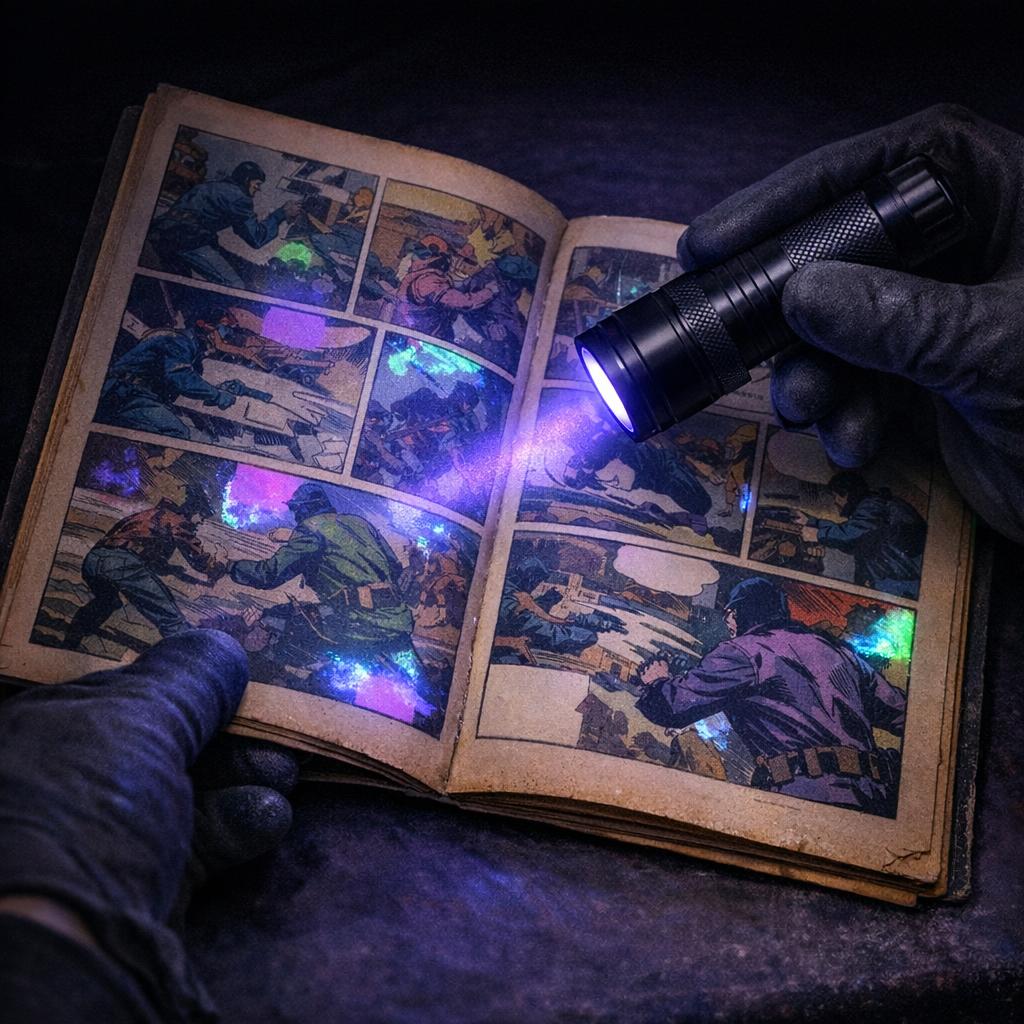
- High-value keys: reduce misidentification risk (printing/variant) and restoration surprises.
- Mixed collections: it’s easy to underprice a small set of keys inside a long run.
- Insurance/estate/tax: documented comps and clear reasoning matter more than a “ballpark.”
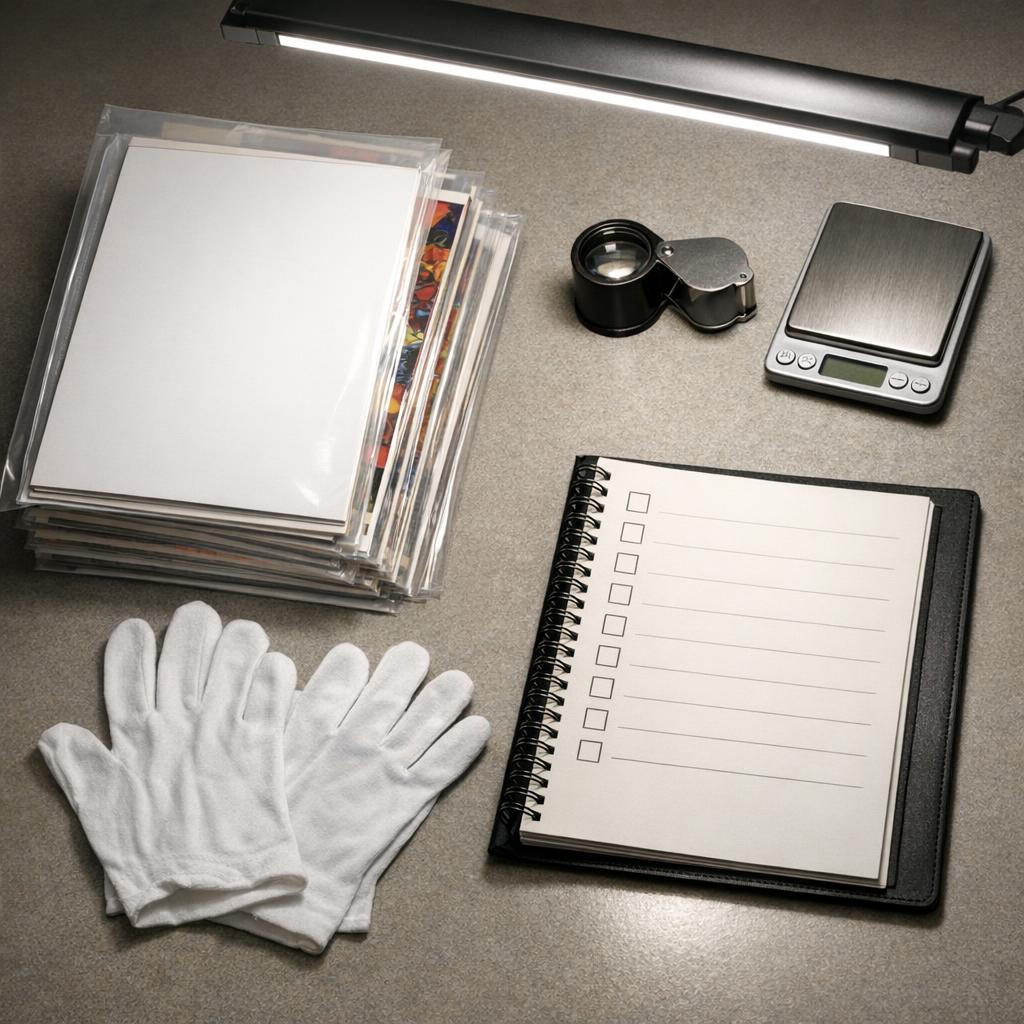
Image gallery: key issue identification and pricing cues
Use this gallery as a quick visual checklist of what to photograph (and what to record) when building your key issue comics list.
References & data sources
- Appraisily internal auction results database (via valuer-agent). Comps cited: Landry Pop Auctions lots 146 and 199 (2025-02-18); Weiss Auctions lot 314 (2023-04-26).
- General collector practice: issue identification (volume/printing/variant), condition bands, and sold-comps pricing method used in the hobby.
Search variations collectors ask
Readers often Google:
- key issue comics list by series (how to build your own)
- how to find key issues in a comic run
- how to price key issues (sold comps vs asking prices)
- newsstand vs direct edition price difference
- comic book variants: how to identify and price them
- how to tell first print vs second print comic
- how much does comic book grade affect value
- how to spot restoration on a key issue comic
- best way to price a mixed comic collection for sale
Each question is answered in the workflow, identification steps, and comps method above.