How to identify old violins
To identify an old violin, document the whole instrument, label, scroll, back, ribs, f-holes, bridge, bow, case, measurements, and condition. A label is not proof by itself.
Found an old item and want to know if it matters?
Upload photos. We identify the object, check real sales, and show the right appraisal path.
Upload photos for a free first lookStart an appraisalOne clear answer
To identify an old violin, document the whole instrument, label, scroll, back, ribs, f-holes, bridge, bow, case, measurements, and condition. A label is not proof by itself.
Auction records are market evidence, not a final appraisal. Condition, authenticity, provenance, size, medium, completeness, working status, and demand can materially change value.
Identification checklist
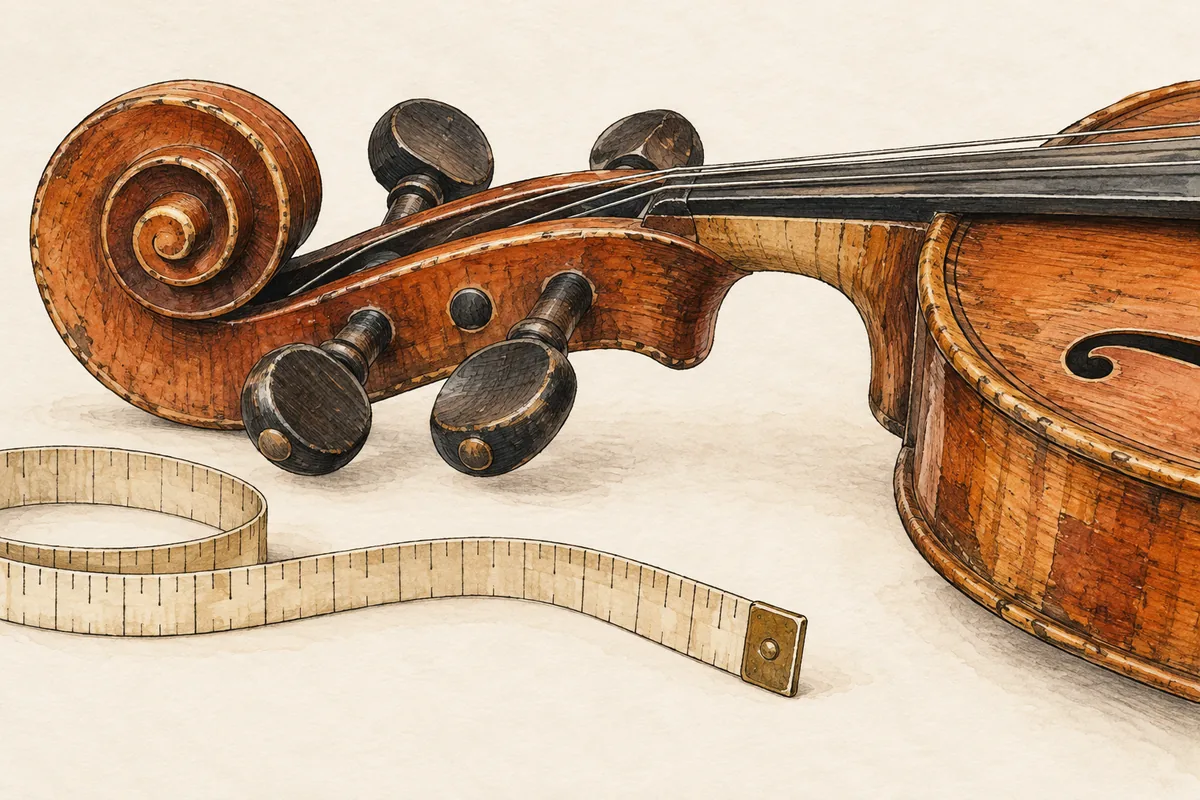
- Photograph the full front and back, internal label, scroll, pegbox, ribs, f-holes, bridge, tailpiece, bow, frog, and case.
- Note cracks, open seams, soundpost area damage, neck angle, varnish wear, repaired breaks, missing parts, and replaced fittings.
- Keep certificates, repair invoices, shop notes, and prior appraisals with the violin.
Free instant estimate
Not sure if your item is worth appraising? Let us take a look.
Upload a photo, tell us what you know, and get a free first read. If a full appraisal makes sense, we will say so.
Free. No card needed. Takes about two minutes.
Need help identifying it?
Upload photos. Appraisily identifies the item, checks real sales where available, and shows whether a free screen or professional report makes sense.
Upload photos for a free first lookStart a professional appraisal