A finely made Japanese dish can become much more interesting when you turn it over. On classic Nabeshima porcelain, the high foot, blue comb band, and carefully organized reverse decoration often continue the design story started on the front. Those clues are visible, teachable, and more useful than hunting for one supposedly decisive stamp.
Look at the whole dish before chasing a mark
Nabeshima was produced as high-status porcelain in the Saga domain during the Edo period. Museum records describe classic wares made at Ōkawachiyama and show a narrow but sophisticated vocabulary: dishes and serving vessels with exacting potting, carefully planned underglaze cobalt, and, on many examples, restrained overglaze enamels or celadon.
The front of this circa 1670–90 dish shows why the attribution rests on a system of choices. The asymmetric cherry-blossom scene crosses celadon, iron-brown, white, and cobalt zones without looking crowded. The blue is not merely a color label; it changes from outline to wash and remains precise at the borders.

Flip it over: read the foot ring and reverse together
A strong candidate should still look intentional from the back. In the reverse view of the same dish, three blue peony sprays balance around a tall circular foot. The foot's contact edge is unglazed, while the area inside the ring is glazed. Fine brown specks and small irregularities can occur, but they should not distract from the controlled geometry.

Check these four foot-ring details
- Height and proportion: classic dishes are commonly lifted on a clearly defined foot rather than sitting on a low, vague base.
- Comb band: many documented examples carry close vertical blue strokes around the foot's exterior.
- Contact edge: examine the unglazed porcelain for grinding, fresh abrasion, staining, and restoration.
- Join and symmetry: the ring should feel integrated with the body, while remembering that hand finishing is not machine-perfect.

These two museum backs are not identical—and that is the lesson. Floral sprays and tasseled-cash groups are both documented. A checklist should recognize a coherent family of forms and motifs, not demand one frozen pattern.
Photograph the profile: the comb band is easier to judge from the side
A straight-on base photo can hide the height of the foot and compress the comb strokes. Set the dish on a padded, stable surface and photograph at table level. A documented early-18th-century example shows the typical relationship clearly: a shallow curved bowl rises above a tall, narrow foot whose blue vertical strokes are evenly spaced.

Read the underglaze blue as drawing, not just color
Underglaze cobalt sits beneath the transparent glaze, so it should not feel raised like later enamel. Under magnification, look for purposeful variation: firm outlines, softer washes, and line endings that make sense within the motif. On polychrome Nabeshima, blue often defines areas later filled with red, green, or yellow enamel. On blue-and-white pieces, the same cobalt must carry the entire composition.
Uniform dot-screen texture, mechanically repeated gaps, or color sitting over the glaze can point toward transfer printing or later decoration. None of those observations dates an object by itself. Use them to decide what additional photographs or examination are needed.
| Feature | More consistent with documented classics | Reason to pause |
|---|---|---|
| Blue painting | Controlled outlines plus varied washes | Flat, pixel-like repetition or blue sitting above glaze |
| Reverse | Planned three-part motifs in underglaze blue | Blank or casually filled back on a piece claiming classic type |
| Foot | High, integrated ring with a disciplined comb band | Very low foot, molded-looking teeth, or fresh grinding |
| Palette | Restrained cobalt, celadon, iron red, green, yellow | Colors alone used as proof of date or kiln |
| Mark | Interpreted with form, decoration, and provenance | A famous name or seal treated as self-authenticating |
Treat the kiln mark as a lead—not the verdict
Classic Nabeshima identification is unusually vulnerable to mark-first thinking. A central base inscription may be absent, later, copied, or unrelated to the original firing. Conversely, a blank center does not erase the evidence of a well-matched foot, reverse, profile, and decoration.
First decide what kind of mark you are seeing:
- Painted or impressed workshop mark
- Potential production evidence, but it still needs comparison with documented examples of the claimed period.
- Collector or dealer label
- Useful provenance evidence when traceable; not proof of manufacture.
- Museum accession number
- A modern collection-control number. The red number in the Met underside photograph is one.
- Firing or support trace
- A physical kiln-process clue, not a written maker attribution.
If the object bears a modern company name, a country-of-origin word, or a crisp standardized logo, research that production history on its own terms. It may still be collectible Nabeshima-style porcelain, but it is a different question from an Edo-period attribution.
Take the five photographs that make comparison possible
- Full front: camera parallel to the rim, with neutral light and a color reference.
- Full reverse: include every exterior motif and the complete foot.
- Foot close-up: show the comb strokes, contact edge, grit, chips, and grinding.
- Any mark: one straight-on view and one raking-light view; do not enhance the characters digitally.
- Side profile: shoot at dish level so the foot height and wall curve remain visible.
Measure diameter, height, and foot-ring diameter in millimeters. Record weight if it can be done safely. Those numbers make museum and auction comparisons far more useful.
Free instant estimate
Still unsure about your Nabeshima porcelain? Let us take a look.
Upload clear front, reverse, foot, mark, and profile photos for a free first read. If the evidence supports a full appraisal, we will say so.
Free. No card needed. Takes about two minutes.
Separate classic Nabeshima from later Nabeshima-style ware
“Nabeshima” can describe historic official ware, later production in the tradition, or a decorative style. Auction catalogues may use “Nabeshima,” “Nabeshima type,” or “Nabeshima style” with materially different implications. Read the date and attribution language as carefully as the headline. Fine white porcelain with underglaze blue but no comb foot is a different identification problem; start with Hirado porcelain identification. Cream crackled earthenware with gold belongs on the antique Satsuma pottery guide.
A typical estate-sale scenario starts with a dish labelled simply “Japanese vintage.” A high comb-painted foot and a coherent reverse can justify closer research; they do not automatically make it seventeenth- or eighteenth-century. Measurements, a clean provenance trail, specialist handling, and direct comparison with securely catalogued pieces are what move confidence forward.
Check condition without erasing evidence
Do not scrub an unglazed foot or remove labels before review. Old adhesive, collection numbers, box inscriptions, and dirt patterns may help reconstruct ownership. Handle over padding with clean, dry hands and never lift a dish by the rim alone.
- Use raking light to find hairlines, glaze scratches, and filled chips.
- Check the foot edge for localized grinding that could remove a chip or mark.
- Use ultraviolet light only as a screening aid; fluorescence needs interpretation.
- Photograph old repairs before any conservation work.
Restoration does not make a piece uninteresting, but it can change both attribution confidence and market value. The location and quality of the repair matter.
Use auction results as proof of the value gap—not a price tag
Small differences in period, attribution, condition, design, and provenance can produce large differences at auction. A late seventeenth- to early eighteenth-century Okawachi dish with the documented high comb-painted foot and tasseled-coin reverse was reported by Christie's as realizing USD 30,000 on April 18, 2018, lot 46.
That USD 30,000 result belongs to Christie's lot 46 on April 18, 2018—not to every dish with a blue comb band. The table also includes later and grouped lots so the attribution language remains visible beside each reported price.
What similar items actually sold for
To help ground this guide in real market activity, here are recent example auction comps from Appraisily’s internal database. These matched sales are market context only, not an object estimate or identification, and they do not guarantee a price for your specific nabeshima porcelain.
Shown USD range: USD 20-USD 12,000. Median of these 12 USD examples: USD 275.
| Comparable | What sold | Auction house | Date | Lot | Source-reported amount |
|---|---|---|---|---|---|
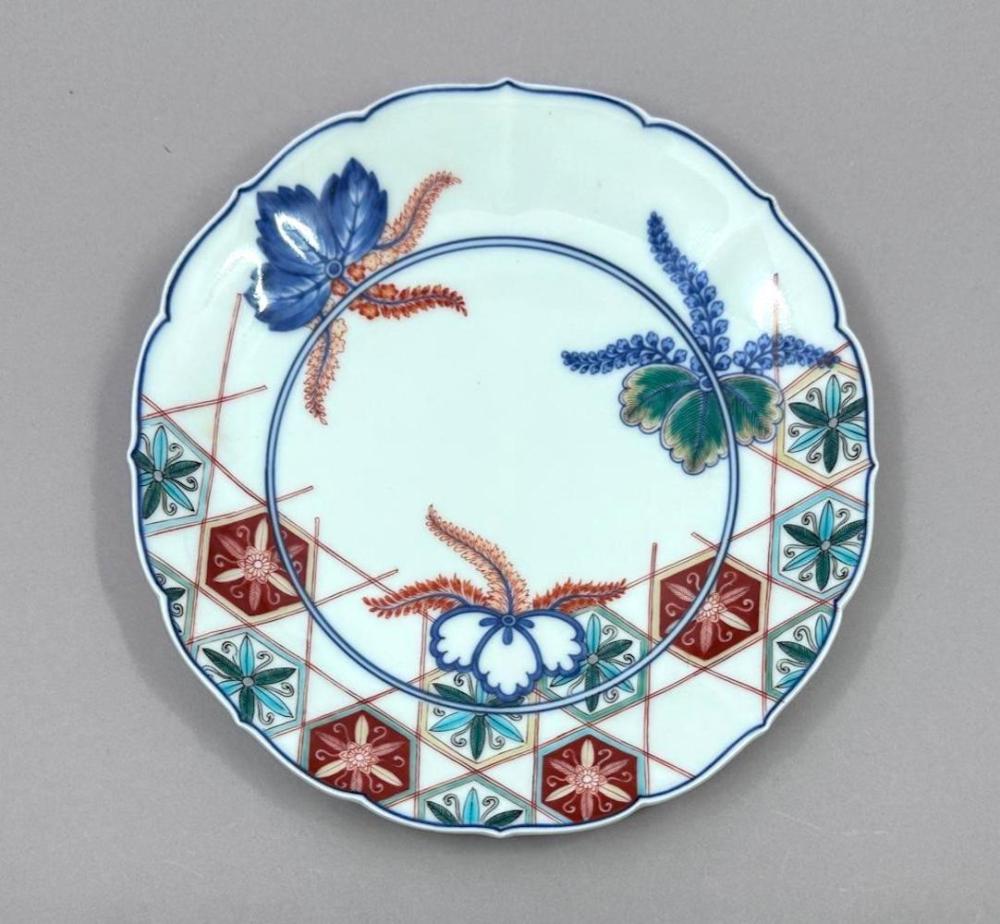 |
Japanese Nabeshima Porcelain Plate by Imaemon XI | Neue Auctions | 2023-09-30 | 16A | USD 250 (buyer’s-premium treatment unknown) |
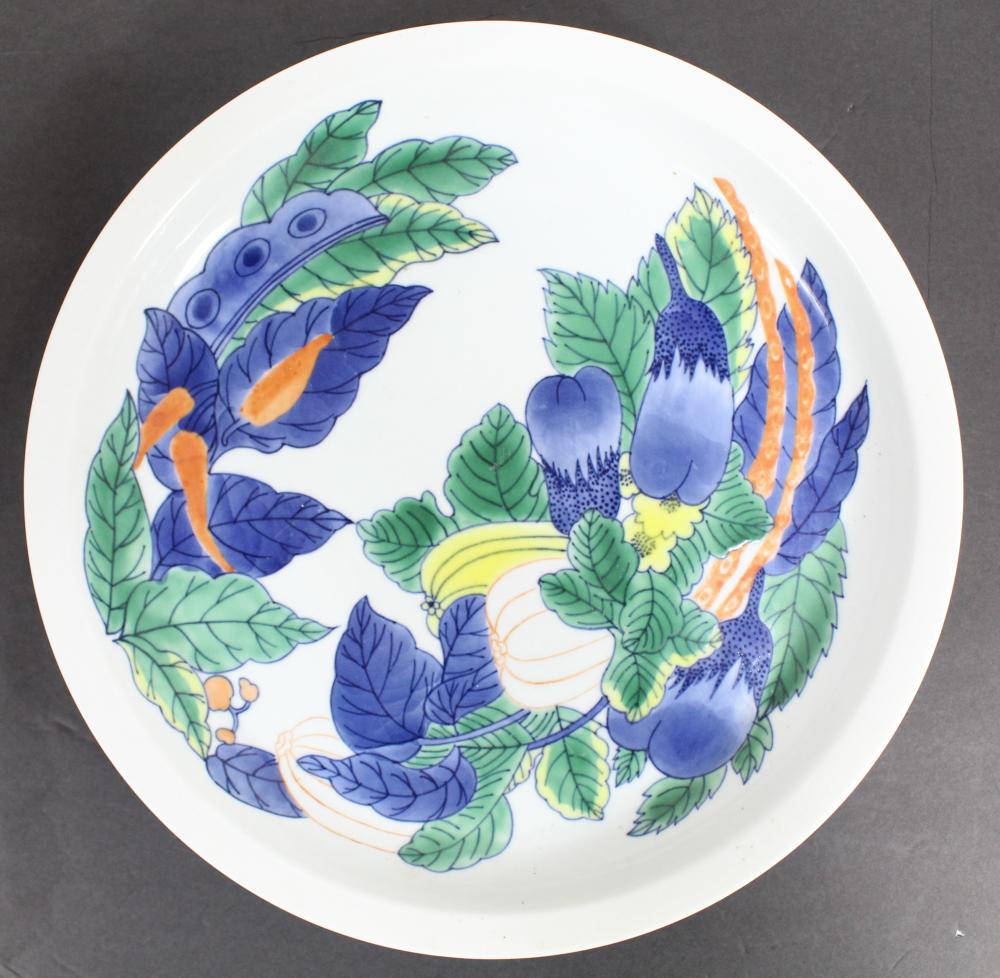 |
Japanese Nabeshima Porcelain Footed Plate | District Auction | 2022-03-13 | 263 | USD 20 (buyer’s-premium treatment unknown) |
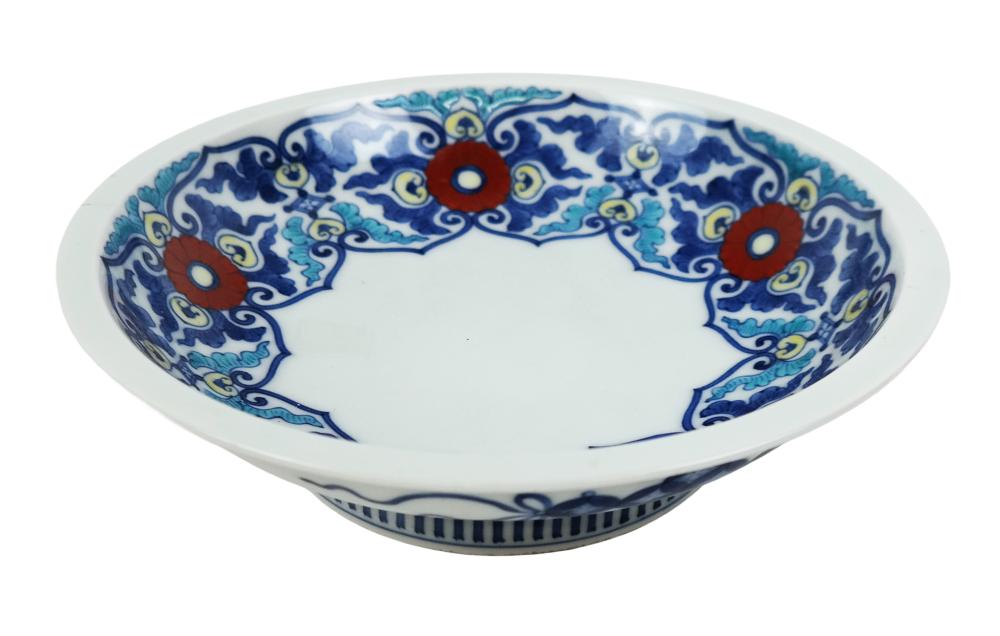 |
Japanese Vintage Nabeshima Porcelain Shallow Bowl | Roland Auctions NY | 2026-03-28 | 248 | USD 300 (buyer’s-premium treatment unknown) |
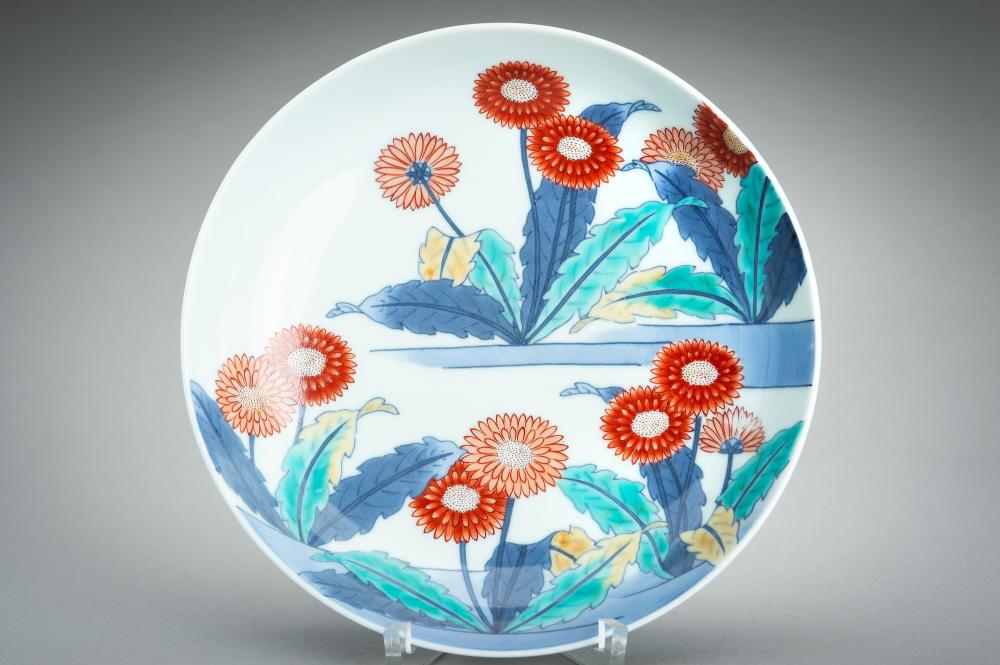 |
A NABESHIMA PORCELAIN ´FLORAL´ BOWL, 19th CENTURY | Galerie Zacke | 2023-09-07 | 138 | EUR 1,000 (buyer’s-premium treatment unknown) |
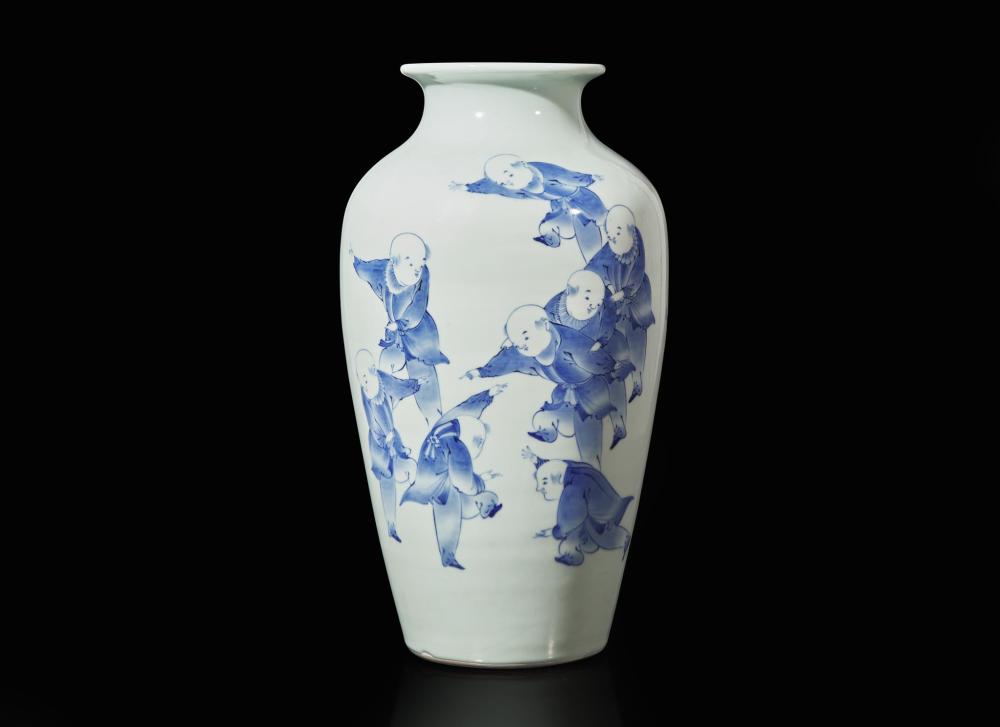 |
A large Japanese Nabeshima porcelain "Boys" vase, 19th century 鍋島氏童子大瓶 十九世紀 | Freeman's | 2024-04-09 | 194 | USD 1,500 (buyer’s-premium treatment unknown) |
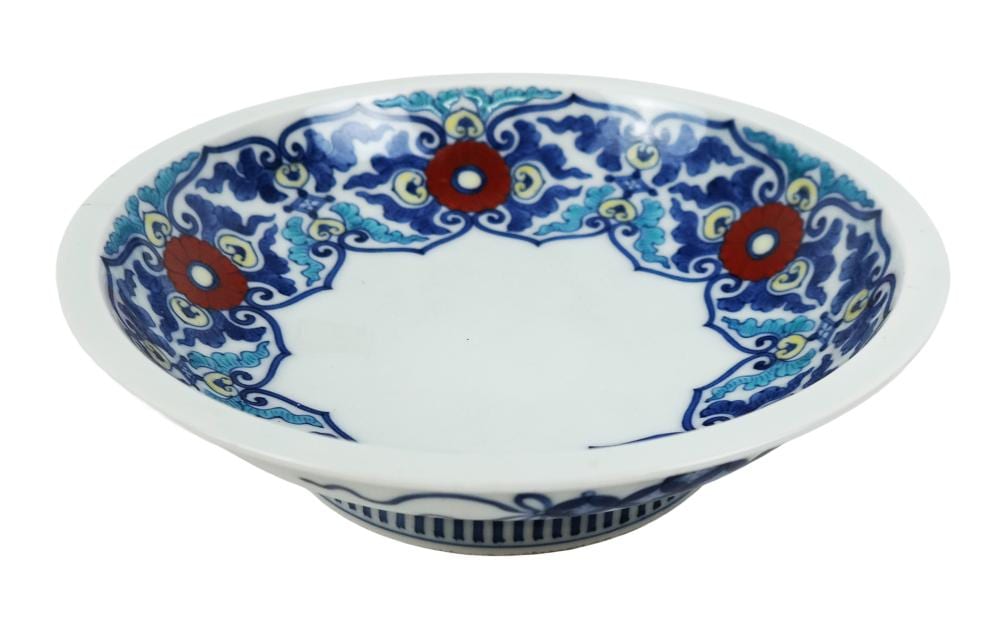 |
Japanese Vintage Nabeshima Porcelain Shallow Bowl | Roland Auctions NY | 2026-05-02 | 517 | USD 400 (buyer’s-premium treatment unknown) |
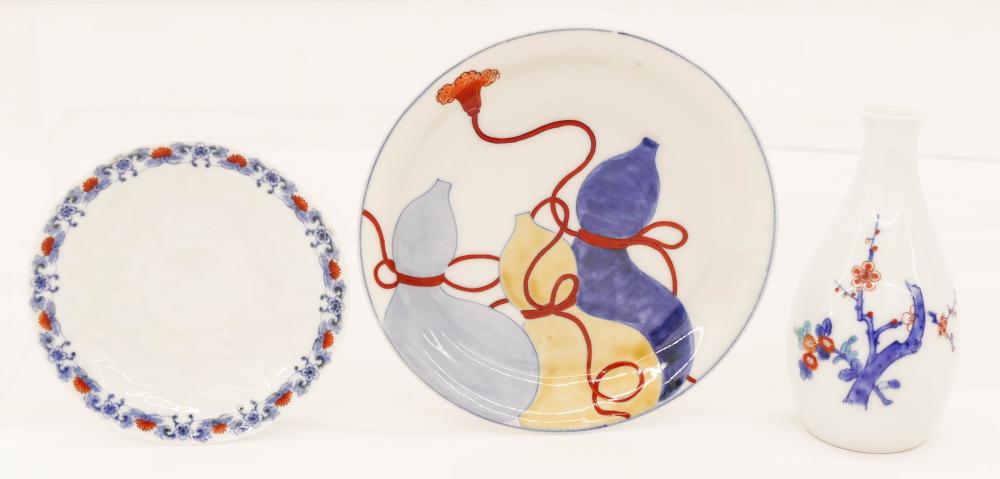 |
3pc Imaemom Imaizumi XII Japanese Nabeshima Porcelain | MBA Seattle Auction LLC | 2020-09-03 | 712 | USD 100 (buyer’s-premium treatment unknown) |
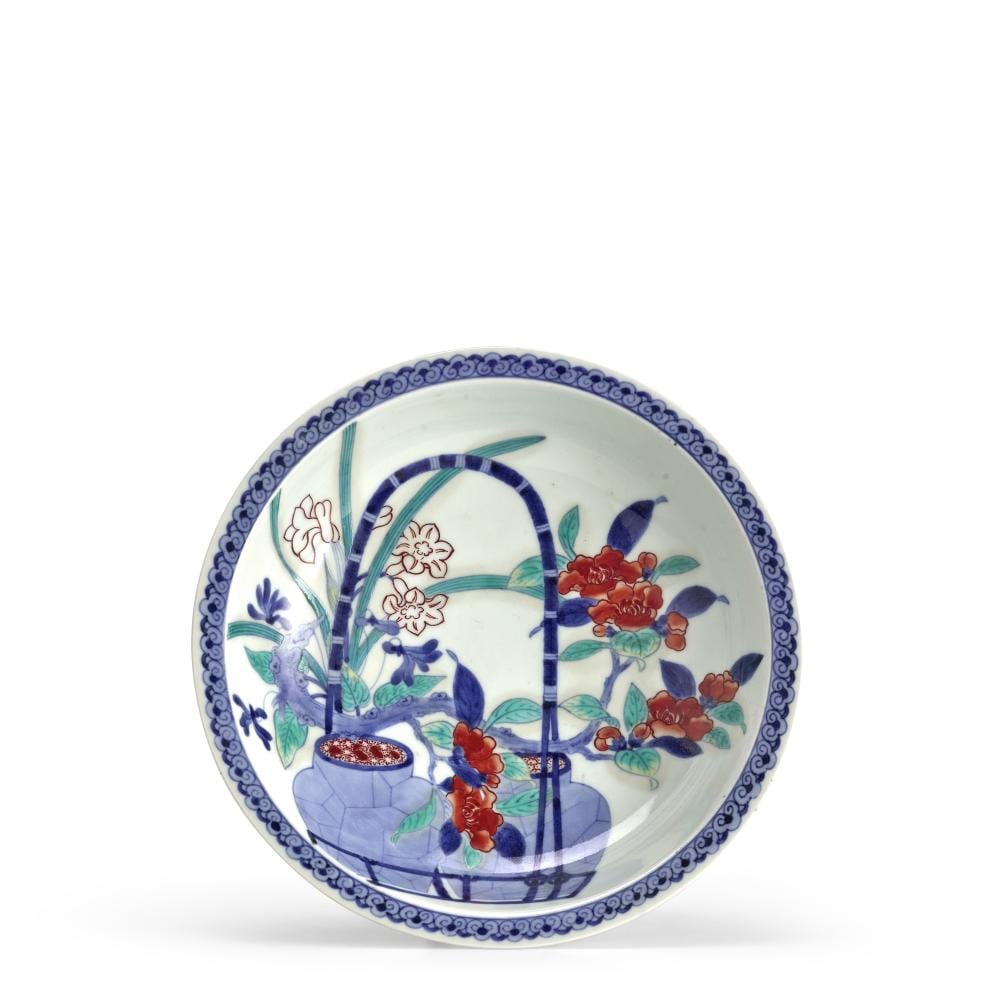 |
A PORCELAIN DISH Nabeshima Ware, Okawachi Edo period (1615-1868), late 17th/early 18th century | Bonhams | 2025-03-20 | 733 | USD 12,000 (buyer’s-premium treatment unknown) |
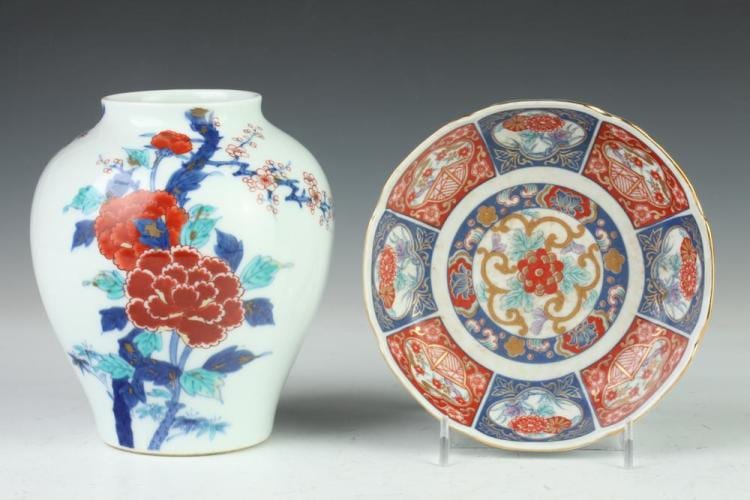 |
JAPANESE NABESHIMA PORCELAIN VASE, Imaizumi Imaemon maker's mark. - Vase: 6 in. high. | Sloans & Kenyon | 2015-07-24 | 142 | USD 50 (buyer’s-premium treatment unknown) |
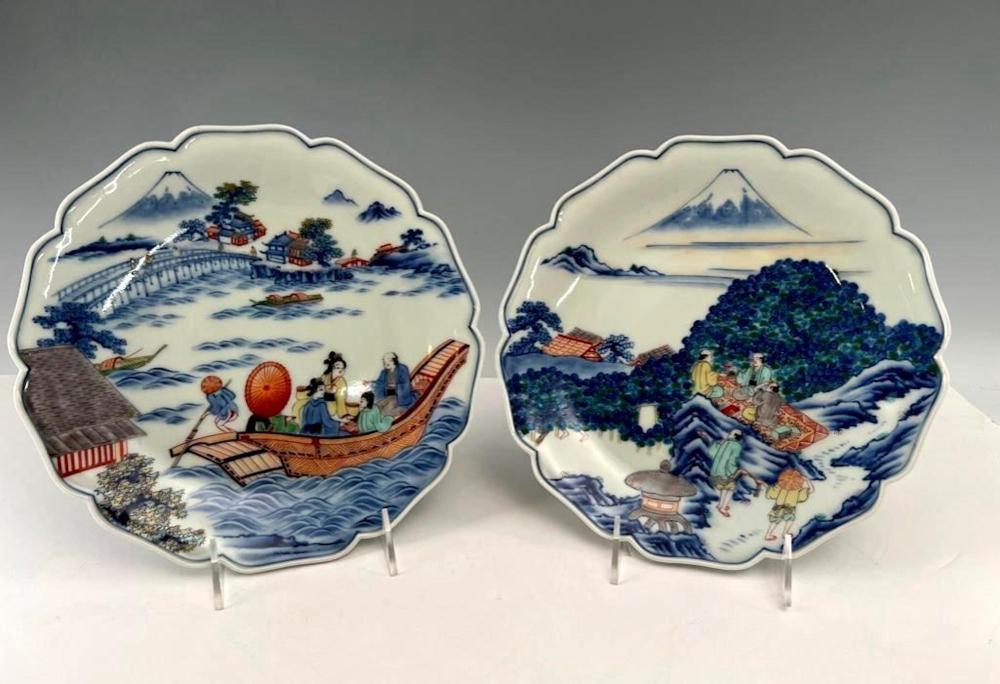 |
Two Nabeshima Porcelain Scalloped Dishes by Imaemon Studio | Neue Auctions | 2023-09-30 | 6 | USD 100 (buyer’s-premium treatment unknown) |
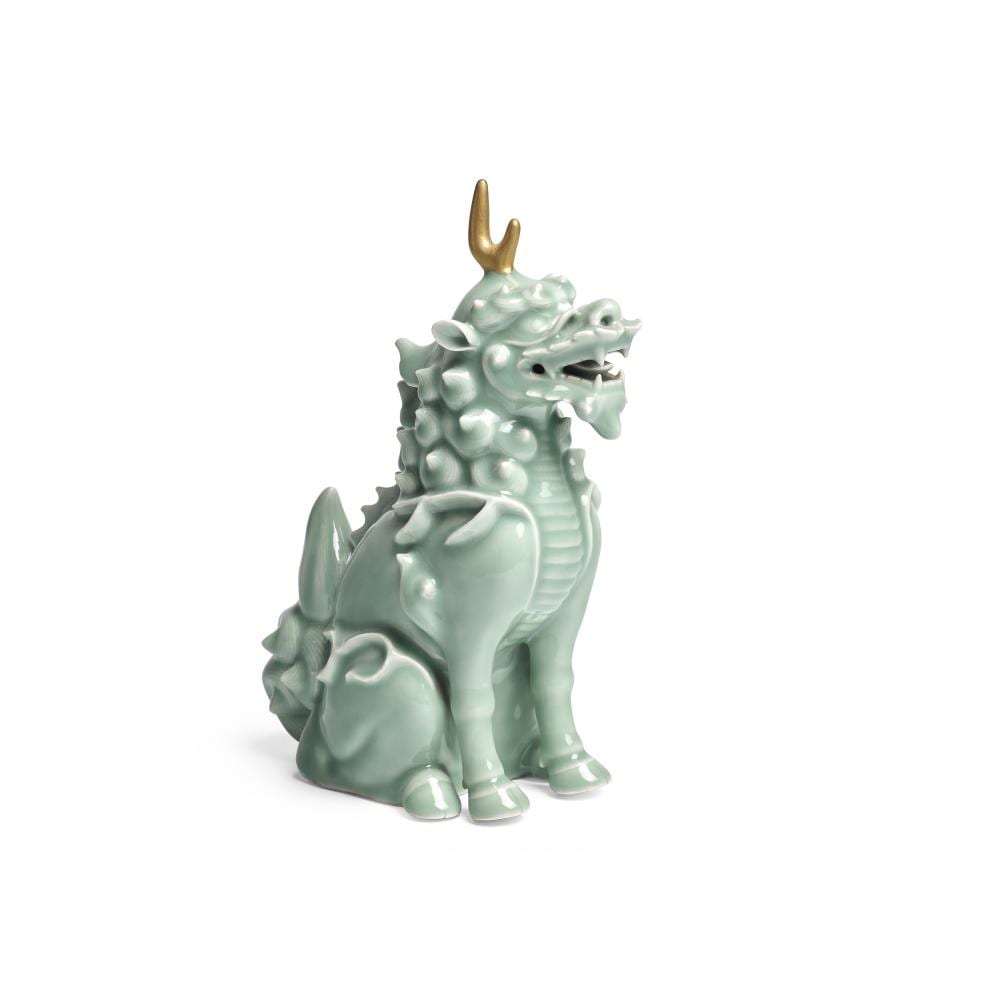 |
A PORCELAIN INCENSE BURNER IN THE FORM OF A KIRIN Nabeshima Ware Edo period (1615-1868), 18th/19th century | Bonhams | 2023-09-20 | 632 | USD 5,000 (buyer’s-premium treatment unknown) |
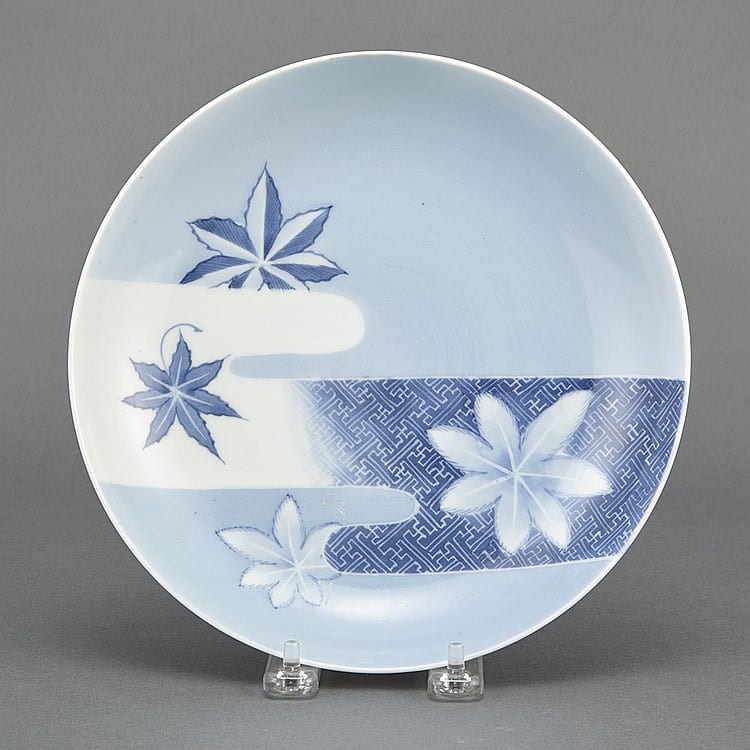 |
Japanese Nabeshima Porcelain Dish | DOYLE Auctioneers & Appraisers | 2015-02-10 | 286 | USD 375 (buyer’s-premium treatment unknown) |
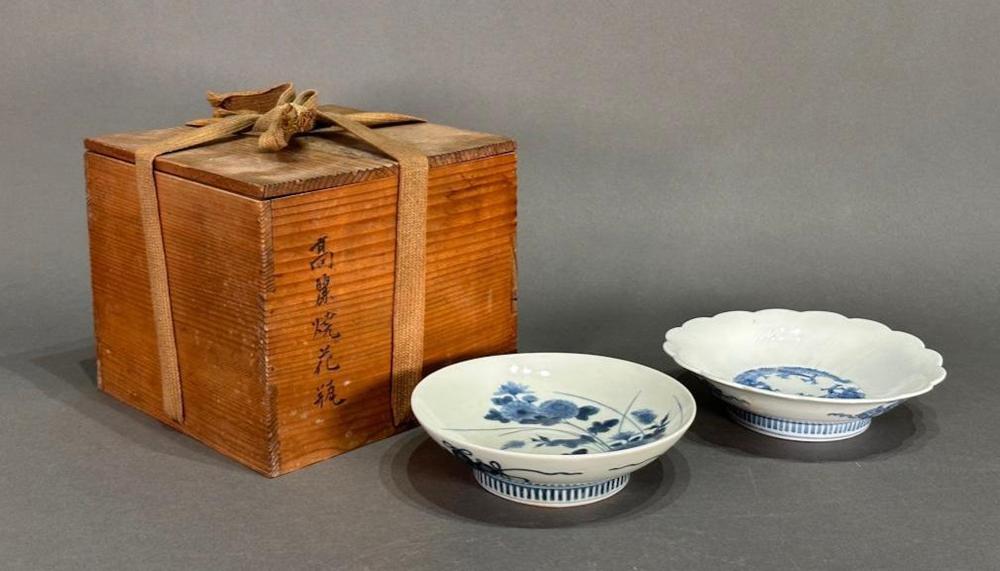 |
2 Japanese Nabeshima Porcelain Dishes | Neue Auctions | 2024-03-02 | 89 | USD 200 (buyer’s-premium treatment unknown) |
How these auction records were verified
Each row retains its exact source URL, lot identity, retrieval time, access result, and immutable record hash. Inspect the public comparable provenance record.
Disclosure: prices are shown as reported by auction houses and are provided for appraisal context. Learn more in our editorial policy.
Stop guessing when these clues line up
Seek a Japanese-ceramics specialist when the form, high foot, comb painting, reverse motifs, and blue decoration all compare well with museum examples—or when a credible old box or provenance record accompanies the dish. An in-person examination may be necessary to assess potting, glaze, restoration, and altered surfaces.
Ask for an opinion that separates what the object is, when it was likely made, and what market evidence supports its value. Those are related questions, but they are not interchangeable.
Nabeshima identification questions
Does antique Nabeshima porcelain always have a kiln mark?
No single central stamp should be treated as mandatory or decisive. Compare the mark—or absence of one—with the foot, reverse decoration, potting, glaze, dimensions, and provenance.
What is the blue comb pattern on a Nabeshima foot ring?
It is a band of close vertical strokes painted in underglaze cobalt around the exterior of the foot. Museum-documented dishes show it clearly, but copied comb bands exist, so line quality and the rest of the object still matter.
Are three tasseled-cash motifs proof of Nabeshima?
They are a documented reverse pattern, not a certificate of authenticity. Floral groups and other underglaze-blue reverse designs also occur.
Can a modern red number be an old Japanese mark?
Sometimes a number is an inventory or accession mark added after manufacture. Trace the number and its material before assigning it to the kiln.
Can photos authenticate my dish?
Photos can support triage and comparison. High-confidence authentication may require direct examination, provenance research, and a specialist familiar with Japanese porcelain.
Related identification searches
- How do you identify a Nabeshima porcelain foot ring?
- Does genuine Nabeshima always have a kiln mark?
- What does the blue comb pattern on Nabeshima mean?
- How can I date an underglaze-blue Nabeshima dish?
- Are tasseled-cash motifs found on antique Nabeshima?
- How do I tell Nabeshima from later Nabeshima-style porcelain?
- What photos are needed to identify Japanese porcelain marks?
- Can a museum accession number look like a pottery mark?