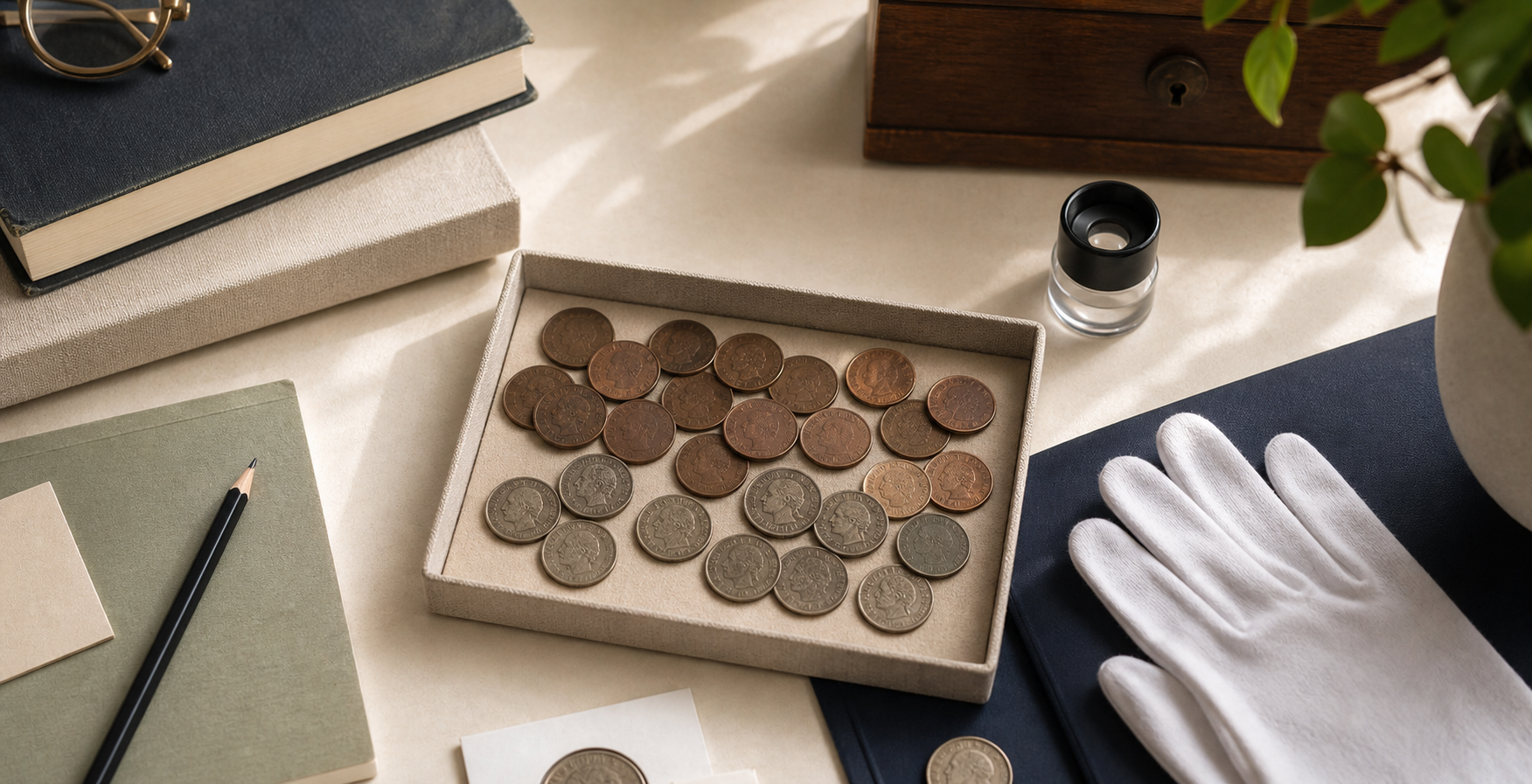
1986 Lincoln Penny Value Guide: what to document first
Check the mint mark, zinc composition, weight, grade, color, surface marks, cleaning, corrosion, rim damage, and any die or strike error claim before comparing prices.
This guide does not assign a guaranteed value or authenticate auction claims from photos alone. Treat online prices as context until date, mint mark, condition, error attribution, and comparable market evidence are verified.
Introduction to 1986 Pennies
1986 Penny Quick Facts
Base Value of 1986 Pennies
1986 Penny Value by Mint Mark and Condition
Current market values based on grade and mint mark
1986 Penny Mintages
1986 Lincoln Cent Production Numbers
These high mintage figures explain why most 1986 pennies remain common and affordable today. With over 8.9 billion cents produced between the Philadelphia and Denver mints, these coins were thoroughly distributed in circulation and remain easy to find decades later.
Valuable 1986 Penny Errors and Varieties
1986 Penny Errors and Their Values
Notable error types and their approximate market values
| Category | Price | Notes |
|---|---|---|
| 1986 Penny (No Mint Mark/Philadelphia) | $0.05-$0.10 | Circulated condition |
| 1986 Penny (No Mint Mark/Philadelphia) | $2-$8 | Uncirculated MS60-MS65 |
| 1986-D Penny (Denver) | $0.05-$0.10 | Circulated condition |
| 1986-D Penny (Denver) | $2-$8 | Uncirculated MS60-MS65 |
| 1986-S Penny (San Francisco) | $2-$5 | Proof specimens |
</tbody> </table>
Notable 1986 Penny Errors
Doubled Die Errors
Doubled die errors occur during the die manufacturing process, resulting in a doubling effect on design elements. On 1986 pennies, look for doubling in:
- The word LIBERTY
- The date 1986
- IN GOD WE TRUST inscription
- Lincoln’s eye, ear, or bow tie
- Memorial columns on the reverse
Some doubled die 1986 pennies can be worth $25 to $100 or more, depending on the prominence of the doubling and the coin’s condition.
Off-Center Strikes
When a planchet isn’t properly positioned between the dies during striking, an off-center error occurs. The value of an off-center 1986 penny depends on:
- Percentage of off-centering (higher percentage generally means higher value)
- Whether the full date is visible
- Overall condition of the coin
Off-center 1986 pennies with 20-50% off-centering can sell for $50-$150, while more dramatic examples may fetch even more.
Die Cracks and Die Breaks
As dies wear and develop cracks, these imperfections transfer to the struck coins. Notable die cracks on 1986 pennies appear as raised lines across the coin’s surface. Major die breaks (sometimes called “cud errors”) occur when a piece of the die breaks away, resulting in a raised, blank area on the coin.
Values for die cracks and breaks vary widely based on size and location, ranging from just a few dollars for minor cracks to $50+ for major breaks or cuds.
Image reference removed; use object photos and documented condition details for appraisal.
Wide AM Variety
One of the most sought-after 1986 penny varieties is the “Wide AM” error. This refers to the spacing between the A and M in “AMERICA” on the reverse. Most 1986 pennies have a close AM, but rare examples with a wide gap between these letters can be worth up to $260 or more in uncirculated condition.
Wrong Planchet Errors
Extremely rare and valuable are 1986 pennies struck on incorrect planchets. These might include:
- Struck on nickel planchets
- Struck on foreign coin planchets
- Struck on copper planchets (instead of zinc-copper)
A 1986 penny struck on the wrong metal can be worth thousands of dollars. One notable example of a 1986 penny struck on an experimental planchet reportedly sold for $16,000 at auction.
How to Identify a Valuable 1986 Penny
1986 Penny Examination Checklist
Use this checklist to evaluate your 1986 pennies for valuable attributes
- Check the mint mark (or absence)
- Examine for doubling with a magnifying glass
- Look for off-center striking
- Check AM spacing in AMERICA on reverse
- Weigh the coin (should be 2.5 grams)
- Look for die cracks or raised lines
- Check for unusual coloration or metal composition
Mint Mark Identification
First, check if your 1986 penny has a mint mark:
- No mint mark: Produced at the Philadelphia Mint
- D mint mark: Produced at the Denver Mint
- S mint mark: Produced at the San Francisco Mint (proof coins only)
The mint mark on 1986 pennies appears below the date on the obverse (front) side of the coin.
Magnified Examination
Use a coin magnifier (at least 5x magnification) to carefully examine:
- All lettering and numerals for signs of doubling
- The spacing between AM in AMERICA
- The entire coin surface for die cracks or unusual marks
- The rim for any irregularities
Weight and Composition Test
Standard 1986 pennies should weigh approximately 2.5 grams and be composed of zinc with a thin copper plating. Coins with significantly different weights may indicate a wrong planchet error or other valuable variety.
Image reference removed; use object photos and documented condition details for appraisal.
Grading and Authentication of 1986 Pennies
Coin Grading Services
The most respected third-party grading services for U.S. coins include:
- Professional Coin Grading Service (PCGS) - pcgs.com
- Numismatic Guaranty Company (NGC) - ngccoin.com
- American Numismatic Association Certification Service (ANACS) - anacs.com
These services authenticate coins, grade their condition on a 70-point scale, and encapsulate them in tamper-evident holders. Graded coins typically command higher prices than ungraded examples, especially for rare varieties and errors.
Understanding Coin Grades
1986 pennies are typically graded on this scale:
- MS65-MS70: Gem uncirculated condition with few or no imperfections
- MS60-MS64: Uncirculated but with some marks or flaws
- AU50-AU58: Almost Uncirculated with minimal wear
- XF40-XF45: Extremely Fine with light wear
- VF20-VF35: Very Fine with moderate wear
- F12-F15: Fine with considerable wear
- G4-G6: Good with heavy wear
- AG3: About Good with very heavy wear
- P1-P2: Poor with extreme wear, barely identifiable
For most 1986 pennies, only those in MS65+ grades or with significant errors will command substantial premiums.
Selling Your Valuable 1986 Pennies
Online Marketplaces
- eBay: The most popular platform for coin sales, offering wide exposure
- Heritage Auctions: ha.com - Specializes in rare and valuable numismatic items
- Great Collections: greatcollections.com - Auction platform focused on certified coins
Coin Dealers and Shows
- Local coin shops often purchase valuable coins
- Coin shows bring together dealers and collectors and provide opportunities for in-person evaluation
- American Numismatic Association dealer directory: money.org/dealer-directory
Coin Collecting Forums
- CoinTalk: cointalk.com
- Coin Community Forum: coincommunity.com
For 1986 pennies with significant errors or in exceptional condition, consider having them professionally graded before selling to maximize their value.
Common Questions About 1986 Penny Values
How much is a 1986 penny with no mint mark worth?
What makes a 1986 penny rare or valuable?
- Doubled die errors (particularly on LIBERTY or the date)
- Off-center strikes
- Wide AM variety (spacing between A and M in AMERICA)
- Wrong planchet errors (struck on incorrect metal)
- Die breaks or major die cracks
How much is a 1986-D penny worth?
What is the most valuable 1986 penny ever sold?
Are 1986 pennies made of solid copper?
How can I tell if my 1986 penny has the valuable Wide AM variety?
- Examine the reverse (tail side) of the coin with a magnifying glass
- Look at the word "AMERICA" at the bottom
- Focus on the letters "A" and "M"
- On standard 1986 pennies, the A and M are close together
- On the rare Wide AM variety, there’s a noticeable gap between these letters
Where is the mint mark located on a 1986 penny?
Is it worth keeping 1986 pennies?
Conclusion: Are 1986 Pennies Worth Keeping?
For the average collector, standard 1986 pennies represent an affordable addition to a Lincoln cent collection. For those lucky enough to find error varieties like doubled dies, off-center strikes, or the elusive Wide AM variety, these humble pennies can become treasured numismatic specimens worth many times their face value.
Whether you’re a seasoned collector or just curious about the change in your pocket, knowing what to look for in 1986 pennies can transform an everyday transaction into a potential numismatic discovery.
External Resources for Coin Collectors
PCGS CoinFacts: 1986 Lincoln Cent
Access the Professional Coin Grading Service's comprehensive database entry for 1986 Lincoln cents, including auction records, price guides, and historical information.
USA Coin Book: 1986 Lincoln Memorial Cent Value
Find detailed price information, specifications, and collector information about 1986 Lincoln Memorial cents.
Coin Appraiser: Value of 1986 Lincoln Memorial Cent
An online resource for coin appraisal that provides current market values and detailed specifications for 1986 Lincoln cents.
NGC Coin Explorer: Lincoln Cents (1959-2008)
The Numismatic Guaranty Company's comprehensive guide to Lincoln Memorial cents, including authentication tips and grading standards.
American Numismatic Association
The leading nonprofit numismatic organization offering educational resources, publications, and community for coin collectors of all levels.
Coin Community Forum: Error Coin Discussion
An active online community where collectors discuss and identify coin errors, including valuable Lincoln cent varieties.
Note: We couldn’t find relevant auction comps in our database for this topic right now. If you’re valuing a specific item, try searching by maker/model/material and we’ll expand coverage over time.
What similar items actually sold for
To help ground this guide in real market activity, here are recent example auction comps from Appraisily’s internal database. These matched sales are market context only, not an object estimate or identification, and they do not guarantee a price for your specific how much is a 1986 penny.
Shown GBP range: GBP 300-GBP 420. Median of these 3 GBP examples: GBP 380.
| Comparable | What sold | Auction house | Date | Lot | Source-reported amount |
|---|---|---|---|---|---|
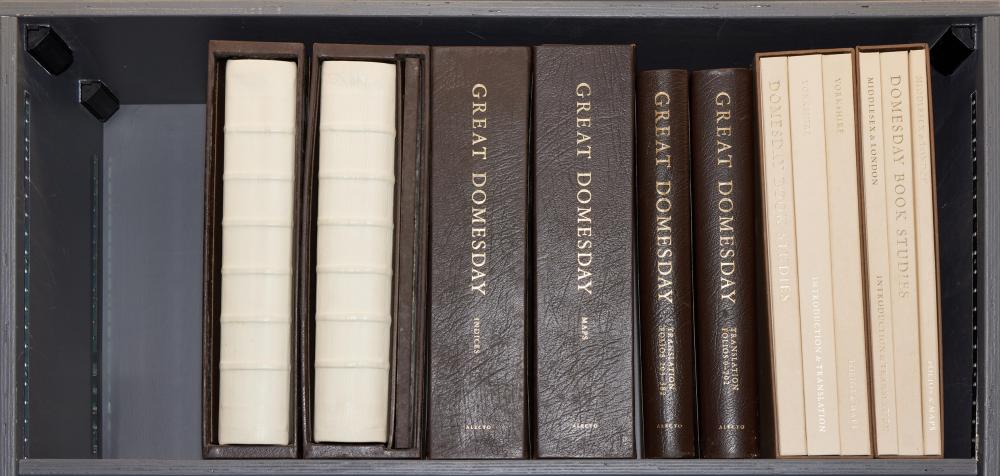 |
Great Domesday Book, Penny Edition, one of 250 numbered sets, 2 vol., and 11 others relating to the Domesday Book, 1986-92 (13). | Forum Auctions - UK | 2024-10-31 | 164 | GBP 380 (buyer’s-premium treatment unknown) |
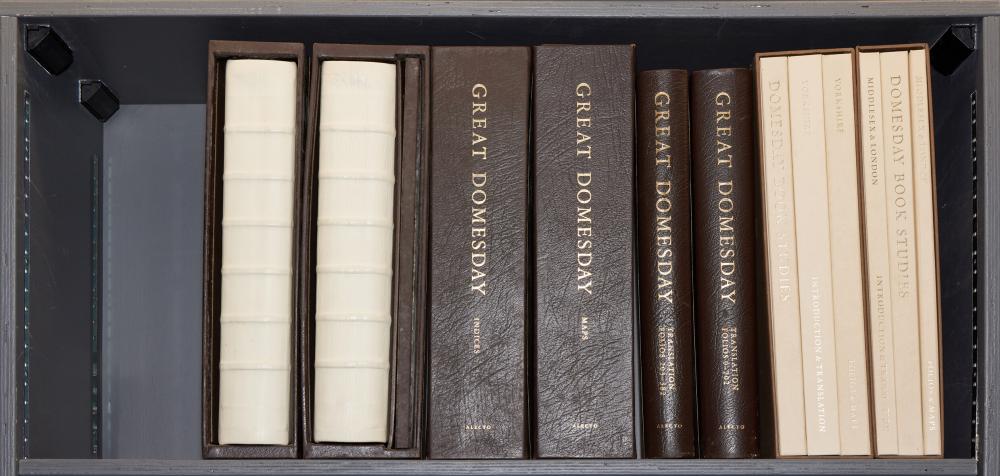 |
Great Domesday Book, Penny Edition, one of 250 numbered sets, 2 vol., and 11 others relating to the Domesday Book, 1986-92 (13). | Forum Auctions - UK | 2024-09-05 | 64 | GBP 300 (buyer’s-premium treatment unknown) |
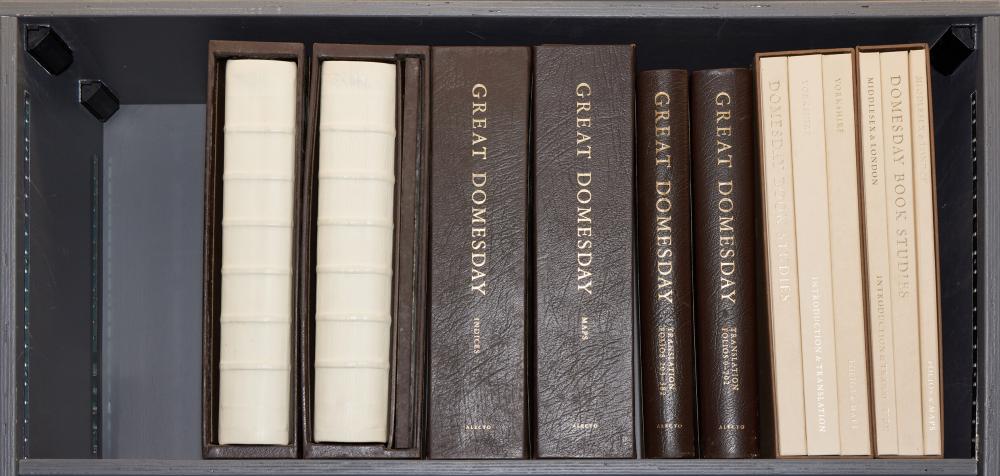 |
Great Domesday Book, Penny Edition, one of 250 numbered sets, 2 vol., and 11 others relating to the Domesday Book, 1986-92 (13). | Forum Auctions - UK | 2024-01-11 | 58 | GBP 420 (buyer’s-premium treatment unknown) |
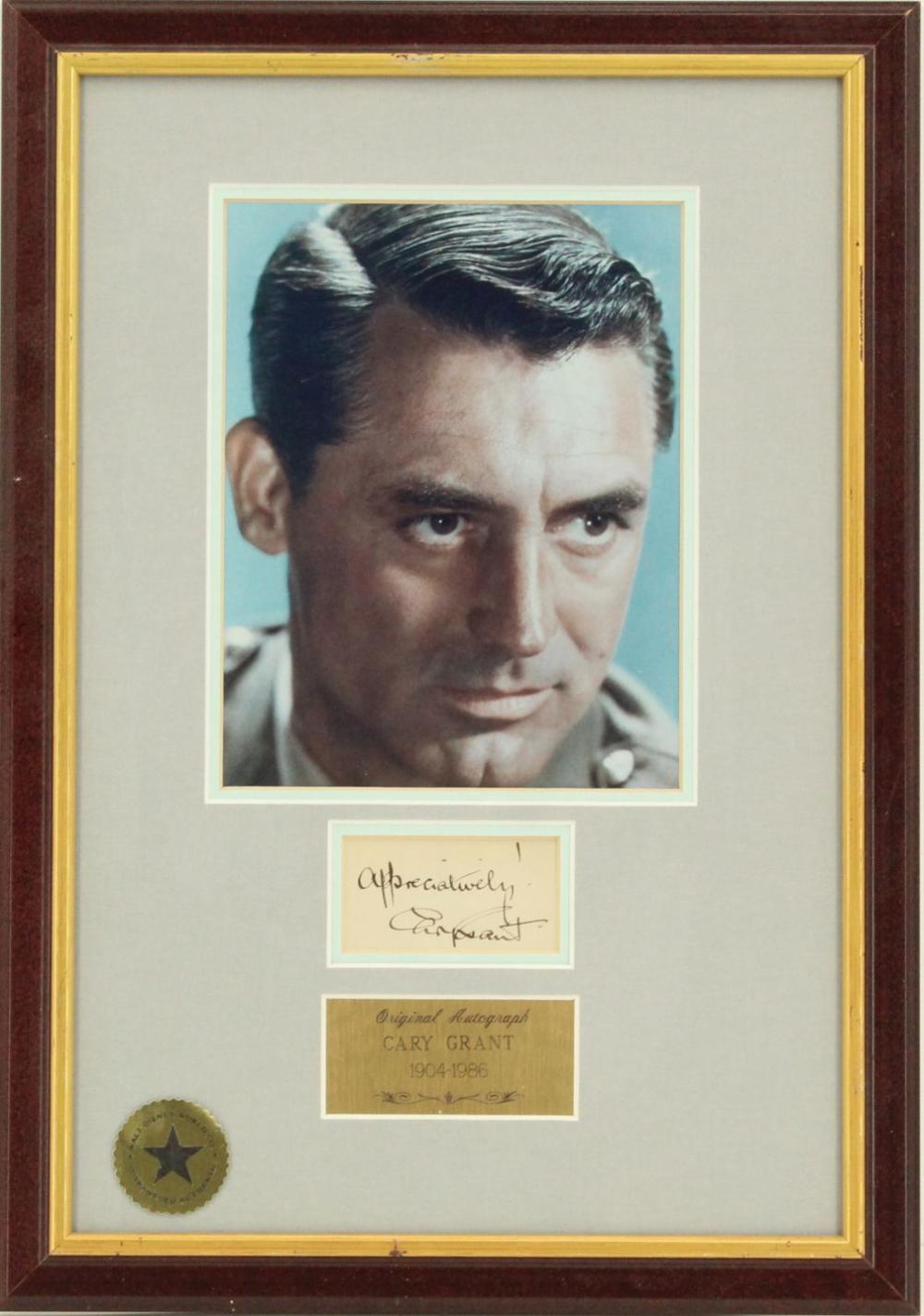 |
Cary Grant (1904-1986) British/American, Hollywood Memorabilia with Signature | Sarasota Estate Auction | 2025-03-29 | 442 | USD 250 (buyer’s-premium treatment unknown) |
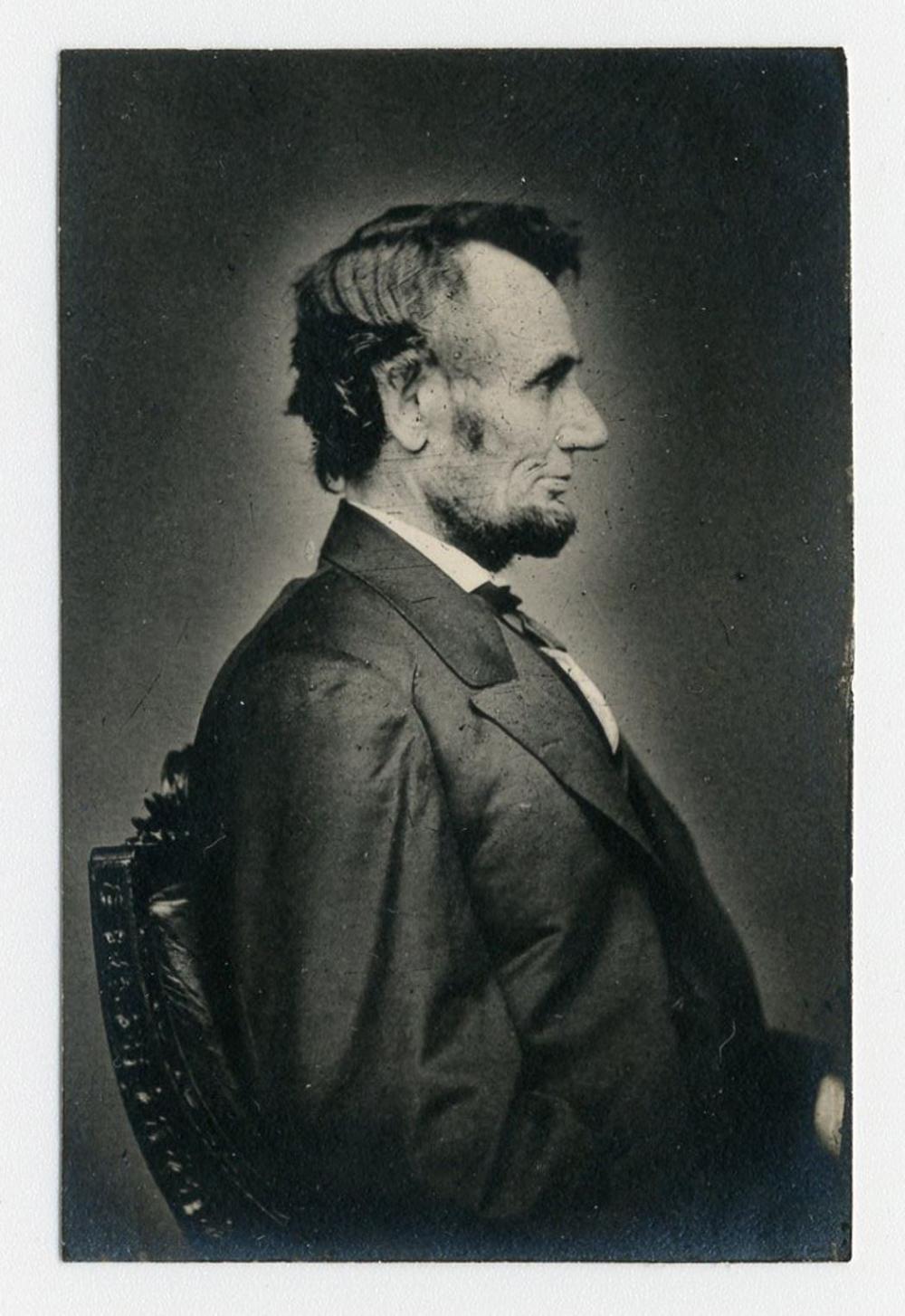 |
Abraham Lincoln "Penny Profile" or "Brady Profile" Photo, Meserve Printed & Collected | University Archives | 2024-01-10 | 62 | USD 325 (buyer’s-premium treatment unknown) |
How these auction records were verified
Each row retains its exact source URL, lot identity, retrieval time, access result, and immutable record hash. Inspect the public comparable provenance record.
Disclosure: prices are shown as reported by auction houses and are provided for appraisal context. Learn more in our editorial policy.
Free instant estimate
Not sure if your item is worth appraising? Let us take a look.
Upload a photo, tell us what you know, and get a free first read. If a full appraisal makes sense, we will say so.
Free. No card needed. Takes about two minutes.
Choose your next step
Use the path that matches the decision you need to make about the item.
Not sure it is worth appraising?
Start with a lower-friction screen to understand the likely category, evidence, and next step.
Upload photos for a free first lookWant proof before paying?
See how a signed report documents photos, comparable evidence, condition notes, and value conclusions.
View signed report sampleNeed a signed report?
Use this for insurance, estate, donation, resale, or documented value decisions.
Need documentation now? Start signed appraisalNeed local or specialist help?
Compare directory options when the work needs in-person review or a specialist near you.
Find local specialistsSee what the report looks like
Sample reports show how photos, comparable evidence, condition notes, and a value conclusion are documented.
Get a coin appraisal
Upload photos and details for your 1986 penny so an Appraisily specialist can review the object-aware value signals.
- Object-aware written report
- Fast turnaround
- Fixed, upfront pricing
Secure upload. Written report options available.
Continue your valuation journey
Find the right local specialist
Compare antique and art appraisers by location and specialty in one directory.
Antique & art specialists
Browse the Antique & Art Appraisers Directory
Choose a local specialist when the assignment needs in-person inspection or a specific credential.
Machine-readable summaries
Use these machine-friendly references for AI and crawler discovery of Appraisily content.
Ready for pricing guidance?
Start a secure online appraisal
Upload images and details. Certified specialists respond within 24 hours.
Upload photos for a free first look View signed report sample