How much are old wagon wheels worth?
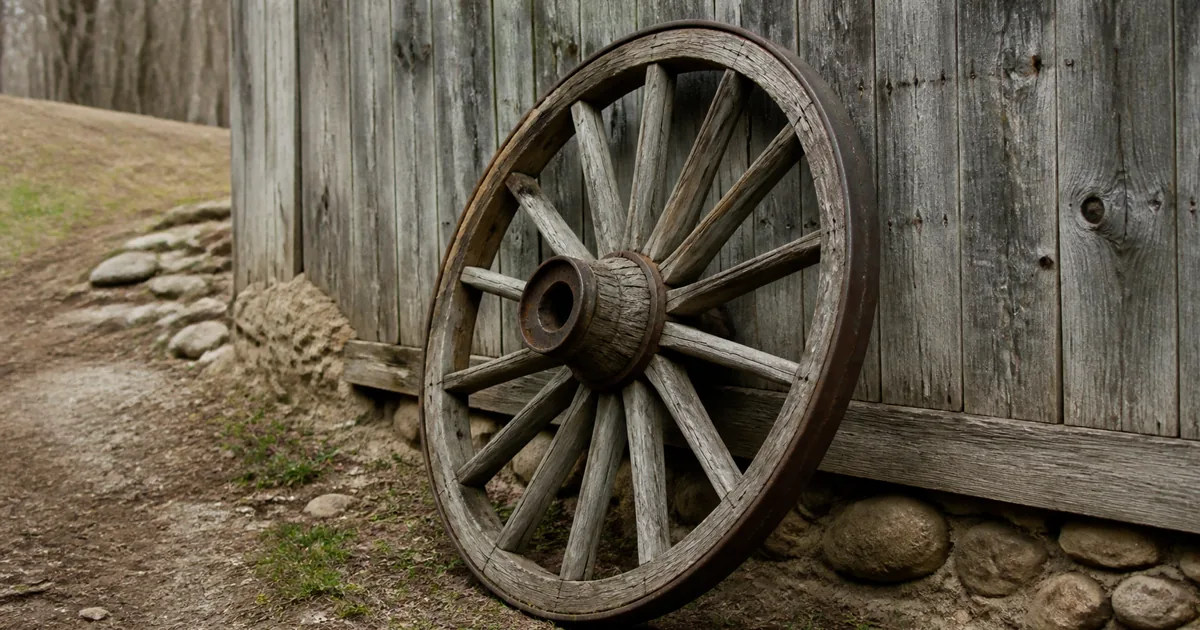
A wooden wheel with an iron tire is a different sale from a circus show wheel or a coffee table made from a wheel.
Wooden spoke wheel with iron tire. An antique wood-spoke, iron-wrapped wagon wheel sold for $50.
Another wood and forged-iron wagon wheel with a stand sold for $80.
Circus / prop wheels. A circus-prop wagon wheel sold for $70.
Another old circus wagon wheel sold for $550.
High-value outlier. A Hagenbeck-Wallace circus wagon wheel sold for $2,200; that is not a yard-sale decorative wheel.
Count the spokes, check the iron tire and hub, and do not price a furniture conversion as a complete running wheel.
What similar items actually sold for
To help ground this guide in real market activity, here are recent example auction comps from Appraisily’s internal database. These matched sales are market context only, not an object estimate or identification, and they do not guarantee a price for your specific how much are old wagon wheels.
Shown USD range: USD 225-USD 840. Median of these 5 USD examples: USD 500.
| Comparable | What sold | Auction house | Date | Lot | Source-reported amount |
|---|---|---|---|---|---|
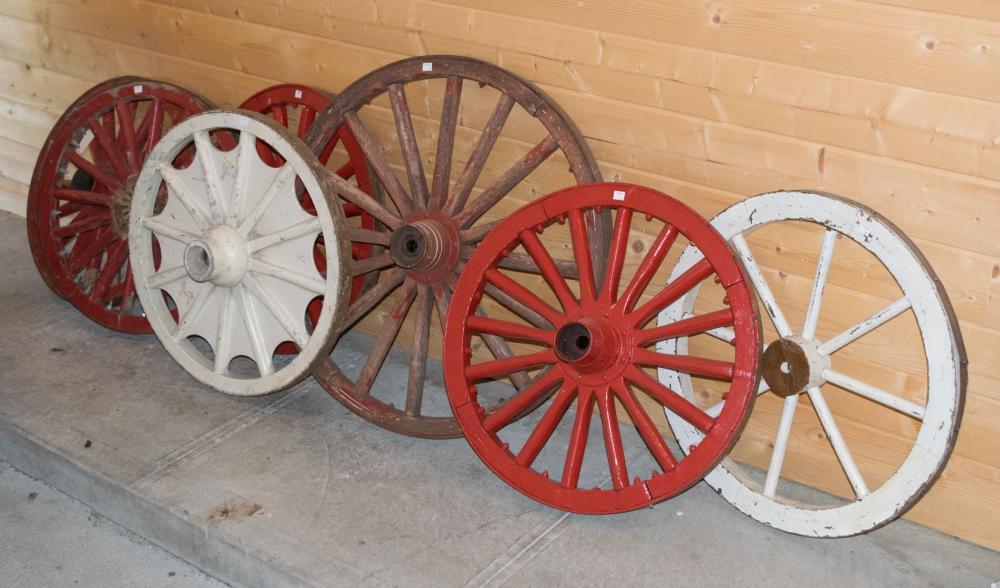 |
SEVEN SMALL WAGON WHEELSSource blocked; provenance matched | O'Gallerie | 2021-07-26 | 1092 | USD 500 (buyer’s-premium treatment unknown) |
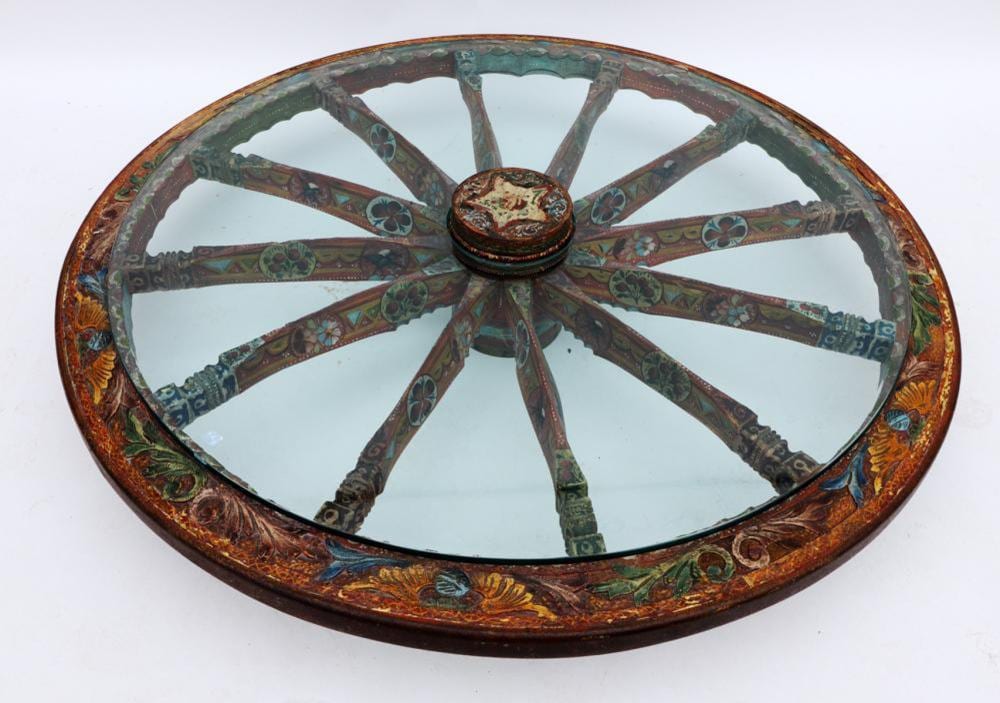 |
Antique Italian Painted Wagon WheelSource blocked; provenance matched | Kaminski Auctions | 2025-08-23 | 504 | USD 225 (buyer’s-premium treatment unknown) |
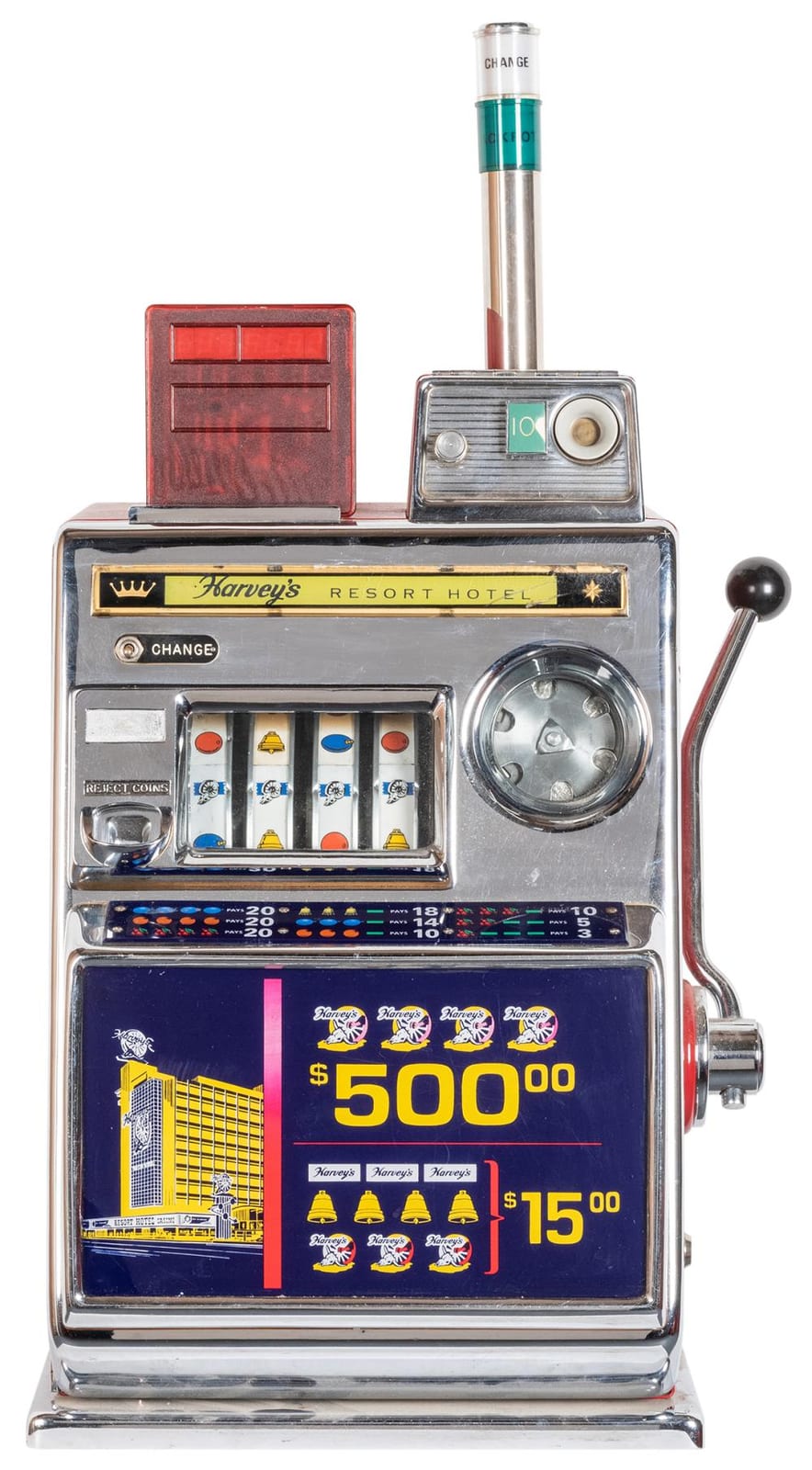 |
Harvey’s Wagon Wheel Resort Hotel 10 Cent Slot Machine. Hei...Source blocked; provenance matched | Potter & Potter Auctions Inc. | 2020-08-29 | 234 | USD 840 (buyer’s-premium treatment unknown) |
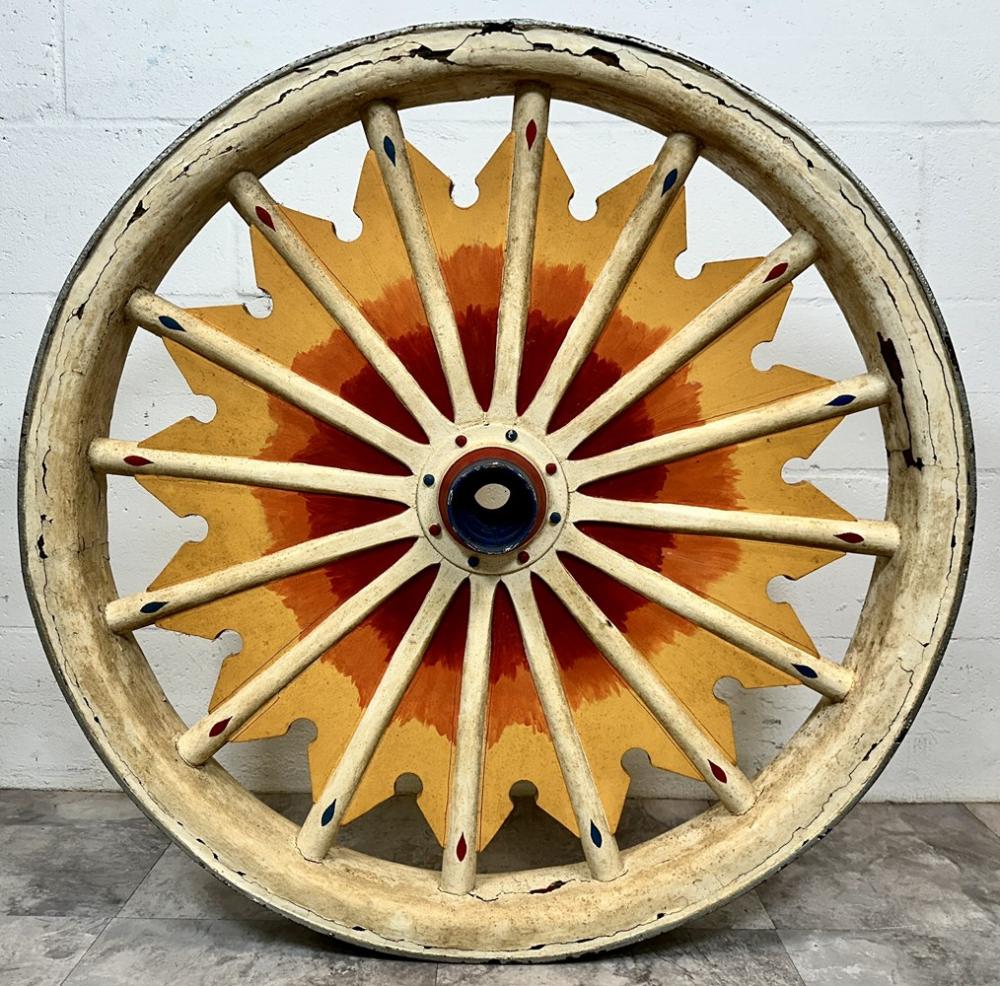 |
OLD CIRCUS WAGON WHEELSource blocked; provenance matched | Freedom Auction Company | 2025-02-15 | 96A | USD 550 (buyer’s-premium treatment unknown) |
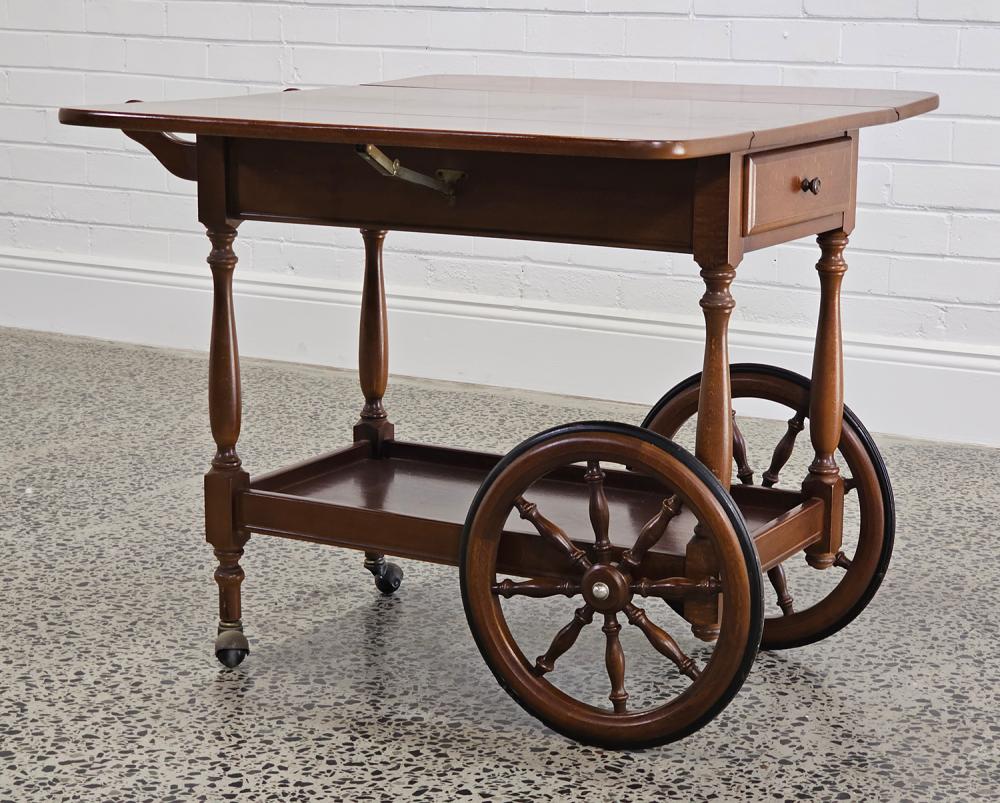 |
Italian beech drop side bar cart with wagon wheels (73 x 92 x 42 extended 93cm)Source blocked; provenance matched | Lawsons | 2024-02-22 | 1258 | AUD 120 (buyer’s-premium treatment unknown) |
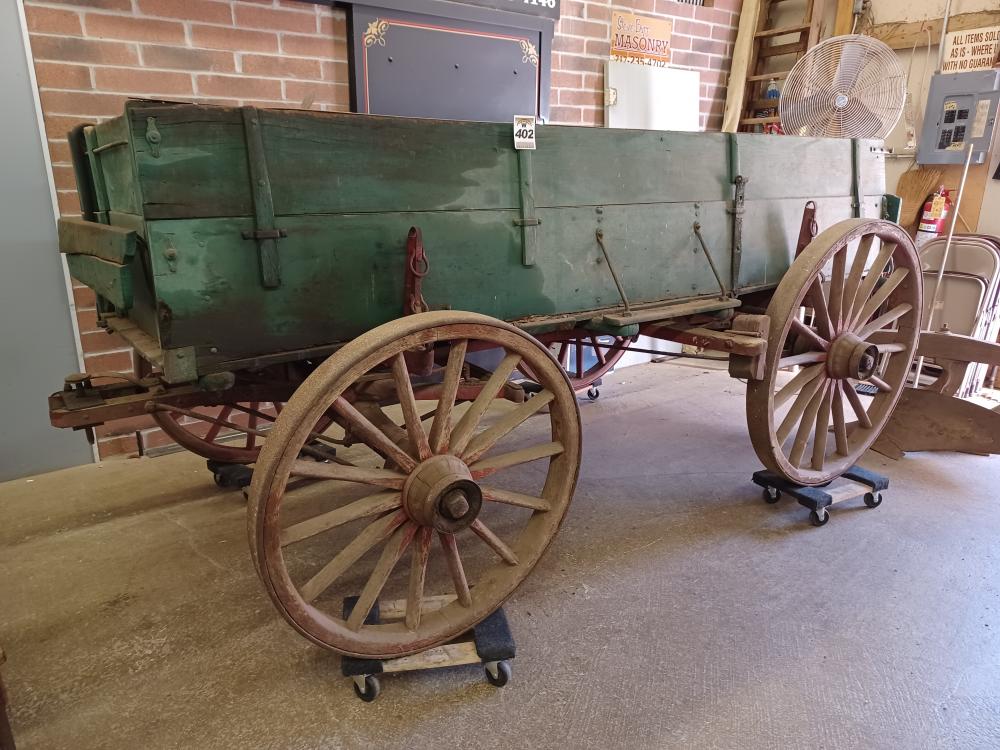 |
2ft Horse Box Wagon, Wheels in Good Shape, Bed ofSource blocked; provenance matched | Wehrly's Auction Service | 2024-11-26 | 402 | USD 500 (buyer’s-premium treatment unknown) |
How these auction records were verified
Each row retains its exact source URL, lot identity, retrieval time, access result, and immutable record hash. Live source access was blocked; the exact record matched Appraisily's immutable pipeline provenance. Inspect the public comparable provenance record.
Disclosure: prices are shown as reported by auction houses and are provided for appraisal context. Learn more in our editorial policy.
According to expert appraisers, authentic antique wagon wheels typically fall within specific price ranges based on their construction:
Antique Wagon Wheel Price Ranges
Average market values for authentic antique wagon wheels
Factors That Determine Wagon Wheel Value
Key Value Factors
Age and Authenticity
Truly antique wagon wheels date back to the 19th and early 20th centuries. Older wheels (pre-1900) generally command higher prices, especially with provable provenance. Modern reproductions, which are common, hold significantly less value than authentic antiques.
Materials and Construction
Image removed: document item-specific markings, condition, and provenance directly from the object before relying on comparison examples.
Traditional wooden wagon wheels were crafted using several specific woods chosen for their durability and function:
- Hub (nave): Typically made of elm due to its resistance to splitting
- Spokes: Usually oak for strength and rigidity
- Felloes (outer rim): Often ash for flexibility and durability
- Metal tire: Wrought iron or steel band encircling the wooden rim
Wheels with all original components intact, including their metal “tire” (the outer rim), command higher prices than those missing pieces or with repairs.
Size and Type
Larger wheels are generally more valuable than smaller ones, with wheels over 40" in diameter often selling for significantly more than their smaller counterparts. The type of wheel also matters:
- Freight wagon wheels: Heavier construction, typically larger
- Carriage wheels: More refined construction, sometimes with decorative elements
- Farm wagon wheels: Sturdy but utilitarian design
- Express wagon wheels: Smaller, with thinner components
Condition
Wagon Wheel Condition Assessment
Check applicable items to determine the condition level of your antique wagon wheel
- All original wooden components present and intact
- Original metal rim/tire present and intact
- No significant wood rot or insect damage
- Spokes firmly seated in hub and felloes
- Original paint or finish visible
- Hub mechanism still functioning (if applicable)
- No major repairs or replacement parts
- Documented provenance or history
Historical Significance
Wheels with documented history, such as those from known historical wagons, stagecoaches, or those used in significant historical events, can command premium prices. Documentation of provenance significantly increases value.
Identification Guide: Is Your Wagon Wheel Authentic?
Authenticating Antique Wagon Wheels
Age Indicators
Authentic antique wagon wheels will show specific signs of age and period construction methods:
- Hand-forged hardware: Look for irregularities in metal components that indicate hand-forging rather than machine production
- Mortise and tenon joints: Traditional wheels used wooden joinery techniques rather than nails or screws
- Wear patterns: Genuine antique wheels will show appropriate wear consistent with actual use
- Wood aging: Natural patina, checking (small cracks), and color changes consistent with aged wood
Construction Techniques
Evolution of Wagon Wheel Construction
- Pre-1800s
Early Wagon Wheels
Entirely hand-crafted using primitive tools. Outer rims often made of bent wood with no metal tire or simple iron straps.
- 1800-1850
Traditional Wheel Construction
Specialized wheelwrights used distinct timbers for different wheel components. Metal tires became standard but were fire-shrunk onto wheels.
- 1850-1900
Industrial Revolution Impact
Steam-powered machinery began to standardize some components. Metal components became more uniform, though still showing hand-finishing.
- 1900-1930
Late Period Wagon Wheels
Factory production elements more common. Transition period as motorized vehicles began replacing horse-drawn transportation.
- 1930-Present
Reproductions Era
Modern reproductions using power tools, kiln-dried lumber, and machine-produced metals. Often lacking historical construction details.
The construction of a wagon wheel can tell you much about its age and authenticity:
- Authentic antique wheels: Show evidence of hand tools such as draw knife or spoke shave marks
- Hub construction: Traditional hubs have hand-bored holes for spokes
- Felloe joints: Multiple curved sections joined together to form the circular rim
- Metal tire application: Traditionally applied hot and cooled to shrink-fit onto the wood
Common Reproduction Tells
Modern reproductions often have several telltale signs:
- Screws or modern nails: These were rarely used in authentic wagon wheel construction
- Too “perfect” appearance: Genuine antique wheels show irregularities from hand crafting
- Kiln-dried wood: Modern lumber lacks the natural patina of aged wood
- Machine-cut components: Look for the too-uniform appearance of power tool work
- Artificially aged finishes: Often too uniform or with inappropriate coloration
Where to Buy and Sell Antique Wagon Wheels
Market Options
Buying Options
If you’re in the market for antique wagon wheels, consider these sources:
Specialty Dealers: Companies like Hansen Wheel and Wagon Shop specialize in authentic antique wheels and often provide documentation and expertise
Online Marketplaces:
- eBay’s Antique Wagon Wheel section offers a wide range of options
- Etsy features both antique wheels and artisan-made reproductions
- 1stDibs specializes in higher-end antique wheels with verification
Antique Shows and Auctions: Often feature farm and rural antiques including wagon wheels
Local Sources:
- Farm auctions in rural areas
- Architectural salvage businesses
- Estate sales in agricultural regions
Selling Options
If you have antique wagon wheels to sell, consider:
- Direct to Collectors: Specialty forums and collector groups can connect you with knowledgeable buyers
- Consignment: Higher-end antique shops or auction houses can help reach serious collectors
- Online Platforms: eBay, Facebook Marketplace, and Etsy all serve as viable selling platforms
- Dealer Networks: Some antique dealers specialize in farm implements and western memorabilia
Price Negotiation Tips
When buying or selling antique wagon wheels:
- Research comparable sales: Look at recently completed sales of similar wheels
- Document authenticity: Provide or request evidence of age and provenance
- Consider condition honestly: Assess damage, missing components, and repairs
- Factor in shipping costs: Large wheels can be extremely expensive to ship
- Be prepared to negotiate: Market values can vary widely based on region and buyer interest
Restoration and Display
Preserving and Showcasing Antique Wheels
Restoration Considerations
Before undertaking any restoration work on an antique wagon wheel, consider:
- Value impact: Inappropriate restoration can significantly decrease value
- Preservation vs. restoration: Sometimes stabilization is better than full restoration
- Documentation: Record the wheel’s condition before any work begins
- Professional assistance: Consider consulting with a wheelwright for valuable pieces
Display Ideas
Image removed: use item-specific photos and completed-sale evidence for valuation context.
Wagon wheels make striking decorative elements in various settings:
- Garden focal points: Mounted vertically as architectural elements
- Wall décor: Hung on interior or exterior walls
- Functional repurposing: Transformed into tables, chandeliers, or other furniture
- Rustic displays: Leaned against buildings or fences for a western aesthetic
- Commercial décor: Popular in restaurants, hotels, and retail spaces with rustic themes
Preservation Tips
To maintain the value and condition of antique wagon wheels:
- Avoid direct ground contact: Use stands or mounts to prevent moisture damage
- Consider weather exposure: Unprotected outdoor display will accelerate deterioration
- Apply appropriate wood preservatives: Use period-appropriate treatments
- Prevent insect damage: Periodically inspect and treat for wood-boring insects
- Clean gently: Avoid pressure washing or harsh chemicals that can damage aged wood
Historical Context and Collecting
Historical Significance
Historical Importance
Wagon wheels represent a crucial technology that enabled:
- Western expansion and settlement in North America
- Commerce and trade across difficult terrain
- Agricultural development and transportation
- Military movements and supply lines
- Stagecoach and mail delivery systems
The wagon wheel is one of the oldest and most important inventions in human history, with the oldest discovered wooden wheel dating back over 5,000 years.
Collecting Categories
Collectors often specialize in specific types of antique wheels:
- Pioneer/Prairie Schooner wheels: Associated with westward expansion
- Conestoga wagon wheels: Large, heavy wheels from America’s first freight wagons
- Stagecoach wheels: Specialized for passenger transportation
- Farm wagon wheels: Utilitarian wheels from agricultural history
- Regional variations: Wheels showing distinct regional building techniques
Starting a Collection
For beginning collectors, consider:
- Start with knowledge: Research wheel types and construction before purchasing
- Focus on a category: Specialize in a specific type or era of wheels
- Consider display space: Large wheels require significant space
- Network with experts: Connect with museums, historical societies, and experienced collectors
- Document your collection: Keep records of provenance and historical information
Frequently Asked Questions
Common Questions About Antique Wagon Wheels
How can you tell how old a wagon wheel is?
- Construction techniques: Hand-forged metal components and hand-shaped wooden elements indicate older wheels
- Wood species and aging: Traditional wheels used specific woods for different components
- Wear patterns: Authentic wear consistent with actual use
- Joinery methods: Traditional mortise and tenon construction rather than nails or screws
- Metal tire application: Evidence of traditional "hot tire" fitting
What kind of wood are antique wagon wheels made of?
- Elm was typically used for the hub (nave) due to its resistance to splitting
- Oak was commonly used for spokes because of its strength and straight grain
- Ash was often selected for the felloes (outer rim sections) due to its flexibility and durability
Are metal wagon wheels worth more than wooden ones?
- Rarity: Traditional wooden wheels with metal tires are often more sought after by collectors
- Condition: Complete, undamaged wheels command premium prices regardless of material
- Authenticity: Genuine antique wheels of either type are worth more than reproductions
- Size and type: Larger wheels and those from significant wagon types tend to be more valuable
Where can I sell antique wagon wheels for the best price?
- Specialty auction houses dealing in western memorabilia or farm antiques often reach the most knowledgeable buyers
- Online platforms like eBay can reach collectors worldwide, but properly documenting condition and provenance is crucial
- Antique dealers specializing in western or farm antiques may purchase directly
- Direct marketing to designers and decorators who use rustic elements in their projects
How can you tell a reproduction wagon wheel from an authentic antique?
- Modern fasteners like Phillips-head screws or wire nails
- Too-perfect symmetry and uniformity in components
- Machine-cut wood showing circular saw marks instead of hand tool marks
- Modern lumber with inappropriate grain patterns or wood species
- Artificially aged finishes that look uniform or inconsistent with natural aging
- Metal components with modern welding or fabrication techniques
Are wagon wheels from different regions worth different amounts?
- Wheels from historically significant regions (like western frontier territories) often command premium prices
- Uncommon regional construction techniques can increase collector interest
- Wheels from notable wagon builders or regional manufacturers with known marks can be more valuable
- Wheels associated with specific historical events or migrations carry additional value
External Resources
Helpful Resources for Wagon Wheel Collectors and Sellers
Hansen Wheel and Wagon Shop
Specialists in antique wagon wheel restoration and sales, offering authentic pieces and expert knowledge.
eBay Antique Wagon Wheel Collection
Browse current listings of antique wagon wheels to gauge market values and available inventory.
Etsy Antique Wagon Wheel Market
Find both authentic antique wheels and artisan-made reproductions from various sellers.
1stDibs Antique Wagon Wheel Collection
High-end marketplace featuring premium antique wagon wheels with verification.
Wagon Wheel History
Educational resource covering the historical development and significance of wagon wheels.
Wheelwright Information
Background on traditional wheelwright practices and construction techniques.
Conclusion
Whether you’re looking to buy, sell, or simply appreciate these iconic artifacts, understanding their historical context, construction methods, and market trends will help you make informed decisions. As with many antiques, the most valuable wagon wheels are those with documented history, all original components, and construction that demonstrates authentic period craftsmanship.
For collectors and decorators alike, these remarkable pieces of American history continue to hold both aesthetic and monetary value, connecting us tangibly to our pioneering past while serving as striking decorative elements in contemporary settings.
Free first look
Not sure whether this old wagon wheel needs an appraisal?
Photograph the whole object, maker and model marks, dimensions, attachments, wear, repairs, completeness, and working condition where safe. The photo-based Screener can help identify the likely category and visible evidence gaps before you pay for documentation.
Upload photos for a free first lookFree. No card needed. The photo upload usually takes about two minutes.
The free first read is a separate photo-based Screener, not this educational article. Results usually appear within a few minutes; complex items can take longer. From photographs of your old wagon wheel, it returns a preliminary category or identity read, visible evidence gaps, rough comparable market signals, and whether a human appraisal looks worthwhile; it is not a signed value conclusion. Material or construction can remain uncertain without direct examination, dimensions, provenance, or complete condition details. A written appraisal is useful when your old wagon wheel needs documented specialist support for insurance, tax, an estate, authentication, litigation, or a consequential sale, but you may not need one.
Choose your next step
Use the path that matches the decision you need to make about the item.
Not sure it is worth appraising?
Start with a lower-friction screen to understand the likely category, evidence, and next step.
Upload photos for a free first lookWant proof before paying?
See how a signed report documents photos, comparable evidence, condition notes, and value conclusions.
View signed report sampleNeed a signed report?
Use this for insurance, estate, donation, resale, or documented value decisions.
Need documentation now? Start signed appraisalNeed local or specialist help?
Compare directory options when the work needs in-person review or a specialist near you.
Find local specialistsSee what the report looks like
Sample reports show how photos, comparable evidence, condition notes, and a value conclusion are documented.
Appraise your old wagon wheel
Upload photos and details so an Appraisily specialist can review condition, identification clues, and market context.
- Expert report with photos and comps
- Fast turnaround
- Fixed, upfront pricing
No obligation. Secure upload.
Continue your valuation journey
Find the right local specialist
Compare antique and art appraisers by location and specialty in one directory.
Antique & art specialists
Browse the Antique & Art Appraisers Directory
Choose a local specialist when the assignment needs in-person inspection or a specific credential.
Machine-readable summaries
Use these machine-friendly references for AI and crawler discovery of Appraisily content.
Ready for pricing guidance?
Start a secure online appraisal
Upload images and details. Certified specialists respond within 24 hours.
Upload photos for a free first look View signed report sample