Start with upside, then confidence points
A folk scene that looks alive and handcrafted can sometimes hold strong value, but a similar piece can also be a later decorative print or broad-market workshop copy. The difference is not always in the subject; it is often in production details, materials, and paper trail. If you buy the right one, this can be a durable investment for a collection. If you buy the wrong one, it becomes expensive decor with little resale upside.
This topic comes up most often when people find an item online, in estate sales, or at flea markets and feel pressure to buy fast. The right response is not to panic — it is to run a short, structured check first: physical clues, authentication clues, and market clues. If those line up, you then ask for a free instant estimate.
The internal evidence for this page is mixed but useful: automated search gave broad web guidance, while internal auction comps are the stronger signal. Because web snippets are uneven on this specific keyword, I am using cautious language and tying every value claim to what has clear support.
Flip the item: check 9 surface-level signals in 90 seconds
Before touching price, run these nine checks in order. You do not need specialist tools, only time and close photos.
- Edge and substrate consistency: original folk works often have edge wear, uneven substrate behavior, and hand-corrected joins; factory copies often show repeated clean tooling and consistent panel preparation.
- Base support: look for stretch, repairs, and later relining that does not match original handling marks.
- Paint application: brush or pigment deposits in originals can show slight pressure variation; many copies have even spray pattern behavior.
- Color aging: intentional fading from light can coexist with original works, but reproduction pigment aging often looks staged and uniform.
- Reverse side text: hand-injected notes, signatures, numbering marks, or museum notes favor authenticity, especially where provenance is cleanly linked.
- Signature behavior: signatures and initials should align with known period tools, not just look like “signed-like” script.
- Edition context: true editions can exist, but undocumented “limited” language without registry or seller invoices is usually marketing language, not proof.
- Support history: a single photo of a frame is not enough; look for mounting marks, labels, and transport wear from real historical handling.
- Price pattern context: compare to auction outcomes for similar subjects; large outliers need explanation before payment.
If more than half of these checks suggest a documented production history and non-repetitive craft signatures, you are in a stronger position to investigate valuation.
Compare what the seller says against what the object shows
High-risk purchases usually fail on the paper trail, not the image alone. Ask for:
- Original invoice, previous sale listing, or catalog entry
- Condition photos of reverse, margins, edges, and any protective frame changes
- Any prior restoration record and when the work was photographed
- Any maker attribution, gallery notes, or exhibition references
If the seller can answer those with consistency, the item is often worth a closer valuation. If the response is vague or deflects provenance, treat that as a warning sign.
A useful rule: if a story cannot be supported by photos, condition notes, and timeline, the “reproduction” risk is higher than it appears.
Use marketplace context to separate decorative intent from collectible intent
The biggest practical gap is value trajectory. Decor copies are priced for immediate wall impact and often move quickly at modest prices. Original-attributed works can carry resale confidence because buyers pay for proof, condition depth, and chain of custody.
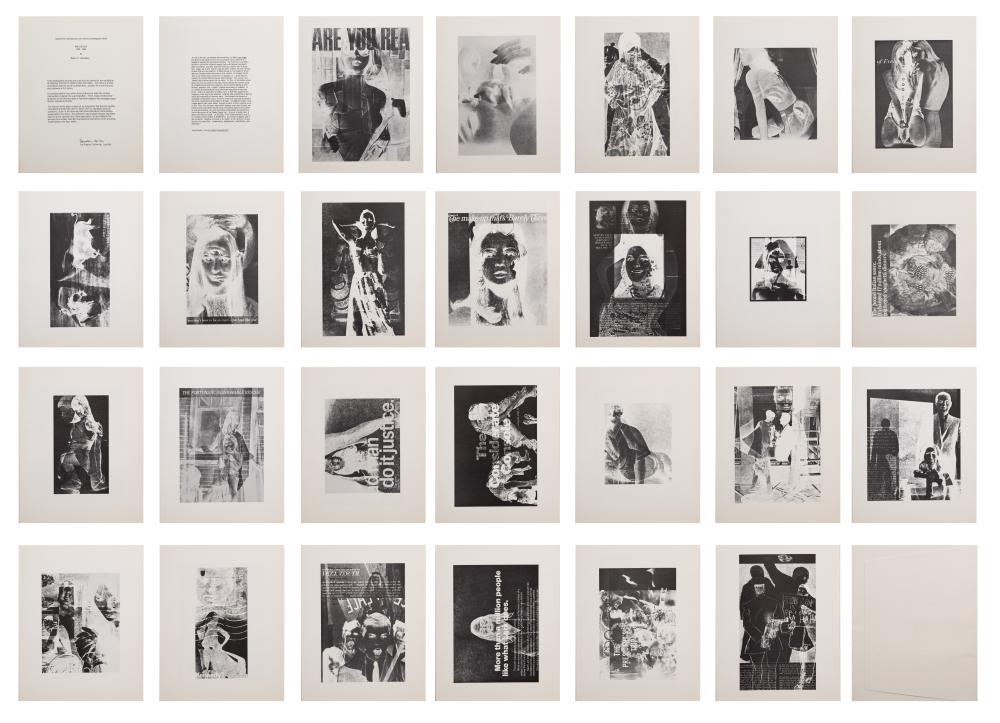
Internal comp examples in Appraisily’s auction dataset show this gap clearly. One Heinecken lot with a strong portfolio-style provenance sold at US$900, while a similar period portfolio at Swann showed a higher realized range around US$1,500 to US$3,500. Similar variance appears across other entries: Klein and later series examples can span US$2,400 to US$3,200. These are not promises about any single object; they are a reminder that wording, condition, and provenance can move market response materially.
Do not overfit to one auction outcome. Use ranges, not single numbers. If one example is high and your object is missing comparable documentation, your best estimate should stay conservative until a full screener review.
Free instant estimate
Not sure if your folk art piece is original? Let us take a look.
Upload a few photos and key details for a free first read. If it is worth a full appraisal, we will say so.
Free. No card needed. Takes about two minutes.
Run your final pre-purchase checklist before money leaves your account
At this stage, tie your observations to two buckets: what can be defended and what is promotional language. If the piece has verifiable details and no obvious red flags, move slowly and document the chain. If not, keep negotiating or walk away.
- Can you see repeated manufacturing rhythm in brush edges or print registration?
- Can the seller answer condition questions in one sentence without qualifiers?
- Do the back, margins, and mount tell a consistent story?
- Is the price aligned with a defensible category, or does it imply rarity with no proof?
- Do comparable results suggest your price target is realistic?
Use red flags to prevent expensive reversals
Three frequent mistakes push people into overpaying:
- Copy-paste descriptions: exact phrasing with no specifics often signals a weak provenance chain.
- Emotional urgency: “last piece” language may still hide a weak object history.
- Condition mismatch: glossy surface with old-looking back treatment, or fresh edges on an old-looking front, usually means restoration or fabrication risk.
A disciplined buyer checks these issues against one or more concrete comparables instead of using only a single lot. That is why appraisal support is valuable: the same style in two photos can have materially different outcomes depending on documentation and context.
When to ask for specialist review next
If your item passes the five-minute checks and still has inconsistencies in provenance or signs, a specialist review should be your next stop before sale, consigning, or gifting. The best time for a paid written appraisal is after the free screener narrows uncertainty and the decision remains commercially meaningful.
For buyers, the most practical move is to collect high-resolution details, get a free first read, and proceed only once your evidence supports both craft and provenance. For sellers, a similar process avoids underpricing while protecting against unrealistic listing claims.
Search variations readers also ask
- how to tell if folk art is a reproduction
- signatures on original folk art vs reprints
- folk art prints worth appraising first
- how to check provenance before buying art decor
- what is a realistic price for a folk art reproduction
- best way to verify a folk art signature
- why some folk art prints sell for much more
- free estimate for folk art before buying
- reproduction flags in folk art paintings
Note: We couldn’t find enough auction records that directly match Folk Art vs Reproductions: How to Tell the Difference Before You Pay Too Much to publish a defensible price table. If you are valuing a specific item, include its maker, model, material, photos, and condition so the search can be narrowed.
What similar items actually sold for
To help ground this guide in real market activity, here are recent example auction comps from Appraisily’s internal database. These matched sales are market context only, not an object estimate or identification, and they do not guarantee a price for your specific folk art.
Shown USD range: USD 100-USD 225. Median of these 4 USD examples: USD 200.
| Comparable | What sold | Auction house | Date | Lot | Source-reported amount |
|---|---|---|---|---|---|
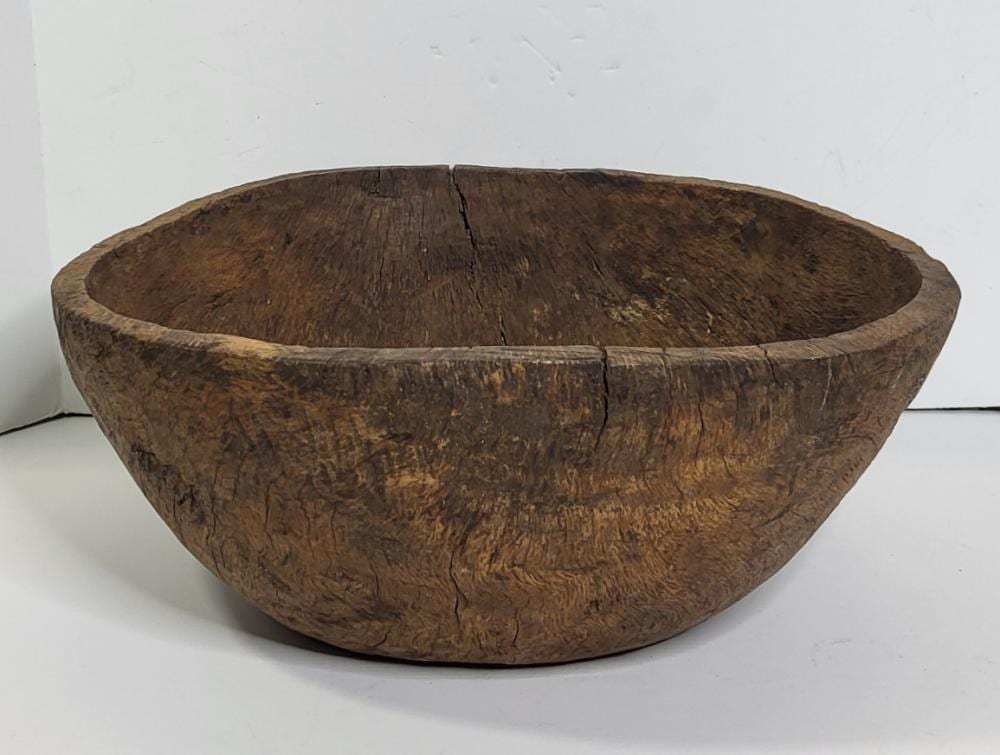 |
Large Antique Burl Bowl 6.5 X Aprx 16 Inches Carved Circa 18C 19C Country Primitive Folk Art CarvingSource blocked; provenance matched | Richard Stedman Estate Services LLC | 2026-05-16 | 42 | USD 200 (buyer’s-premium treatment unknown) |
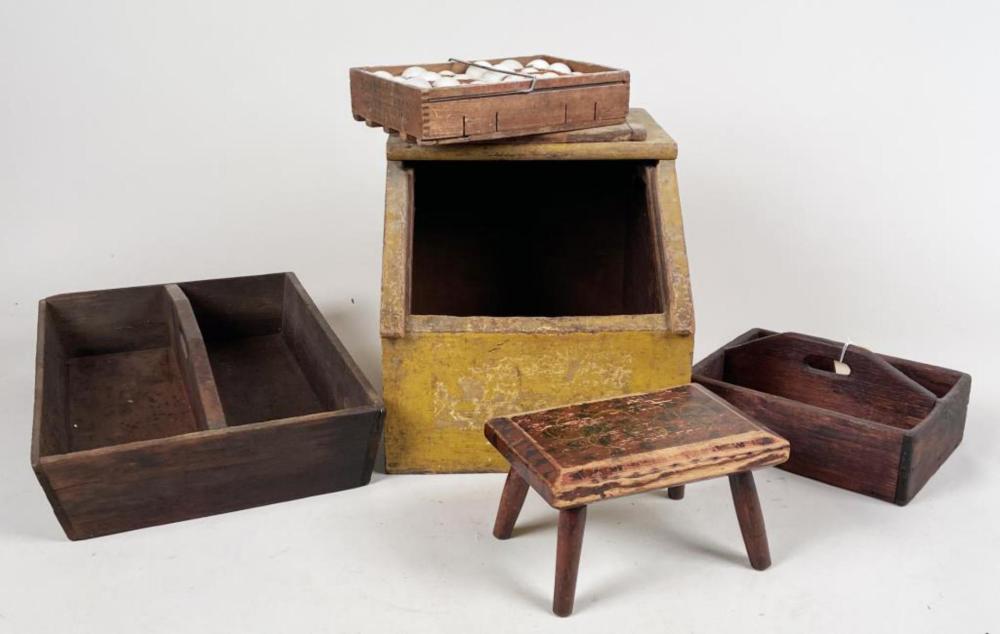 |
Five Primitive Folk Art ItemsSource blocked; provenance matched | Schwenke Auctioneers | 2024-05-21 | 270 | USD 100 (buyer’s-premium treatment unknown) |
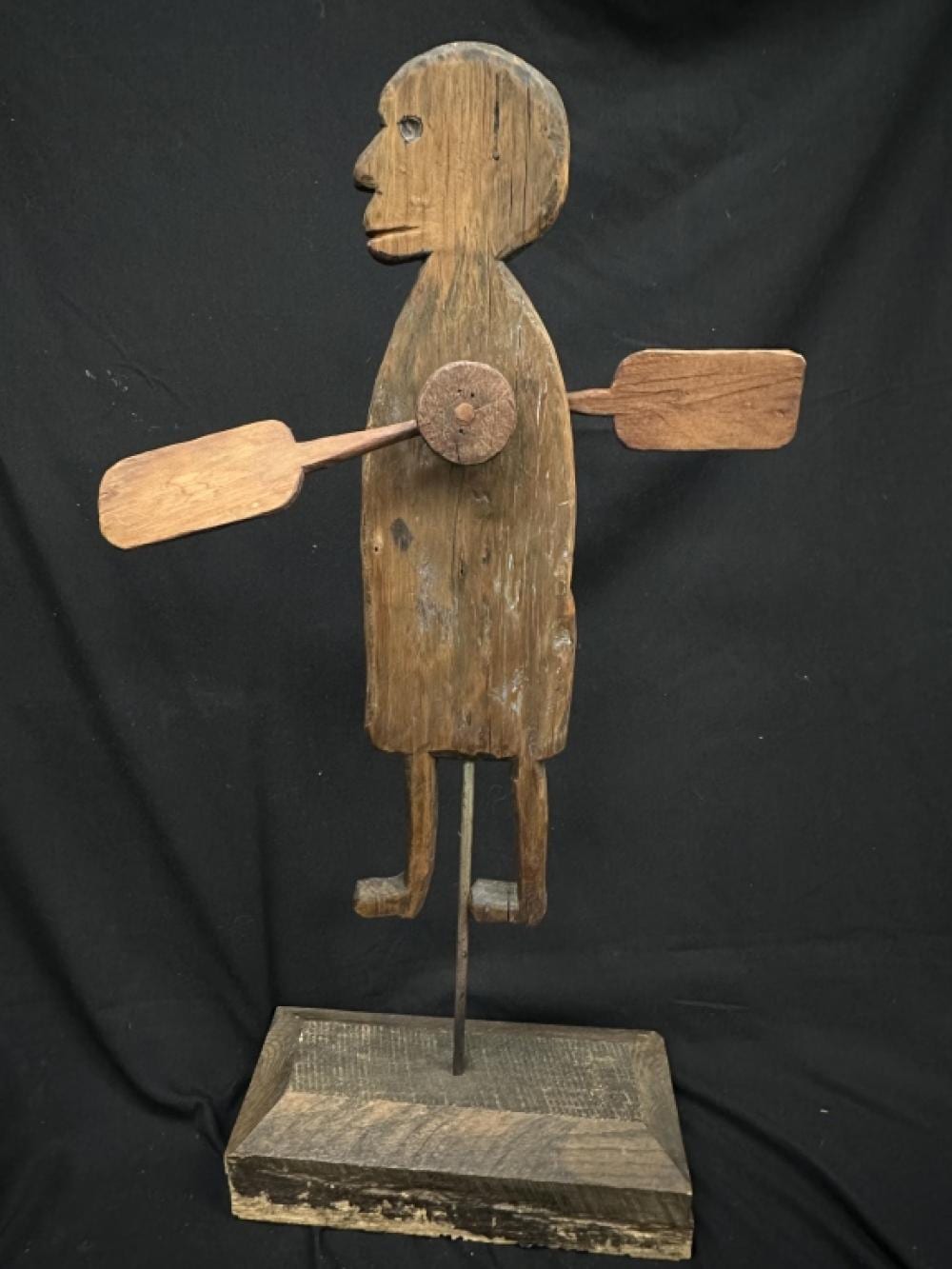 |
Whirligig Antique American Folk Art Wooden FigureSource blocked; provenance matched | Terri Peters & Associates | 2026-04-25 | 536 | USD 225 (buyer’s-premium treatment unknown) |
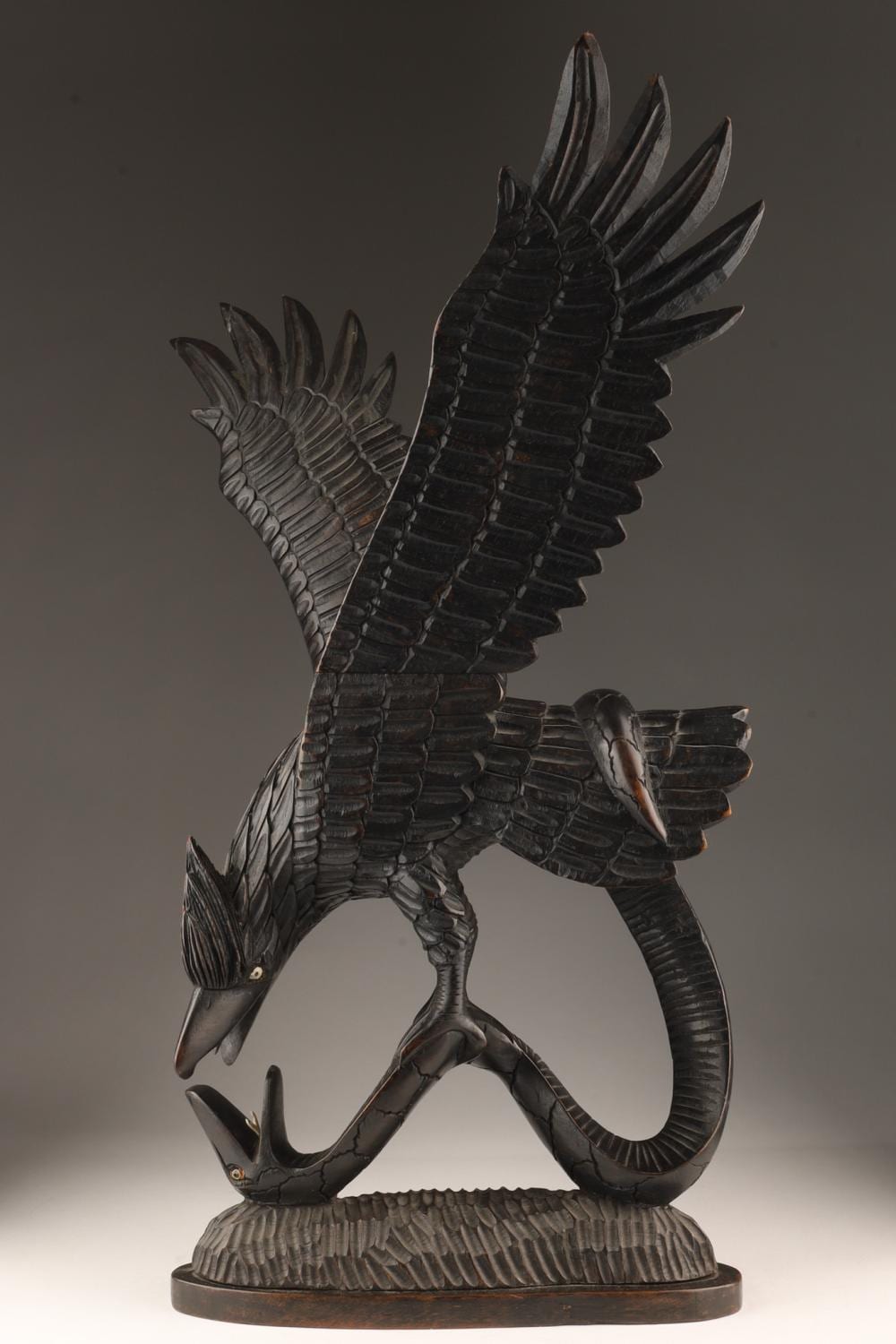 |
Antique Folk Art Carving Snake and Eagle SculptureSource blocked; provenance matched | Kavanagh Auctions | 2024-10-26 | 396 | CAD 1,500 (buyer’s-premium treatment unknown) |
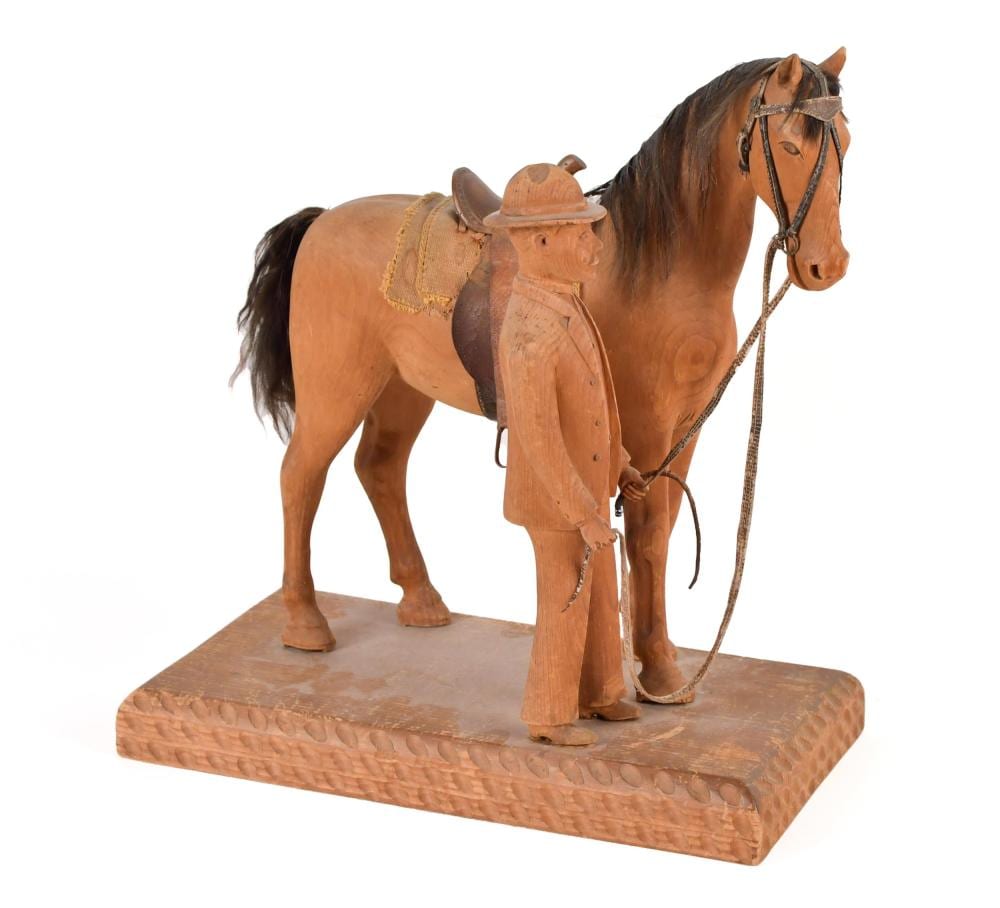 |
ANTIQUE FOLK ART CARVING, MAN WITH HIS HORSE.Source blocked; provenance matched | William Smith Auctions | 2025-01-08 | 422 | USD 200 (buyer’s-premium treatment unknown) |
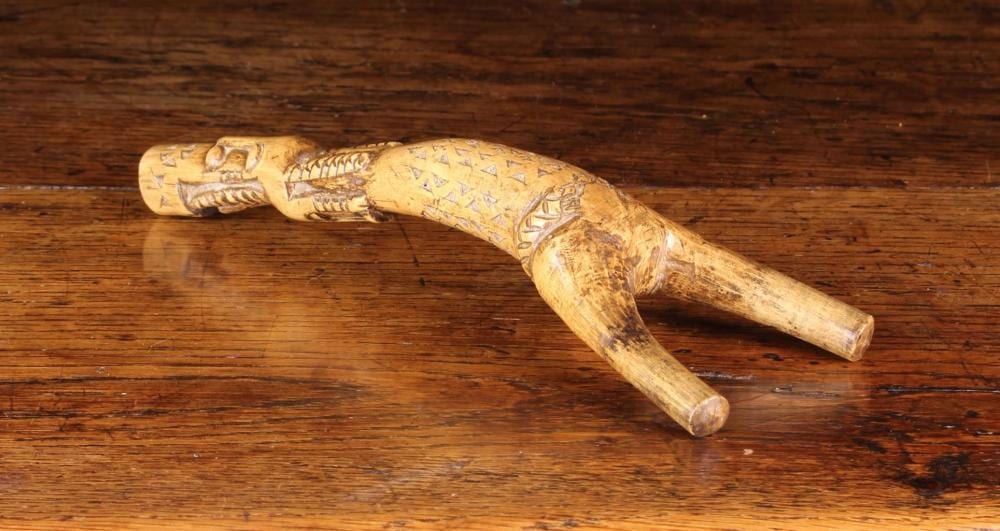 |
An Antique Folk Art Carving: A forked tree branch section enriched with decorative chip carving incoSource blocked; provenance matched | Wilkinson's Auctioneers | 2024-06-15 | 219 | GBP 25 (buyer’s-premium treatment unknown) |
How these auction records were verified
Each row retains its exact source URL, lot identity, retrieval time, access result, and immutable record hash. Live source access was blocked; the exact record matched Appraisily's immutable pipeline provenance. Inspect the public comparable provenance record.
Disclosure: prices are shown as reported by auction houses and are provided for appraisal context. Learn more in our editorial policy.
References and supporting guidance
Useful references to cross-check terminology and valuation fundamentals:
- How to tell if you're looking at real art or a reproduction
- What makes originals and prints distinct in market behavior
- How to find qualified art appraisers
- Pottery and porcelain vs reproductions checklist
- Sterling silver vs reproductions for practical comparison habits
- Estate jewelry example of production and wear clues
Source pricing examples are from internal Appraisily auction records and are educational context, not guarantees.
Before you close the listing page
Upload a photo and get a free instant estimate
Take 60 seconds. No card needed.
Upload photos for a free first look View signed report sample