Start by sorting by structure, then by value signals
If you own or are shopping for an old trunk, one glance is never enough. A sturdy, practical first-pass read is possible in two minutes, and it is surprisingly accurate for avoiding wrong calls.

Flat top and dome top trunks are both travel furniture lineage, but they were not built for the same day-to-day priorities. That matters more than age alone. Buyers respond to function, survivability, and trustable identity; when identity is fuzzy, value narrows quickly.
Flip it over: what the lid shape actually implies
A flat top trunk has a planar lid line. It often reads as practical and stackable, with a shape that was useful for tight storage and transport systems where trunks were moved and loaded in layers. In many periods this made them common on train or wagon travel.
A dome top trunk has a curved lid profile. That curve is not decoration only; it is usually tied to older construction habits, decorative emphasis, and sometimes a more formal trunk role. In catalog language, the dome silhouette often maps to a period that used stronger visual cues in hardware layout and lid mechanics.
The practical read: dome and flat are not independent value labels. They are the first branch in a value tree. If the shape and hardware were changed, replaced, or repaired, the first story you tell a buyer is that shape can still be old, but the story changed.
Read hardware, labels, and locks before believing age
The strongest initial filter is not material age, it is integrity of identity signals:
- Hardware: brass, nickel, and steel quality; whether hinges and staples are matching period style; whether there is consistent wear versus later replacements.
- Labels and maker marks: clean, readable marks are useful clues, but never enough by themselves.
- Locks and keyways: shape, style, keying patterns, and lockplate condition show use history and repair history.
- Interior structure: slats, frames, and lining quality reveal whether the piece supported real travel duty or decorative display use.
- Repairs: repairs can be honest and valuable when documented, but missing seams, patched corners, or uneven reinforcement can reduce value confidence.
- Provenance: ownership notes, old photos, or shipping records improve valuation confidence even when condition is imperfect.
This list reflects the same factors we use for most trunk appraisals: maker, material, pattern, size, condition, and provenance. If those pieces are weak, the item can still be interesting, but the evidence story becomes hard to monetize.
Check what changed value in the room, not only at the lid
Here is where owners overestimate certainty. A dome top trunk can look premium, and a flat top can look plain, but the market pays for condition logic first.
What pushes value up:
- Complete original interior fittings with minimal structural correction.
- Documented repairs where the repair style itself is period-consistent.
- Strong maker evidence that ties to known production lines and dated examples.
- Clear usage history that avoids severe moisture or load damage.
What pushes value down:
- Large hinge, lock, or slat replacement with mixed-era hardware.
- Severe dents, collapsed corners, or panel warping that compromises lid geometry.
- Missing hardware sets with uncertain reinforcements.
- Borrowed decals or undocumented label substitutions.
Use a size and market lens, not a style fan theory
Buyers for trunk categories are still conservative: if a trunk is too large and heavy to move, or too altered to trust, demand narrows. Even excellent historical character can get discounted when practical carrying and display are poor.
The practical test is simple. Imagine the same buyer looking for a travel trunk to display and a buyer looking for a decorative statement piece. The first buyer checks lid integrity and lock mechanism; the second checks visual finish and condition of the shell. If either buyer cannot trust what they see quickly, the ask-to-value ratio drops.
Read the comps before you write a story around your trunk
Market proof beats opinion. We use recent internal sales as directional evidence, and even a small set can prevent expensive assumptions.
Internal comps we can reference today include examples in the broad antique trunk space:
- Two Antique Carpenters Timber Trunks (AUD 340) shows the lower end of the bucket for mixed timber examples that sell with utility-first positioning.
- (2 Pc) Antique Parchment Leather Trunks and Pair of Early 20th Century Lidded Mexican Stagecoach Trunks both show higher outcomes when presentation and condition can support pair or matched presentation narratives.
- TWO ANTIQUE LOUIS VUITTON TRUNKS at USD 7,000 is an outlier by comparison and needs the brand, finish, and condition stack to stand on its own.
The point is not that every dome top trunk is expensive or every flat top trunk is cheap. The point is that top type shifts which buyers are willing to bid, and the top-level value follows the quality of the proof.
Note: We couldn’t find enough auction records that directly match Flat Top vs Dome Top Trunks: Which Antique Trunks Are Worth Appraising to publish a defensible price table. If you are valuing a specific item, include its maker, model, material, photos, and condition so the search can be narrowed.
What similar items actually sold for
To help ground this guide in real market activity, here are recent example auction comps from Appraisily’s internal database. These matched sales are market context only, not an object estimate or identification, and they do not guarantee a price for your specific flat top vs dome top trunks which antique.
Shown USD range: USD 550-USD 5,500. Median of these 5 USD examples: USD 700.
| Comparable | What sold | Auction house | Date | Lot | Source-reported amount |
|---|---|---|---|---|---|
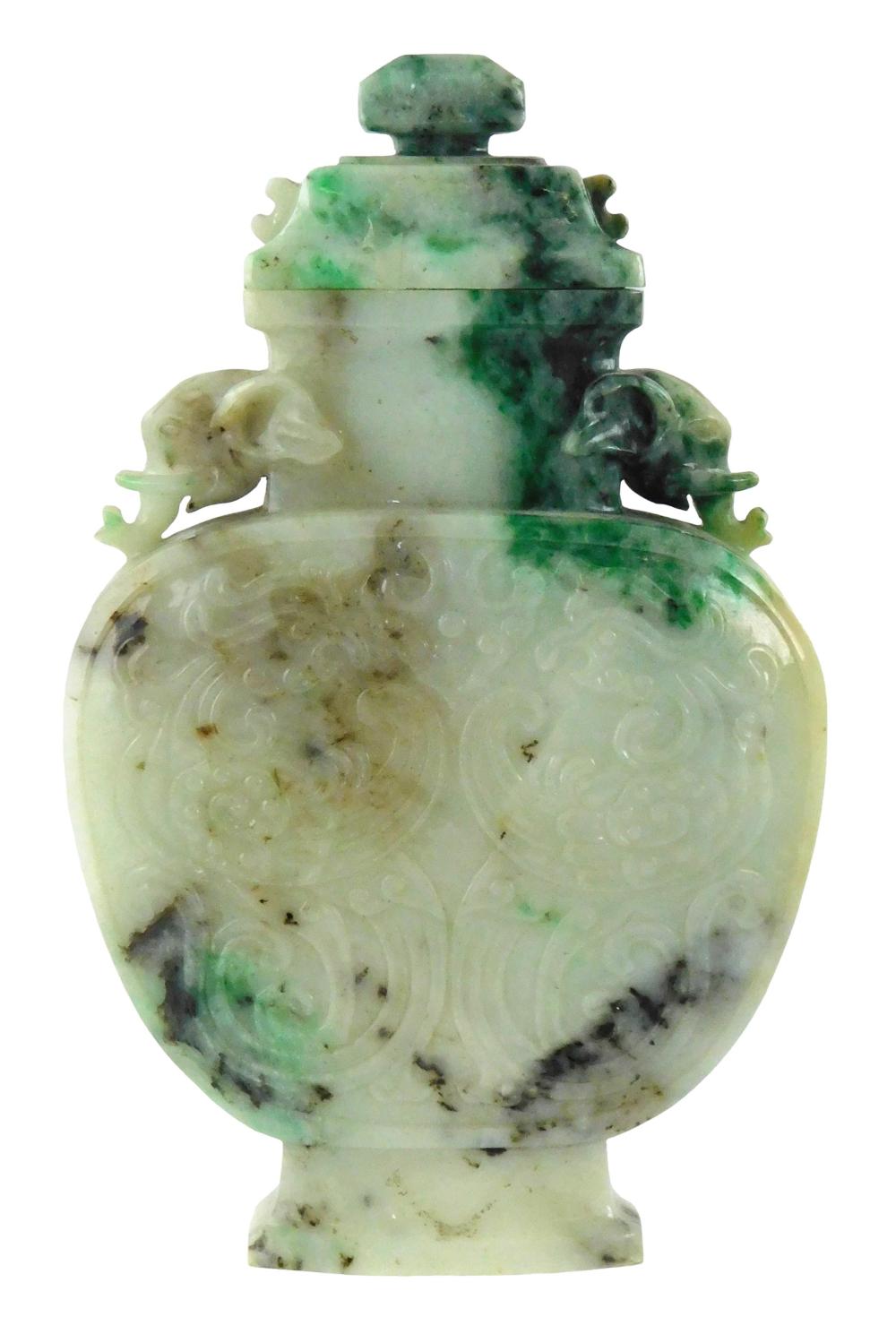 |
ASIAN: Flat covered hardstone vase with flanking elephant head handles, Chinese, 20th C., variegated stone possibly jadeite, stepped dome top over tapered neck and bulbous body, center decoration on both sides feature... | Winter Associates, Inc. | 2025-05-19 | 264 | USD 550 (buyer’s-premium treatment unknown) |
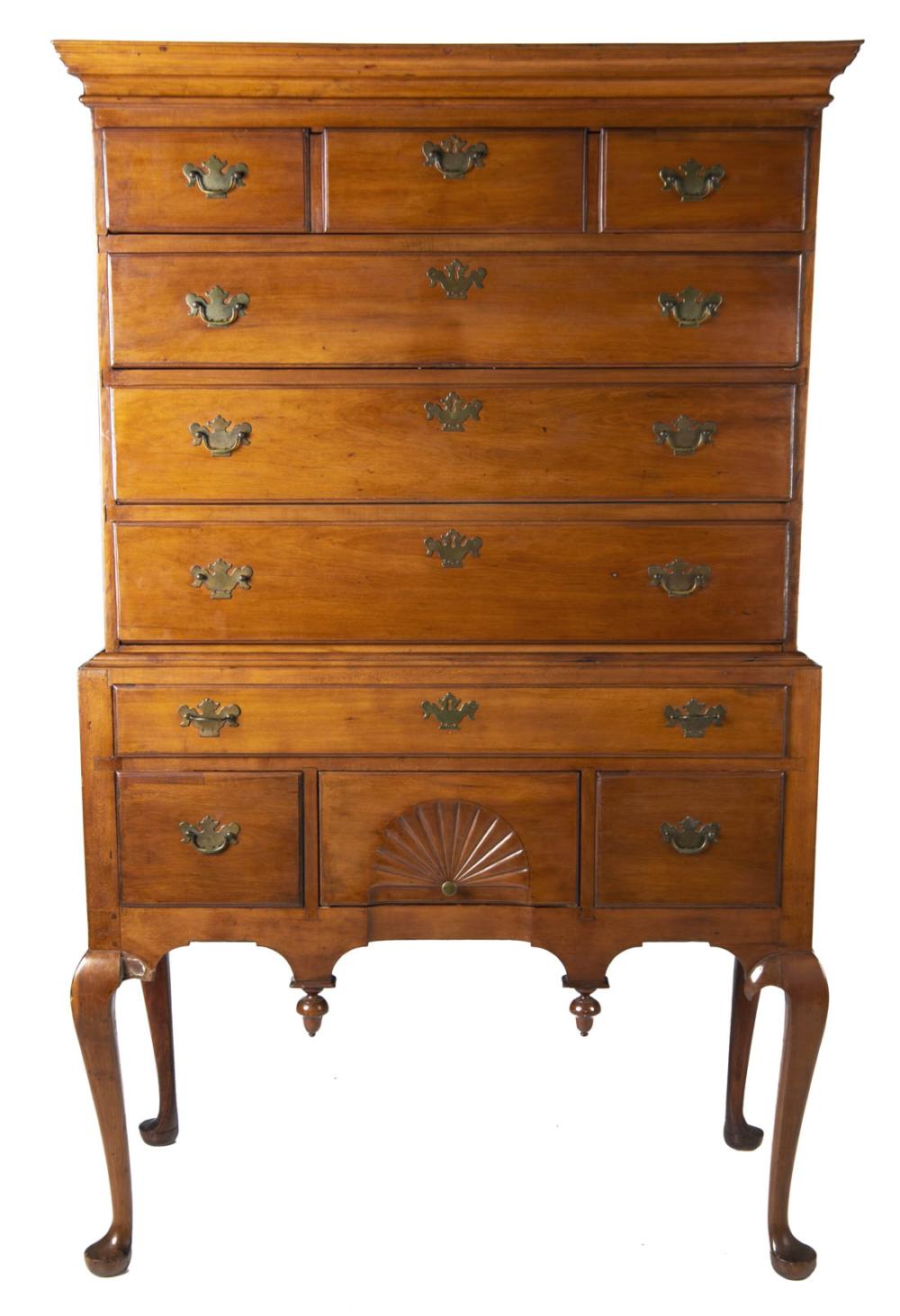 |
Queen Anne Flat Top Highboy | Cordier Auctions & Appraisals | 2020-02-15 | 302 | USD 550 (buyer’s-premium treatment unknown) |
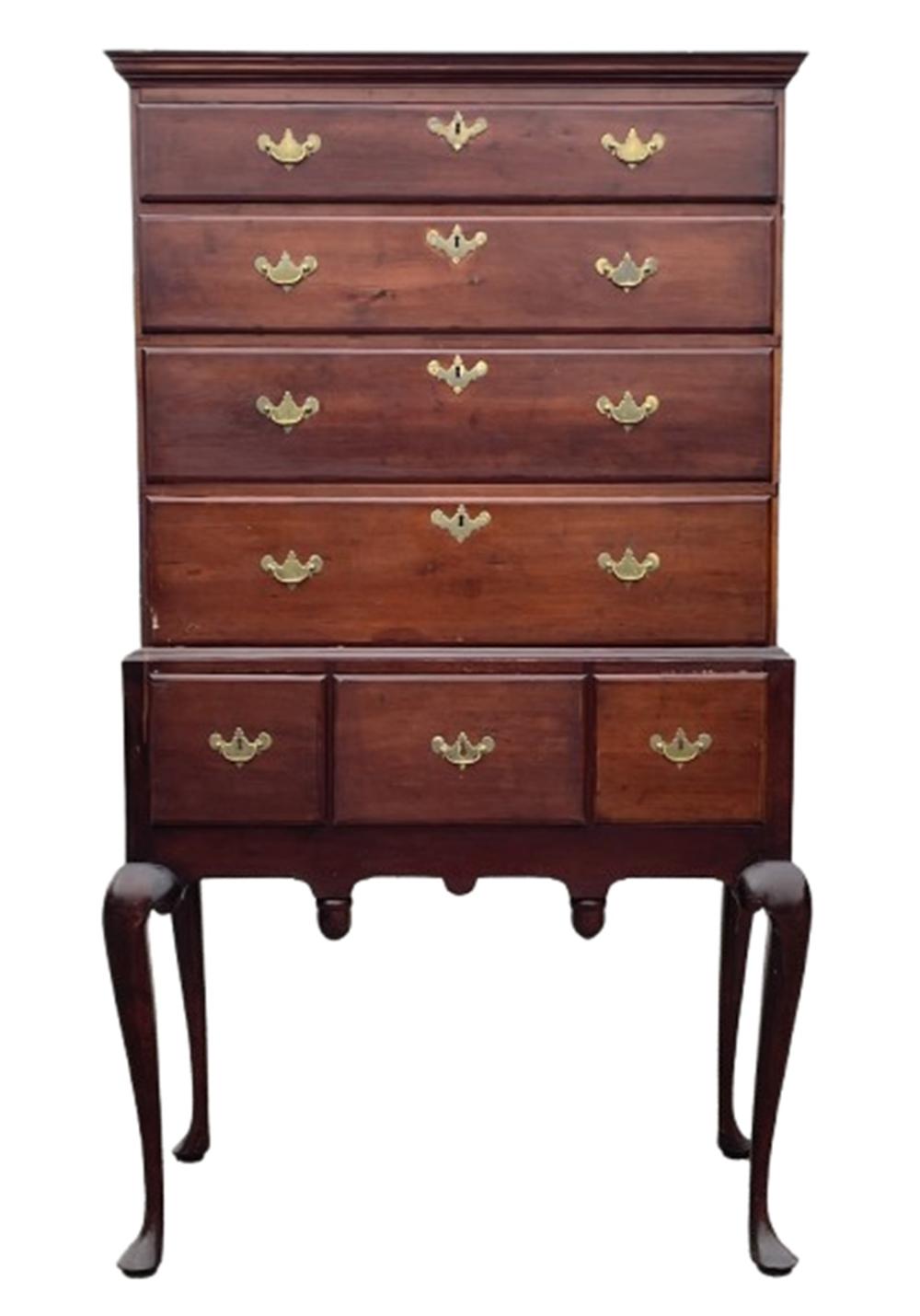 |
18TH C RHODE ISLAND QUEEN ANNE FLAT TOP HIGHBOY | D. L. Straight Auctioneers | 2024-10-12 | 150E | USD 800 (buyer’s-premium treatment unknown) |
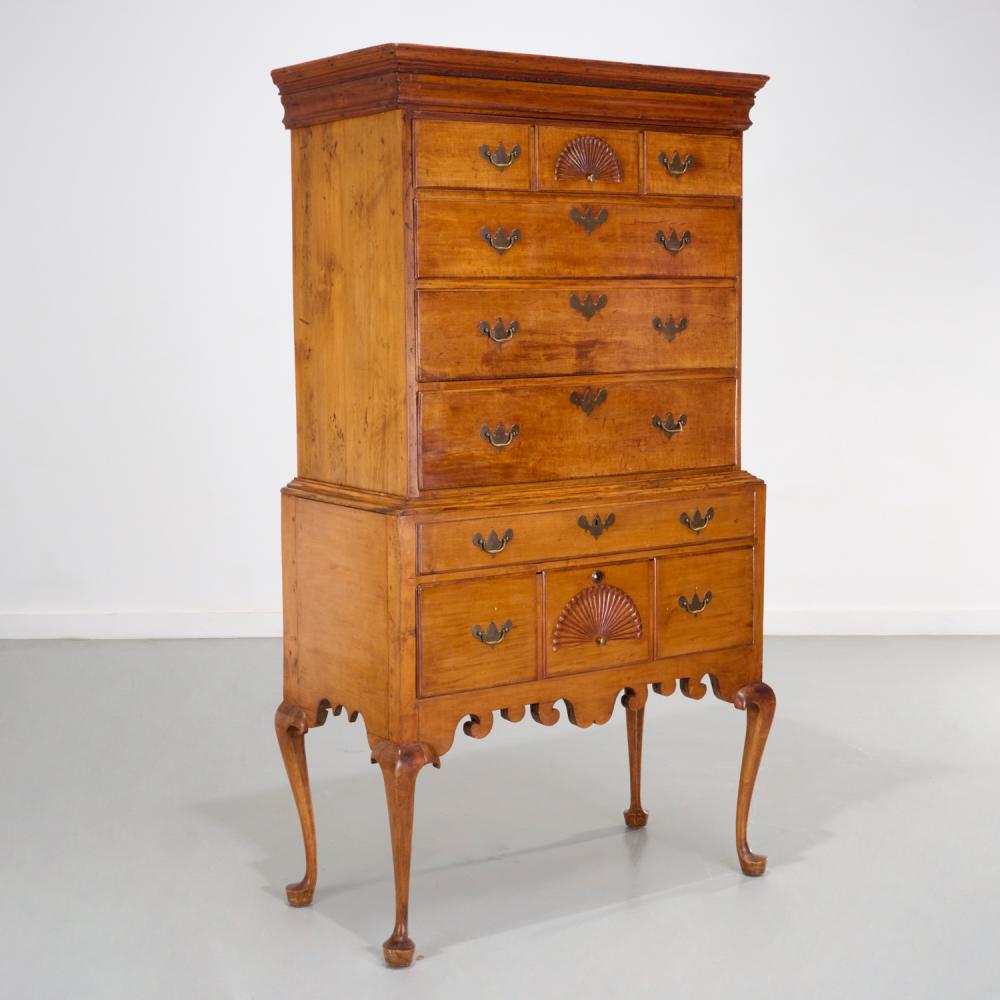 |
American Queen Anne maple flat-top highboy | Millea Bros Ltd | 2023-05-18 | 2313 | USD 700 (buyer’s-premium treatment unknown) |
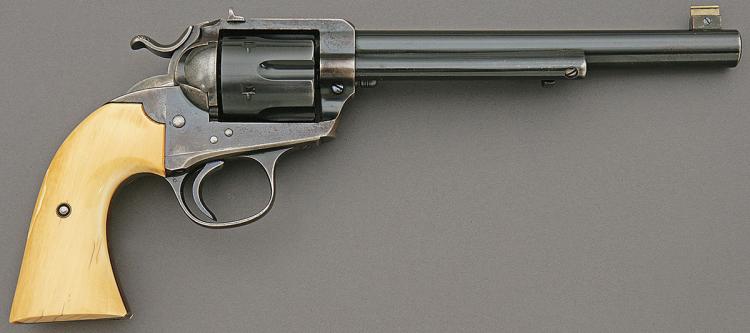 |
Colt Bisley Model Flat Top Single Action Army Revolver | Amoskeag Auction Co | 2015-11-21 | 341 | USD 5,500 (buyer’s-premium treatment unknown) |
How these auction records were verified
Each row retains its exact source URL, lot identity, retrieval time, access result, and immutable record hash. Inspect the public comparable provenance record.
Disclosure: prices are shown as reported by auction houses and are provided for appraisal context. Learn more in our editorial policy.
When flat vs dome is only the first question
For most owners, the answer to your own question is one of three outcomes:
- Probably not yet worth a full appraisal: if lid and frame damage are heavy, labels are missing, and size mismatch weakens provenance.
- Likely worth a free instant check: if structure is stable, hardware is coherent, and the trunk has a clear period identity.
- Likely worth written appraisal support: if you can connect name, origin, and condition to a specific market segment.
Scenario: how to use this on an estate-sourced trunk
A typical estate sale trunk often arrives with “old trunk” as the only clue. The first pass above catches the fast losers: missing interior structure, uncertain locks, and mixed hardware. If those are fixed by inspection and there is at least one strong identity signal (maker label, period hardware, period lining), it moves into a free estimate workflow. That step is still inexpensive and avoids jumping to a signed report if evidence is not yet sufficient.
Free instant estimate
Not sure if your antique trunk is appraisal-ready? Let us take a look.
Upload a photo, tell us what you know, and get a free first read. If it is worth a full appraisal, we will say so.
Free. No card needed. Takes about two minutes.
Quick FAQ: flat top versus dome top in practice
Is one top style generally better value than the other?
Not automatically. Shape is meaningful, but buyers mostly price proof quality first: hardware, maker consistency, size, and interior condition.
Do I need a written appraisal just because I found a brand name?
No. If there is enough uncertainty around repairs or provenance, a free estimate is better first. Written reports are useful when you already have a stable evidence trail.
Should I repair small cosmetic dents before asking for value feedback?
Usually not for first-pass guidance. Cosmetic repair history matters, and a full repair can look like a modern restoration. Send current photos first and review how much structural support is original.
Can interior photos change valuation more than the lid?
Often yes. Interiors and frame condition are frequently where uncertainty concentrates. A clean exterior with weakened interior joinery can underperform expected bids.
What if a trunk is clearly a mix of replaced and original parts?
Then you are selling the repair history as much as the original object. The more coherent the replacement set is, the better the outcome. Mixed-era substitutions usually depress prices.
Search variations readers also ask
- Flat top trunk worth appraising
- Dome top trunk value compared to flat top
- How to identify original dome top trunk hardware
- Does a repaired trunk handle lower in auction
- What size trunk sells highest at auction
- Flat top trunk interior condition red flags
- Can I appraise a mixed-era antique trunk
- Louis Vuitton trunk vs generic antique trunk value
- How to tell if trunk labels are original
References and comparison sources
- How to Identify Antique Flat-Top Steamer Trunks
- Unlocking the Past: Guide to Antique Dome Top Trunks
- Old Trunk Value Guide: What Antique Steamer & Dome Trunks Are
- Antique Trunk Identification Guide
- How to Appraise Antiques: a Comprehensive Guide
- The Ultimate Guide to Antiques Appraisal