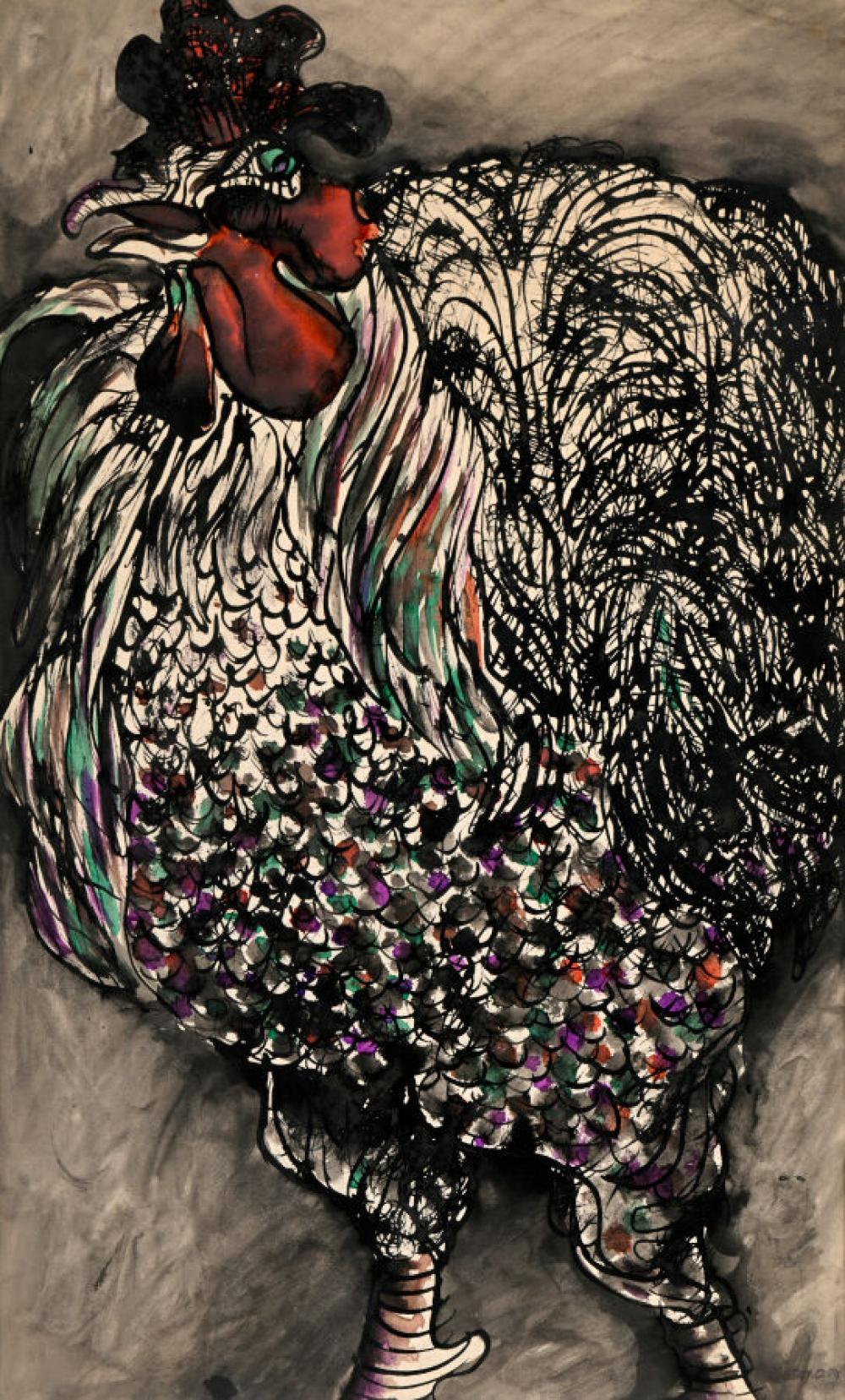
A Denver fine art appraisal should start with purpose. Insurance, resale, estate, donation, and collection planning can require different report scopes, evidence, and appraiser qualifications.
Before asking for a quote, prepare clear images, dimensions, artist details, provenance, condition notes, and any prior paperwork so the appraiser can judge fit and timing.
Match specialty to the artwork
Ask whether the appraiser regularly handles the artist, medium, period, and value level involved. Local access can help, but category expertise matters more than proximity alone.
Clarify the report scope
Confirm intended use, effective date, inspection method, limiting conditions, standards used, turnaround, fee basis, and whether the report is formal or preliminary.
Prepare condition evidence
Photograph the front, back, signature, labels, frame, surface, and damage. Good intake reduces guesswork and helps avoid a weak appraisal assignment.
No public market evidence are asserted here. Treat any value conclusion for fine art appraisal Denver as evidence-dependent until the artwork, condition, provenance, and market context are reviewed.
Get a documented appraisal path
Upload clear photos and background details so Appraisily can review identity, condition, and market context before you rely on a value.
Start an appraisal