
Fair Market Value Appraisal vs Replacement Value: Which Report Do You Need?
The label you choose changes what your report proves, what your buyer or insurer trusts, and what budget and timing are realistic.

Auction comps and price ranges in this guide are sourced from Appraisily’s internal auction results database and are provided for education and appraisal context (not as a guaranteed price). For our sourcing and update standards, see Editorial policy.
That antique or collector piece in front of you can look like either a resale decision, an insurance decision, or a tax and estate decision. The wrong report type can produce a clean, professional document that still does the wrong job. First rule: match the report to the decision, not to your hunch.
Most owners discover this after they get a report and then realize they needed a different basis. The practical result is unnecessary revisions, avoidable delays, or a valuation that is difficult to use for the exact outcome they care about. The two labels in this page are:
- Fair Market Value (FMV)
- Replacement Value
Those labels look similar to non-specialists, but they answer different valuation questions.
Read the definition like a decision point, not a dictionary term
In your context, the first label is this: FMV is what the market will likely pay in a real transaction. It is the value from willing buyer-to-buyer terms, usually informed by recent comparable sales for comparable condition and provenance context.
Use FMV language when you are comparing with real buyers, marketplaces, or negotiated private deals. It is practical for:
- resale planning
- estate and donation planning
- investment decisions and risk planning
If your intent is “what should this piece bring in the current market,” FMV is usually your first pass.
Replacement value is replacement cost, not always market value
Replacement value answers a different question: what would it cost to replace this object now if it was lost, damaged, or retired? In practice this is often used when policy language or formal instructions asks for replacement framing.
That means replacement value can be anchored to current fabrication, material, and skilled labor assumptions, and to the condition required for replacement-grade quality. For a practical reader, it often reads like an insurance replacement framework.
Use replacement value language when your object is tied to insurance, continuity planning, risk planning, or when an internal process explicitly asks for replacement value or replacement cost.
What changes when you choose one label over the other
The right choice changes four outcomes in one sentence: who trusts the report, how wide the audience can use it, how strong your next workflow is, and what it costs to proceed.
In plain terms, if your end goal is market comparability, FMV is your native language. If your end goal is replacement confidence, replacement value is usually the native language.
Note: We couldn’t find enough auction records that directly match Fair Market Value Appraisal vs Replacement Value: Which Report Do You Need? to publish a defensible price table. If you are valuing a specific item, include its maker, model, material, photos, and condition so the search can be narrowed.
What similar items actually sold for
To help ground this guide in real market activity, here are recent example auction comps from Appraisily’s internal database. These matched sales are market context only, not an object estimate or identification, and they do not guarantee a price for your specific fair market value appraisal vs replacement value which.
| Comparable | What sold | Auction house | Date | Lot | Source-reported amount |
|---|---|---|---|---|---|
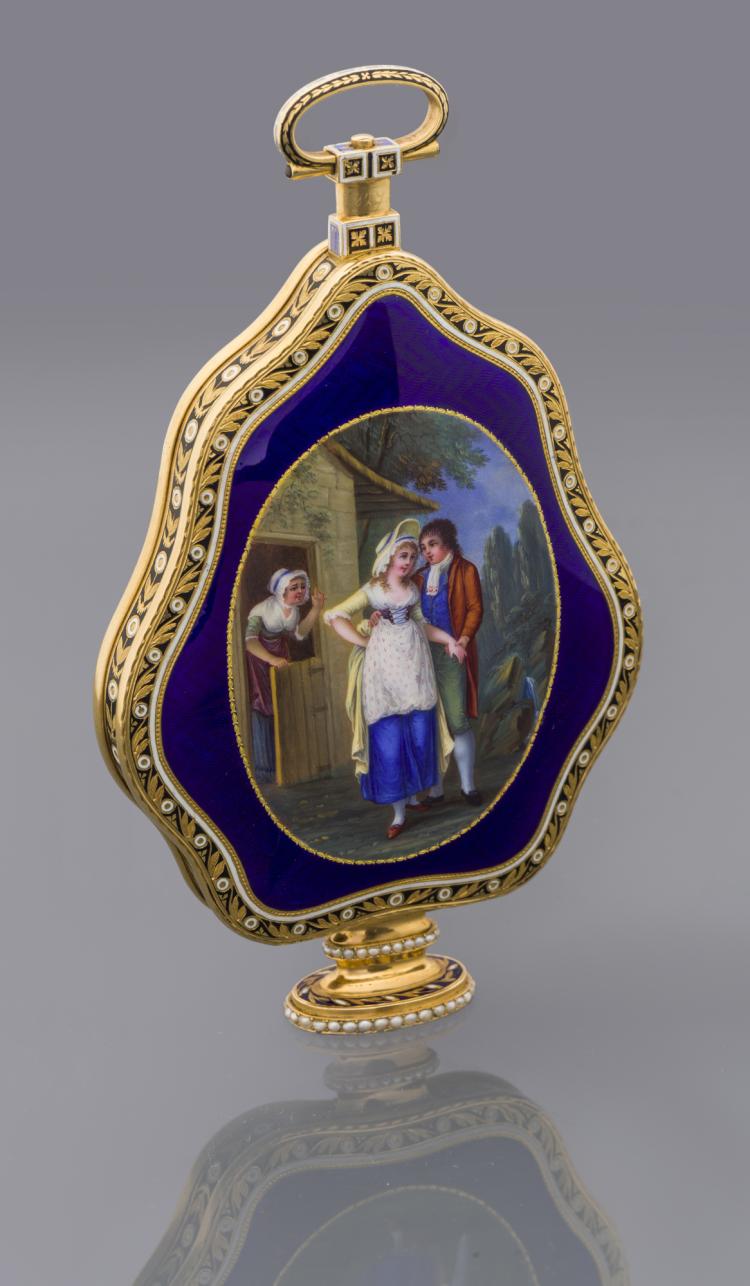 |
SETTING OUT OF THE FAIR Unsigned, the enamel attributed to Jean-Louis Richter, Geneva, circa 1800. Magnificent and extremely rare, 18K gold, enamel and pearl-set, centre-seconds watch, designed as a urn, made for the Chinese Market. | Antiquorum Genève SA | 2017-05-14 | 229 | CHF 180,000 (buyer’s-premium treatment unknown) |
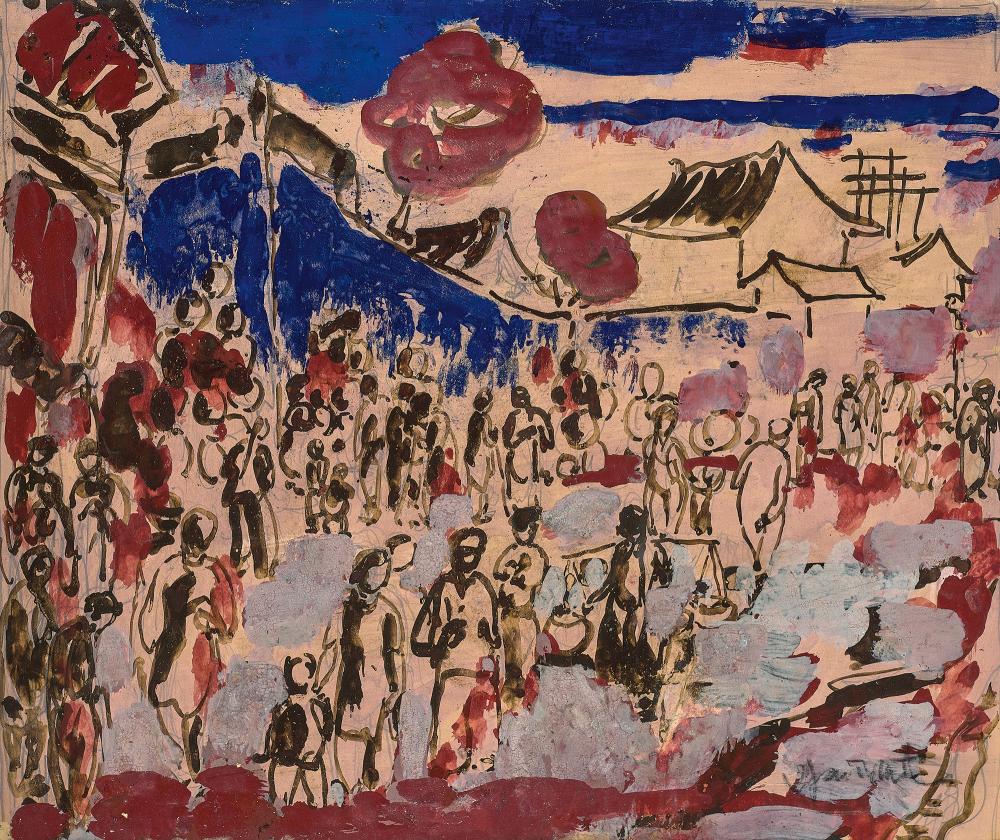 |
IAN FAIRWEATHER, PEKING MARKET PLACE, C.1940 | Deutscher and Hackett | 2024-11-26 | 1 | AUD 110,000 (buyer’s-premium treatment unknown) |
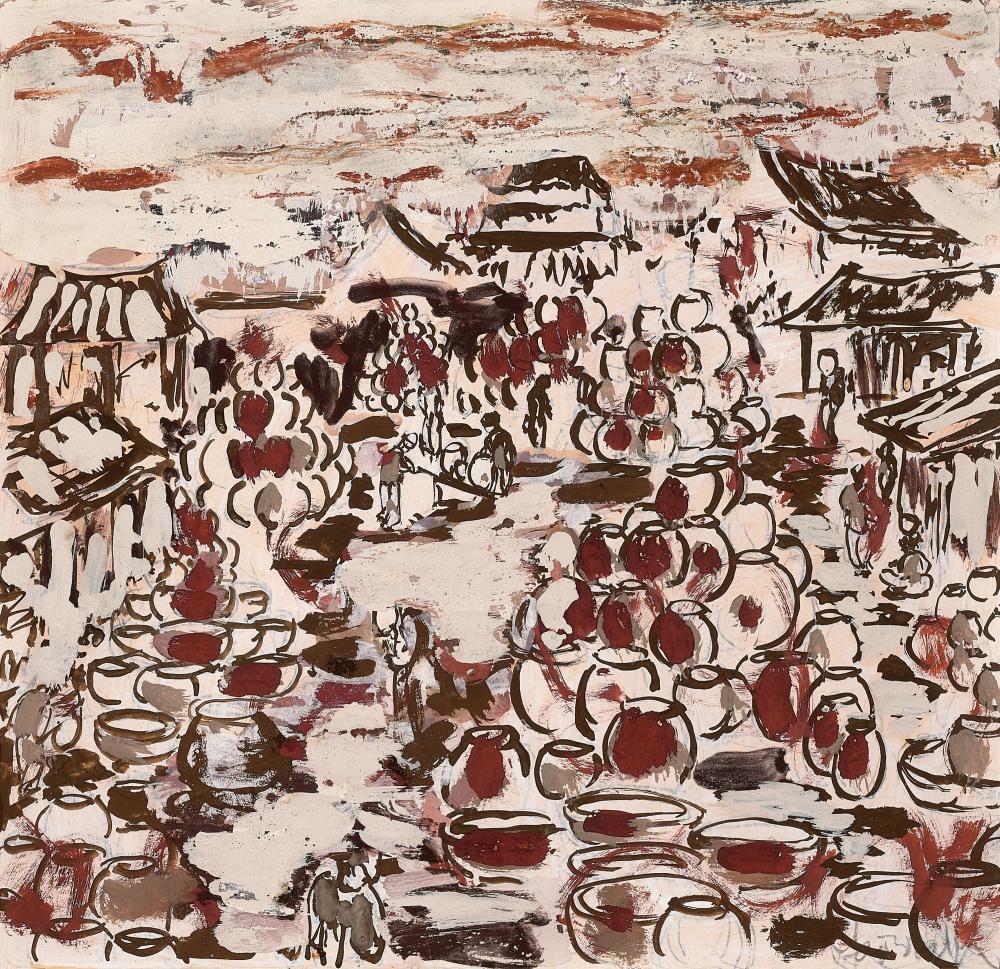 |
IAN FAIRWEATHER, MARKET SCENE, PEKING, c.1945 | Deutscher and Hackett | 2025-05-07 | 13 | AUD 90,000 (buyer’s-premium treatment unknown) |
 |
Chappellet Vineyard | You Should’a Been a Cowboy | Sotheby's | 2024-06-01 | 7 | USD 115,000 (buyer’s-premium treatment unknown) |
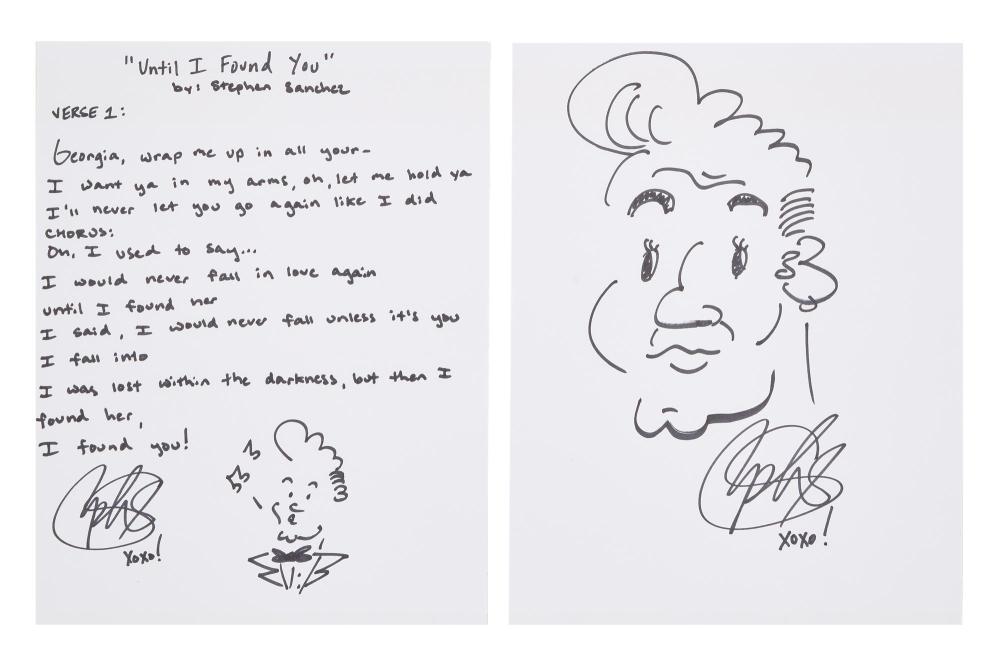 |
Stephen Sanchez | Handwritten and Signed "Until I Found You" Lyrics with Caricature Drawings | Julien's Auctions | 2024-11-21 | 849 | USD 1,500 (buyer’s-premium treatment unknown) |
How these auction records were verified
Each row retains its exact source URL, lot identity, retrieval time, access result, and immutable record hash. Inspect the public comparable provenance record.
Disclosure: prices are shown as reported by auction houses and are provided for appraisal context. Learn more in our editorial policy.
Free instant estimate
Not sure if your item is worth appraising? Let us take a look.
Upload a photo, tell us what you know, and get a free first read. If a full appraisal makes sense, we will say so.
Free. No card needed. Takes about two minutes.
How to choose the right report before you order
Use this 4-step check
- Pick the end use first. Insurance paperwork, tax filing, estate settlement, and donation instructions each carry different terminology.
- Match the object class. Collectible objects and antiques often need FMV-first interpretation. High-cost restoration pieces frequently use replacement framing in insurance workflows.
- Match documentation language. If a requestor uses “replacement” terms, ask them to confirm if that is insurance-equivalent or legal-equivalent language.
- Start with a free estimate. If your case is borderline, run a free intake screener first and then branch into a full report.
Do not make the report decision on one detail. It is usually determined by the receiving party, not your own expectation.
FAQ: report choice in common real-world scenarios
I am preparing for estate tax filing. Which label should I use?
If the guidance document asks for fair market value, FMV is usually the safer default unless the filing instructions explicitly define a replacement framework. If terms are unclear, say so in your intake and request written clarification before commissioning.
My item is for insurance. Can FMV work?
FMV can still be useful, but many policies and risk teams ask for replacement framing. In practice, ask for replacement value or confirm that FMV is acceptable under the policy language before you spend on a full report.
Is one report cheaper and enough for all use cases?
One broad report can still be useful, but it can also force extra interpretation later. If your decision changes midstream, it is better to convert early and avoid duplicate evidence requirements.
Search variations
- FMV vs replacement value for antiques
- When do I need a replacement value appraisal
- Insurance appraisal asked for replacement value meaning
- Estate and donation appraisal use FMV
- How are fair market value and replacement value different
- Free estimate for FMV vs replacement value
- What report should I choose before selling
- Qualified appraisal vs valuation report differences
- Which report helps with resale pricing
References
- ISA Appraisers glossary: replacement cost terminology in valuation context (2026 update).
- Statefarm educational summary: replacement cost value and market value differences.
- Industry guidance on valuation contexts for donation and charitable contributions.
- Appraisily internal auction comps (internal database) for directional market context.
Choose your next step
Use the path that matches the decision you need to make about the item.
Not sure it is worth appraising?
Start with a lower-friction screen to understand the likely category, evidence, and next step.
Upload photos for a free first lookWant proof before paying?
See how a signed report documents photos, comparable evidence, condition notes, and value conclusions.
View signed report sampleNeed a signed report?
Use this for insurance, estate, donation, resale, or documented value decisions.
Need documentation now? Start signed appraisalNeed local or specialist help?
Compare directory options when the work needs in-person review or a specialist near you.
Find local specialistsSee what the report looks like
Sample reports show how photos, comparable evidence, condition notes, and a value conclusion are documented.