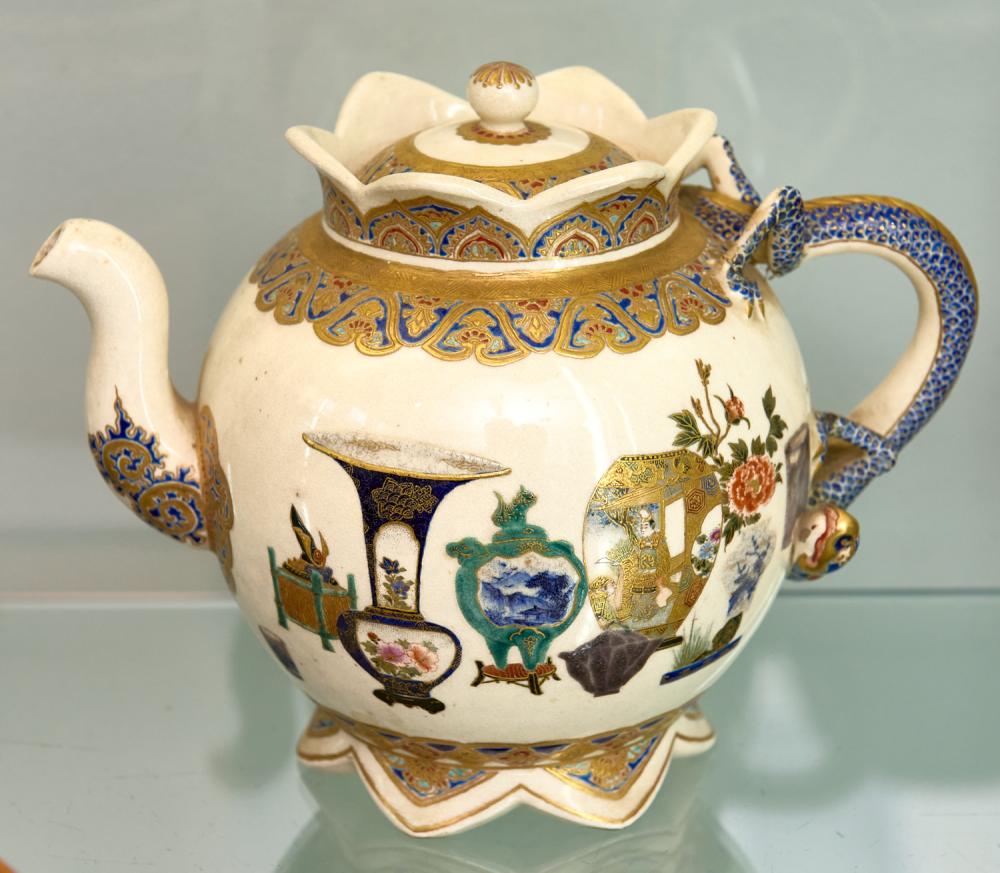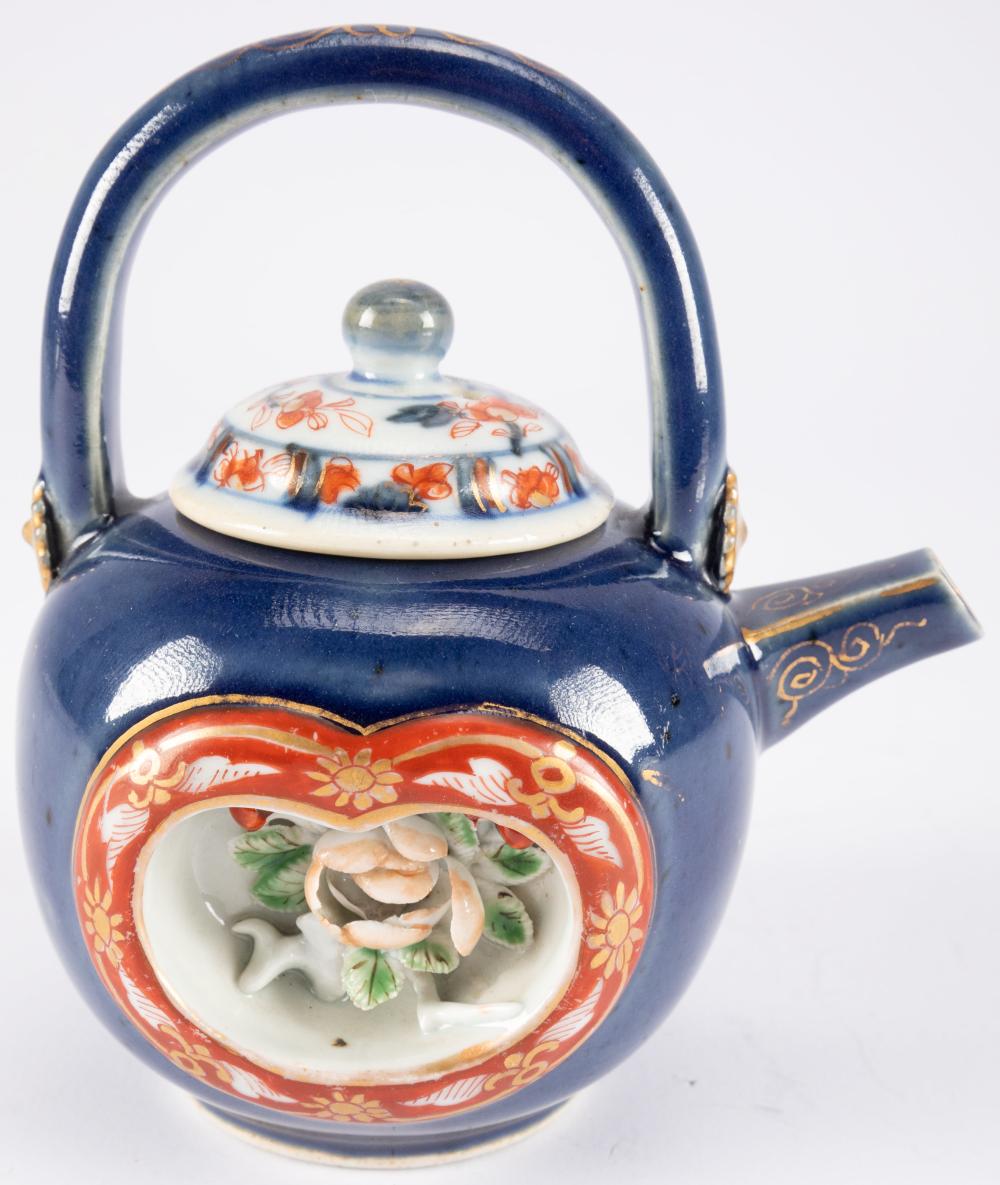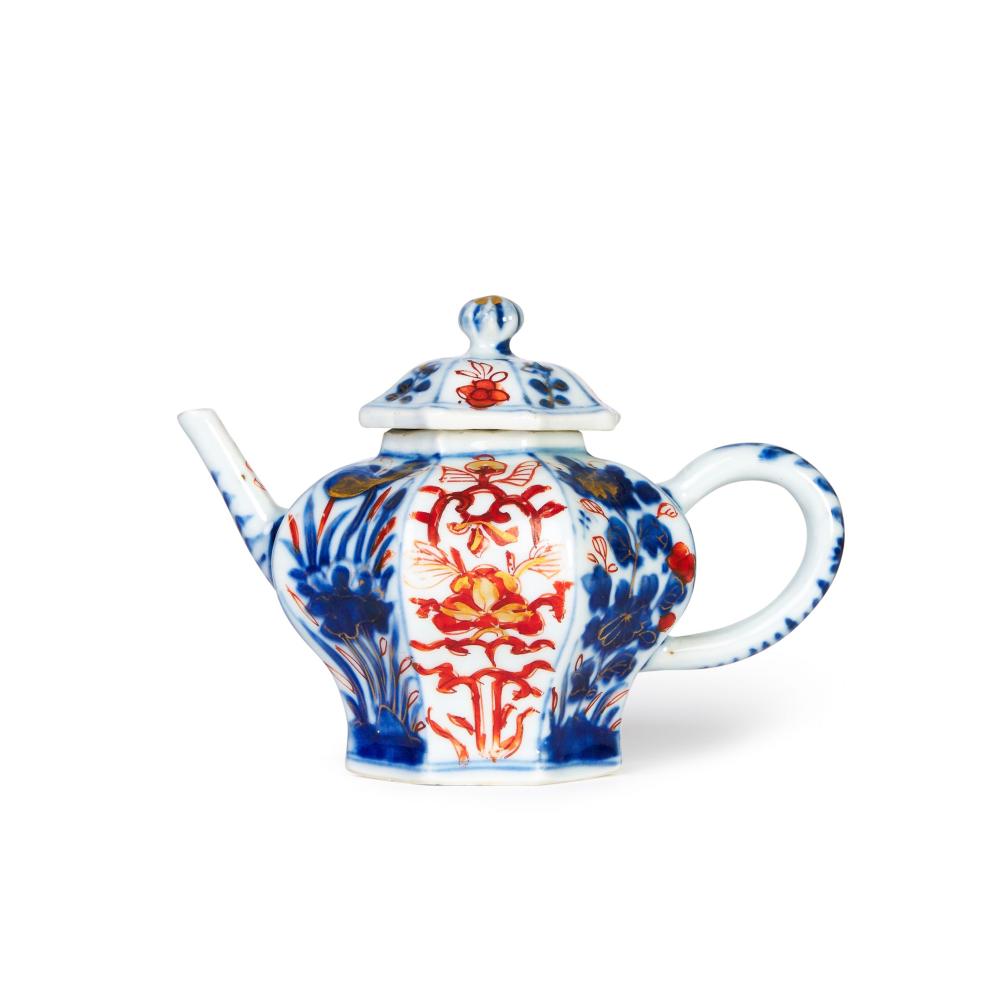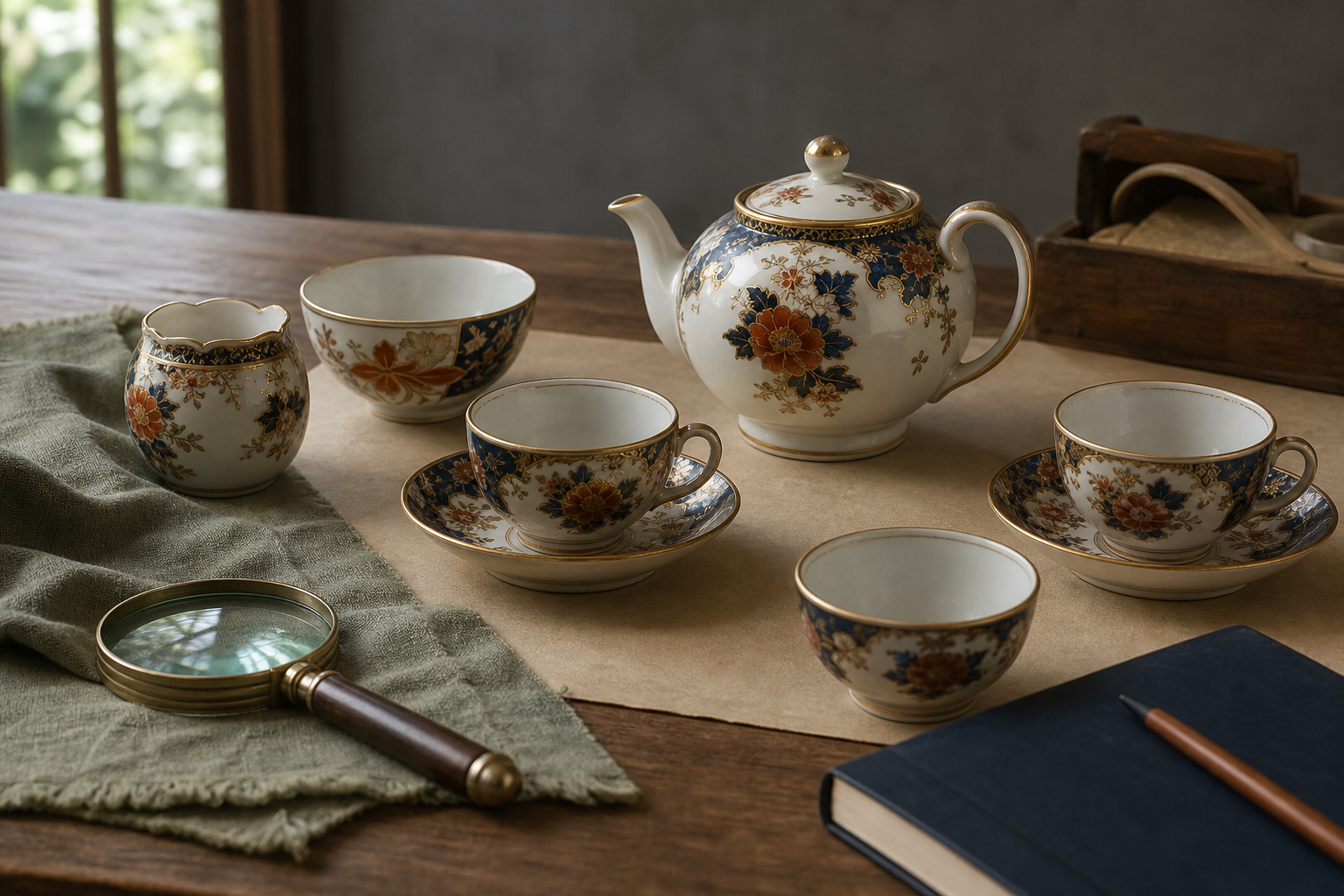
An Edo period teapot may be valued as Japanese ceramics, tea culture material, or decorative Asian antique. A defensible appraisal starts with material, form, firing tradition, marks, glaze, condition, provenance, and market evidence.
Document construction and marks
Photograph the base, lid, spout, handle, interior, any seal or signature, clay body, glaze, and kiln-related features. Small details can change dating and attribution.
Condition is central
Chips, cracks, restored spouts, replaced lids, staining, glaze losses, and old repairs can significantly affect value. A matched original lid is especially important.
Be cautious with period claims
Edo period dating should be supported by construction, material evidence, provenance, and expert comparison. Do not rely on family history or seller wording alone.
What a defensible value needs
Photograph all sides, base, lid fit, spout, handle, marks, and damage. Provenance and condition evidence are essential for period Japanese ceramics.
Need a documented value?
Upload photos and details. Appraisily checks identity, condition, and market evidence, then prepares a signed appraisal report you can share.