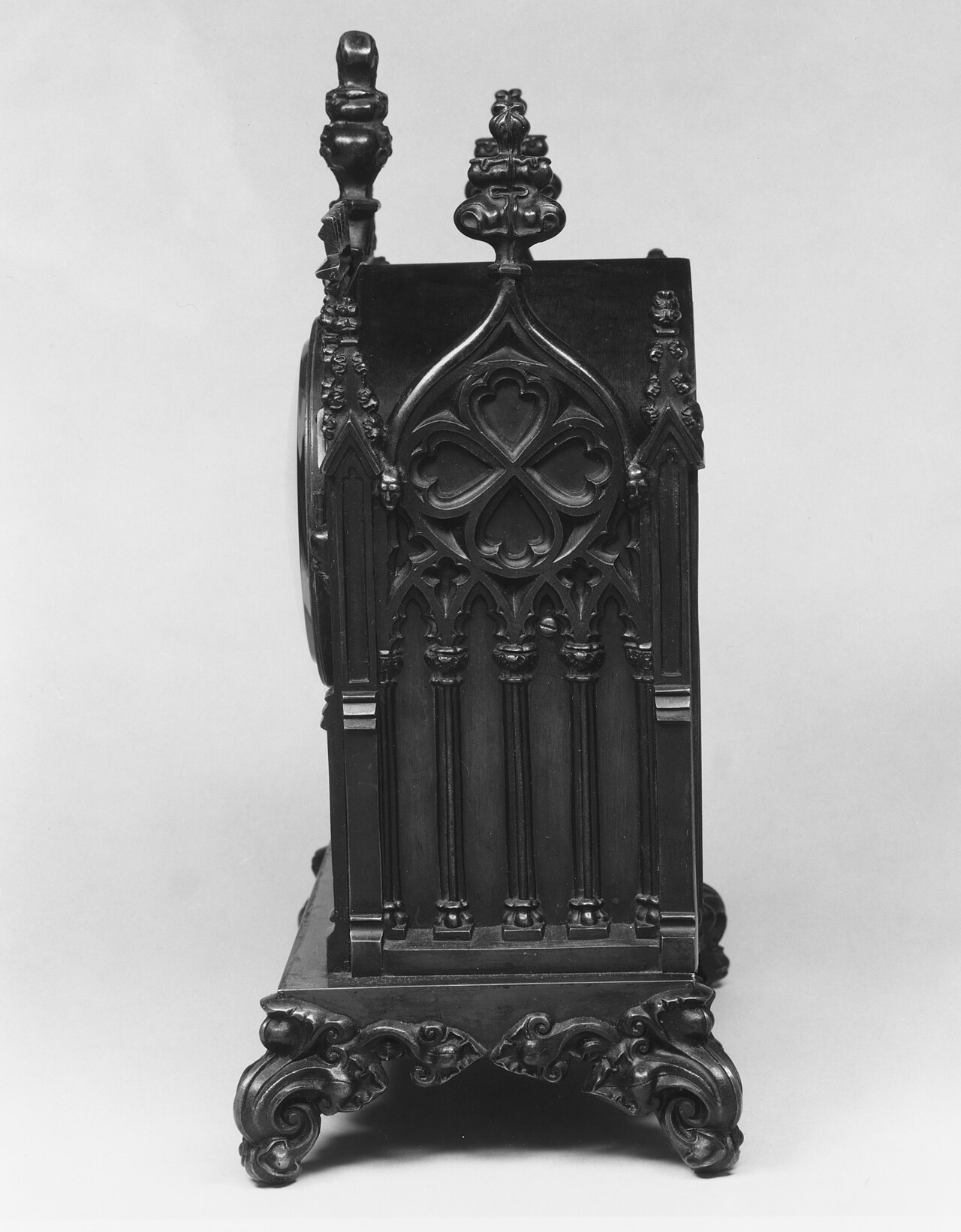
Document the movement and case
Clock appraisal needs more than a front photo. Maker marks, movement, dial, case wood or metal, pendulum, weights, key, labels, and repair notes all matter.
- Photograph the front, sides, back, movement, dial, pendulum, key, labels, and damage.
- Record height, width, depth, and whether the clock runs.
- Do not oil, wind, or force a stuck clock before review.
Originality and matching parts
A clock can lose value if the dial, movement, case, pendulum, or weights are married from different clocks. Repairs are common, but they should be disclosed.
Old labels, service tags, receipts, and family notes can help explain history.
Condition and service history
Cracked dials, missing finials, replaced glass, veneer loss, movement wear, and poor repairs can affect value. A running clock is helpful but not proof of originality.
If the clock was recently serviced, include the invoice and what work was done.
Choosing an appraisal service
Ask whether the appraiser handles your type of clock: mantel, wall, tall case, carriage, cuckoo, regulator, or bracket clock. Clarify whether you need insurance, estate, donation, or sale advice.
Need a value opinion on your antique clock?
Upload clear photos, marks, dimensions, and condition notes. Appraisily can review the item remotely and tell you which details matter most.
Start clock appraisal


