Antique Identification Apps: Photos, AI Limits, Evidence Notes and When Appraisal Helps

Compare antique identification apps by photo quality, mark capture, AI limits, evidence notes, category fit, privacy, and when a written appraisal helps.

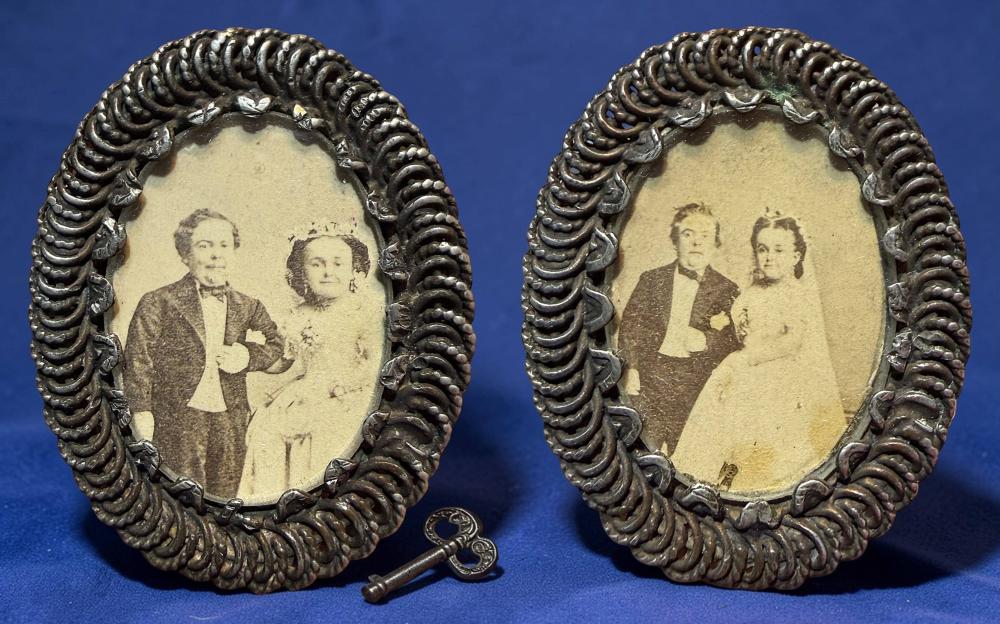
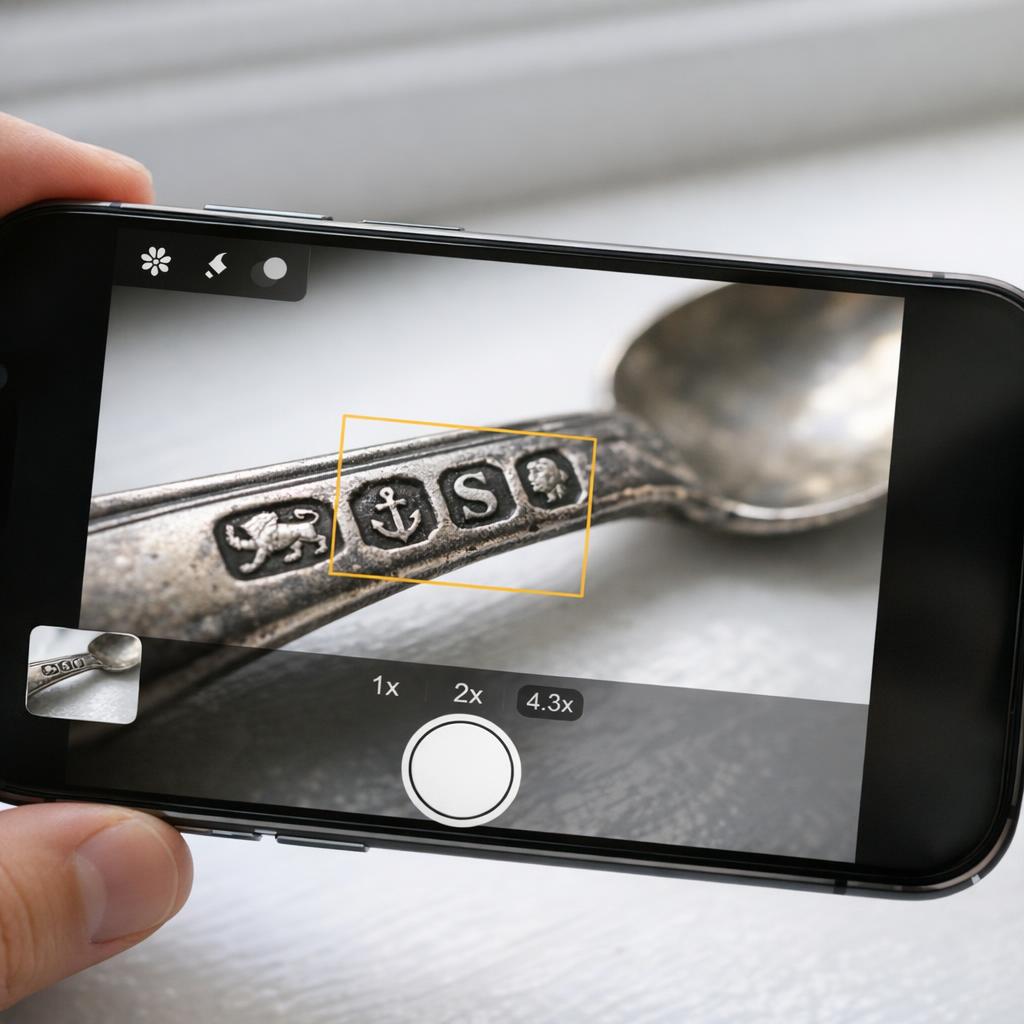
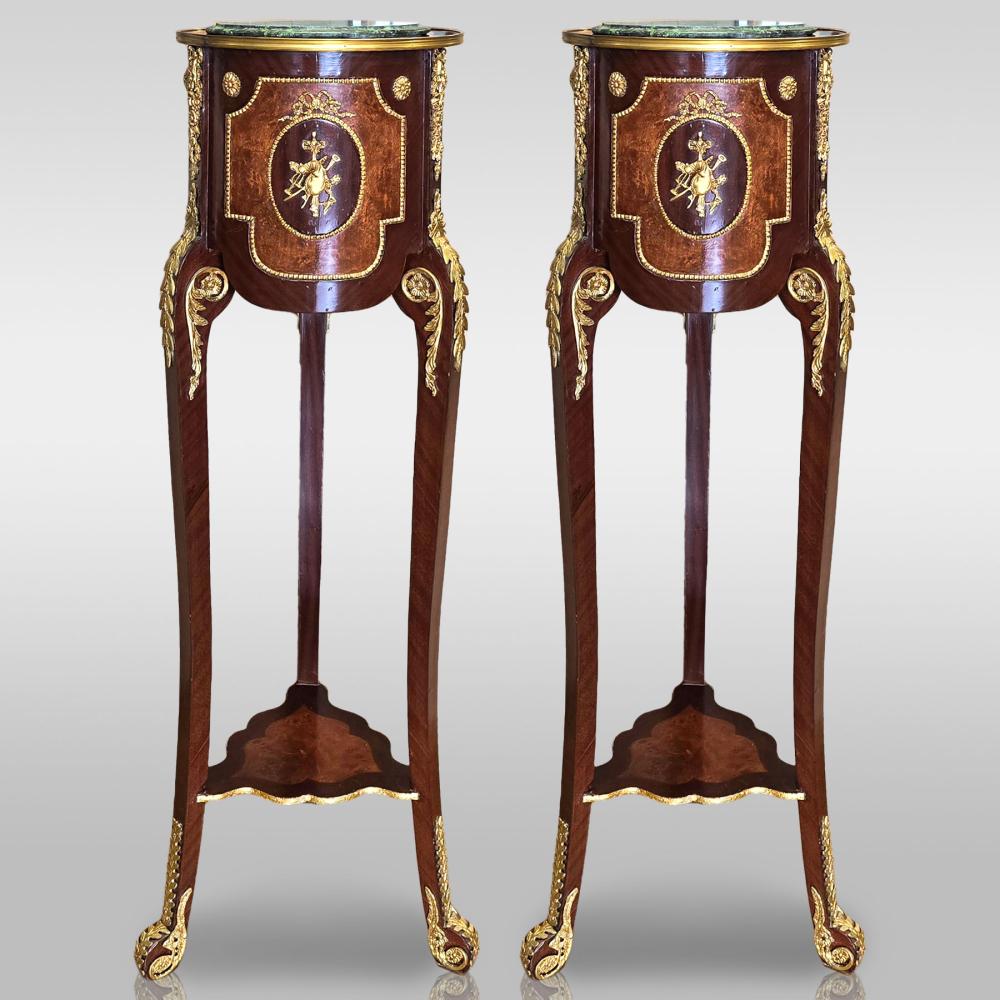
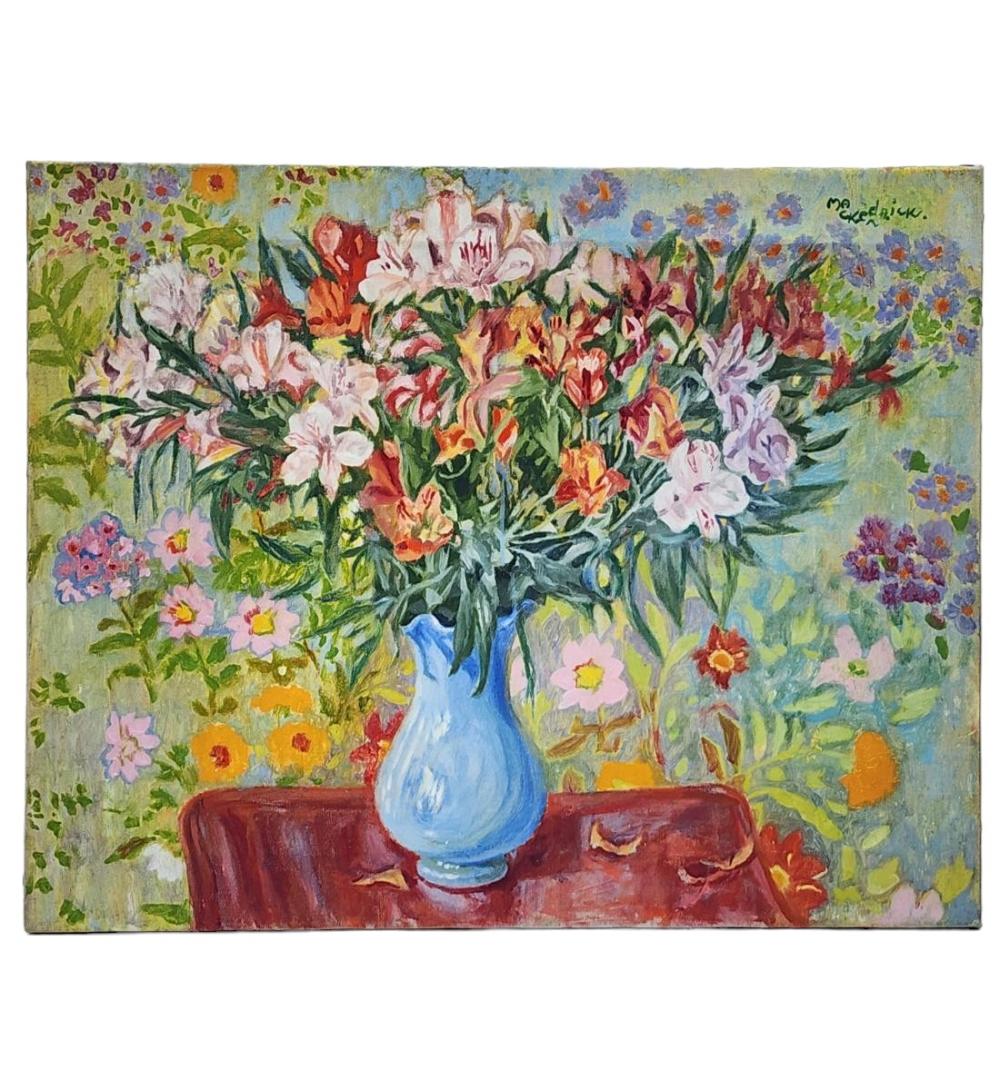
Antique identification apps reference with smartphone photos, marks, measurements, condition notes, category fit, privacy, and appraisal handoff
Antique identification apps reference with smartphone photos, marks, measurements, condition notes, category fit, privacy, and appraisal handoff. Reference image; item-specific appraisal depends on submitted photos and documentation.
Antique identification apps reference with smartphone photos, marks, measurements, condition notes, category fit, privacy, and appraisal handoff
Identification apps work best with clear full-object photos plus closeups of marks, materials, damage, and scale.

Use apps for clues, not final value

Image-based tools can suggest categories, styles, and search terms, but they can miss reproductions, condition problems, marks, and market context. Treat app output as a starting point.

  • Verify material, maker marks, dimensions, and condition before trusting a category match.
  • Do not rely on a single app estimate for estate, insurance, donation, or sale decisions.
  • Use a human review when originality, value, or legal documentation matters.

Photos that improve results

Upload the full object from multiple angles, then closeups of marks, labels, signatures, underside construction, damage, and scale. Blurry or cropped images lead to weak identification.

  • Use neutral light and avoid filters.
  • Include a ruler or common object for scale.
  • Capture the back, bottom, inside, and hardware when relevant.

What a good app should preserve

A useful antique tool should let you keep photos, notes, dimensions, provenance, condition comments, and follow-up questions together. Value is stronger when the evidence is organized.

Screenshots of app guesses are less useful than the underlying photos and notes.

When to move to appraisal

Request appraisal help when an item may be valuable, when you need written documentation, when marks are unclear, or when sale decisions depend on originality.

Need a value opinion on your antique identification photos?

Upload clear photos, marks, dimensions, and condition notes. Appraisily can review the item remotely and tell you which details matter most.

Start online appraisal
Choose your next step

Use the path that matches the decision you need to make about the item.

Need a signed report?

Use this for insurance, estate, donation, resale, or documented value decisions.

Start a signed report

Not sure it is worth appraising?

Start with a lower-friction screen to understand the likely category, evidence, and next step.

Use the free screener

Need local or specialist help?

Compare directory options when the work needs in-person review or a specialist near you.

Find local specialists

See what the report looks like

Sample reports show how photos, comparable evidence, condition notes, and a value conclusion are documented.