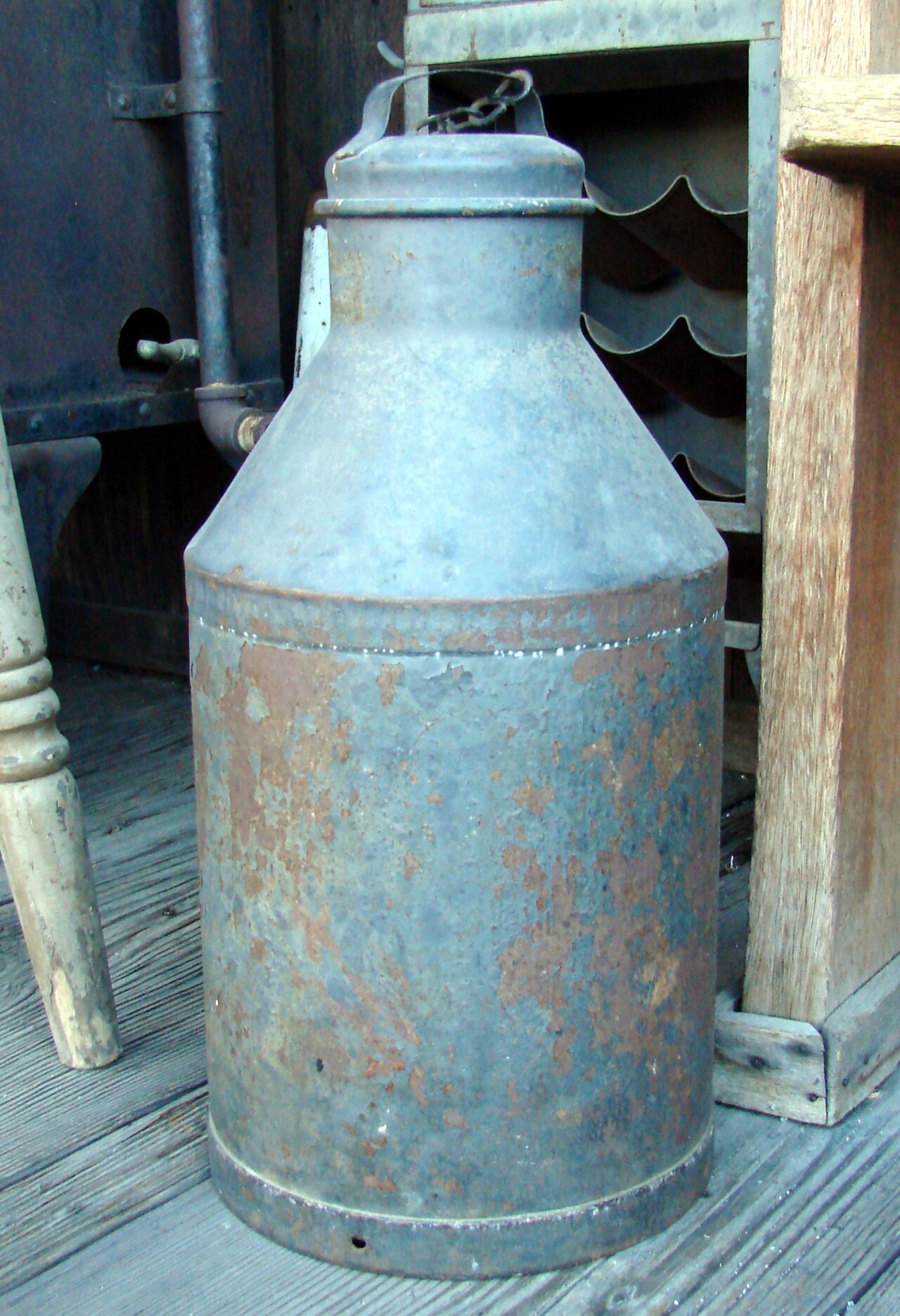
Old Metal Milk Can Values: Maker, Dairy Marks, Size, Lid, Paint, Rust and Condition

Check old metal milk can value by maker, dairy marks, size, lid, handles, paint, rust, dents, originality, provenance, and decor demand.

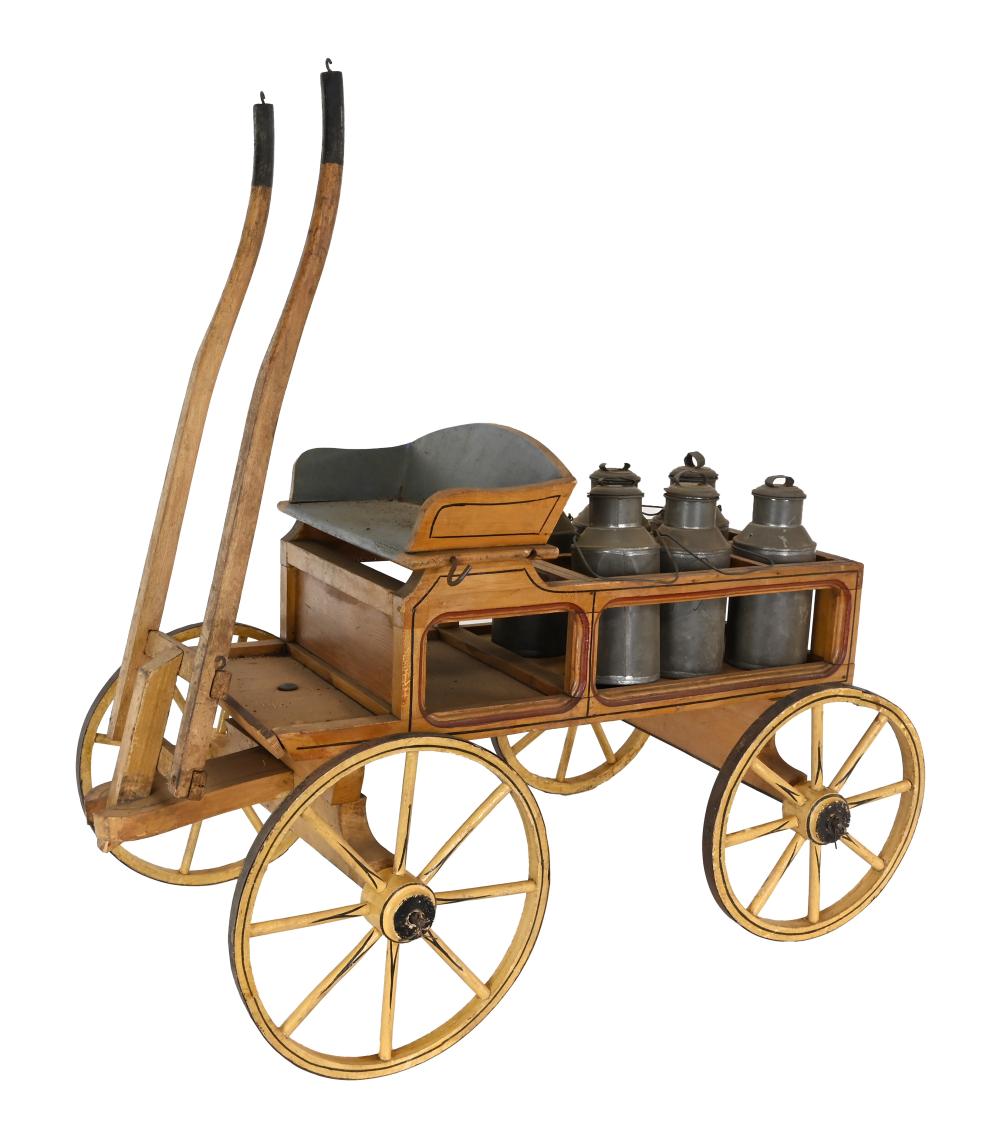
Old metal milk can values reference with maker, dairy marks, size, lid, handles, paint, rust, dents, and condition
Old metal milk can values reference with maker, dairy marks, size, lid, handles, paint, rust, dents, and condition. Reference image; item-specific appraisal depends on submitted photos and documentation.
Old metal milk can values reference with maker, dairy marks, size, lid, handles, paint, rust, dents, and condition
Old milk cans should be reviewed for maker, dairy marks, size, lid, handles, paint, dents, rust, and originality before value is estimated.

Identify markings and size

Look for embossed dairy names, maker stamps, painted routes, capacity markings, lid markings, and handle construction. Size and regional dairy history can affect interest.

  • Photograph the front, back, lid, handles, bottom, seams, and any readable name.
  • Record height, diameter, capacity, and whether the lid fits.
  • Do not repaint or strip the can before appraisal.

Condition and originality

Original paint, readable dairy marks, intact lid, sound handles, and stable surface wear are stronger than heavy repaint or severe rust. Dents and holes can reduce value, though decorative buyers may tolerate some wear.

  • Active rust and thin metal should be documented clearly.
  • A mismatched lid should be disclosed.
  • Family or farm provenance may help if it can be tied to markings.

Farmhouse decor versus collector value

Many milk cans sell as decor, while marked regional dairy examples or unusual forms can be more collectible. Sale venue matters because shipping large metal cans can be costly.

Use sold results for cans with similar size, markings, paint, and condition instead of generic farmhouse decor asking prices.

Before selling

Clean only with a dry cloth unless a conservator advises otherwise. Photograph defects honestly and keep any old labels, receipts, or farm history with the can.

Need a value opinion on your old metal milk can?

Upload clear photos, marks, dimensions, and condition notes. Appraisily can review the item remotely and tell you which details matter most.

Start antique appraisal

Note: We couldn’t find relevant auction comps in our database for this topic right now. If you’re valuing a specific item, try searching by maker/model/material and we’ll expand coverage over time.

What similar items actually sold for

To help ground this guide in real market activity, here are recent example auction comps from Appraisily’s internal database. These are educational comparables (not a guarantee of price for your specific item).

Image Description Auction house Date Lot Reported price realized
No relevant auction comps found for this topic right now.

Disclosure: prices are shown as reported by auction houses and are provided for appraisal context. Learn more in our editorial policy.

Free instant estimate

Not sure if your item is worth appraising? Let us take a look.

Upload a photo, tell us what you know, and get a free first read. If a full appraisal makes sense, we will say so.

Step 1 of 2

Free. No card needed. Takes about two minutes.

Choose your next step

Use the path that matches the decision you need to make about the item.

Not sure it is worth appraising?

Start with a lower-friction screen to understand the likely category, evidence, and next step.

Upload photos for a free first look

Want proof before paying?

See how a signed report documents photos, comparable evidence, condition notes, and value conclusions.

View signed report sample

Need a signed report?

Use this for insurance, estate, donation, resale, or documented value decisions.

Need documentation now? Start signed appraisal

Need local or specialist help?

Compare directory options when the work needs in-person review or a specialist near you.

Find local specialists

See what the report looks like

Sample reports show how photos, comparable evidence, condition notes, and a value conclusion are documented.