Identify material and maker
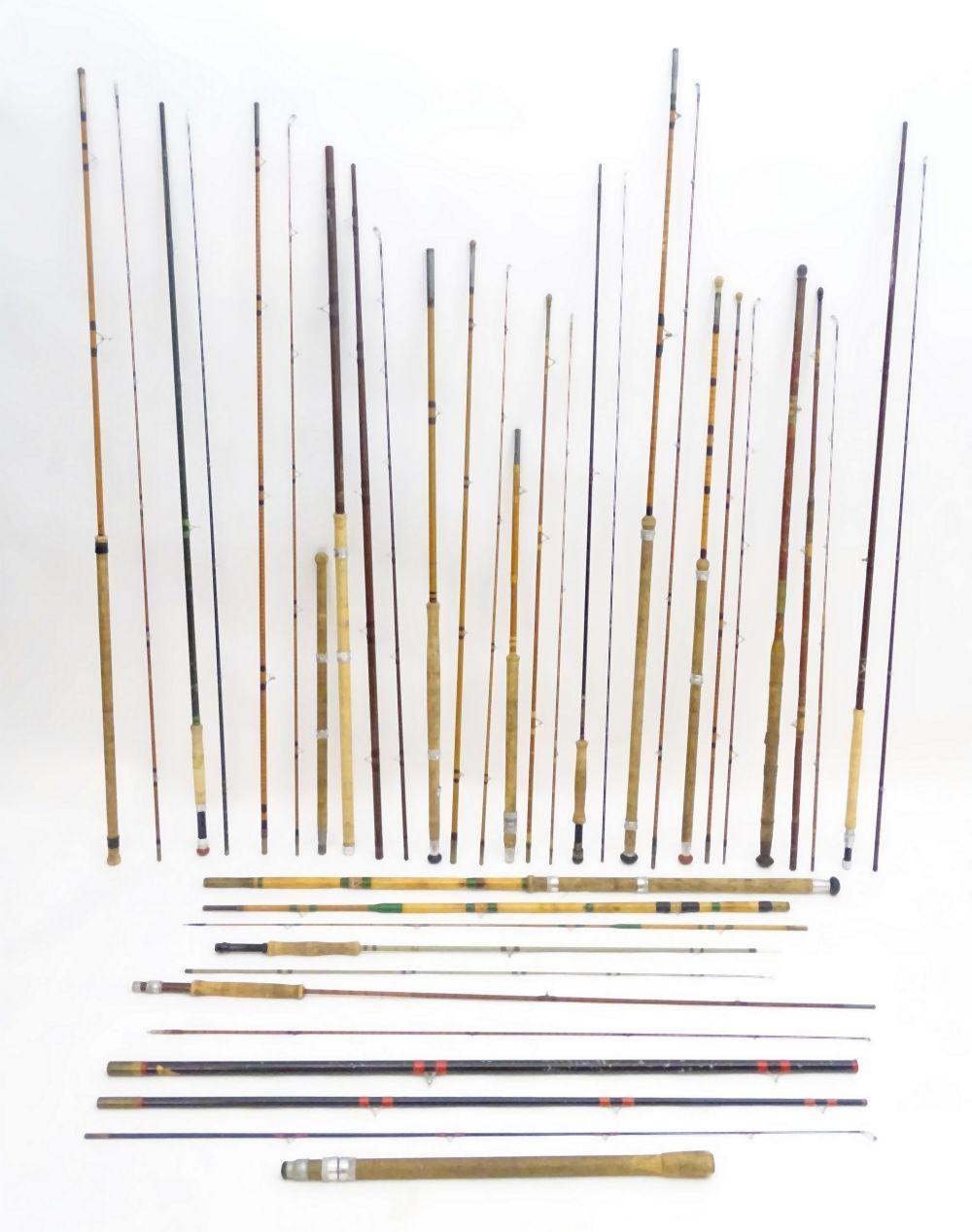
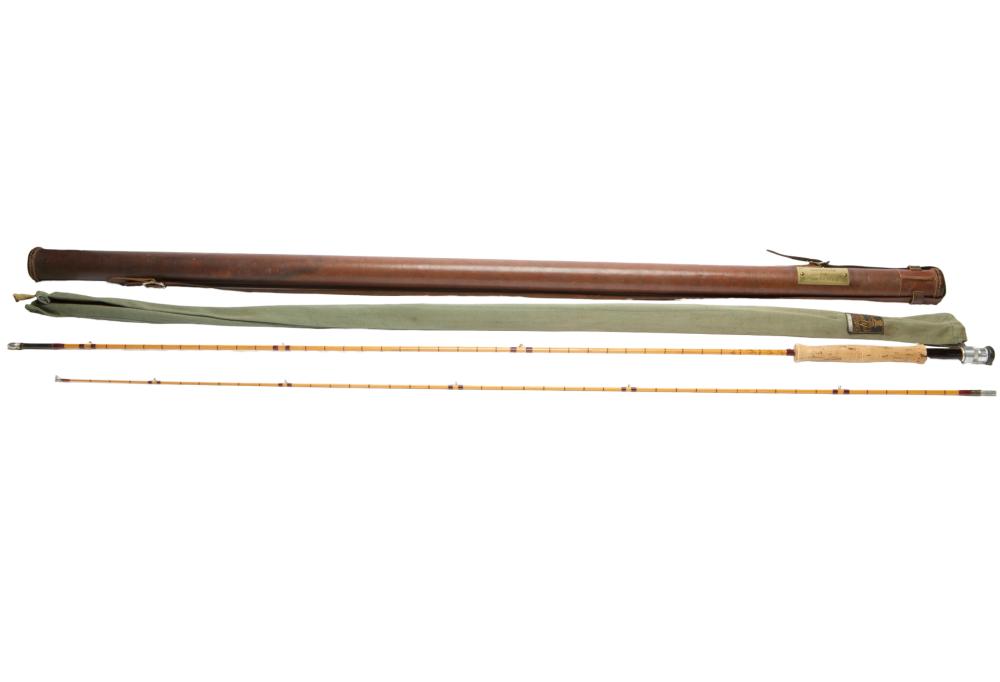
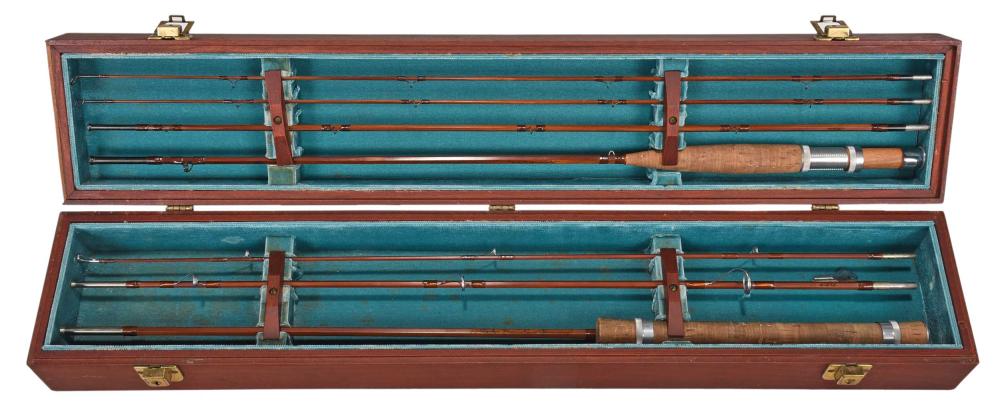
Metal rods can include steel, tubular metal, and mixed-material designs. Identification starts with maker labels, grip style, reel seat, ferrules, guides, number of sections, length, and case.
- Photograph labels, ferrules, guide wraps, grip, reel seat, tip tops, case, and any tube.
- Measure each section and note whether lengths match.
- Do not sand, polish, or repaint a rod before appraisal.
Condition points that matter
Collectors check straightness, corrosion, missing guides, cracked grips, loose ferrules, replaced wraps, damaged tips, and whether the rod assembles properly. A matching case can help if it is original.
- Rust and pitting can reduce value quickly on metal rods.
- A rod with replaced guides may be usable but less collectible.
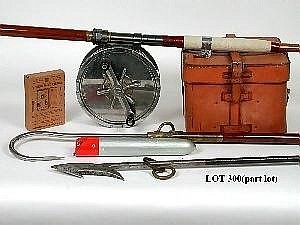
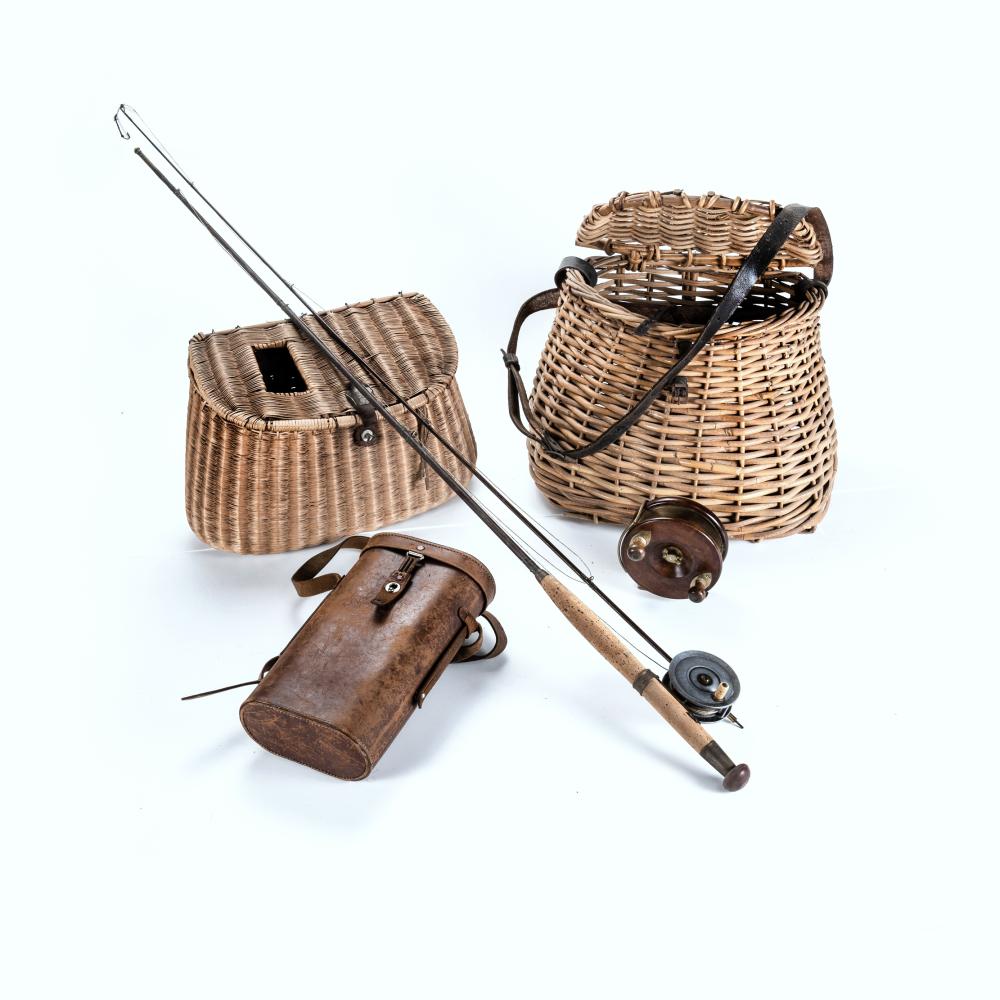
- Pairing with an unrelated reel or case should be disclosed.
Market context
Some vintage rods are more decorative than valuable, while scarce makers or complete sets can draw collectors. Sold results should match maker, material, length, and condition before a price claim is made.
Fishing-tackle values are specific; do not price a metal rod from bamboo-rod market evidence or lure market evidence.
Before review
Send straight-on full-length photos, section measurements, label closeups, defects, and storage case images. If the rod was used recently, mention whether it casts and assembles safely.
Need a value opinion on your vintage metal fishing rod?
Upload clear photos, marks, dimensions, and condition notes. Appraisily can review the item remotely and tell you which details matter most.
Start collectible appraisal