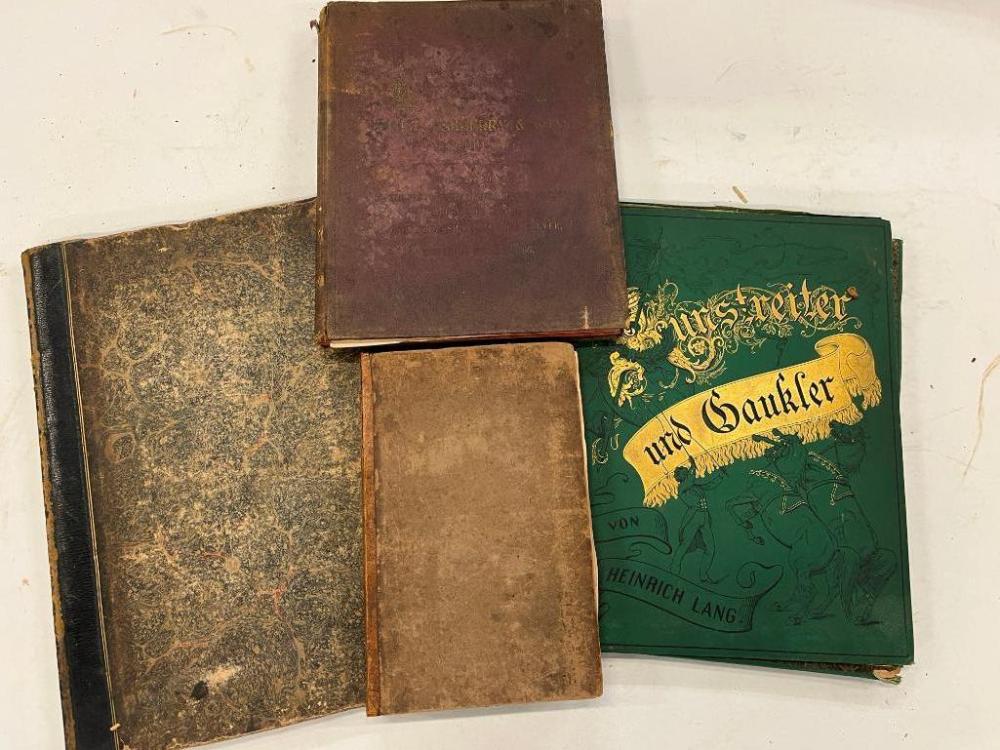
Age alone does not create value
Many old books are common. The first questions are whether the book is a collectible edition, whether it has desirable printing points, and whether the condition supports collector demand.
- First edition and first printing are not always the same thing.
- Modern literature often depends heavily on the original dust jacket.
- Library markings, missing pages, damp staining, loose boards, and heavy repair can reduce value sharply.
Get a free first read on your book
Upload photos of the title page, copyright page, binding, dust jacket, signatures, defects, and any old seller labels. Start with a free screen before choosing a written appraisal.
Check edition points and completeness
Look at the title page, copyright page, publisher, date, printer line, limitation statement, plates, maps, and any tipped-in illustrations. Compare these details with a trusted bibliography when the title may be important.
- Confirm that all plates, maps, volumes, and supplements are present.
- Do not remove bookplates, inscriptions, or old seller labels before review.
- Signed, association, limited, or finely bound copies need careful documentation.
Condition and dust jackets
For many 20th-century first editions, the dust jacket can carry much of the value. Tears, fading, price clipping, restoration, and married jackets must be disclosed.
- Original bindings are usually preferred over decorative rebinding unless the book is early, scarce, or professionally conserved.
- Avoid tape repairs, glue, lamination, and cleaning attempts.
- Store books upright or flat as appropriate, away from sunlight, heat, and damp air.
When to get an appraisal
A formal appraisal is useful for estate work, donation, insurance, or a meaningful sale. For a shelf of mixed books, begin with a triage list so the appraiser can focus on the best candidates.
Send photos of the title page, copyright page, binding, dust jacket, defects, and any signature or inscription.
Auction clues for antique book value
Book comps should match title, edition, printing points, completeness, binding, dust jacket, signature, association, and condition. A group lot or damaged copy can point to demand, but it is not a direct match for a clean single copy.
| Comparable sale | Sale result | Why it matters |
|---|---|---|
| 1932 Alice's Adventures Underground facsimile of the original manuscript book by Lewis Carroll with dust jacket, first edition, One Source Auctions, lot 169, Jun. 16, 2025 | $800 | Shows why dust jacket survival and edition details can materially affect book value. |
| Antique first edition of The Scarlet Letter by Nathaniel Hawthorne, Roan Inc., lot 275, Dec. 19, 2025 | $650 | Useful example where issue points, advertisements, inscription, and condition need close comparison. |
| Bram Stoker signed first edition Dracula, Heritage Auctions, lot 25829, Feb. 21, 2006 | $33,460 | Signature, title importance, issue state, and rarity create an outlier that should not be applied to ordinary old books. |
| Group of seven first edition books by Theodore Roosevelt, P.T. Barnum, Mark Twain, and others, Bray & Co., lot 179, Apr. 25, 2026 | $512 | Group-lot evidence; per-book value depends on each title, edition, completeness, and condition. |
Screen the book before using a comp
A quick screen can flag first-edition potential, missing plates, dust jacket issues, signature value, or whether the book is likely common.
Upload photos for a free first lookNeed a value opinion before selling, insuring, or donating?
Upload clear photos, marks, dimensions, and condition notes. Appraisily can review the item remotely and tell you what details matter most.
Start book appraisal