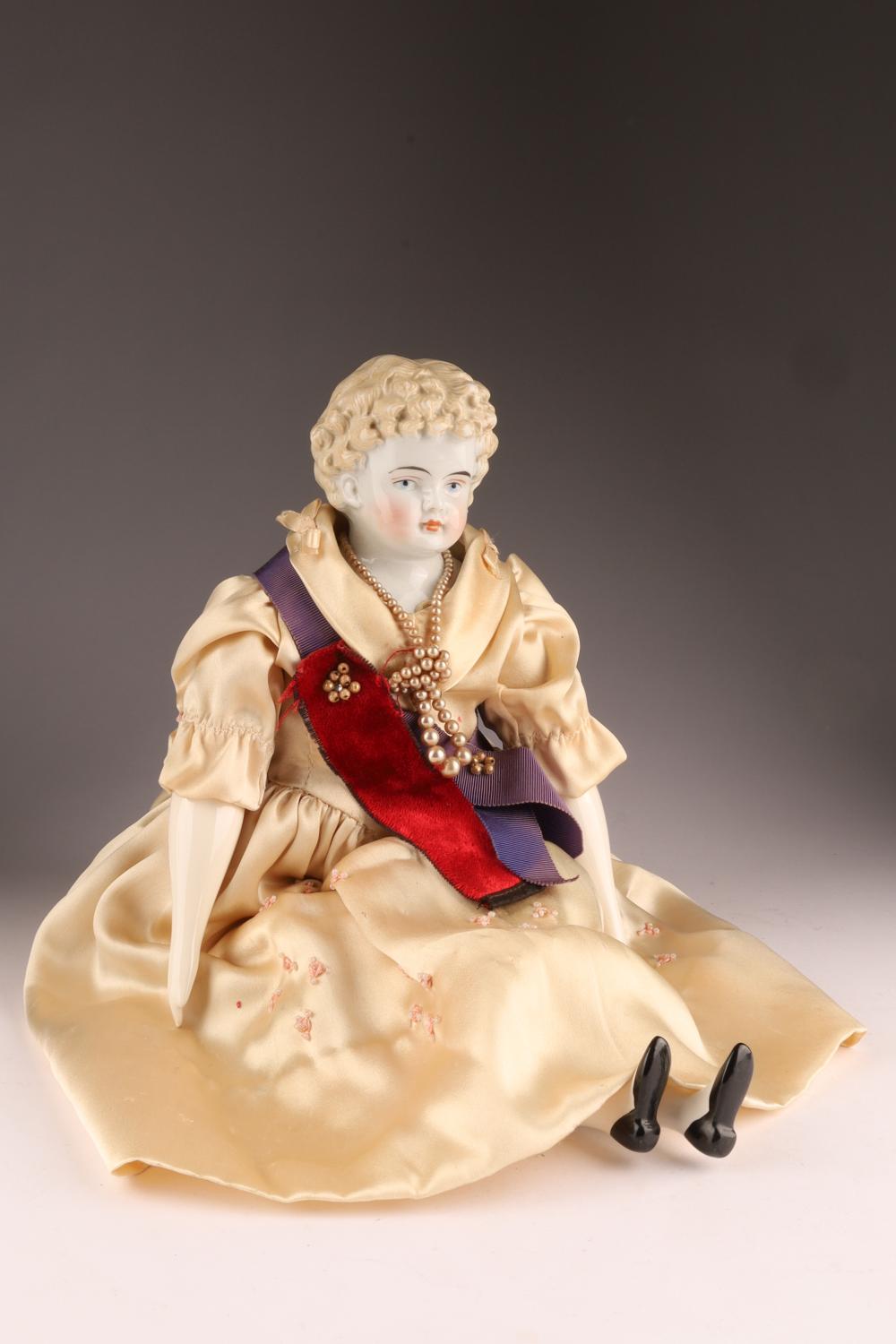
What a doll specialist checks first
A general antique appraisal can miss the details that move doll value. A specialist starts with the head material, maker or mold mark, body type, wig, eyes, clothing, and whether the parts belong together.
- Bisque or porcelain heads should be checked for hairlines, chips, repaint, replaced eyes, and neck socket wear.
- Composition, cloth, wax, celluloid, hard plastic, and vinyl dolls each have different condition risks.
- Original wigs, shoes, underclothes, hats, and labeled dresses can matter as much as the doll itself.
Get a free first read on your antique doll
Upload photos of the face, nape mark, body, hands, feet, clothing, shoes, and damage. Start with a free screen before choosing a written appraisal.
How to vet antique doll appraisers near you
Search locally, but evaluate credentials before you book. Ask whether dolls are a regular specialty, whether the appraiser writes formal written reports, and whether they buy from clients.
- Choose a written report for estate, insurance, donation, or equitable distribution work.
- Use a verbal consultation only for triage before deciding whether a full report is worth the fee.
- Avoid any appraiser who pressures you to sell during the valuation conversation.
Photos and notes to prepare
Before the appointment, photograph the front, side, back, nape of neck, body, hands, feet, clothing labels, shoes, and any box or paperwork. Include a ruler in at least one full-length photo.
- Do not clean painted faces, wash clothing, reglue wigs, restring bodies, or repair fingers before appraisal.
- Write down family history, purchase receipts, exhibition notes, and any older appraisal reports.
- Pack fragile dolls so the head and neck are supported, especially if the body is loose or the eyes sleep.
Value reasons change the report
Insurance reports usually use retail replacement value. Estate and donation reports usually use fair market value. The same doll can have different values depending on that intended use.
Tell the appraiser the purpose before work begins so they can choose the right market evidence and report format.
What similar items actually sold for
To help ground this guide in real market activity, here are recent example auction comps from Appraisily’s internal database. These matched sales are market context only, not an object estimate or identification, and they do not guarantee a price for your specific bisque doll.
Shown USD range: USD 30-USD 125. Median of these 7 USD examples: USD 80.
| Comparable | What sold | Auction house | Date | Lot | Source-reported amount |
|---|---|---|---|---|---|
 |
Simon & Halbig #1269 31" Bisque DollSource blocked; provenance matched | Kennedy's Auction Service | 2025-09-13 | 33 | USD 110 (buyer’s-premium treatment unknown) |
 |
Vintage Cuno and Otto Dressel Bisque DollSource blocked; provenance matched | Matthew Bullock Auctioneers | 2025-09-06 | 128 | USD 60 (buyer’s-premium treatment unknown) |
 |
LATE 19TH/EARLY 20TH CENTURY GERMAN BISQUE DOLL with fully jointed composition body. Retains original brown mohair wig. Brown glass...Source blocked; provenance matched | Eldred's | 2015-01-24 | 527 | USD 80 (buyer’s-premium treatment unknown) |
 |
Hermann Steiner bisque head dollSource blocked; provenance matched | Stephenson's Auction | 2015-11-27 | 61 | USD 30 (buyer’s-premium treatment unknown) |
 |
LARGE SIGNED FRENCH BISQUE HEAD DOLL.Source blocked; provenance matched | Amelia Jeffers | 2025-04-25 | 235 | USD 125 (buyer’s-premium treatment unknown) |
 |
EARLY 20TH CENT. 16" GERMAN BISQUE HEAD DOLLSource blocked; provenance matched | Keene Auctions | 2015-03-12 | 100F | USD 65 (buyer’s-premium treatment unknown) |
 |
German Bisque Head Antique DollSource blocked; provenance matched | Schultz Auctioneers | 2024-12-01 | 1587 | USD 125 (buyer’s-premium treatment unknown) |
How these auction records were verified
Each row retains its exact source URL, lot identity, retrieval time, access result, and immutable record hash. Live source access was blocked; the exact record matched Appraisily's immutable pipeline provenance. Inspect the public comparable provenance record.
Disclosure: prices are shown as reported by auction houses and are provided for appraisal context. Learn more in our editorial policy.
Screen the doll before booking an appraisal
A quick screen can flag likely maker, material, reproduction risk, missing original parts, and whether the doll warrants a signed written report.
Upload photos for a free first lookNeed a value opinion before selling, insuring, or donating?
Upload clear photos, marks, dimensions, and condition notes. Appraisily can review the item remotely and tell you what details matter most.
Start doll appraisal