

Currier and Ives dishes can move from “pretty houseware” to serious valuation fast, or down the opposite direction if the evidence does not hold. The practical question is not simply age. It is whether buyers can verify the pattern lineage, the maker context, and the usable condition without guessing.
The mark matters, but it is never enough on its own. Condition and completeness are the parts that usually change the number the most.
For this article, we keep the framework simple and conservative: separate what you can verify, then place your piece into a market band that fits those facts. If evidence is missing, the best path is a free first read before any final pricing decision.
Why Currier and Ives dishes are priced in bands, not exacts
Most sellers start by comparing a listing to a “similar pattern” they found online. That almost always overstates certainty. A reliable value check follows four checks, all visible in photos:
- Pattern identity: Is the transfer pattern or printing consistent across the full piece, and is it consistent with the claimed pattern group?
- Maker proof: Are marks, signatures, or factory notations present and legible under close light?
- Color and finish continuity: Are glazes and accents consistent across the pieces, or mixed from repairs and later replacements?
- Condition integrity: Are chips, crazing, cracks, and repairs localized or widespread?
The strongest guides from this job’s evidence profile are pattern, maker, piece count, backstamp, chips, crazing, and condition. That means any value statement should start from those six features and keep the top line only for “best-case” scenarios.
Read the maker and marks before you read the price tags
Start with the bottom and back of each item. A clear backstamp or maker mark is a stronger anchor than body decals that often shift over decades. If the marks do not repeat across the set, treat the item as mixed provenance unless receipts or old photos support a coherent origin.
For Currier and Ives dishes, makership is often communicated through factory-era documentation rather than premium hand signatures on every piece. So you should use a three-part test:
- Is the mark plausible for the pattern family?
- Are dimensions and rim profile matching in the claimed period piece?
- Do replacement pieces (if any) show clearly newer glazing or different base style?
Practical rule: unsigned does not kill value, but unsigned pieces must lean on pattern and condition evidence from multiple matching points. Incomplete sets with missing marks can still perform if every other verification point is strong.
Match pattern, then color family, then glaze depth
Pattern alone is not the full story. Buyers check how the entire cluster reads together. Two Currier and Ives items with the same pattern can sell in different bands if colorway diverges.
Use this sequence in your own inspection:
- Confirm edge and rim details repeat across plates and serving dishes.
- Compare color transitions: a single colorway can appear dull from age light fading, while another can show intentional contrast.
- Test color stability with a macro view of glaze texture. Thin glazes usually fade differently than deep glaze bodies.
- Check for repainting: flat, highly uniform repainting in one piece usually lowers buyer confidence in a complete set.
Strong consistency can support a broad resale estimate, but consistency can also be engineered by restoration. Which is why the condition block is still the first market modifier.
Condition checks that usually move value fast
In this category, the biggest mistakes are treating small, localized wear as “just cosmetic” and ignoring cumulative damage. Buyers price chips, crazing, cracks, and repairs as risk, because they affect use and storage value.
Use a 5-point condition grid:
- 1. Edges and rims: chips, impact fractures, and roll-off.
- 2. Underglaze marks: scratching and glaze lifting.
- 3. Foot and base: repairs, chips, and mismatched feet.
- 4. Interior glaze: crazing patterns, pitting, or glaze wear.
- 5. Shape consistency: odd warping, resized replacements, or mismatched depth.
If more than two categories show wear, many private-sale buyers move straight to a discount posture.
If less than two categories have visible defects and the pieces hold clean pattern continuity, the range is usually tighter, especially for well-composed partial sets.
Count and completeness are worth money only when honest
Piece count and service completeness matter, but only if the claimed set identity is accurate. A partial mixed group can still be valuable, but fewer matched components usually shifts buyers toward a “project + decorative” mindset.
For practical pricing, keep this distinction:
- Strongly complete with matching marks/finish: clearer auction story, better reserve behavior.
- Partial but consistent: workable for private sale when photographed as a curated lot.
- Partial and mixed: usually priced for utility or decoration first, not for strict pattern collectability.
The same logic drives what collectors treat as “worth repairing” versus “worth presenting as-is.”
What comparable sales suggest in practice
Comps are where this category gets concrete. Internal comps for this keyword include mixed ceramic and porcelain tableware examples in the broad mid-range and premium-adjacent range, from roughly USD 250 to USD 800. They are not substitutes for your exact item, but they prove the spread is real when condition and completeness are different.
Reading that spread correctly matters:
- Lower figures around USD 250 usually track to lighter condition, mixed composition, or weaker pattern continuity.
- Mid figures near USD 500–600 usually require cleaner condition and clearer pattern/shape identity.
- Upper points near USD 750+ usually involve better surface condition, stronger coherence, and less repair uncertainty.
Note: We couldn’t find enough auction records that directly match Currier and Ives Dishes Value: Pattern, Maker, Color, and Condition to publish a defensible price table. If you are valuing a specific item, include its maker, model, material, photos, and condition so the search can be narrowed.
What similar items actually sold for
To help ground this guide in real market activity, here are recent example auction comps from Appraisily’s internal database. These matched sales are market context only, not an object estimate or identification, and they do not guarantee a price for your specific currier and ives dishes value pattern maker color.
Shown USD range: USD 360-USD 3,200. Median of these 5 USD examples: USD 1,200.
| Comparable | What sold | Auction house | Date | Lot | Source-reported amount |
|---|---|---|---|---|---|
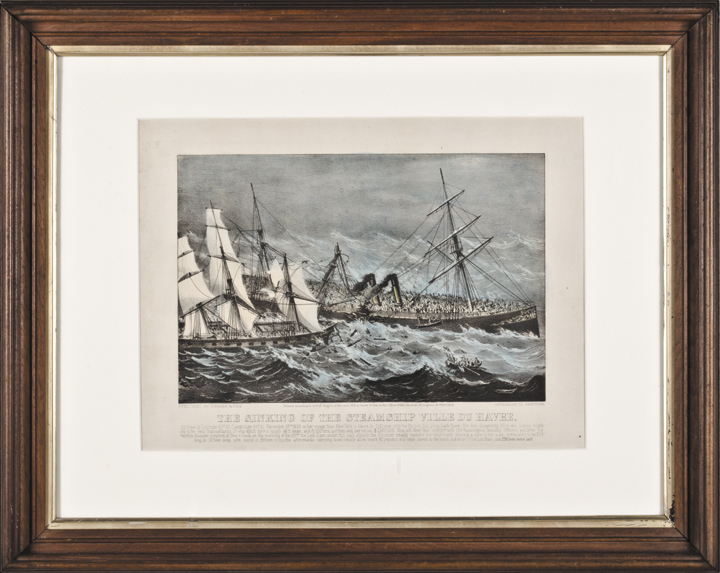 |
Rare 1873 Currier + Ives Large Color Print | Early American History Auctions | 2016-10-29 | 373 | USD 1,200 (buyer’s-premium treatment unknown) |
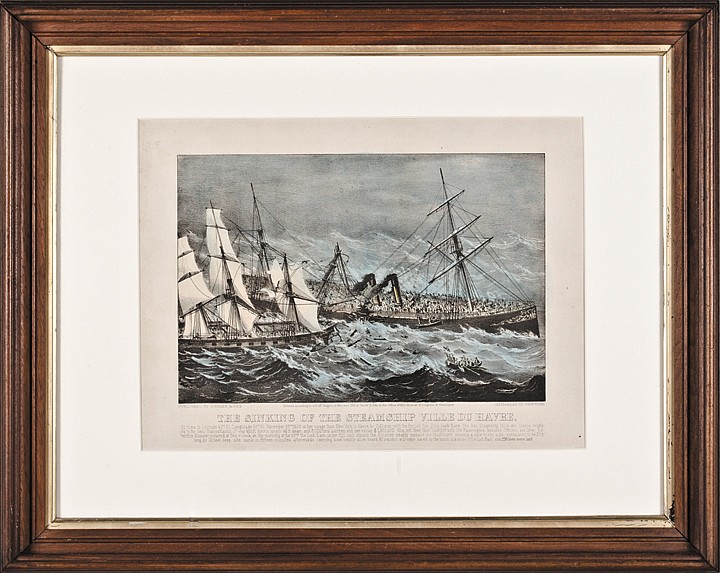 |
Rare 1873 Currier + Ives Large Color Print | Early American History Auctions | 2015-04-25 | 238 | USD 900 (buyer’s-premium treatment unknown) |
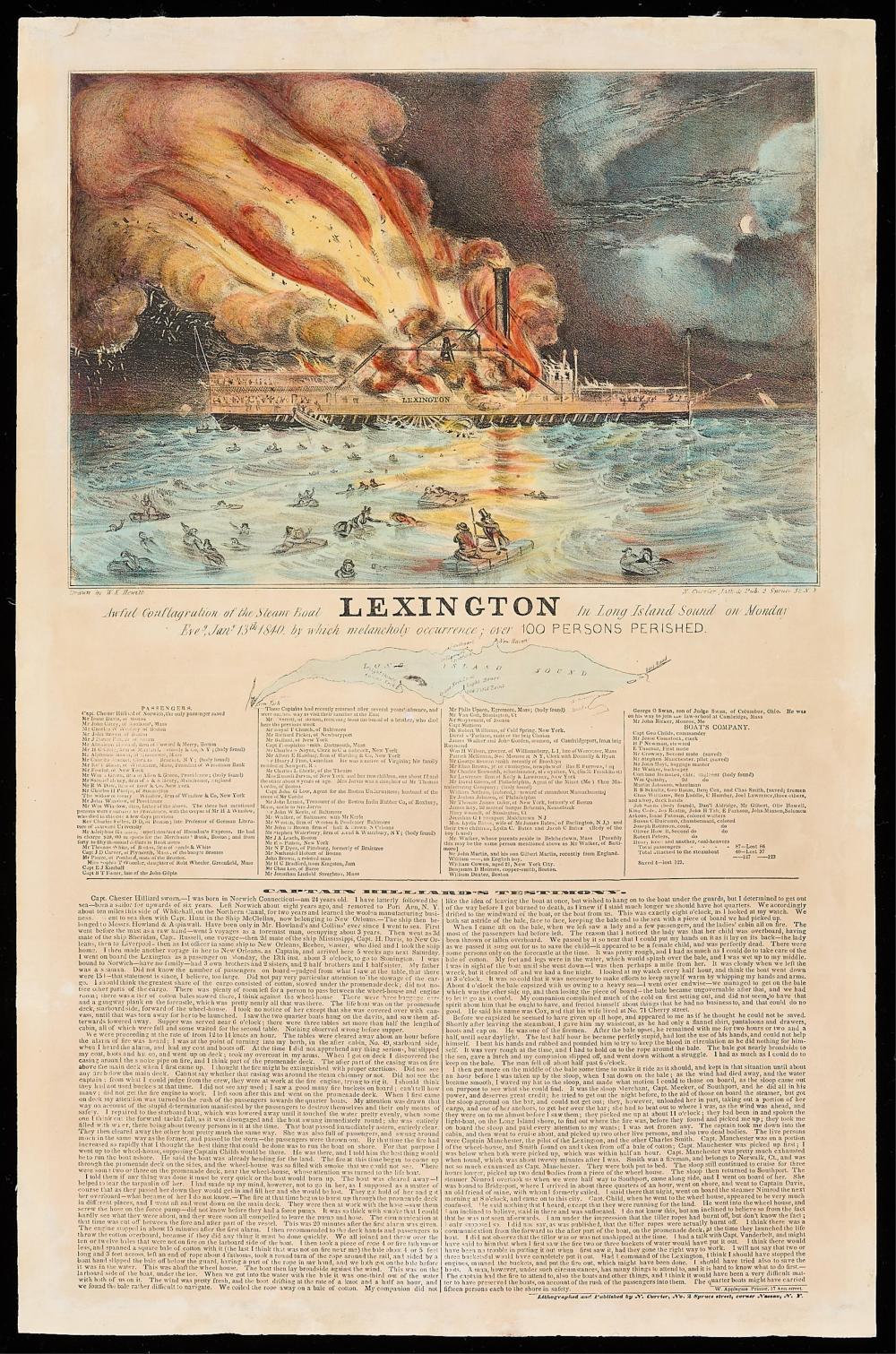 |
Currier & Ives "Awful Conflagration" Print | Revere Auctions | 2025-05-20 | 184 | USD 3,200 (buyer’s-premium treatment unknown) |
 |
Currier and Ives. Currier and Ives 1868 Campaign | PBA Galleries Auctions & Appraisers | 2008-11-06 | 36 | USD 360 (buyer’s-premium treatment unknown) |
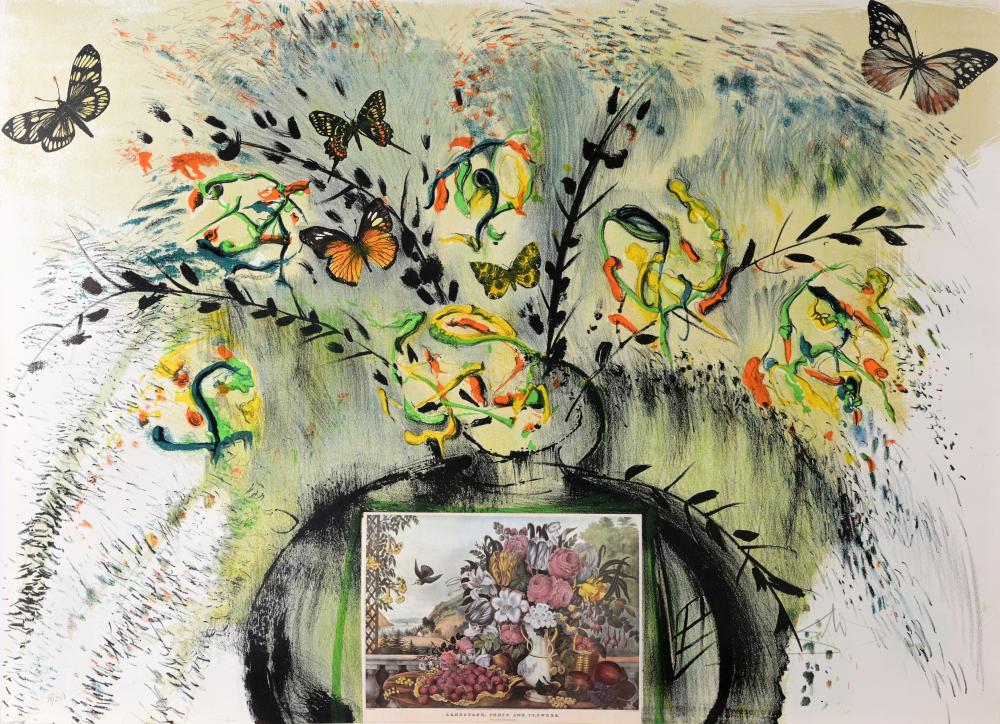 |
Salvador Dali - Currier & Ives: Flowers and Fruit | Helmuth Stone | 2026-04-26 | 201 | USD 1,300 (buyer’s-premium treatment unknown) |
How these auction records were verified
Each row retains its exact source URL, lot identity, retrieval time, access result, and immutable record hash. Inspect the public comparable provenance record.
Disclosure: prices are shown as reported by auction houses and are provided for appraisal context. Learn more in our editorial policy.
Think your item might be worth more?
Upload photos and see how your own condition profile compares
Free instant estimate. No card needed. If it is worth a full appraisal, we will say so.
Get my free estimateHow people usually overpay in this category
Most overpricing mistakes come from one assumption: “it is all one pattern, so all one value.” It is not. Buyers price what they can trust visually in photos and what risk remains for repair, breakage, or inconsistency.
Scenario-based logic:
A typical estate-sale buyer says one thing: “looks good, but can I use all pieces together?” If your item is a partial lot, the answer becomes “maybe.” If that uncertainty is high, offer a lower anchor first, then let evidence move it upward.
Free instant estimate
Not sure if your item is worth appraising? Let us take a look.
Upload a photo, tell us what you know, and get a free first read. If a full appraisal makes sense, we will say so.
Free. No card needed. Takes about two minutes.
Build your own practical value band
When evidence is incomplete, use a range rather than a fake exact number. The right language is: “This item likely belongs in a lower or upper interval until photos and marks are confirmed.”
Practical starting band framework for Currier and Ives dishes
| Condition/Completeness | Typical band | Action |
|---|---|---|
| Weak marks, mixed color/weathering, partial set | USD 250–400 | Start private sale with repair and authenticity notes. |
| Clear marks, better consistency, limited chips/crazing | USD 500–700 | Test with specialist compare at auction/marketplace comps. |
| Strong match, clean condition, complete subgroup | USD 650–900+ | Prioritize documented condition evidence and provenance notes. |
These bands are practical, not promises. The same piece can sit below, inside, or above this range if the photos show stronger or weaker proof.
How to prepare photos that do not mislead you
Use these photo rules before you price:
- Front, back, and base of every dish in your group.
- One close-up of every mark area and one close-up of the worst defect.
- Flat white background and daylight-like white balance.
- Include a ruler or spoon for scale on small items.
If your photos are strong, your confidence should rise. If not, the safest action is a free estimate before setting a number.
When to move from a free read to an appraisal
If the value band is wide because the evidence is partial, a free read is often the better first move. If marks, pattern consistency, and condition pass with low risk, then a paid written appraisal is often useful for insurance, resale disclosure, or long-distance shipping.
The practical move: use the same photos you already took, add item dimensions, and choose the paid route only when it changes the action.
Search variations readers also ask
- Currier and Ives dishes value by pattern family and year
- Currier and Ives dishware maker mark identification
- How does color variation affect Currier and Ives china prices?
- Does chips and crazing hurt resale value on Currier and Ives plates?
- Currier and Ives dishes vs Rookwood pottery value comparison
- How to prove Currier and Ives porcelain is original
- What is a complete Currier and Ives dish service worth?
- Currier and Ives set valuation for estate sale and consignment
References
- Appraisily internal auction evidence from current run output and comparable sale context
- Editorial policy: How we evaluate sources and disclosures
- Currier and Ives legacy pattern context and dating references available in public sources and seller communities
Auction comps and price ranges in this guide are sourced from Appraisily’s internal auction results database and are provided for education and appraisal context, not as guaranteed prices. For sourcing standards, see editorial policy.
FAQ
Can a full Currier and Ives dinner service be valued without maker marks on every piece?
Yes. If the pattern reads consistently and condition is aligned, missing maker marks do not automatically destroy value. The mark matters, but it is not enough on its own.
How important is color matching for private sales?
Very important when you are selling quickly. Mixed tone families make buyers assume repairs or replacements, and replacements usually price down risk heavily.
What is a realistic starting step for most sellers?
Start with a free estimate for a defensible, evidence-led range, then move to a paid appraisal only when buyer confidence and intent require documentation.
Should I sell as a lot or single pieces?
Sell as a lot when completeness is strong and style is consistent. If marks and condition are mixed, singles can outperform a lot.