Birth of a Human Bronze Sculpture Signed Salvador Dalí: Value & Authentication Guide
How to authenticate and value a Salvador Dalí ‘Birth of a Human’ bronze sculpture: edition marks, foundry/publisher stamps, signature red flags, and real

Artist Auction Price Guides
Compare named artists from this article against Appraisily auction records and value signals.
class="article-inline-cta article-inline-cta--lead" data-enhancement="article-inline-cta-top" data-lead-surface="article-inline" data-analytics-impression="article_cta_view" data-analytics-location="inline-top" >Turn this research into action
Get a price-ready appraisal for your sculpture
Answer three quick questions and we route you to the right specialist. Delivery timing is confirmed after the required item information is received.
Secure intake. No obligation. We never publish your photos.
Continue reading first →If you own a bronze sculpture described as “Birth of a Human” and signed Salvador Dalí, you’re in a part of the market where documentation and markings routinely separate a decorative bronze worth a few hundred dollars from a properly published edition that can command far more.
This guide helps you document what you have before you sell, insure, or consign it. It focuses on the three proof points most buyers care about:
- Edition evidence: a fraction like 12/100, plus a consistent format and placement on the base.
- Publisher/foundry stamps: circular stamps, foundry names, or copyright lines that connect the bronze to an authorized publisher.
- Signature type: cast-in, incised, or stamped “Dalí” signatures don’t all carry the same credibility.
Quick value snapshot: without strong edition documentation, many “Dalí style” bronzes trade in the low hundreds. With verifiable publication details, catalog references, and clean condition, values can move into a different tier. The steps below help you identify which side you’re on.
Two-step intake
Share your Dalí bronze details with an expert today
Upload clear photos of the sculpture, underside, signature, edition number, and any foundry/publisher stamps. We route your request to an appraiser who works with bronze editions and artist multiples daily.
We store your intake securely, sync it with the Appraisily CRM, and redirect you to checkout to reserve your slot.
What “Birth of a Human” usually means in the Dalí bronze market
Dalí is best known as a painter, but his name also appears on a large market of sculptures, objects, and editions. That market includes:
- Published editions tied to a specific publisher and foundry, typically with formal stamps and documented edition sizes.
- Posthumous casts and “after Dalí” pieces that may be inspired by his imagery but are not considered artist-approved in the same way by collectors.
- Decorative bronzes marketed as “Dalí” where the signature is present but supporting documentation is thin.
Because many listings use similar language—“lost wax,” “limited edition of 100,” “signed Dalí”—your job as an owner is to move from marketing phrases to verifiable identifiers: the exact marks, stamps, and paperwork that connect the bronze to an established publication history.
Authentication checklist (what to photograph and why it matters)
Before you ask for a valuation, take photos that let an appraiser verify edition details and rule out common red flags.

- Full sculpture (front/side/back): helps confirm model accuracy and scale.
- Underside/base close-ups: show stamps, inscriptions, and any casting seams or repairs.
- Signature close-up: get a straight-on image plus an angled one to show depth (cast-in vs engraved).
- Edition number: photograph the entire fraction and nearby marks (e.g., 12/100, not just “/100”).
- Publisher/foundry stamps: circular stamps, names, “cire perdue”/lost-wax wording, and copyright lines can be key.
- Paperwork: COA, invoices, gallery labels, or old auction/estate paperwork often changes buyer confidence.
Important: a Dalí signature by itself is not a guarantee of an authorized edition. In this category, buyers often pay for the story the markings can prove.
Common marking patterns (and what they can imply)
Without seeing your specific base, we can’t authenticate a particular casting—but these are the most common categories appraisers look for:
- Cast-in signature: letters formed as part of the casting. This can be consistent with edition production, but still needs publisher/foundry context.
- Hand-engraved signature: a scratched/engraved “Dalí” can be legitimate on some bronzes, but it’s also easy to add later. Compare depth, tool marks, and style to known examples.
- Publisher stamp + year: a circular copyright stamp or publisher line (sometimes paired with a year) is a stronger signal than a signature alone.
- Foundry stamp: foundry names, location stamps, or “cire perdue” marks help indicate a professional casting workflow.
- Edition fraction: the format (spacing, font/engraving style, placement) should look deliberate and consistent—sloppy numbering can be a red flag.
If your piece is described as “limited edition of 100,” treat that as a claim to verify. Appraisers often want to see whether an edition is referenced in published catalogues, not just stamped on a base.
Condition factors that change value for bronze sculptures
Bronze value isn’t only about authorship. Condition and presentation can swing price significantly, especially for decorative-market bronzes where buyers are comparing finish quality.
- Patina consistency: uneven polishing, patchy lacquer, or aggressive cleaning can reduce desirability.
- Scratches and rub: high-polish bronzes show handling marks easily—close-ups help set expectations.
- Repairs: reattached elements, filled cracks, or altered bases should be disclosed.
- Base stability: wobble, felt replacement, or missing screws can be minor but matters to buyers.
A good rule: if you’re unsure, do not polish before appraisal. Many “shiny” cleaning products remove lacquer and permanently change the surface.
What similar items actually sold for
To help ground this guide in real market activity, here are recent example auction comps from Appraisily’s internal database. These matched sales are market context only, not an object estimate or identification, and they do not guarantee a price for your specific salvador dali.
Shown USD range: USD 20-USD 15,000. Median of these 11 USD examples: USD 200.
| Comparable | What sold | Auction house | Date | Lot | Source-reported amount |
|---|---|---|---|---|---|
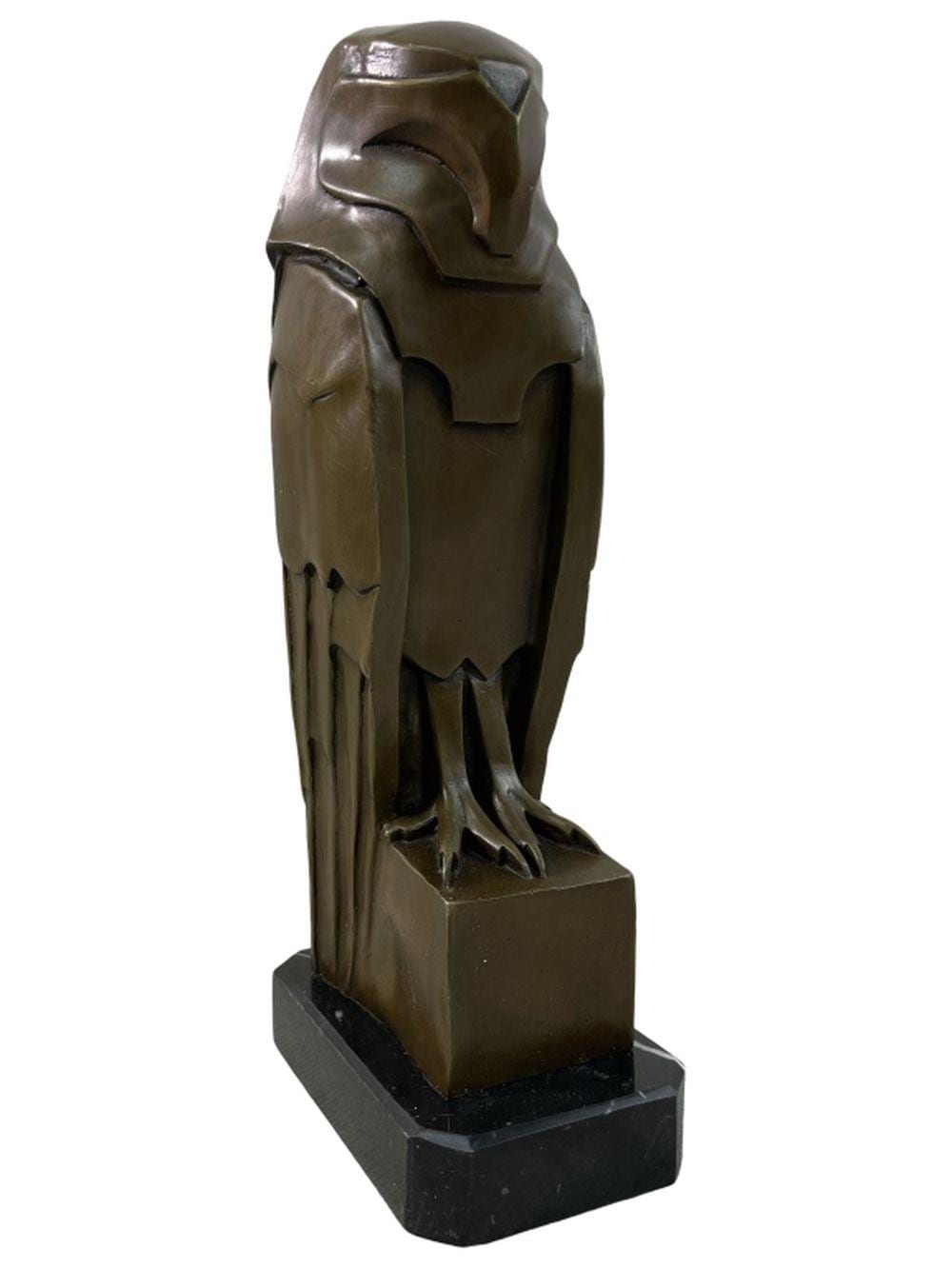 |
Salvador Dali Bronze Owl SculptureSource blocked; provenance matched | R & R Auction INC | 2025-11-16 | 55062 | USD 270 (buyer’s-premium treatment unknown) |
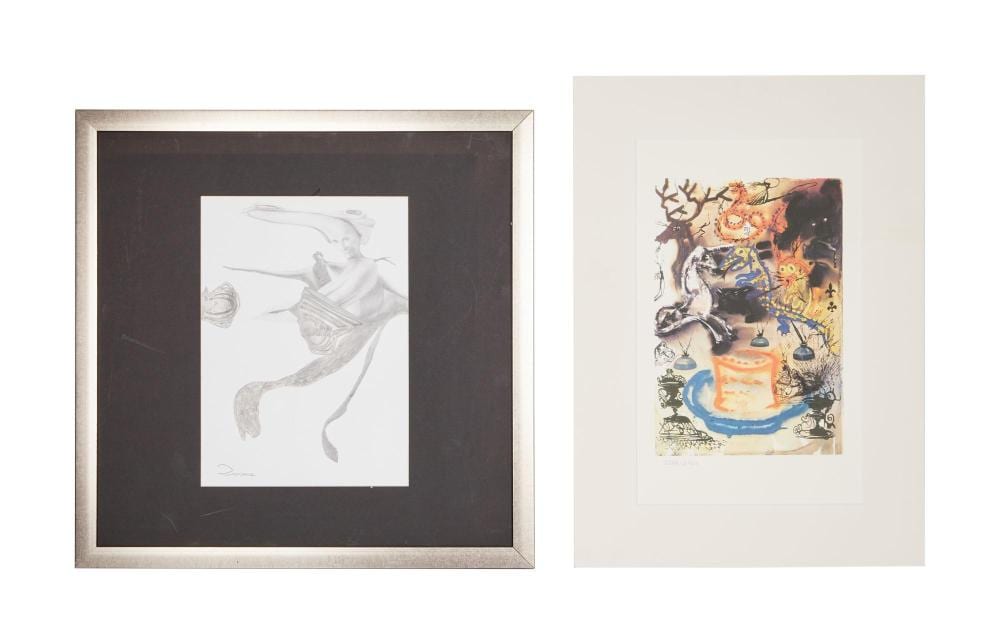 |
David Lynch | Salvador Dali Print and Romanoz Signed DrawingSource blocked; provenance matched | Julien's Auctions | 2025-06-18 | 320 | USD 15,000 (buyer’s-premium treatment unknown) |
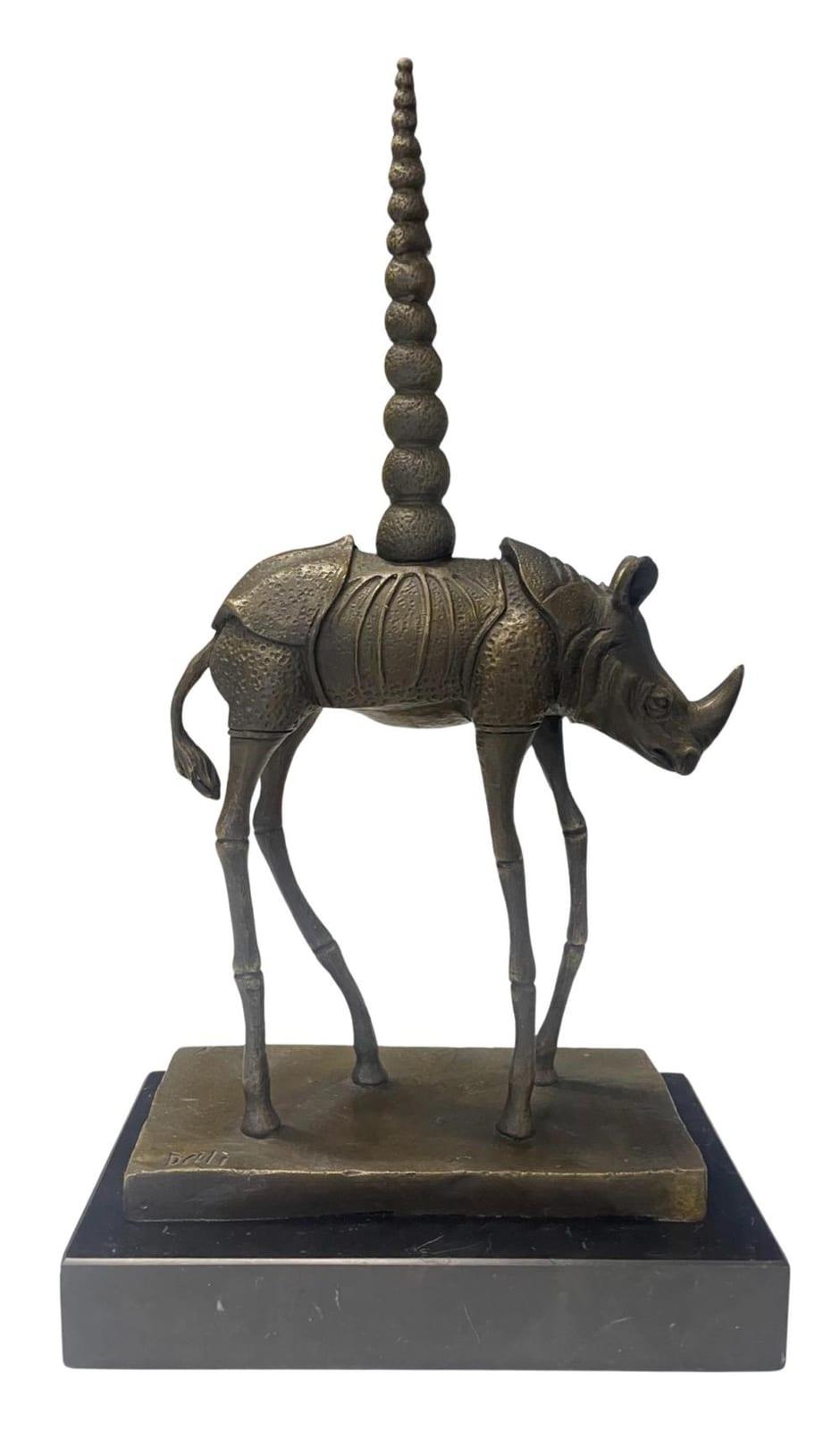 |
Salvador Dali Inspired Bronze Sculpture Of A Rhino On Marble Base, Measures: H33cm x W18.5cm x D11.5cmSource blocked; provenance matched | Pottle Auctions | 2024-11-17 | 169 | AUD 450 (buyer’s-premium treatment unknown) |
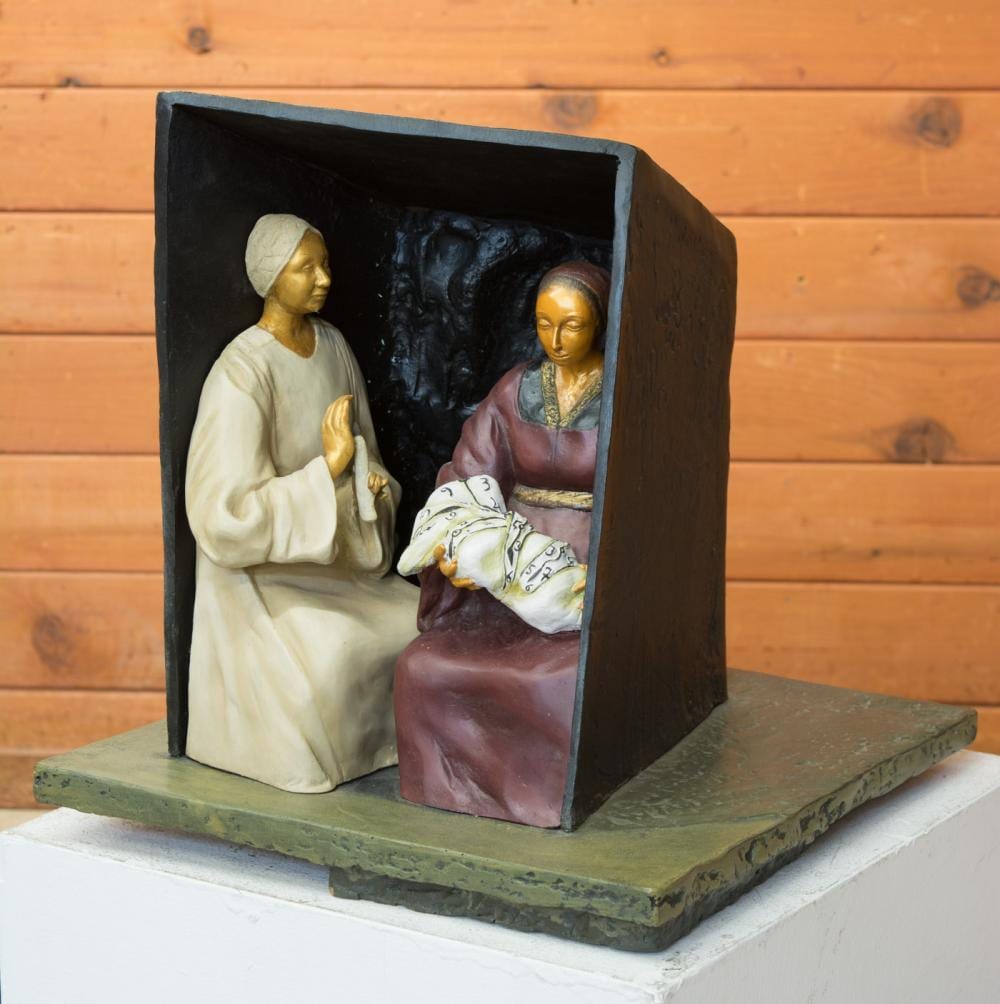 |
AFTER SALVADOR DALI, BRONZE SCULPTURE, "CARING FOR THE SURREALIST WATCH"Source blocked; provenance matched | O'Gallerie | 2025-12-01 | 116 | USD 200 (buyer’s-premium treatment unknown) |
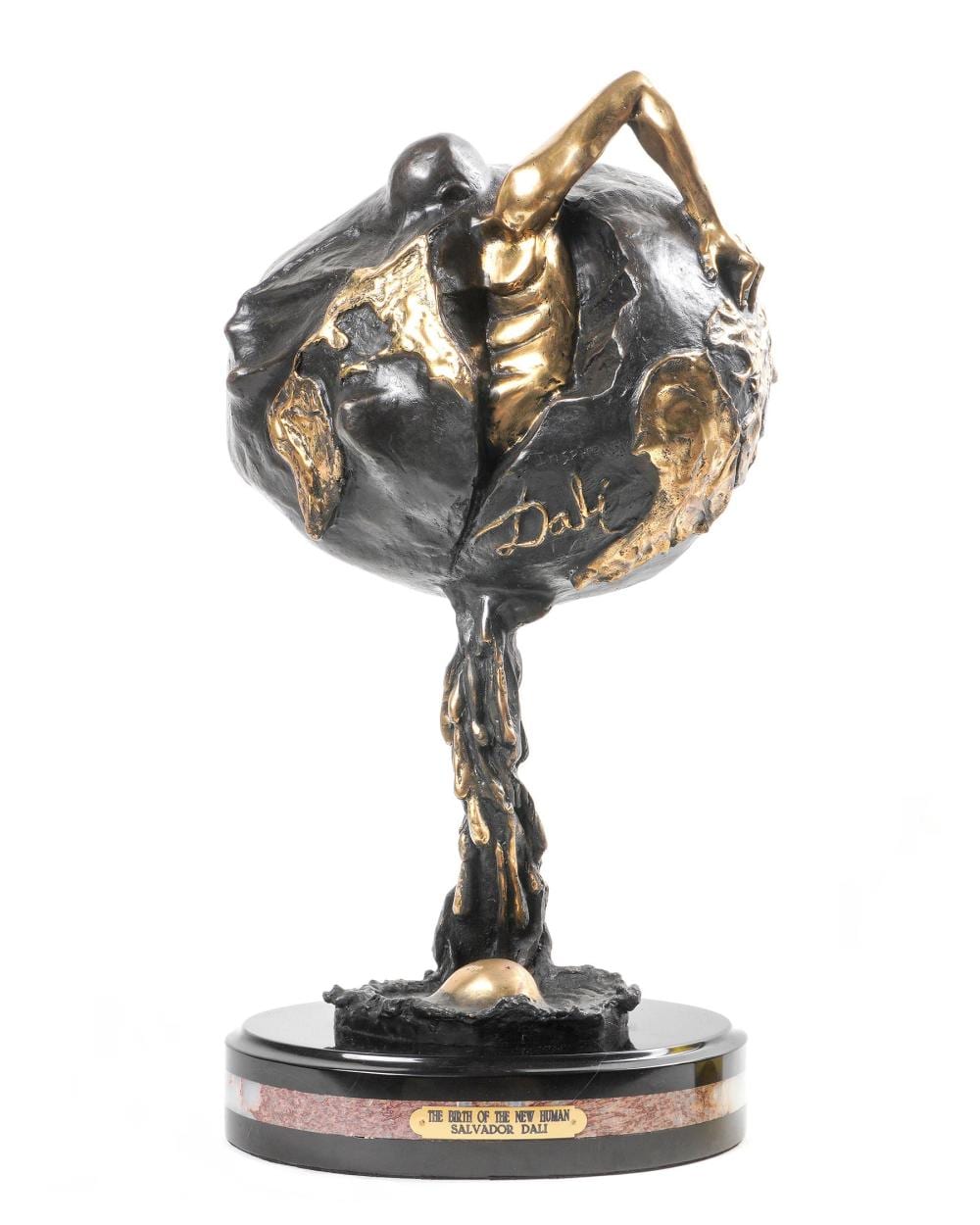 |
After Salvador Dali Birth of a New Human BronzeSource blocked; provenance matched | Amero Auctions | 2023-01-08 | 307 | USD 800 (buyer’s-premium treatment unknown) |
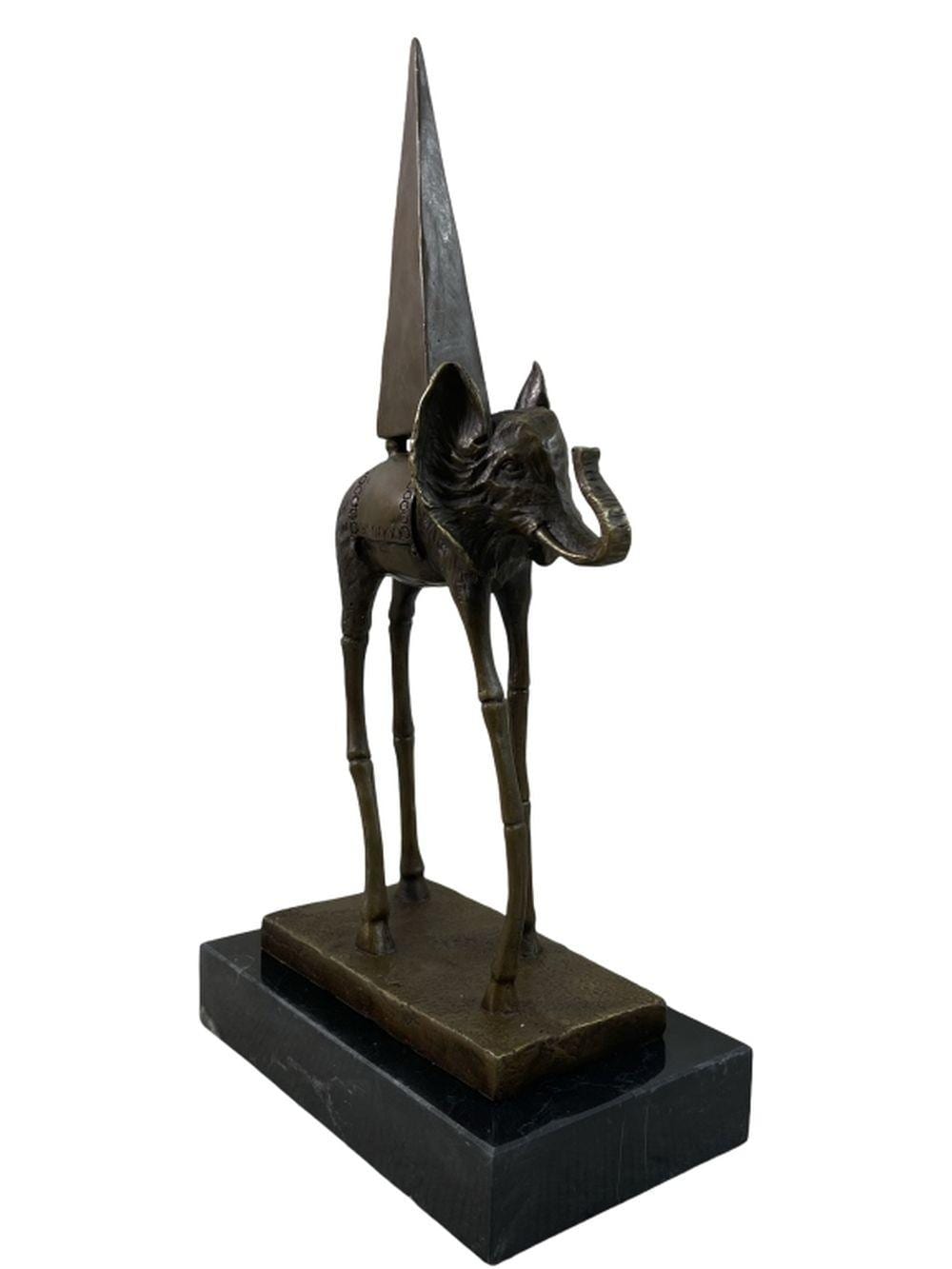 |
Salvador Dali " Space Elephant bronze sculptureSource blocked; provenance matched | R & R Auction INC | 2025-11-16 | 55065 | USD 160 (buyer’s-premium treatment unknown) |
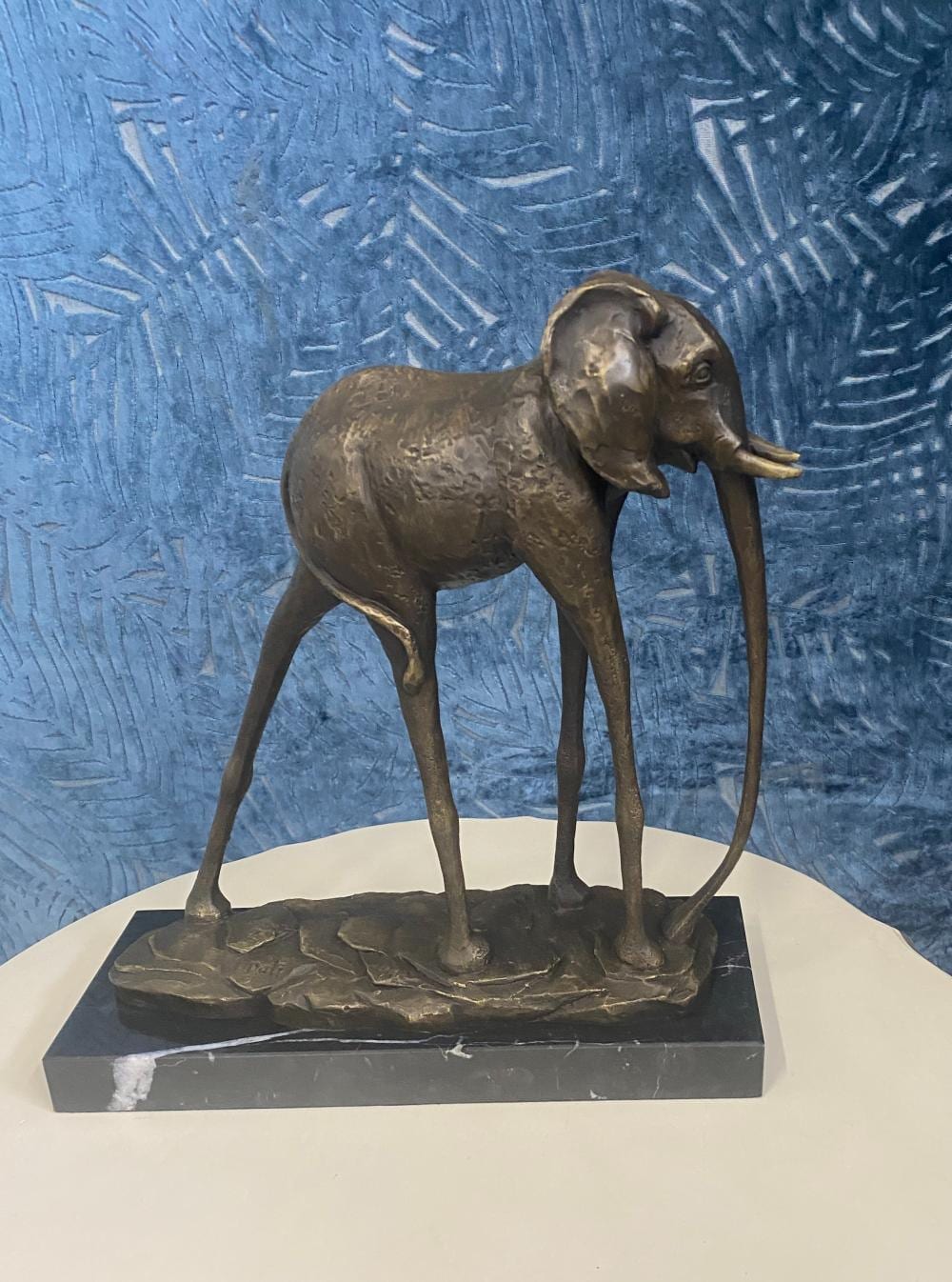 |
Salvador Dali Inspired Bronze Sculpture - The Elephant. On Marble Base. Signed. Measures 36cm x 31cm x 12cm.Source blocked; provenance matched | Pottle Auctions | 2023-03-05 | 502 | AUD 375 (buyer’s-premium treatment unknown) |
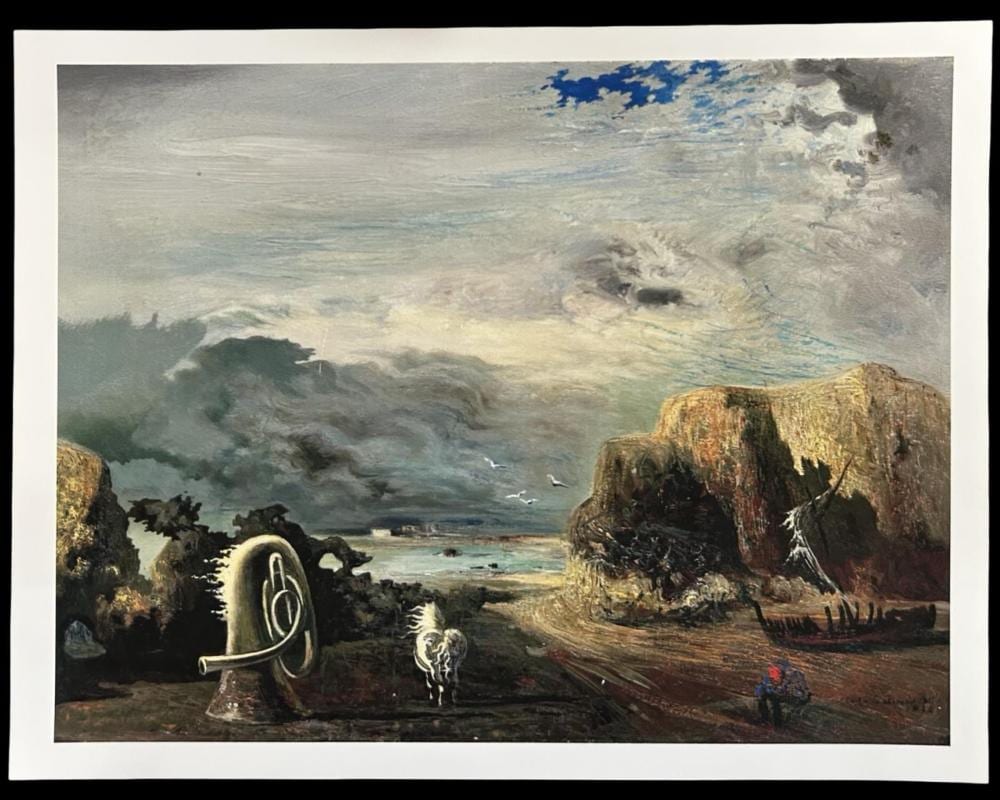 |
Salvador Dali Surrealist LithographSource blocked; provenance matched | Monarch Auction and Estate Services | 2026-04-19 | 1175 | USD 20 (buyer’s-premium treatment unknown) |
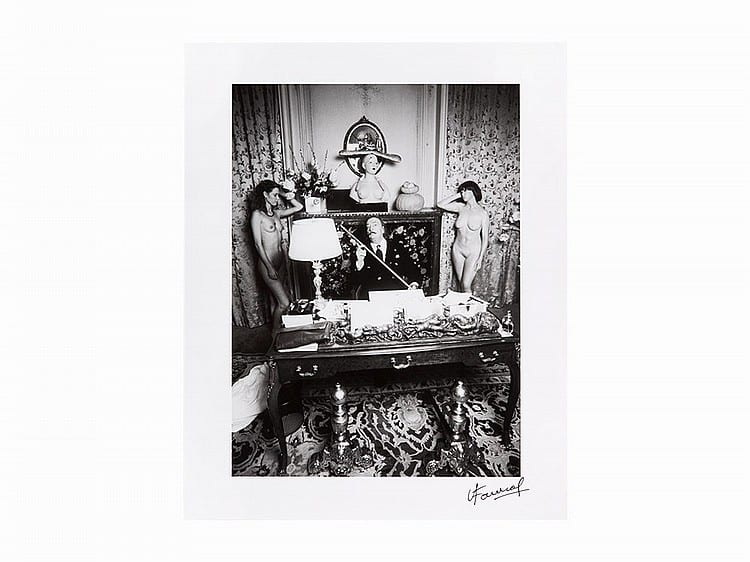 |
Luc Fournol, Gelatin Silver Print, 'Salvador Dalí', 20th C.Source blocked; provenance matched | Auctionata US | 2015-02-28 | 90 | USD 600 (buyer’s-premium treatment unknown) |
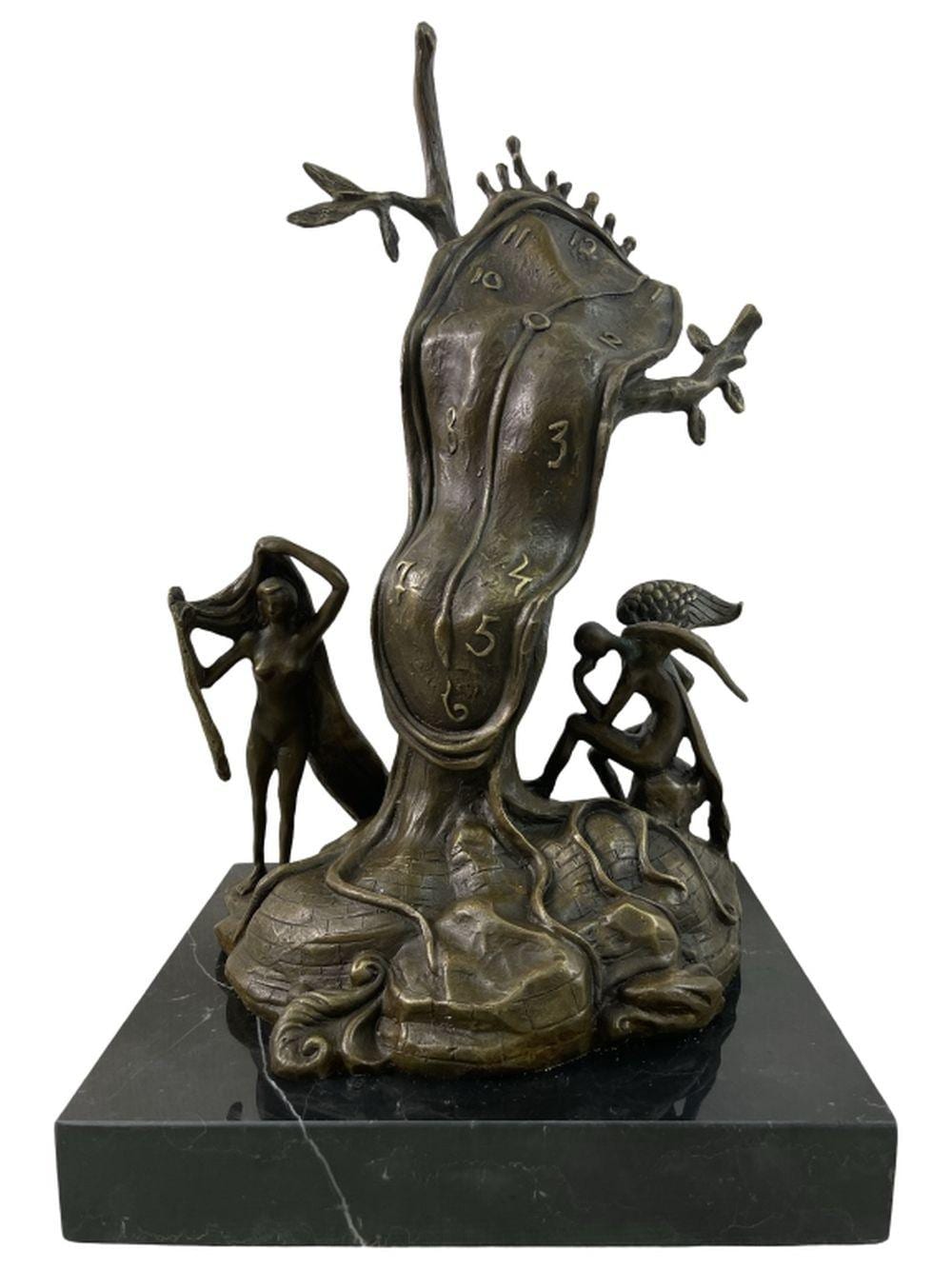 |
Salvador Dali " Nobility of Time" Bronze SculptureSource blocked; provenance matched | R & R Auction INC | 2025-11-16 | 55112 | USD 120 (buyer’s-premium treatment unknown) |
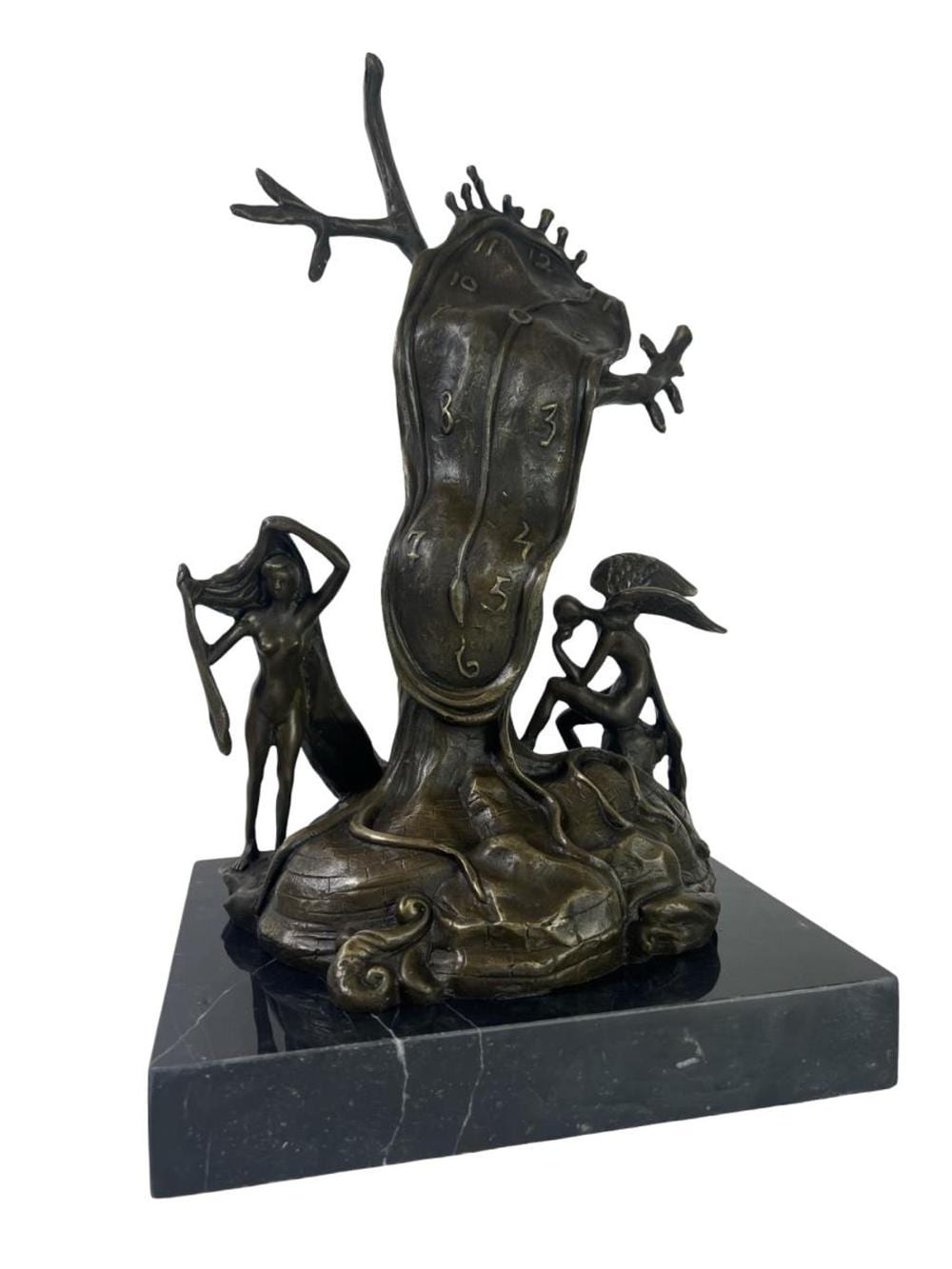 |
Signed Salvador Dali Nobility Of Time BronzeSource blocked; provenance matched | Monarch Auction and Estate Services | 2025-11-30 | 330 | USD 150 (buyer’s-premium treatment unknown) |
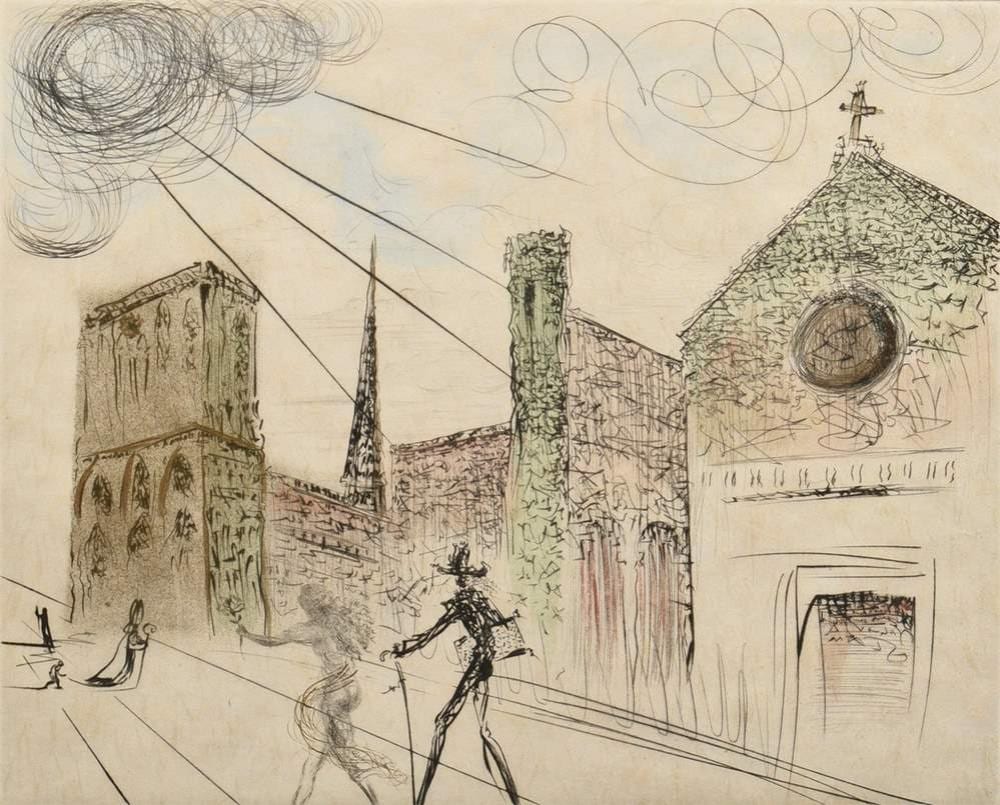 |
Dali, Salvador (1904-1989) ‘Notre Dame de Paris’, colour etching, XXX/C, signed/numbered, signature dry-stamped lower right, verso adhesive label ‘Galerie Boisserée/ Köln’, free framed, PM 31.8x39.7cm, SM 51x65.5cm (w.f. 58x72cm)Source blocked; provenance matched | Kendzia | 2024-11-23 | 1209 | EUR 650 (buyer’s-premium treatment unknown) |
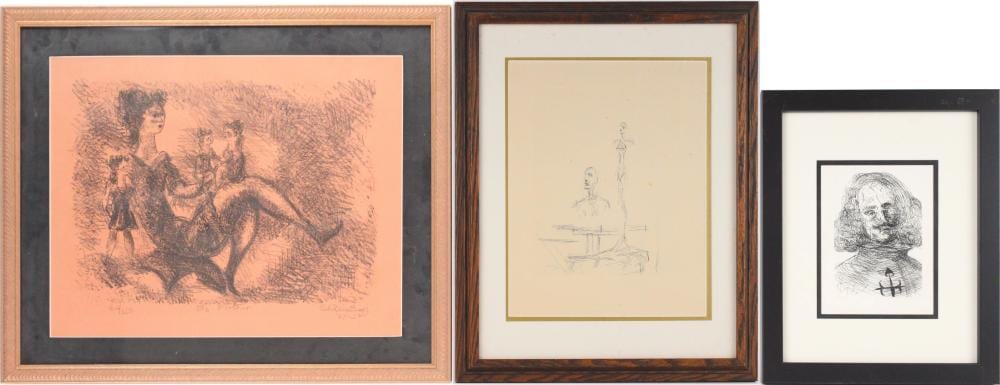 |
Salvador Dali, Spanish 1904-1989, Velazquez, EtchingSource blocked; provenance matched | Nye & Company | 2025-12-03 | 260 | USD 175 (buyer’s-premium treatment unknown) |
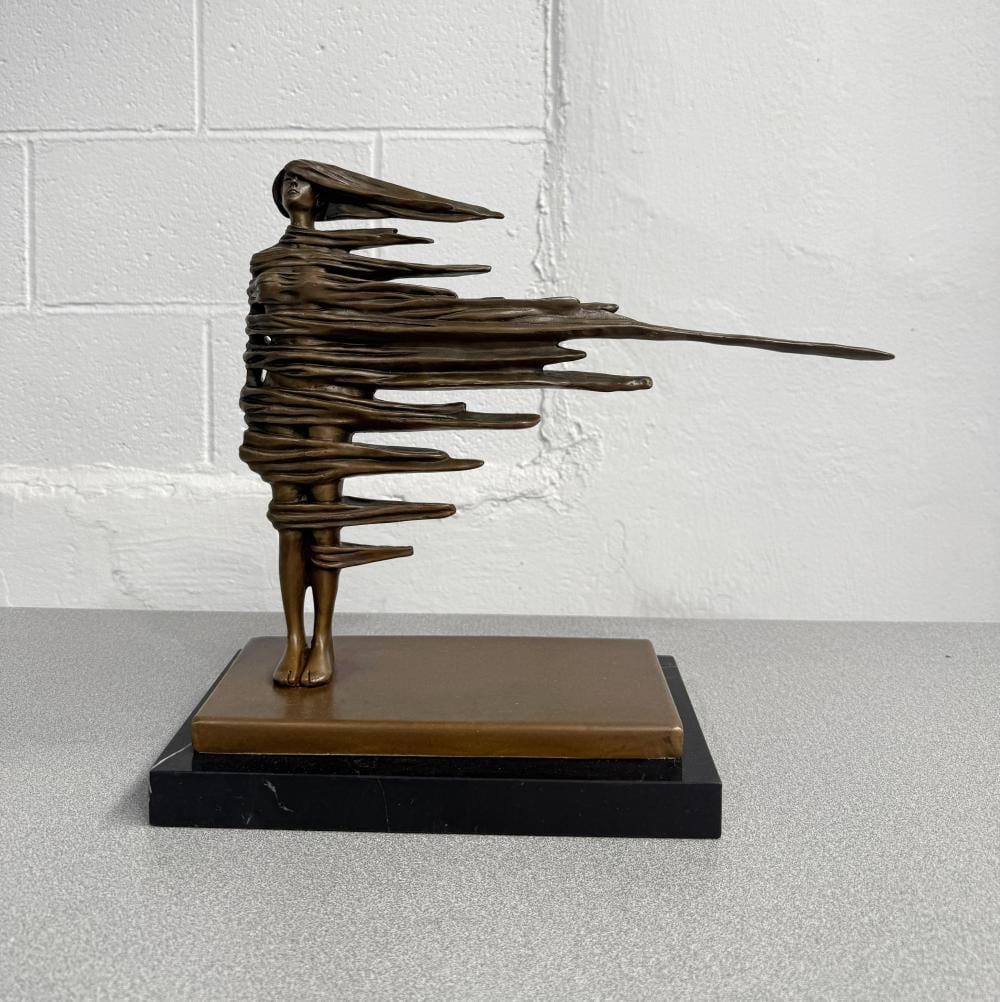 |
Surrealist Dancer, bronze sculpture after Salvador Dali. Height: 36cm x width: 40cm x weight: 7kgSource blocked; provenance matched | Lawsons | 2025-11-26 | 5022 | AUD 1,400 (buyer’s-premium treatment unknown) |
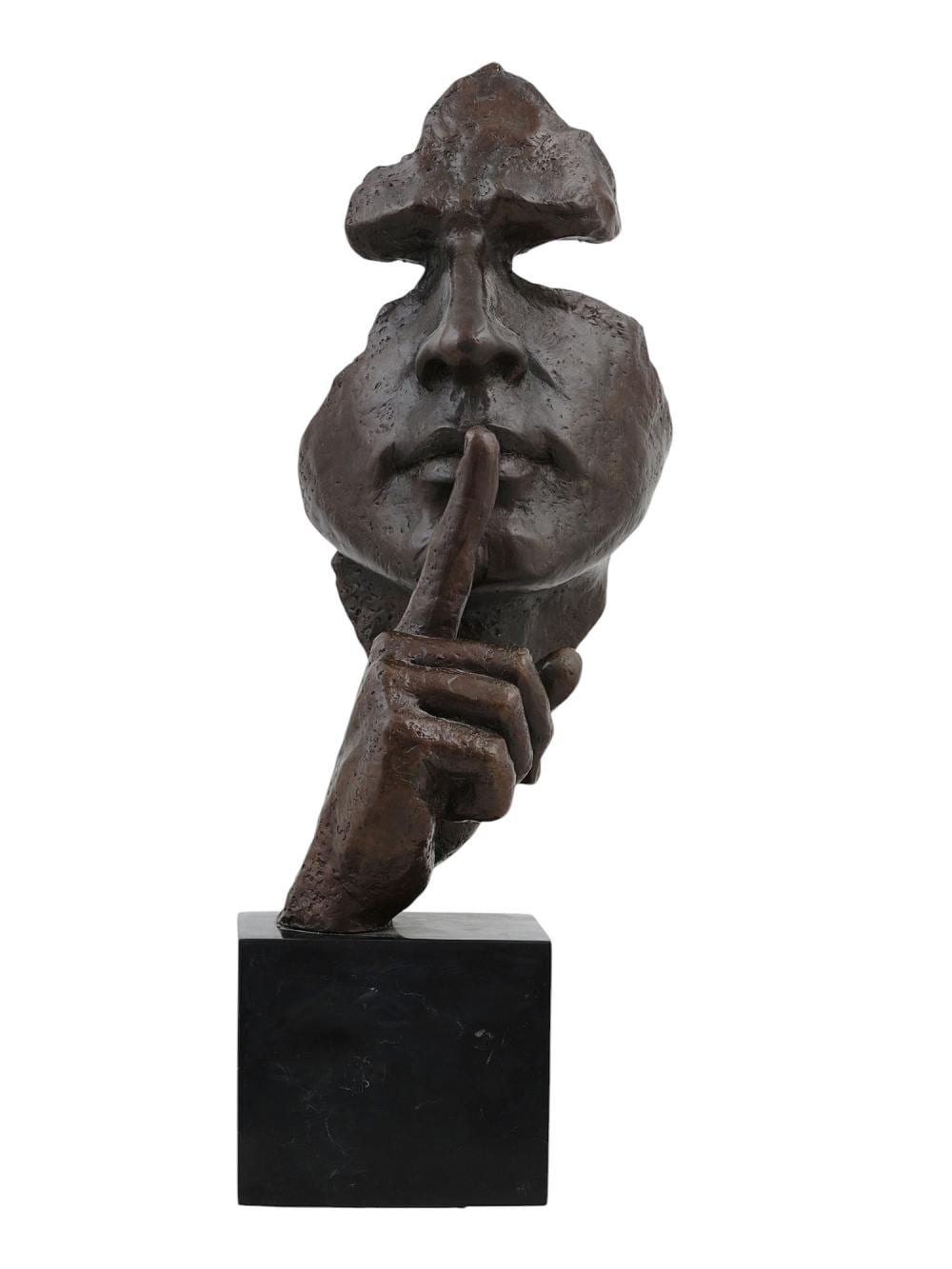 |
A SALVADOR DALI SIGNED BRONZE, TITLED 'SILENCE', 20TH CEN.Source blocked; provenance matched | Helios Auctions | 2024-12-08 | 40 | USD 800 (buyer’s-premium treatment unknown) |
How these auction records were verified
Each row retains its exact source URL, lot identity, retrieval time, access result, and immutable record hash. Live source access was blocked; the exact record matched Appraisily's immutable pipeline provenance. Inspect the public comparable provenance record.
Disclosure: prices are shown as reported by auction houses and are provided for appraisal context. Learn more in our editorial policy.
How appraisers build a value range for a Dalí bronze
When we value bronzes like “Birth of a Human,” we usually give a range instead of a single number and explain what pushes the piece up or down. Typical drivers include:
- Edition credibility: clear fraction + publisher/foundry stamps + paperwork.
- Model recognition: some subjects are more in-demand (and more widely copied) than others.
- Size and weight: larger, heavier pieces can command higher prices but cost more to ship and insure.
- Condition: surface wear, repairs, missing base elements, or altered patina.
- Sales channel: local estate auction vs specialty art auction vs gallery retail pricing.
If your goal is insurance or estate planning, an appraiser may focus on a replacement value. If your goal is selling, the number should track the most realistic sale channel (consignment, auction, or private sale).
How to sell (and avoid common listing mistakes)
If you choose to sell, you’ll get better outcomes by listing accurately and providing the exact photos collectors want. A few practical tips:
- Don’t oversell the signature: describe what’s present (cast, engraved, stamped) and show close-up photos.
- Lead with markings: the first 3–5 photos should include the underside stamps and edition number.
- Use a ruler in photos: buyers want height measurements in inches/cm.
- Ship like a sculpture: double-box, immobilize the base, and insure for full value.
- Consider consignment for documented editions: if stamps/paperwork are strong, a specialist consignment channel may outperform general marketplaces.
Continue your valuation journey
Get help pricing and selling bronze sculptures
If you want a written value you can hand to a buyer, insurer, or consignor, our appraisers can review your photos, markings, and comparable sales.
Appraiser directory
Browse vetted appraisers
Find an expert by specialty, location, and response time.
View appraisersHow We Research Valuation Data
Our appraisal guides are based on auction results, dealer pricing data, and professional appraiser insights. We may earn a commission when you use our free professional appraisal service. Learn about our editorial standards.
Instant checkout
Start an online appraisal
Upload photos and details securely. Specialists respond within 24 hours.
Start appraisalSearch variations collectors ask
Readers often Google:
- Birth of a Human Salvador Dali bronze sculpture value
- how to tell if a Salvador Dali bronze sculpture is real
- Dali bronze sculpture edition number meaning (12/100, AP)
- what foundry marks should be on a Dalí bronze
- is a cast-in Dalí signature more authentic than engraved
- how to photograph bronze sculpture stamps for appraisal
- best way to ship a bronze sculpture sold online
- Dalí bronze sculpture appraisal for insurance replacement
Each phrase maps back to the authentication photos, condition checks, comps, and selling guidance above.
References
Choose your next step
Use the path that matches the decision you need to make about the item.
Not sure it is worth appraising?
Start with a lower-friction screen to understand the likely category, evidence, and next step.
Upload photos for a free first lookWant proof before paying?
See how a signed report documents photos, comparable evidence, condition notes, and value conclusions.
View signed report sampleNeed a signed report?
Use this for insurance, estate, donation, resale, or documented value decisions.
Need documentation now? Start signed appraisalNeed local or specialist help?
Compare directory options when the work needs in-person review or a specialist near you.
Find local art specialistsSee what the report looks like
Sample reports show how photos, comparable evidence, condition notes, and a value conclusion are documented.