
Basement Things People Often Misprice: appraisal and value basics
Basement Things People Often Misprice research should start with identification, condition, provenance, and item-specific market evidence. Use this guide to compare the signals that matter before paying for a formal appraisal or deciding whether to sell.
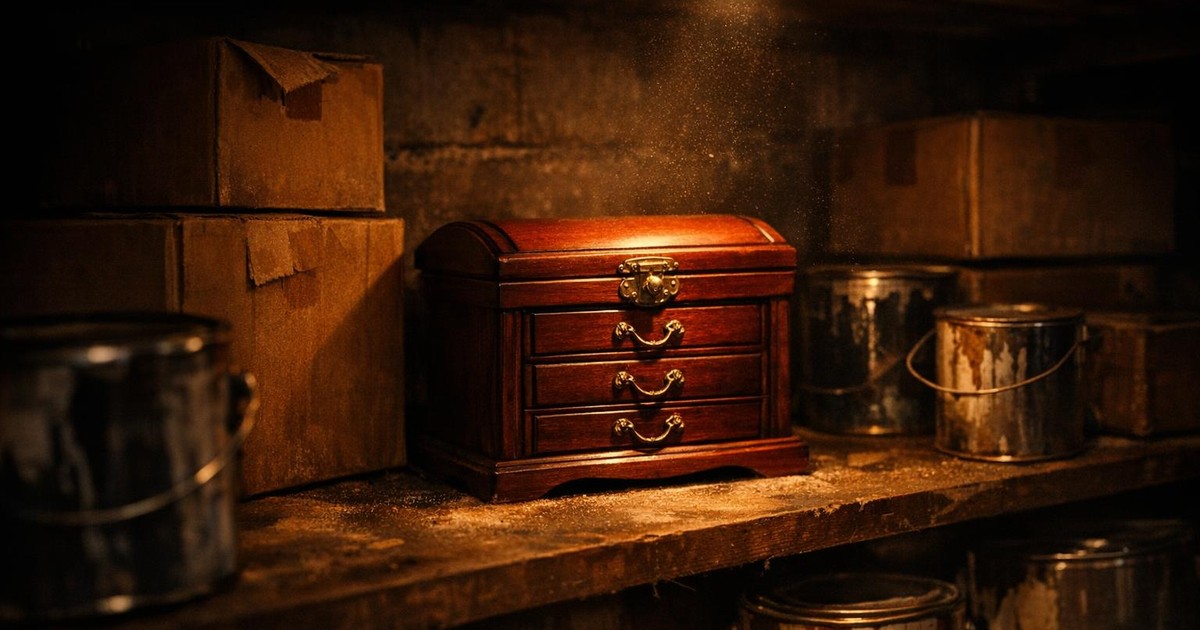
When the 18th season of Antiques Roadshow premiered, it led with a a value that must be established from current, topic-matched sales basement find — an item its owner had stored among paint cans and holiday decorations for years, assuming it was worth perhaps a few hundred dollars at most. Stories like that aren't anomalies. They're the rule.
Basements are where items go to wait. And while they wait, the market moves. Vintage stereo receivers that were worth a value that must be established from current, topic-matched sales in 2010 now clear a value that must be established from current, topic-matched sales at auction. Mid-century furniture stamped by overlooked makers has doubled in value since 2020. The people who check basements during spring estate-sale season — March through June, the peak window — consistently walk away with items priced at garage-sale levels that sell for ten times that within months.
This roundup covers 10 categories of basement items people routinely misprice, the specific clues that separate a a value that must be established from current, topic-matched sales find from a a value that must be established from current, topic-matched sales one, and the market logic behind why the same object can land at wildly different prices depending on where — and how — it sells.
In this article
- Why basement items get mispriced
- 10 items people routinely underprice
- What separates a a value that must be established from current, topic-matched sales find from a a value that must be established from current, topic-matched sales one
- The estate sale vs. auction price gap
- When to get a professional appraisal
- Protecting what you find
Why basement items get mispriced
Mispricing in basements isn't random. It follows a predictable pattern driven by four factors that most homeowners never consider:
1. Poor lighting hides the details that drive value
Basement storage areas are rarely well-lit. A maker's stamp on the underside of a chair, a signature in the corner of a painting, a paper label inside a tool case — these are the identifiers that multiply value by three to ten times. If you're inspecting items with a phone flashlight or the bare bulb of a pull-chain fixture, you're missing the signals that auction specialists and experienced collectors look for first.
2. Missing provenance means missing price
An item without a story is an item without a price ceiling. Was this piece part of an estate? Does it come with original receipts, exhibition labels, or gallery stickers? Collectors and auction houses pay premiums for documented history. A mid-century lamp with the original hardware store receipt and a known designer name attached can clear five figures. The same lamp, unattributed, might sell for a value that must be established from current, topic-matched sales.
3. Basement conditions silently destroy value
Humidity, temperature swings, and occasional flooding are the invisible devaluation engines of basement storage. Metal tools corrode. Paper labels disintegrate. Wooden furniture warps. Books develop foxing (the brown spotting that devastates first-edition values). The original purchase price or the collector's premium means nothing if moisture has reduced the item to "salvage grade."
4. The wrong selling venue confirms the wrong price
This is perhaps the most systematic source of mispricing. Estate-sale companies price to move quickly — their business model is volume, not optimization. A garage sale prices everything to clear by Sunday afternoon. Auction houses, specialist dealers, and targeted online marketplaces connect items with the buyers who value them most. The object hasn't changed. The audience has.
10 items people routinely underprice in basements
Each of these categories has seen dramatic price shifts in the last five years. The common thread: they look ordinary to the untrained eye and command serious money when the right buyer finds them.
1. Vintage stereo receivers and electronics
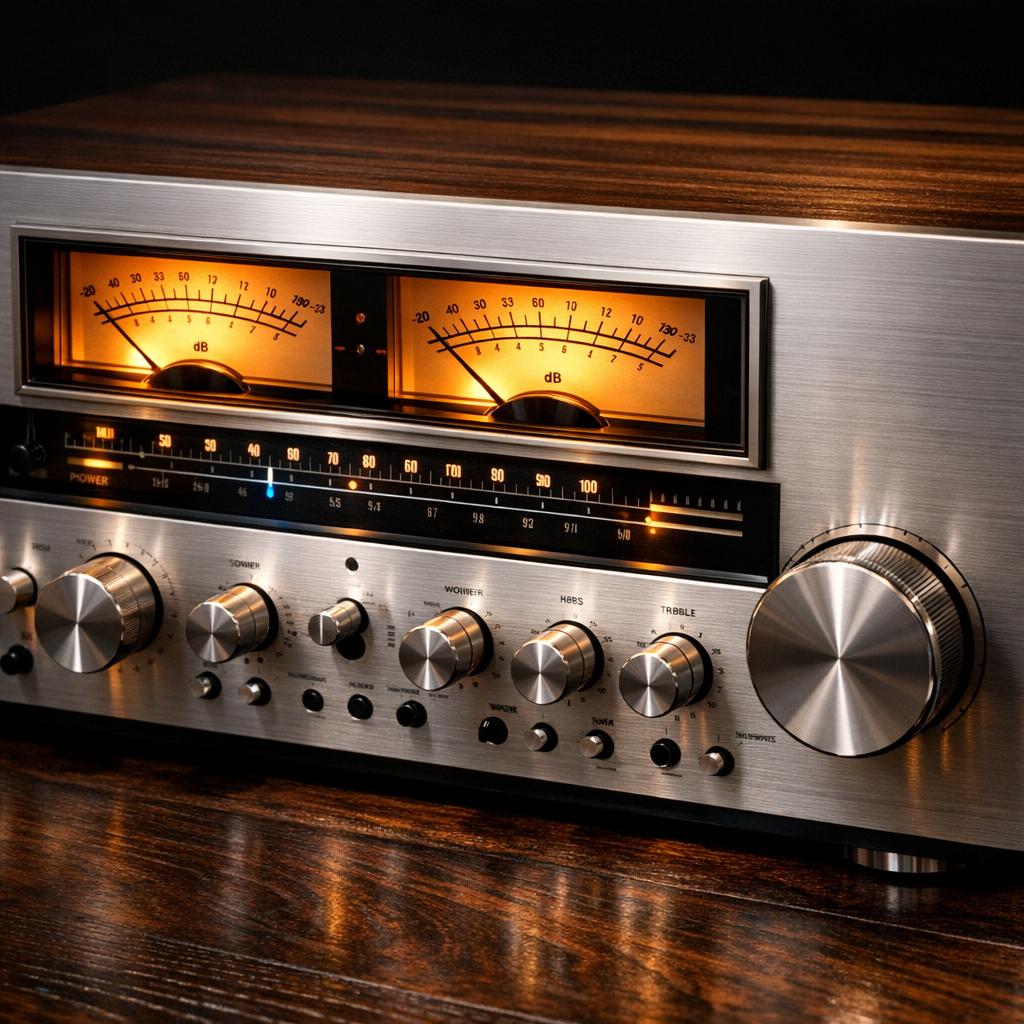
Basement storage is where 1970s and 1980s hi-fi equipment goes to be forgotten — and it's also where the biggest price surprises live. A Marantz 2270 receiver, one of the most sought-after vintage units, now sells at Heritage Auctions and specialized audio auctions for a market-dependent range depending on condition. The same model surfaces at suburban estate sales for a value that must be established from current, topic-matched sales consistently, every weekend during the spring season.
What to look for: the illuminated VU meters, the brushed aluminum faceplate, and most importantly, whether the unit powers on and produces clean sound. Non-working units still carry collector value (a value that must be established from current, topic-matched sales for parts and restoration), but a fully functional example is where the real premium lives. Pioneer, Sansui, and McIntosh receivers from the same era follow similar pricing patterns.
2. Mid-century furniture with hidden maker marks
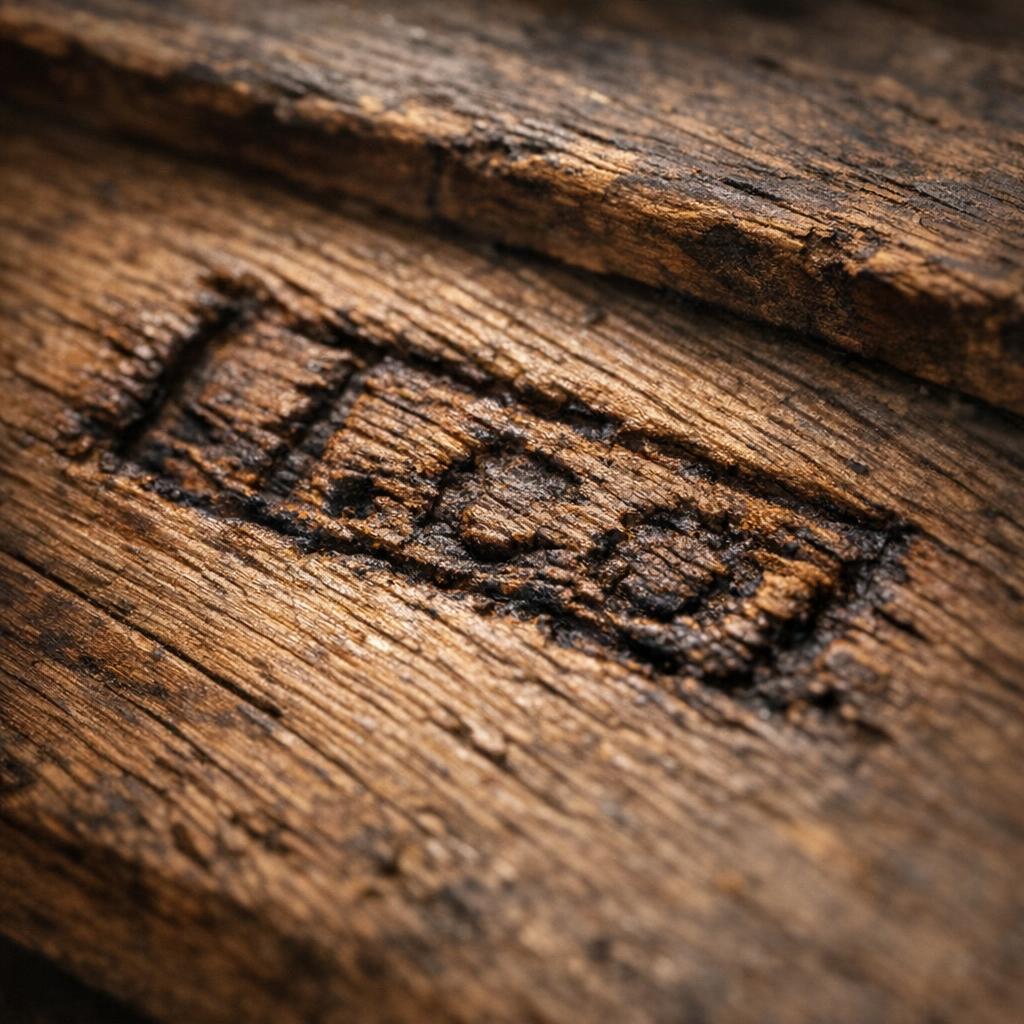
Furniture is the category where the mispricing gap is widest. A Danish modern teak sideboard with no visible attribution might be priced at a value that must be established from current, topic-matched sales at an estate sale. Flip it over, find a stamped maker's mark from a manufacturer like G-Plan, Younger, or McIntosh, and that same piece can sell for a market-dependent range through specialist mid-century dealers or auction houses like Rago.
The critical inspection step most people skip: turning the piece over and examining the underside, the back panel, and the inside of drawers for any labels, stamps, or construction clues. Dovetail joints, specific screw types, and paper manufacturer labels are the triage markers that separate mass-produced furniture from designer pieces.
3. Vintage hand tools and early power tools
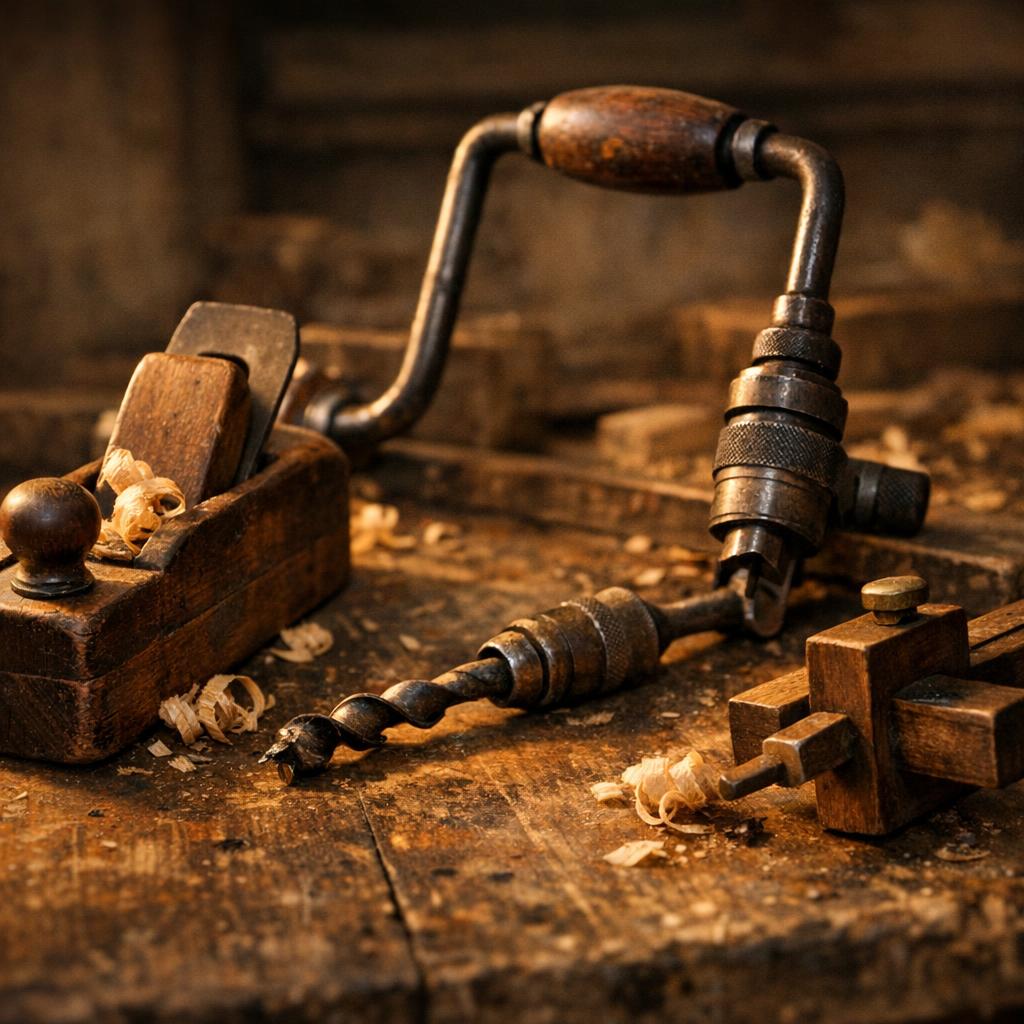
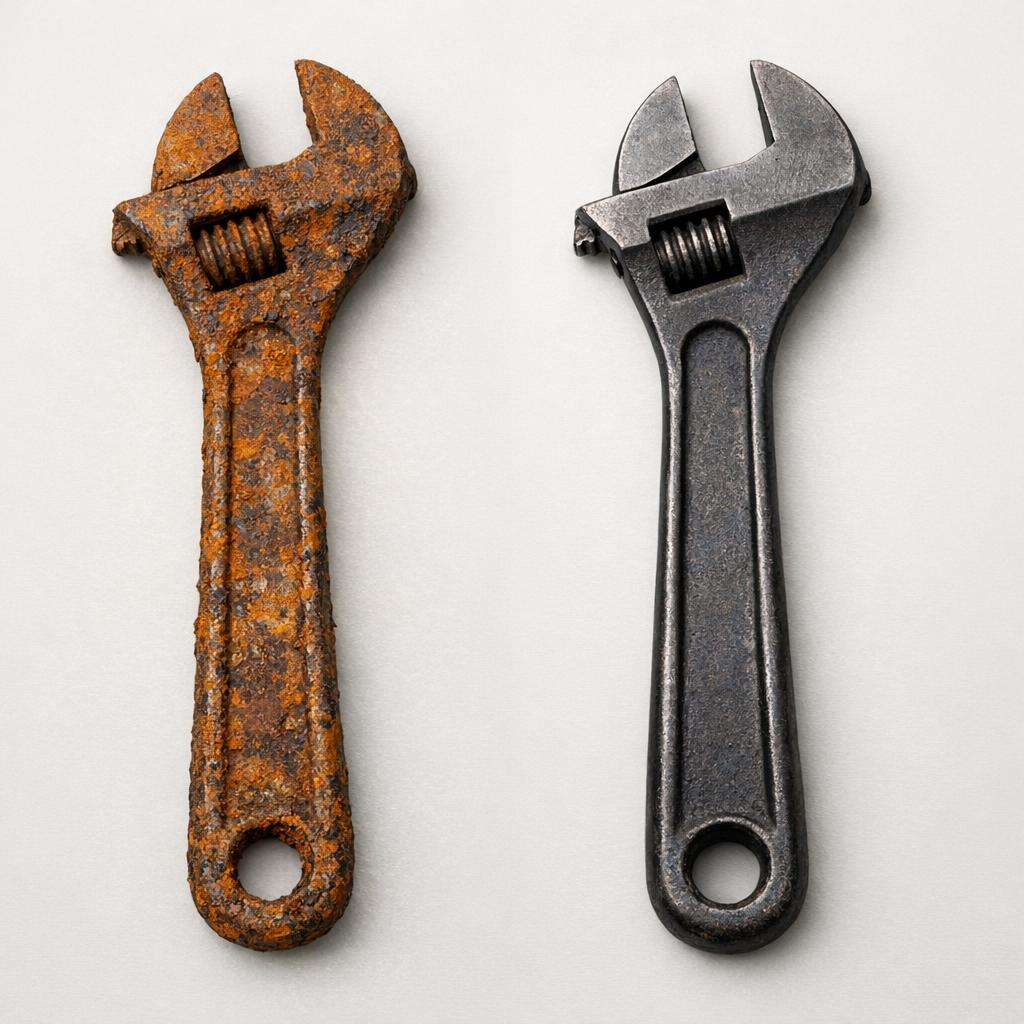
Woodworking tools stored in basements are routinely priced as "used tools" rather than as collectibles. A Stanley Bailey No. 4 smoothing plane from the pre-World War II era, identifiable by its corrugated sole and specific date codes, can sell for a market-dependent range to tool collectors. Complete sets of Stanley planes in original boxes have cleared a value that must be established from current, topic-matched sales at specialized tool auctions.
Early power tools carry a different risk: their motors may be non-functional after decades of basement humidity. Even non-working examples of brands like Delta, Rockwell, and Shopsmith from the 1940s–1960s have collector value as display pieces, but functional examples command 2–3x more.
4. Toys and board games — complete vs. incomplete sets
The difference between a a value that must be established from current, topic-matched sales lot and a a value that must be established from current, topic-matched sales sale often comes down to a single missing piece. Vintage board games — Monopoly from the 1930s, original Clue, early Life editions — sell for a value that must be established from current, topic-matched sales when complete with all pieces, cards, and the original box. Incomplete sets, even with the board and box, typically clear for a value that must be established from current, topic-matched sales.
Action figures and die-cast toys follow the same pattern. A loose Hot Wheels car from the 1968 original series might sell for a value that must be established from current, topic-matched sales. The same car in its original blister pack, even with minor card wear, can sell for hundreds. The completeness premium is the single most important pricing factor in this category.
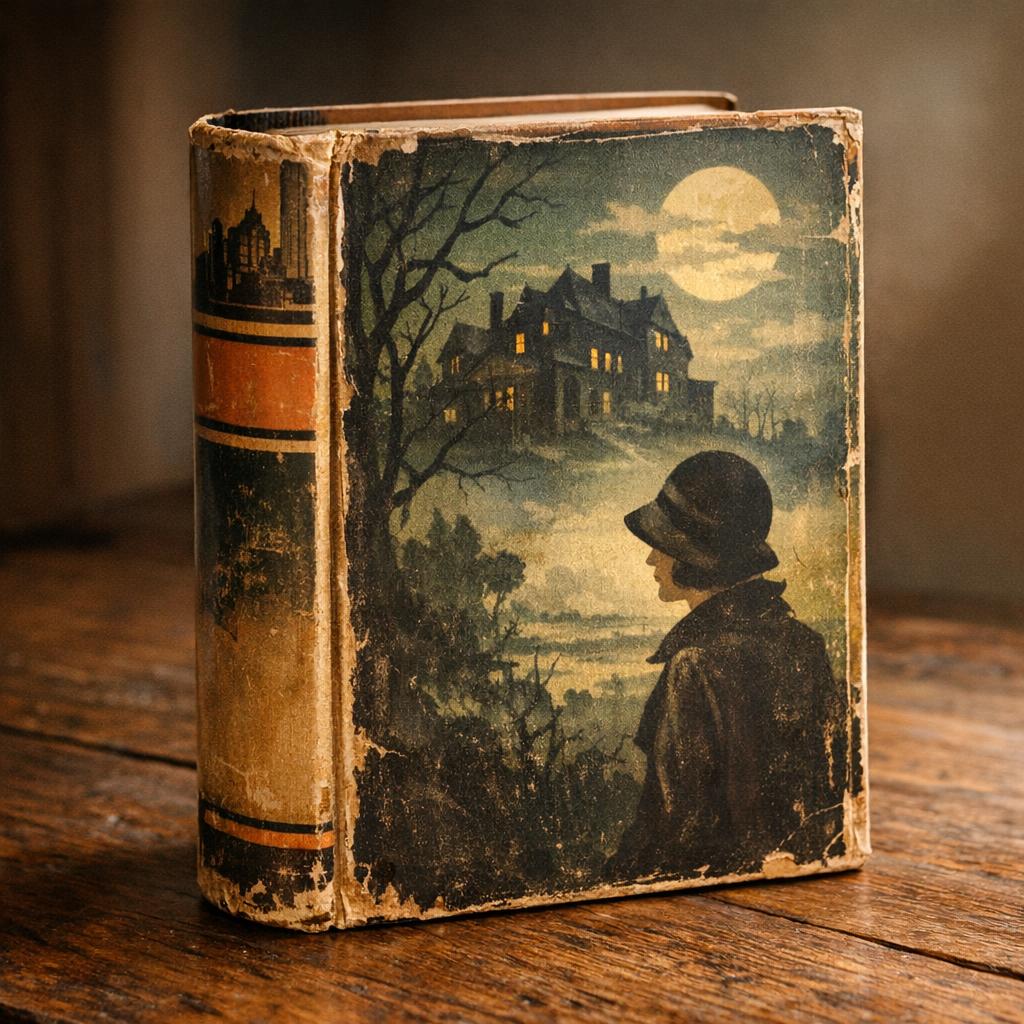
5. Books and first editions
Books are where basement humidity does the most silent damage. A true first edition — confirmed by the publisher's specific first-edition points, which vary by title and printing — in fine condition with an intact dust jacket can sell for a market-dependent range depending on the author and scarcity. The same title with a price-clipped dust jacket, foxed pages, or a cracked spine drops to a condition-specific range of that value.
What most people miss: the difference between "first edition" stated on the copyright page and a true first printing. Many publishers continued to print "First Edition" on subsequent printings. The specific points — typos, page numbers, publisher addresses — are what specialists verify, and they're what determine the auction price.
6. Vinyl records — pressing-specific values
Not all copies of the same album are worth the same. A first-pressing Beatles "White Album" with a low serial number (under 10,000) sold at auction in 2024 for over a value that must be established from current, topic-matched sales. A standard later pressing of the same album, even in excellent condition, sells for a value that must be established from current, topic-matched sales. The difference is in the matrix numbers etched into the runout groove, the label design, and whether the original poster and serial number card are included.
Other pressing-specific premiums: original Blue Note jazz records (NY label with deep groove, 1950s–early 1960s) sell for a value that must be established from current, topic-matched sales+ per title. Later reissues of the same recordings sell for a value that must be established from current, topic-matched sales. Basement-stored records also face a condition risk: warping from temperature fluctuations and sleeve damage from humidity are the two most common value-killers in this category.
7. Pottery and ceramics — studio pottery vs. mass-produced
Basement shelves hold a lot of pottery, and most of it is priced as "decorative" rather than as potential studio work. A handmade vase with a potter's mark on the base — even an unidentifiable one — carries studio pottery value starting at a value that must be established from current, topic-matched sales. If the mark can be attributed to a known studio (Rookwood, Grueby, Pewabic, or regional artisans), prices jump to a value that must be established from current, topic-matched sales+.
The inspection checklist: examine the base for any impressed marks, signatures, or numbering; check the glaze quality and consistency (studio work shows variation that mass production doesn't); and look for signs of hand-building rather than slip-casting. Mass-produced decorative pottery from the mid-20th century, by contrast, typically sells for a value that must be established from current, topic-matched sales.
8. Textiles and quilts with maker signatures
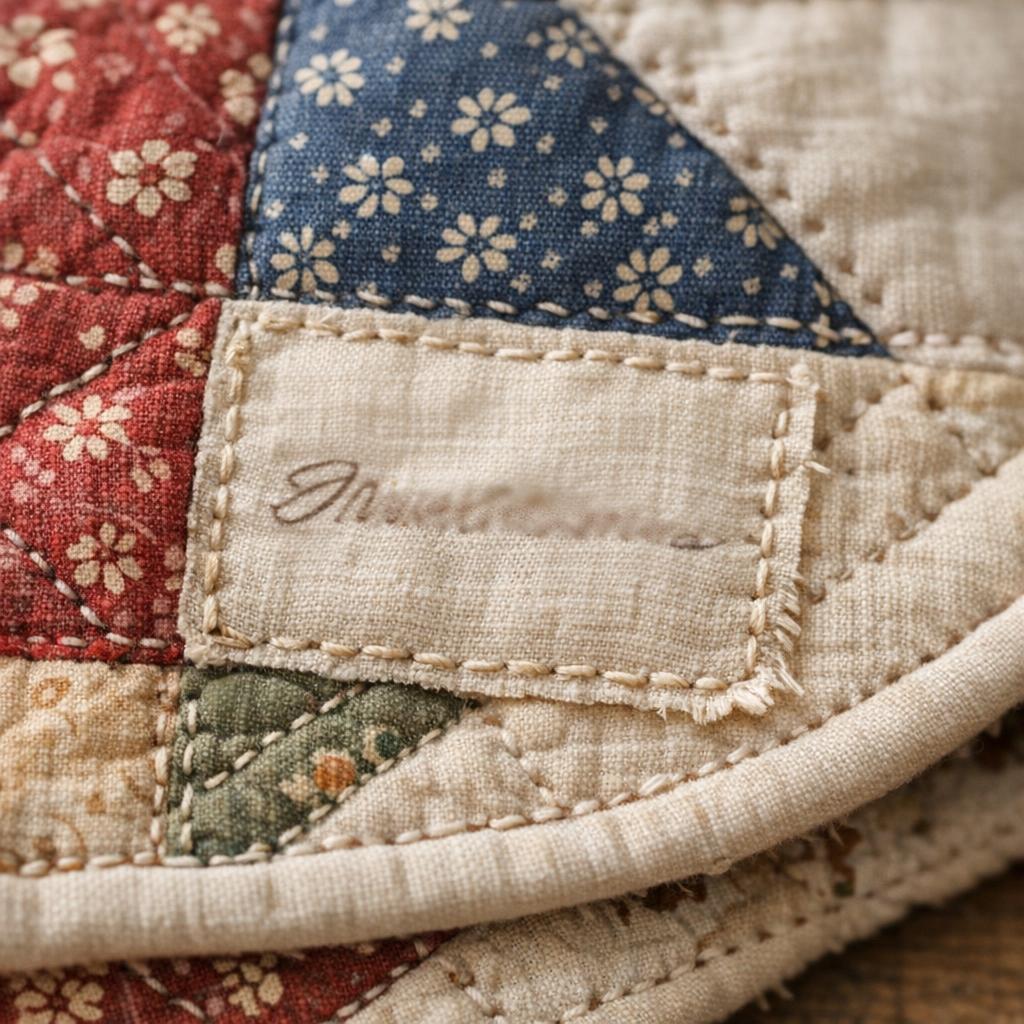
Handmade quilts, embroidered pieces, and woven textiles stored in basements often carry maker signatures or date labels that owners have never noticed. A 19th-century quilt with a documented maker's signature and date can sell at textile auctions for a market-dependent range, particularly if the pattern is attributable to a known regional tradition (Pennsylvania Dutch, Amish, Hawaiian appliqué).
Condition is critical here: basement humidity and pest damage (moths, silverfish) can devastate textile values. A quilt with intact stitching, vibrant colors, and a clear maker's label is a collectible. The same quilt with moth holes, faded dye, or crumbling edges is priced as a project piece — a value that must be established from current, topic-matched sales if that.
9. Sports memorabilia stored poorly
Baseball cards, football programs, and signed photographs stored in basement boxes without protective sleeves are the category where condition destruction is most common. A 1952 Topps Mickey Mantle in PSA 8 condition sold for a value that must be established from current, topic-matched sales million in 2022. The same card, unprotected and exposed to basement humidity for 70 years, might be graded PSA 1 or 2 — worth a value that must be established from current, topic-matched sales instead. That's not a mispricing of the market; that's a mispricing of the condition.
The lesson: if you find sports memorabilia in a basement, assume the condition is worse than it was when originally stored. Get it professionally graded before pricing it against PSA population reports. Raw (ungraded) cards always sell at a a condition-specific range discount to their graded equivalents, even when the underlying grade would be strong.
10. Artwork and prints — signed but unframed
Prints, etchings, and lithographs stored flat in basement drawers are routinely undervalued because the signature and edition number are easy to miss. A signed and numbered limited-edition print by a listed artist (even a regional one) can sell for a market-dependent range at auction. The same print, unsigned or unnumbered, is priced as a decorative poster: a value that must be established from current, topic-matched sales.
What to check: look for a pencil signature in the lower margin (printed signatures are worth significantly less), an edition number such as "23/100" (lower numbers in small editions carry a slight premium), and any gallery or exhibition labels on the verso. Store prints flat, interleaved with acid-free paper, in a climate-controlled space — basement damp is the fastest way to destroy paper value through toning and foxing.
What separates a a value that must be established from current, topic-matched sales find from a a value that must be established from current, topic-matched sales one
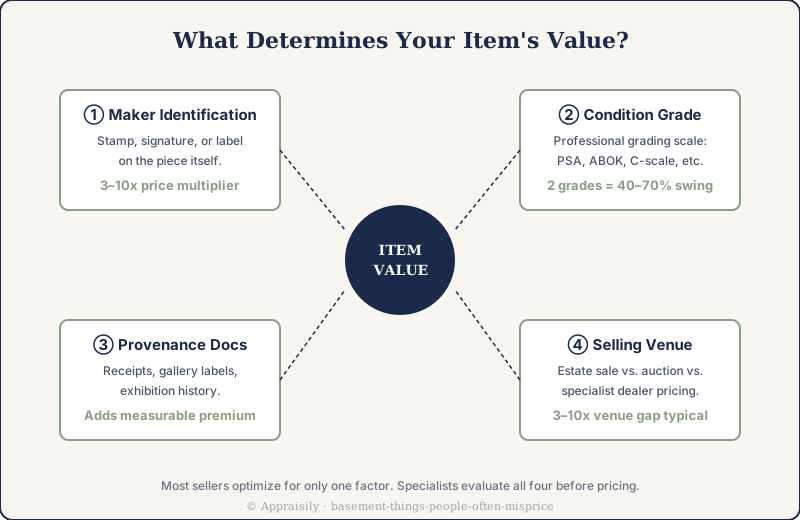
Across all ten categories above, the same four factors repeatedly determine whether an item lands at the bottom or the top of its pricing range:
Condition grade
Professional graders use standardized scales (PSA for cards, ABOK for books, C-scale for coins). An item two grades lower on a standard scale typically sells for a condition-specific range less. Basement storage conditions almost confirm a condition downgrade versus professionally stored examples — the question is whether the damage is visible to a non-specialist.
Maker identification
A verified maker name or manufacturer stamp is the single most powerful price multiplier in the resale market. Furniture, pottery, tools, and electronics all follow this pattern: unattributed items sell for their utility value; attributed items sell for their collector value. The gap between the two is routinely 3–10x.
Provenance documentation
Original receipts, gallery labels, exhibition catalogues, and even photographs of the item in its original context add measurable value. Auction houses routinely note provenance in their lot descriptions, and buyers pay premiums for items with documented history. An item without provenance isn't worthless — but it's priced without the premium that history commands.
Selling venue selection
We return to this because it's the factor most within the seller's control. The same item sold through three different venues will produce three different prices. Estate sales are priced for speed. Auctions are priced for discovery. Specialist dealers are priced for margin. Knowing which venue matches your item's category is the difference between a quick a value that must be established from current, topic-matched sales sale and a patient a value that must be established from current, topic-matched sales one.
The estate sale vs. auction price gap
The pricing mechanics are straightforward and well-documented. Estate sale companies typically price items at a condition-specific range of their estimated resale value because their business model depends on selling the entire contents of a home in two to three days. They aren't wrong to do this — their margin comes from volume and velocity, not optimization.
Auction houses, by contrast, work on consignment and take a condition-specific range of the hammer price. Their incentive is to maximize the sale price because their fee scales with it. The result: the same item that leaves an estate sale for a value that must be established from current, topic-matched sales on a Saturday morning can appear in an auction catalogue three weeks later with an estimate of a value that must be established from current, topic-matched sales and close at a value that must be established from current, topic-matched sales or more when two specialist collectors compete.
Recent data from the 2026 estate sale season supports this pattern. Country Living's March 2026 roundup of "overlooked estate sale finds" highlighted flatware, quilts, and books — exactly the categories where the venue gap is widest. A set of sterling silver flatware priced at a value that must be established from current, topic-matched sales at an estate sale (seller didn't test each piece with a magnet or check hallmarks) later sold at a regional auction for a value that must be established from current, topic-matched sales after a specialist confirmed the Gorham pattern and date code.
This isn't a criticism of estate sale companies. It's a pricing reality: the person pricing the item and the person buying the item are optimizing for different outcomes. Understanding that gap is the foundation of smart basement valuation.
Free instant estimate
Not sure if your book is worth appraising? Let us take a look.
Upload a photo, tell us what you know, and get a free first read. If a full appraisal makes sense, we will say so.
Free. No card needed. Takes about two minutes.
When to get a professional appraisal
Not every basement find warrants a formal appraisal. But there are specific situations where a documented, defensible valuation is worth the investment:
- Estate settlement: When dividing assets among heirs or processing an estate, a written appraisal provides the documentation that probate courts and tax authorities require. Guesswork creates disputes; appraisals resolve them.
- Insurance scheduling: If you've identified an item worth a value that must be established from current, topic-matched sales or more in your basement, adding it to your homeowner's policy requires a current appraisal. Insurance companies don't accept estate-sale receipts as scheduled-value documentation.
- Charitable donation: Donating an item valued at a value that must be established from current, topic-matched sales or more to a qualified charity requires a written appraisal from a qualified appraiser for IRS Form 8283. Mispricing on a donation receipt is one of the most common triggers for IRS scrutiny.
- High-value discovery: If you've found something you suspect is significant — a signed print, a maker-stamped piece of furniture, a first-edition book with a dust jacket — an appraisal confirms (or disproves) your suspicion before you commit to a selling venue.
- Market timing decisions: An appraisal doesn't just tell you what something is worth. It tells you where and when to sell it for the best result. That guidance alone often pays for the appraisal fee.
The cost of a single-item appraisal typically ranges from a market-dependent range depending on complexity and the appraiser's specialization. For items you believe may clear a value that must be established from current, topic-matched sales at the right venue, that investment is a fraction of the pricing gap you're trying to close.
Found something you think might be valuable?
Get a documented appraisal from a qualified specialist before you price it, list it, or let it go.
Free to submit · No obligation
Protecting what you find
Once you've identified something with potential value, the next priority is preserving it. Basement storage conditions are the number-one cause of value loss between discovery and sale. Here are the minimum steps to protect items you believe may be worth a value that must be established from current, topic-matched sales or more:
- Move to climate-controlled storage. Even a spare closet on an upper floor is better than a basement for paper, textiles, and wood. Temperature stability matters more than the absolute temperature.
- Use acid-free materials for contact storage. Acid-free boxes, tissue paper interleaving for prints, and archival sleeves for cards and photographs prevent the chemical degradation that basement humidity accelerates.
- Document everything before you move it. Photograph the item in situ, note any marks or labels you find, and record the location where you found it. Provenance starts with "found in the basement of [address] on [date]."
- Don't clean or restore it yourself. This is the most common mistake after mispricing. Cleaning a coin, refinishing a piece of furniture, or washing a textile can destroy a condition-specific range of its collector value. Leave conservation work to professionals.
- Get it appraised before you list it. A documented appraisal gives you pricing confidence, protects you from lowball offers, and provides the provenance record that future buyers will pay a premium for.
References & methodology
This article draws on publicly available auction results, estate sale pricing studies, and appraisal industry standards. Specific price references come from documented hammer prices at Heritage Auctions, Rago Arts, and regional auction houses, supplemented by estate sale company pricing data. Condition grading references follow PSA (cards), ABOK (books), and general collectible-market standards. All value ranges represent observed market data as of early 2026, not confirms or offers to purchase.
Read our full editorial policy for details on sourcing, review, and correction procedures.
Search variations collectors ask
Readers often Google questions like these — each is covered in the guidance above:
- What items in my basement are worth the most money?
- How do I tell if vintage electronics are valuable?
- Why do estate sale prices differ from auction results?
- How to identify a maker's mark on old furniture?
- What damages the value of items stored in a basement?
- When should I get an antique professionally appraised?
- Are first edition books in my basement worth anything?
- How much can a professional appraisal cost for one item?
Each question above is answered in detail in the valuation guide above.


