Start with what is visible first, not what it might become
That old ceramic vase might be a solid piece of collectible material, or it might be a late decorative copy with a decorative look but weaker resale context. The practical question is not whether it is old. The practical question is whether the visible evidence supports a defensible identity and whether there is enough market demand to justify further appraise-level evaluation.
Most ceramic misclassifications come from skipping three checks: who made it, how the body and glaze performed at age, and whether form and condition match the claimed period. If any one of those is missing, the risk of a wrong conclusion is high even for experienced collectors.
In this guide, you will do most of the work with the object in hand and a phone camera. The goal is not to guarantee an exact sale price from photos, but to decide if this ceramic is worth a specialist review and how to reduce your uncertainty quickly.
Find and decode maker marks, stamps, and backstamps
Maker marks are the first hard signal you can check, but they are one signal, not the whole decision. Makers changed marks, factories changed ownership, and import marks were sometimes copied. The mark helps, but it is not enough on its own.
Use this sequence every time:
- Rotate in safe light. Photograph every edge at a slight angle so that shallow stamps are readable.
- Isolate print depth. Inked decals can look fresh while old marks lose edge definition. You should see carving depth or enamel wear in genuine historical marks.
- Separate factory vs. estate labels. Factory marks describe manufacture. Estate labels describe ownership and can be added later.
- Capture back and underside closeups. Many ceramic marks are on the base, under glaze, or on boxed feet hidden by varnish buildup.
Do not force recognition. If you cannot clearly read a mark, document the uncertainty. A readable but generic symbol does not prove period by itself; it only narrows the field. If no mark is present, move to glaze, form, and production clues before assigning an identity.
Interpreting body, glaze, and color as proof, not decoration
The clay body, glaze chemistry, and glaze behavior are your condition proxies before market research. The strongest clue is consistency: does the body, glaze, and decoration agree with each other?
Body and feel
Old porcelain bodies often feel tighter and denser than later slip-cast decorative shells. Porosity, translucency, and weight clues help, but the same base can be used across decades and factory clusters. Use body as one feature in a combined profile.
Glaze clues
Look for glaze texture from macro photography and side lighting. Crazing, checking, dull bloom, pinholing, and microscopic crawling can be either age signs or intentional decorative defects. Age clues are strongest when they are distributed naturally with wear.
Fine crackle lines that form naturally over time from thermal movement matter. They do not prove high value by themselves, but they do support age. Even the same pigment family (for example, stable cobalt blue underglaze tones) appears repeatedly across decades, so color must be cross-checked with form and condition.
If glaze and body contradict each other (for example, highly matte glaze on modern crisp edges with clean machine symmetry), increase your skepticism and treat this as possibly later production or a restoration-heavy piece.
Form, foot ring, and patterning as authentication anchors
Form is where many wrong conclusions happen. Bowl profile, rim treatment, foot ring angle, and interior profile all matter more than broad descriptions such as “elegant” or “old.”
Capture these details exactly:
- True height and diameter ratio
- Rim profile and thickness at lip
- Base ring depth, chipping pattern, and wear around foot contact points
- Any decorative repeats, hand-applied motifs, and painterly layering
For a lot of ceramics, the story is visible in the shape, not only in the stamp.
Condition and repair clues that change value faster than anything else
Condition controls the usable evidence. Buyers price function, finish integrity, and wear pattern. A strong mark does not override severe restoration risk.
High-value damage patterns
- Sharp chips on rims and handles where handling points are obvious
- Old stress lines and repaired chips that were burnished back without matching glaze texture
- Base cracks from uneven kiln or transport stress
- Repaired glaze voids with modern solvent shine
Use this rule: a piece with clear provenance and strong attribution but heavy intervention can still be collectible, but buyer confidence drops quickly and the value range compresses.
Repair detection by hand-in-hand visual checks
A quick way to test repairs is to compare reflection on a repaired area against nearby untouched glaze, then compare reverse side fractures. In genuine antique wear, transitions are usually irregular and soften over time. In many modern repairs, seam lines are sharp or too uniform.
If cracks are structural and the glaze has lost continuity, it is still worth a free read. If chips are shallow and localized, you can safely use the object as a learning baseline without immediate urgency.
How people usually jump to wrong conclusions
Most misidentification starts when one feature is treated like final proof. Condition and style are often cherry-picked to fit expectations. This is why shortlists should be built with contradiction-first logic.
Here is the minimum evidence path:
- Can the mark be confirmed from multiple photos?
- Can body and glaze behavior support that mark’s likely era?
- Does the form match period-specific production habits?
- Are wear, chips, and repairs proportionate to expected age?
If any line fails, your item still may be genuine but your confidence should stay provisional and you should continue to paid confirmation.
A real-world identification flow for estate and sale photos
An anonymous estate-search situation is where this framework lands best. A family member brings a porcelain service with a faint base mark and asks, “Is this really old?” In that case, the safest progression is:
- Photograph marks, inside of lips, feet, and glaze breaks with neutral light.
- Compare mark shape against a known maker catalog reference, not just a text search.
- Document every repair and missing glaze edge before any opinion.
- Use comparable auction language only after at least two corroborating signals are in place.
If the item stays unclear after these steps, this is exactly the point where sending photos into a guided read helps: one low-friction input step prevents overconfident assumptions and keeps your result path honest.
What similar items actually sold for
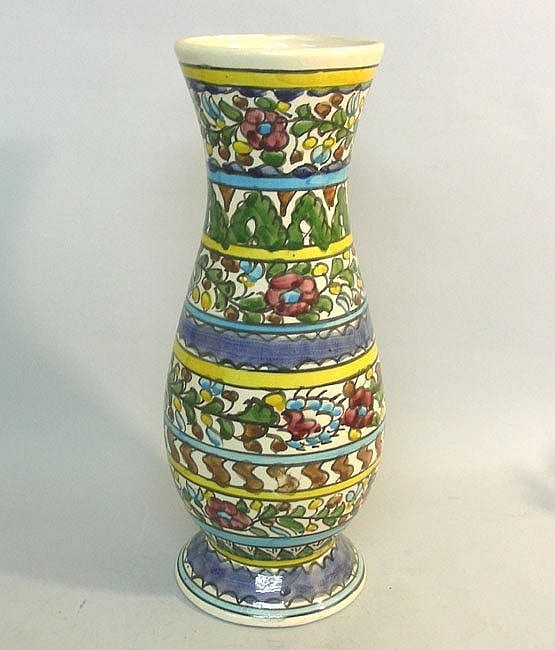
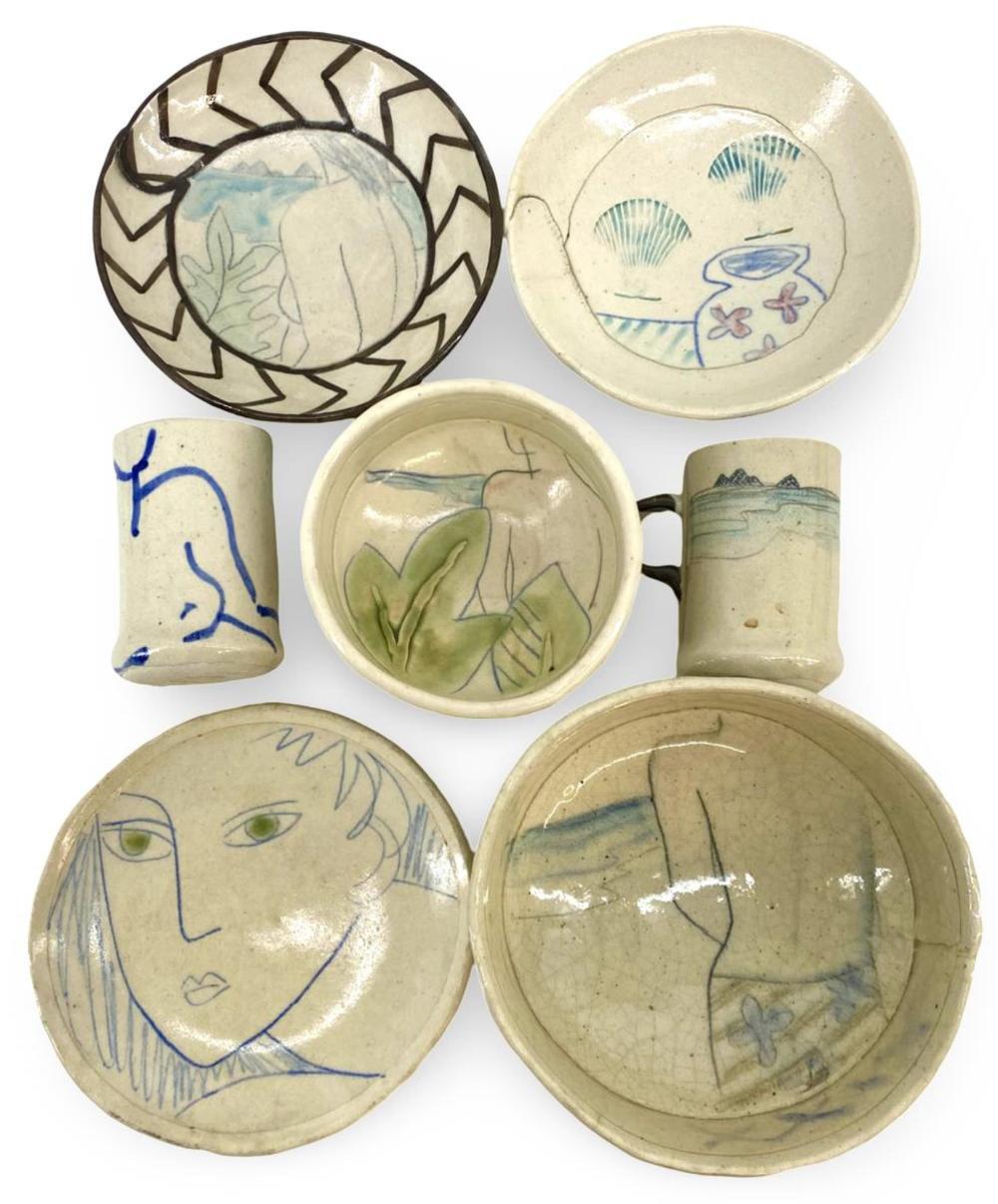
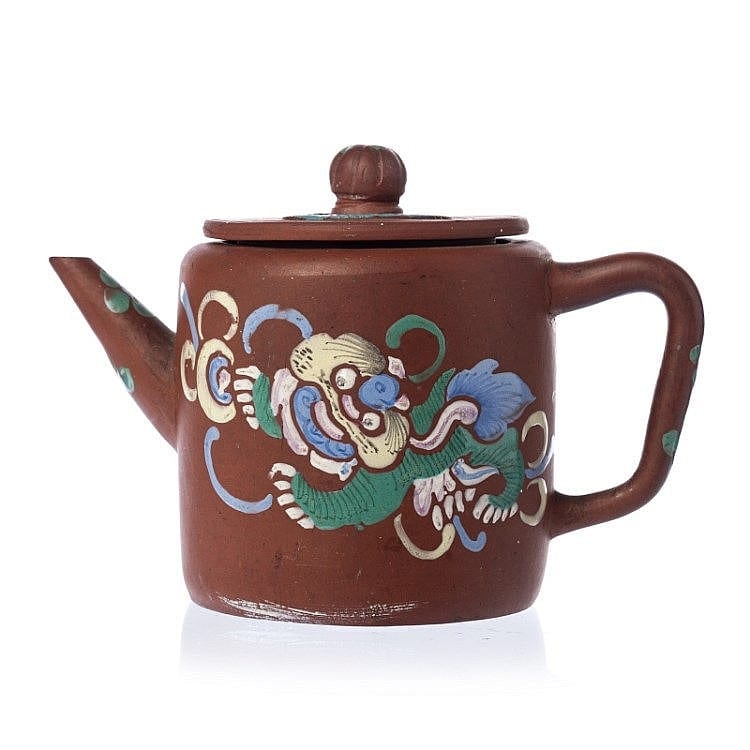
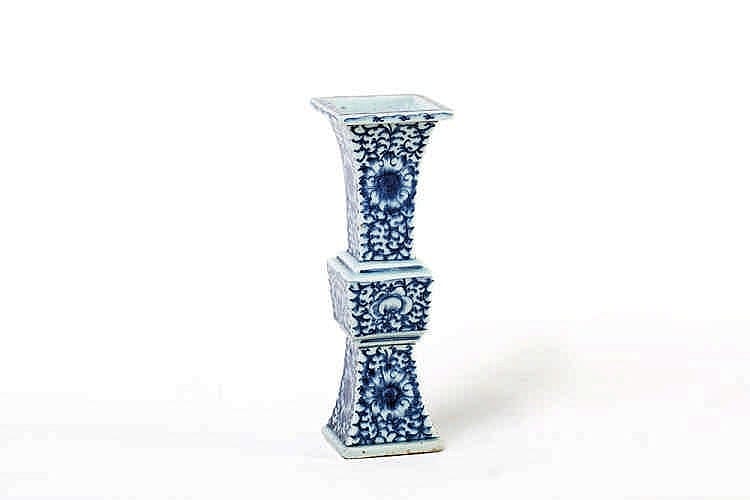
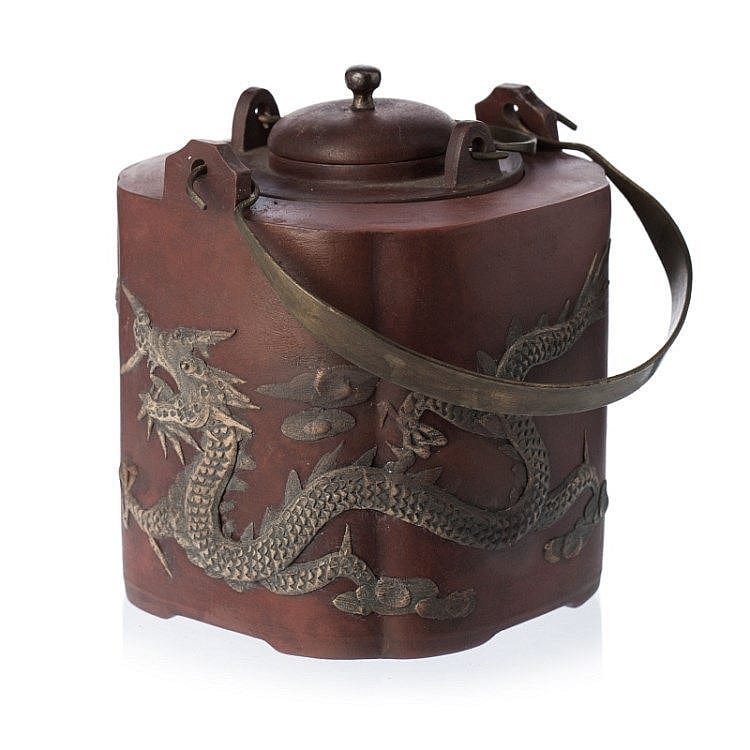
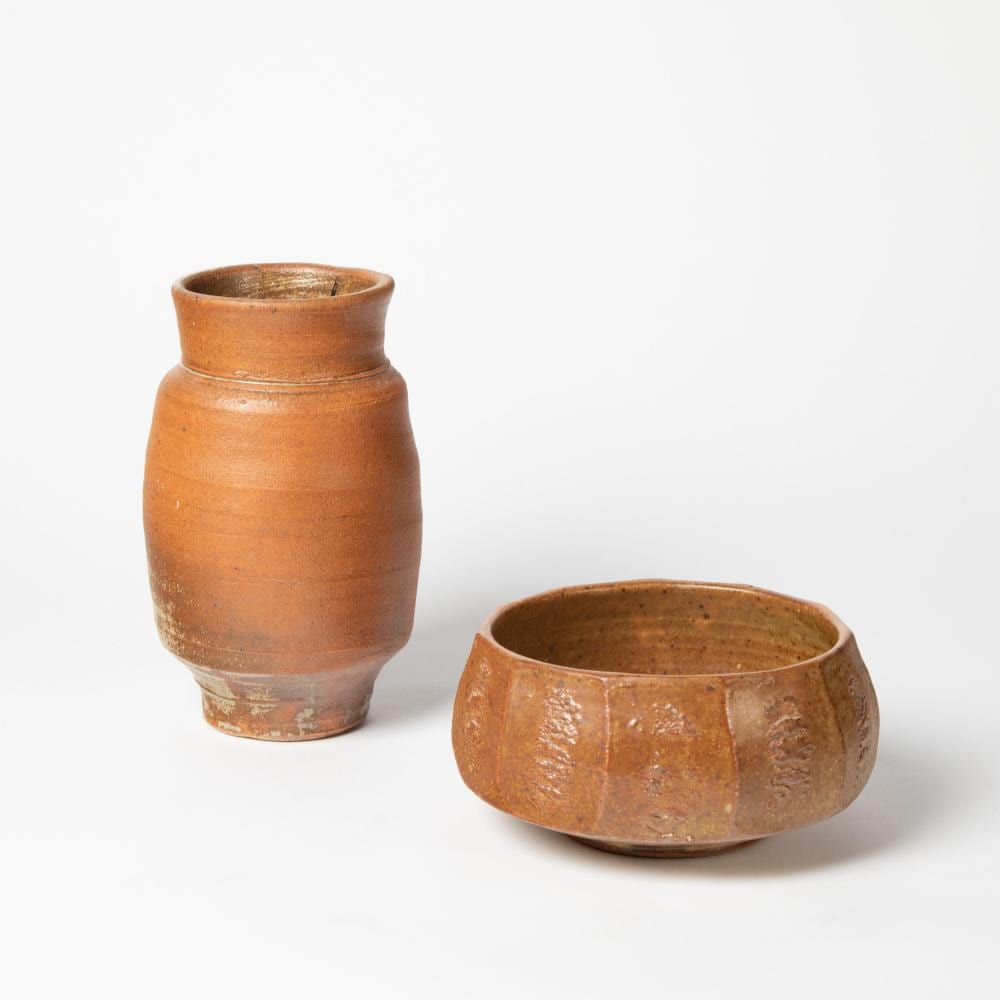
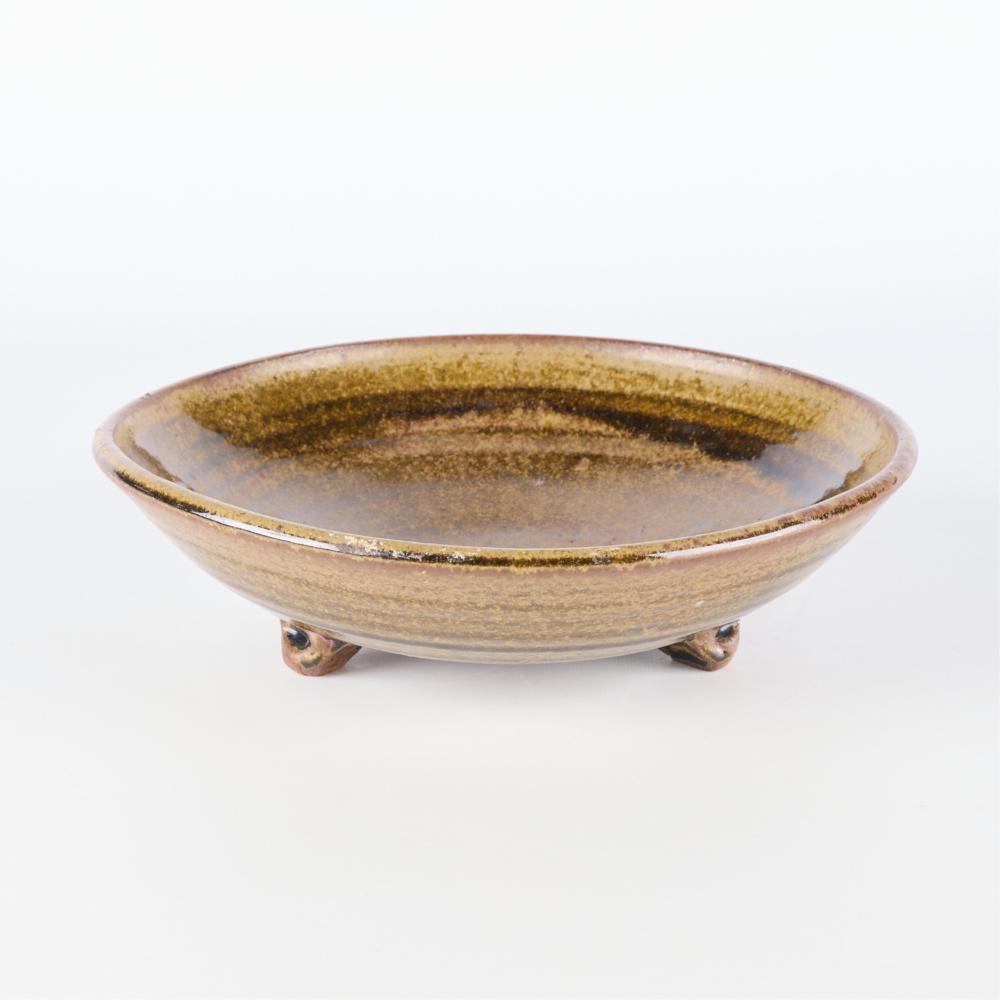
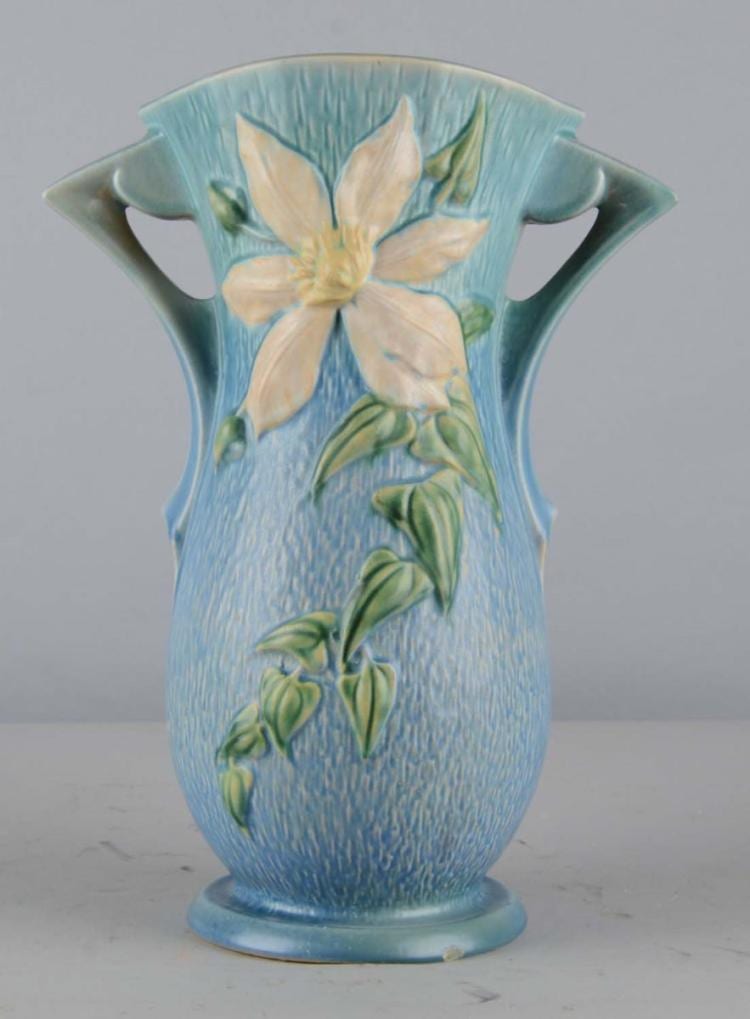
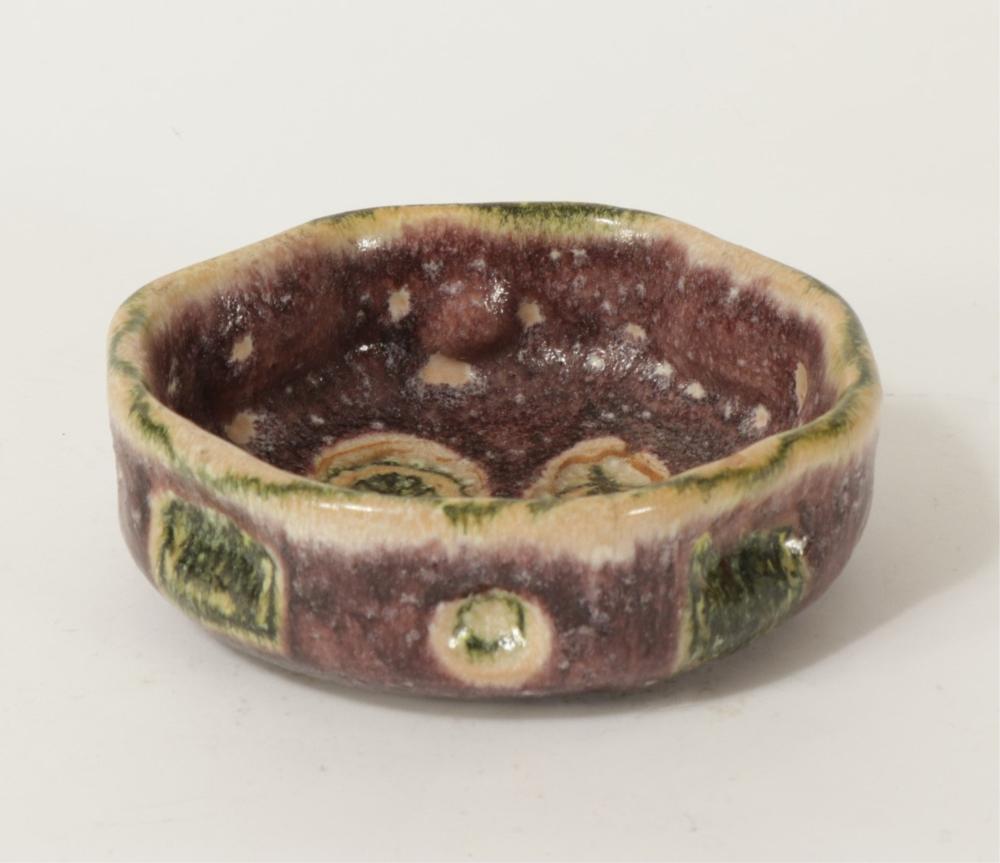
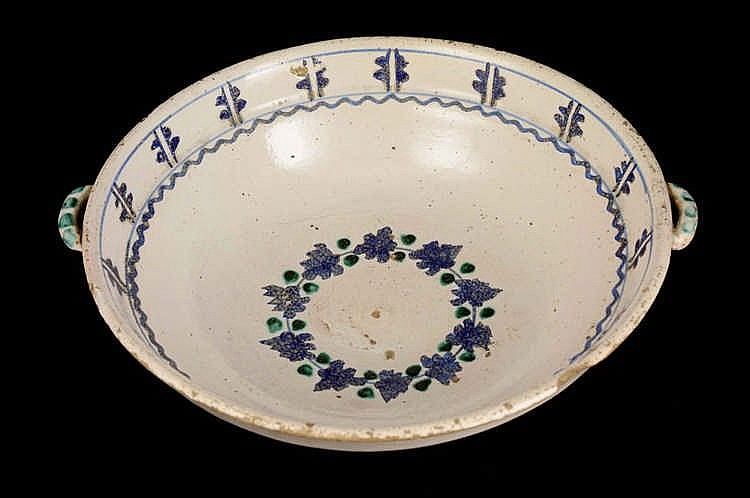
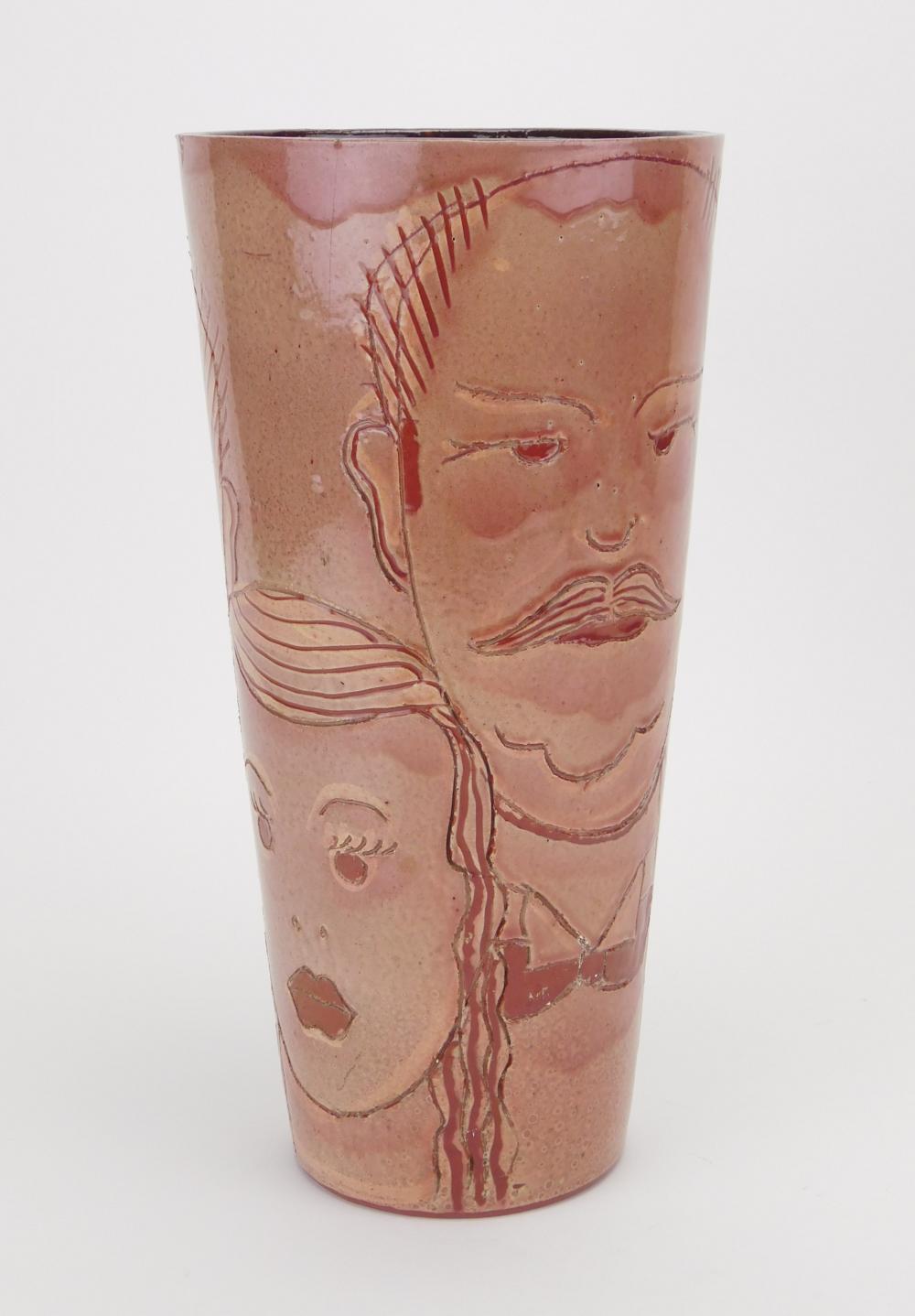
To help ground this guide in real market activity, here are recent example auction comps from Appraisily’s internal database. These are educational comparables (not a guarantee of price for your specific item).
Disclosure: prices are shown as reported by auction houses and are provided for appraisal context. Learn more in our editorial policy.
Free instant estimate
Not sure if your ceramic is real? Let us take a quick look.
Upload photos of marks, shape, and any repairs. We can help you separate collectible ceramics from decorative lookalikes.
Free instant estimate
Not sure if your ceramic item is real? Let us take a look.
Upload photos and item context. We will give you a free first read. If your ceramics merit a full report, we will say so.
Free. No card needed. Takes about two minutes.
Build your own confidence ladder
Use a short confidence ladder before asking for a formal opinion. If marks are clear, glaze and form align, and condition is coherent, your read confidence should rise. If any two layers disagree, your confidence should stay moderate and you should escalate to a specialist first-read.
When this process is done correctly, you avoid three common losses: chasing expensive false provenance, overpricing damaged sets, and skipping pieces that are actually strong collectibles with light condition damage.
FAQ
Can I identify a ceramic by one clear mark?
Yes, but only as part of a larger test. Mark confidence rises when body, glaze, and condition support the same period and production logic.
What is the first photo to send to an appraiser?
Base, rim, and any mark area in neutral light, plus closeups of chips and glazing interruptions. The first pass is usually won or lost by what you photograph, not what you omit.
How do I know if chips help or hurt value?
Location matters. Functional chips near wear edges can be accepted in context. Repaired structural breaks, heavy rim loss, and non-original glaze fill usually have stronger downward impact.
How this guide is prepared
We ground this guide in practical identification criteria (marks, glaze, form, and condition) plus recent internal market signals from comparable auction lots.
- Methods are presented as structured checks you can apply to your own photos and condition notes.
- Comps and sale context are used as educational anchors, not as guaranteed price promises for your specific item.
- If uncertainty remains, send clear photos into Appraisily for a free specialist-first read.
References used in this guide
- Appraisily article: Old Pottery Identification: Clay, Glaze, Marks and Condition
- Appraisily article: How to Identify Antique Ceramics
- Lakeside Pottery guide: Marks and symbols on ceramics
- Appraisal-oriented notes: internal comps metadata from Appraisily internal lot records
Common search variations
- Antique ceramics marks are they real?
- How to spot ceramic maker backstamps
- How to tell if ceramic glaze is age or restoration
- Antique vase shape clues for identifying period
- Do chips reduce ceramic value?
- What condition notes matter most in antique ceramics
- Rookwood-like porcelain: how to authenticate quickly
- Old porcelain bowl vs modern reproduction checklist
Not sure the ceramics are authentic?
Free instant estimate