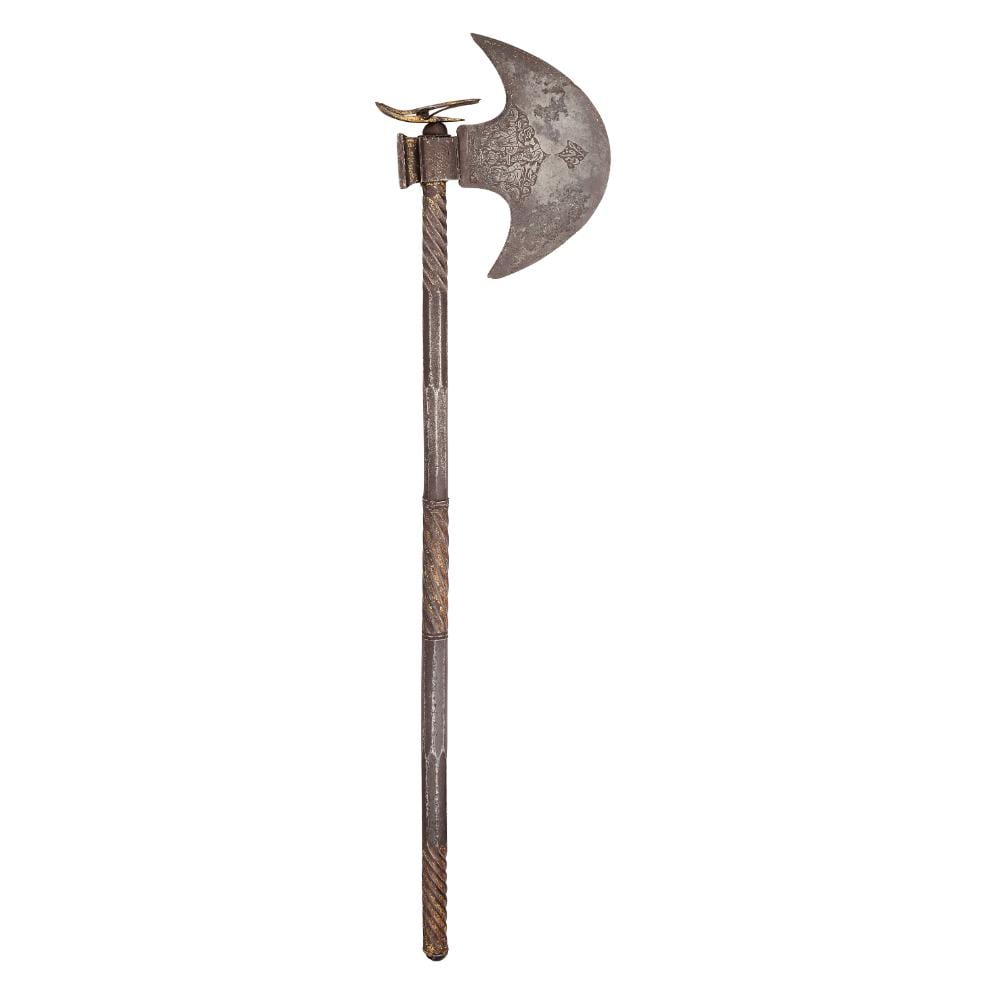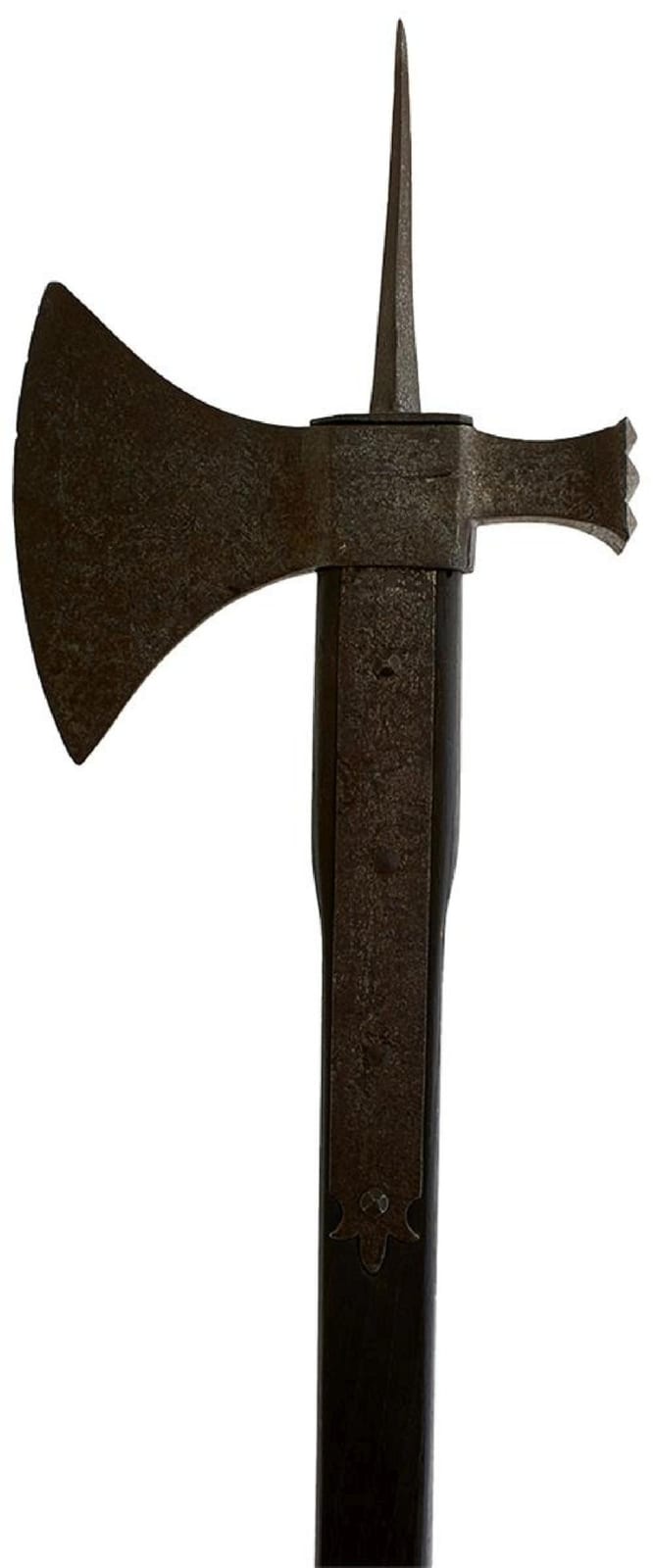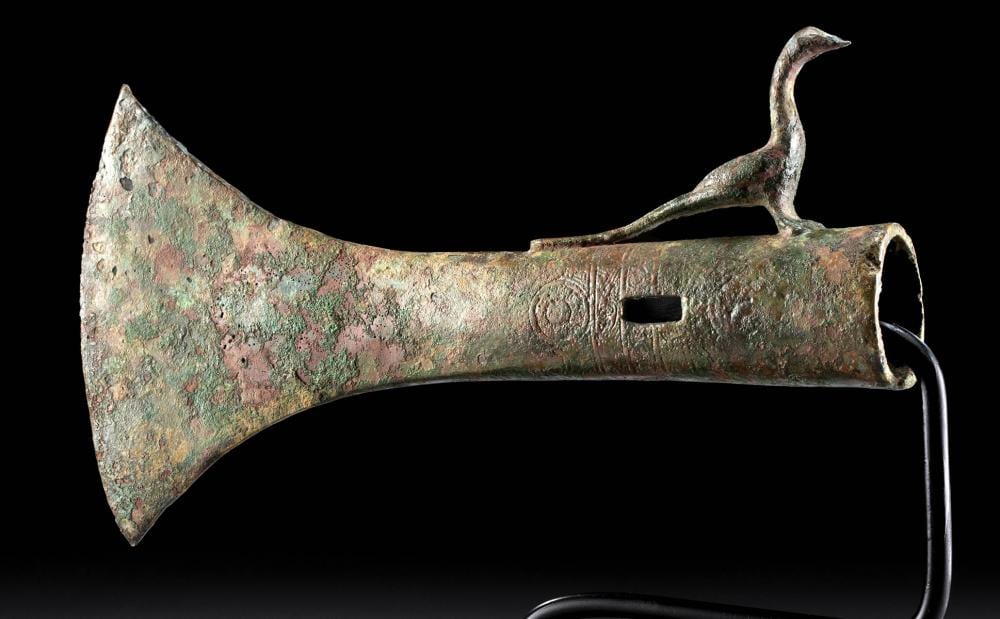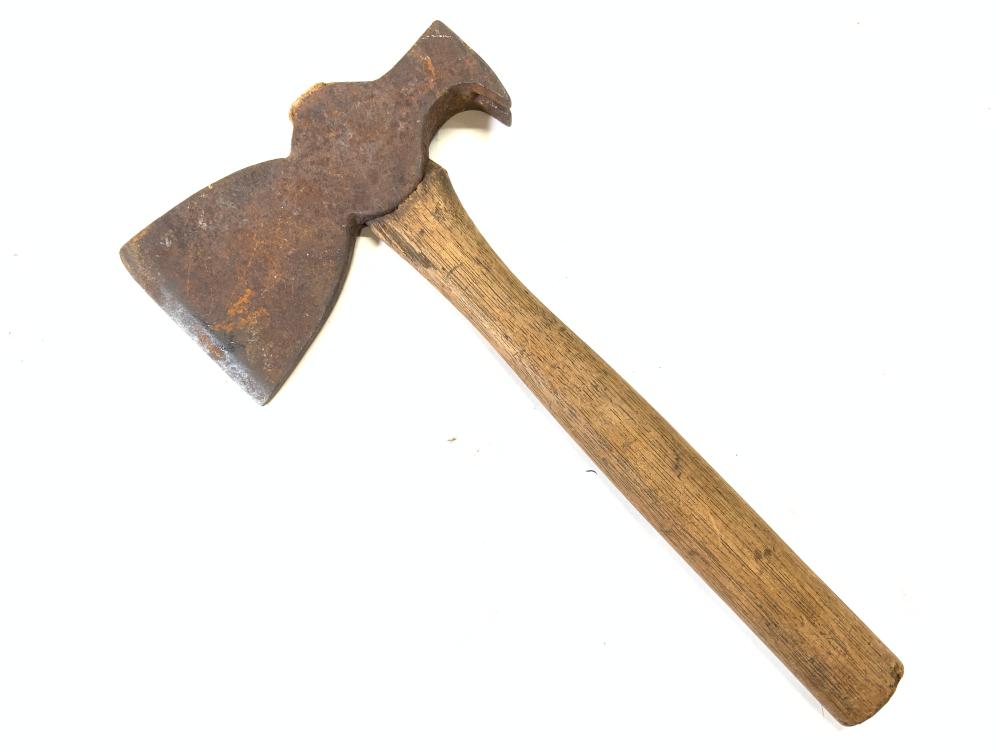
Introduction: Why Antique Axe Identification Matters
Antique axes are more than utilitarian relics—they are artifacts of craftsmanship, trade, and culture. For collectors, estate inheritors, and gallery operators, correct identification is the difference between a valuable asset and a costly mistake. The global antiques market generated over a value that must be established from current, topic-matched sales billion in 2024, with axes representing a robust niche that continues to grow thanks to online auctions and renewed interest in historical tools.[1] Whether you’re handling a Native American pipe tomahawk or a branded American felling axe, knowing how to document originality and appraise these pieces is essential for maximizing value and avoiding fakes.
Key Types of Collectible Antique Axes
The antique axe market centers on three primary segments:
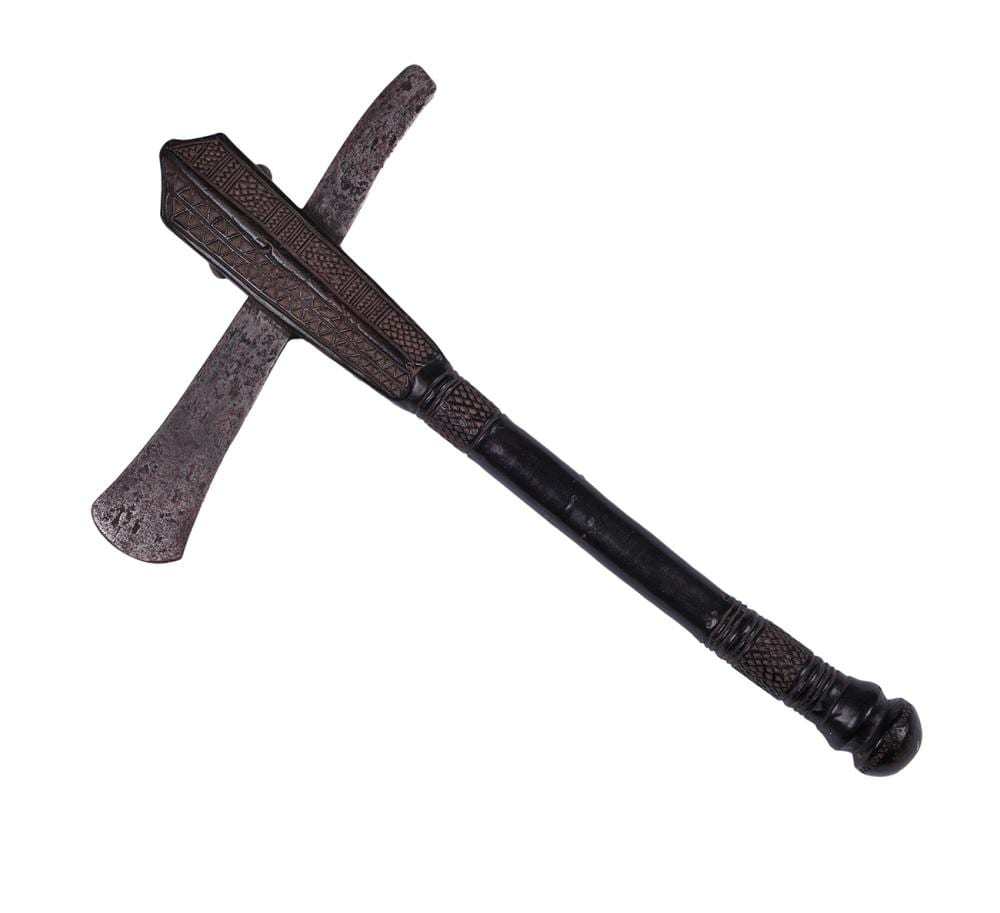
1. Native American Pipe Tomahawks and Trade Axes: These 18th- and 19th-century axes, often featuring heart cutouts, tacked hafts, and functional pipe bowls, are highly sought after. Provenance, decoration, and original hafts drive premiums. Top examples can exceed a value that must be established from current, topic-matched sales at auction.[2]
2. American Felling and Broad Axes: Produced from the 19th to early 20th centuries, axes from makers like Kelly/True Temper, Plumb, and Collins are prized for their stamped marks and distinctive patterns (e.g., "Black Raven," "Flint Edge"). Most trade from two digits to low four figures, with rare stamps and original handles commanding the highest values.[4]
3. European Makers (Notably Swedish Hults Bruk): European axes, especially those from Hults Bruk, are valued for their robust maker’s mark archives, which support confident dating and attribution review. Demand is steady among international collectors, with prices reflecting mark clarity, pattern, and condition.[5]
Step-by-Step Antique Axe Attribution review
Follow these expert steps before cleaning or altering any axe:
- Photograph maker marks and branding before cleaning.
- Record silhouette, poll, bit, and haft measurements.
- Note repairs, recasts, and replaced handles.
- Compare the mark and pattern to documented sales.
1. Document Maker’s Marks and Branding: Photograph both cheeks and the poll under raking light. For American axes, look for multi-line stamps (e.g., "True Temper / Kelly Works / Forged Steel"). Early Kelly marks differ from post-1930 versions. For Hults Bruk, compare the HB mark style to official dating guides.[4][5]
2. Assess Construction: Genuine antique axes are forged, not cast. Look for forge-weld seams, hand-filed surfaces, and differential hardening at the bit. Cast reproductions have uniform surfaces and visible mold lines. Inspect the eye: traditional axes show drift marks and asymmetry, while modern fakes often have perfectly machined bores.
3. Tomahawk-Specific Checks: True pipe tomahawks have a drilled bowl and haft. Pass a pipe cleaner through to confirm. Check for hand-worked heart cutouts and period-correct file branding. Tacks and haft wear should show age-consistent oxidation.
4. Pattern and Region Identification: Record overall length, head dimensions, bit width, and eye shape. Match these to cataloged patterns and maker catalogs. For Kelly/True Temper, stamp layout and content help date the piece. For Hults Bruk, use their official mark guides.[4][5]
5. Evaluate Patina and Condition: Original surfaces with honest use—differential patina, peened polls, tight period hafts—are most valuable. Avoid axes with aggressive cleaning, grinder marks, or replaced handles lacking period features.
6. Compile Documentation: Create an appraisal packet: macro photos of marks, silhouette with measurements, and any provenance. Use auction databases to find market evidence by maker, pattern, and decade.
Reading the Market: Recent Sales and Value Drivers
The antique axe market is robust, with steady growth and strong demand for documented, original examples. Recent sales illustrate value drivers:
- Freeman’s, Sept. 25, 2025: Northern Arapaho tacked pipe tomahawk with heart cutout, original haft, and strong provenance sold for a value that must be established from current, topic-matched sales reflecting the premium for decorated, culturally attributed pieces.[2]
- Jeffrey S. Evans & Associates, June 28, 2025: Western Plains pipe tomahawk with heart cutout and tack-decorated haft sold for a value that must be established from current, topic-matched sales against a a value that must be established from current, topic-matched sales estimate, showing that correct features and solid condition can triple expectations.[3]
- Pattern premiums: Spontoon blades, heart cutouts, and heavy tacking command higher prices.
- Original hafts: Replacements, especially on pipe tomahawks, can halve value.
- Maker’s marks: Rare, clear stamps (e.g., Kelly “Black Raven,” Collins Legitimus) bring multiples over generic marks.
- Documentation: Provenance, exhibition history, and original sheaths add liquidity and price.
Factory axes with collectible branding typically trade from a market-dependent range, while top-tier tomahawks and decorated axes can reach five figures. The overall antiques market is projected to grow at nearly a category-dependent amount annually through 2034, supporting continued price strength.[1]
Spotting Fakes and Reproductions
Reproductions and altered axes are common, especially among pipe tomahawks and rare factory brands. Protect yourself with these checks:
- Pipe Tomahawks: Confirm a true airway by running a pipe cleaner through the bowl and haft. Inspect for casting texture, mold lines, and uniform “age” on tacks and hafts. Artificially aged pieces often have too-even oxidation and freshly cut haft mouths.[6]
- Factory Axes: Beware re-stamped heads marketed as rare lines. Compare stamp font, order, and placement to documented originals. Stamps over pitting or with crisp, modern edges on a worn head are red flags.
- General Tips: Never remove patina or over-clean; this can erase evidence and halve value. When in doubt, seek a written condition report and provenance chain, and consult a specialist dealer or museum curator.
If a deal seems too good to be true—especially for “Viking” axes or 19th-century pieces with no documentation—assume it’s decorative unless proven otherwise.
Appraisal and Documentation: Maximizing Value
To maximize your axe’s value and marketability:
- Photograph Clearly: Use macro shots for marks, straight-on silhouettes for shape, and include measurements. Natural, raking light reveals surface details.
- Record All Features: Note dimensions, weight, materials, construction details, and any unique features or repairs.
- Preserve Originality: Avoid cleaning or altering the axe before appraisal. Original patina and hafts are highly prized.
- Gather Provenance: Any documentation—old photos, sales receipts, exhibition records—adds value and credibility.
- Compare Market evidence: Use auction databases and cataloged examples to benchmark your axe. Focus on sales with clear photography and detailed condition notes.
For a professional, market-ready appraisal, submit your documentation to a qualified expert or use Appraisily’s online appraisal service for a tailored report.
Frequently Asked Questions
How can I tell if my axe is truly antique? Look for hand-forged construction, period-correct maker’s marks, and honest patina. Compare features to cataloged patterns and consult auction results for similar examples.
What are the most valuable types of antique axes? Decorated Native American pipe tomahawks with original hafts, rare factory-branded American felling axes, and European axes with documented marks are most sought after.
How do I avoid buying a fake or reproduction? Study maker’s marks, construction clues, and patina. Use practical tests (e.g., pipe cleaner for tomahawks) and always request provenance and a written condition report.
Should I clean or restore my axe before appraisal? No—cleaning can erase valuable evidence and reduce value. Document the axe as found and consult an expert before any restoration.
How We Research Valuation Data
Our appraisal guides are based on auction results, dealer pricing data, and professional appraiser insights. We may earn a commission when you use our free professional appraisal service. Learn about our editorial standards.
Get Your Antique Axe Professionally Appraised
Ready to unlock the true value of your antique axe? Submit detailed photos and documentation to Appraisily’s expert team for a fast, authoritative appraisal. Whether you’re selling, insuring, or simply curious, our specialists provide market-backed valuations and attribution review you can trust.
No obligation. Secure upload.
References
- Yahoo Finance (UK): Second-Hand Collectibles Market Report
- Freeman’s | Hindman: Native American Pipe Tomahawk Auction Result
- Jeffrey S. Evans & Associates: Western Plains Pipe Tomahawk Auction Result
- e‑WV: The West Virginia Encyclopedia – Kelly Axe History
- Hults Bruk (official): Axe Makers’ Marks and Dating Guide
- Fur Trade Axes & Tomahawks: Fakes, Mistakes & Repros